Master How to Build a Cactus Terrarium Under a Cloche — Airflow, Substrate and Moisture Management
I learned the hard way that cacti under a glass cloche behave nothing like cacti in a sunny windowsill. My first build looked gorgeous for two weeks, then collapsed into rot because I treated it like décor instead of a small climate. In this guide I’ll show you exactly how to set airflow, substrate, and moisture so the setup stays dry enough for desert plants. You’ll finish with a reliable process you can repeat without special tools.
Understand What a Cloche Changes: Heat, Humidity, and Air Stagnation
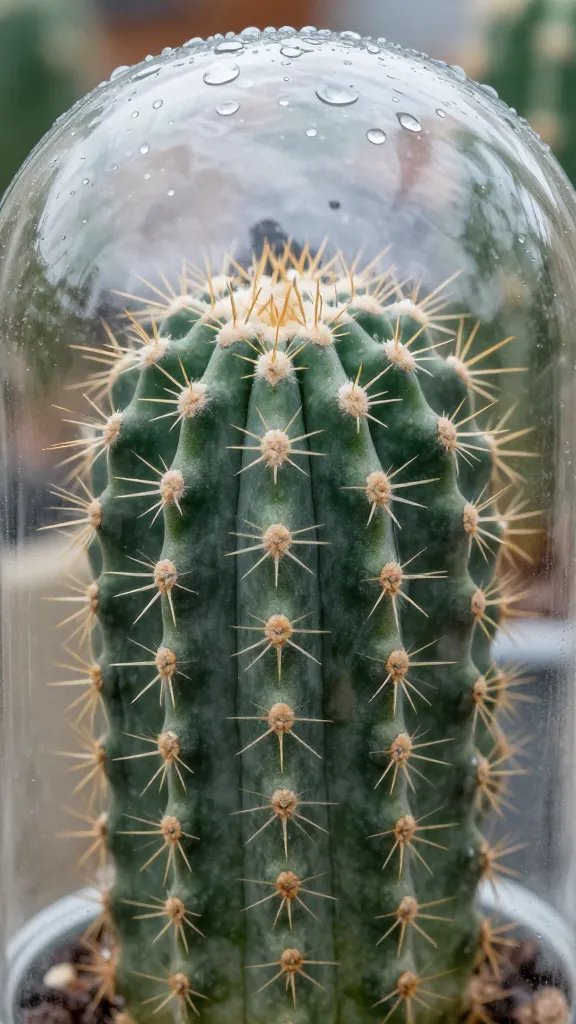
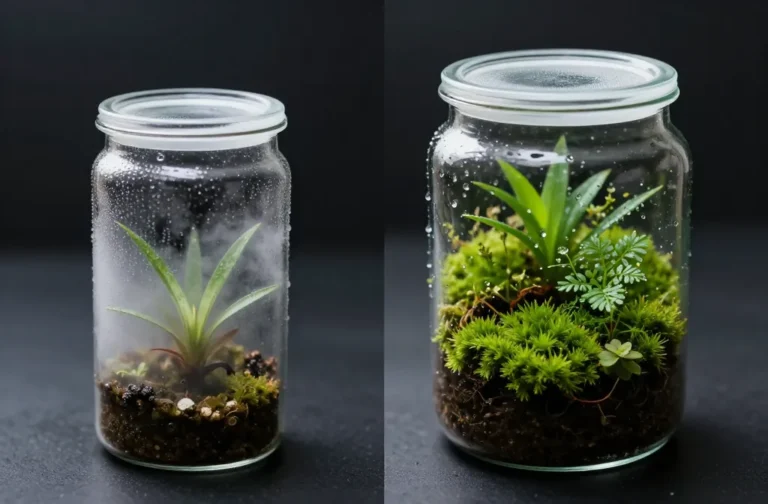
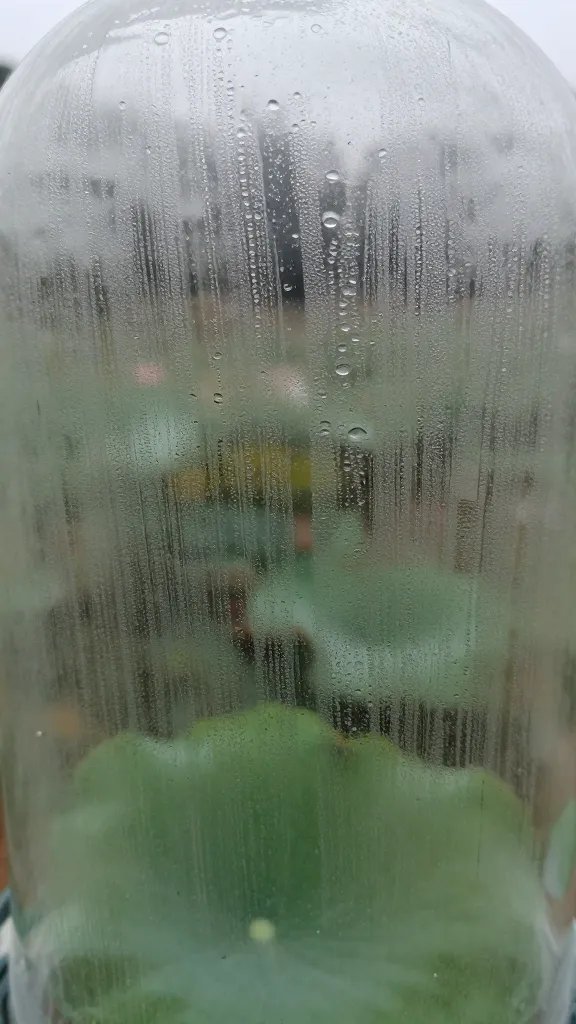
A cloche traps heat and raises humidity, even with a “dry” cactus mix. That extra moisture and still air invite rot at the base and spider mites on stressed plants.
You need three controls: a way for air to enter and escape, a gritty substrate that doesn’t wick upward, and a tight watering routine that never soaks the crown. Treat the cloche like a throttle, not a display dome.
Action today: Tap the inside of your cloche at midday; if it fogs or drips, plan ventilation changes before you add any water.
Create Reliable Airflow Without Fancy Gear
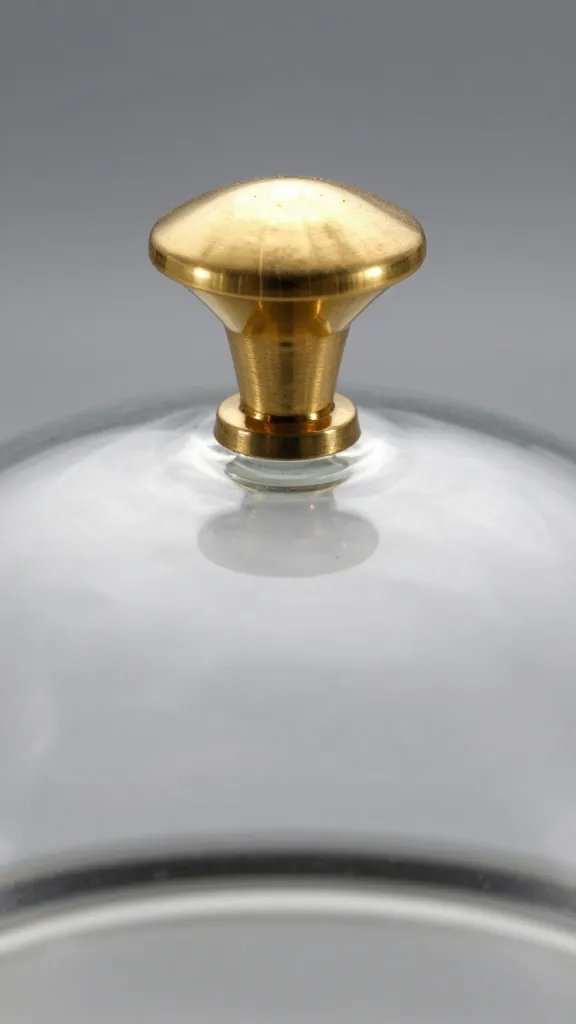
You don’t need fans. You need a predictable gap and a brief daily exchange of air. A 3–5 mm gap around the rim keeps air moving and prevents heat spikes.
I raise the cloche on three equal “spacers” so air enters low and exits high. Use nickels, felt furniture pads, or rubber jar openers cut into tabs. In dry homes, close the gap at night by sliding the spacers inward; reopen in the morning.
Warning Signs Your Air Is Too Still
- Persistent condensation after noon.
- Musty smell when you lift the dome.
- Spider mite stippling despite otherwise good care.
Action today: Place three identical coins under the cloche rim to create a uniform 3–5 mm gap and set a phone reminder to lift the dome for 10 minutes every second day.
Build a Substrate That Drains Fast and Stays Open
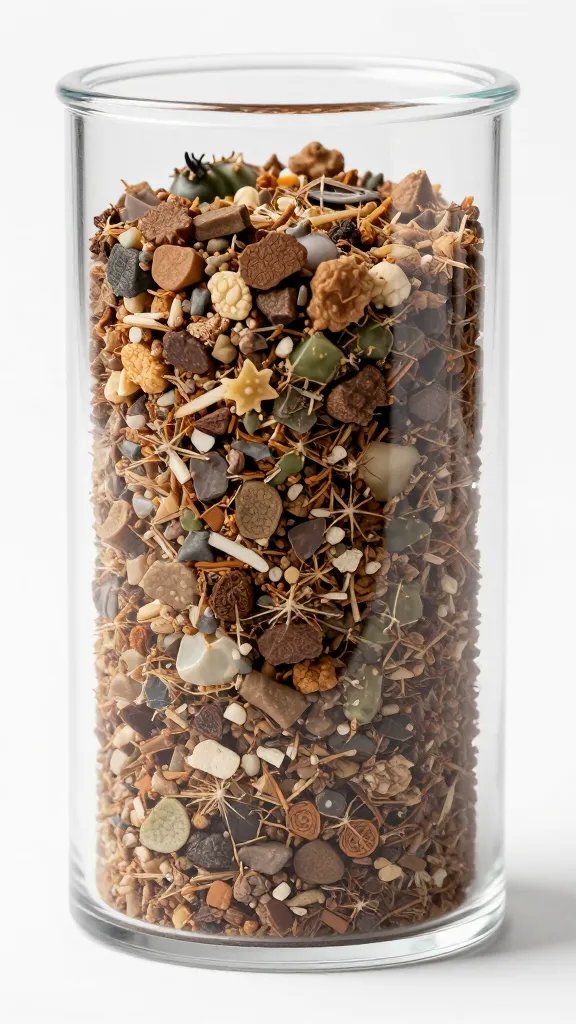
Standard potting mix stays wet too long under glass. You want at least half mineral by volume so water drops through quickly and never creeps into the neck of the plant.
Mix by volume in a bowl or bucket with what you can buy anywhere:
- 50% coarse grit (poultry grit, 3–6 mm aquarium gravel, or horticultural pumice).
- 30% cactus/succulent potting mix from the garden centre.
- 20% coarse sand (builder’s sharp sand, rinsed until water runs clear).
Optional but helpful: stir in a small handful of horticultural charcoal to keep smells down.
Step-By-Step Base Build
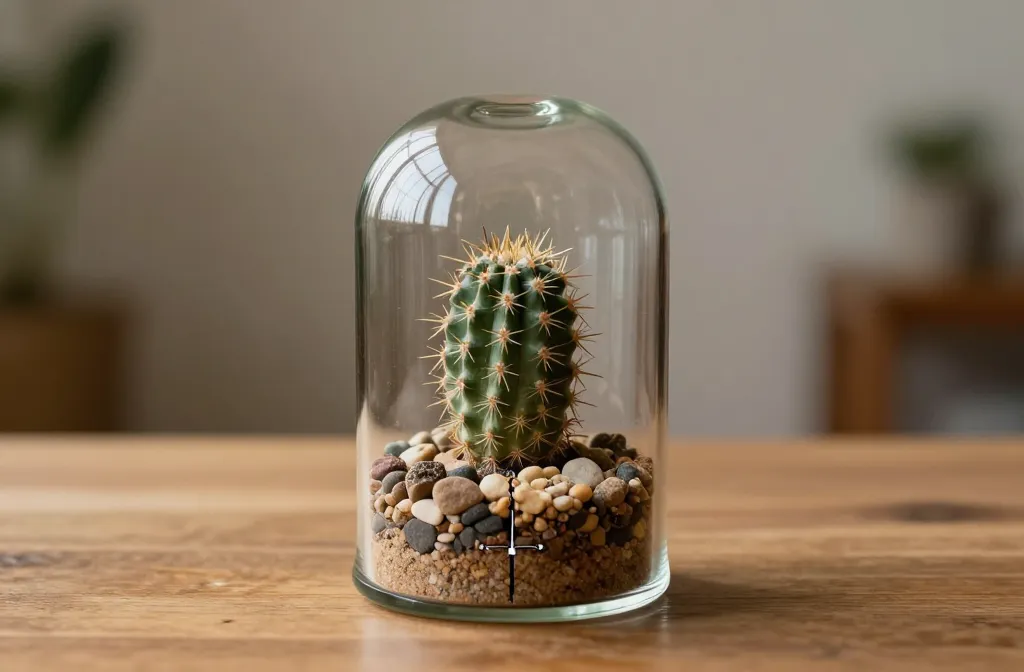
- Lay a 1–2 cm drainage layer of gravel on the glass base or dish.
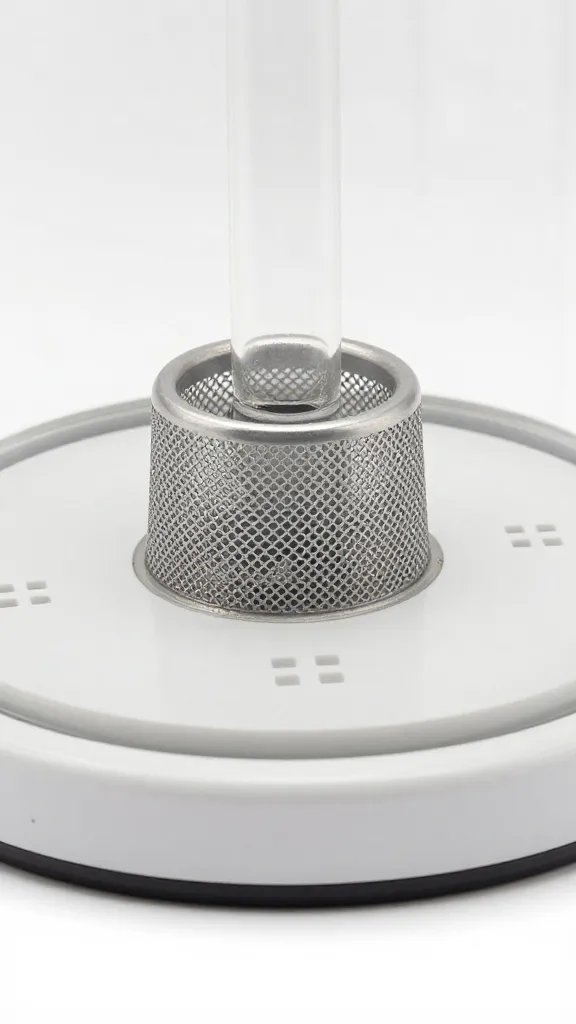
- Add a thin mesh or coffee filter to stop mix sifting into the gravel.
- Fill with your gritty blend to the height you want, sloping slightly up toward the back for depth.
- Top with dry decorative gravel so no organic mix is exposed around stems.
Action today: Squeeze a handful of your mixed substrate; if it clumps, add more grit until it breaks apart cleanly.
Select Cacti That Tolerate Brief Humidity and Close Planting
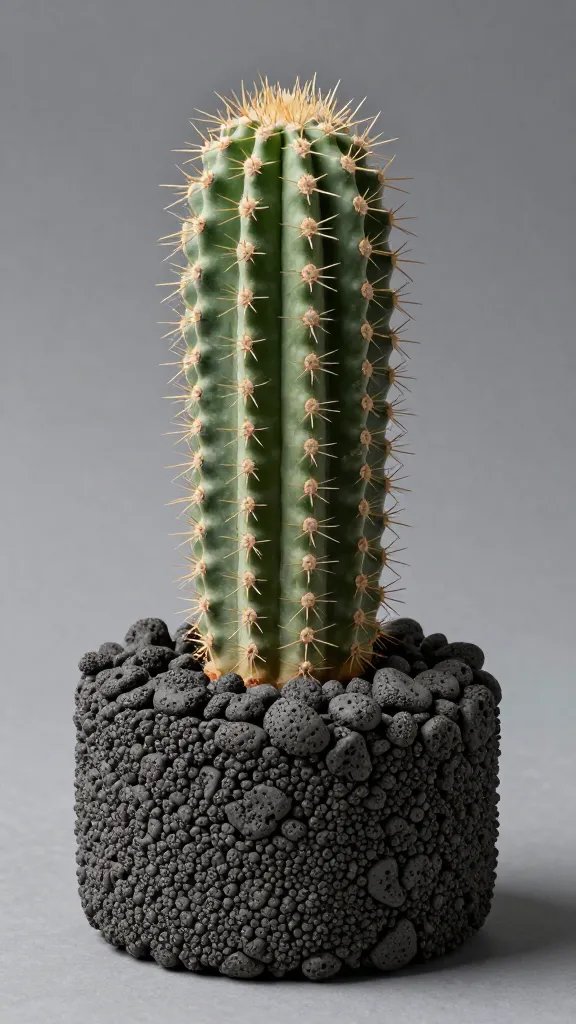
Not every cactus enjoys a humid bell jar. Choose species with dense skins and compact growth forms. Avoid thin-skinned, fast rotters.
Short List That Performs Indoors Under a Cloche
- Mammillaria (small clumping types)
- Rebutia and Sulcorebutia
- Gymnocalycium (smaller species)
- Haworthia and Gasteria (not cacti, but succulent and tolerant)
Avoid: Opuntia pads, Echinopsis with big taproots, and rainforest cacti like Rhipsalis (they prefer airy, shaded setups).
Action today: Pick one golf‑ball‑sized cactus per 10–12 cm of base diameter to avoid crowding and shadowing.
Watering Under Glass: How to Hydrate Without Rot
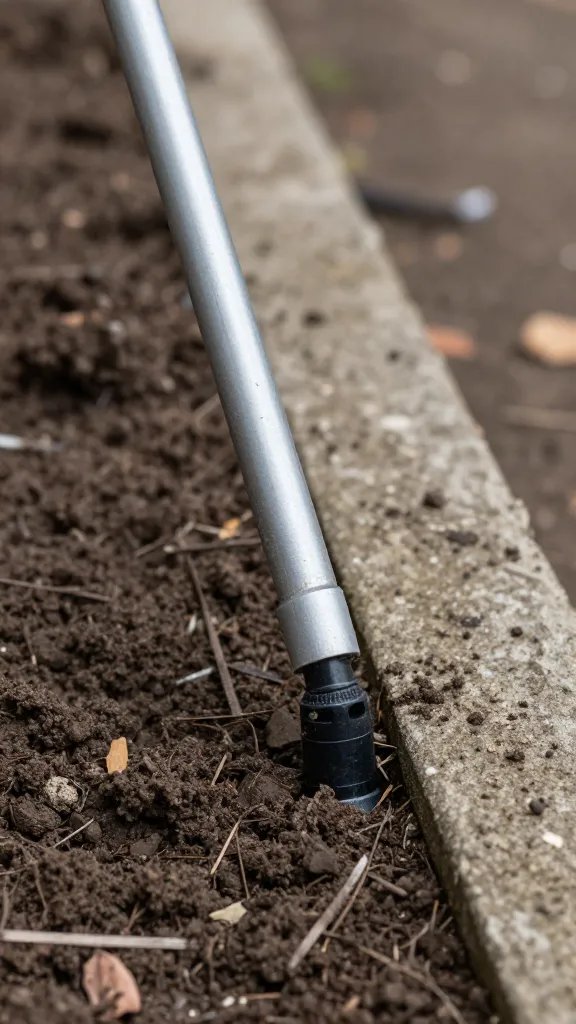
Under a cloche, the right watering schedule is “less, then even less.” Water must never touch the body of the cactus, only the substrate around it.
Use a small squeeze bottle or syringe. Apply water to the edge of the root zone in a single circle, then wait for the gravel top to return to a dry, pale color before you consider more. In most homes, this is every 3–5 weeks in summer, every 6–10 weeks in winter.
Simple Test for When to Water
- Push a wooden skewer down to near the base. Leave 10 minutes, pull out.
- Dry and clean: safe to water lightly.
- Cool or smudged with damp mix: wait a full week.
Action today: Pre-measure your dose: 1–2 tablespoons per 10 cm of planter width. Write that number on a bit of tape under the base.
Light and Heat: Bright Enough Without Cooking the Glass

Cacti still need strong light. A cloche amplifies sun into a hot spot that can scorch tissue and bake roots. I keep mine within 30–60 cm of a bright east or bright north window, or a south window with sheer curtain.
Test for heat: lay your palm on the glass at midday for 10 seconds. If it feels hot, move the setup back 15–30 cm or add a sheer. Aim for bright, long days, not harsh beams through the glass.
Action today: Do the palm test at noon; if the glass feels hot, shift the terrarium back one hand’s length from the window.
Planting Technique That Prevents Crown Rot
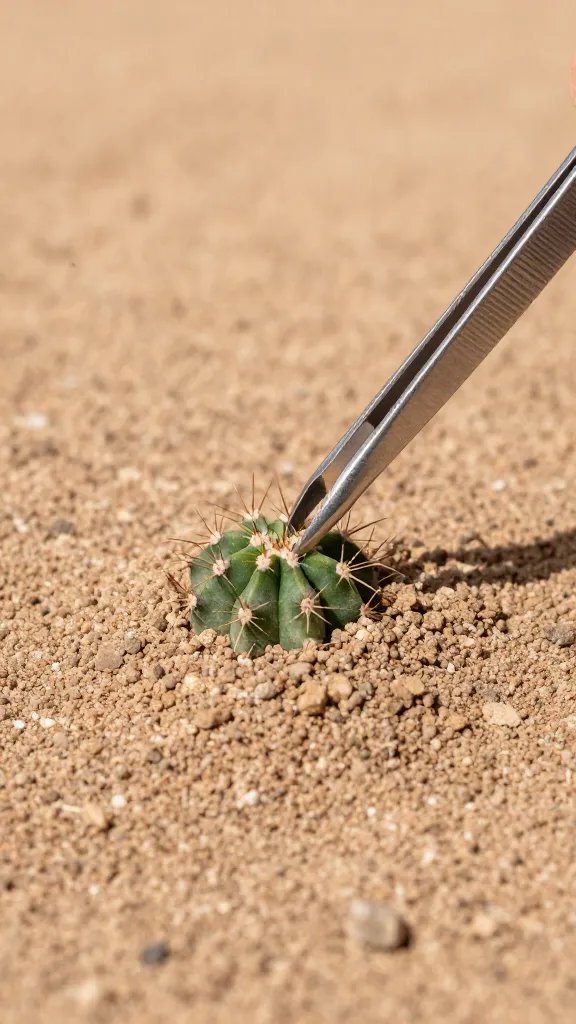
The kill point is where the stem meets the soil. Keep that junction high, dry, and never buried. I seat the plant on a small “hill” of gritty mix and brush decorative gravel up to the base without covering it.
Handle spiny plants with folded paper or tongs. After planting, leave the cloche off for 48 hours to let any broken roots callus. Then install the cloche with your airflow spacers.
Common Mistakes and Fixes
- Stem buried too deep: Gently excavate and backfill with dry gravel to expose the base ring.
- Wet topdressing: Replace with completely dry stones; water only at the edge.
- Soil touching the skin: Brush away and add more grit for separation.
Action today: After planting, set a 48‑hour timer to keep the cloche off and skip watering until day three.
Ventilation Routine and Seasonal Adjustments
I treat ventilation like watering: scheduled. In spring and summer, I lift the cloche fully for 10–15 minutes every second day. In winter, once or twice per week is enough.
When a heatwave hits, remove the cloche entirely for the hottest part of the day and resume when indoor temps settle. During very dry indoor spells from heating, close the gap at night to prevent excessive shriveling, then reopen in the morning.
Action today: Add two repeating phone reminders: “Lift cloche 10 min” on Mon/Wed/Fri at noon during warm months.
Frequently Asked Questions
Will a completely sealed cloche work for cacti?
No. A fully sealed cloche traps too much humidity and stagnant air for desert cacti. You need at least a small, constant gap or a scheduled lift to exchange air. If your cloche has no vent, prop it open 3–5 mm with coins and remove it fully for 10 minutes every second day.
How do I deal with condensation on the glass?
Condensation means too much moisture or temperature swing. First, increase the rim gap and shorten any direct sun exposure. Second, skip the next watering and wick away water by inserting a paper towel edge into one corner of the substrate for 10 minutes. Keep the topdressing dry and exposed.
What if my cactus starts to wrinkle under the cloche?
Wrinkling low on the plant usually signals thirst; wrinkling with a soft base signals rot. Test the substrate with a skewer. If dry, add your measured edge-water dose and keep the cloche propped for 24 hours to let moisture disperse. If the base is soft, unpot, cut to healthy tissue, let it callus for a week, and replant fresh and dry.
Can I mix different species together?
Yes, if their size and water needs match. Group compact, slow growers like Mammillaria and Rebutia and avoid mixing thirsty succulents with ultra-dry species. Give each plant at least 2–3 cm of open gravel around the stem so air can circulate.
Do I need fertilizer in a cloche terrarium?
Very little. Feed once in late spring with a half-strength cactus fertilizer diluted in your watering bottle, then skip for the rest of the year. Extra nutrients in a humid, enclosed setup push soft growth that rots faster. If in doubt, don’t fertilize.
What container base works best under a cloche?
A shallow ceramic or glass dish with vertical sides keeps layers stable and heat lower. Avoid deep bowls that trap damp at the bottom. If your base is glass, use that thin mesh over the drainage gravel to stop fines from clogging and to make maintenance easier.
Conclusion
You can keep cacti happy under a cloche when you treat it as a controllable microclimate, not a sealed snow globe. Set a permanent airflow gap, build a gritty substrate, water at the edge in measured sips, and schedule brief vents. Start with one small setup this week, log your watering dose and vent times, and you’ll know exactly how to scale your next build with confidence.