The Secret to How Glass Container Shape Controls Humidity in a Succulent Terrarium
I’ve built succulent terrariums that stayed crisp for years and others that turned clammy and mushy in a month. The difference wasn’t the plants — it was the glass. Shape sets the airflow, condensation pattern, and where moisture lingers, which decides whether succulents thrive or rot.
In this guide, I’ll show you how container geometry drives humidity, how to pick shapes that keep succulents dry on top but moist enough below, and exactly how to tune ventilation without special tools. You’ll finish with a container choice and one simple adjustment that prevents 90% of terrarium failures.
How Shape Sets the Humidity Zone Inside the Glass
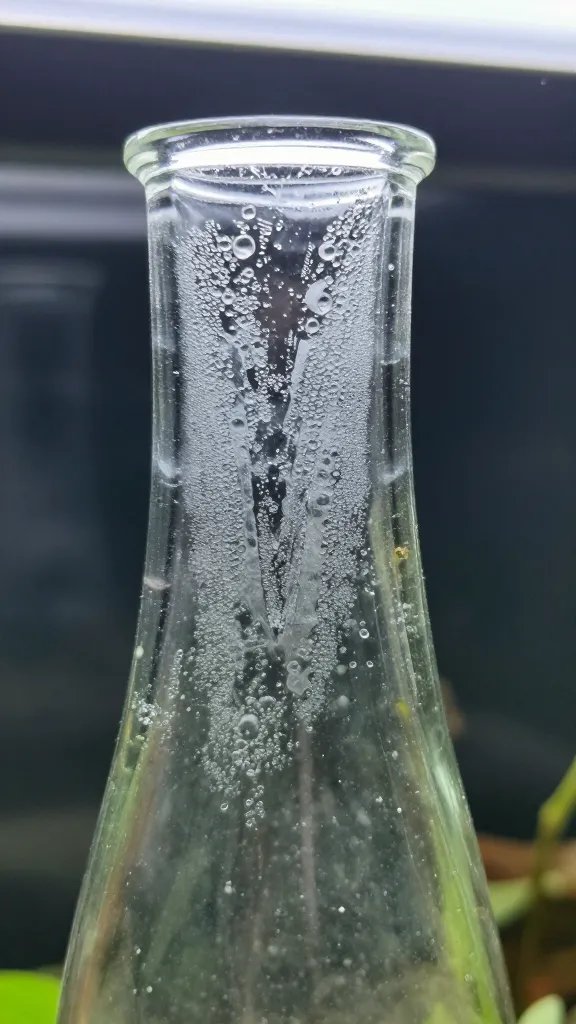
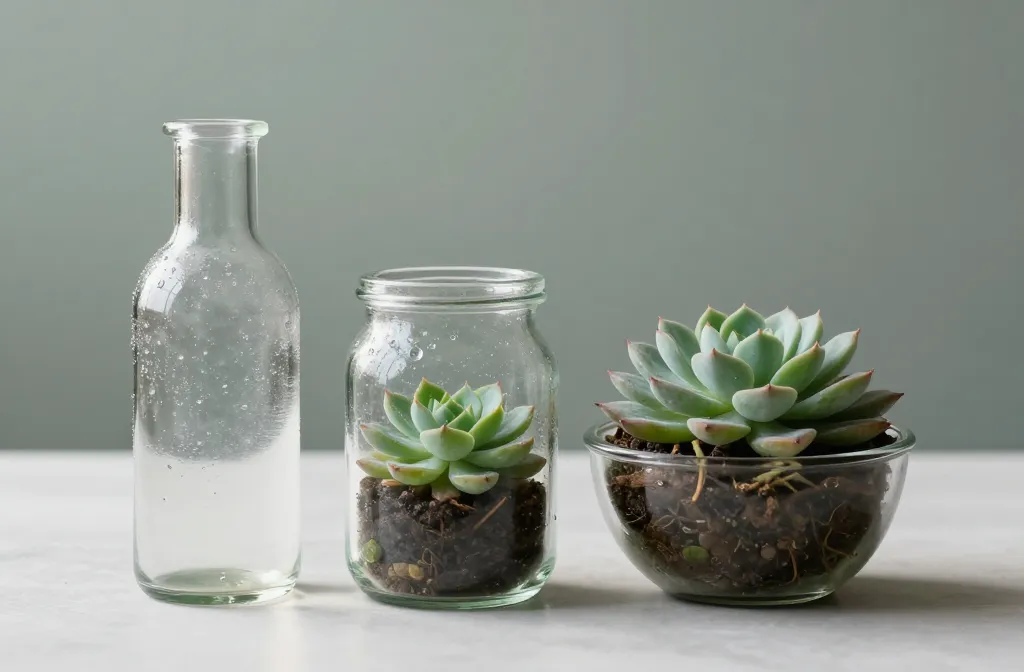
Glass shape controls two things that run your terrarium: air circulation and condensation paths. Narrow necks trap humid air; wide mouths let it escape. Tall walls create cool glass up high where moisture condenses and drops back to the soil; short, shallow bowls shed humidity faster and stay drier.
Think of it as a moisture slope. A bottle shape with a small opening creates a damp upper zone and a wet lower zone — bad for succulents. A wide, low bowl creates a dry upper zone and a modestly moist lower layer — ideal when you use a proper substrate.
Action today: Hold your container sideways and imagine an invisible “lid” across the opening — the smaller that opening, the higher the humidity inside.
The Best Container Shapes for Succulents (and Why)
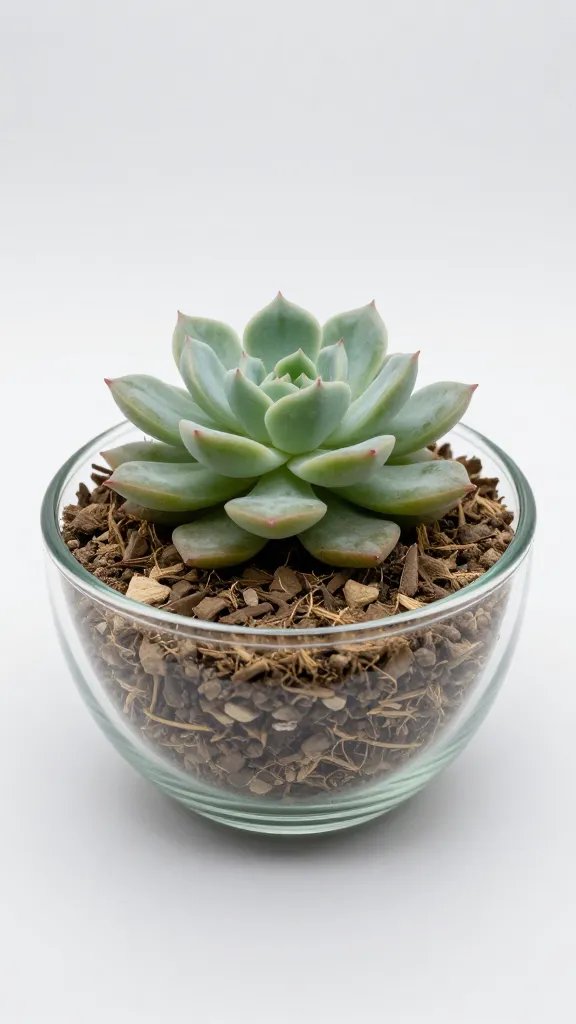
Succulents need a dry leaf zone and a briefly moist root zone. The right glass shape helps you deliver both without gizmos.
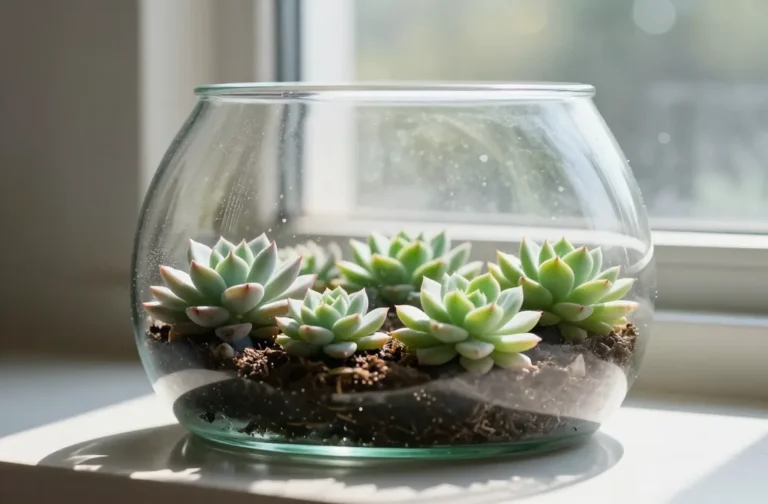
- Wide, shallow bowls (salad-bowl profile): Fast humidity release, minimal condensation on leaves, easy access for airing out. Great for mixed succulent dishes.
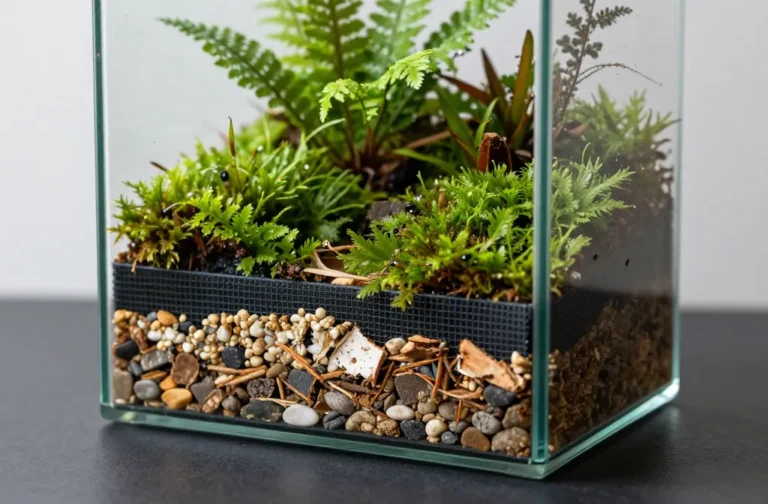
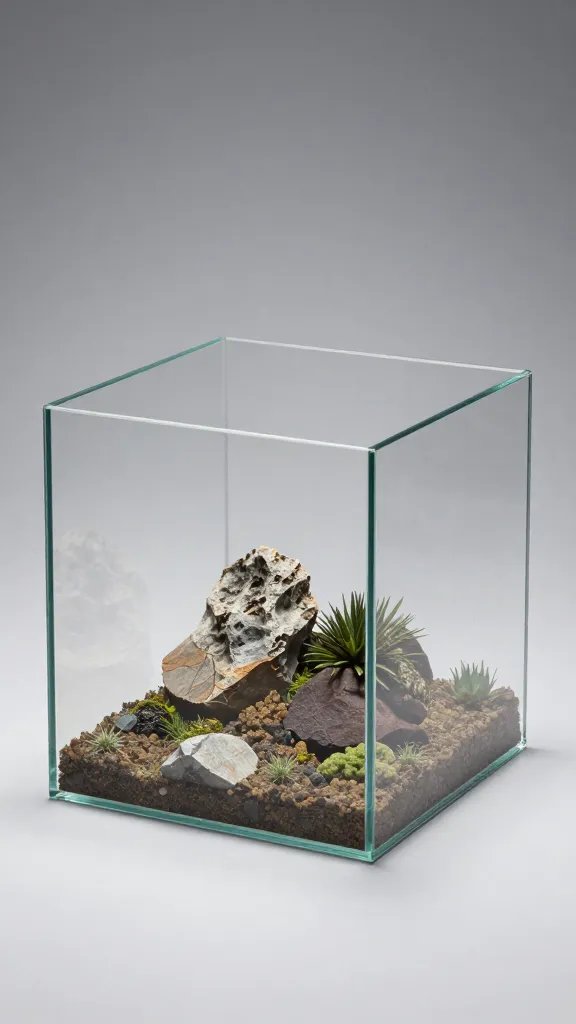
- Open-front “geometric” terrariums (large cutout): Chimney effect vents humidity out the front. Condensation rarely pools on leaf rosettes.
- Low cylinders with wide mouths: Enough wall height to block drafts but a generous opening so moisture doesn’t stall around the foliage.
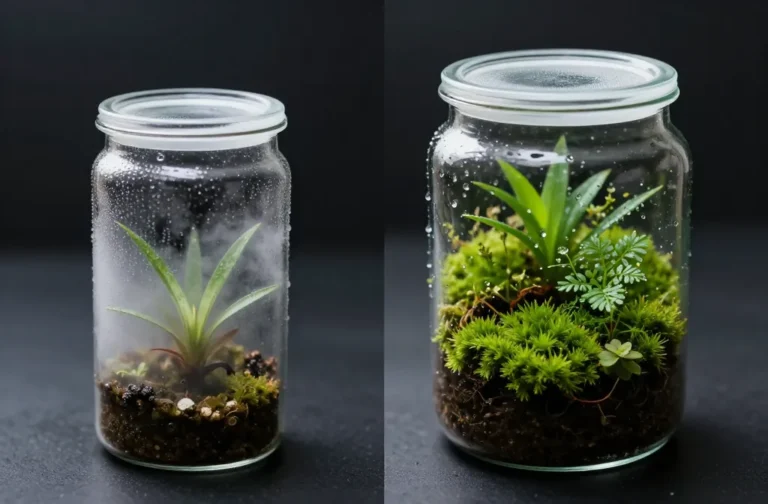
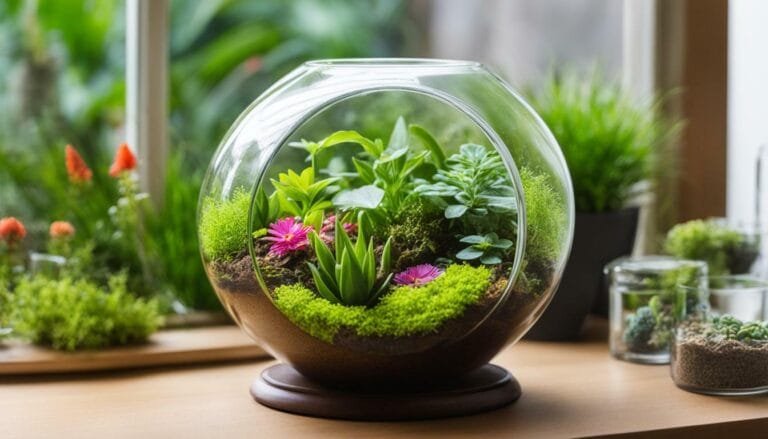
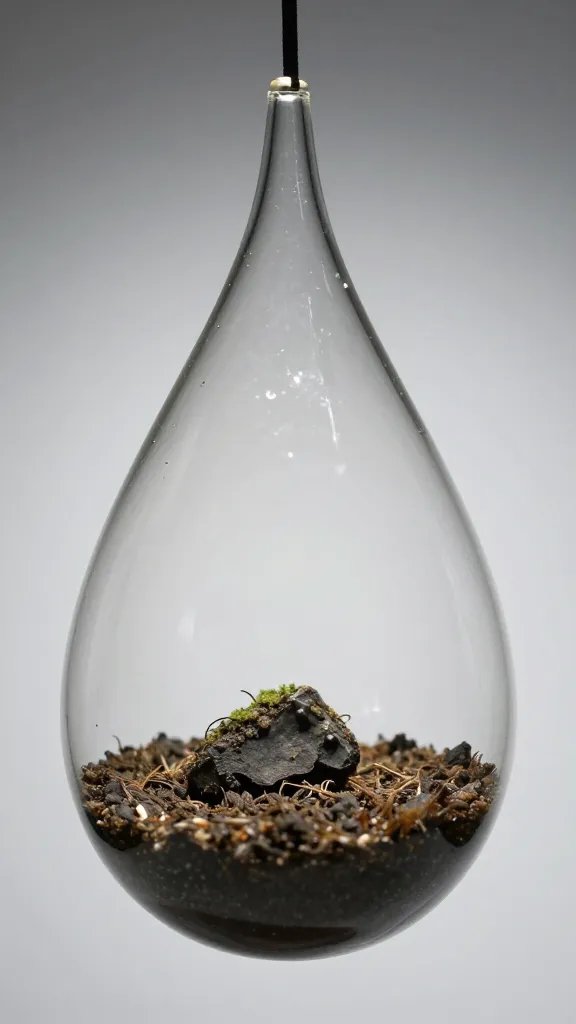
Avoid bottles, apothecary jars, globes with tiny holes, and cloches. These trap humidity, push condensation onto leaves, and drive rot.
Takeaway: Pick a container with at least a half-width opening (opening diameter is ≥50% of container width) to keep leaf surfaces dry.
Necks, Shoulders, and Walls: The Small Features That Change Everything
Narrow necks act like humidity plugs. Moist air rises, hits cool glass, condenses, and drips back where leaves live. That’s a rot factory.
Sloped shoulders funnel condensation either toward the center or the walls. You want water to track down the wall and into the substrate edges, not onto rosettes.
Tall vertical walls increase the cool surface area above the plants. More cool glass equals more condensation. For succulents, think lower and wider.
Action today: Tip a potential container and drip a teaspoon of water on the inside shoulder — watch where it travels. If it drips toward the center, skip it for succulents.
Ventilation You Can See: Reading Condensation Patterns
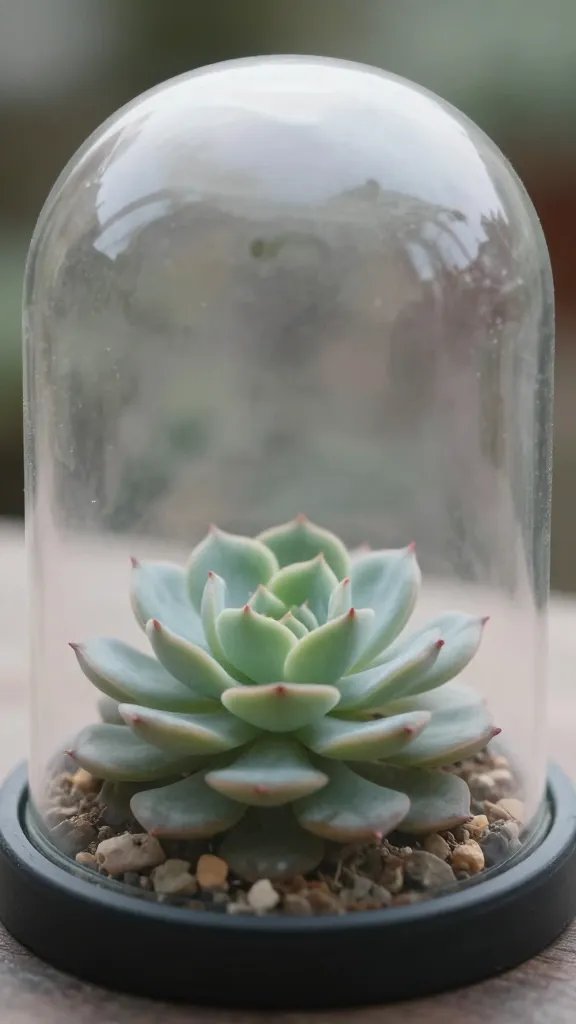
Humidity balance shows up on the glass before it hits the plants. Morning mist that vanishes by late morning means airflow is right. Beads that linger all day signal air is stuck, and leaves will stay wet.
In high-humidity shapes, condensation forms a continuous film; in well-vented shapes, you’ll see sparse beads low on the walls and a clear top half. Succulents prefer the second picture every time.
Warning Signs on the Glass
- Drips forming above leaf height: Opening too small or walls too tall for the plant height.
- Fogged glass all day: Not enough ventilation; opening is too tight for the container volume.
- Dry glass within minutes after watering: Overly exposed; roots may dry too fast — increase substrate depth or add a brief cover after watering.
Action today: Check your glass at midday. If more than one-third of the wall area is foggy, increase ventilation or change to a wider opening.
Substrate and Layering That Match Your Shape
Even the right glass fails with the wrong base. Succulents want quick drainage and a short-lived moisture pulse that ends within 48–72 hours.
Use a mineral-heavy mix: two parts bagged cactus/succulent mix plus one part coarse material (pumice, horticultural grit, or poultry grit from a feed store). Skip charcoal layers for succulents; they hold extra moisture you don’t need. A thin gravel drainage layer at the bottom helps keep visible water away from roots in low bowls.
Step-by-Step Layering for Open Bowls
- 1–1.5 cm clean gravel at the base.
- Paper towel circle over gravel to stop mix sifting down.
- 4–6 cm of mineral-heavy mix, gently firmed.
- Set plants so leaf bases sit above the rim’s midline to avoid splashback.
- Top-dress with 0.5–1 cm pea gravel to keep crowns dry.
Action today: After watering, verify that liquid doesn’t pool above the gravel layer. If it does, remove 1–2 cm of mix and replace with more grit.
Tuning Humidity Without Gadgets: Openings, Covers, and Height
You can “dial” humidity with household moves. Increase opening size to lower humidity; add a temporary cover to raise it after planting or repotting.
- Opening size: Aim for an opening that’s at least half the container’s diameter for everyday care.
- Temporary cover: Lay plastic wrap loosely across the opening for 12–24 hours after a deep water to slow evaporation, then remove.
- Plant height: Keep leaf tips at least 3–5 cm below the rim so air can skim across and carry moisture out.
Action today: If glass stays foggy, raise the planting height with a hidden ring of gravel under the root balls to boost airflow at leaf level.
Watering Strategy That Fits Your Glass
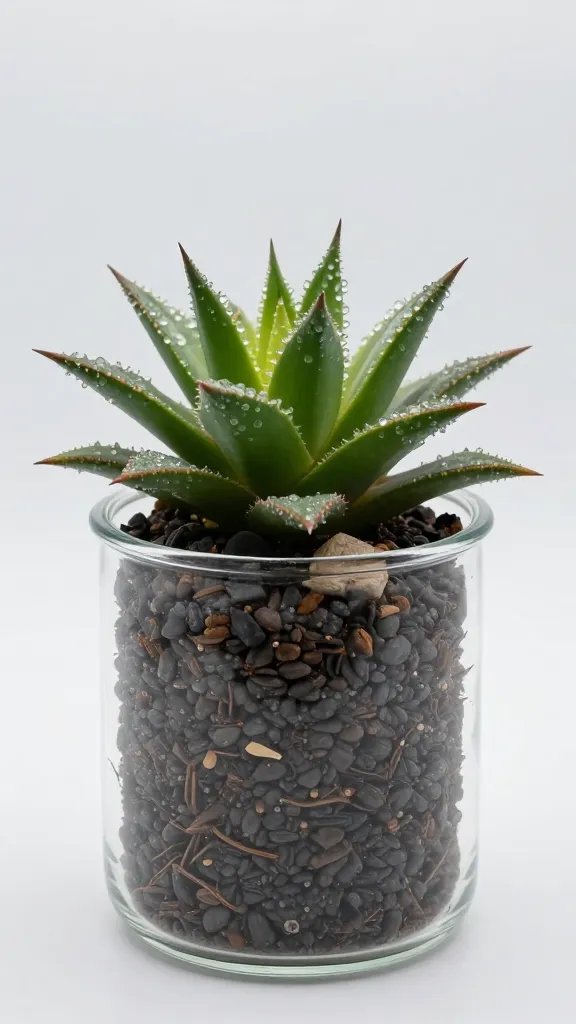
Shape sets how long moisture stays. In wide bowls, water exits fast, so you water slightly deeper but less often. In taller cylinders (still with wide mouths), water lightly because condensation returns a bit more to the root zone.
For bowls, I use a measured drench: 60–120 ml per 15 cm diameter, poured slowly at the perimeter, then nothing until the top dressing feels dry and leaves look slightly firmer and matte. For low cylinders, start at half that volume. Always keep water off leaves.
Early Rot and Drought Clues
- Too wet: Glass fog that lingers past lunch, translucent lower leaves, soil smell turning sour.
- Too dry: Wrinkled leaves that don’t plump 48 hours after watering, gravel top fully dusty within a day.
Action today: Water at the outer edge only and stop the instant you see moisture approach the gravel line — not after it pools.
Frequently Asked Questions
Can I grow succulents in a closed jar if I open it sometimes?
I don’t use closed jars for succulents. Even with periodic opening, humid air stalls, condensation hits leaves, and rot follows. If you already have one, remove the lid permanently and elevate plants closer to the rim to increase airflow. Better yet, transfer to a wide bowl or open-front terrarium.
What size opening is “wide enough” for a 20 cm container?
Aim for at least a 10 cm opening. That ratio vents daily humidity spikes and keeps condensation off the leaf zone. If you can’t measure, use your palm: if your full palm fits through the opening comfortably, it’s wide enough for routine care and airflow.
My glass fogs every morning. Is that always bad?
Brief morning fog that clears by mid-morning is fine. Persistent fog into the afternoon means airflow is insufficient for succulents. Increase the opening, raise plant height, or reduce watering volume by a third. Check again the next day at midday.
Which succulents handle slightly higher humidity better?
Haworthia, Gasteria, and some Aloe juveniles tolerate a bit more moisture than Echeveria or Sempervivum. Keep crowns above the gravel and avoid overhead moisture regardless of species. Use more grit (up to 50%) in taller-walled containers to offset the extra condensation return.
Do I still need a drainage hole in an open terrarium?
Most glass terrariums won’t have one, so you control water strictly. With a wide, shallow shape and a gritty mix, you can run no-drain successfully by watering measured amounts at the perimeter. If you find a decorative container with a hole and saucer, that’s even safer — use it the same way and empty the saucer after 10 minutes.
Conclusion
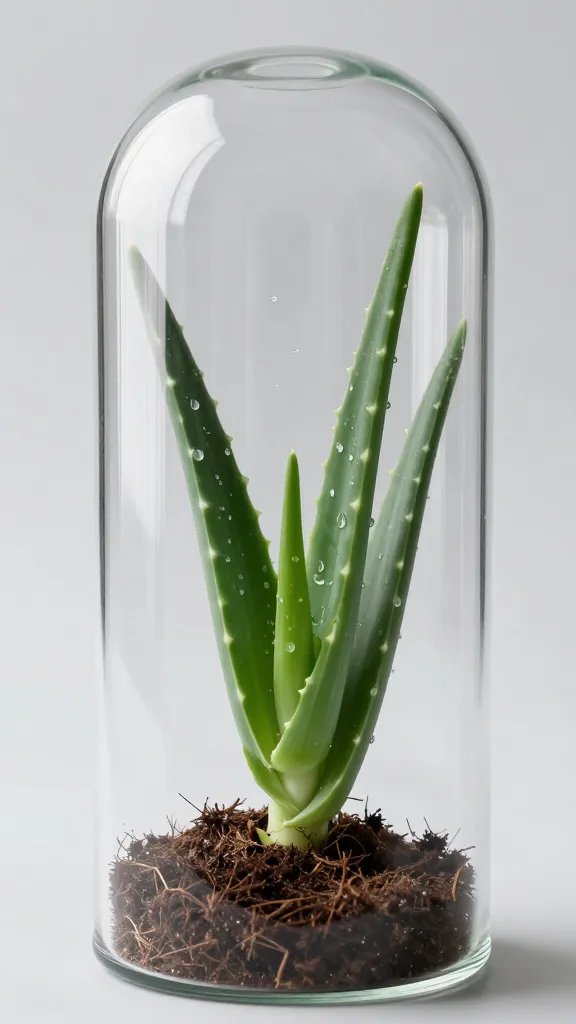
You don’t need meters or fans — just the right glass. Choose a wide opening, low walls, and shoulders that send condensation down the sides, not onto leaves. Today, pick your container using the half-width opening rule and do the water-on-shoulder test; then build a gritty base and keep crowns high. That one decision sets your succulents up for dry leaves, healthy roots, and a terrarium you barely need to babysit.