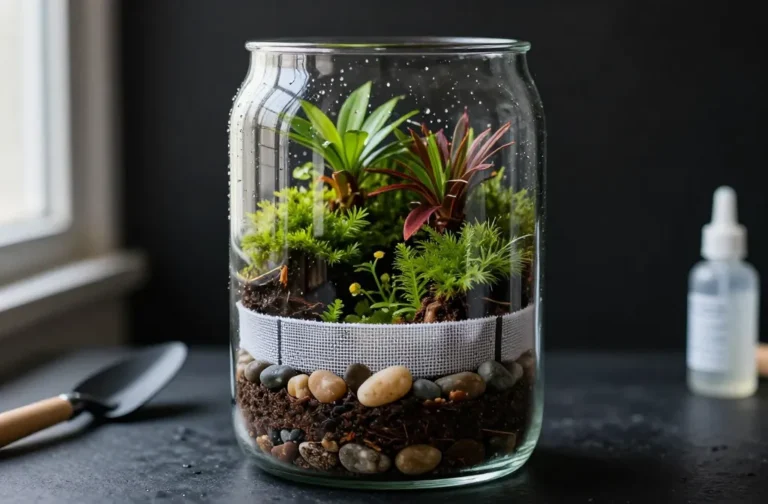
How to Prune Succulents in a Terrarium — Root Trimming, Leaf Removal and Growth Management Made Easy
I learned terrarium pruning the hard way after a jade cutting filled its glass bowl, pressed against the lid, and then stalled. The plants were fine — my maintenance was not. Once I started trimming roots, removing bottom leaves cleanly, and managing height by timing cuts, my terrariums stayed compact and healthy for months. In this guide, I’ll show you exactly how to prune succulents in a terrarium using simple tools you already own, so growth stays tidy, disease-free, and stress is minimal.
Why Terrarium Succulents Need Different Pruning Than Potted Ones
In a glass container, space, airflow, and drainage are limited. Succulents stretch to the light, press against glass, and shed leaves that rot faster than on an open windowsill.
Pruning inside a terrarium aims to control size, reduce rot risk, and keep light reaching all rosettes. I plan trims every 8–12 weeks and make smaller, more frequent cuts instead of dramatic chops.
Action today: Pick one plant touching the glass and mark a prune date two weekends from now — you’ll make a tidy, low-stress cut instead of an emergency hack.
Set Up a Clean, Simple Pruning Kit
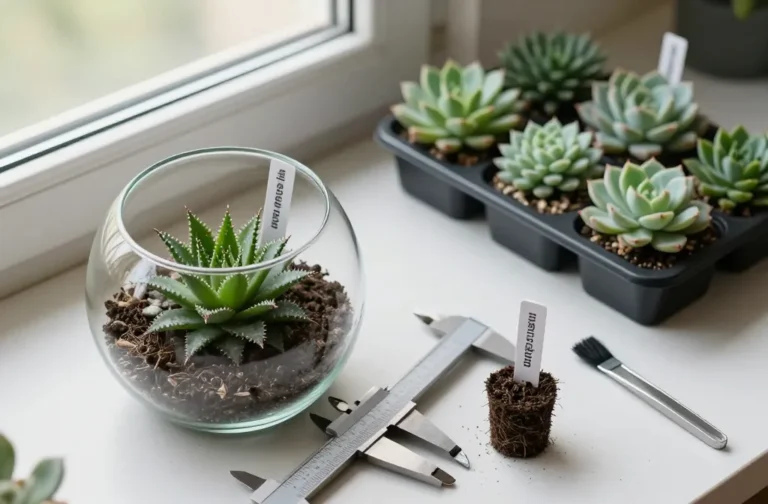
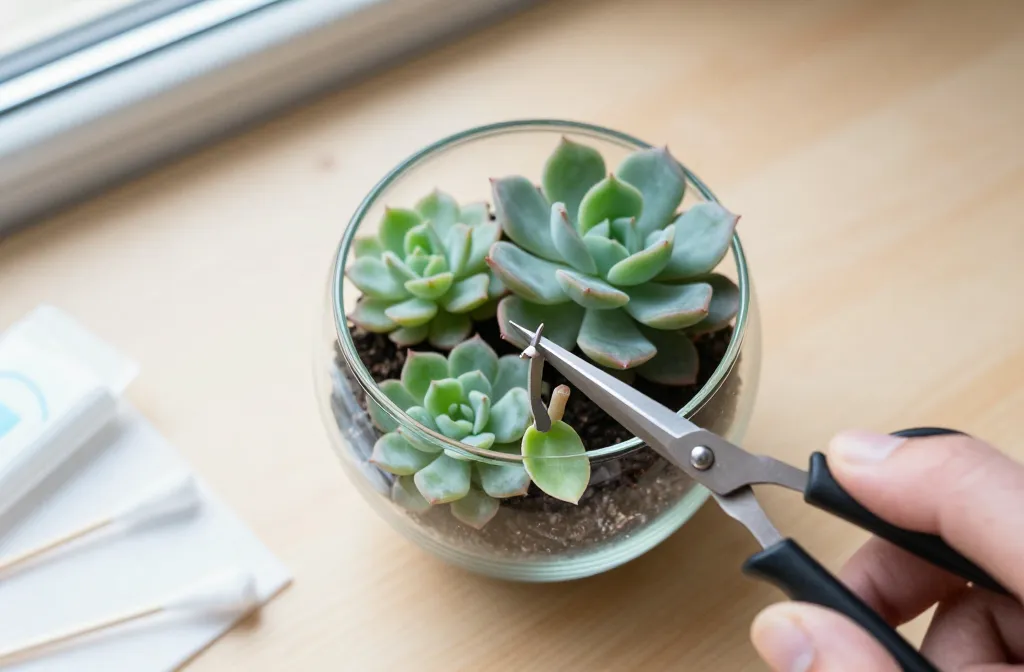
You don’t need specialist tools. I use small sharp scissors or nail clippers, long tweezers or chopsticks, cotton swabs, paper towels, and plain isopropyl alcohol for wiping blades.
Sharp, clean tools prevent crushed stems and infections. I disinfect blades before I start and after any cut that passes through soft or diseased tissue.
Action today: Wipe your scissors with alcohol for 10 seconds and let them air-dry before your first cut.
Root Trimming: Keeping Plants Compact Without Shock
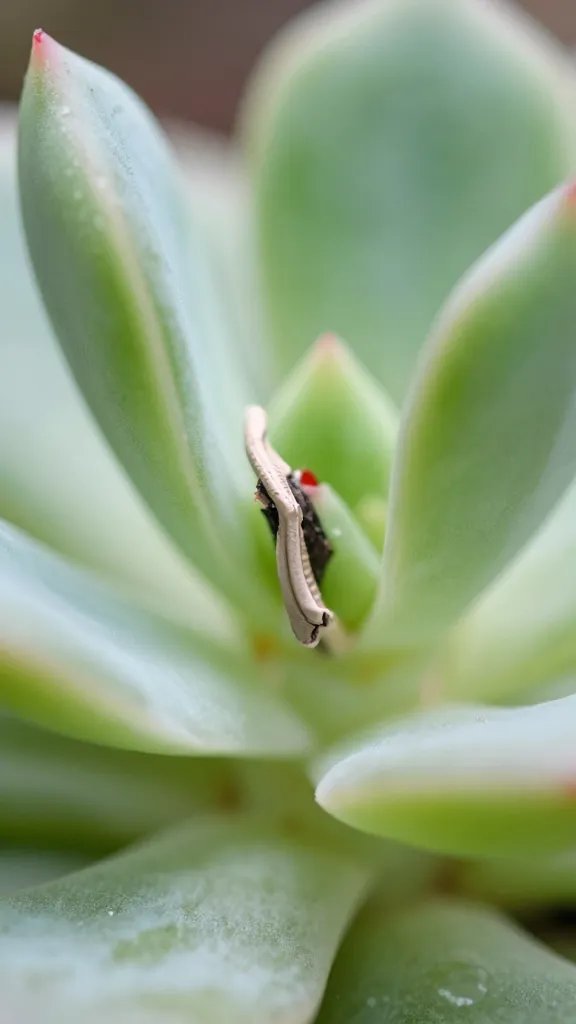
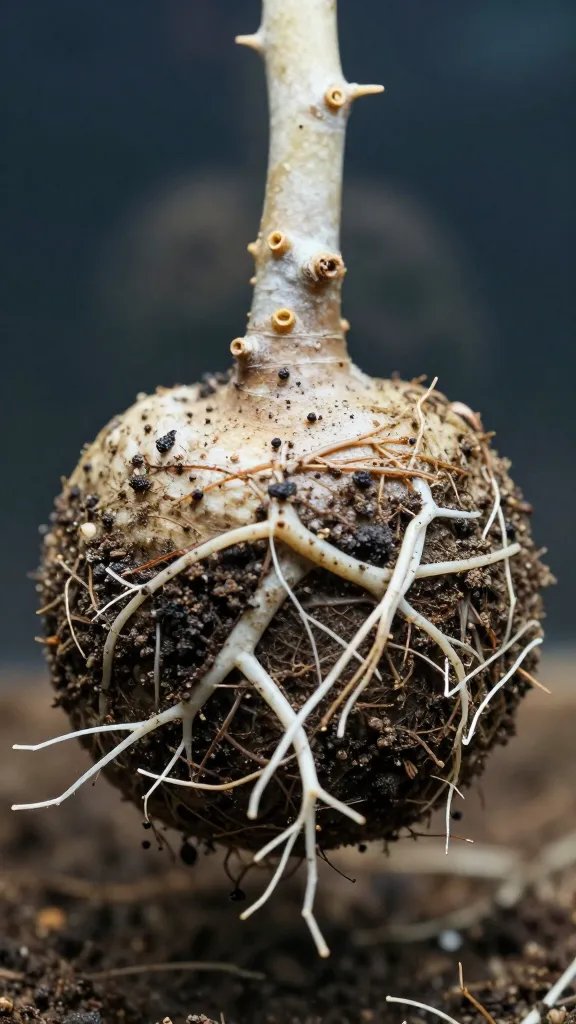
Terrariums force roots to circle fast. When roots mat, tops stall and leaves drop. Light root trims keep plants small and vigorous.
Step-by-Step Root Trim (10 Minutes)
- Water lightly 24 hours before trimming so roots are pliable but not soggy.
- Lift the plant gently using a spoon or chopsticks, preserving as much root as possible.
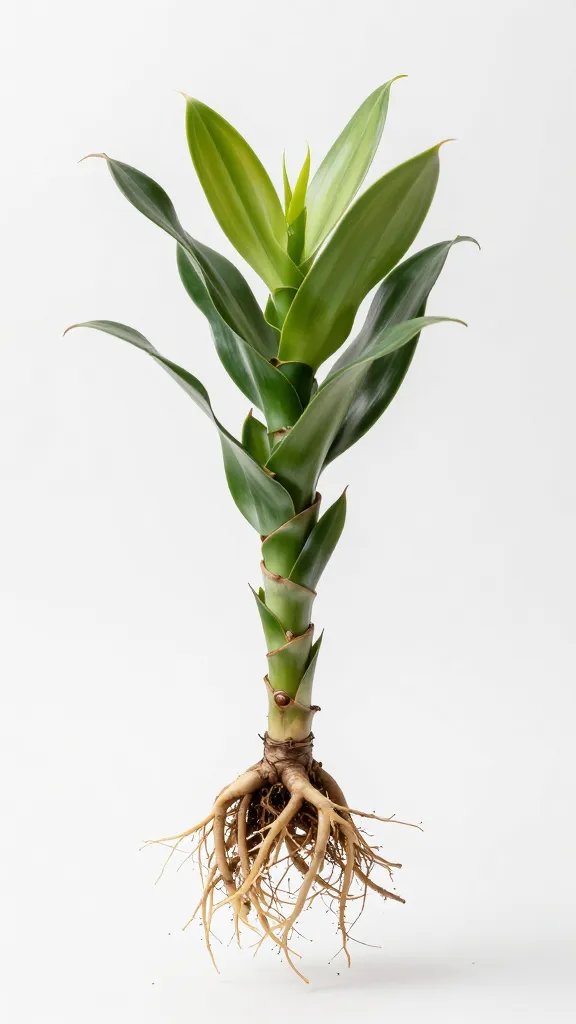
- Brush off loose mix. With scissors, trim the outer 10–20% of the root mass, targeting long circling roots first.
- Pinch away black, mushy roots — that’s rot. Keep only firm, pale roots.
- Dust the cut root edges with a pinch of dry potting mix or ground cinnamon as a simple drying aid (optional).
- Replant at the same depth in fresh, dry succulent mix. Do not water for 48–72 hours to let cuts callus.
Warning signs: Mushy roots smell sour and smear when pressed. Bone-dry roots snap like twigs — trim less and water three days after replanting.
Action today: Check one plant’s base — if roots show on the glass or plant growth has stalled for a month, schedule a 15% root trim this weekend.
Leaf Removal: Clean Cuts That Prevent Rot and Pests
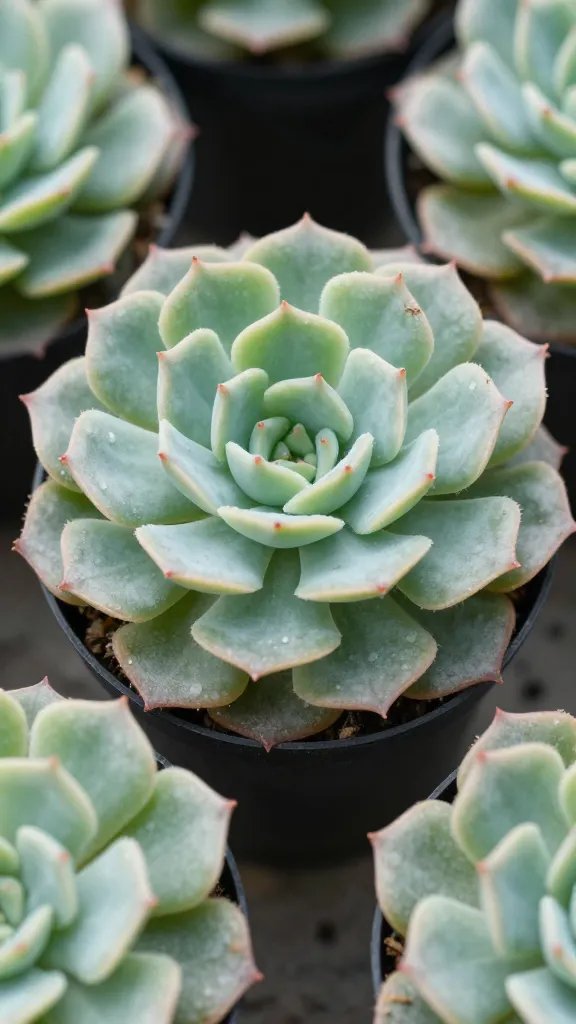
In tight glass, dropped leaves become rot factories. I remove dying, shaded, or crowded leaves before they fall.
How to Remove Leaves Without Damaging Stems
- Identify leaves that are yellowing, shriveled, or trapped against glass.
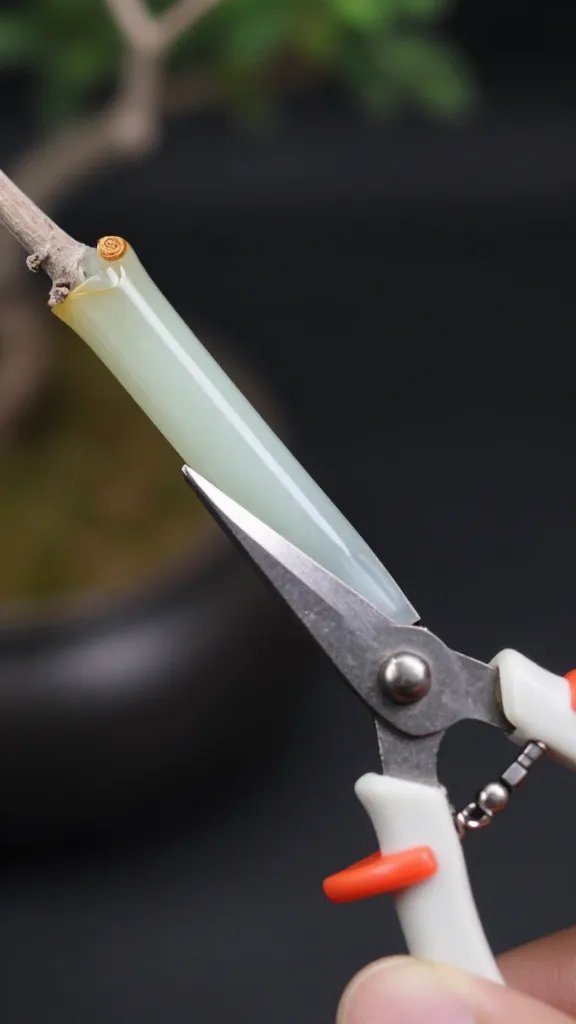
- Support the stem with one hand. With the other, twist the leaf gently side-to-side until it releases cleanly. For thick leaves on Crassula or Jade, use sanitized nail clippers to snip flush at the node.
- Lift debris with tweezers. Blot any sap with a dry cotton swab.
- Leave the wound dry for 24–48 hours. Do not mist or water the area.
When to Keep vs. Remove Fallen Leaves
- Keep only plump, unbroken leaves if you want to propagate outside the terrarium.
- Remove all leaves from inside the terrarium — even healthy ones — to avoid fungus gnats and mold.
Action today: Remove three bottom leaves that are shaded or touching the glass and fish out all loose debris with tweezers.
Height and Spread Control: Making Strategic Cuts for Shape
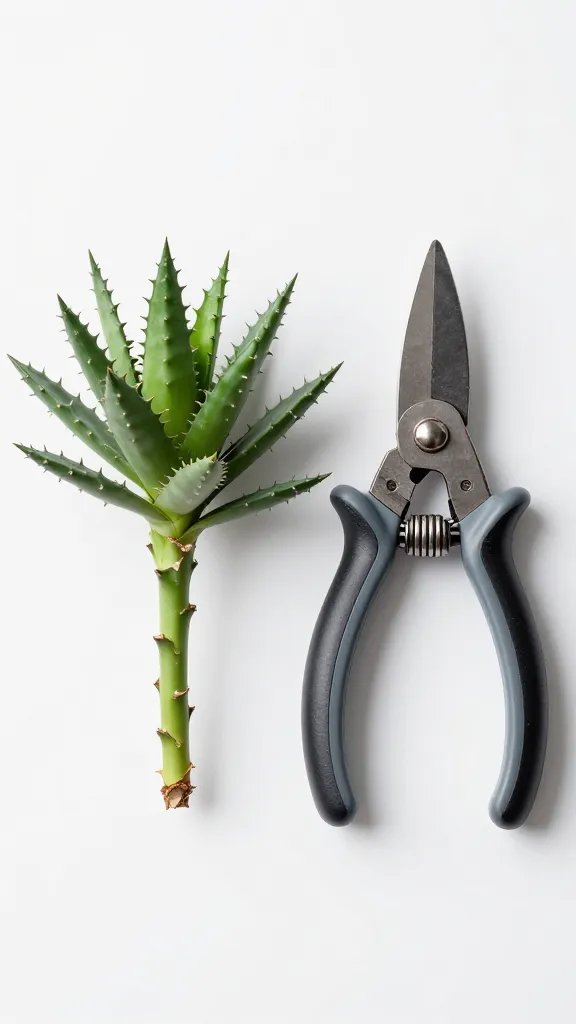
Most terrarium succulents stretch because the light is directional. I aim for shapes that stay under the rim and open in the center to keep air moving.
Top Cutting for Leggy Stems
- Pick stems that lean or touch the lid — especially Echeveria, Sedum, and Graptopetalum.
- Cut 0.5–1 cm above a node or rosette base. Remove only 15–25% of total foliage at one session.
- Let the cut end dry for 48 hours. Replant the top as a new piece, or root it outside the terrarium to reduce crowding.
Thinning for Rosette Crowding
- Remove one entire offset rosette that blocks the center light path rather than nibbling at several leaves.
- Rotate the terrarium 90 degrees every week to reduce one-sided stretch.
Action today: Trim one leggy stem back to just above a node and rotate the terrarium a quarter turn.
Timing, Aftercare, and Watering Discipline
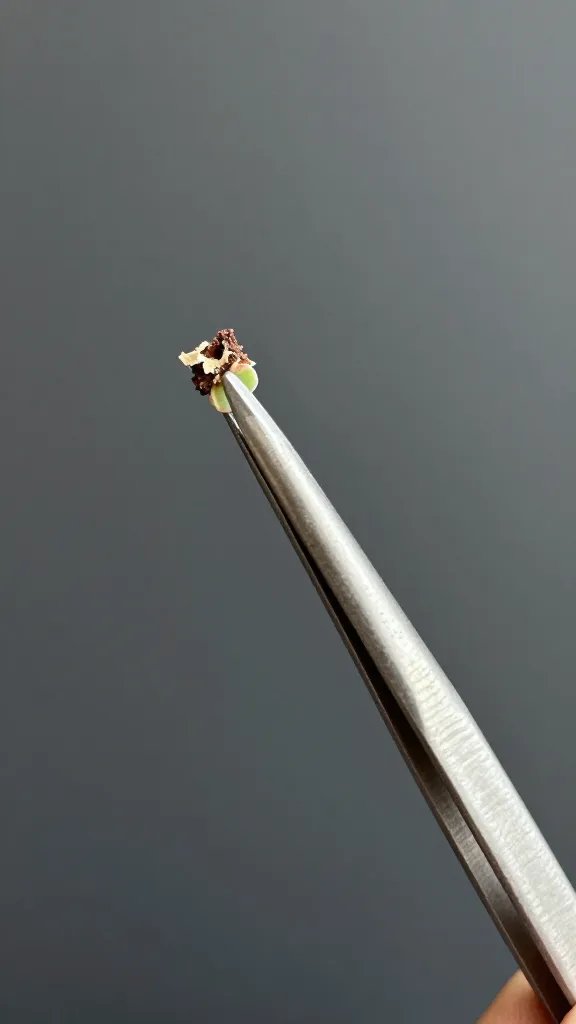
I prune in the morning on dry days. I never water for 48–72 hours after cuts so wounds callus and stay clean.
After a bigger session, I crack the lid for 2–4 hours the same day to boost airflow. If the terrarium is closed-style, I leave the lid slightly ajar for that window only, then reseal.
Action today: After any cut, set a phone reminder: “No water for 2 days.” This single rule prevents most rot.
Light and Spacing: Prevention Beats Constant Pruning
Pruning fixes shape, but light and spacing prevent the worst of it. Place the terrarium in bright, indirect light near an east or south window, out of harsh midday sun that cooks the glass.
I keep at least a thumb’s width between plants and the glass. If the composition is packed, I remove one plant rather than shaving all of them monthly.
Good Terrarium Candidates
- Haworthia and Gasteria: compact, shade-tolerant rosettes.
- Graptopetalum paraguayense and small Sedum cultivars: easy to top-cut and re-root.
- Avoid fast climbers like String of Pearls in tight lids — they tangle and rot.
Action today: Move the terrarium one step closer to its brightest window and clear one overcrowded offset to open a light path.
Hygiene Inside Glass: Mold, Sap, and Tools
Glass shows every spot. I wipe condensation drips and sap smears with a dry paper towel wrapped around chopsticks. Wet wiping leaves streaks and invites mildew.
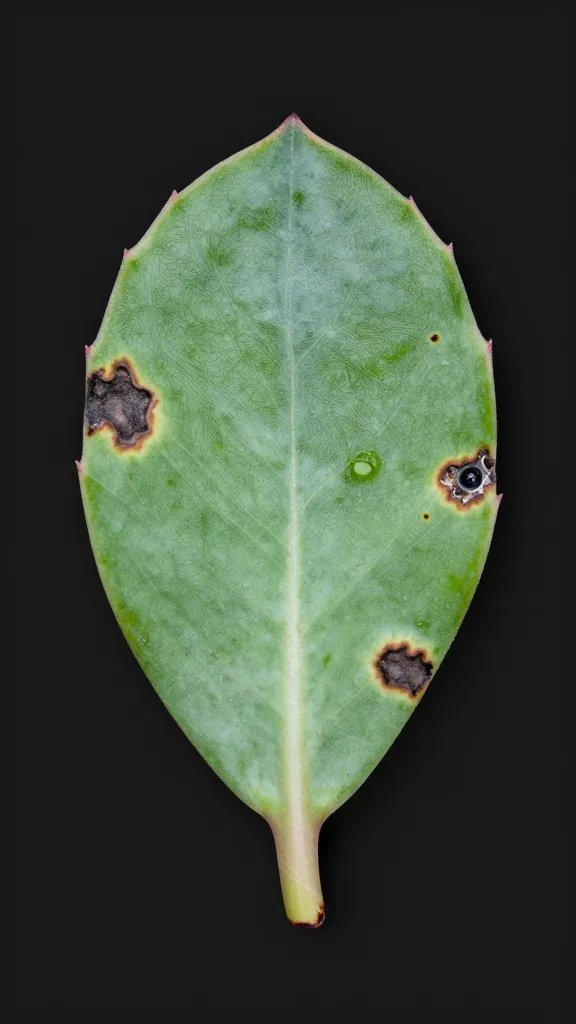
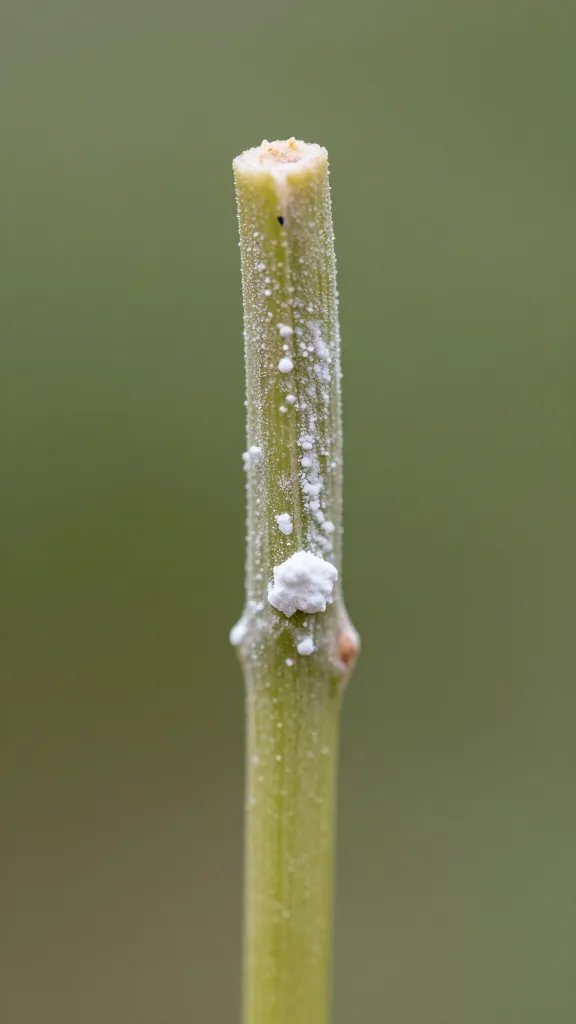
I disinfect tools with alcohol before, during, and after pruning. If I see white fuzz on a cut edge, I open the lid for two hours and remove any affected tissue.
Action today: Inspect the inner glass at midday and dry-wipe any cloudy film where leaves touch.
Frequently Asked Questions
How often should I prune succulents in a terrarium?
Plan a light prune every 8–12 weeks. Do quick touch-ups whenever a stem touches the glass or shades a neighbor. Limit any single session to removing 15–25% of foliage to avoid stress. Set calendar reminders so trims stay small and easy.
Can I root the cuttings back in the terrarium?
You can, but space is tight and humidity slows callusing. I let tops dry 48 hours, then root them in a small pot of dry succulent mix outside the terrarium. Once rooted and compact, I select only the best to replant. This prevents crowding and keeps the display tidy.
What mix should I replant into after root trimming?
Use a good quality potting mix from the garden centre blended 1:1 with coarse horticultural sand or fine gravel. The goal is fast drainage in a shallow layer. Keep it dry for the first 2–3 days after replanting, then water sparingly. If water pools on the surface, you need more grit.
How do I stop leaves from rotting after I cut them?
Make clean cuts, keep wounds dry for 48–72 hours, and improve airflow for a few hours right after pruning. Do not mist. If sap appears, dab it with a dry cotton swab. Remove any fallen leaves the same day so fungi have nothing to feed on.
My succulents keep stretching. Is pruning enough?
Pruning reshapes but doesn’t fix the cause. Move the terrarium to brighter indirect light near a window, rotate it weekly, and thin crowded centers to let light in. If stretching continues, rehome the fastest grower and keep compact species like Haworthia.
What if I see black mush on stems after pruning?
That’s rot. Cut back to firm, pale tissue with sanitized tools and remove any wet mix around the base. Open the lid for 2–4 hours, skip watering for 3–4 days, and discard badly affected pieces. Replace with fresh, dry mix before replanting.
Conclusion
You don’t need fancy gear to keep a terrarium crisp — just sharp, clean cuts, smart timing, and dry aftercare. Choose one plant today, make a small, confident prune, and set that two-day no-water reminder. Next step: plan a seasonal reshaping session and swap one leggy species for a compact rosette so your maintenance stays easy all year.