What Activated Charcoal Actually Does in a Terrarium — and When It Stops Working Revealed
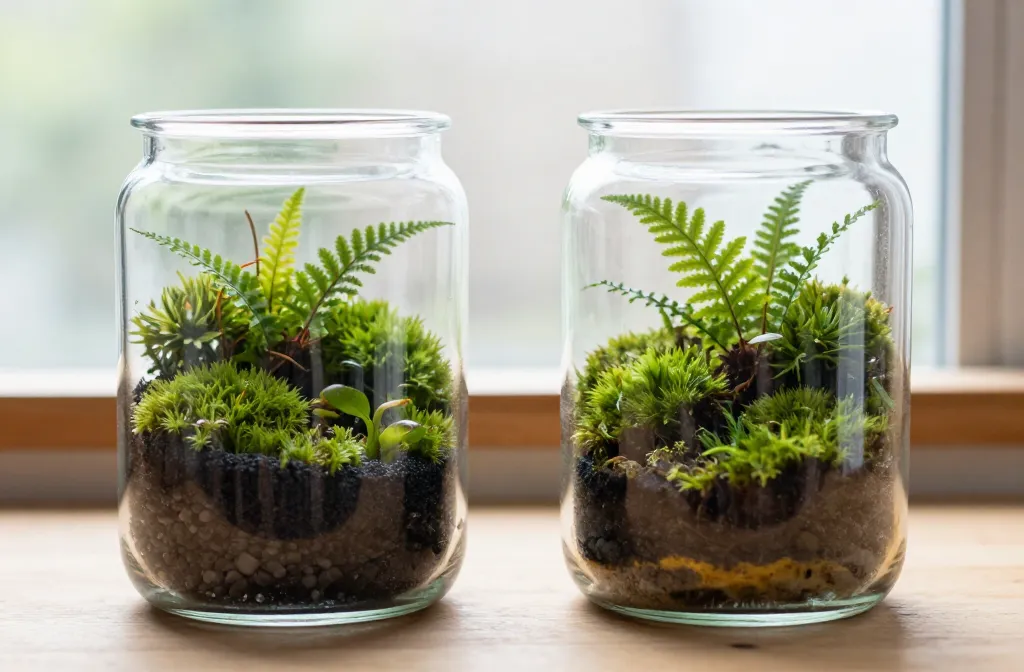
I used to toss a thin sprinkle of charcoal into every terrarium because “that’s what everyone says.” Then I built two identical jars — one with charcoal, one without — and watched the difference over six months. The charcoal jar smelled cleaner and stayed clearer, but only for a while. In this guide I’ll show you what activated charcoal truly handles, when it gives up, and how to set up a terrarium that stays healthy long after the charcoal is spent.
What Activated Charcoal Actually Does Inside the Glass
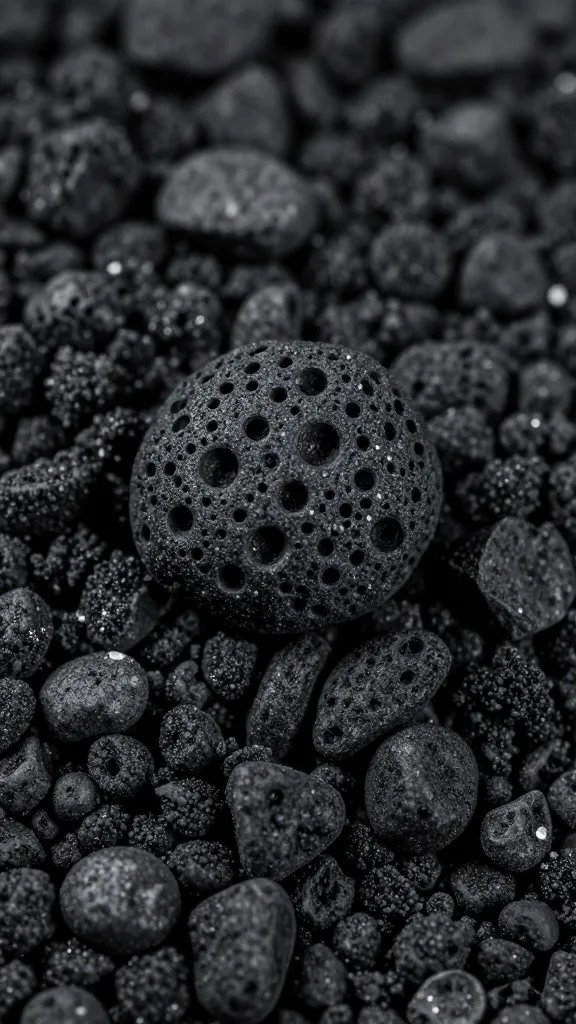
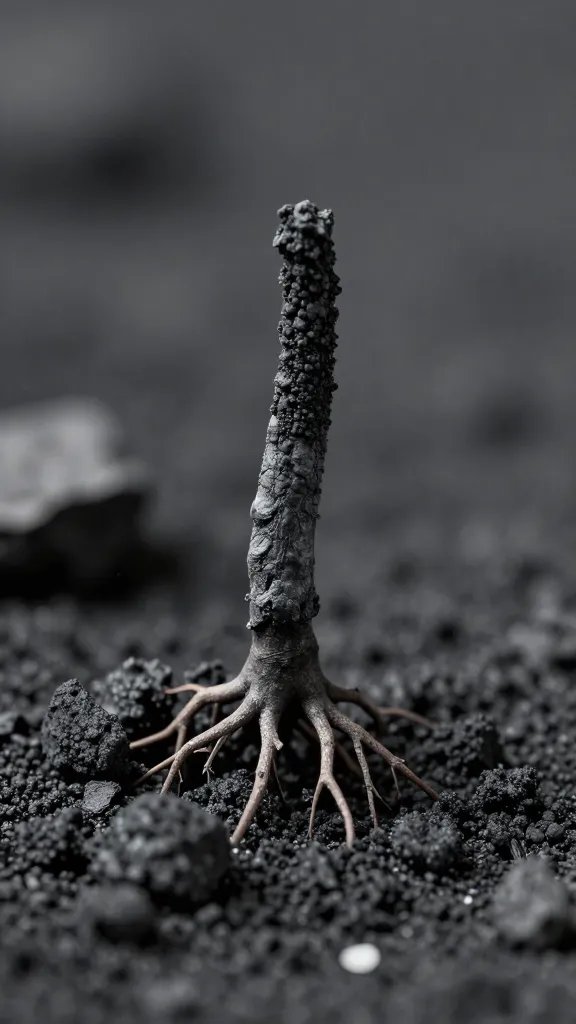
Activated charcoal is carbon that’s been treated to create millions of micro-pores. Those pores adsorb (hold onto) dissolved organics that cause odors and discoloration, and they buffer small spikes of compounds that stress roots and microfauna.
In a terrarium, it works like a temporary “sponge” for smelly byproducts from decaying leaves, dissolved tannins that yellow the water film, and trace household contaminants that sneak in with tap water. It also provides texture in a drainage layer so water doesn’t sit stagnant against the soil.
Takeaway: Think of charcoal as a short-term filter and smell-control layer, not as a cure for bad substrate or overwatering.
What It Does Not Do (And Never Will)
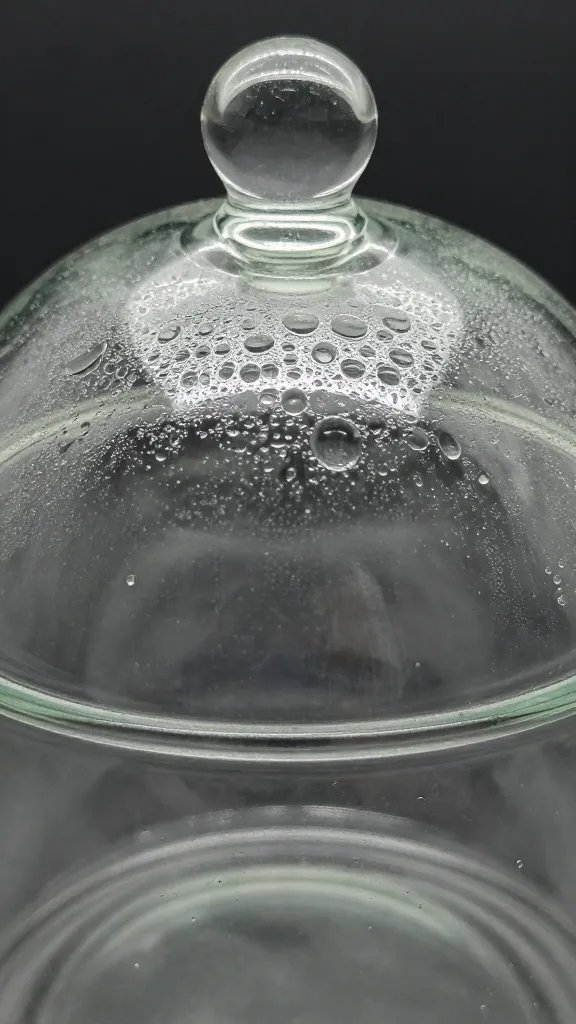
Charcoal does not “purify” water forever, prevent overwatering, or replace proper ventilation and substrate choice. It doesn’t supply nutrients, fix anaerobic rot, or “eat mold.” If your jar smells like sulfur or looks like tea after a few weeks, the problem is usually too much water, compacted soil, or rotting organics — not “not enough charcoal.”
Most failures happen because people build a swamp: fine soil packed tight, no real drainage, and excess moisture. Charcoal can’t adsorb its way out of that.
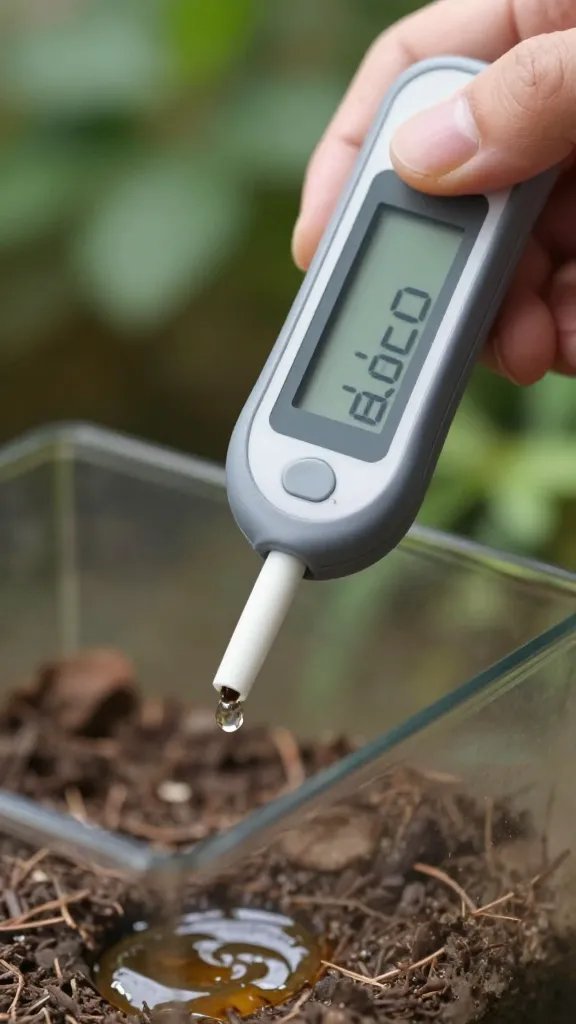
Action: Before blaming charcoal, press a finger into the substrate. If it’s paste-like and smears, you have compaction and overwatering — fix the base, not the filter.
When Activated Charcoal Stops Working
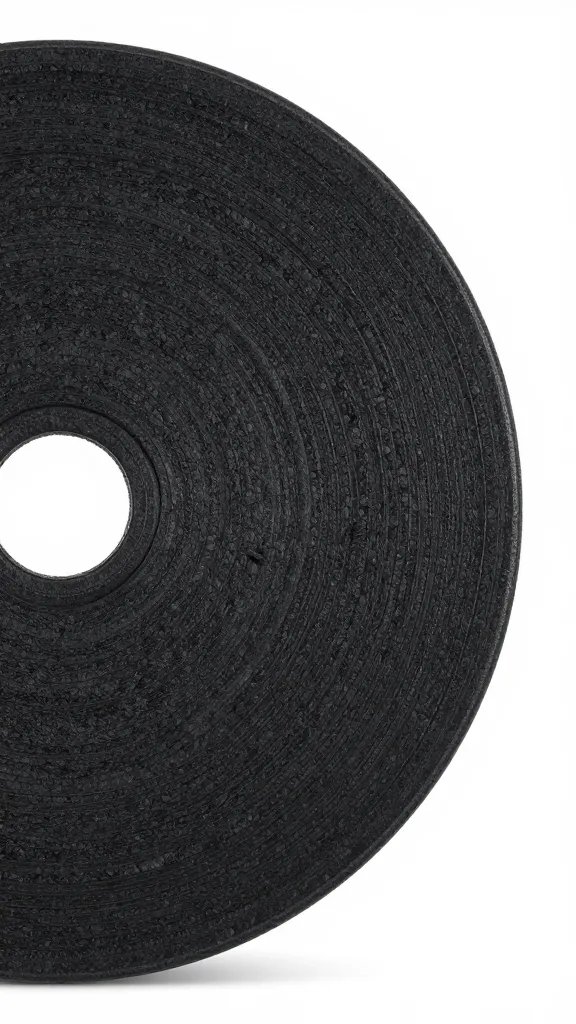
Charcoal “fills up.” Once the pores are packed with organics, it stops adsorbing and becomes just another inert grain in the layer. In a closed terrarium, expect effective performance for 3–6 months. In an open-top or frequently misted jar, expect 1–3 months because more air exchange and watering bring in more dissolved organics.
After saturation, it won’t make things worse, but it won’t solve odor or tint problems either. If the terrarium smells musty, looks tea-stained, or you see brown film in the drainage layer, the charcoal is spent.
Warning Signs Your Charcoal Is Done
- Persistent musty or sour smell even after airing for a day.
- Yellow-brown tint at the base gravel despite recent builds.
- Condensation dries clear in the morning but returns tinted by afternoon.
Action: Put the build date on a piece of tape under the jar. Plan to refresh or bypass the charcoal layer at the 4–6 month mark if odors or staining appear.
The Right Way to Use Charcoal (Simple, Store-Bought Build)
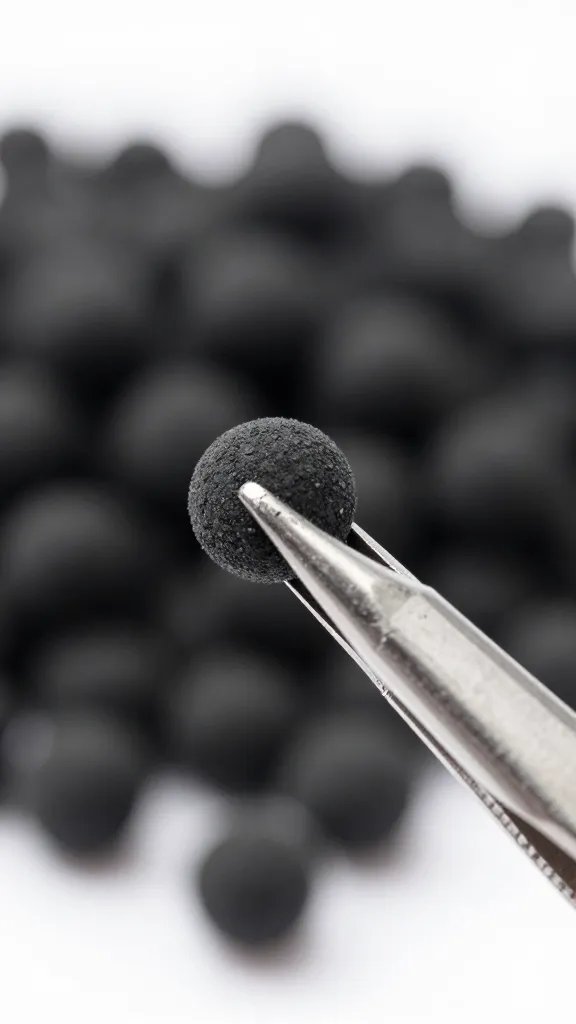
You don’t need lab gear. A garden centre bag labeled “activated charcoal,” “activated carbon,” or even “aquarium filter carbon” all work. Rinse lightly in a colander until the black dust runs mostly clear — 30–60 seconds — to prevent cloudy first-week condensation.
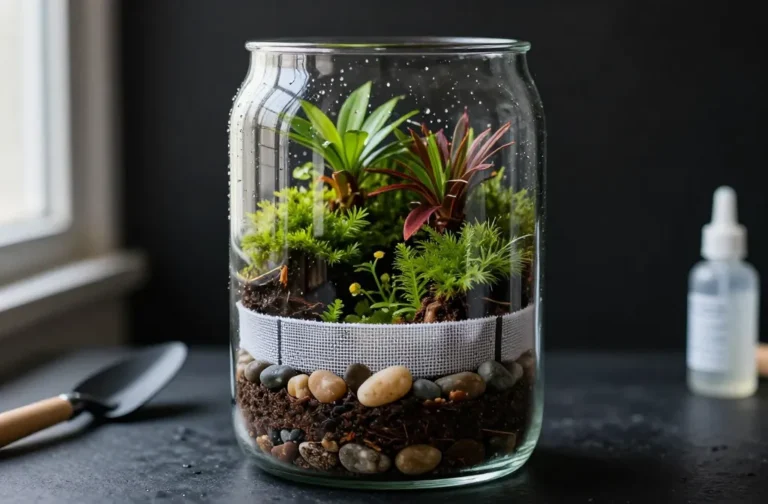
Use it as a thin filter band above drainage, not mixed deep in the soil. Aim for 0.5–1 cm thick across the base. More isn’t better; a thick layer just eats vertical space and does not increase capacity proportionally.
Step-by-Step Layout That Actually Stays Fresh
- Bottom: 2–3 cm of rinsed aquarium gravel or LECA for drainage.
- Middle: 0.5–1 cm of rinsed activated charcoal spread evenly.
- Barrier: A circle of fine mesh from a window screen or a piece of coffee filter to stop soil falling into the drainage.
- Top: 5–8 cm of a good quality potting mix cut with orchid bark or fine perlite (about one mug of amendment per three mugs of mix) for air pockets.
Action: If you already built a terrarium, slide a butter knife around the glass to make space, then tuck a coffee-filter circle over the charcoal to keep soil out. It instantly slows gunk buildup.
How to Keep Charcoal Working Longer
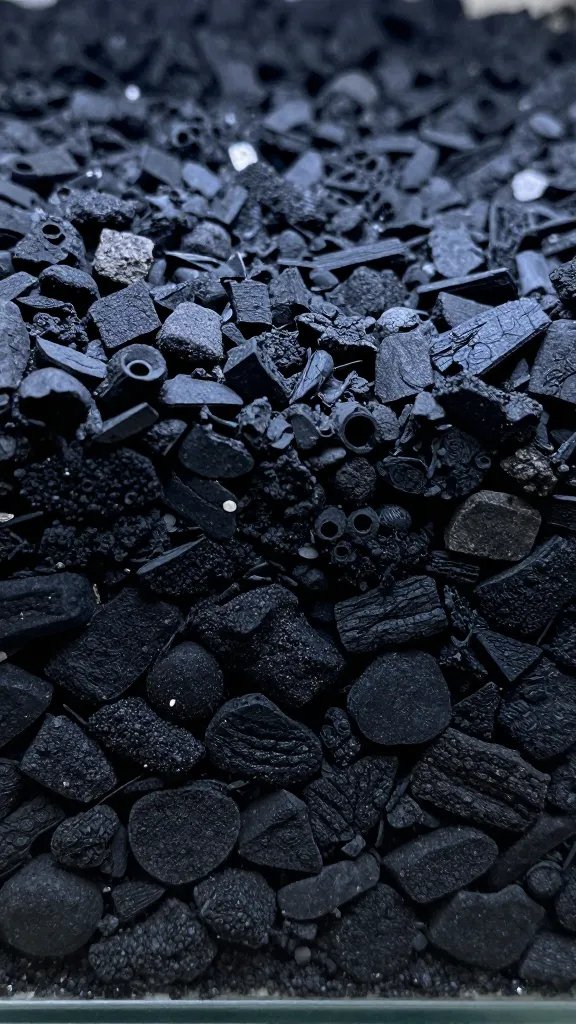
Charcoal dies faster when you overload it with organics. Limit leaf litter and avoid heavy fertilizer. I prune with clean scissors and remove fallen leaves weekly. I also water with room-temperature tap that tastes clean, not salty, and I avoid sugary sprays or “leaf shine.”
Light matters. Place jars in bright indirect light near a window rather than dim corners. Healthier plants shed fewer rotting parts, which keeps the charcoal from saturating as quickly.
Action: Do a five-minute “tidy pass” every Sunday: pluck dead bits, wipe inner glass near the soil line with a paper towel corner, and reseal. That small habit doubles charcoal lifespan.
What to Do When the Charcoal Is Spent
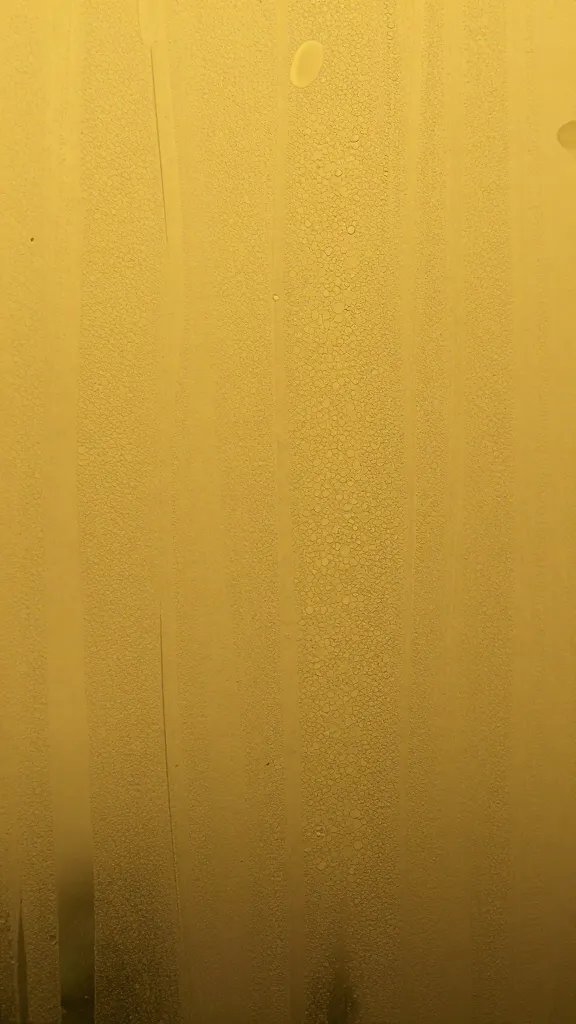
You have two choices: partial refresh in place or a full rebuild. For a partial refresh, I tilt the jar, siphon any pooled water with a turkey baster, and scoop out the charcoal band using a long spoon. I add a fresh 0.5–1 cm layer, replace the mesh, and settle the soil back. The whole job takes 10–15 minutes for a medium jar.
For a full rebuild, I lift plants and moss onto a dinner plate, keep roots damp with a mist, and re-layer from scratch. This is the time to fix the real causes: reduce soil thickness, add bark/perlite, and reset moisture to “wrung-out sponge,” not dripping.
Action: If you notice sour odor today, crack the lid for 6–12 hours to vent, then schedule a 30-minute refresh this week to swap the charcoal band.
When You Can Skip Charcoal Entirely
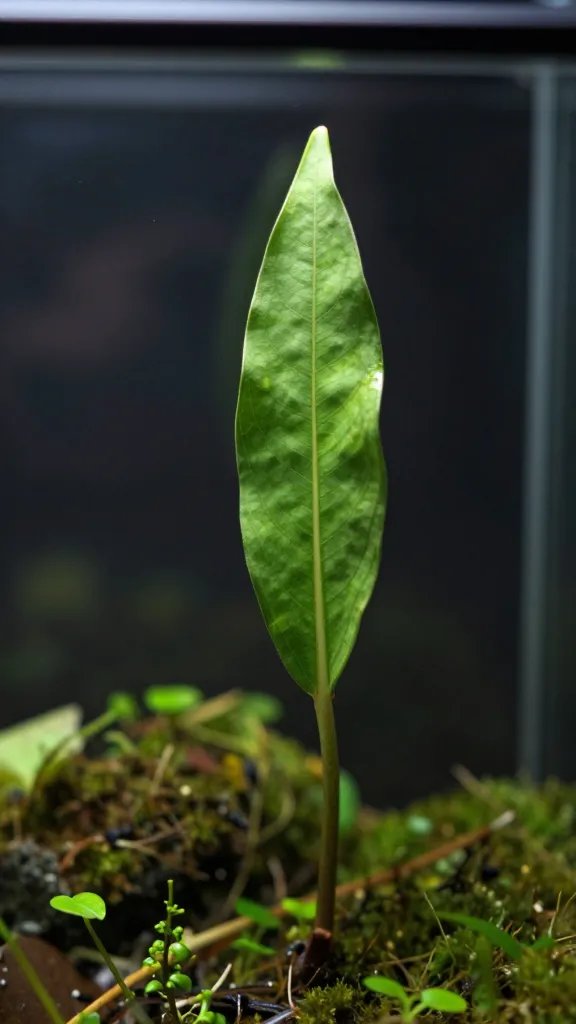
Charcoal is helpful, not mandatory. I skip it for open-top jars with airy substrates and for builds focused on crispy-dry plants like Haworthia or small Sansevieria. I also skip it in displays I plan to rework seasonally, since the window for odor control is short anyway.
If you nail drainage, aeration, modest moisture, and regular tidying, you won’t miss it. Charcoal is insurance, not life support.
Action: For your next dry, open-top build, replace the charcoal with an extra handful of fine bark to keep air moving and reduce rot risks.
Frequently Asked Questions
Can I use barbecue charcoal or briquettes instead of activated charcoal?
No. Briquettes contain binders and additives that leach into the terrarium and harm plants. Use activated charcoal from the aquarium aisle or a garden centre bag labeled for terrariums. If you only find larger pellets, crush them inside a zip bag with a rolling pin for a more even layer.
How thick should the charcoal layer be in a small jar?
In jars under 15 cm wide, use a thin band of 0.5 cm — just enough to cover the drainage. Thicker layers reduce planting depth and don’t meaningfully extend filtration time. Rinse before adding to cut down on black dust in condensation.
My terrarium smells musty after two months. Do I add more charcoal or rebuild?
Start with venting: open the lid for half a day and remove any decaying leaves. If odor returns within a week, the charcoal is saturated. Swap the charcoal band and check substrate for compaction; mix in a mug of fine bark or perlite per three mugs of soil during the refresh to prevent future stagnation.
Is charcoal safe for moss terrariums?
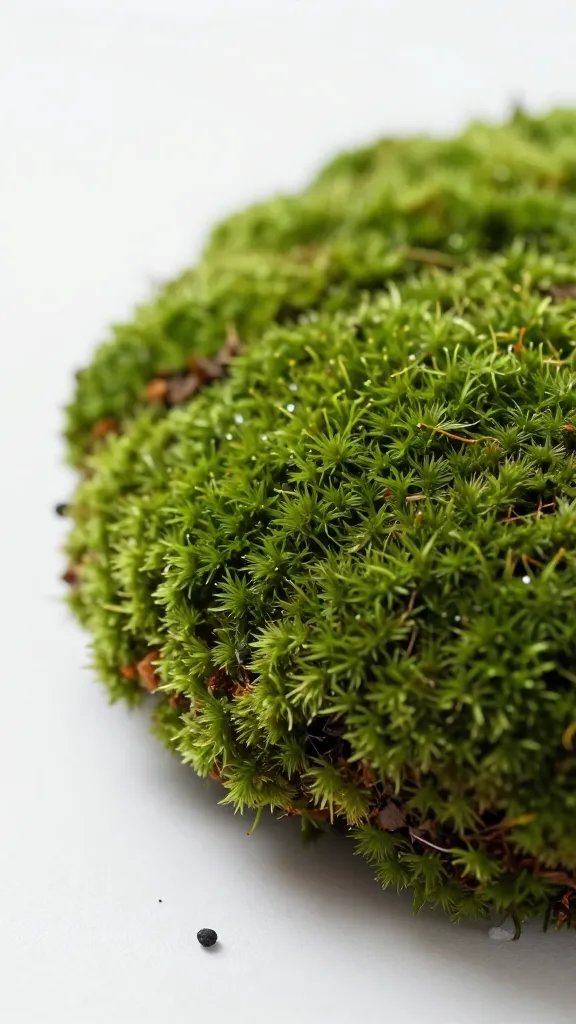
Yes, and it’s useful because moss sheds tiny organics that tint water. Keep the layer thin and avoid flooding; moss prefers evenly damp, not sopping wet. If the glass browns at the base, refresh the charcoal and reduce misting by half.
Do I still need a drainage layer if I’m using charcoal?
Yes. Charcoal is not a drainage substitute. You need 2–3 cm of gravel or LECA at the bottom so excess water can sit away from roots. Charcoal filters that perched water slightly but doesn’t move it.
How do I know I’ve added the right amount of water after a rebuild?
Use the “wrung-out sponge” test. Grab a handful of mixed substrate, squeeze hard — it should feel cool and moist but not drip more than a drop or two. After planting, you want light morning condensation on 10–30% of the glass, clearing by midday; if it’s heavier, leave the lid off for a few hours.
Conclusion
Activated charcoal keeps a terrarium fresher, clearer, and less smelly — for a while. Now that you know what it handles and when it quits, you can build smarter: thin charcoal band, real drainage, airy substrate, and light, regular tidying. If your current jar is funky, schedule a quick charcoal refresh and fix the moisture baseline; your plants will show the difference within a week.