Beginners Guide How Led Grow Lights Work for Terrariums — Spectrum, Distance and the Par Measurement That Matters
I set up my first terrarium on a north-facing shelf and watched moss go brown while my fittonia stretched like taffy. The fix wasn’t a fancier plant — it was understanding how a basic LED grow light actually delivers useful light in a glass jar. In this guide I’ll show you how spectrum, distance, and the one measurement that matters translate into simple at-home choices. You’ll finish knowing exactly what light to buy, how high to hang it, and how to tell if your plants are getting enough — no meters, no guesswork.
What “PAR” Really Means (And How to Use It Without a Meter)
PAR is the slice of light plants use to photosynthesize — think of it as “edible light.” Manufacturers sometimes quote big watt numbers, but watts are power in, not plant food out.
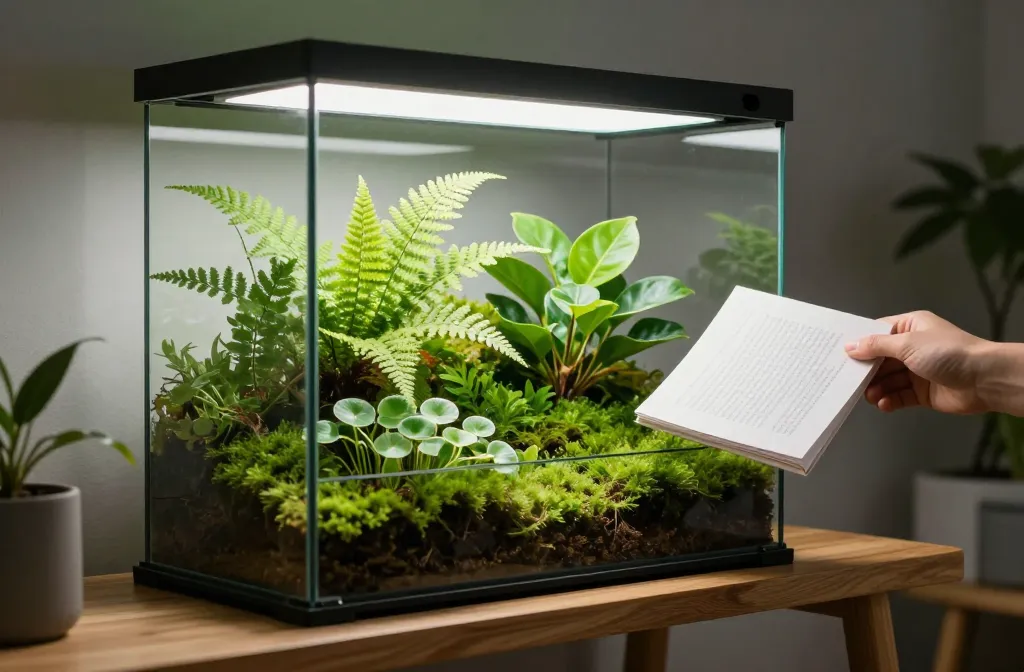
At home, I treat PAR like brightness you can judge with your eyes and the plants themselves. If a light makes a white paperback look bright and easy to read at arm’s length, it’s close to the right range for most terrarium plants.
Use simple benchmarks. For low-light terrariums with moss, ferns, and fittonia, aim for “bright shade” — like a well-lit desk without glare. For higher-demand plants like pilea or baby tears, aim for “bright indirect light” — like a window ledge with sheer curtains.
Action today: Turn on your grow light and hold a white page at plant height. If it doesn’t look as bright as a sunny window with a sheer curtain, lower the light by 2–3 inches.
Why Spectrum Matters (But Not the Way Marketing Says)
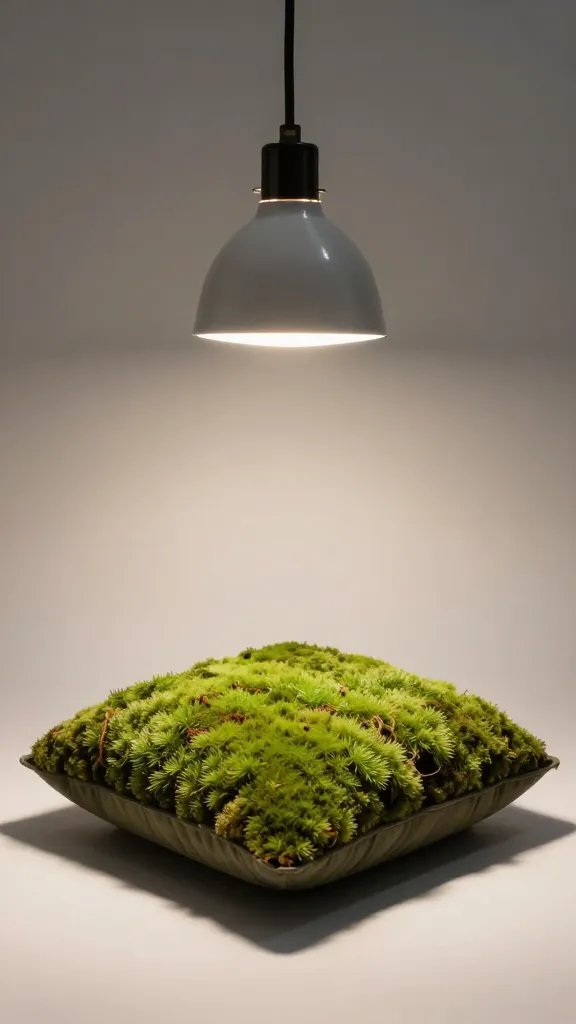
Plants use a wide range of colors, so I skip purple-only lights. A full-spectrum white LED in the 4000–6500K range grows terrarium plants reliably and makes the glass look natural.
Warm white (around 3000–3500K) makes colors cozy but can look dimmer; cool white (5000–6500K) looks crisper and shows plant health issues early. I use cool white for moss and ferns so I can spot drying tips fast.
If a bulb or panel says “full spectrum” and looks white to your eyes, it works. Don’t chase exotic color ratios unless you enjoy tinkering.
Action today: Choose a 4000–6500K white LED grow bulb or panel from your garden centre and skip purple fixtures — your plants and your eyes will thank you.
Distance: The Easiest Way to Fix Weak or Harsh Light
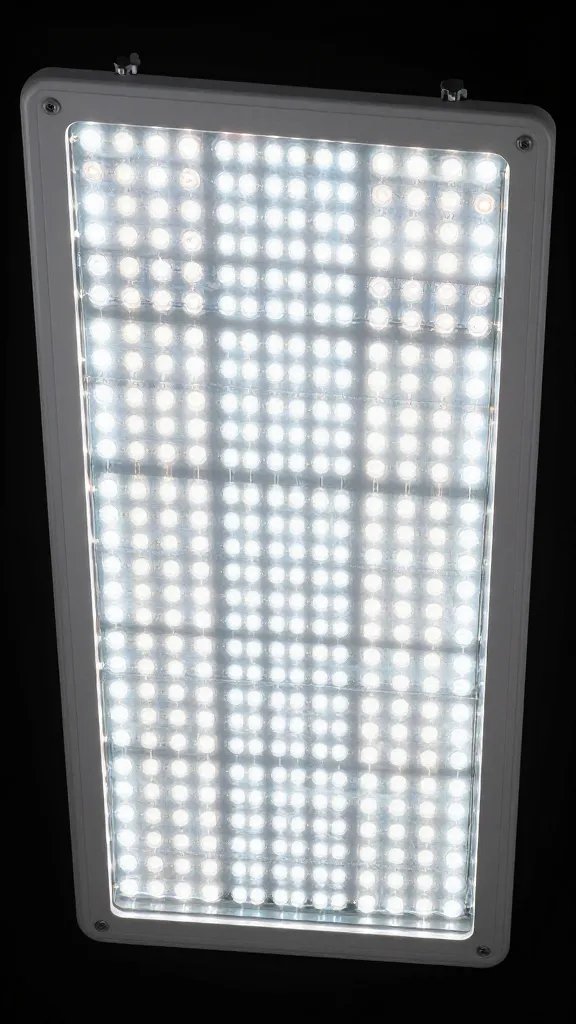
Light intensity drops fast with distance. In a terrarium, glass also steals a little light and adds reflections. I treat distance as a dimmer switch I can move.
For desk-sized terrariums (6–12 inches tall), I set the light 6–10 inches above the tallest plant. For larger jars or paludariums, I start at 10–14 inches and adjust weekly based on growth and leaf color.
Too far and plants stretch; too close and leaves bleach or develop dry, pale patches. I move in small increments — 1–2 inches at a time — and give plants 5–7 days to respond.
Action today: If your plants look leggy or are leaning, lower the light by 2 inches and rotate the terrarium a quarter turn.
Warning Signs to Watch
- Too little light: Pale green leaves, long gaps between leaves, moss turning straw-colored, plants leaning hard toward the light.
- Too much light: Bleached patches, crispy tips on ferns, glass feeling hot to the touch, condensation vanishing by midday in a closed build.
How Long to Run the Light Each Day
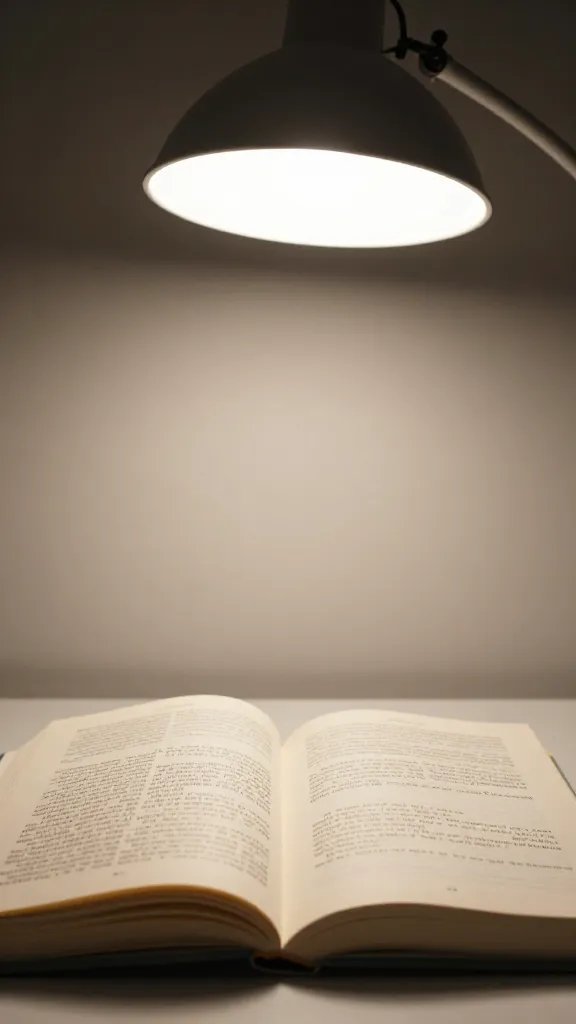
Plants read total light per day like a budget. Most terrarium species thrive on a simple schedule of 10–12 hours on, 12–14 hours off.
I use a basic plug-in timer so I never forget. For closed terrariums, longer days can overheat and dry leaves against the glass, so I cap at 12 hours and watch condensation.
When growth stalls in winter, I add an hour; when algae grows on the glass, I remove an hour.
Action today: Put your grow light on a $10 outlet timer set for 11 hours on, 13 hours off, and adjust by one hour after two weeks if you see algae or stretching.
Choosing a Light That Actually Fits a Terrarium
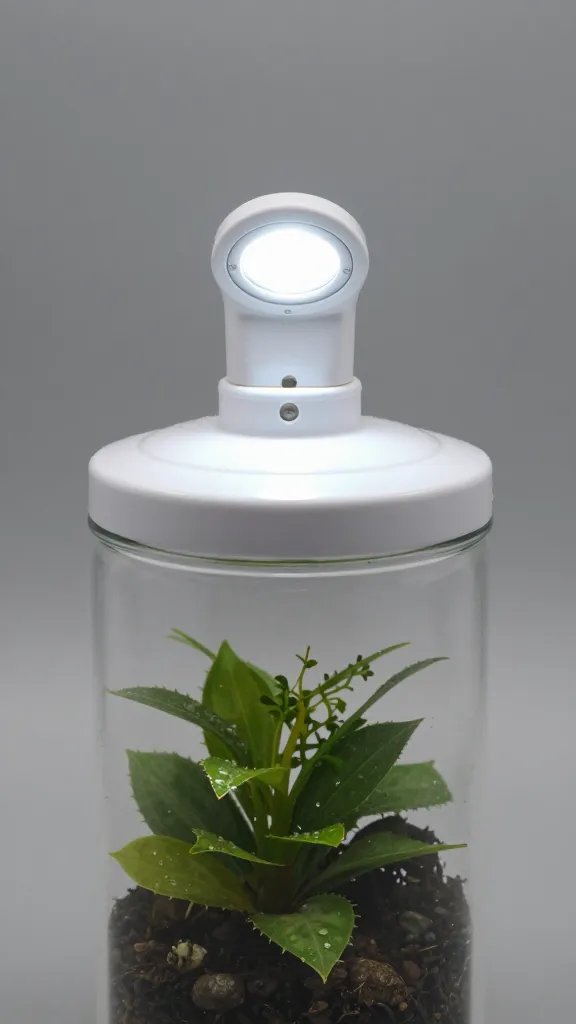
Terrariums are small, so I avoid stadium lights. A 10–30 watt white LED panel, clip-on lamp, or PAR-style bulb in a gooseneck fixture covers most tabletop builds.
I look for even coverage instead of a tight spotlight. Frosted diffusers, wider reflectors, or two smaller lamps angled in from the sides prevent a bright center and dim edges.
If your lid is clear, place the light above it. For wooden or opaque lids, cut a neat aperture and rest the lamp over it, or mount the light inside with a safe gap from plants to avoid heat buildup.
Action today: If your terrarium has a bright center and dark corners, add a second small clip light on the opposite side and reduce each light’s height by 1–2 inches.
Material Recommendations
- Bulbs: PAR20 or PAR30 full-spectrum white LED grow bulbs (4000–6500K) in a standard clamp lamp.
- Panels: Flat LED grow panels (10–30W) with a diffuser for even spread.
- Accessories: Plug-in timer, gooseneck clamp lamp, and felt pads to prevent heat marks on shelves.
Balancing Light with Humidity and Heat Inside Glass
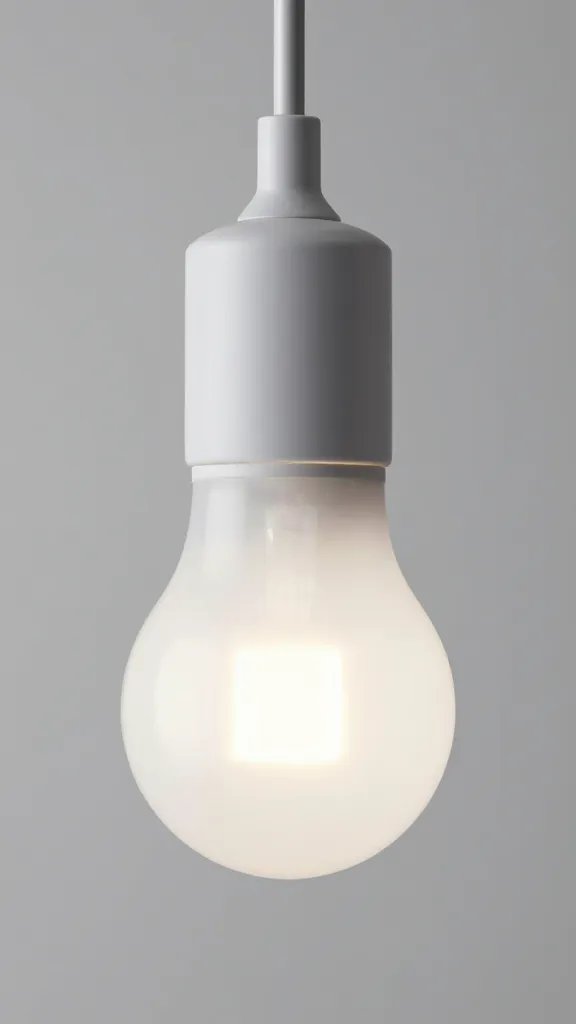
Glass traps heat. Even efficient LEDs can raise the temperature a few degrees, which dries moss tips and fogs the glass.
I keep one small vent or lift the lid for 15–30 minutes daily if I see heavy dripping. If the glass feels warm, I raise the light 2 inches or shorten the photoperiod by an hour.
Algae thrives on bright, wet glass. I wipe the inside with a microfiber cloth every two weeks and shade the lower third with a rock or planting to reduce direct light on bare glass.
Action today: At midday, touch the glass where the light hits. If it feels warmer than your hand, raise the light by 2 inches or reduce runtime by 1 hour.
Step-by-Step Fix for Overheating
- Raise the light 2 inches and reduce daily runtime by 1 hour.
- Crack the lid for 20 minutes in the warmest part of the day.
- Move the terrarium 12–18 inches away from sunlit windows when the grow light is on.
- After three days, restore 30 minutes of runtime if plants look flat or dull.
Plant Choices That Thrive Under Simple LED Setups
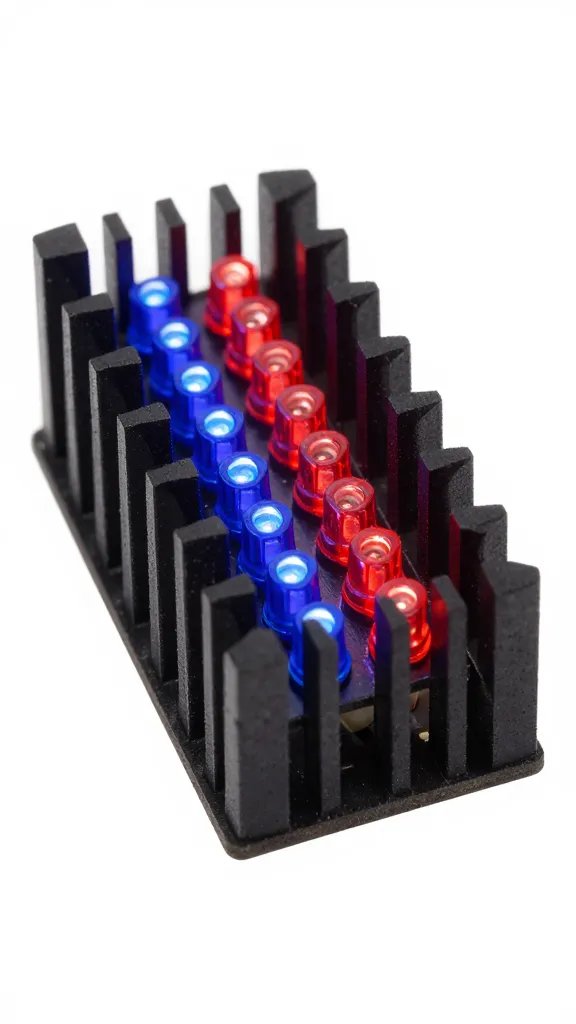
Some plants reward you for getting the basics right. I choose species that stay compact and love humidity.
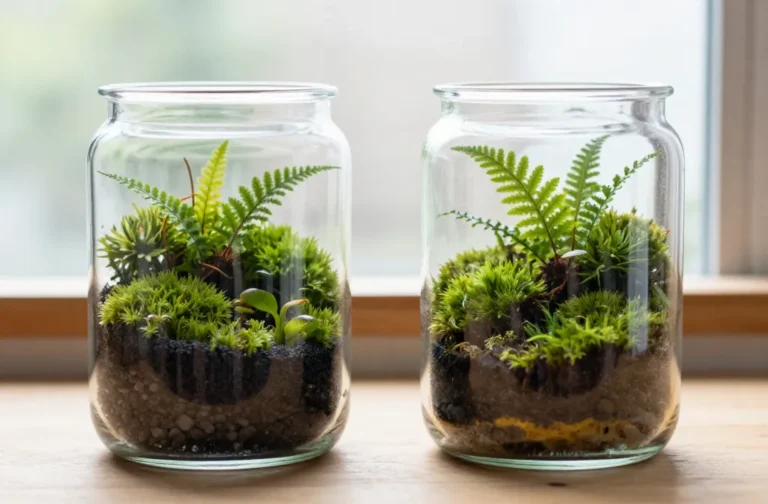
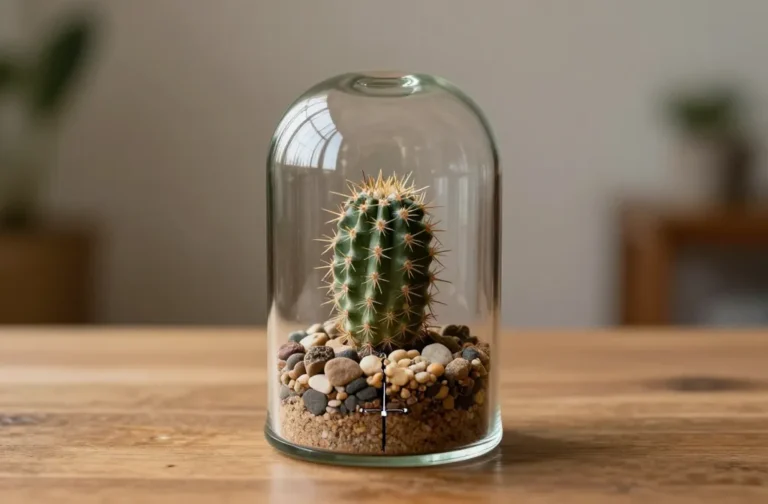
Reliable options include mosses (sheet moss, cushion moss), fittonia, peperomia (prostrata, caperata), baby tears (Soleirolia), pilea (glauca, depressa), selaginella, and small ferns (button fern, heart fern). Skip succulents — the humidity and lower airflow fight their needs.
I plant densely but keep leaves off the glass to avoid burns and rot. A ring of moss around the edge shades the substrate and hides algae.
Action today: If a plant keeps touching the glass, trim it back to 1 inch clearance all around and re-aim the light to minimize hot spots.
Frequently Asked Questions
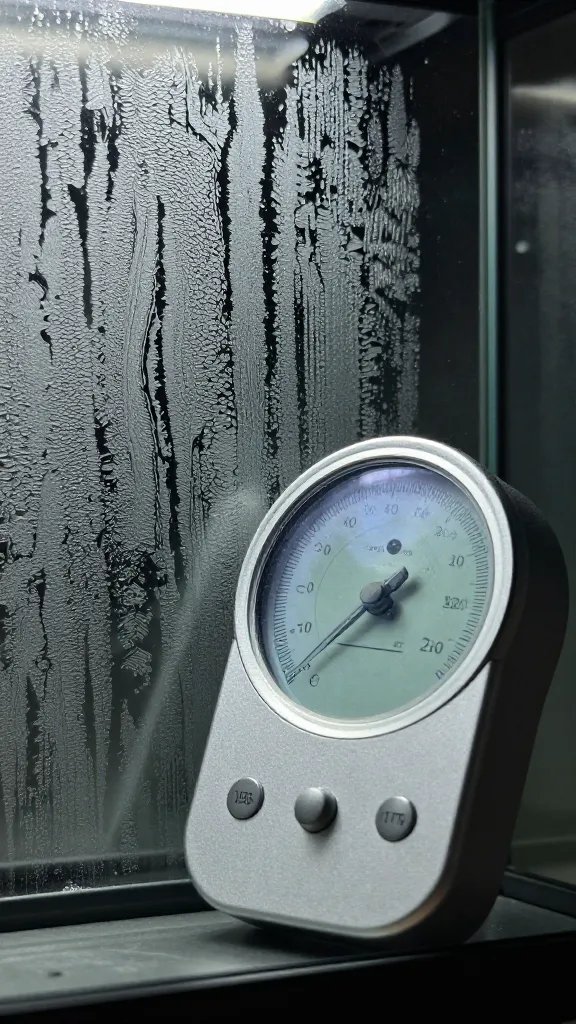
Can I use a regular LED household bulb instead of a grow light?
Yes, if it’s a bright, cool-white bulb (5000–6500K) and positioned close enough. Choose a higher-output bulb in a reflector clamp lamp to focus light down into the jar. Watch your plants for stretching and adjust distance weekly. If colors wash out or growth slows, switch to a labeled full-spectrum grow bulb.
How do I know if my light is strong enough without a PAR meter?
Use the page test: at plant height, a white page should look clearly bright and easy to read. Check plant behavior after two weeks — short internodes, upright growth, and steady new leaves mean enough light. If stems lean or gaps widen between leaves, lower the light 2 inches. If tips bleach, raise it 2 inches.
Will LED lights overheat a closed terrarium?
LEDs run cooler than other bulbs, but enclosed glass still traps heat. Keep the light 6–10 inches from the canopy, limit to 10–12 hours daily, and vent briefly if you see heavy dripping. If the glass feels warmer than your hand, raise the light or shorten the schedule by an hour.
What’s the best daily schedule for most terrarium plants?
Start with 11 hours on and 13 hours off. After two weeks, add or remove one hour based on growth and algae. If algae increases, reduce to 10 hours; if growth looks weak, increase to 12 hours. Use a simple outlet timer so the rhythm stays consistent.
Do I need UV light for better color or growth?
No. Terrarium plants don’t need added UV, and it can stress delicate leaves. A full-spectrum white LED provides all the useful light they need. Focus on even coverage, correct distance, and a steady schedule instead.
Conclusion
You don’t need a lab to get terrarium lighting right — just a white LED, the right distance, and a steady schedule. Set your light 6–10 inches above the canopy, run it 10–12 hours on a timer, and let plant responses guide your fine-tuning. If you’re ready to level up, next compare two fixtures side-by-side for a week and choose the one that delivers compact, upright growth — your plants will tell you which light wins.