Why Bog Plants Die in Standard Terrarium Substrate — Water Saturation, Ph and Root Oxygen Requirements
I learned the hard way that planting carnivorous sundews and pitcher plants in a pretty terrarium mix from the garden centre ends in brown leaves and a sour smell within weeks. If you’ve watched a healthy bog plant collapse after “pampering” it with rich compost, you’ve met the exact problem I did. In this guide, I’ll show you why standard substrates fail bog species and how to build a simple, reliable medium with hardware-store materials. You’ll leave knowing the exact mix, watering method, and warning signs to keep your bog plants alive.
Bog Ecology 101: Wet Roots Need Air, Not Soup
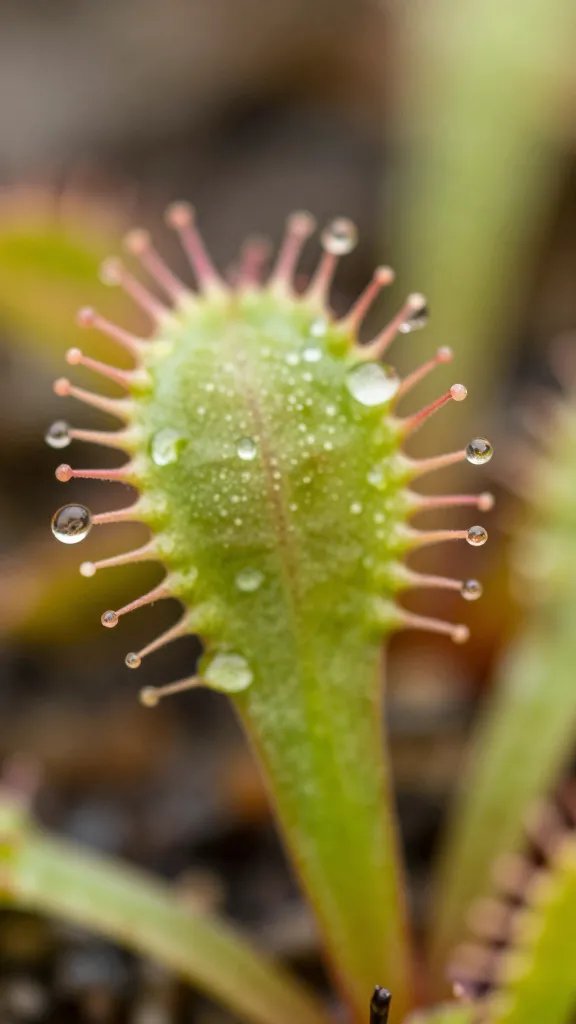
Bog plants live in waterlogged but oxygen-poor, nutrient-poor environments. Their roots sit in saturated media with constant water movement and open pore spaces that still allow enough oxygen at the root surface.
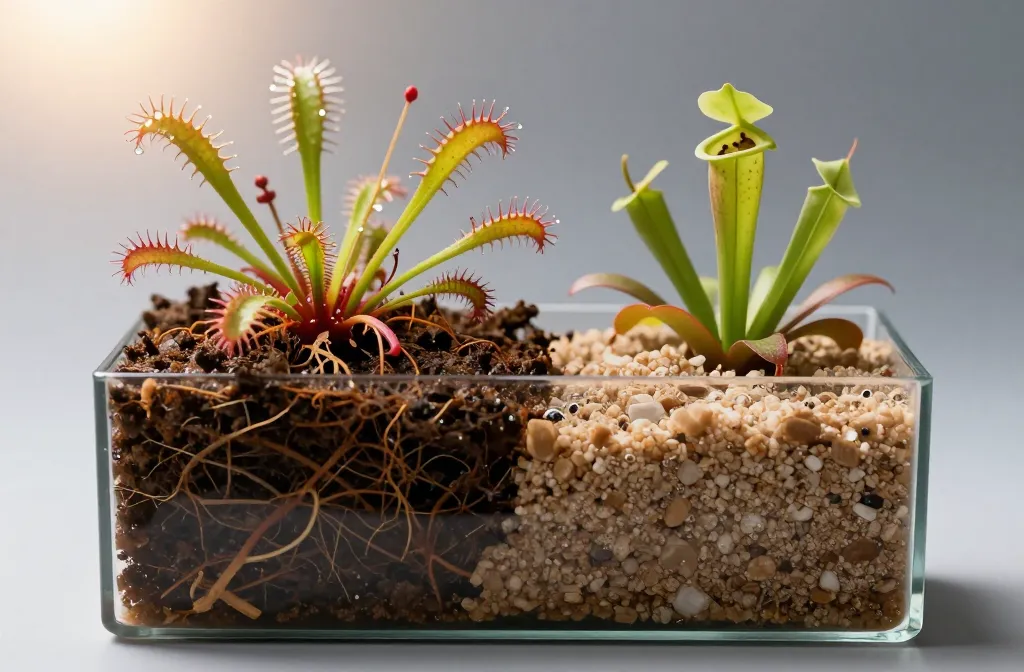
In a terrarium, a dense, compost-rich mix turns into a stagnant stew. Water fills every gap, oxygen drops, and roots suffocate. That’s when you smell rot and see leaves collapse from the base upward.
Action today: Press a drinking straw 5–7 cm into your terrarium substrate. If it comes up smeared like paste, your mix is too fine and waterlogged for bog plants.
Why Standard Terrarium Substrate Fails: Fine Particles And Fertility
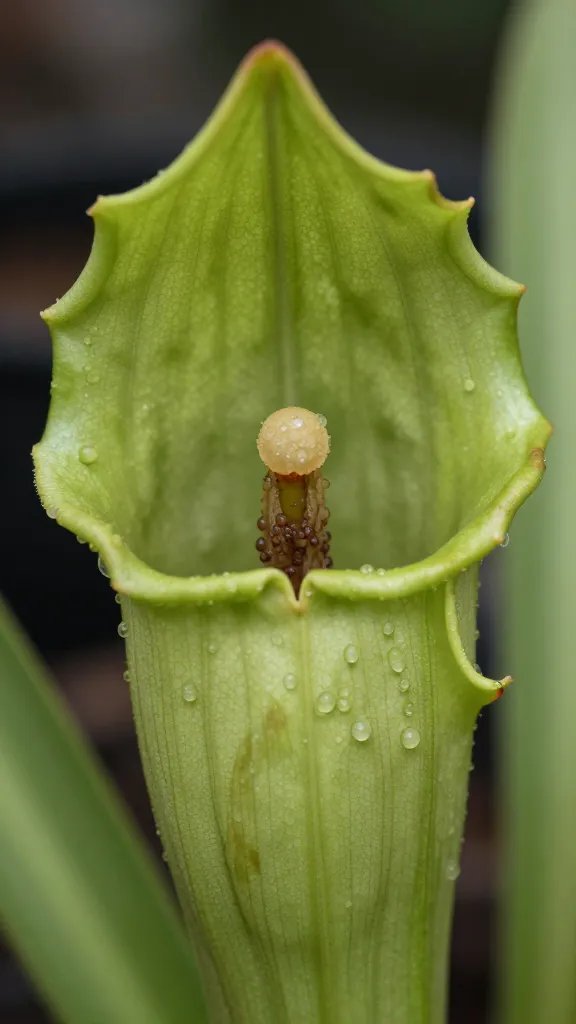
Most terrarium mixes contain potting compost, coco coir, worm castings, and fine bark. These hold nutrients and break down into smaller particles, which clogs air spaces and smothers roots under constant moisture.
Bog plants evolved to capture nutrients with leaves, not roots. A fertile mix “burns” them, encourages algae, and feeds harmful microbes that attack roots already short on oxygen.
Action today: If your bog plant sits in any substrate labeled “fertilized,” “all-purpose potting mix,” or “feeds for months,” plan to repot into an inert, unfertilized bog medium this week.
Water Saturation: Standing Water Isn’t The Enemy—Stagnation Is
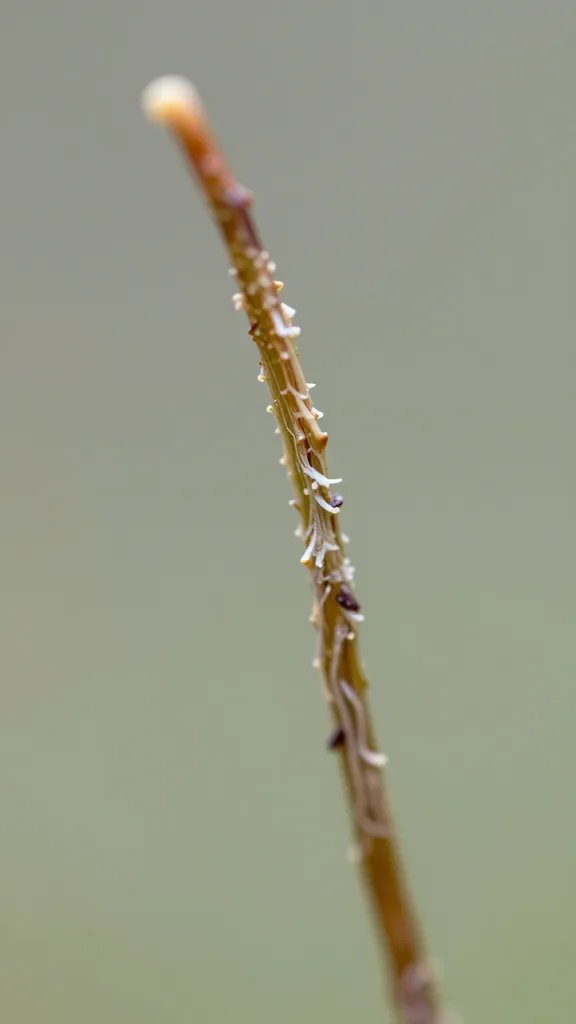
Bog species tolerate saturated media, but they still need oxygen exchange. In a sealed glass bowl with no drainage layer or wick, the water column goes still. Once still, oxygen can’t reach roots fast enough, and rot moves in.
You fix this by using coarse, stable particles that don’t collapse, plus a simple way for water to move: a small reservoir with a wick, or regular top-up-and-drain cycles.
Step-by-Step: Build a Simple Bog Medium
- Mix 1 part long-fibre sphagnum moss (rinsed) with 1 part washed silica sand (play sand or pool filter sand). Optional: add 0.5 part fine horticultural perlite for extra pore space.
- Rinse all components in clean tap water until runoff looks clear. Squeeze the sphagnum to damp, not dripping.
- Pack gently—aim for springy, not compact. Leave a 1–2 cm gap between media surface and glass lip for airflow.
Takeaway: Keep water moving or periodically refreshed, and use a coarse, inert, unfertilized medium so saturation doesn’t equal suffocation.
pH Matters: Keep It Acidic And Inert
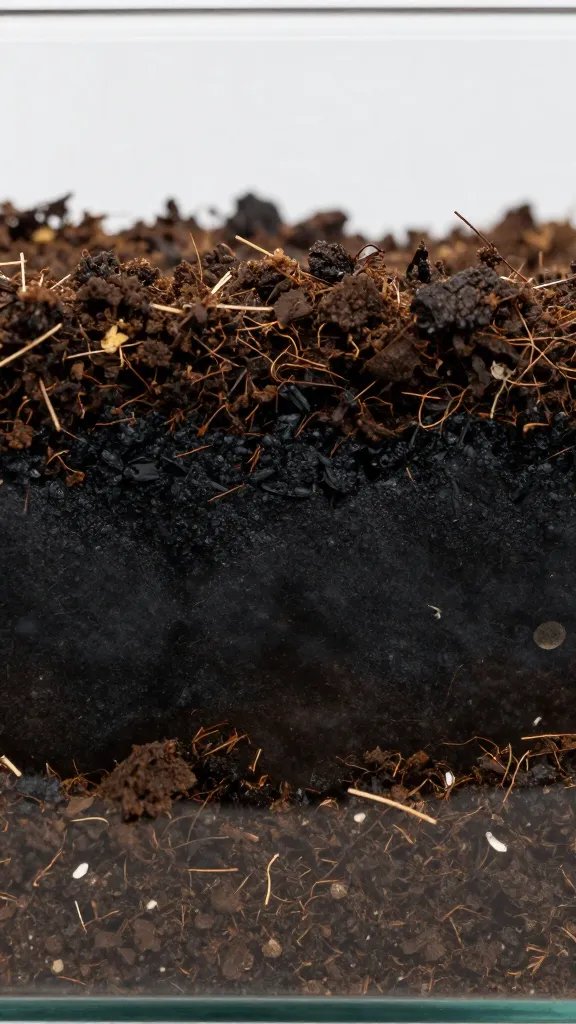
Bogs run acidic. Most carnivorous plants and bog companions prefer a substrate near “sour coffee” territory. In practical terms: materials that haven’t been limed and water that doesn’t taste mineral-heavy.
Standard potting mixes often include lime to raise pH, plus compost that trends neutral. That shift invites the wrong microbes and locks up the nutrients bog plants do need in trace amounts.
Material Recommendations (Garden Centre Friendly)
- Long-fibre sphagnum moss (not decorative dyed moss).
- Silica sand labeled for play pits or pool filters (rinsed well).
- Horticultural perlite (optional, rinsed to remove dust).
- Distilled water or rainwater from a clean container for routine watering.
Takeaway: Swap any limed or composted mix for rinsed sphagnum and silica sand, and water with distilled or collected rainwater.
Root Oxygen Requirements: Design For Air Pockets In A Wet World
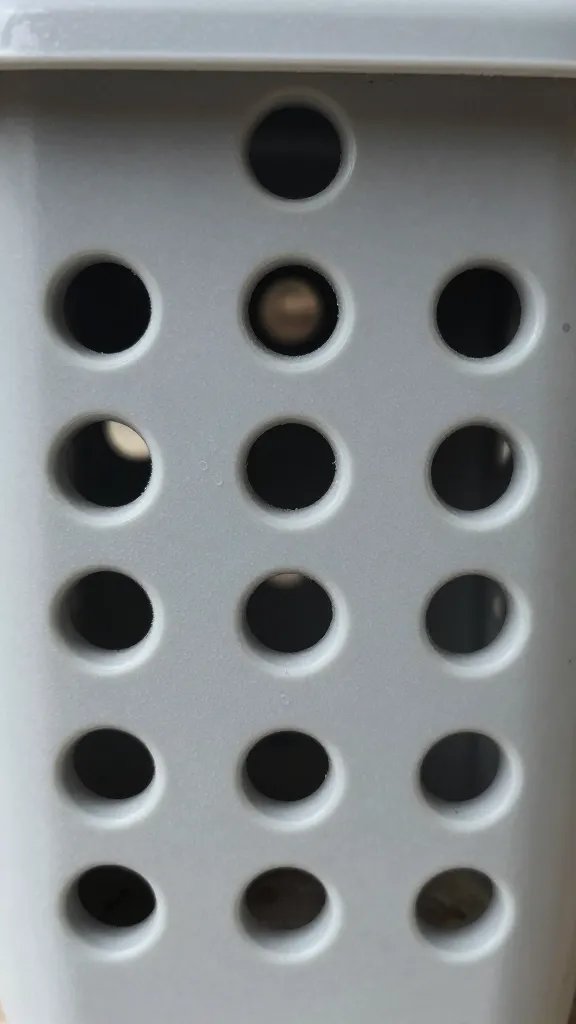
Roots breathe through thin films of water around particles. If every pore floods with stagnant water, oxygen can’t reach the roots. Coarse fibers of sphagnum hold shape and trap tiny air pockets even when soaked.
A compacted terrarium with fine peat and compost offers no refuge. Once compressed, it stays dense and anaerobic.
Warning Signs Of Low Oxygen
- Leaves yellowing from the base, then turning translucent.
- Rhizomes or crowns turning brown and mushy.
- Substrate smells sour or like a swamp rather than like fresh forest.
Takeaway: If you smell sourness or see base rot, immediately unpot, trim mush, and reset the plant into a springy sphagnum-sand mix.
Watering And Reservoir Setup That Actually Works Indoors
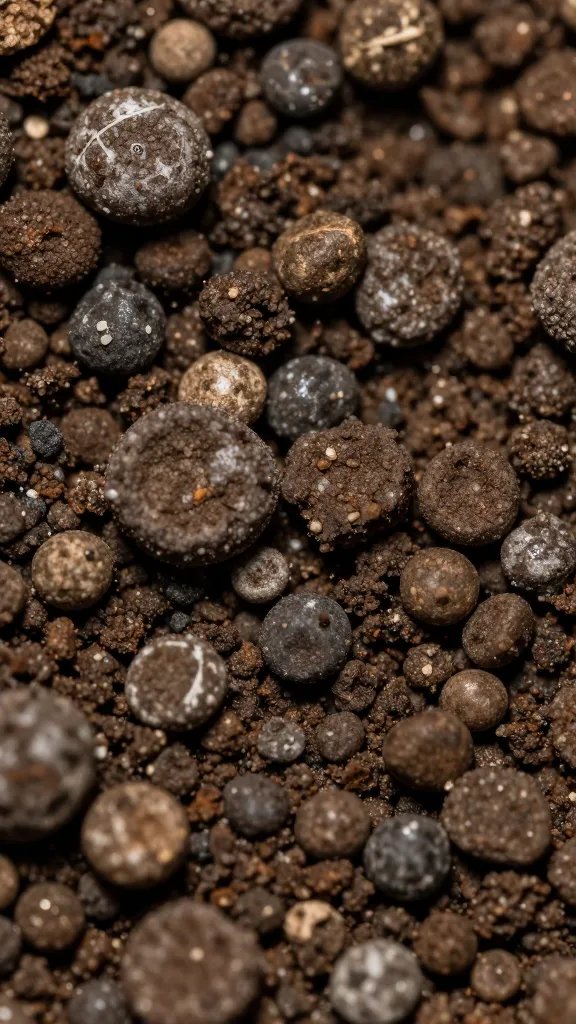
You don’t need fancy gear. A small glass or plastic pot with side ventilation and a shallow water reservoir keeps things stable and breathable.
Two Easy Options
- Tray Method: Sit the pot in a shallow saucer. Keep 0.5–1 cm of distilled or rainwater in the tray during the growing season. Let the tray dry for one day out of every 7 to refresh oxygen.
- Wick Method: Thread a cotton cord through the drainage hole into a small water jar below. The wick pulls water up without flooding the pot. Top up weekly so the jar stays one-third full.
Takeaway: Maintain a thin, consistent water source and schedule one “air day” per week to re-oxygenate the root zone.
Light And Container Choices That Prevent Rot
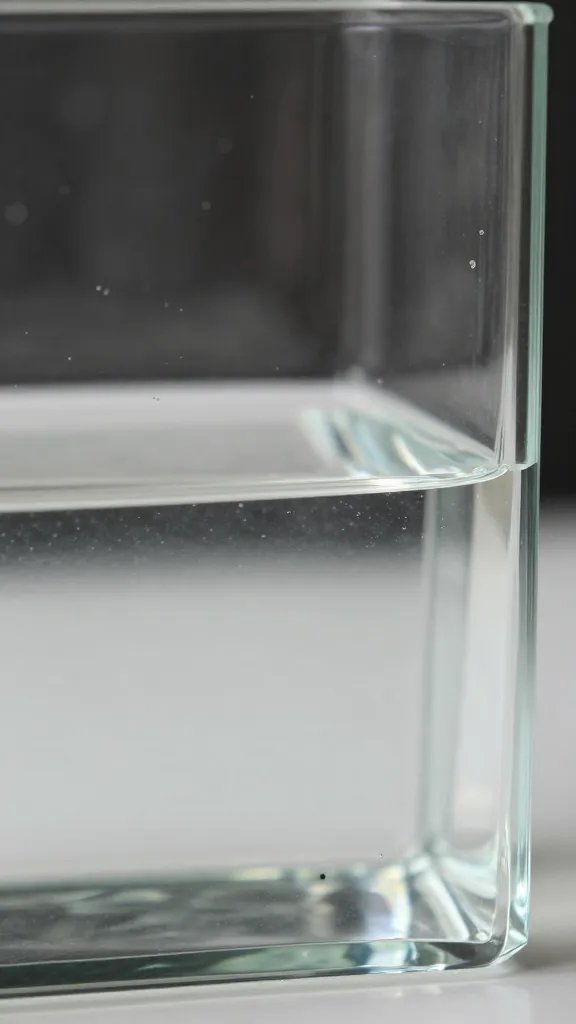
Bog plants want bright, cool light. Place them in bright indirect light near a window, or give 10–12 hours under a simple white LED shop light held 20–30 cm above the foliage.
Use containers that don’t trap heat or stale air. A ventilated jar or pot-in-jar setup beats a fully sealed bell jar. Warm, sealed air accelerates rot and algae.
Takeaway: Move your bog terrarium to a bright spot out of direct midday sun and crack the lid or use side vents for steady airflow.
Rescuing A Declining Bog Plant
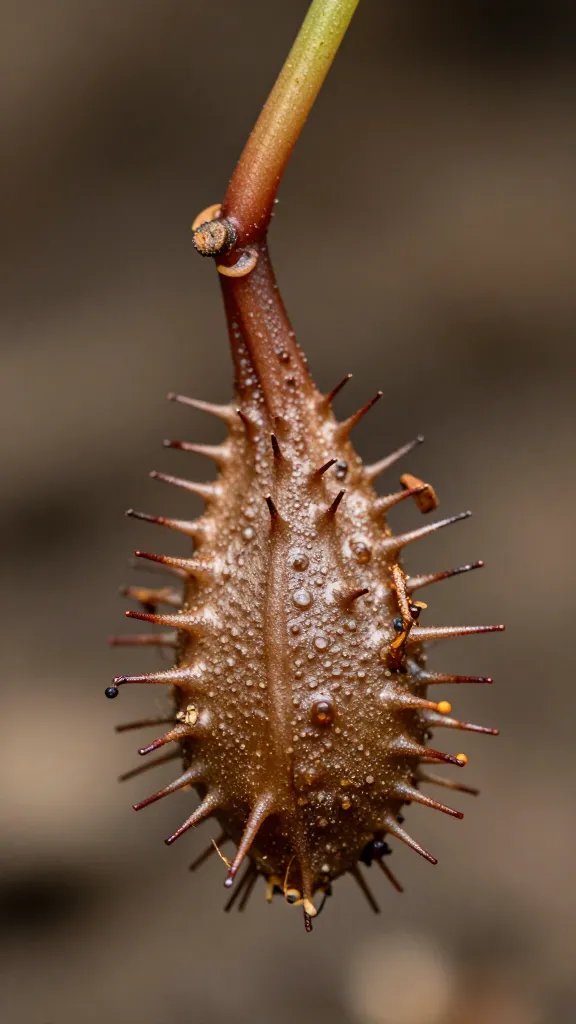
Don’t wait for “one more week.” Once rot starts, act decisively and cleanly. You can often save a rhizome or crown if you reset conditions fast.
Step-by-Step Rescue
- Remove the plant and rinse roots in cool, clean water.
- Trim all brown, mushy tissue with clean scissors back to firm, pale material.
- Repot into fresh, rinsed sphagnum + silica sand (1:1), packed lightly.
- Set the pot in 0.5 cm of distilled water for 3 days, then follow the weekly “air day.”
- Provide bright indirect light and avoid feeding for two weeks.
Takeaway: If you see mushy crowns or a sour smell, repot immediately into fresh, springy, unfertilized media and reset the watering cycle.
Frequently Asked Questions

Can I use regular potting soil if I mix in sand?
No. Regular potting soil contains compost and often added fertilizer and lime. Sand alone doesn’t remove those issues, and the fine particles still compact in constant moisture. Start with rinsed long-fibre sphagnum plus silica sand at 1:1. That combination stays acidic, airy, and unfertilized.
Is tap water okay for bog plants?
Only if it tastes clean and not mineral-heavy, and you see no white crust on pots over time. Many municipal supplies add minerals that build up and stress bog plants. Use distilled water or rainwater from a clean container. If you must use tap, flush the pot with double the volume of water once a month to reduce buildup.
My terrarium fogs up all day. Is that bad for bog plants?
Constant heavy condensation signals trapped humidity and limited air exchange. That environment encourages rot and algae, even for bog species. Crack the lid, add side vents, or switch to a pot-in-jar with gaps around the rim so fresh air can move. Aim for light morning condensation that clears by midday.
Do I need fertilizer for carnivorous bog plants?
No fertilizer in the substrate. These plants evolved to capture nutrients with leaves. If growth stalls, feed sparingly by placing a tiny insect or a pinhead-sized piece of dried bloodworm on a leaf every 2–4 weeks during active growth. Keep all fertilizer granules and liquid feeds out of the potting mix.
What sand should I buy? The bag at the store says “play sand.”
Play sand is fine if it’s silica-based and rinsed well. Avoid sands with added salts, limestone, or unknown “leveling” additives. Rinse in a bucket until water runs mostly clear. Pool filter sand is an easy, clean alternative if available.
How wet should the mix feel when I squeeze it?
Think wrung-out sponge. When you squeeze a handful of prepared sphagnum-sand mix, it should feel cool and damp with no more than a drop or two of water expressed. If it drips, it’s too wet—fluff and squeeze again before potting. This keeps the structure springy and oxygenated.
Conclusion
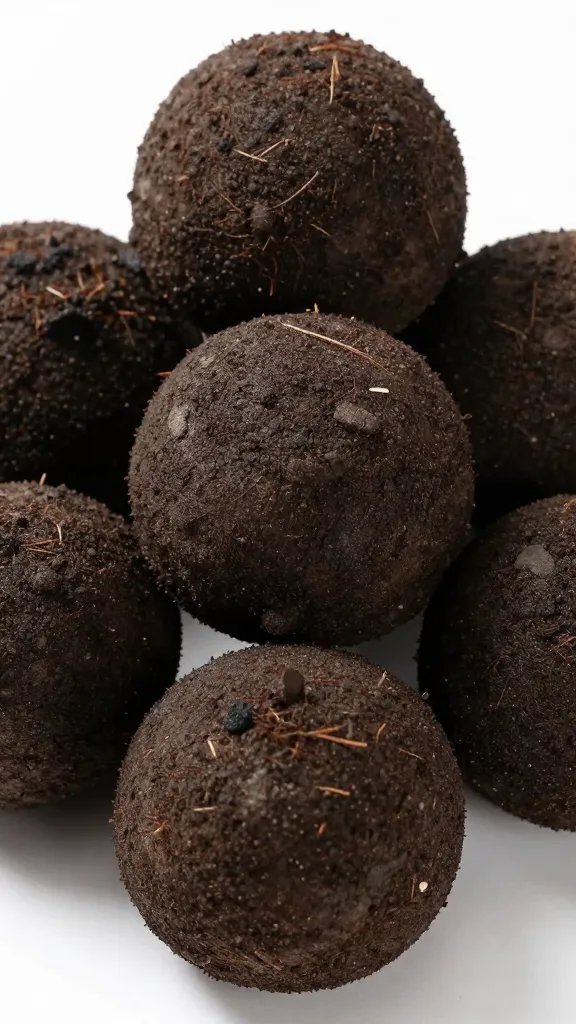
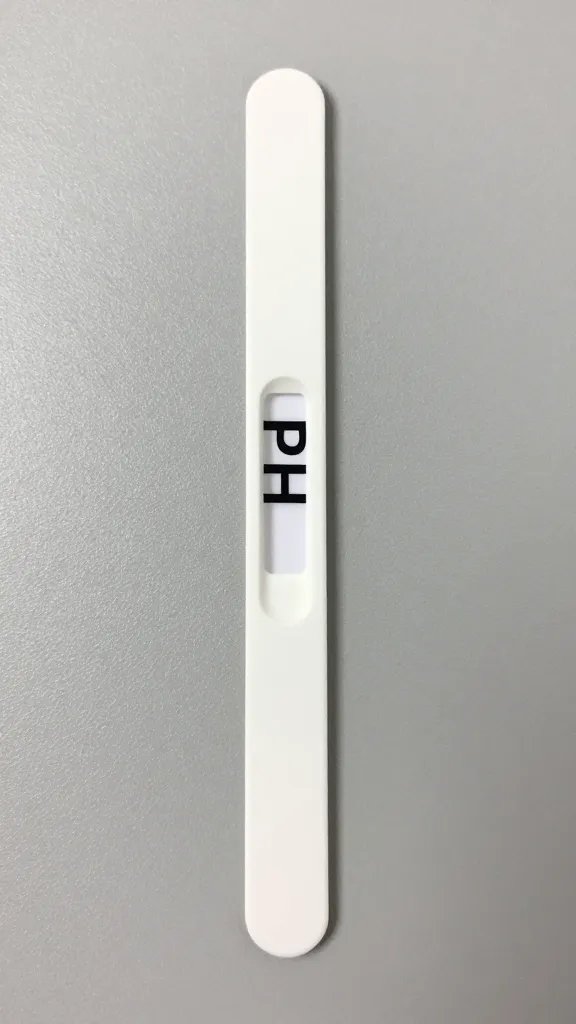
You don’t need lab gear to keep bog plants thriving—just the right materials and a setup that respects water, pH, and oxygen. Build a simple sphagnum-sand medium, water with distilled or rainwater, and keep air moving while the roots stay wet. Start today by checking your substrate and planning a repot if you smell sourness or see base rot. Once you nail this foundation, you can confidently expand into a full, healthy bog display that lasts for years.