Why Woodland Plants Fail in a Desert Terrarium — the Humidity, Ph and Substrate Mismatch Explained
I’ve watched gorgeous ferns and mosses melt in glass bowls that looked perfect on day one. If your “mini desert” terrarium turns woodland plants crispy or slimy within weeks, you’re not unlucky — you’ve built the wrong environment. I’ll show you exactly how humidity, pH, and substrate mismatch cause those failures and how to rebuild with materials from a normal garden centre. By the end, you’ll know which plants belong where and how to make your terrarium actually live, not just look good for a photo.
Woodland vs. Desert: Two Ecosystems, Opposite Settings
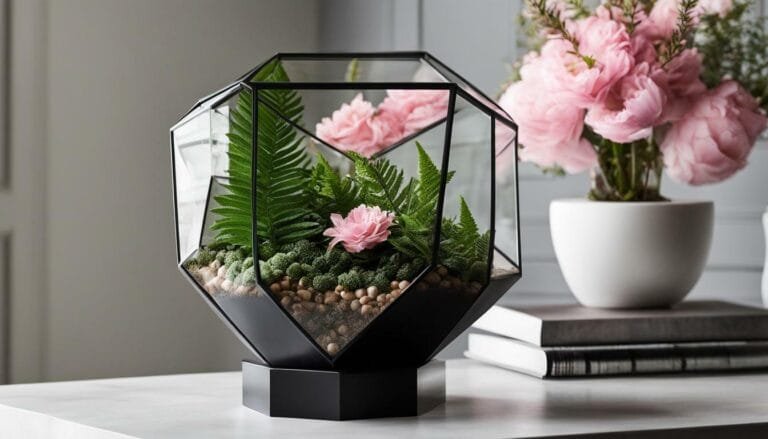
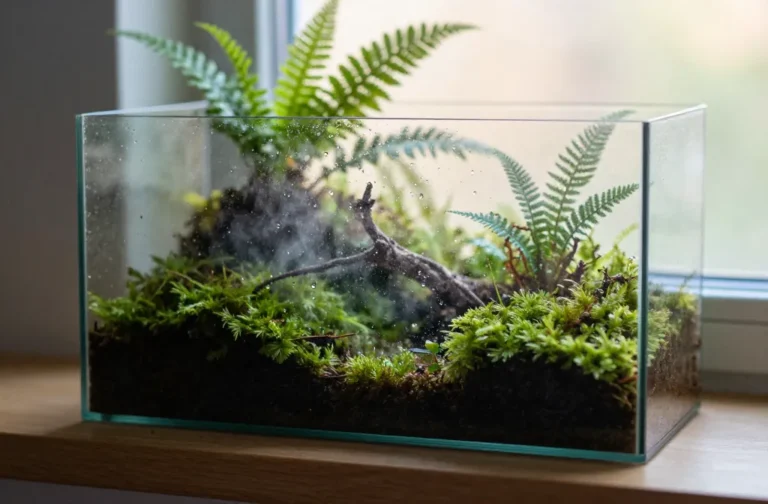
Woodland plants like ferns, mosses, and liverworts come from shaded forest floors with constant moisture, cool roots, and softly acidic, leaf-rich soil. They expect high humidity and gentle light filtered through trees.
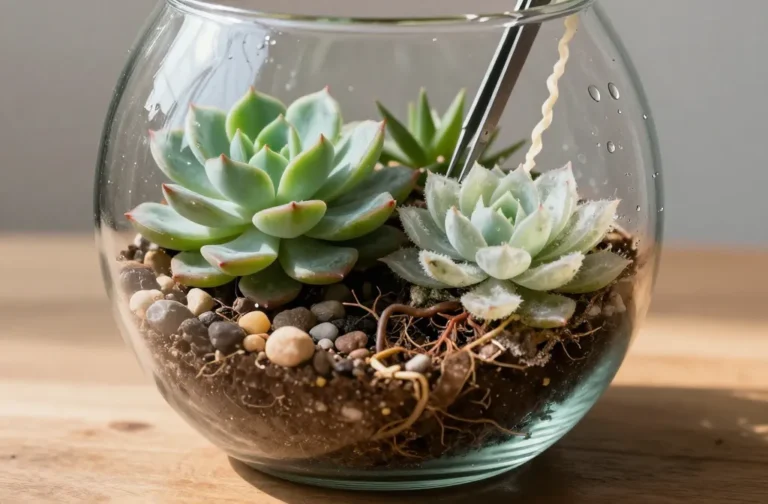
Desert setups mimic arid, open landscapes: sharp drainage, gritty mineral substrates, alkaline-leaning rocks, and strong light with big day–night swings. They preserve water inside the plant, not around the roots.
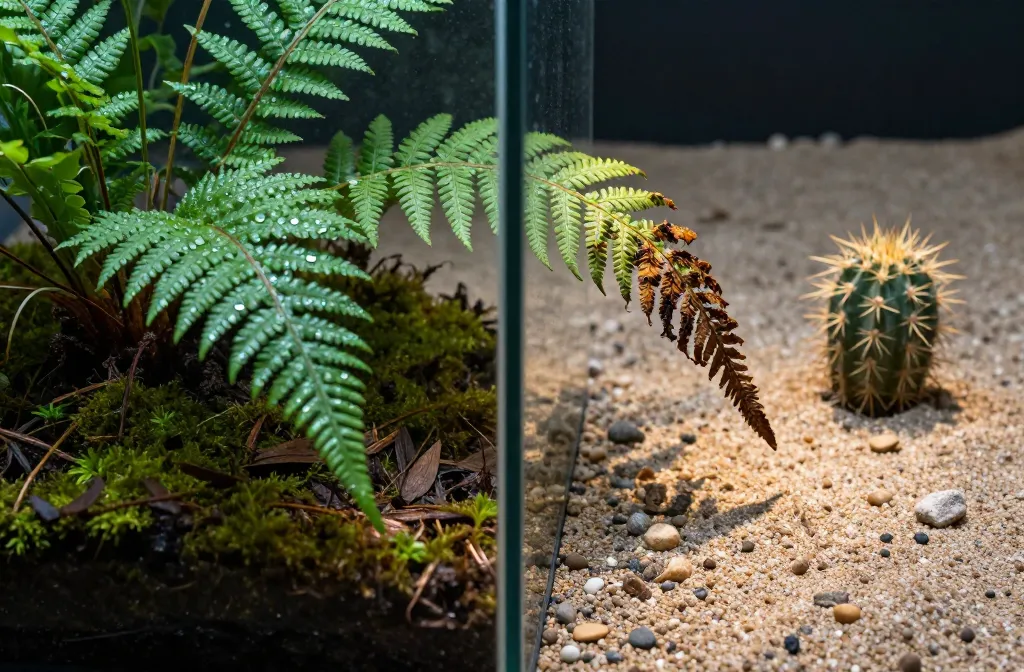
When you put woodland plants in a desert terrarium, you deny them humidity, feed them the wrong minerals, scorch them with light, and suffocate or desiccate their roots. They don’t adjust — they decline.
Action today: Decide the biome first. Label your build “Woodland” or “Desert” and choose plants and materials from only that list.
Humidity Mismatch: Why Ferns Crisp and Moss Turns Brown

Woodland species run on constant ambient moisture. Ferns transpire through delicate fronds, and mosses absorb water across their entire surface. Dry room air and a vented, open-top terrarium drop humidity below 50%, which dehydrates tissues faster than roots can resupply.
Desert terrariums usually have open tops, sandy substrates, and warm spots near windows. That airflow strips moisture, while sun-warmed glass bakes tender fronds. You’ll see crispy edges, curled fronds, and brittle moss within 7–10 days.
Warning Signs
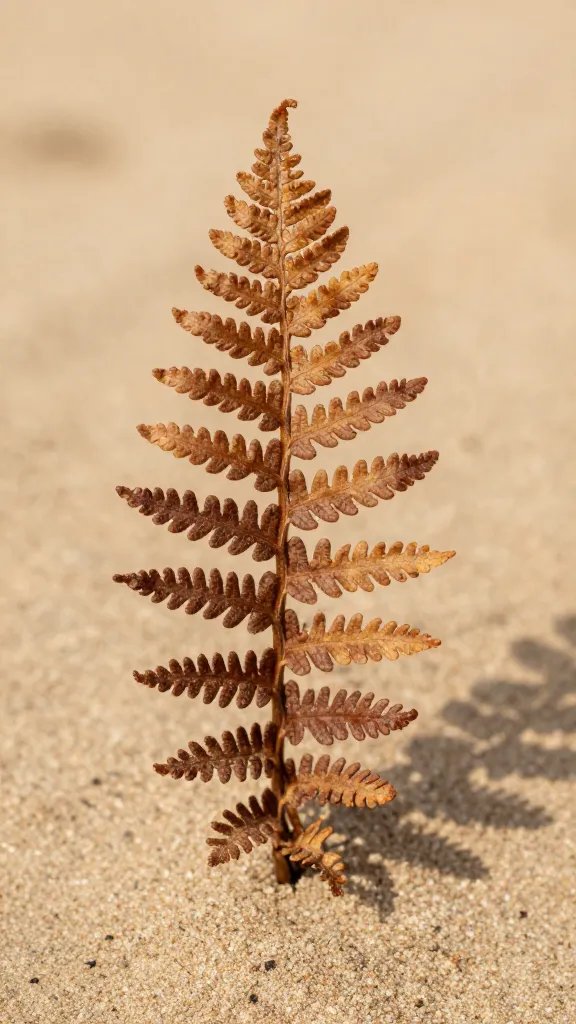
- Ferns: pale new fronds that stall, brown pinnae tips, and fronds that feel papery.
- Moss: dull olive to tan color, crumbly texture, and shrinking away from stones.
Step-by-Step Fix
- Cover the vessel with a tight-fitting lid or clear plastic wrap. Leave a pencil-width gap only if heavy condensation persists.
- Mist the interior until the glass shows a light film for 2–3 hours at midday, then stabilizes clear by evening.
- Move the terrarium to bright, indirect light — one step back from a bright window.
Action today: Add a lid. If you can’t seal it, choose desert plants instead of forcing woodland species.
pH Conflict: Woodland Plants Want Softly Acidic, Desert Mixes Don’t
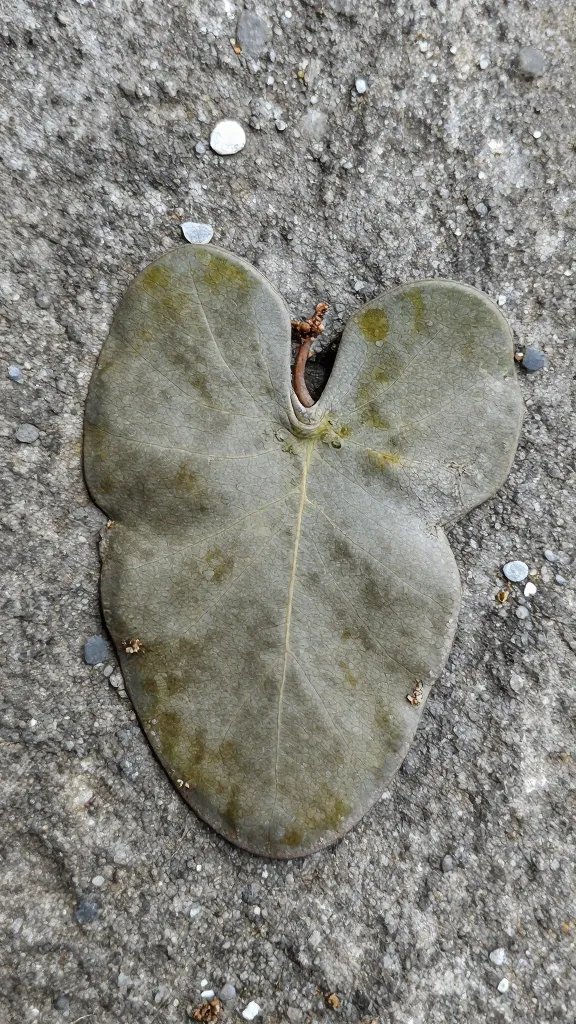
Most woodland plants thrive around slightly acidic conditions provided by decomposing leaves and bark. Desert-style substrates often include limestone chips, crushed coral, or calcareous gravel that push pH alkaline. That locks up iron and manganese, causing chlorosis — yellow leaves with green veins — and weak new growth.
You don’t need a meter to spot this. If your substrate has white, fizz-prone rocks or “reef” media, it’s alkalizing. If your water tastes mineral-heavy or salty, it skews more alkaline and stacks the problem.
Material Recommendations
- Use a peat-free woodland substitute: quality houseplant potting mix blended with fine orchid bark and leaf mold or coco fiber.
- Avoid limestone gravel and marble chips. Choose inert quartz pebbles or river stones from the garden centre.
- Top-dress with leaf litter or fine bark to buffer pH over time.
Action today: Remove any white or chalky rocks. Replace with smooth river stones or aquarium-safe inert gravel.
Substrate Structure: Grit Drains Too Fast For Woodland Roots
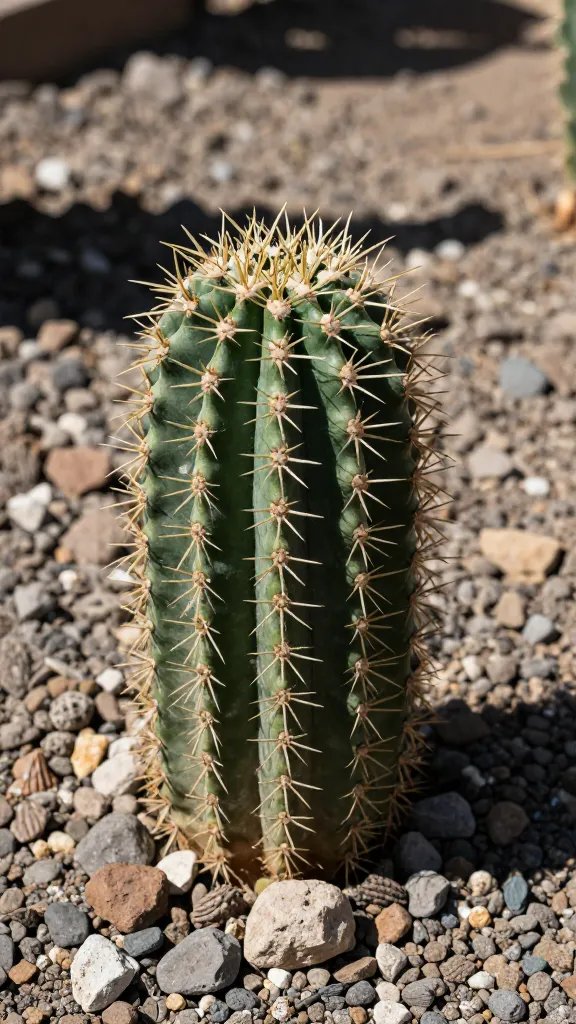
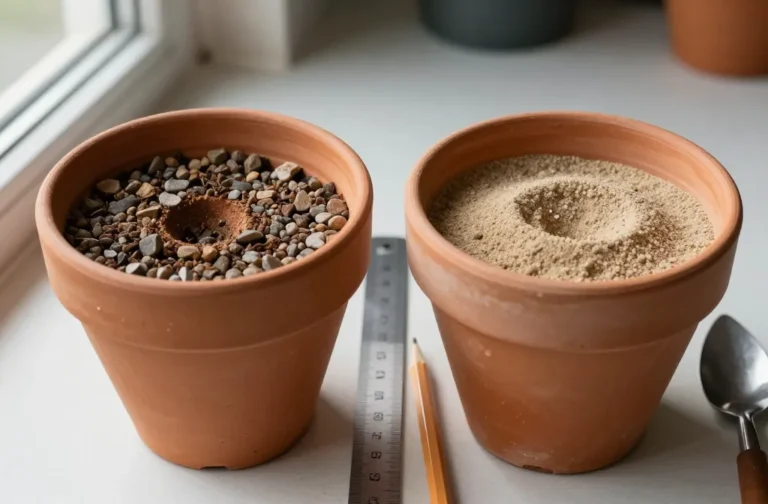
Desert mixes lean on sand, pumice, and grit to shed water. Woodland roots expect a springy, spongy layer rich in fine organic matter that holds moisture without turning to sludge. In grit-heavy mixes, water rushes past the root zone, leaving ferns thirsty within hours.
But going “all compost” suffocates roots. The sweet spot is airy organic structure: bark for pockets of air, fiber for sponge, and just enough mineral to anchor.
Simple Woodland Mix (By Volume, No Sieves Needed)
- 2 parts quality potting mix (indoor plant blend)
- 1 part fine orchid bark or reptile-safe bark chips
- 1 part coco coir or leaf mold
- Small handful of horticultural charcoal to keep odors down
Lay a thin drainage layer of inert pebbles if your vessel has no outlet, then a mesh or coffee filter, then the mix above at least 5–7 cm deep to buffer moisture swings.
Action today: Squeeze a handful of your current mix after watering. If it drips and compacts into a lump, add bark. If it falls apart bone-dry, add coco coir.
Light and Heat: Shade Lovers Don’t Want a Sunny Windowsill Sauna
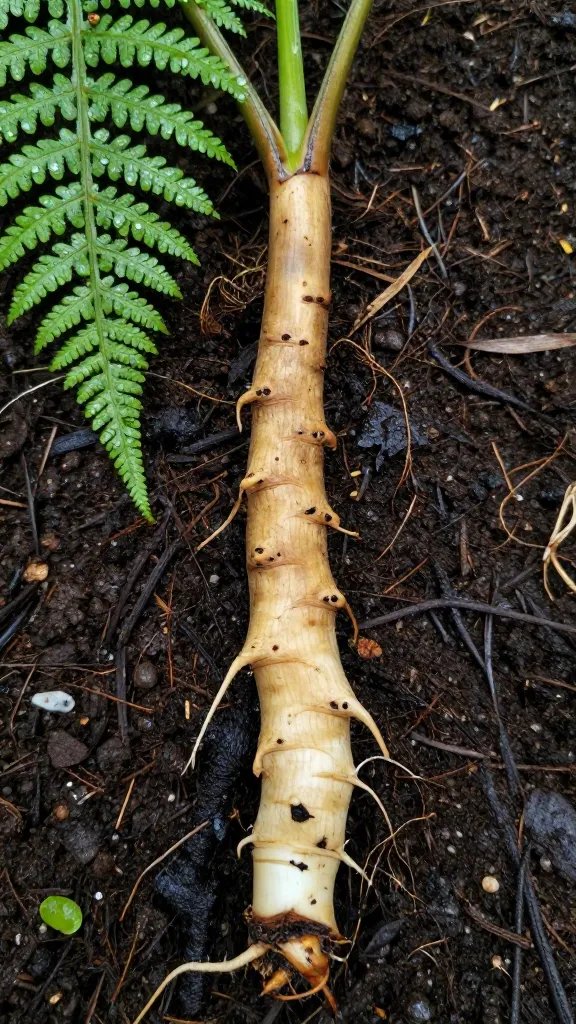
Desert terrariums bask near sunny glass. Woodland plants read that as stress. Direct sun through glass spikes heat fast, cooking fronds and boiling humidity off the substrate. Even one hour can cause tip burn and sudden wilt.
Woodland setups want bright indirect light: a north window, or one step back from an east/west window with no direct beams touching leaves. Glass should feel room temperature at midday, not warm to the touch.
Placement Checklist
- No direct sun rays on the plants.
- Ambient room light plus a bright window nearby.
- If using a desk lamp, choose a cool-white LED and keep it 30–40 cm away.
Action today: At noon, touch the glass. If it feels warm, move the terrarium one meter farther from the window.
Watering Rhythm: Consistent Damp, Not Wet or Bone-Dry
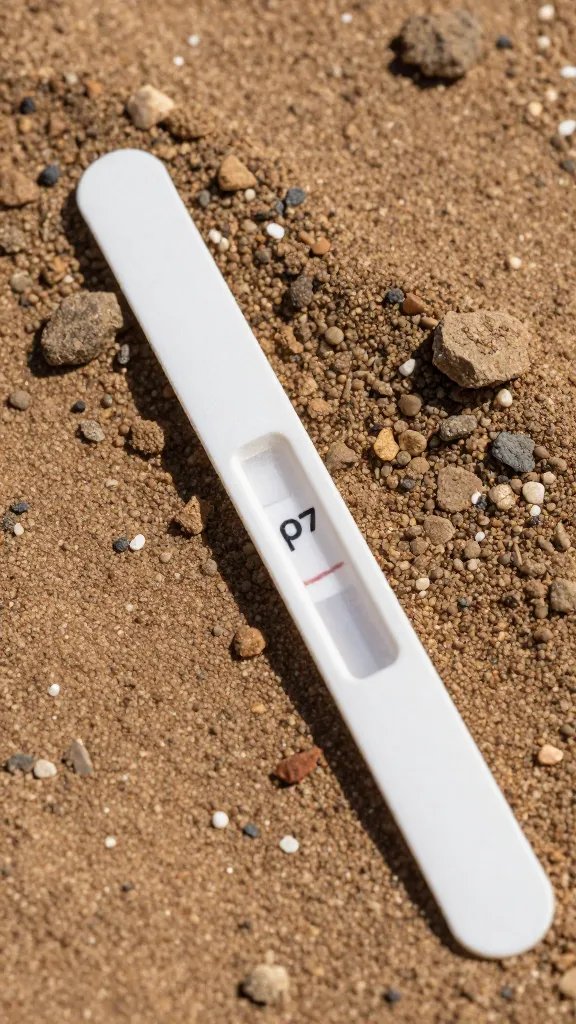
Woodland roots prefer evenly damp conditions. Desert builds swing from flood to drought, which rots fine fern roots and then dehydrates the plant. The fix is a small, predictable rhythm with minimal disturbance.
Step-by-Step Watering Routine
- After a full replant, water until the substrate is evenly damp — no standing water at the bottom.
- Seal the lid and watch midday condensation. Aim for a light mist on 25–50% of the glass that clears by evening.
- Top up with a spray bottle: 6–10 sprays around the substrate perimeter once the glass stays clear for two consecutive days.
Use water that tastes clean, not salty. Let tap water sit overnight if yours is heavily chlorinated.
Action today: Switch from pouring to misting. Two minutes with a spray bottle beats one careless drench.
Plant Choice: Stop Forcing Ferns Into Sand
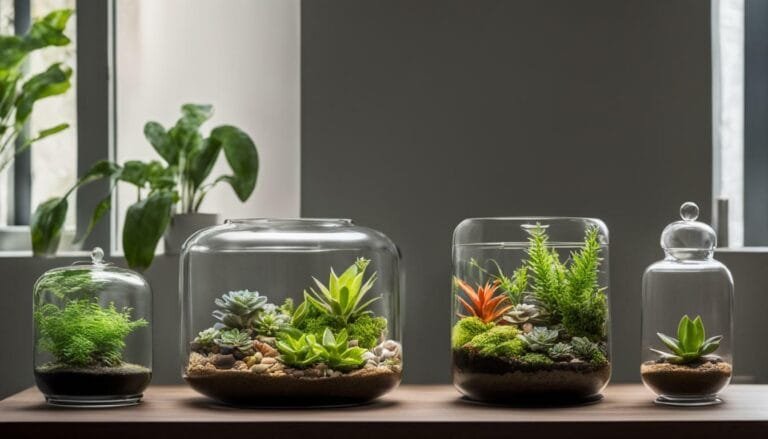
Some plants adapt; many don’t. If you want a desert look, pick true arid species. If you crave a forest floor, commit to woodland species and the right build.
Woodland Plants That Behave Indoors
- Ferns: Pteris, Adiantum (Maidenhair, if humidity stays high), and small Nephrolepis.
- Mosses: Cushion moss (Leucobryum), sheet moss (Hypnum), and mood moss.
- Companions: Fittonia, Selaginella, small Peperomia, baby tears (Soleirolia).
Desert Plants If You Keep the Grit
- Succulents: Haworthia, Gasteria, small Aloe hybrids.
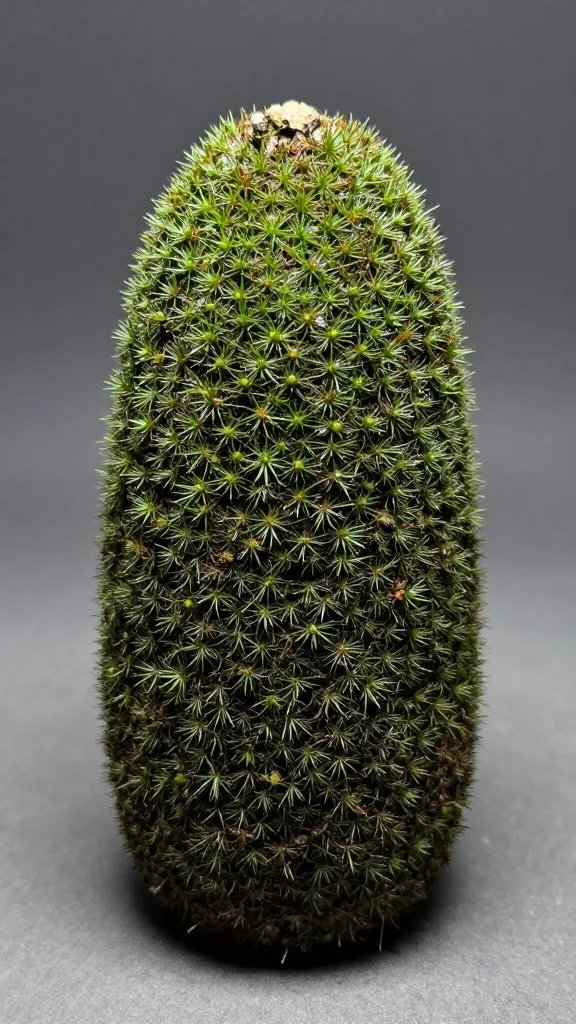
- Cacti: Mammillaria, Rebutia (open-top only, no constant humidity).
- Accents: Dried driftwood, inert rocks, and sand — not living moss.
Action today: Remove any plant that doesn’t match your chosen biome and rehome it to a proper pot.
Frequently Asked Questions
Can I grow both moss and succulents in the same terrarium?
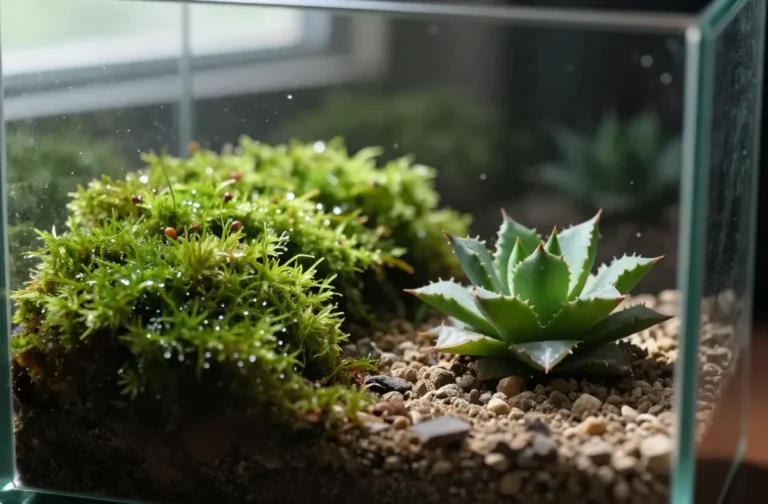
No. Moss needs steady humidity and cool, shaded conditions. Succulents need airflow, drying cycles, and brighter light. If you try both, the moss dries out and the succulents rot. Build two small terrariums instead, each tuned to its biome.
How do I know if my water is a problem without a pH meter?
Taste it. If your tap water tastes mineral-heavy or leaves white crusts on your kettle, it trends hard/alkaline. For woodland builds, switch to collected rainwater or filtered water. You’ll see greener moss and fewer yellowing leaves within two weeks.
My moss turned brown. Is it dead?
Not always. Many mosses brown on top when humidity drops but green up again if moisture returns. Seal the lid, mist lightly every 2–3 days, and keep it in bright indirect light. Trim obviously dead patches to prevent mold and encourage new growth.
Do I need a drainage layer in a closed woodland terrarium?
It helps but doesn’t excuse overwatering. Add 1–2 cm of inert pebbles, then a barrier like mesh or a coffee filter, then your mix. Water just until damp and watch condensation as your gauge. If water pools at the bottom, leave the lid off for 1–2 hours to evaporate excess.
Why do my fern fronds keep snapping or wilting after I replant?
Root disturbance and low humidity stress ferns. After planting, mist thoroughly, seal the vessel, and avoid handling for 7 days. Trim only the worst fronds so the plant keeps photosynthesizing while roots reset. Keep the glass cool to the touch and away from direct sun.
Conclusion
You don’t need lab gear to stop woodland plants from failing in a desert terrarium — you need the right environment. Choose your biome, match humidity and pH, and build a substrate that holds gentle moisture. If you’re unsure where to start, pick one vessel and commit to a woodland setup today; your ferns and moss will tell you within two weeks that you nailed it. Then, if the desert look still calls you, build a second terrarium designed for succulents — on their terms, not the forest’s.