5 Reasons a Closed Terrarium Needs to Be Opened — and How Often Is Too Often – Secrets They Don’t Tell You
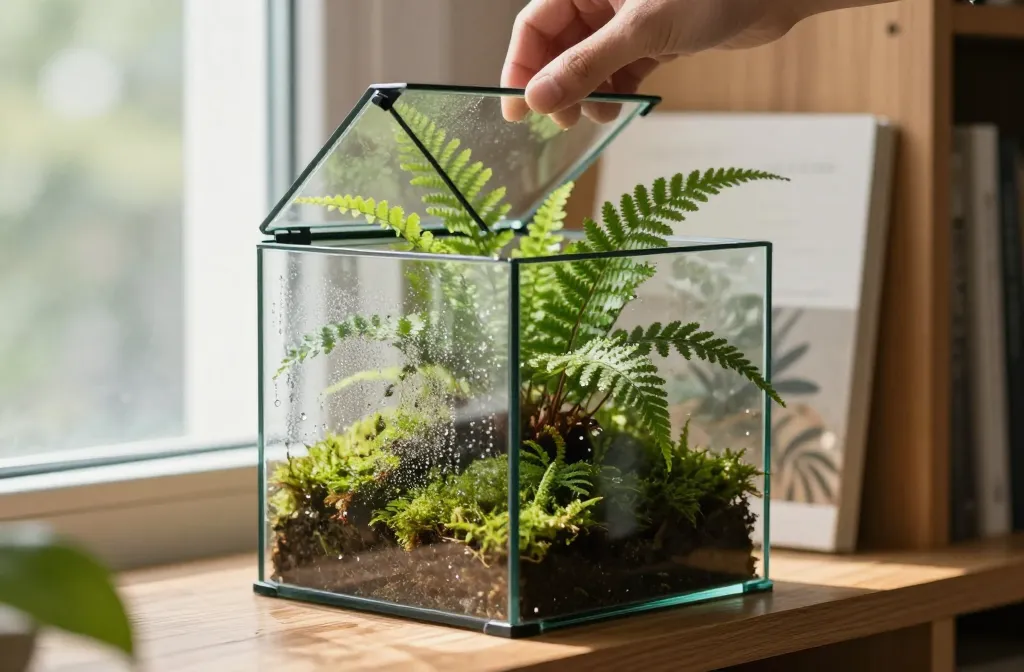
I love the quiet drama of a sealed glass world on a bookshelf. But the first year I kept closed terrariums, I treated them like snow globes I should never touch — and watched ferns melt, moss turn yellow, and mold take over. The fix was simple: learn when to open the lid and for how long. In this guide, you’ll learn the five real reasons to open a closed terrarium — plus exactly how often is too often — so your plants stay healthy with minimal fuss.
1. Condensation Overload: Too Much Moisture Drowns Roots
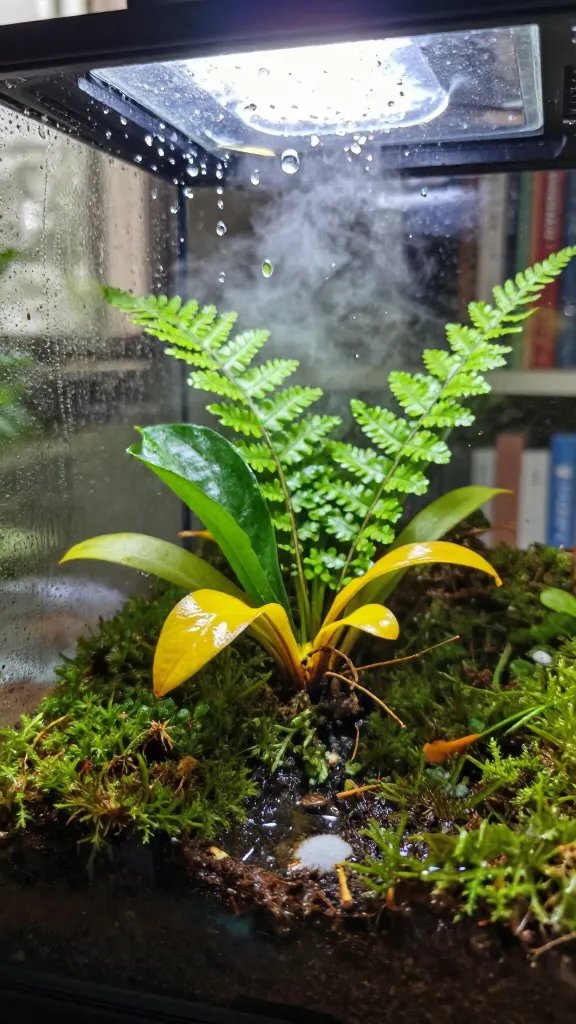
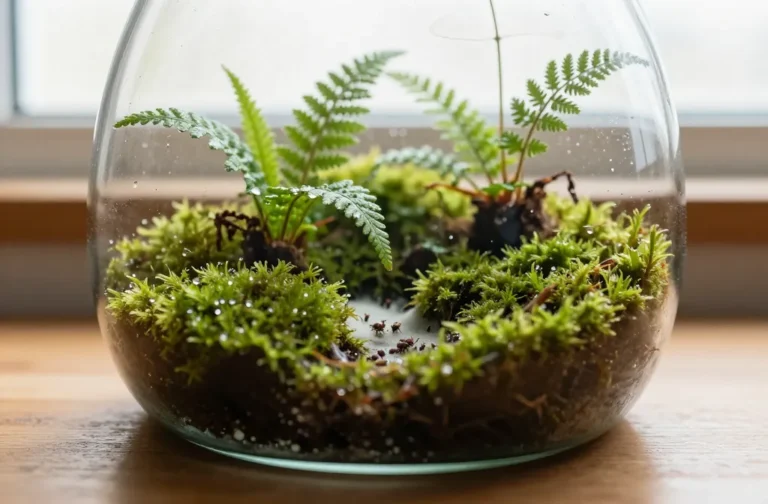
When condensation coats the glass all day, your plants sit in air that’s too wet to breathe. Leaves stay wet, roots stop taking up oxygen, and rot spreads fast. Left closed, a terrarium like this turns into a swamp within weeks.
Signs to Watch For
- Condensation covering more than half the glass at midday
- Drips running down the inside walls for hours after lights come on
- Leaves yellowing from the base and feeling soft or limp
- A sour, swampy smell when you crack the lid
How to Fix It
- Open the lid for 1–3 hours in the brightest part of the day to vent excess humidity.
- Blot obvious water beads from the glass with a clean paper towel wrapped around a wooden chopstick.
- Shift the terrarium slightly farther from the window to reduce daily temperature swings that drive heavy condensation.
What to Use Instead of Guesswork
- A simple kitchen timer or phone reminder for short, controlled venting sessions
- A microfiber cloth and a wooden skewer to wipe hard-to-reach drips
Takeaway: If more than half the glass stays foggy at midday, pop the lid for 1–3 hours — that single habit prevents 80% of rot problems in closed terrariums.
2. Mold Blooms: Stagnant Air Lets Fungi Take Over
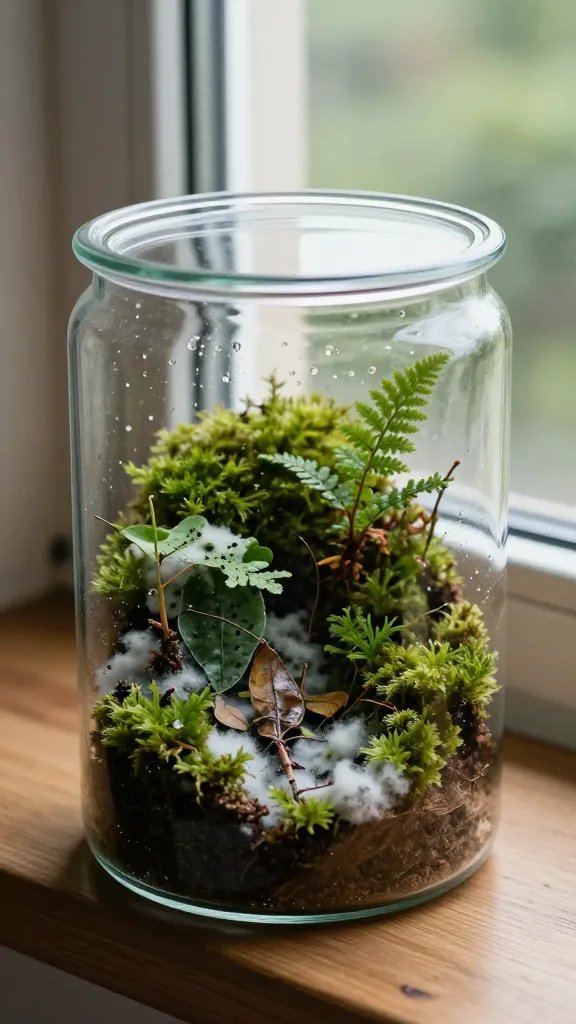
Stale, still air encourages white fuzz on soil, green film on glass, and black specks on leaves. Once mold establishes, it smothers mosses and weak plants fast. A sealed lid 24/7 is the perfect invitation.
Signs to Watch For
- White cottony patches on soil or wood
- Green slime on glass near the soil line
- Black pinhead dots on leaf edges and stems
- Fallen leaves decomposing in place within days
How to Fix It
- Open the terrarium for 2 hours every few days until mold recedes.
- Remove dead leaves and soft debris with long tweezers — don’t leave decay inside.
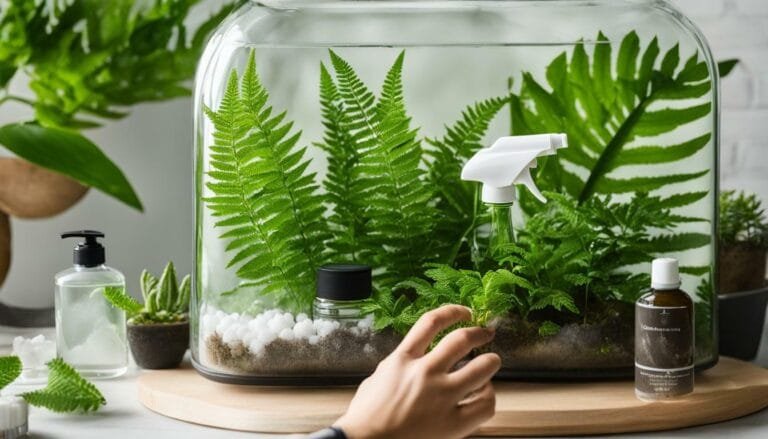
- Spot-treat moldy patches with a cotton swab dipped in 3% household hydrogen peroxide; dab, don’t pour.
- Add a thin top layer of clean decorative sand or fine aquarium gravel to reduce exposed, mold-friendly soil.
What to Use Instead
- Activated charcoal from a pet store (aquarium section) mixed sparingly into the top 0.5 cm of substrate to limit odors
- Springtails (if available at a garden center) as a natural cleanup crew; they eat mold and excess organics
Action today: If you see any white fuzz, open the lid for 2 hours, remove debris, and dab affected spots with hydrogen peroxide — then repeat venting every 2–3 days until clear.
3. Oxygen Debt: Sealed Lids Starve Roots at Night
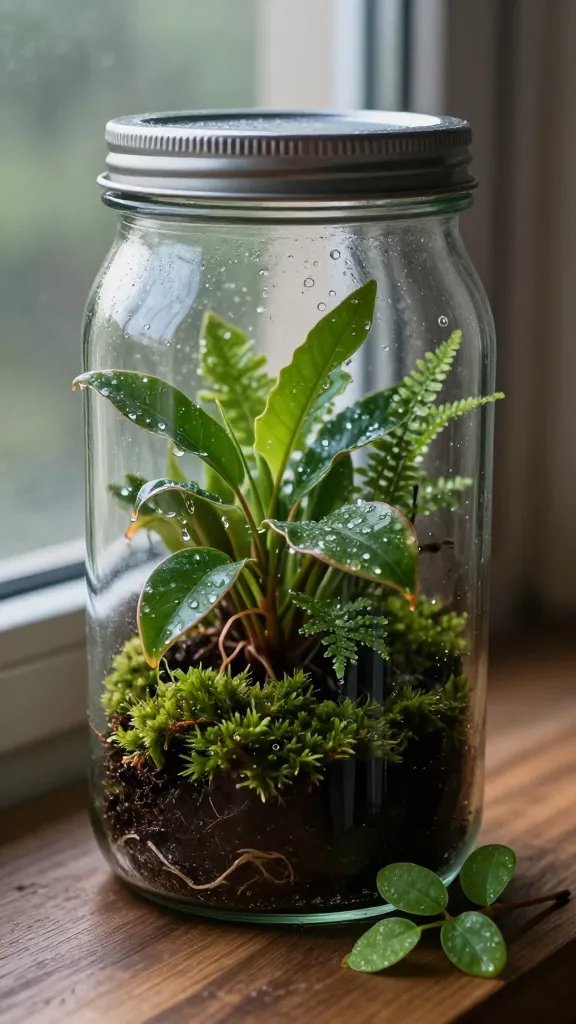
Plants need oxygen in the dark to keep roots alive. In a tightly sealed jar packed with lush growth, nighttime oxygen can dip enough to stall root function. The result shows up as drooping leaves in the morning and slow, stubborn decline.
Signs to Watch For
- Leaves perk up in the afternoon but droop by morning
- Soil smells earthy-stale rather than fresh after opening
- New growth appears smaller or distorted over a month
How to Fix It
- Give a weekly “air exchange”: open the lid for 30–60 minutes in the morning on a bright day.
- Thin crowded growth — remove the weakest 10–15% of stems to reduce oxygen demand.
- Use a slightly loose-fitting lid or leave a tiny gap the width of a toothpick once a week to refresh air without fully drying the system.
What to Use Instead of Tools You Don’t Have
- Kitchen tongs or bamboo chopsticks for selective pruning
- A plain glass jar lid set slightly askew for controlled micro-venting
Takeaway: Schedule a 30–60 minute weekly air exchange and a quick trim — small, regular oxygen refreshes keep roots vigorous.
4. Heat Buildup: Sun Traps Cook Terrariums Behind Glass
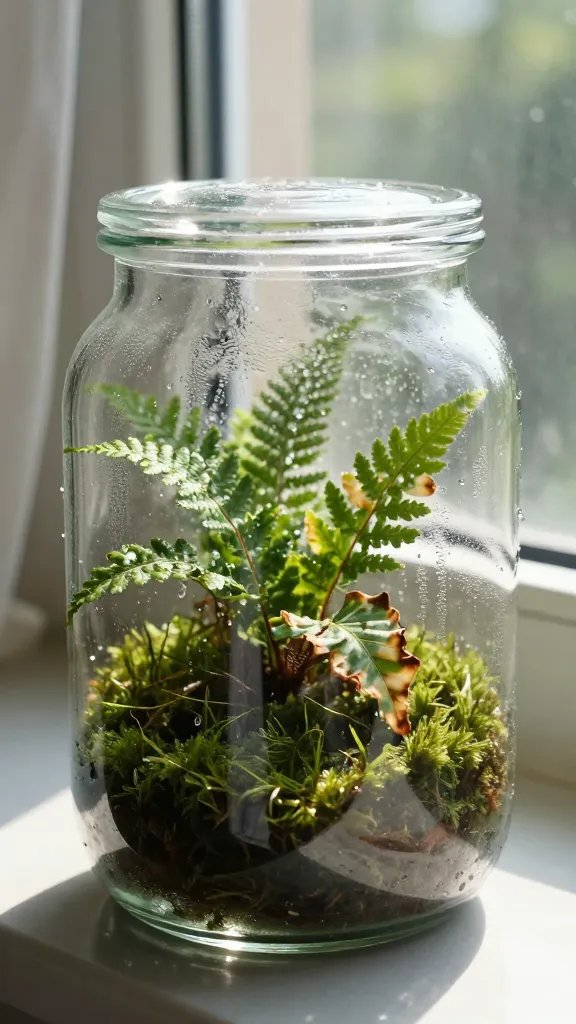
Glass magnifies heat, especially on a sunny windowsill. A closed terrarium can jump 10–15°C in minutes and bake moss, ferns, and tiny roots. Once leaves scorch inside a sealed jar, they rarely recover.
Signs to Watch For
- Sudden midday fog that turns to streams of water inside the glass
- Leaves with pale, bleached patches or crisp edges
- Condensation that clears late at night but returns aggressively next day
How to Fix It
- Move the terrarium to bright indirect light a step back from direct sun — a spot where you can read comfortably without squinting at midday.
- Open the lid for 1 hour after any unexpected sunny spell.
- Use a sheer curtain or white baking parchment taped to the window as a quick diffuser on hot days.
What to Use Instead
- A simple adhesive felt pad under one edge of the lid to create a tiny vent on hot days
- A basic room thermometer placed beside the terrarium to spot overheated locations
Action today: If your terrarium gets any direct sun, shift it to bright shade and plan to vent 1 hour after bright afternoons.
5. Gas Buildup from Fresh Materials: New Wood and Soil Off-Gas
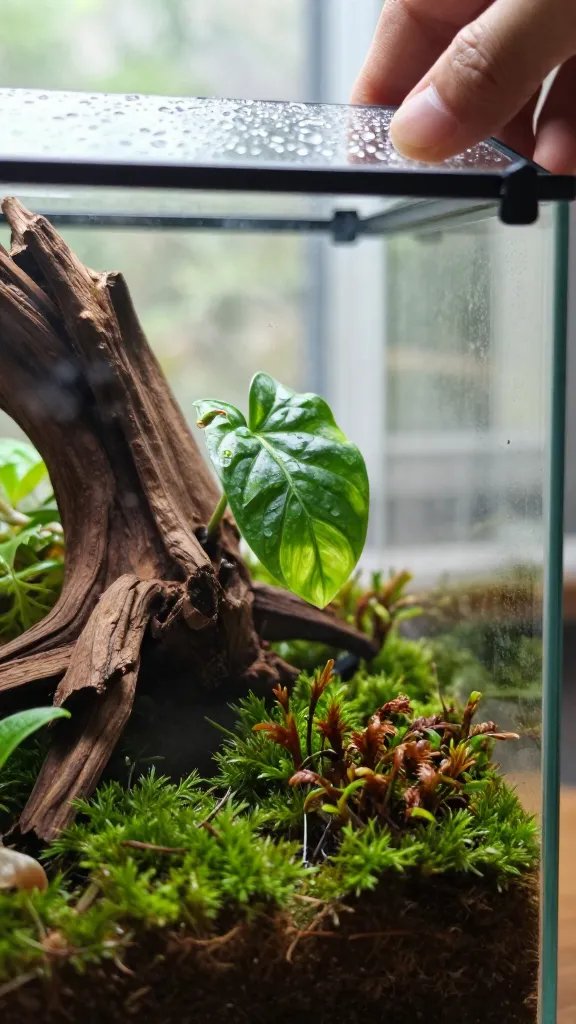
New driftwood, bark, or fresh potting mix can release compounds that stress plants in a sealed space. You’ll see distorted new leaves, irritated moss, or unexplained leaf drop in the first month. Without occasional opening, the irritation lingers and growth stalls.
Signs to Watch For
- New leaves emerge twisted or stunted
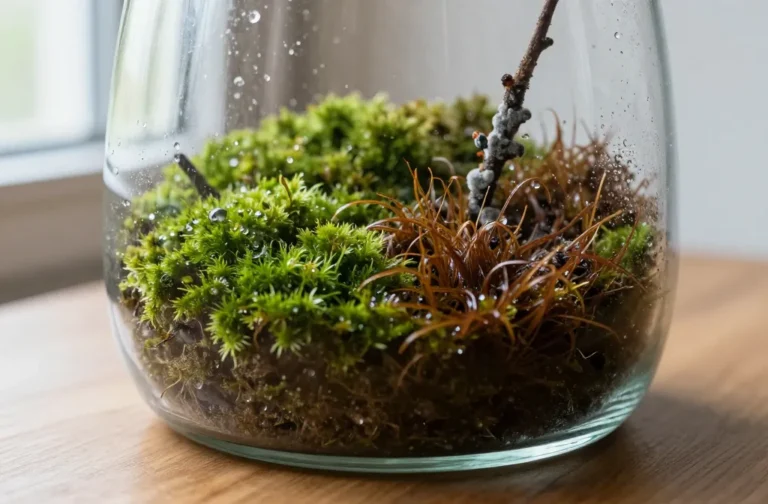
- Moss turns brown at the tips while the base stays green
- A sharp, woody or chemical smell after sealing
How to Fix It
- “Cure” new builds by leaving the lid off for 1 hour daily during the first two weeks.
- Rinse decorative wood and stones under hot tap water before use and let them air dry overnight.
- Use a good quality potting mix from the garden centre blended with a handful of rinsed orchid bark to keep the substrate airy.
What to Use Instead
- Pre-soaked, rinsed cork or hardwood pieces labeled for aquariums — they leach less
- Small mesh bag of activated charcoal tucked behind hardscape to help absorb odors
Takeaway: For any brand-new terrarium, schedule 1 hour of daily venting for two weeks — that simple cure period prevents most early leaf distortions.
Frequently Asked Questions
How often should I open a closed terrarium under normal conditions?
Plan a quick 30–60 minute air exchange once a week. Add extra openings after unusually sunny days or if more than half the glass stays foggy at midday. If the glass looks clear by midday and plants look firm and green, skip that day — don’t open out of habit alone.
Can I open it too often and dry it out?
Yes. Daily multi-hour openings will slowly lower humidity and force you to rewater more often. If the moss tips feel crisp or condensation vanishes entirely for several days, you’ve over-vented. Close the lid fully for a few days and mist the walls lightly — 6–8 sprays total — rather than soaking the soil.
What time of day is best to open the lid?
Late morning to early afternoon works best because plants are actively photosynthesizing and excess condensation has formed. Open during this window for 30–60 minutes to refresh air without chilling the terrarium overnight. Avoid long openings in the evening, which can trap cold, damp air when you reseal.
How do I know if I need to add water after venting?
Check midday condensation the next day. If less than one-third of the glass shows light fog and moss feels dry to the touch, add water. Use a spray bottle and add 1–2 tablespoons at a time along the glass, not directly onto plants, then reseal and reassess the following day.
Where should I place a closed terrarium so I don’t have to open it as much?
Place it in bright indirect light near a window but out of direct sun — a north-facing window or two steps back from an east-facing window works well. Stable light reduces big temperature swings and heavy condensation. On hot afternoons, diffuse light with a sheer curtain to keep conditions steady and openings minimal.
Do certain plants need more frequent openings?
Yes — ferns and fine mosses handle short venting well but suffer in heat, so you’ll open after hot spells more often. Small fittonia and peperomia appreciate weekly air exchanges to prevent mold on tender growth. Dense, fast-growing setups benefit from a light trim during those openings to keep oxygen balance in check.
Conclusion
A closed terrarium thrives when you open it on purpose, not by guesswork. Set two simple habits — a weekly 30–60 minute air exchange and a 1–3 hour vent whenever midday fog covers more than half the glass — and you’ll keep rot, mold, and heat damage out of your miniature forest. Next step: choose a stable, bright spot and set calendar reminders so your care stays consistent without constant fiddling.