The Secret to How to Build a Hanging Air Plant Terrarium — Drainage Base, Plant Placement and Misting Schedule
I hung my first air plant terrarium over the kitchen sink and watched it struggle for months — soggy base, crispy tips, and mystery rot. I had treated it like a mini houseplant in a pot instead of the open, airy setup it needs. Once I fixed the base, moved the plants higher in the globe, and set a tight misting routine, everything perked up within two weeks. In this guide I’ll show you the exact build, placement, and schedule that keeps hanging terrariums healthy and low‑maintenance.
Which Glass Globe Works Best for a Hanging Air Plant Terrarium?
Capsule: Pick a globe with at least one opening wider than your fist and a side vent for airflow — never use sealed lids. Hang it 20–40 cm below the ceiling with a hook rated for 10 kg or more.
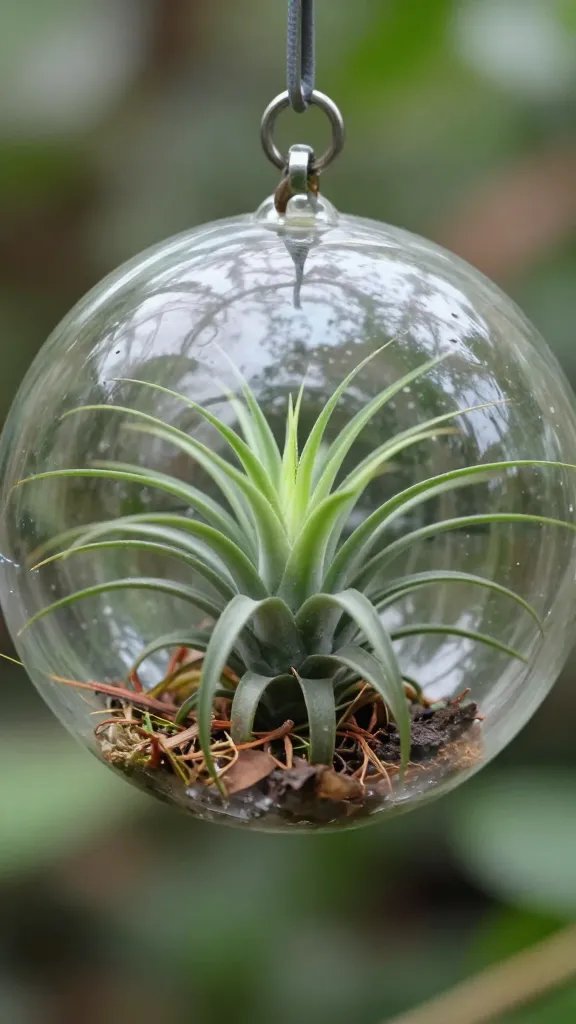
A good terrarium starts with the right container. Pick a glass globe with at least one wide opening larger than your fist so air circulates and you can reach inside easily.
A side vent or second hole helps heat escape. Avoid sealed lids — air plants (Tillandsia) need constant airflow, and the Air Plant Supply Co. care guide emphasises that stagnant air in enclosed containers is the number one cause of rot in Tillandsia.
Hang with a ceiling hook rated for at least 10 kg and a length of clear fishing line or jute twine. Keep the globe 20–40 cm below the ceiling so heat doesn’t bake the plants.
Action today: Measure your chosen spot and buy a globe with a wide front opening and one extra vent hole; grab a ceiling hook and line while you’re at the store.
How Do You Build a Drainage Base That Stays Dry?
Capsule: Air plants don’t sit in soil — build a two-layer base of gravel and chunky decor to keep stray moisture at the bottom, and skip sand or fine soil that traps humidity around the crown.
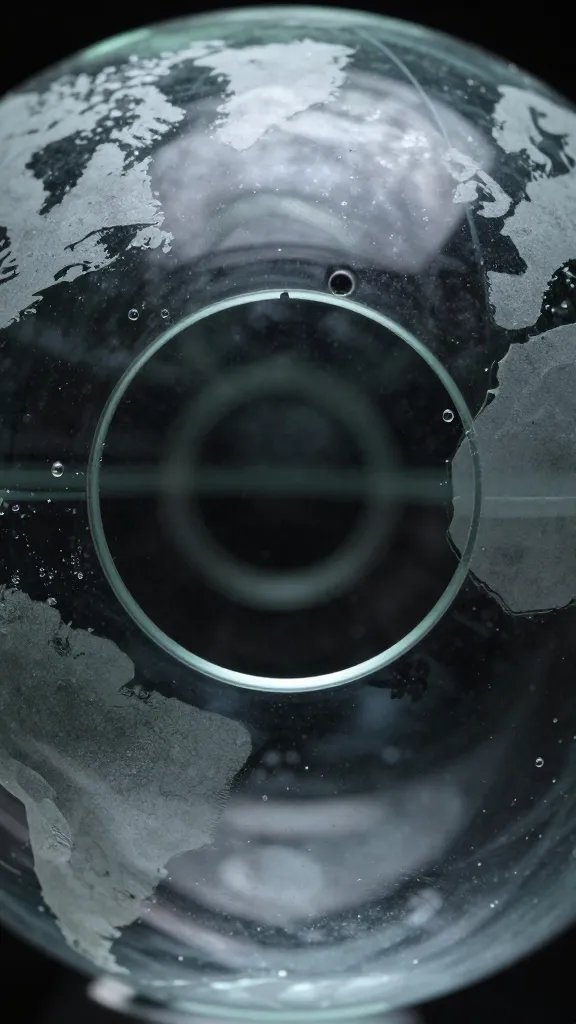
Air plants don’t sit in soil. They rot when moisture lingers around their bases. Your “substrate” is decorative and structural, not a water reservoir that touches the plants.
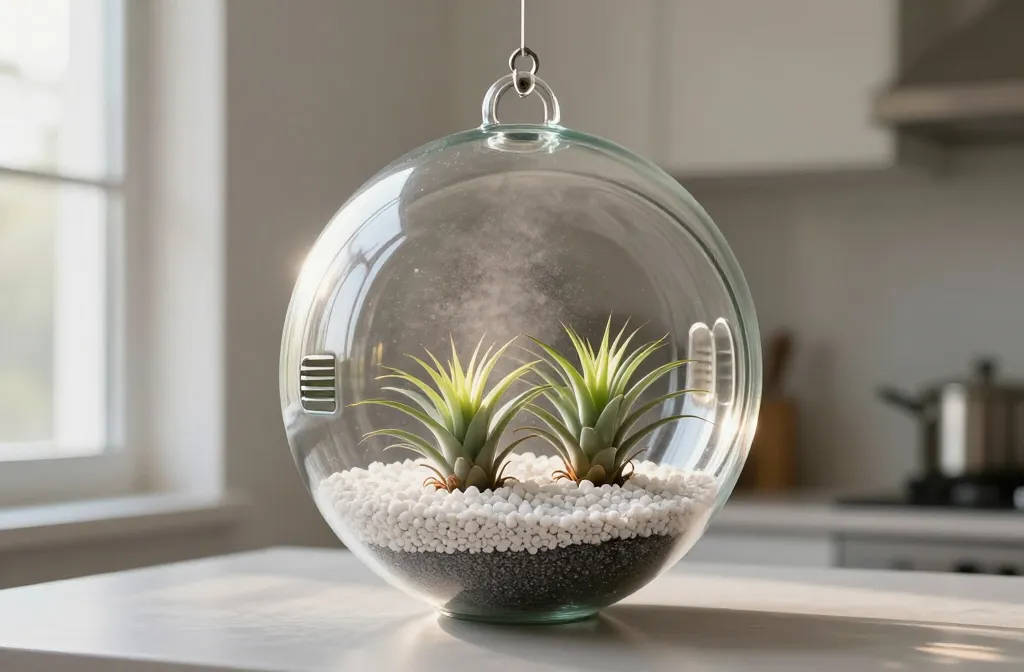
Create a two-layer base: 1–2 cm of rinsed gravel or aquarium pebbles on the bottom, then a thin layer (no more than 1 cm) of chunky decorative material like tumbled glass, seashell chips, or large orchid bark. This keeps any stray moisture at the bottom where it evaporates away from the plants.
Skip sand and fine soil — they trap humidity around the crown. If you love moss, use dry preserved moss, not live moss, and keep it below the plants, never wrapped around them.
Step-by-Step Base Setup
- Rinse pebbles in a colander until the water runs clear. Let them drip for 10 minutes.
- Pour 1–2 cm of pebbles into the globe and level by gently shaking.
- Add a thin layer of chunky decor (glass chips, shells, or orchid bark) for height and airflow.
- Leave at least 5 cm of open air above the decor for plant placement.
Action today: Rinse a bag of aquarium pebbles and test-fit them to ensure you still have 5 cm of headroom for airflow.
How Should You Place Air Plants Inside a Hanging Globe?
Capsule: Set plants on raised perches — not in the base — so their crowns sit in moving air and dry within four hours. Angle each plant slightly downward so water drains out of the leaf bases.
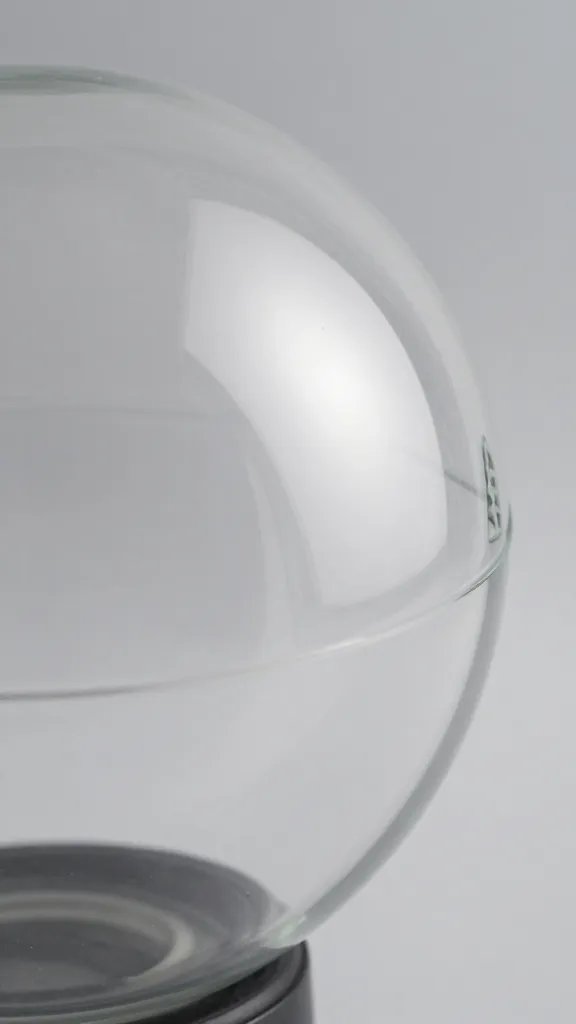
Set plants on “perches,” not in the base. Aim to elevate each plant so its crown and leaf bases sit in moving air and dry within 4 hours after any watering.
Use small stones, cork chunks, driftwood, or sea urchin shells as risers. I like a central perch that brings the largest Tillandsia just below the opening, with smaller ones nestled around it but not touching each other.
Angle each plant slightly downward so water can drain out of the leaf bases. Never shove an air plant into tight glass corners where air stalls. For a complete look at selecting and placing air plants in enclosed setups, see our air plant terrarium guide.
Plant List That Performs Indoors
| Species | Key Trait | Light Need | Drying Speed |
|---|---|---|---|
| T. ionantha | Compact, colours up | Bright indirect | Fast |
| T. caput-medusae | Sculptural, easy to perch | Medium indirect | Moderate |
| T. stricta | Sturdy leaves, blooms easily | Bright indirect | Fast |
| T. velutina | Soft foliage | Bright indirect | Moderate |
Action today: Test-fit plants on perches and spin the globe; if any leaf bases touch the base layer, raise that plant with an extra cork or shell.
What Light Conditions Keep Air Plant Tips Green, Not Crispy?
Capsule: Hang in bright, indirect light near an east or north window — direct sun on glass magnifies heat and dehydrates leaves fast. In winter, move closer to the window or add a cool-white LED lamp.
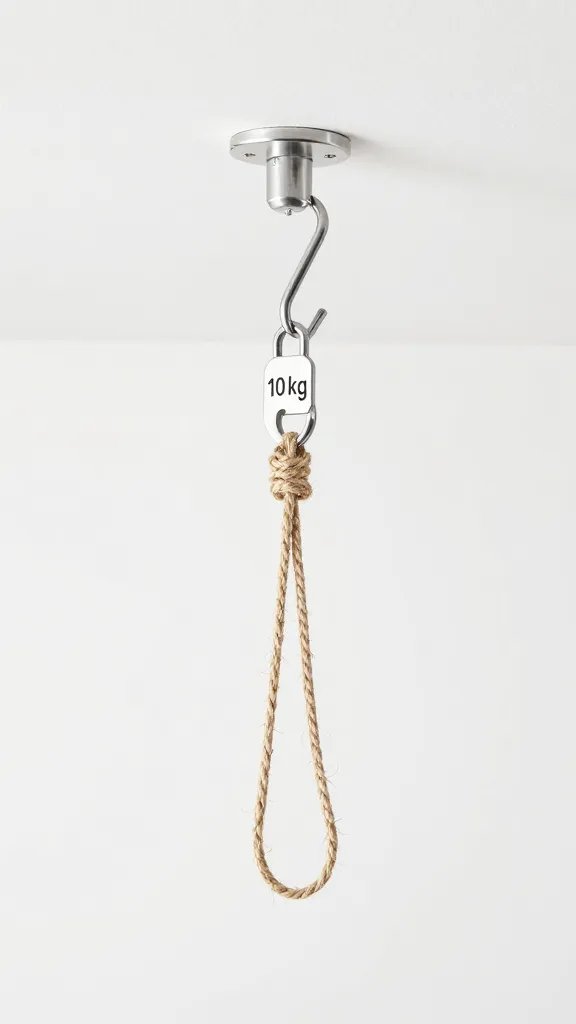
Hang the terrarium in bright, indirect light. Place it near an east or bright north window, or 1–2 meters back from a sunny south or west window where the sun won’t hit the glass directly for hours.
Direct sun on glass magnifies heat and dehydrates leaves fast. In winter, move 30–60 cm closer to the window or run a desk lamp with a bright, cool-white LED for 8–10 hours above and slightly in front of the globe.
Warning Signs and Fixes
- Brown, crispy tips: Too much sun or not enough humidity. Move back from direct rays and adjust misting (see schedule below).
- Pale, limp leaves: Not enough light. Shift closer to the window or turn on a lamp.
Action today: Stand at midday and check if sun hits the glass; if yes, move the globe 30 cm out of that beam.
What Misting Schedule Prevents Rot in a Hanging Terrarium?
Capsule: Soak plants for 10–15 minutes once a week, shake dry, and let them air-dry fully before returning to the globe. Light midweek mists only in dry homes — in humid conditions, skip misting entirely.
Air plants need water, but not sitting water in a terrarium. I use a fine mister and a weekly dunk, adjusted by season.
Use clean tap water that tastes fresh and not salty. If your tap water leaves white crust on kettles, switch to filtered water to avoid leaf spotting.
Simple Weekly Routine
- Once per week (year-round): Remove plants from the terrarium and soak in a bowl of room-temperature water for 10–15 minutes.
- Shake each plant upside down 3–4 times to expel water from the crown.
- Dry on a towel in bright shade for 1–2 hours until leaf bases feel dry.
- Return to the terrarium on their perches.
Between-Soak Misting
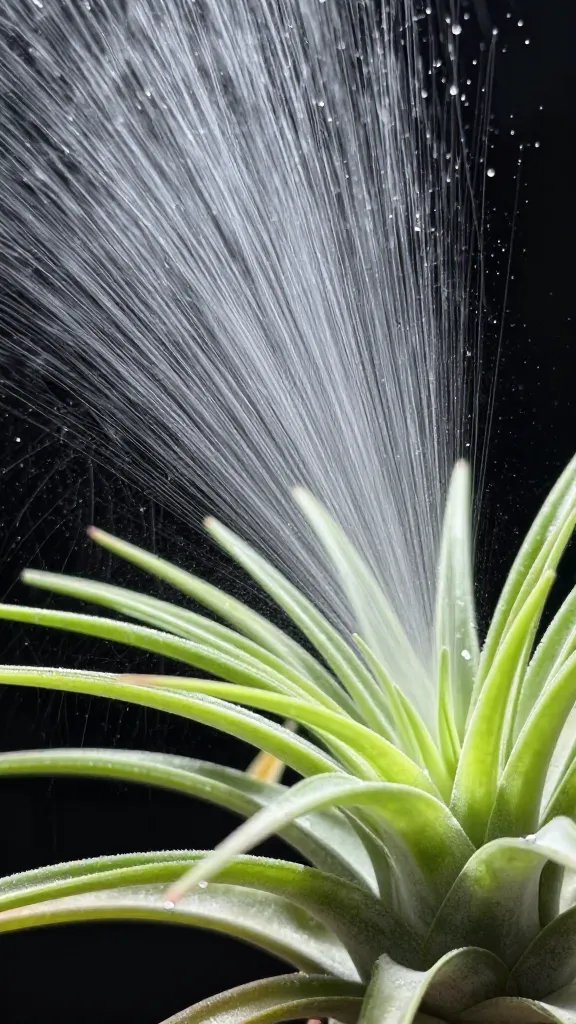
- Warm, dry homes (heating or AC on): Light mist 2–3 times per week, morning only, two sprays per plant from 20–30 cm away. Ensure they dry within 4 hours.
- Humid homes or rainy season: Skip midweek misting; rely on the weekly soak.
Critical warning: Never mist plants while they sit deep inside the globe and then leave them. Always remove or tilt them so water drains away from the crown.
Action today: Schedule a 15-minute Sunday soak and a 2-minute Wednesday mist in your phone; consistency prevents both rot and crisping.
How Do You Fertilise Air Plants Without Burning the Leaves?
Capsule: Use a bromeliad or orchid fertiliser at quarter-strength once a month in spring and summer, added to the soak water — never as a strong spray. Rinse with plain water the following week to prevent buildup.
Fertiliser helps blooming and offsets low indoor minerals. Use a bromeliad or orchid fertiliser at one-quarter strength once per month during spring and summer.
Add it to the soak water, not as a strong spray on leaves. Rinse with plain water the following week to prevent buildup and spotting on glass.
Action today: Mark the first weekend of next month for a quarter-strength fertiliser soak; keep a small measuring spoon with your mister.
How Do You Keep the Glass Clean and Manage Humidity Inside?
Capsule: Wipe the outside with vinegar and water; clean the inside with a barely damp microfiber cloth after removing the plants. If condensation lingers over two hours after watering, cut your misting volume in half.
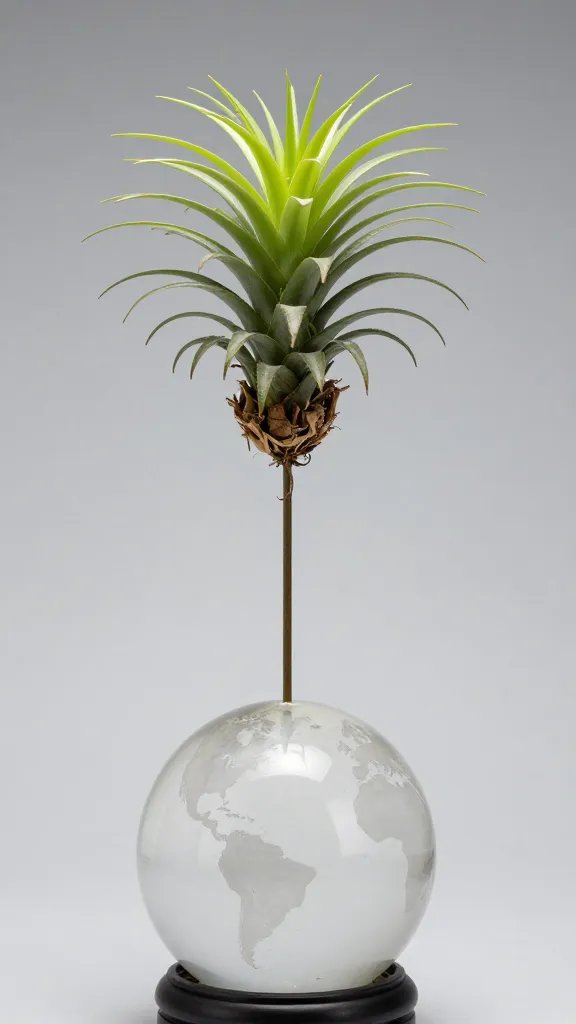
Dust, fingerprints, and hard-water spots reduce light. Wipe the globe outside with vinegar and water; inside, remove plants and use a barely damp microfiber cloth to avoid dripping into the base.
If condensation forms on the inside glass for more than two hours after watering, your airflow is off. Remove the plants, let the globe air for a few hours, and reduce misting volume next time.
Action today: After your next soak, time how long the glass stays fogged; if longer than two hours, cut midweek misting in half.
What Common Mistakes Are Most People Making With Hanging Air Plants?
Capsule: The three biggest errors: plants sitting on damp moss, watering inside the globe, and direct sun through glass. All three trap moisture or cook the leaves — fix the perch, remove plants for soaking, and shift to indirect light.
Mistake 1: Plants sitting on damp moss. This wicks water into the crown and causes rot. Replace live moss with dry preserved moss and keep it below the plants, not touching their bases.
Mistake 2: Watering inside the globe. Trapped humidity lingers too long. Always remove plants to soak and fully dry before returning.
Mistake 3: Direct sun through glass. Glass amplifies heat and cooks tips. Shift to bright, indirect light and add sheer curtains if needed.
If you’re comparing different air plant setups, our air plant terrarium guide covers sealed vs open builds in more detail.
Action today: Lift each plant and check what’s under it; if it’s damp moss or sand, swap for dry cork or a shell perch.
Frequently Asked Questions
How often should I water air plants in a hanging terrarium?
Plan on one 10–15 minute soak per week, plus zero to three light mists depending on how dry your home feels — always remove the plants for soaking and make sure they dry within four hours before returning them to the globe. If leaf tips brown, add one extra midweek mist; if bases feel soft, reduce water and improve airflow.
Why are the tips of my air plants turning brown?
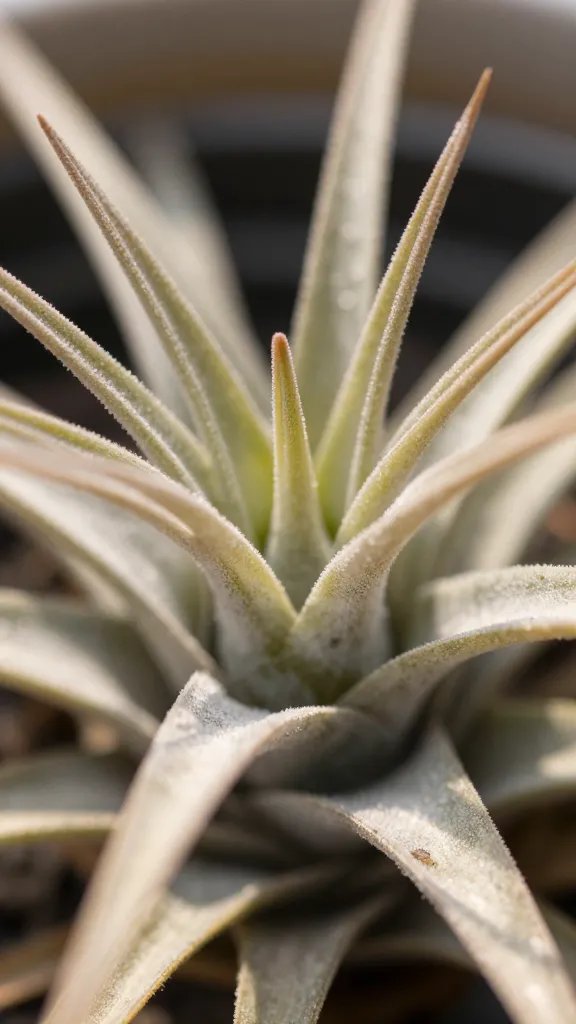
Brown tips usually mean too much direct sun, dry air, or fertiliser burn — move the terrarium out of direct rays and start a weekly soak with filtered water. If you fertilised recently, skip fertiliser for a month and rinse with plain water at the next soak, then trim crispy tips with clean scissors following the natural leaf shape.
Can I keep live moss with air plants in the same terrarium?
Use dry preserved moss only, because live moss keeps the microclimate damp and pushes moisture into the air plant crowns, which leads to rot. Place preserved moss below the perches, never wrap it around the plant, and keep at least 1–2 cm of air gap between the moss and leaf bases.
Do air plants bloom in a terrarium?
Yes — with bright indirect light, regular soaks, and monthly light fertiliser, many species will blush and bloom once before producing pups. Keep the same care routine, and separate pups when they reach one-third the size of the parent by gently twisting them off during a soak.
Conclusion
You don’t need special gear to keep a hanging air plant terrarium thriving — you need dry feet, moving air, and a calendar. Build a true drainage base, perch the plants high, and lock in a simple weekly soak plus light misting only when your home runs dry. Do one thing today: schedule your first Sunday soak and adjust the globe’s position for bright, indirect light. Once you see crisp leaves and quick drying, you’ll know you’ve nailed it — and you can add a second globe with confidence. For more on keeping container plants healthy in tricky conditions, see our guide on watering container plants in apartments.