Why Succulent Leaves Fall Off in a Terrarium — the 4 Mechanical Causes and How to Diagnose Each
I’ve rebuilt more terrariums than I care to admit because succulent leaves kept dropping overnight while the plants looked otherwise healthy. When you see plump leaves on the soil like confetti, you’re not dealing with disease — you’re dealing with physics inside glass. In this guide I’ll show you the four mechanical causes that knock leaves off and exactly how to diagnose each with simple, at-home checks. Fixing the mechanics saves the plant you already own and prevents a repeat crash.
Glass Contact: Leaves Pressed Against the Wall Act Like Levers
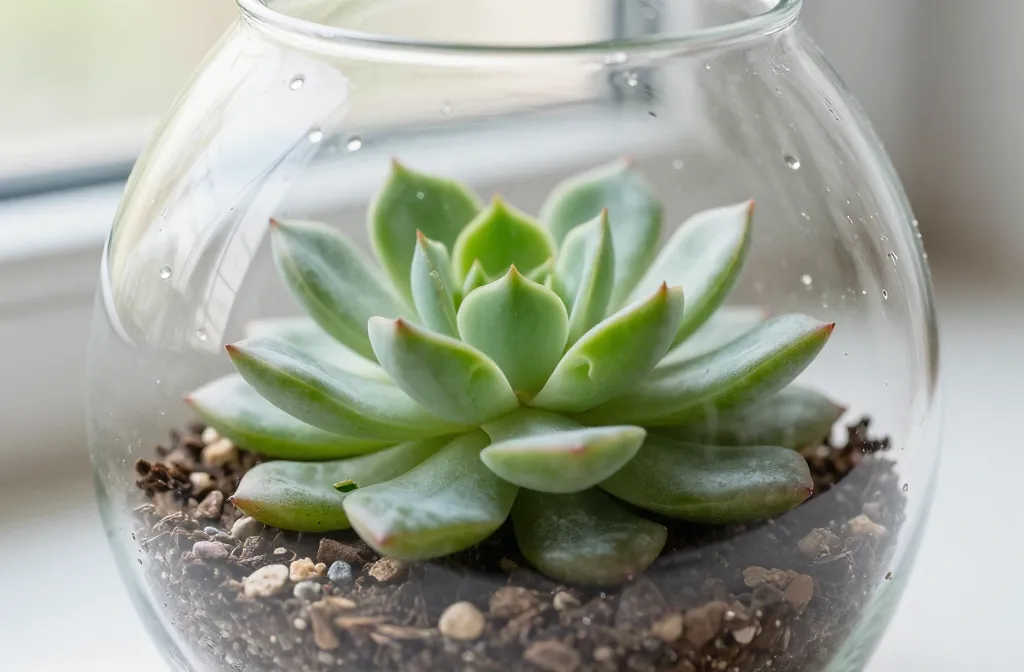
In tight terrariums, a leaf that presses against curved glass becomes a lever. As the plant grows or as you move the container, the leaf base twists and snaps at the node.
Condensation makes this worse. A slick wall reduces friction, so even a small nudge slides the leaf base and tears the connection to the stem.
How to Diagnose
- Look for a clean snap at the leaf base with an intact, plump leaf — no yellowing, no mush. That rules out rot.
- Check the glass line. You’ll often find faint leaf-shaped smears or water streaks where the leaf rubbed.
- Spin the terrarium slowly. If any leaves touch the glass at any angle, you’ve found a pressure point.
Fix in Minutes
- Gently center the plant. Use chopsticks to nudge the root ball 1-2 cm away from the wall without yanking the stem.
- Add a buffer ring. Place a thin collar of decorative gravel or small stones around the plant to keep rosettes from spreading into the glass.
- Prune strategically. On sprawling Echeveria or Graptopetalum, remove the outermost one or two leaves facing the wall using clean snips, not your fingers.
Action today: Do a 360° check and ensure at least a fingertip’s gap between every leaf and the glass.
Substrate Creep: Settling Soil That Shoves Stems Sideways
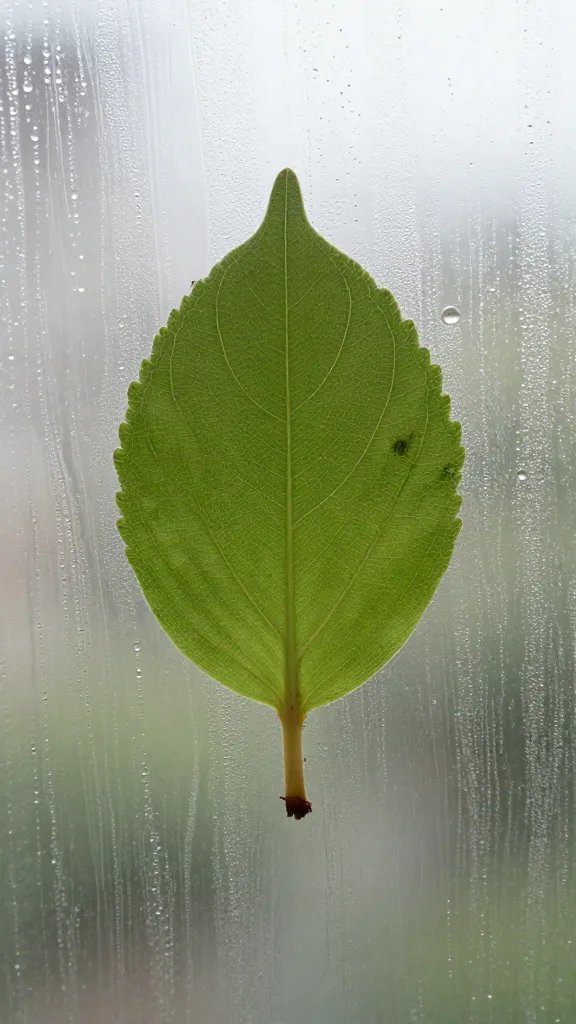
In a terrarium, the substrate slumps as particles settle and as you water. That slow slide pushes stems laterally and torques the leaf bases until they pop.
Layered builds with fine sand under coarse gravel move at different rates. The boundary acts like a conveyor belt and shuffles plants off-center.
How to Diagnose
- Stand back and sight along the stem. If the rosette leans while roots disappear into a hollow on the heavy side, the substrate has slipped.
- Press the soil lightly around the base. If it collapses or feels spongy, you have voids under the crown.
- Check for “tide lines” of grit where particles have migrated downhill.
Fix in Minutes
- Top up voids. Slide a piece of paper into a funnel and pour in fresh, dry cactus/succulent mix to fill under the leaning side. Do not pack wet.
- Pin the crown. Use two bamboo skewers as temporary guy lines crossing just above the stem to hold the plant upright for 2 weeks.
- Add edge restraints. A low ring of rocks at the downhill side stops future creep during watering.
Action today: After your next light watering, watch for 5 minutes — if the soil surface visibly slumps or slides, stabilize with a stone ring before it sets.
Handling and Vibration: Micro-Shocks That Pop Brittled Nodes
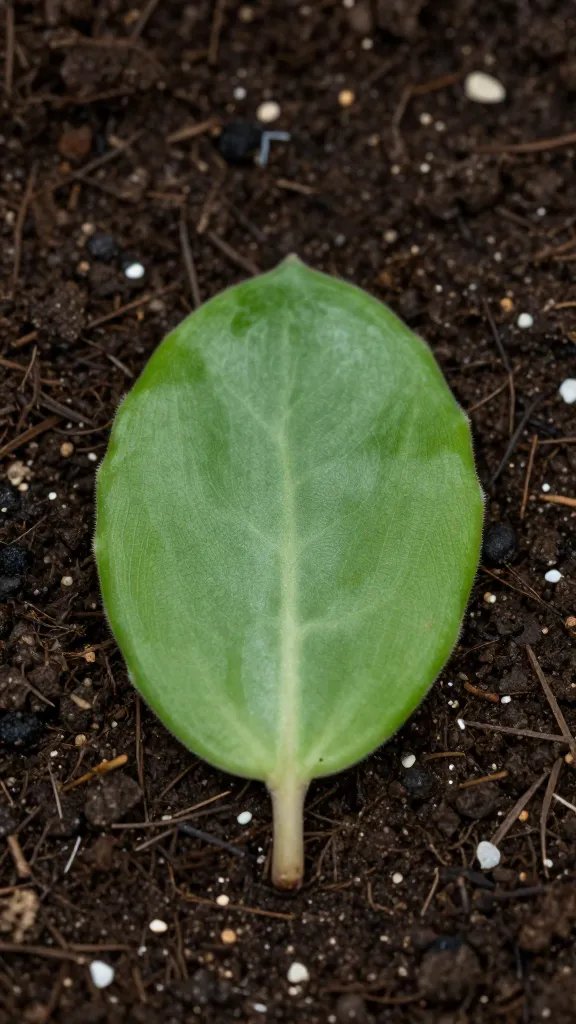
Succulents store water in leaves, so their connection points are thick but brittle. Every time you rotate the terrarium, close a lid, or bump the shelf, those micro-shocks transmit through the glass to the leaf bases.
Certain species like Crassula ovata and Sedum morganianum shed cleanly when jostled. In a narrow container, there’s nowhere for movement to dissipate.
How to Diagnose
- Find a “fall pattern” right after you’ve cleaned, watered, or moved the container. Leaves appear within 24 hours of handling.
- Look for multiple leaves from different sides of the plant on the same day — not a single problem area.
- Check the stand. Wobbly shelves or high-traffic spots correlate with repeated drops.
Fix in Minutes
- Stop rotating weekly. Set the terrarium where it gets consistent bright indirect light near a window and only quarter-turn it once a month.
- Add a shock mat. Place a thin cork trivet or mouse pad under the terrarium to absorb vibrations.
- Secure the lid. For lidded builds, add two discreet dots of museum putty to prevent lid rattle.
Action today: Put the terrarium on a stable surface you don’t touch daily, then note leaf drop for the next 7 days.
Condensation Drip Points: Water Drops Hitting Leaves Like Tiny Hammers
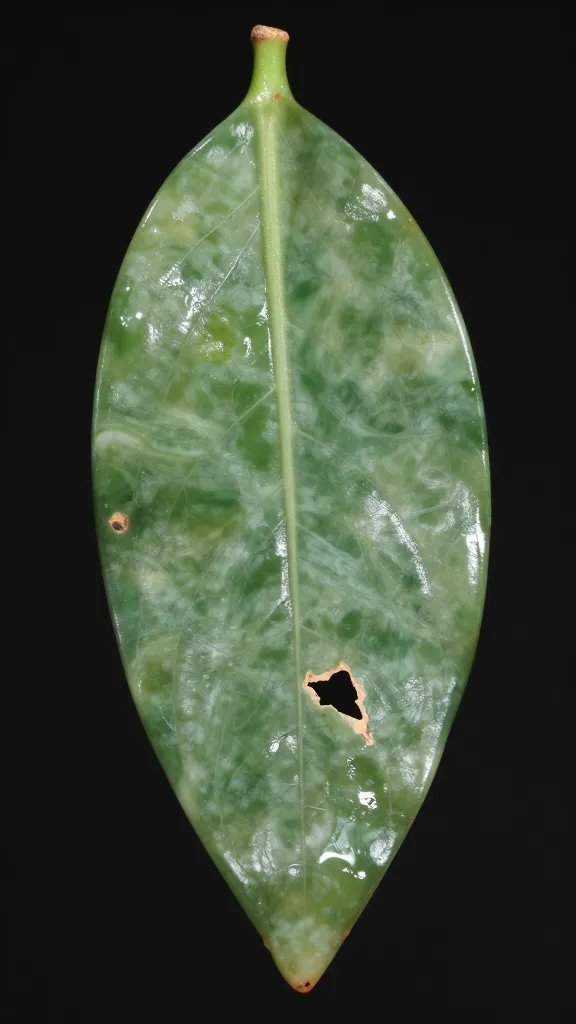
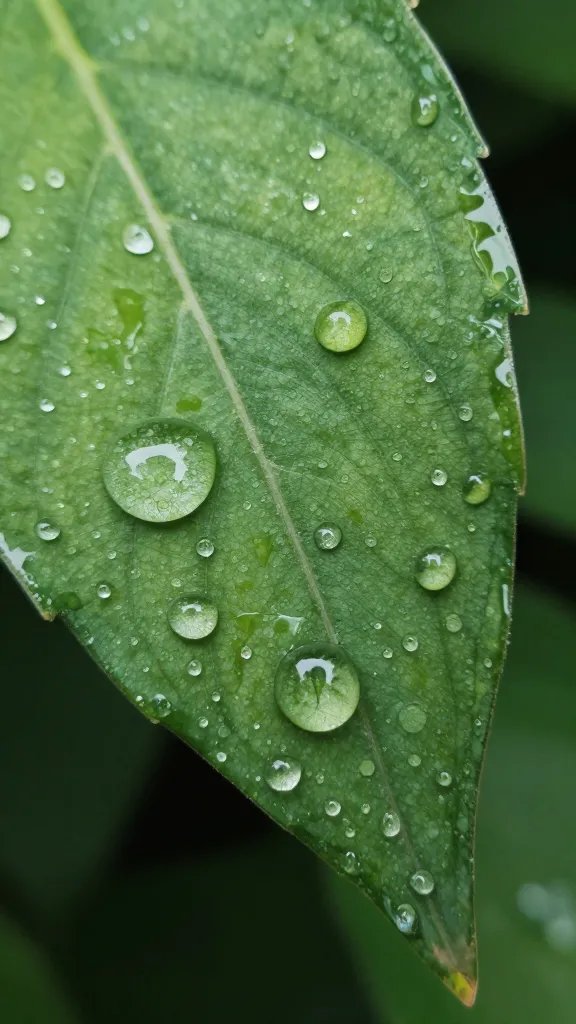
Daily temperature swings create beads of condensation that gather at the lid or high spots and fall. Repeated drips strike the same leaf base and bruise the attachment until it snaps.
Broad leaves near the drip zone collect water, get heavier, and pry themselves off under their own weight.
How to Diagnose
- Check at dawn or after lights come on. You’ll see a “drip line” — a clear arc of splashes on leaves or soil.
- Inspect the lid or inner dome for a central pool. Any low point equals a predictable drip site.
- Fallen leaves from this cause look intact but carry a water spot or ring on the upper surface.
Fix in Minutes
- Re-level the container. Use a coaster under the low side so drips run down the glass instead of onto the crown.
- Add a drip catcher. Tuck a small flat stone or a shard of slate directly under the drip to break impact.
- Vent briefly. Prop the lid open with a pencil for 30 minutes in the morning to reduce heavy bead formation.
Action today: In the morning, locate any drip point and place a single flat stone beneath it to intercept the fall.
How to Tell Mechanical Leaf Drop From Rot, Pests, or Light Stress
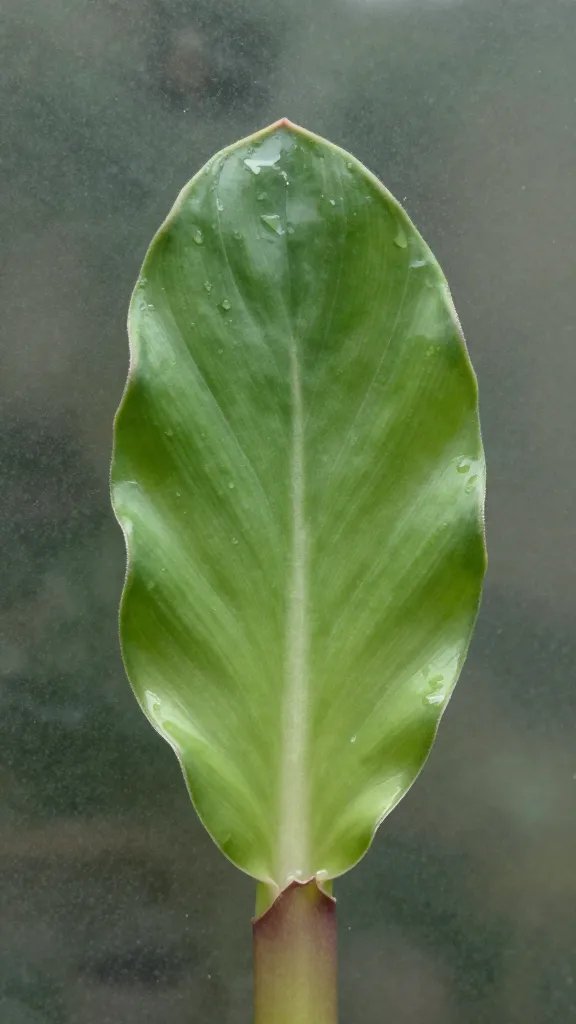
Right fix, wrong diagnosis wastes time. Mechanical problems show clean breaks and otherwise healthy tissue; biological or environmental problems show color, texture, or pattern changes first.
Quick Diagnostic Checklist
- Clean snap, plump leaf, no odor: Mechanical.
- Mushy base, sour smell, translucent leaf: Rot from overwatering or poor airflow.
- Wrinkled, thin leaf, whole plant leaning toward glass: Light positioning or underwatering, not mechanical.
- Speckling, webbing, sticky residue: Pests; treat before adjusting mechanics.
Action today: Smell one fallen leaf and squeeze gently — firm and neutral smell means fix the mechanics first.
Build Tweaks That Prevent Repeat Leaf Drop
Once you stop the immediate cause, harden your setup so it stays stable over months, not days.
- Right plant, right footprint: Use compact species like Haworthiopsis, Gasteria, and tight Echeveria ‘Lola’ for narrow bowls; keep trailing, touchy species like Sedum morganianum for open planters.
- Substrate that doesn’t skate: A quality cactus mix with 30-40% added horticultural grit drains fast and settles once.
- Safe watering technique: Target the soil with a condiment squeeze bottle. 1-2 tablespoons per small terrarium every 2-3 weeks, only when the top layer feels bone-dry.
- Fixed viewing angle: Place the terrarium so you don’t need to spin it to enjoy it.
Action today: Swap to a squeeze bottle for watering so you never splash crowns or create drip bruises.
Frequently Asked Questions
Can I replant the fallen succulent leaves to grow new plants?
Yes, if the leaf includes the whole base. Lay leaves on dry cactus mix in a shallow tray, bright indirect light, and wait 10-14 days before misting the soil lightly. Once roots and a tiny rosette form, move to a small pot and water sparingly. Do not replant damaged or torn-base leaves — they won’t root.
Are closed terrariums suitable for succulents at all?
They’re tricky because succulents prefer drier air and airflow. If you want to keep them in glass, use an open-top container or a lid you vent daily. Choose compact, thick-leaved species and keep leaves off the glass. Water minimally and target the soil only.
How do I move a terrarium without knocking leaves off?
Water 24 hours before moving so the substrate binds, but the surface is dry. Place one hand under the base, the other steadying the rim, and walk slowly without twisting. Use a cork trivet in the new spot to absorb vibrations. Avoid car rides over potholes unless you pack the terrarium snugly in a box with towels.
What if leaves fall off only after I clean the glass?
You’re likely pushing leaves into the wall while wiping. Use a soft brush inside and clean from the outside only, supporting the glass with your free hand. If you must reach in, insert a cardboard shield between leaves and wall while you work. Finish by re-checking the fingertip gap all around.
Why do some species drop leaves more than others?
Species with fragile petioles or bead-like leaves, like Sedum burrito and some Crassula, detach with minimal force. Rosette types with tight leaf bases, like Haworthiopsis and Sempervivum, hold better under bumps. Choose sturdier types for small, busy spaces. If you love fragile trailers, give them an open planter instead of a tight bowl.
Conclusion
You don’t need lab tools to stop terrarium leaf drop — you need space from glass, stable footing, gentle handling, and smart drip control. Pick one section above, make that single change today, and watch how the next week’s leaf count drops. When you’re ready to go deeper, rebuild one terrarium with the buffer ring, shock mat, and squeeze-bottle routine — that’s the setup that’s kept my succulents intact for entire seasons.