Misting Vs Soaking Vs Rinsing Air Plants — Which Method Works for Your Container Type
I killed my first batch of air plants by treating them like houseplants with roots in soil. They sat in pretty bowls, I misted daily, and they still crisped or rotted. Once I matched the watering method to each container, the plants stabilized in two weeks. In this guide, I’ll show you exactly when to mist, when to soak, and when to rinse — based on the container you’re using — so your Tillandsia stay plump, not mushy.
How Air Plants Actually Drink (And Why Containers Complicate It)
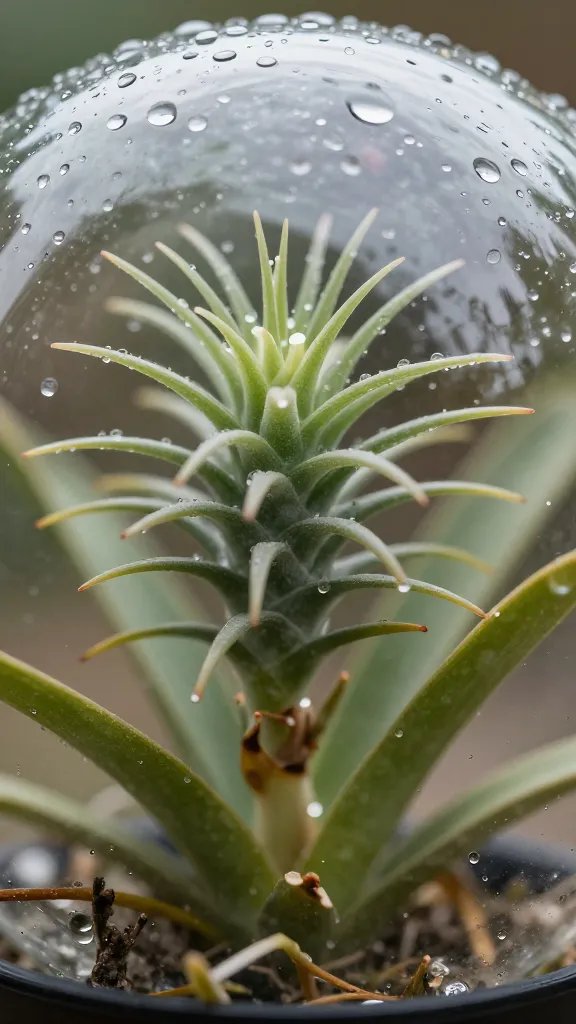
Air plants absorb water through tiny leaf scales called trichomes, not roots. They need full-leaf contact with water, followed by fast drying and good air circulation.
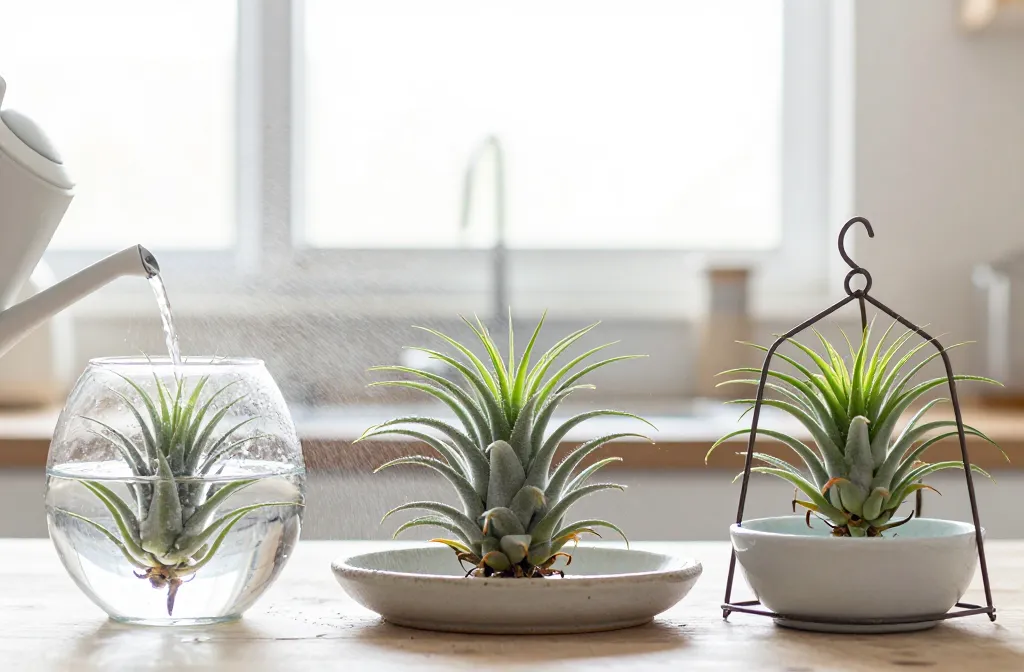
Containers change drying time and airflow. A glass globe traps humidity and slows drying; an open wire hanger dries plants in minutes. Choose the method that wets leaves thoroughly and then lets them dry within 4 hours.
Action today: Touch the mid-leaves at sunset. If they feel papery or curl inward, plan a thorough soak or rinse tomorrow and improve airflow around the display.
Open Displays: Trays, Driftwood, Wire Hangers — Use Rinsing or Soaking
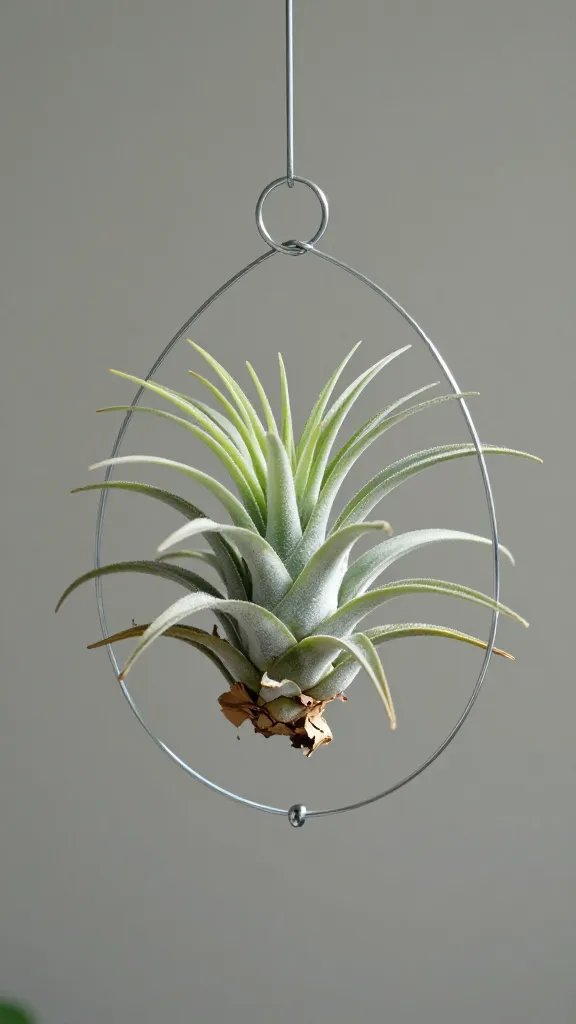
Open displays dry fast because air moves freely around the plant. Daily misting evaporates before leaves actually drink, which leads to chronic thirst.
Use rinsing for weekly maintenance: take plants to the sink and run cool, clean tap water over them for 30–60 seconds, turning them so every surface is wet. Use soaking as a reset every 2–3 weeks: submerge for 15–20 minutes, then shake off water and dry upside down.
Warning signs in open displays
- Thirsty: Leaf tips brown and curl inward; plant feels light. Fix with a 20-minute soak.
- Overwatered: Base looks translucent or smells sour. Increase airflow; switch to rinsing only until firm.
Action today: If your plants sit on an open shelf, schedule a 60-second full rinse every 5–7 days and a 15–20 minute soak every third week.
Glass Globes and Closed-Feeling Containers — Favor Rinsing, Avoid Routine Soaks
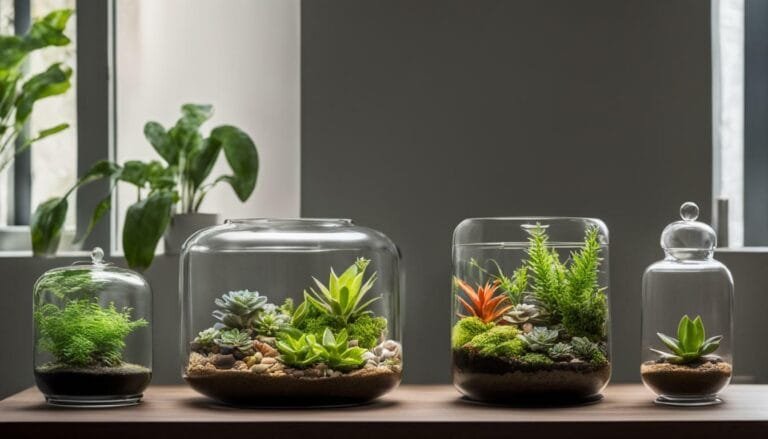
Hanging globes, bell jars, and narrow vases trap moisture. After a soak, plants can’t shed water quickly and rot at the base.
Use rinsing only: remove the plant, rinse 30–60 seconds, shake hard, and dry upside down on a towel for 2–3 hours before putting it back. Mist inside the globe walls if you want the look, but never mist a plant you can’t remove and dry thoroughly.
Setups that need extra caution
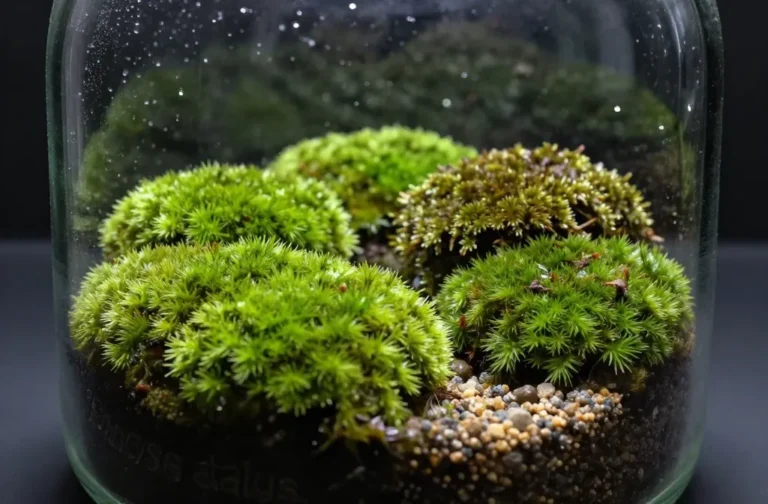
- Sand, moss, or pebbles under the plant: These hold water against the base. Keep them dry; water plants at the sink only.
- Narrow necks: If your hand can’t reach in, the plant can’t ventilate. Rehome the plant or display the container empty.
Action today: If your air plant lives in a globe, take it out to rinse and dry completely before returning it — and stop misting it inside the globe.
Mounted Plants: Cork, Bark, or Driftwood With Glue or Wire — Rinse Generously, Spot-Soak
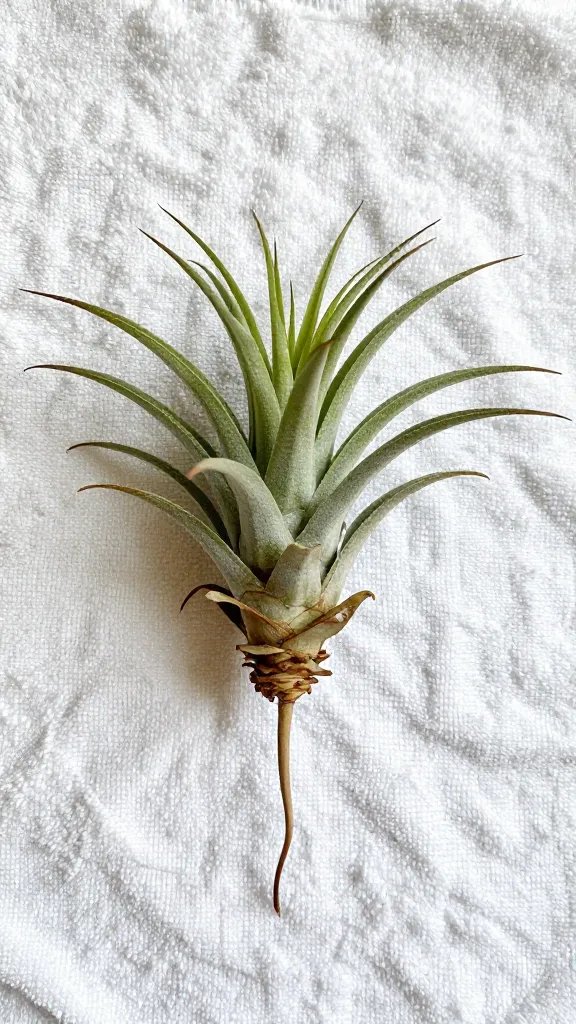
Mounted plants are secure but often hard to detach. Don’t yank or pry them off; you’ll damage the base.
Use rinsing with a hand sprayer or faucet, aiming into the leaf bases until water drips freely. For thirsty plants you can’t unmount, spot-soak by dunking just the plant (not the wood) for 10–15 minutes, keeping the mount as dry as possible. Dry the plant upside down so water drains from the crown.
Step-by-step rinse routine for mounts
- Take the mount to the sink.
- Run cool water over all sides for 60 seconds.
- Hold the plant upside down and shake 6–8 times.
- Set in bright, airy shade for 2–3 hours before rehanging.
Action today: Rinse your mounted plants for a full 60 seconds and ensure they hang base-down to dry within 4 hours.
Bowls, Dishes, and Centerpieces With Decorative Moss — Rinse, Then Air-Dry Separately
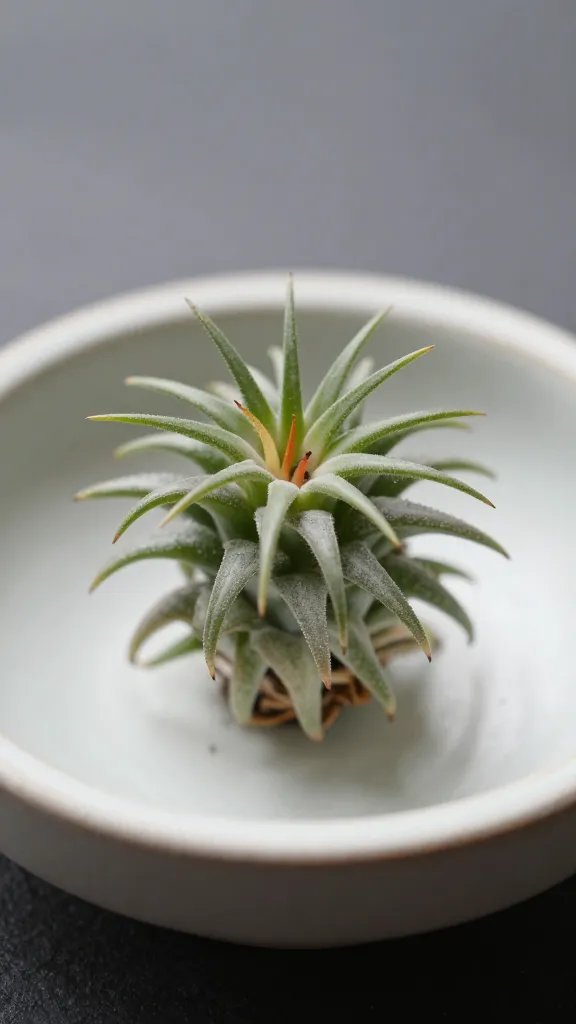
Decorative Spanish moss or craft moss stays damp and presses against the plant base. That’s a rot trap.
Lift plants out for rinsing at the sink. After rinsing, dry the plant upside down on a rack or towel for at least 2 hours before returning it to the bowl. Keep the decorative moss dry-to-the-touch; it’s not a sponge for the plant.
Material recommendations
- Dry spacers: Use wine cork slices, shells, or smooth stones to lift plants off any damp material.
- Air gap: Leave at least a finger-width gap under the base for airflow.
Action today: Remove your air plant from its bowl, rinse it thoroughly, and let it dry completely before placing it back on dry spacers.
When Misting Actually Works — High-Humidity Rooms and Daily Attention
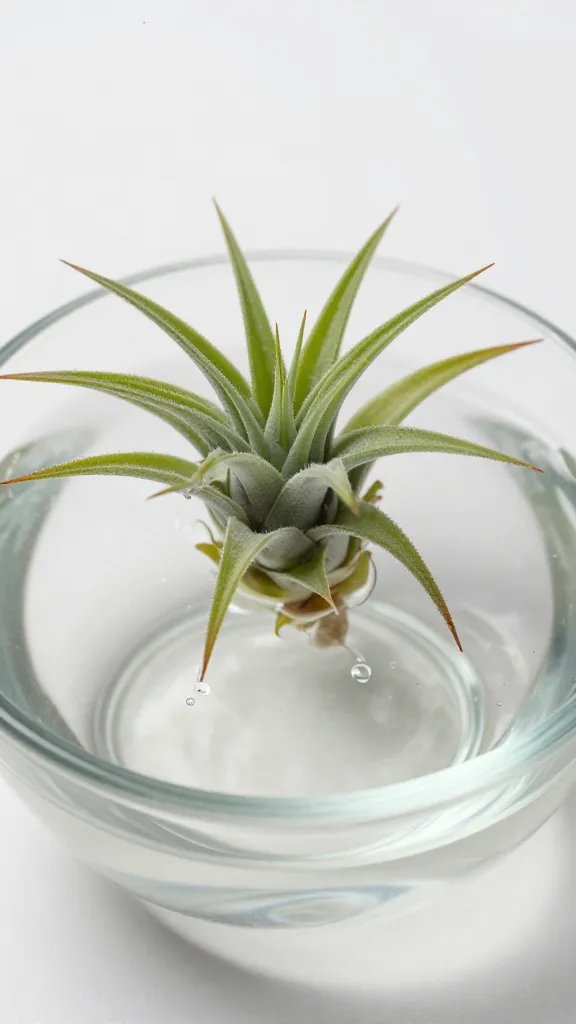
Misting only works when the air already holds moisture and you can mist thoroughly and frequently. Bathrooms with regular showers and kitchens with steam give you a head start.
If you mist, treat it like a mini-rinse: saturate the entire plant until it drips, not a light spritz. Do this 3–4 times per week, plus a 15–20 minute soak every 2–3 weeks for backup hydration, as long as the plant can dry within 4 hours.
Common misting mistakes
- Light spritzing: Only the outer leaves get wet; the plant stays thirsty.
- Night misting in cool rooms: Leaves stay wet overnight and rot. Water in the morning.
Action today: If you prefer misting, switch to morning, saturate until dripping, and add a scheduled soak every third week.
Match Watering to Species and Season
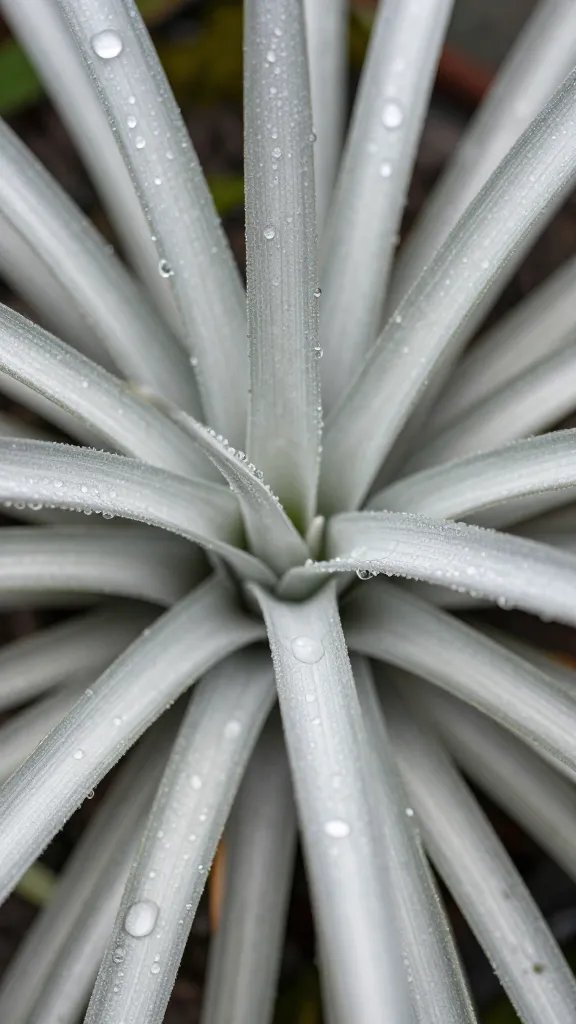
Stiff, silver-leaved species with heavy trichomes (like T. xerographica and T. tectorum) prefer brighter light and less frequent deep watering. Green, softer species (like T. ionantha and T. caput-medusae) drink more and appreciate regular rinsing.
In winter, home heating dries air but lowers plant metabolism. Keep your schedule but shorten soaks to 10–15 minutes and rely more on rinsing so plants dry within 4 hours.
Quick species guide
- Silver/leathery: Rinse weekly, soak every 3–4 weeks.
- Green/soft: Rinse weekly, soak every 2–3 weeks.
Action today: Identify one plant as silver or green and adjust the next soak by 5 minutes shorter for silver, standard for green.
Drying Technique: The Step That Saves More Plants Than Anything Else
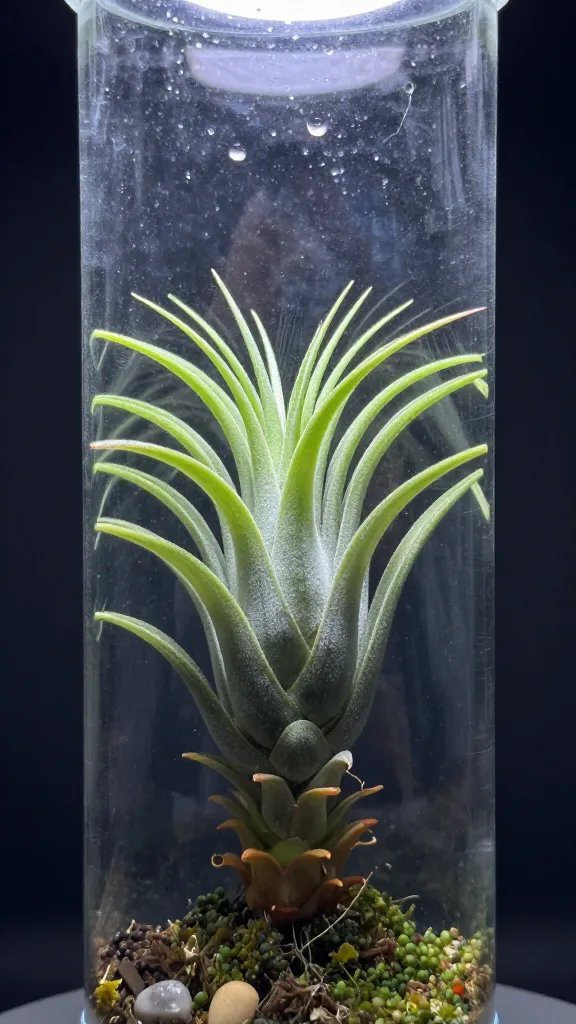
Most rot begins when water sits in the crown or leaf bases. You prevent this with aggressive drying.
After any rinse or soak, shake the plant firmly 6–8 times, then place it upside down on a towel or wire rack in bright, indirect light with good airflow. Return it to its container only after the outer leaves feel dry and the center no longer looks glossy — usually 2–4 hours.
If you need faster drying
- Point a room fan across the plants on low for 30–60 minutes.
- Open a nearby window for cross-breeze on mild days.
Action today: Add a 2–4 hour “drying window” after watering before you put plants back into globes or bowls.
Frequently Asked Questions
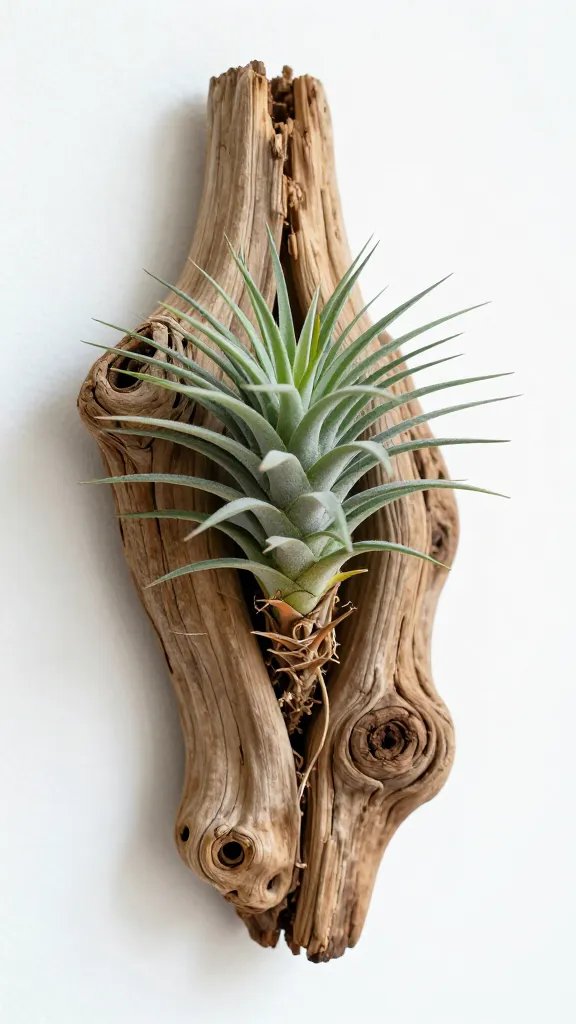
How often should I water air plants in a glass globe?
Rinse once a week at the sink, then dry the plant upside down for 2–3 hours before returning it. Skip soaking unless the plant is badly dehydrated, and only if you can remove it to dry fully. If condensation lingers in the globe, reduce frequency to every 10 days and increase airflow in the room.
Can I use tap water for air plants?
Yes, if your tap water tastes clean and not salty. Let cold water run for a few seconds, then use it cool — not hot. If your water leaves white crust on faucets, switch to filtered or rainwater and add a monthly gentle soak to flush mineral buildup.
Why are my air plant tips browning even though I mist daily?
Light misting doesn’t hydrate the inner leaves. Switch to a full rinse once a week, plus a 15–20 minute soak every 2–3 weeks if the plant can dry within 4 hours. Trim dead tips with clean scissors, copying the natural point of the leaf.
Do air plants need fertilizer?
They benefit from a light feed. Use a bromeliad or air plant fertilizer at half strength once a month during spring and summer, mixed into your rinse or soak water. If you only have general houseplant fertilizer, dilute to one-quarter strength and use every 4–6 weeks.
What time of day should I water?
Water in the morning. Leaves dry by afternoon, which prevents rot and aligns with the plant’s natural cycle. Avoid evening watering in cool rooms because leaves stay wet overnight.
How do I know if I overwatered?
Soft, translucent bases and a sour smell signal rot. Cut away mushy parts with clean scissors, keep the plant in bright, airy shade, and switch to rinsing only for three weeks. Ensure every watering ends with a strong shake and a 2–4 hour upside-down dry.
Conclusion
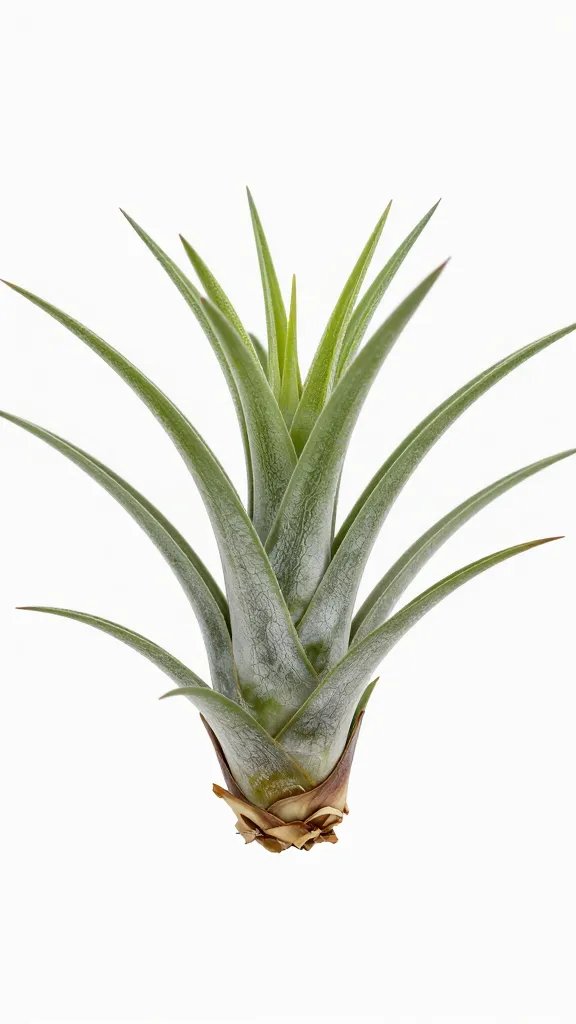
You don’t need fancy gear to keep air plants thriving — you need the right method for the container. Choose rinsing for most setups, reserve soaking for open or very dry displays with guaranteed fast drying, and use misting only as a supplemental top-up in humid rooms. Today, pick one display, give the plant a thorough rinse, and build in a proper drying window; that single habit shift keeps your air plants firm, bright, and growing.