The Secret to How to Introduce Springtails to a Terrarium — What They Do, When to Add Them and When Not to Revealed
I added springtails after my first moss bowl turned into a fuzzy white science experiment. Within a week the smell vanished, the mold receded, and the glass stayed clearer between wipes. If your terrarium feels like it’s fighting you with fungus and gnats, you’re missing its cleanup crew. I’ll show you what springtails actually do, the right moment to add them, and the few times you should hold off.
What Springtails Do in a Terrarium (And Why You Want Them)
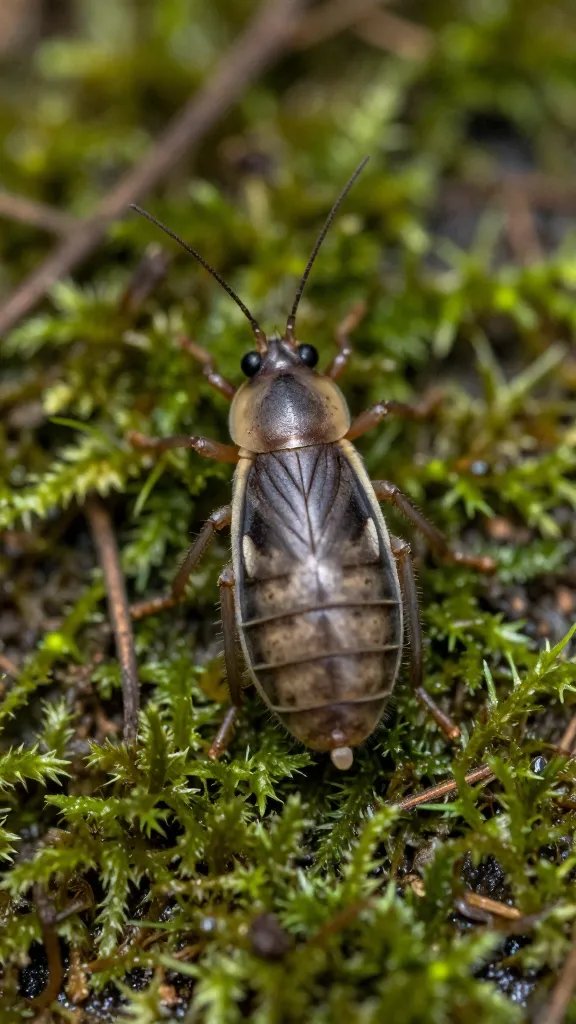
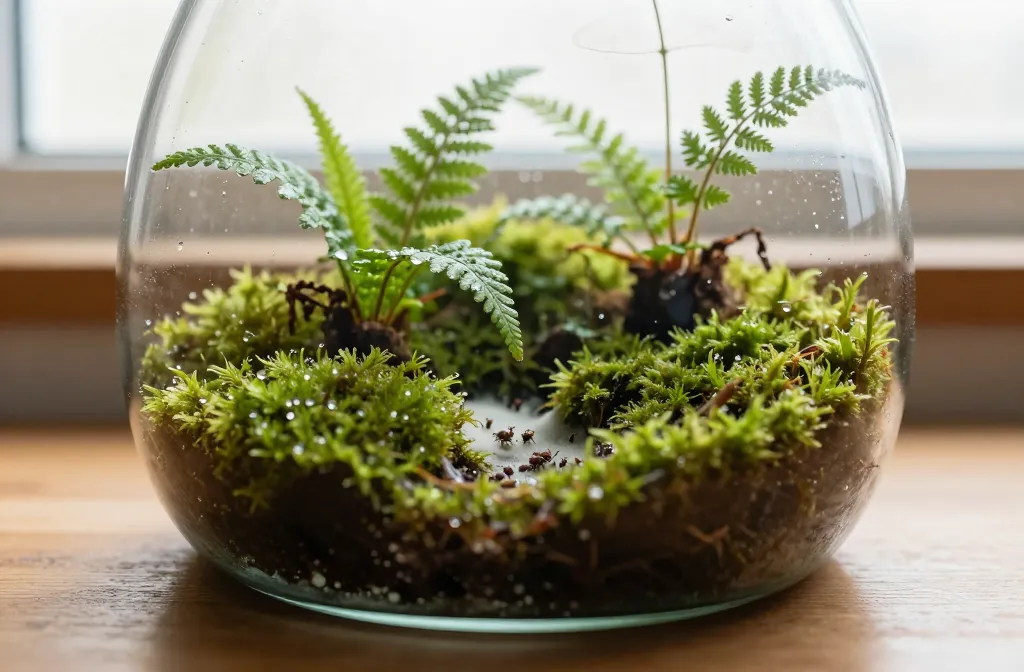
Springtails are tiny soil arthropods that eat decaying bits, mold spores, and leftover food from root exudates. Think of them as a living filter that turns waste into nutrients your plants can use.
They break down soft debris before it rots and smells. That slows mold blooms and keeps moisture-balanced ecosystems stable, especially in closed jars.
They also compete with fungus gnat larvae by consuming the same microbial buffet. Fewer gnats, fewer slime patches, and fewer leaf losses.
Takeaway: If you see recurring surface mold, gnat activity, or a musty odor, add springtails to establish a natural cleaning cycle.
When to Add Springtails for the Best Results
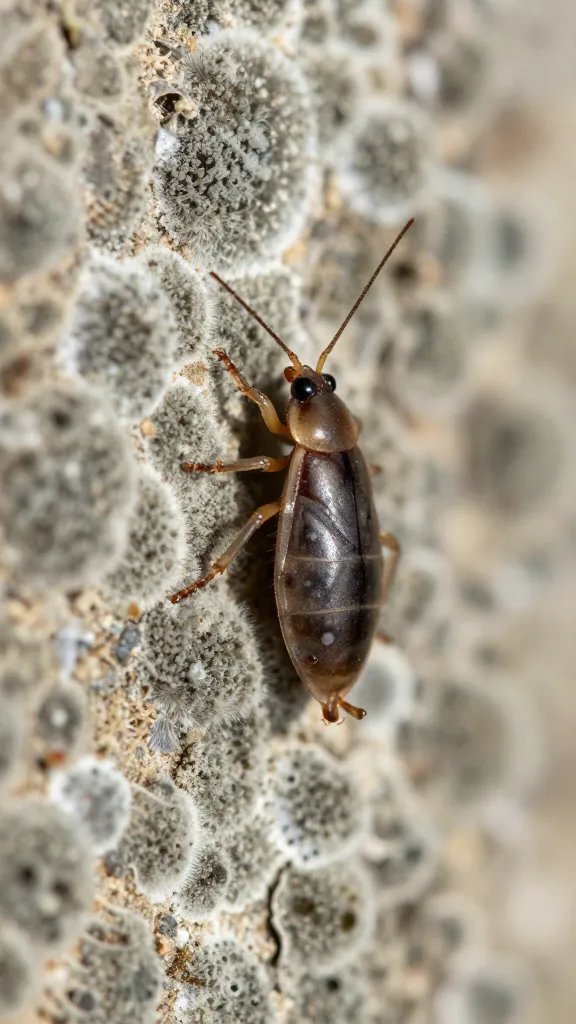
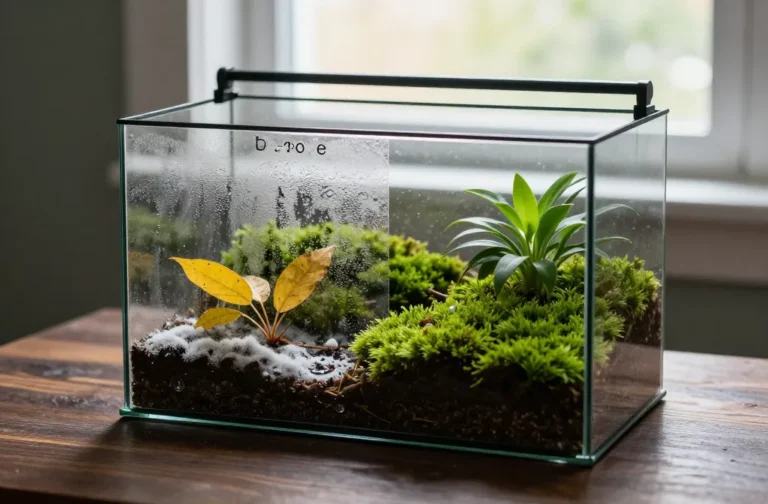
Add them after your hardscape and substrate are fully set, but before mold gets out of control. I add them right after planting and first watering, the same day I close the lid (for closed builds) or set the jar in place (for open builds).
They establish best when the substrate is evenly damp, not wet. Aim for the feel of a wrung-out sponge across the top 1-2 cm — no puddles, no dust-dry patches.
In an existing terrarium with mold, add them immediately after you remove any slimy leaves and wipe the glass, so they start on a cleaner playing field.
Action: Before you add plants to your next build, order a springtail culture and plan to seed them right after the first light watering.
When Not to Add Springtails
Do not add springtails to bone-dry or waterlogged setups. They crash fast in extremes. If the substrate squelches or looks dusty, correct moisture first.
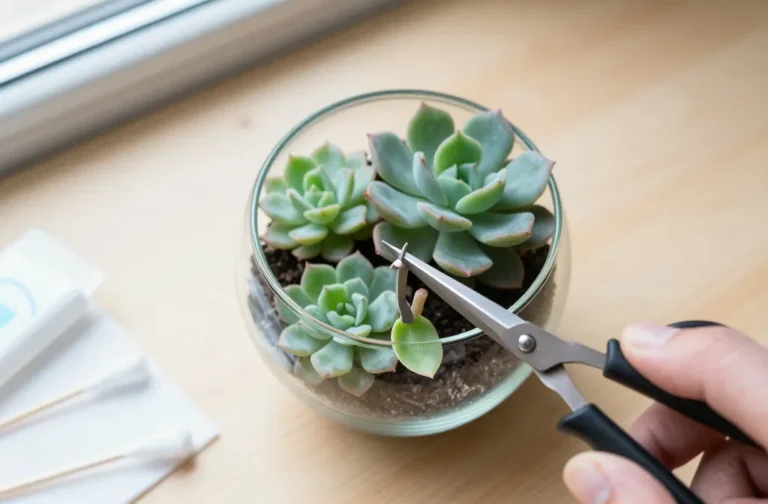
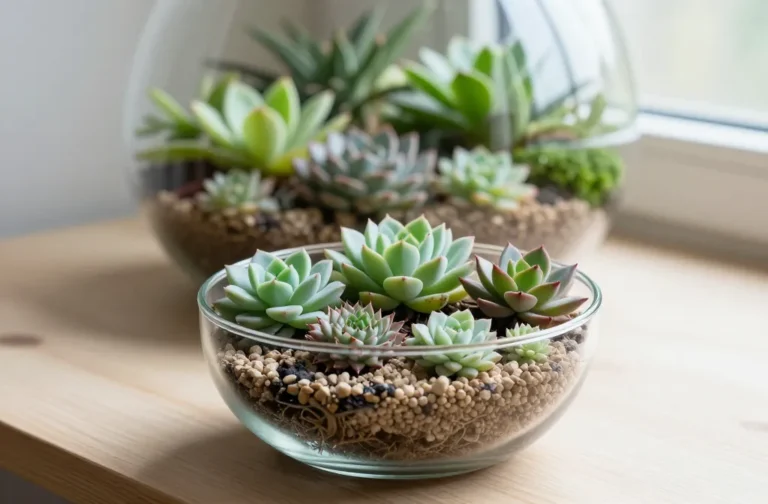
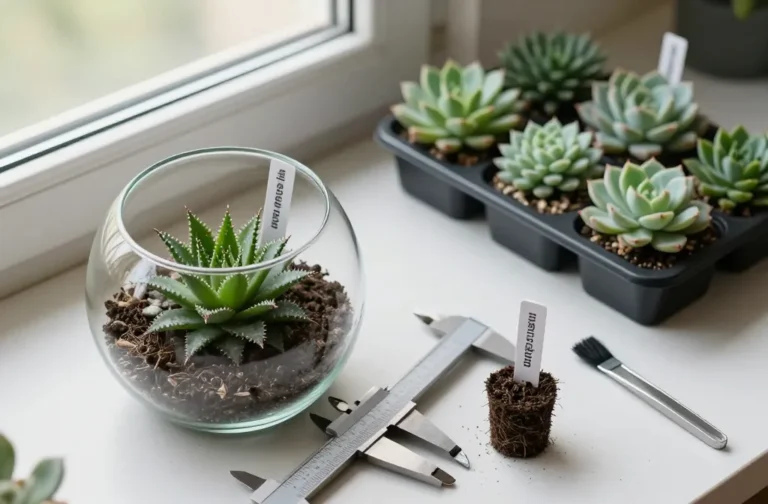
Avoid adding them to sandy, desert-style terrariums with succulents. Those builds stay too dry for a springtail colony to survive and can encourage rot if you water enough to keep springtails alive.
Skip them in tanks with insectivores like many dart frogs or hungry isopods at high numbers. Heavy predation can wipe out a new colony before it settles.
Warning Signs You’re Not Ready
- Condensation dripping down glass all day long (overwatered).
- Dry, hydrophobic top layer that repels water (underwatered or wrong mix).
- Succulent/cactus builds using gritty, fast-draining soil.
Takeaway: If your substrate isn’t evenly damp or your design is desert-style, fix the environment or skip springtails entirely.
How to Add Springtails Step-by-Step Without Tools
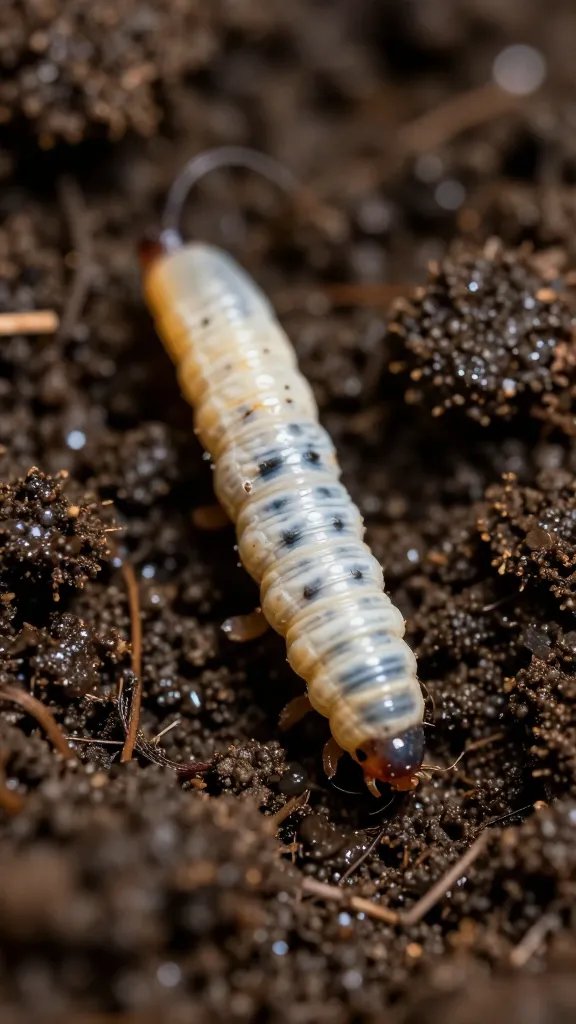
You can add a culture from a garden center, reptile shop, or online. Most arrive on charcoal or in a small deli cup with water.
Step-by-Step: Seeding a New or Existing Terrarium
- Moisten correctly: Dampen the top layer with a spray bottle until it looks dark but not shiny. No standing water.
- Prepare a landing pad: Place a few chunks of rinsed horticultural charcoal on the surface. They provide a safe micro-habitat and make future checks easy.
- Introduce the culture: Gently tap 1-2 tablespoons of the charcoal culture onto the surface, or pour 1-2 tablespoons of culture water evenly around the base of plants and hardscape.
- Offer a tiny starter snack: Add a pinch (half a pea-sized amount) of dry yeast or flake fish food on one charcoal piece. This kick-starts population growth.
- Close or position: For closed builds, seal the lid. For open builds, place it in bright indirect light near a window, away from drafts.
Expect them to disappear from view within minutes — that’s normal. You’ll see them again when you lightly mist or lift a charcoal piece.
Action: Seed a culture this week, then add a pea-sized pinch of yeast once after day three to establish the colony.
Moisture, Feeding, and Population Control
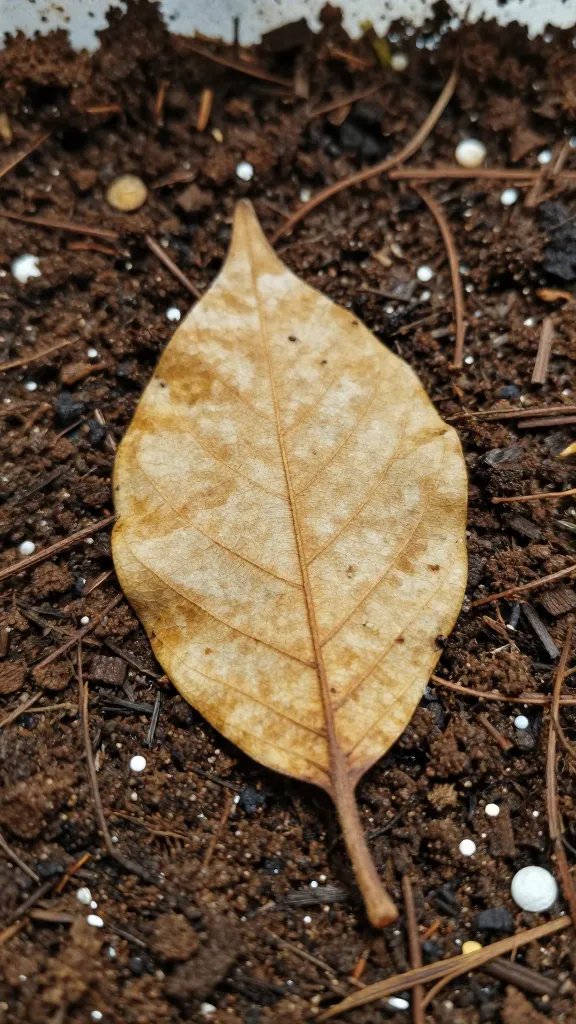
Springtails thrive on consistent humidity. In closed jars, they handle themselves once you set moisture correctly. In open terrariums, mist lightly every 2-3 days so the surface never turns crusty.
Feed sparingly. I use a dusting of dry yeast or crushed flake food once every 2-4 weeks. If you can see leftover food after 24 hours, you fed too much.
Too many springtails tell you the system has extra waste or you’re overfeeding. Cut the food, remove decaying leaves faster, and let the numbers settle.
Simple Moisture Check Without Meters
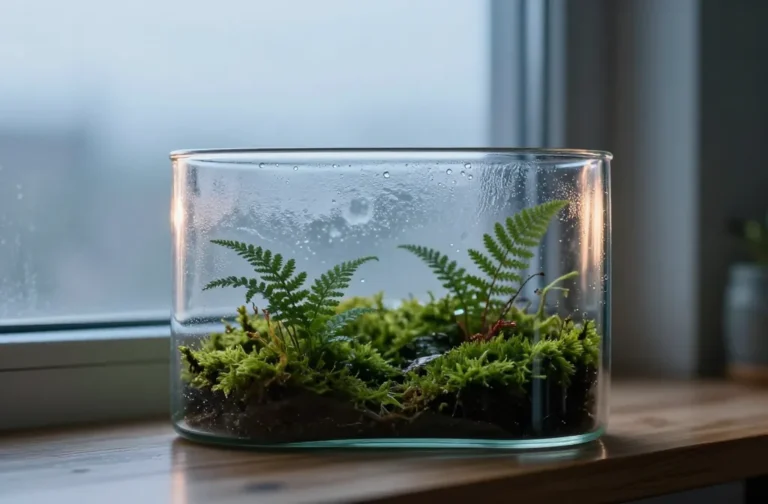
- Closed: Light fogging in the morning that clears by midday = right. Heavy droplets all day = vent 1-2 hours. Bone-dry glass for days = add 1-2 tablespoons of water, then wait.
- Open: Pinch the top layer. If it feels dry and crumbly, mist until dark; if it smears or sticks to your fingers, hold off a day.
Takeaway: Feed a dusting once a month at most, and use condensation patterns or a pinch test to keep moisture steady.
Choosing Substrate and Companion Cleanup Crew
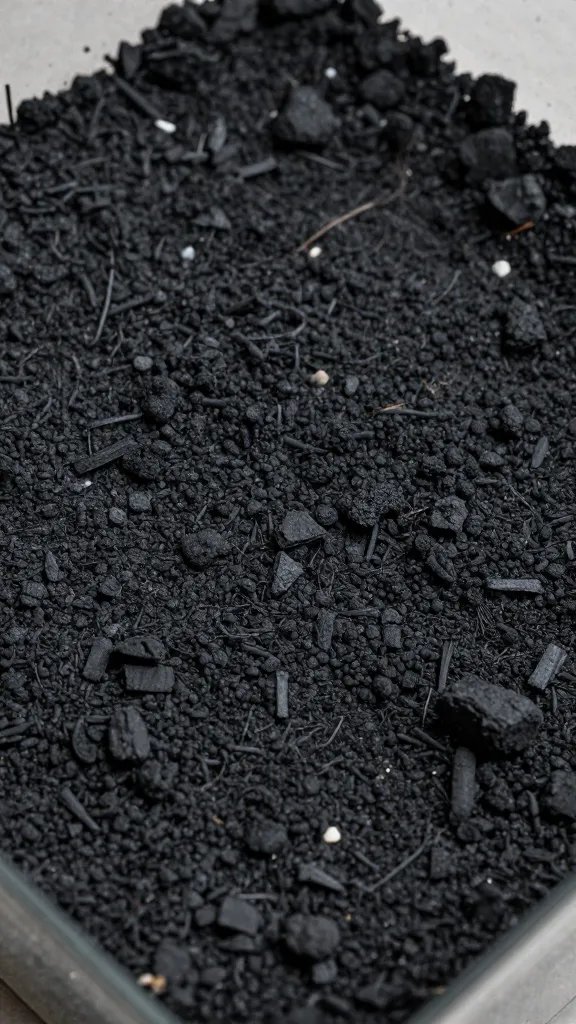
Springtails love airy, organic mixes. A simple, reliable base is 2 parts good quality potting mix + 1 part fine orchid bark + 1 part horticultural charcoal. This drains well but holds even moisture.
In larger terrariums, pair springtails with a small number of isopods (like dwarf whites) to handle bigger debris. Keep isopods light if your plants are delicate — too many can uproot soft moss or nibble tender growth.
A layer of leaf litter (oak or magnolia) over the substrate feeds both crews slowly and looks natural. Replace handfuls every 2-3 months as it decomposes.
Action: Add a thin leaf litter layer and 3-5 charcoal chunks so springtails have shelter, food, and easy spots for you to monitor.
Fixing Common Springtail Problems Fast
Population boom with no mold visible? You likely overfed or kept things too wet. Stop feeding for a month and air out a closed jar for an hour every few days.
Population crash? Check for dryness first, then chemicals. Tap water that smells strongly of chlorine can stress them — let tap water sit out overnight before misting.
Persistent mold despite springtails? Remove thick, slimy patches and dead leaves. Mold blankets outpace a small colony; once you clean up, the springtails maintain the balance.
Quick Fixes
- Vent a closed terrarium 1-2 hours if condensation drips all day.
- Pre-soak tap water in an open container overnight to off-gas chlorine.
- Spot-feed a rice-sized crumb of yeast and wait a week before feeding again.
Takeaway: Tackle moisture and excess food first; then let the colony stabilize for two weeks before adjusting again.
Frequently Asked Questions
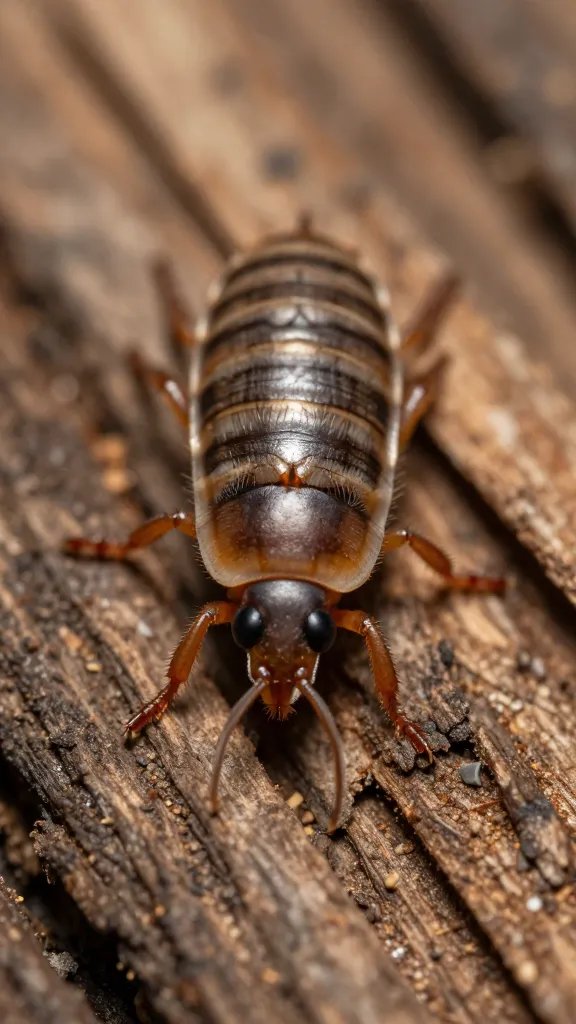
Will springtails escape and infest my home?
No. Springtails need high humidity to survive. In normal indoor air, they dehydrate and die quickly. If a few wander, they gather around sinks or damp windowsills and disappear after surfaces dry. Keep the terrarium clean at the rim and they’ll stay put.
How long until I see results against mold?
Light mold patches improve in 3-7 days once you remove heavy buildup. Severe blooms may take two weeks, especially if the substrate was overwatered. Help them by lifting and discarding slimy leaves and wiping the glass before adding the culture.
Can I add springtails to a succulent terrarium?
No. Succulent terrariums need dry, gritty soil and infrequent watering. Springtails require consistent moisture, which conflicts with succulent care and invites rot. Keep succulents dry and use manual cleanup instead.
Do I need to feed springtails forever?
In a planted, humid terrarium with leaf litter, they often live off micro-wastes. I only feed a tiny pinch monthly if I stop seeing them on the charcoal after misting. If leftovers sit for more than a day, stop feeding for at least two weeks.
How many springtails do I need for a small jar?
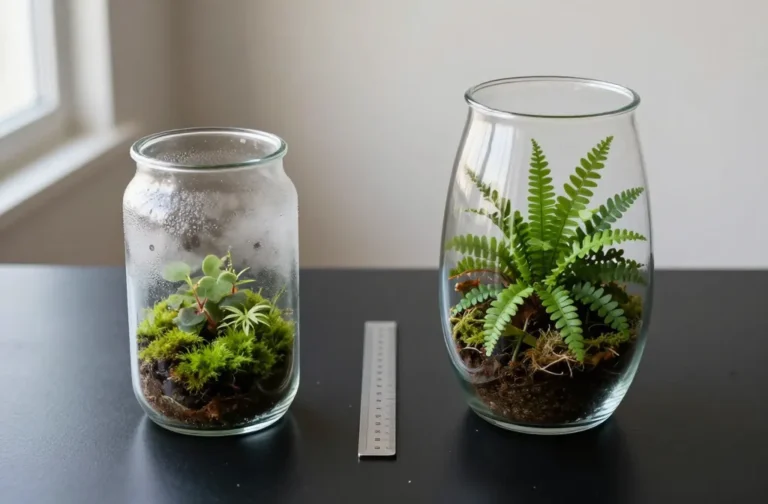
For a 1-3 liter jar, one standard culture (about a tablespoon of charcoal crawling with springtails or 1-2 tablespoons of culture water) is enough. For a 10-20 liter tank, use two cultures placed on opposite sides. You can always add more in a week if you still see unchecked mold.
Will they harm moss or delicate plants?
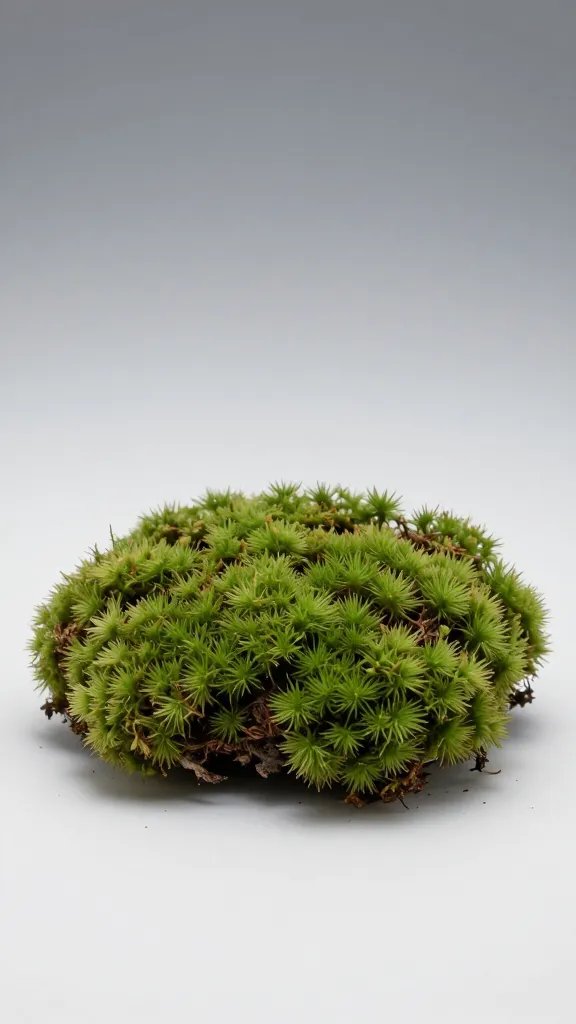
No. Springtails don’t eat healthy plant tissue. They graze on biofilm, algae, and decomposing matter on and around moss, which often keeps moss cleaner. If you notice plant damage, look at isopods or snails instead, not springtails.
Conclusion
You don’t need lab gear or special tools to keep a terrarium clean — you need a reliable cleanup crew and steady moisture. Add springtails at setup, keep the substrate evenly damp, and feed sparingly. If you’re staring at fuzzy glass today, seed a culture and wipe the walls once; you’ll see the balance return within the week. Next step: set a reminder to check condensation at midday and vent if it drips — that one habit keeps both plants and springtails thriving.