How a Closed Moss Terrarium Creates Its Own Water Cycle Magic
I built my first closed moss terrarium on a rainy Saturday with a pasta jar and some sheet moss. I expected daily fussing; instead, it ran itself once I set the moisture right. If you’ve ever watched your glass fog up and wondered what’s happening, this guide explains the full loop in plain terms. You’ll learn how the mini water cycle works, how to dial it in, and exactly what to do when the glass stays bone-dry or constantly drips.
Why a Closed Terrarium Needs Almost No Water

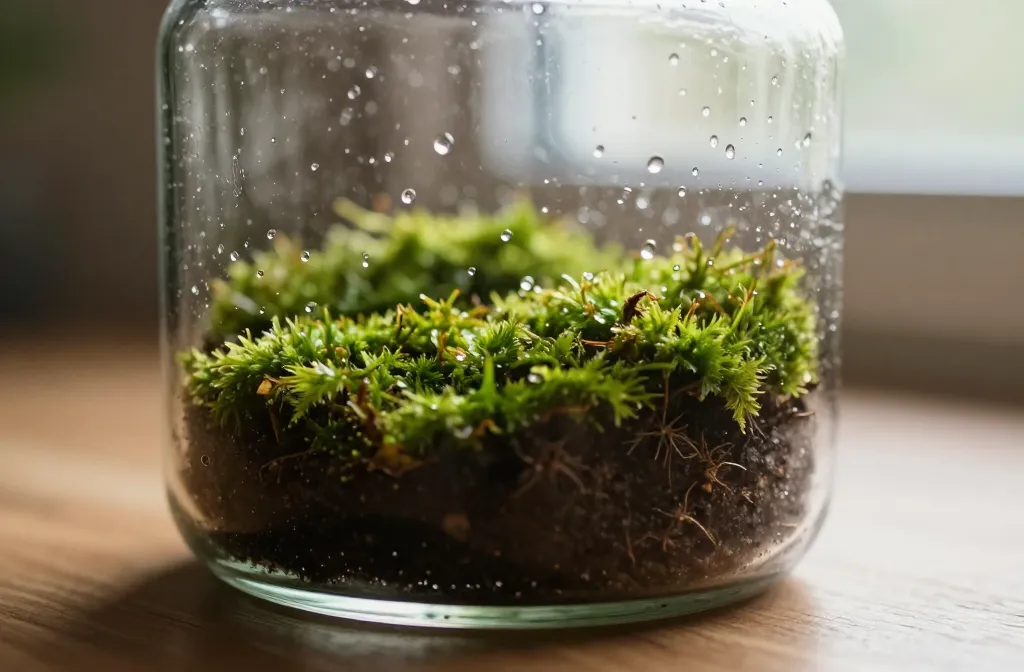
A sealed terrarium traps moisture so it can move but never escape. Water leaves the substrate as vapor, condenses on the cooler glass, and drips or slides back into the soil — the same cycle as rain, just scaled to a jar.
The system stabilizes once the air, glass, and substrate share humidity and temperature. After that, you top up only to correct an obvious imbalance, not on a schedule.
Takeaway: Stop routine watering. Judge by condensation, not the calendar.
The Mini Water Cycle, Step by Step
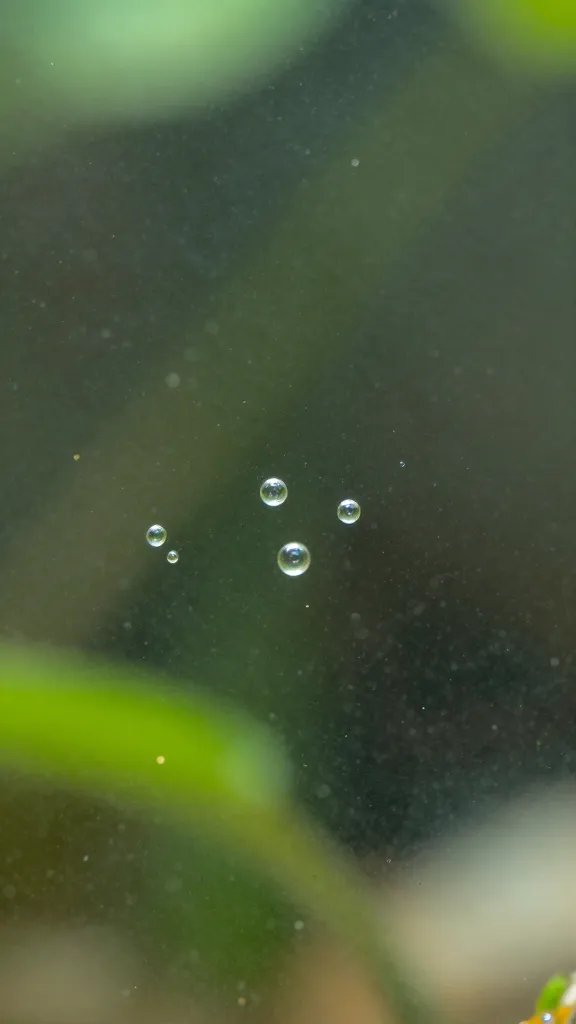
Evaporation: Warmth from your room or a nearby window lifts moisture from the substrate and moss into the air inside the jar.
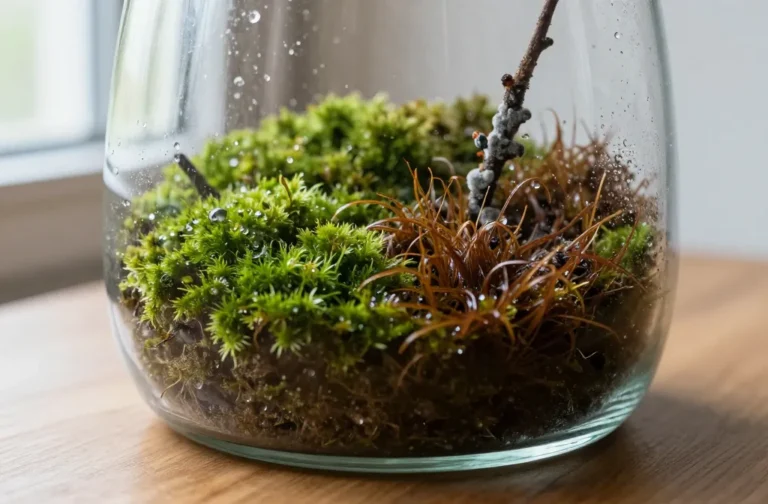
Condensation: The inner glass sits cooler than the air, so vapor turns to droplets. You’ll see a light mist in the morning or after sun warms the jar.
Return Flow: Droplets coalesce and run back down into the substrate, rewetting it and any drainage layer.
Plant Uptake and Respiration: Moss and companion plants pull water from the substrate, release it as vapor, and keep the loop going.
Takeaway: Expect daily light condensation cycles; that means the loop works.
Setting the Moisture “Start Point” the Right Way
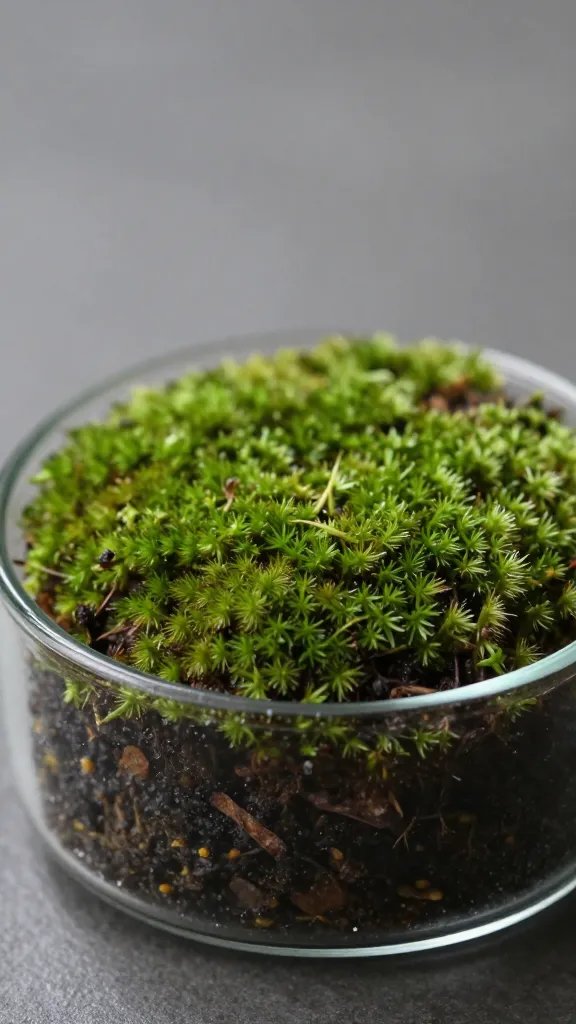
The cycle only behaves if you start with the right moisture level. Think “wrung-out sponge,” not soggy cereal.
- Pre-moisten substrate until it clumps when squeezed but does not drip. If it drips, mix in dry substrate until it stops.
- Layer from bottom up: 1-2 cm washed gravel, a thin layer of activated charcoal, then 3-5 cm of good quality potting mix or a terrarium substrate. Finish with moss on top.
- Mist the moss lightly — 6-10 sprays for a 1-2 liter jar — then seal.
- Place near bright indirect light, not in direct sun on glass.
Warning Signs If You Misjudge Moisture
- Too wet: Heavy fog all day, beading on leaves, musty smell, or yellowing moss.
- Too dry: Clear glass for days, crisping moss edges, leaves curling inward.
Takeaway: Aim for a brief morning mist that clears by midday — adjust once, then leave it sealed.
Light and Temperature: The Invisible Drivers of the Loop

Light heats the air and speeds evaporation. A bright east or north window gives you the daily warm-cool swing without cooking the jar.
Direct midday sun on glass is a furnace. It drives constant fog, overheats roots, and encourages algae. I keep closed moss terrariums one step back from the sill or behind a sheer curtain.
Stable room temperatures between 18-24°C (65-75°F) keep condensation predictable. Big swings cause either bone-dry glass or drip walls.
Action: Move the jar so it gets bright indirect light for 6-8 hours and no direct midday sun on glass.
Condensation as Your Dashboard
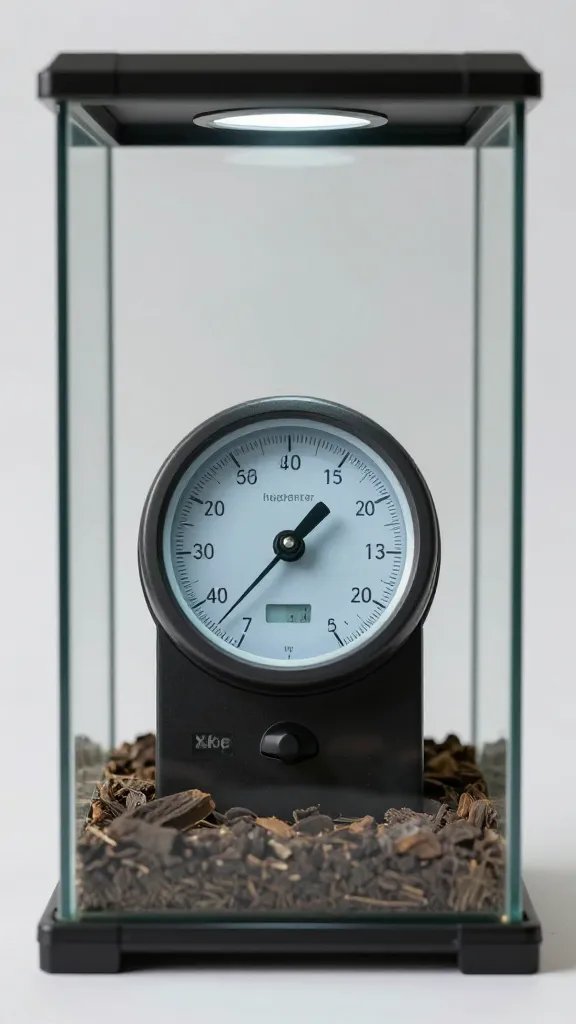
I treat the glass like a gauge, not a problem. It tells me how the cycle runs.
- Ideal: Light mist in the morning that retreats to mostly clear by midday, with a few droplets at the top rim.
- Too wet: Beads streaming down at noon or fog that never clears.
- Too dry: Crystal-clear glass for 48+ hours, even mornings.
Step-by-Step Fixes
- If too wet: Open the lid for 1-2 hours at midday. Repeat daily until midday fog disappears. If still soggy, wick out water with a paper towel edge along the glass for 30 seconds.
- If too dry: Mist 5 sprays, seal, and recheck next morning. Add 1-2 tablespoons of water along the glass only if the mist doesn’t appear by day three.
- If overheating: Move it farther from direct sun. Aim for gentle morning light.
Takeaway: Adjust with air first (lid off briefly), then tiny water changes — never pour straight onto moss.
Choosing Materials That Support a Clean Water Cycle
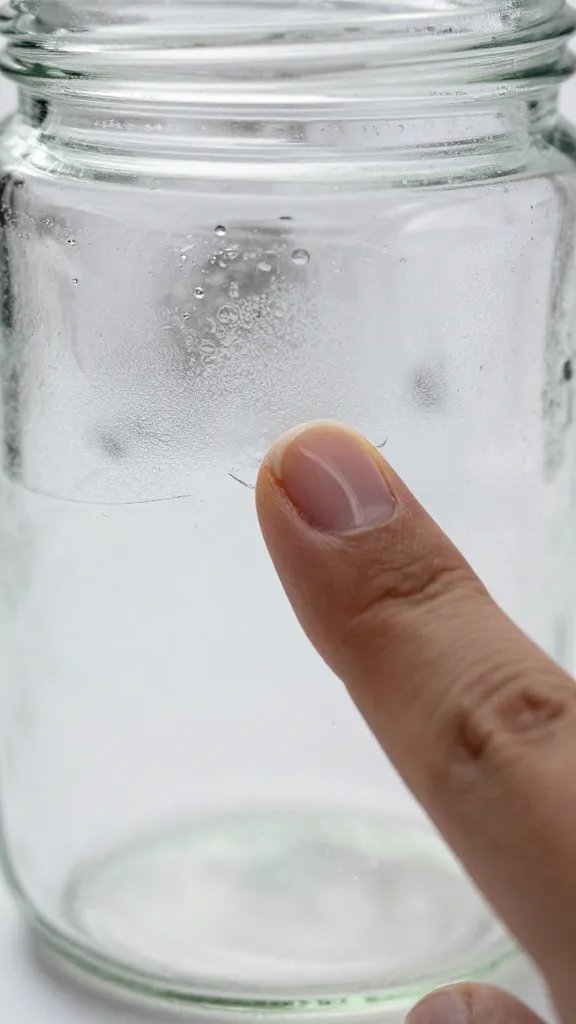
Substrate: A good quality potting mix cut with fine orchid bark or coco coir improves structure. For a simpler buy, grab a bag labeled for terrariums if your garden centre stocks it.
Drainage: Washed aquarium gravel or LECA at the bottom prevents waterlogging. The charcoal layer helps keep odors down and water clearer.
Glass: Clear jars or countertop canisters with a snug lid work. I avoid corks that shed dust into the cycle.
Action: Add a 1-2 cm gravel layer with a thin charcoal layer before soil to buffer mistakes.
Moss and Companion Plants That Behave Well in a Closed Loop
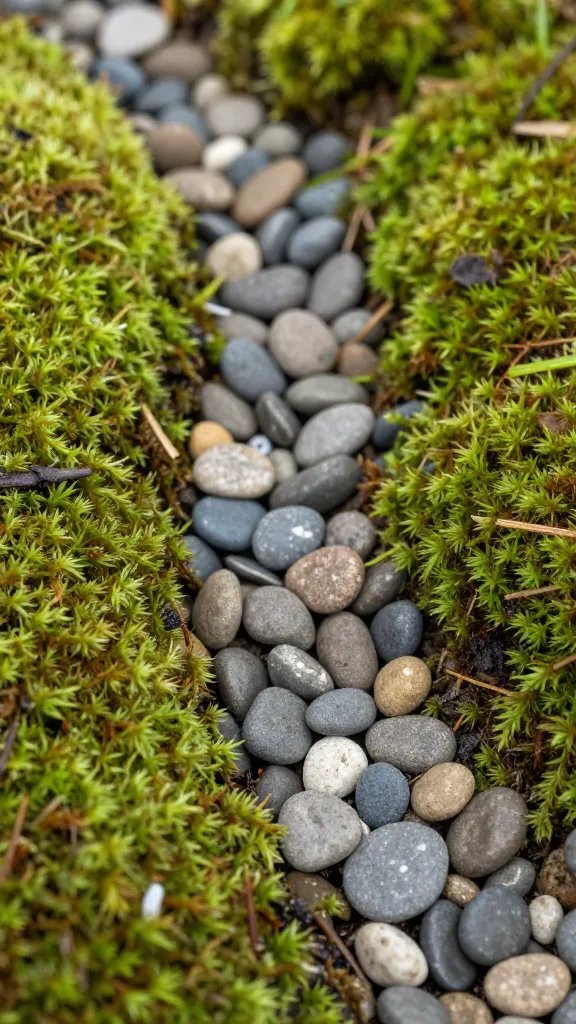
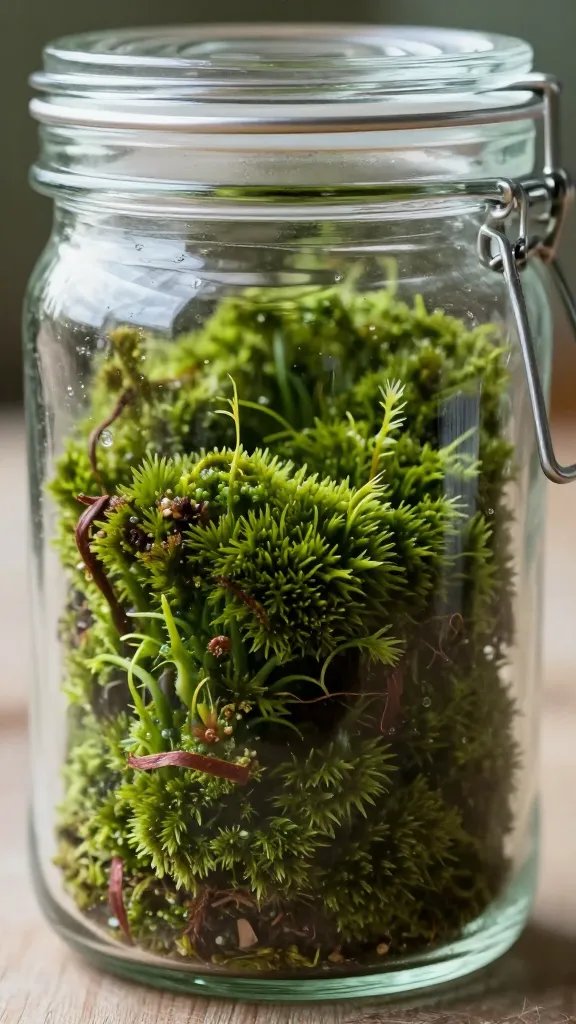
Best mosses: Sheet moss, cushion moss, and mood moss. They hold moisture without rotting and show condensation changes clearly.
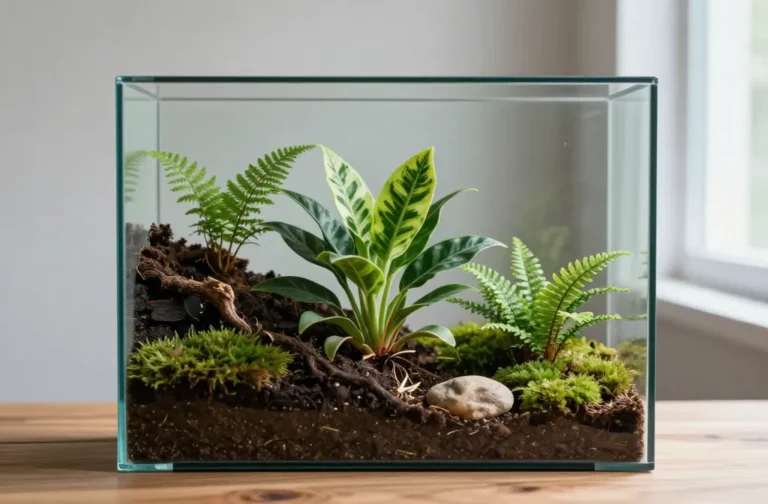
Companions that stay polite: Fittonia (nerve plant, tiny cultivar), Pilea depressa, Pepperomia prostrata, and small Selaginella. Skip fast growers that press against glass in weeks.
Planting Tips
- Rinse moss to remove soil grit that muddies the water.
- Tuck small plants so leaves don’t press hard against the glass; touching leaves condense and rot.
- Leave a 2-3 cm air gap between foliage tops and the lid.
Takeaway: Choose slow, compact plants and leave headroom so condensation can form and fall freely.
Keeping the Cycle Healthy Over Time
Trim decay fast. Dead leaves feed mold and algae that skew the cycle. I pinch them the moment I see yellowing.
Clean the glass. A cloudy film changes condensation. Wipe the inside gently with a soft cloth wrapped around chopsticks without disturbing the soil layers.
Reset, don’t fight. If you smell rot or see constant swampy fog, unseal, remove the top 1 cm of substrate, refresh with dry mix, and reseal.
Action: Do a 60-second inspection at midday once a week: check smell, glass clarity, and any standing water at the base.
Frequently Asked Questions
How much water should I add to start a closed moss terrarium?
Pre-moisten substrate so a squeezed handful clumps without dripping. After planting, mist the moss with 6-10 sprays for a 1-2 liter jar and seal. You should see light morning condensation within 24 hours. If not, add 1-2 tablespoons along the glass, not over the moss.
What does constant heavy condensation mean, and how do I fix it?
It means the system holds more water than the daily warm-cool swing can clear. Open the lid for 1-2 hours at midday and repeat for a couple of days. Move the jar out of direct sun to reduce overheating. Wick out excess with a paper towel edge if you see pooled water at the bottom.
Can I keep a closed terrarium on a south-facing windowsill?
Not directly on the sill. South-facing glass heats quickly and drives runaway condensation, algae, and plant stress. Place the terrarium 1-2 feet back or behind a sheer curtain so it gets bright, indirect light. Watch for a morning mist that clears by midday as your confirmation.
Why is my moss turning brown even though the glass looks normal?
Brown tips often mean low airflow against the moss surface or old growth shaded by a dense canopy. Trim browned areas, thin any crowding, and rotate the jar a quarter turn weekly for even light. If the substrate feels compacted, poke two shallow air channels with a chopstick and reseal.
Do I need a drainage layer if the terrarium is sealed?
Yes. A 1-2 cm gravel or LECA layer gives excess water somewhere to sit without soaking roots and moss bases. It also evens out the return flow of condensed water. Add a thin charcoal layer above the gravel to reduce odors and discoloration.
How do I prevent mold blooms after setup?
Rinse moss before planting, remove any dead plant bits, and don’t overwater at the start. If you see white fuzz, unseal for 30-60 minutes at midday and wipe it off with a cotton swab. A tiny springtail culture from a garden centre can help clean up organics inside the system.
Conclusion
You don’t manage a closed moss terrarium by watering; you manage it by reading condensation and adjusting light and airflow for a stable loop. Set the starting moisture, give it bright indirect light, and use the glass as your gauge. Today, check your terrarium at midday and make one correction — move it out of direct sun, air it for an hour, or add a tablespoon of water — then let the cycle do the rest.