Master Guide: How to Restart a Failed Terrarium — When to Fix It and When to Discard and Begin Again
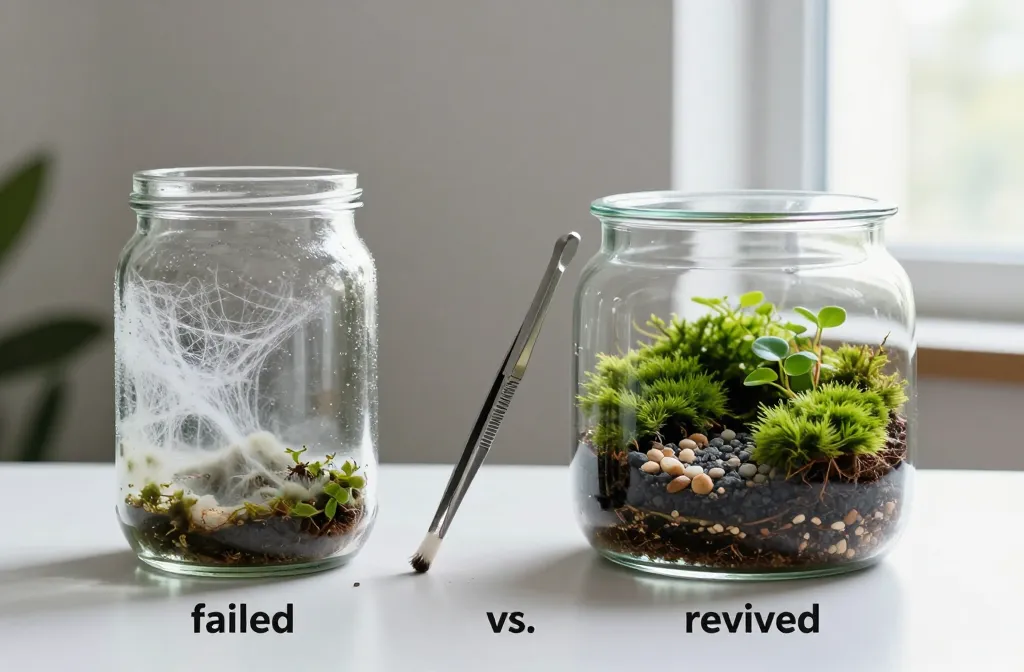
I’ve revived more cloudy jars and slumped moss bowls than I care to admit. If your terrarium smells sour, grows fuzz, or looks like a swamp, you’re not alone — most failures trace back to a few predictable issues. In this guide, I’ll show you exactly how to decide if your setup can be rescued fast, how to restart it safely, and when tossing the contents and beginning again saves you weeks of frustration. You’ll finish with a clean plan, a fresh build if needed, and a terrarium that stays clear and alive.
Diagnose the Failure: Rot, Mold, or Light Mismatch
You need a clear diagnosis before you touch anything. I sort terrarium failures into three buckets: too wet (rot), too dim or too bright (light stress), or contaminated substrate (persistent mold and algae). Each calls for a different fix — and some point straight to a full restart.
Warning Signs to Read in 60 Seconds
- Rot/Overwatered: Sour smell, mushy stems, yellowing then black leaves, standing water under the soil.
- Light stress: Pale, leggy plants reaching toward the window; or crispy brown patches on leaves facing the glass.
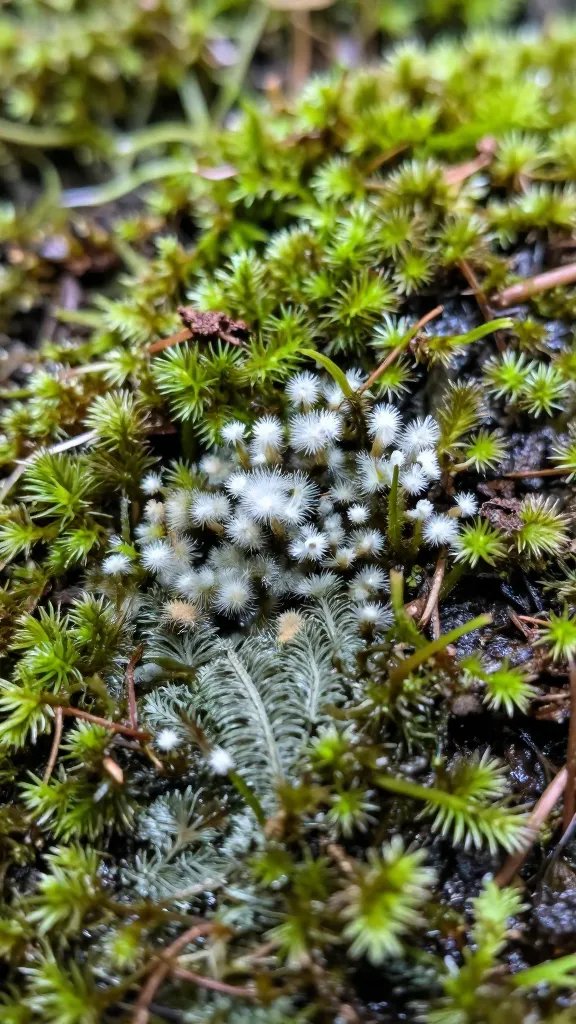
- Contamination: Webby white mold on stems, green slime on soil and glass, fungus gnats hovering when you tap the jar.
Action today: Pop the lid for two hours at midday and sniff — sour smell or dripping condensation means you’re diagnosing excess moisture first.
When to Fix In Place vs. When to Fully Restart
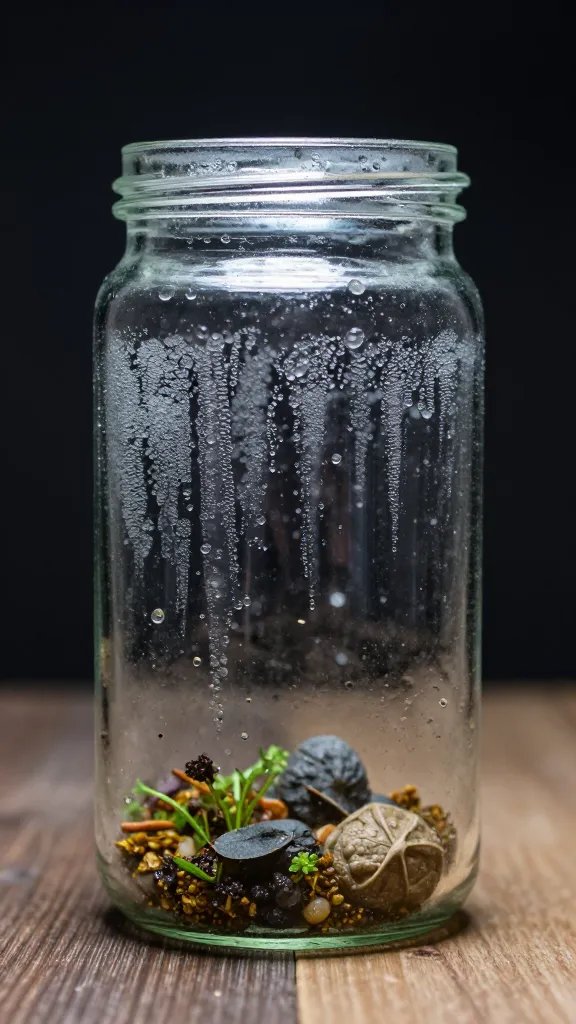
I use a simple rule: if more than a third of the plant mass is rotting or if the substrate smells swampy after airing for a day, I restart. If healthy growth still dominates and the smell clears after ventilation, I fix in place.
Quick Decision Checklist
- Fix in place if: condensation covers less than half the glass by midday after airing, roots look white/firm, and mold is spotty and removable.
- Restart if: black stems at the base, soil compacts into a sludge, waterlogged drainage layer, or mold regrows within 72 hours after cleaning.
Action today: Count healthy vs. failing plants and check the drainage layer. If water sits visibly in the pebbles and stems are black at soil level, plan a full restart.
Fix-In-Place Steps: Ventilate, Trim, Rebalance Moisture
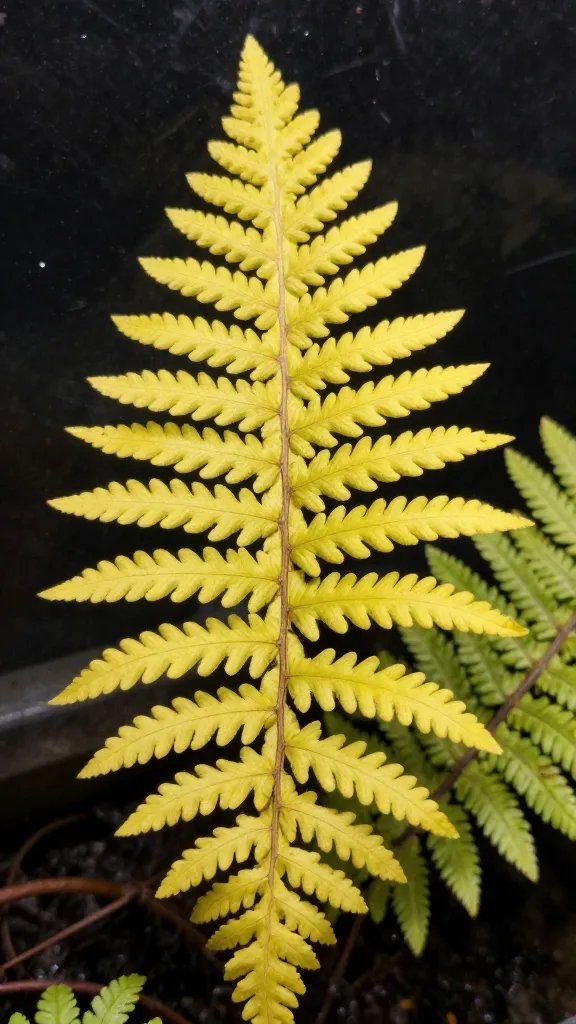
If your terrarium passes the salvage test, move fast and be precise. Your goal: stop rot, reset humidity, and give plants light they can actually use.
Step-by-Step Fix (30–40 Minutes)
- Ventilate: Remove the lid for 2–4 hours near bright indirect light. Wipe inside glass with a clean paper towel to remove condensation and algae.
- Trim: Use clean scissors to remove all black, mushy, or fuzzy growth. Cut back leggy stems to a healthy node.
- Moisture reset: Gently poke 6–8 holes into the substrate with a chopstick to improve airflow. Blot the surface with paper towels until it feels like a wrung-out sponge — not glossy wet.
- Reposition: Move to bright indirect light — next to a window with sheer curtain, not in direct sun. For low-light rooms, place a simple desk lamp with a daylight bulb 12–18 inches above for 8–10 hours.
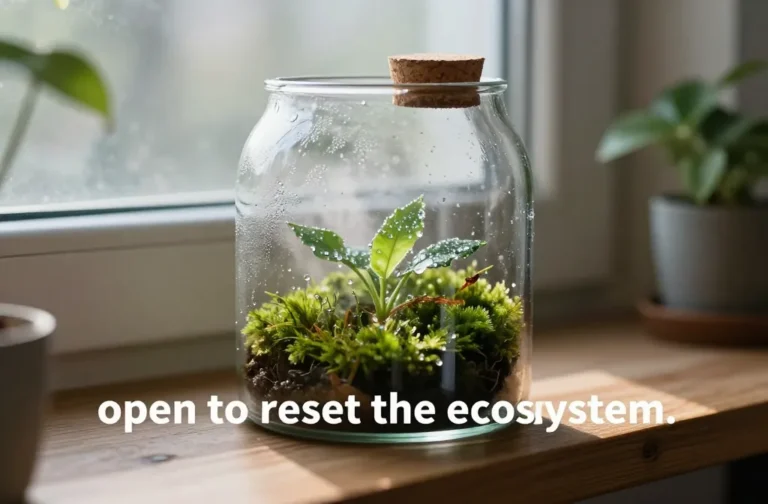
- Partial open period: Leave the lid ajar with a coin or chopstick for 24–48 hours to stabilize humidity.
Action today: Trim and ventilate now, then leave the lid propped overnight — that single change often halts a spiral into rot.
Full Restart: The Clean Rebuild That Actually Lasts
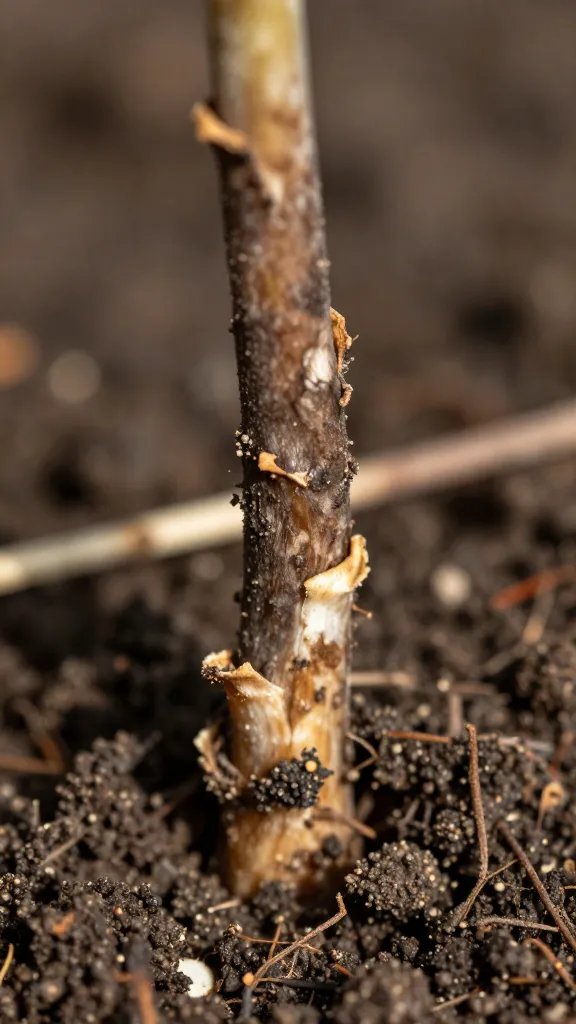
When the base is rotten, cleaning the glass and replanting on old sludge only delays failure. A proper restart means full disassembly, sanitation, and a fresh, layered substrate.
Materials from a Standard Garden Centre
- Drainage layer: Aquarium gravel or small pebbles (enough for 1–2 cm depth)
- Barrier: Garden fleece or a piece of fine mesh to stop soil sifting into gravel
- Substrate: Good quality potting mix blended 3:1 with orchid bark or perlite for airiness
- Optional biohelpers: A small bag of horticultural charcoal
- Tools: Rubbing alcohol, paper towels, long spoon or chopsticks, spray bottle
Clean Rebuild Steps (60–90 Minutes)
- Sanitize: Wash the container with hot soapy water, rinse, then wipe with rubbing alcohol and let dry fully. Clean any stones or decorations the same way.
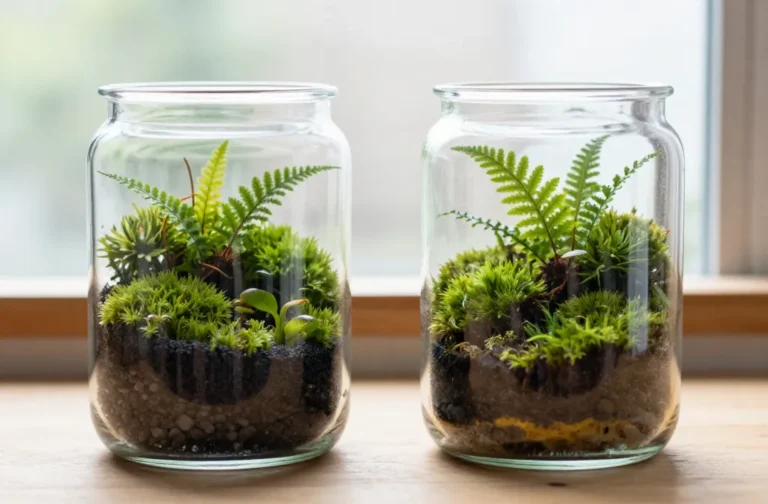
- Layer: Add 1–2 cm pebbles, then a thin layer of charcoal. Top with fleece/mesh. Add 5–8 cm of substrate that feels slightly moist — like a squeezed sponge, not wet.
- Plant smart: Space plants so leaves don’t press against the glass. Keep crowns above the soil and firm the base gently.
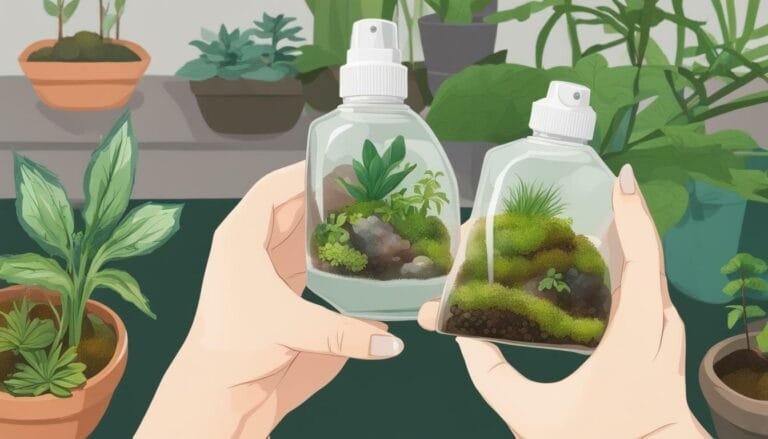
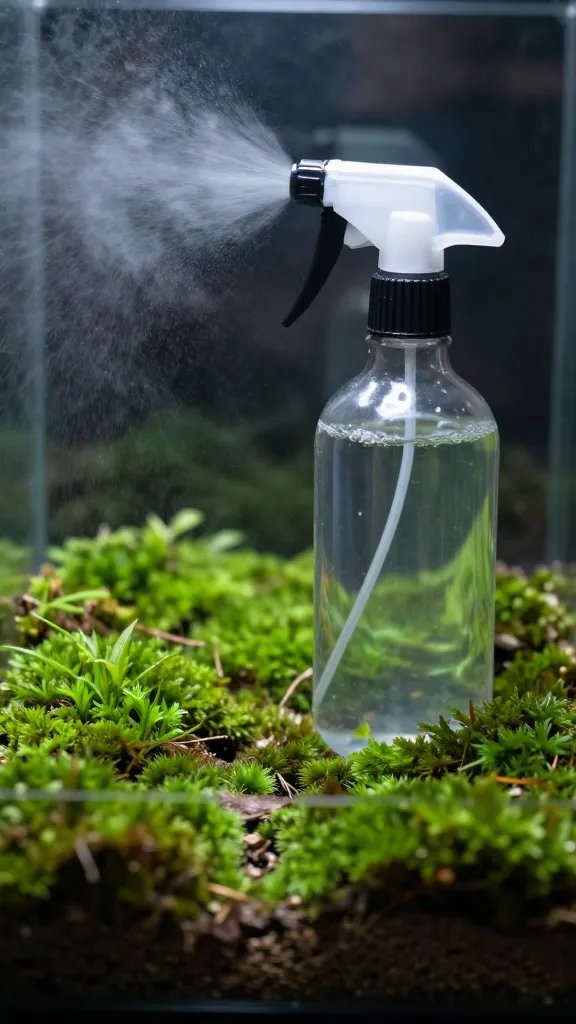
- Initial water: Mist the substrate edges 6–10 sprays total for a small jar (under 2 liters); 12–20 sprays for a larger jar. Do not pour water.
- Settle and seal: Wipe the glass, close the lid, and place in bright indirect light. Check midday condensation on day two.
Action today: If you’re restarting, sanitize the container first — a spotless vessel prevents the same mold from returning.
Choose Plants That Match Your Container and Light
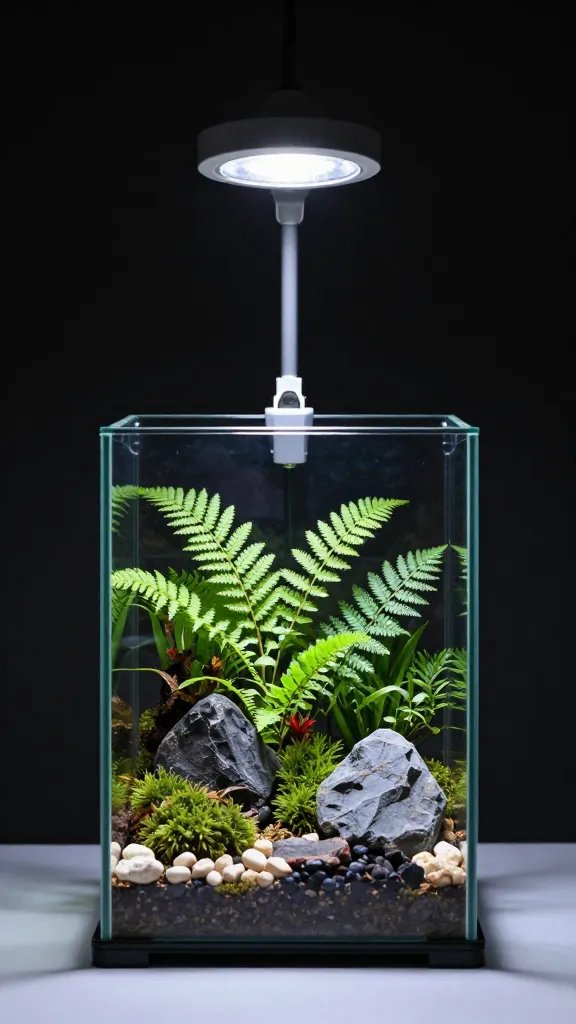
Mismatched plants cause silent failures. Closed and humid containers suit moisture lovers; drier, open vessels suit desert plants. Pick plants you can buy easily and that thrive in household light.
Reliable Choices That Survive Indoors
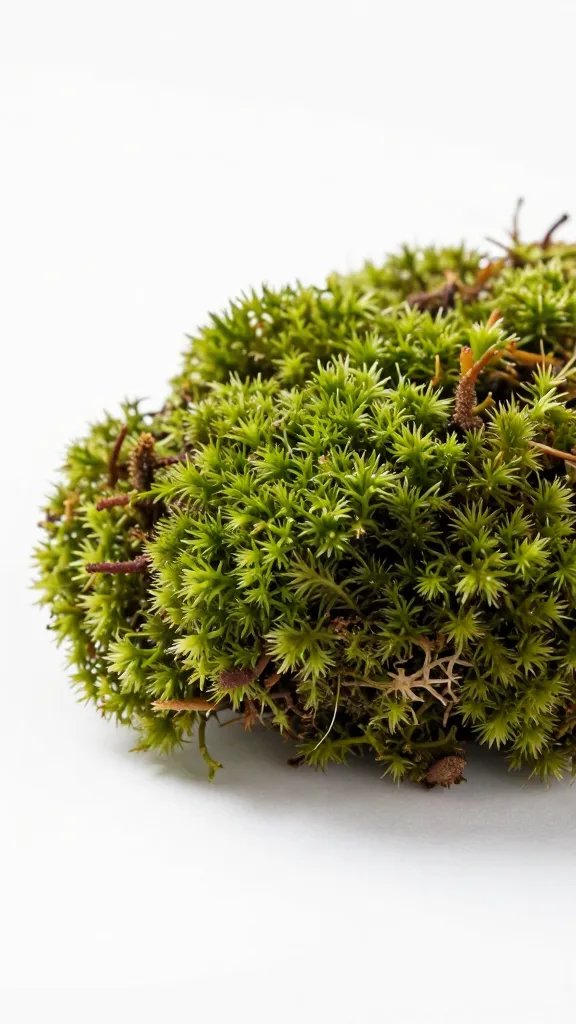
- Closed terrariums (humid): Moss (sheet or cushion types), Fittonia (nerve plant), Pilea depressa, Pepperomia (small-leaf types), Selaginella.
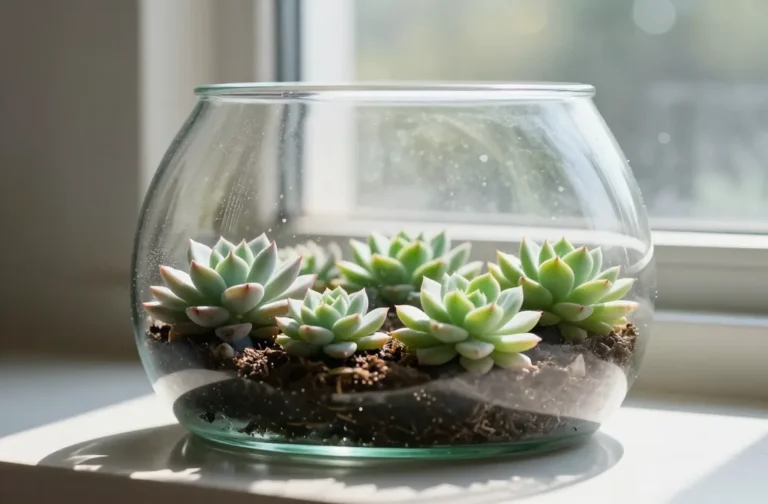
- Open terrariums (drier): Haworthia, Gasteria, small Crassula, and Echeveria pups near a very bright window.
Action today: Identify your container type (closed or open) and replace any plant that doesn’t match that humidity with one from the lists above.
Moisture and Condensation: Set Once, Then Leave It Alone
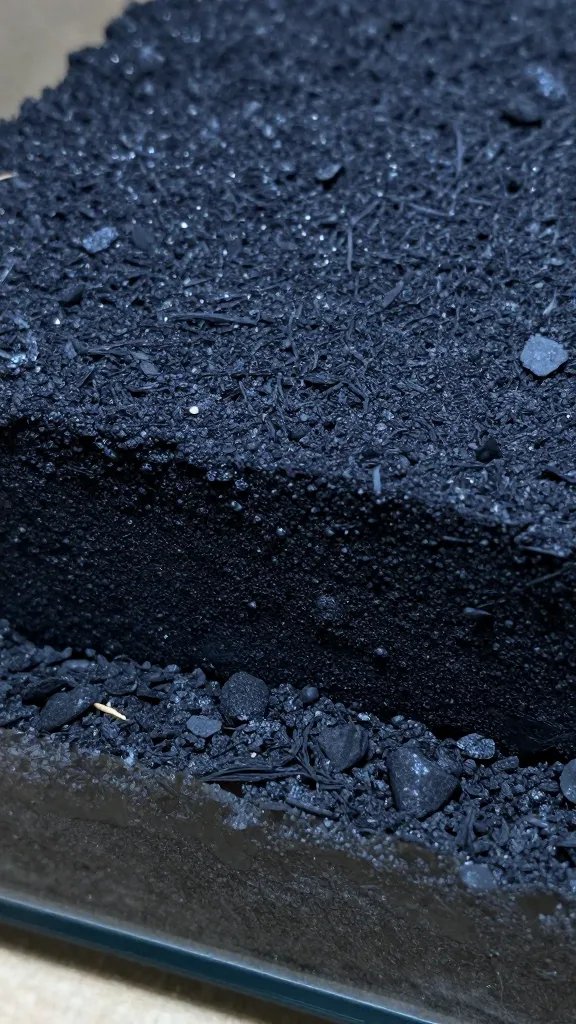
Overwatering kills more terrariums than anything else. In a closed system, the water you start with keeps cycling — you only add a tablespoon at a time when the signs tell you to.
Simple Rules Without Meters
- Healthy cycle: Light fog in the morning, clear glass by afternoon.
- Too wet: Drips running down the glass at midday. Vent for 2–4 hours with lid off, blot soil surface, then recheck tomorrow.
- Too dry: No condensation for three days and leaves look slightly limp. Mist 1–2 tablespoons total, then wait 24 hours.
Action today: Check the glass at midday — if more than half is fogged, air it for two hours and wipe the inside.
Prevent Mold and Pests Before They Start
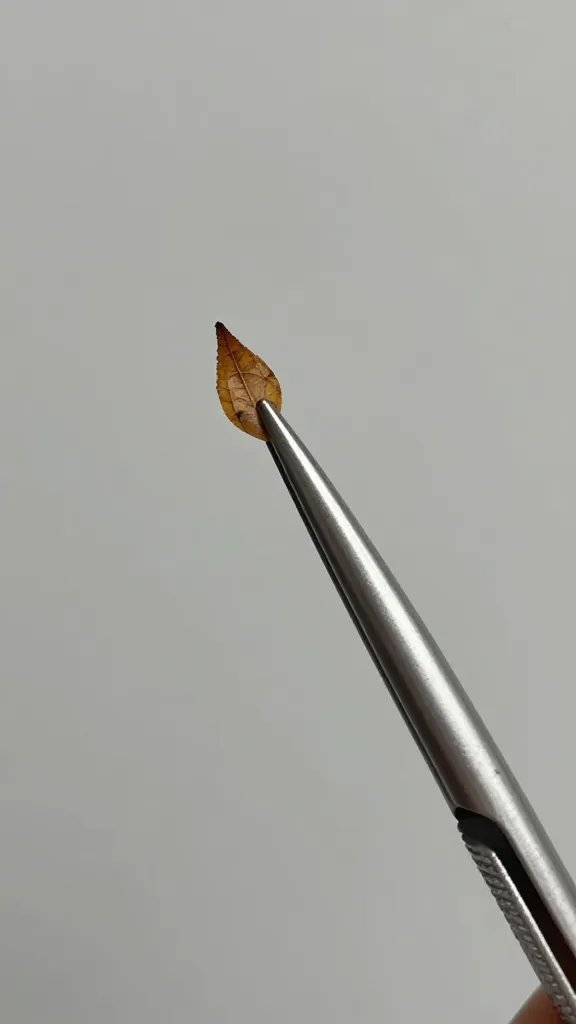
Mold loves decaying leaves and stagnant air. Keep the surface tidy, airflow modest, and humidity stable, and you starve it of opportunity.
Simple Prevention Routine
- Weekly: Remove fallen leaves with tweezers and wipe the glass.
- Monthly: Lift the lid for 30 minutes at midday to refresh air in closed builds.
- If gnats appear: Let the terrarium air for 24 hours and bury a thin slice of raw potato on the surface overnight. Discard it in the morning — it pulls larvae to one spot.
Action today: Do a 5-minute clean — fish out any fallen leaves and wipe the lower third of the glass.
Frequently Asked Questions
How do I know if my terrarium needs water without a meter?
Look for condensation patterns. A healthy closed terrarium shows light fog in the morning that clears by afternoon. If three consecutive days pass with no fog and leaves feel slightly limp, mist 1–2 tablespoons of water around the edges, not directly on leaves.
My terrarium smells bad — can I save it?
A sour or swampy smell means rot. Ventilate with the lid off for 2–4 hours and blot the soil surface; if the smell remains the next day or stems are black at the base, do a full restart. Clean the container with hot soapy water, then wipe with rubbing alcohol before rebuilding.
Can I mix succulents with moss in one terrarium?
No. Succulents want dry, airy conditions and bright direct light, while moss prefers steady humidity and softer light. Mixing them forces a compromise that one side loses in a month. Keep a separate open, sunny bowl for succulents and a closed, humid jar for moss.
What light do terrariums actually need by a window?
Place them near a bright window where you can comfortably read without turning on lights during the day. East or north windows are safest; south or west windows need a sheer curtain to prevent leaf scorch. If the space is dim, use a desk lamp with a daylight bulb 12–18 inches above for 8–10 hours daily.
Why does mold keep coming back after I wipe it?
Persistent mold signals excess moisture and decaying material in the substrate. Remove all fallen leaves, improve airflow by propping the lid for 24–48 hours, and reduce overall moisture by blotting the surface. If growth returns within 72 hours, rebuild with fresh, airy substrate and sanitize the container.
How much substrate depth should I use?
For small humidity-loving plants, aim for 5–8 cm of substrate above a 1–2 cm drainage layer. Too shallow leads to roots hitting glass and staying soggy; too deep in tiny jars becomes anaerobic. Keep crowns above the soil line and avoid burying stems.
Conclusion
You don’t need special meters or equipment to turn around a failing terrarium — just a clear diagnosis, decisive trimming or a clean restart, and steady light. If your jar still smells off tomorrow, commit to the rebuild and enjoy a fresh, stable start. Ready for the next step? Choose plants from the matching lists above and set your moisture using the condensation check at midday this week. You’ll see the difference in two days and you’ll keep it for months.