Viral Guide: 7 Things to Check Before Buying a Succulent for a Terrarium — Size, Root Depth, Light Class
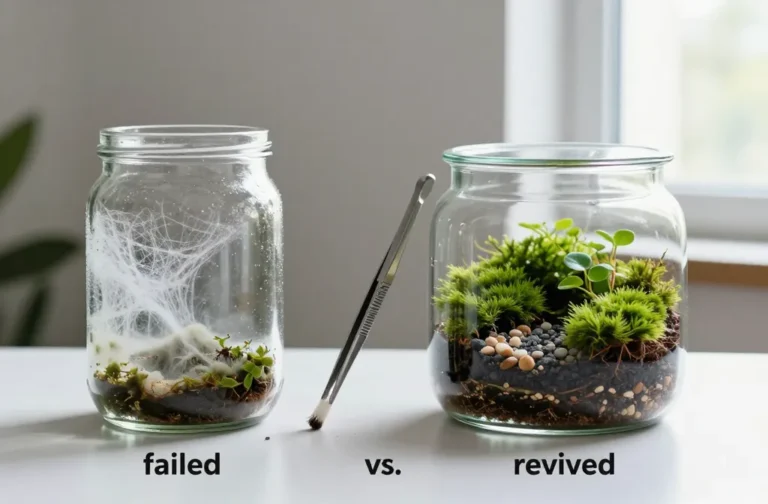
I once packed a glass bowl with adorable succulents that looked “perfect” on the shelf. Two months later, stretched stems, rotting bases, and a fogged-up lid told me I’d bought the wrong plants for the job. If you’ve been there, this guide saves you the do-over. You’ll learn the seven checks I now do in the store so the succulents I bring home actually thrive in a terrarium and not just for a week.
1. Plant Size vs. Container Scale: Crowding Triggers Rot and Stretch
Buy a plant that’s even slightly too big and you’ll crush airflow, trap humidity against leaves, and invite rot. A cramped plant also stretches toward light, topples, and snaps at the base. In a glass container, space is your only safety margin.
How to Size It Right in the Store
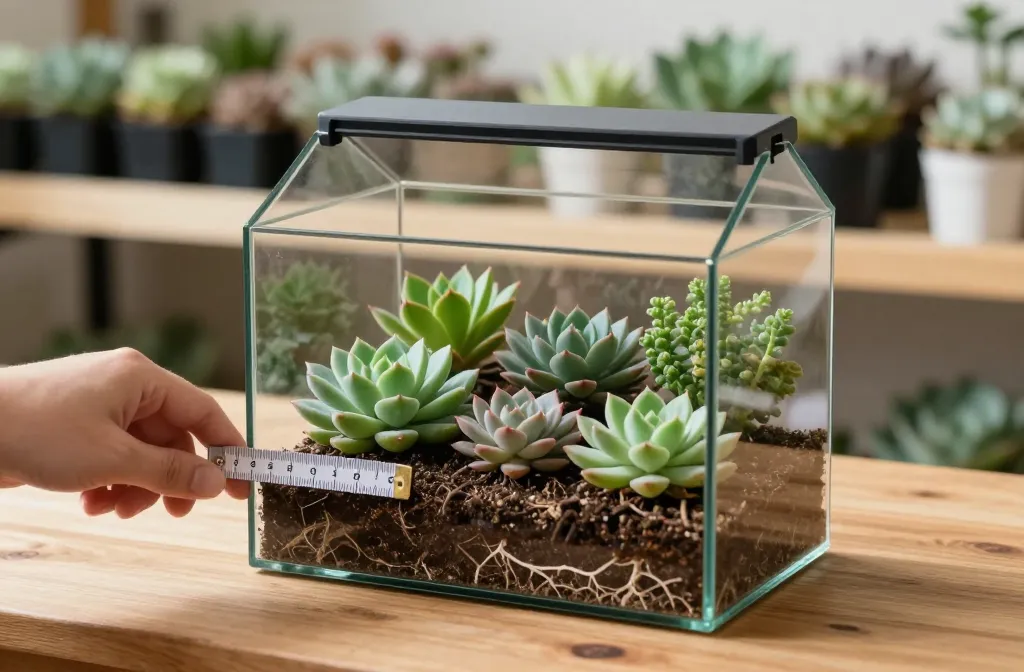
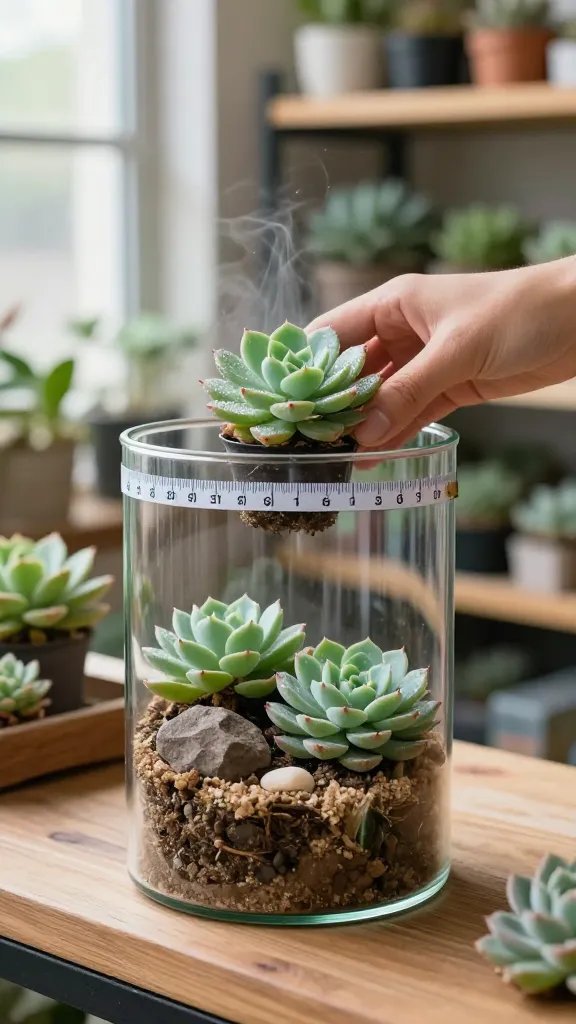
- Measure the widest inside diameter of your terrarium at home. Bring a small tape or note the width of your hand span for reference.
- Pick succulents that fill no more than one-third of that width when mature, not just now in the pot.
- Leave at least a finger-width (1–2 cm) gap between leaf edges and the glass to reduce trapped moisture.
Ask the garden centre label or staff for mature spread. If it isn’t listed, assume rosette succulents like Echeveria and Sempervivum will double their pot width in a year with good light.
Action today: Before shopping, write your container’s inside width on a sticky note and commit to plants that occupy one-third of that space at maturity.
2. Root Depth vs. Substrate Height: Shallow Roots Win in Glass
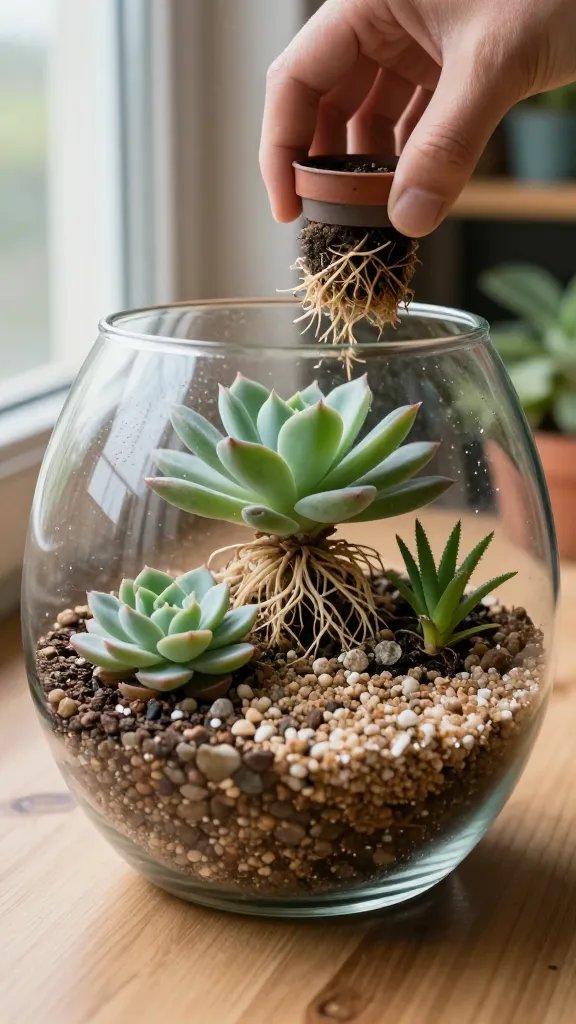
Succulents with deep taproots suffocate in the shallow soil layers typical of terrariums. Roots that press against glass and sit in damp zones rot fast. You want compact, fibrous root systems that can live happily in 4–6 cm of gritty mix.
Signs to Watch For at the Store
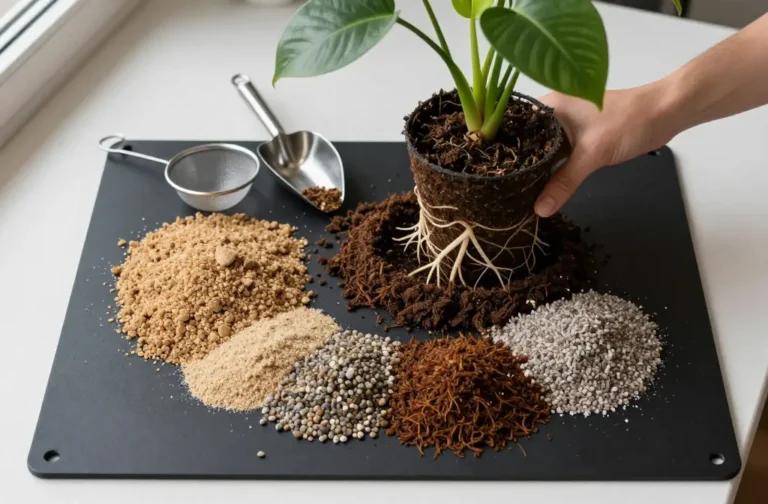
- Lift the plant gently from its nursery pot. Look for a shallow, fibrous mat rather than one thick central root.
- Choose species known for shallow roots: Haworthiopsis (Haworthia), Gasteria, small Echeveria, Graptopetalum, Crassula mini cultivars (e.g., ‘Baby’s Necklace’).
- Avoid deep-rooted or fast-woody types for small containers: large Aloe, tree-form Crassula ovata (jade), and tall Euphorbia.
What to Use Instead
- Plan for a substrate depth of 4–6 cm in a shallow bowl or 6–8 cm in a taller cylinder.
- Use a good quality cactus/succulent potting mix from the garden centre and blend in a few handfuls of coarse grit or small aquarium gravel for extra drainage.
Takeaway: Only choose succulents with fibrous, shallow roots that fit your planned soil depth with 1–2 cm to spare below the root tips.
3. Light Class Match: Full Sun Plants Fail Behind Glass Indoors
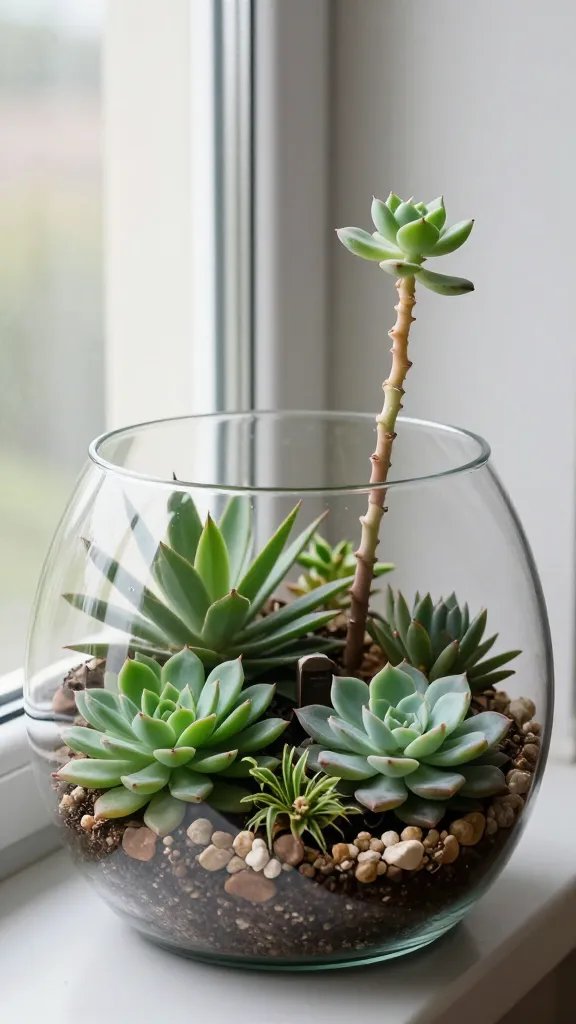
Many succulents need strong, direct sun. Behind indoor glass, especially on north or east windows, full-sun species stretch, lose color, and collapse at the neck. In a closed or semi-closed terrarium, increased humidity further stresses sun-loving types.
Choose the Right Light Class for Your Window
- Bright Indirect Light Near a Window (no hot midday sun): Pick Haworthiopsis, Gasteria, Sansevieria ‘Hahnii’ dwarfs, Peperomia graveolens (semi-succulent), and small Crassula cultivars.
- Direct Morning Sun 1–3 Hours: Add compact Echeveria, Graptoveria, and Sedum minis.
- Low Light Rooms: Skip true succulents for terrariums and consider non-succulent terrarium plants; succulents will stretch and fail.
Signs the Light Class Doesn’t Match
- Stems elongate within 2–3 weeks; leaves space out and pale.
- Rosettes “cup” upward and lean toward glass.
- Color fades from red/blue tones to dull green.
Action today: Stand where your terrarium will live at 12–2 pm and check if the spot gets direct sun on your hand. If not, shop for shade-tolerant succulents like Haworthiopsis and Gasteria.
4. Moisture Tolerance in Closed vs. Open Terrariums: Pick for the Vessel
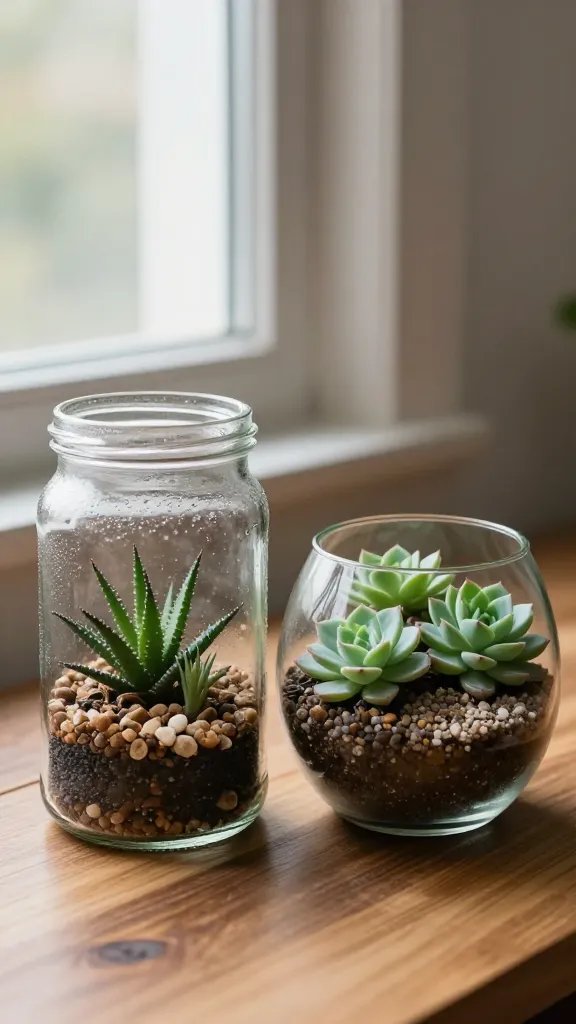
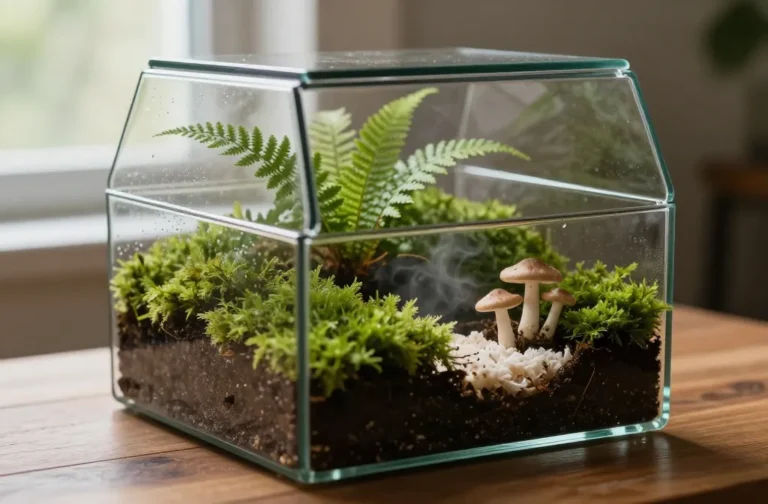
Closed or tight-lidded terrariums trap humidity, which most succulents hate. Leaves stay damp, gas exchange drops, and fungal spots spread. If you use a closed vessel, you must select the few succulent types that shrug off higher humidity or, better, switch to an open-top design.
Match Plant Type to Terrarium Type
- Closed/Semi-Closed (humid): Only use tough, humidity-tolerant species like Haworthiopsis and Gasteria, and even then, keep it airy and sparse.
- Open-Top (recommended for succulents): Most compact Echeveria, Graptopetalum, Graptoveria, and small Sedum do well with room air circulation.
Simple Venting Habits
- If you see heavy condensation for more than half the day, remove or offset the lid for 2–3 hours.
- Position the terrarium so a gentle room draft can skim the opening without blasting the plants.
Takeaway: If your terrarium will be closed, limit yourself to humidity-tolerant succulents or, better yet, pick an open vessel before you buy any plants.
5. Nursery Health Check: Pests and Rot Ride Home in the Pot
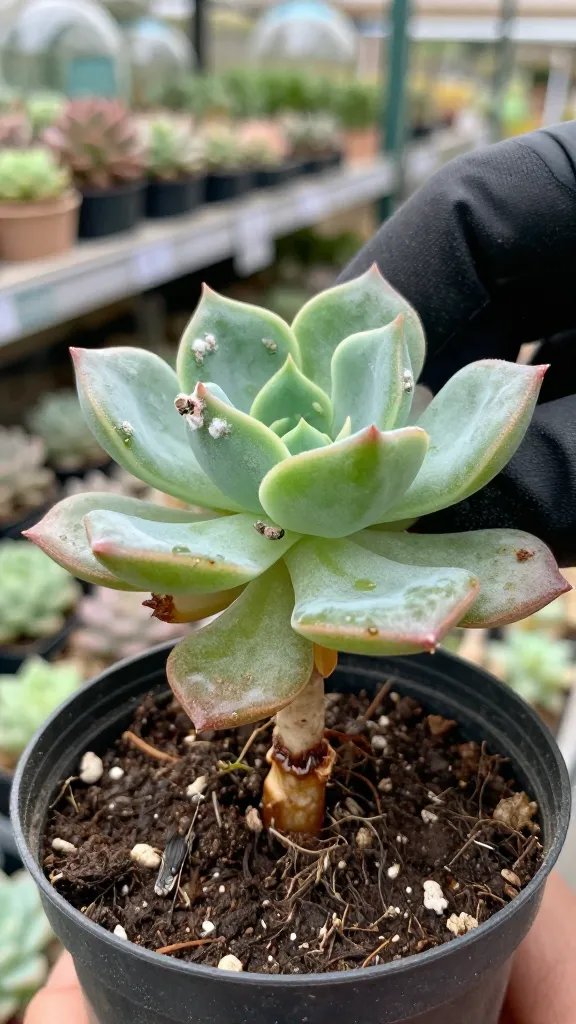
One mealybug or hidden rot spot multiplies fast in a glass container. A single infested plant spreads to every crevice you cannot easily clean. Starting with spotless stock saves you months of frustration.
What to Inspect in the Aisle
- Leaf bases and between tight rosette leaves for white fluff (mealybugs) or sticky residue.
- Soil surface for fungus gnats; tap the pot and watch for tiny flies.
- Stem base for softness or brown rings; refuse anything that smells sour.
- Undersides for scale bumps; use your fingernail to see if a “bump” flicks off.
Quick Quarantine at Home
- Keep new purchases 10–14 days away from existing terrariums.
- Wipe leaves with a cotton swab dipped in isopropyl alcohol (from the pharmacy) to spot-treat any unseen mealybugs.
Action today: Bring a small flashlight to the store and inspect leaf bases closely; skip any plant with white fluff or sticky residue.
6. Growth Rate and Habit: Fast Spreaders Smother Small Landscapes
Some succulents double fast and sprawl, swallowing your layout. In a constrained glass scene, runners and prolific offsets press against glass and stay wet, leading to rot and constant trimming. You want compact, slow, and clumping habits that hold a shape.
Choose Compact, Slow, and Clumping
- Look for “dwarf,” “mini,” or cultivar names known for compact growth: Echeveria ‘Lola’, ‘Minima’, Crassula ‘Buddha’s Temple’, Haworthiopsis attenuata types.
- Avoid vigorous trailers and spreaders for tiny vessels: many String of … types (Senecio/Curio), large Aloe, and lanky Kalanchoe.
Practical Label Clues
- If the label says “fast-growing” or “great groundcover,” it will overrun a small terrarium.
- Ask for maximum height and spread within a year in indoor light; select those staying under 8–10 cm tall.
Takeaway: Put back anything labeled fast-growing or trailing; pick compact cultivars that stay under 10 cm indoors.
7. Potting Mix Compatibility and Drainage Layers: Wrong Media Suffocates Roots
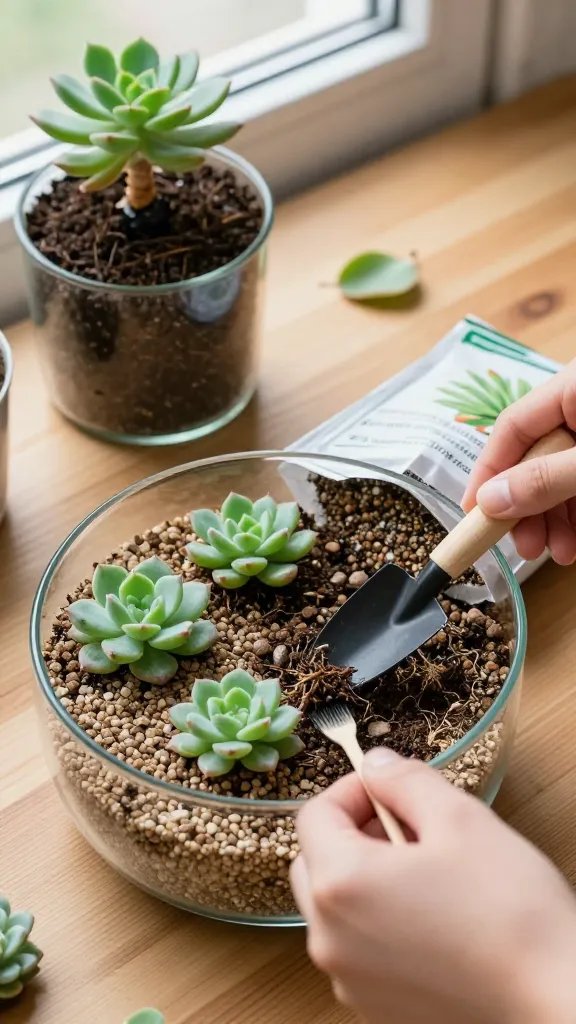
Succulents sitting in standard houseplant mix inside a terrarium stay too wet. Constant moisture cuts oxygen to roots, causing blackened bases and leaf drop. You need a gritty, fast-draining mix and a smart way to keep excess moisture away from roots.
Simple, Store-Bought Materials That Work
- Soil: A bagged cactus/succulent mix from the garden centre.
- Grit: Add a few handfuls of coarse horticultural grit or small aquarium gravel to every bowl of mix for better drainage.
- Base Layer (optional in open terrariums): A thin layer (1–2 cm) of pea gravel to keep soil from sitting in any puddles.
- Charcoal: A light sprinkle of horticultural charcoal above the gravel to reduce smells in semi-closed vessels.
Watering Reality Check
- In open succulent terrariums, water sparingly: about 1–2 tablespoons per small plant every 3–4 weeks, letting the mix dry fully between.
- Always water at the soil level, not on leaves, to prevent spots and hidden rot.
Action today: If your terrarium will use standard potting soil, buy a bag of cactus mix and a small bag of grit and blend before planting—don’t compromise on drainage.
Frequently Asked Questions
Can I keep succulents in a closed terrarium with a lid?
Only a few tolerate the humidity. Haworthiopsis and Gasteria handle it better than most, but even they prefer airflow. If you love the look of a lid, prop it open daily for a few hours and use a very gritty soil. If you want easy success, go open-top for succulents.
How do I know if a succulent will stay small enough?
Check the label for mature size and growth habit, and ask staff for the one-year indoor size. Prioritize cultivars described as “dwarf,” “mini,” or “compact.” Avoid anything tagged “fast” or “spreading.” When in doubt, choose Haworthiopsis, small Echeveria, or mini Crassula cultivars.
What’s the easiest light setup for succulent terrariums in apartments?
Place the terrarium near a bright window with several hours of strong indirect light. A south or west window with a sheer curtain works well; east windows are fine for compact rosettes. Rotate the terrarium a quarter-turn weekly to keep growth even. If the spot is dim, switch to shade-tolerant succulents or use an inexpensive clip-on grow light.
Do I need a drainage hole in the terrarium container?
Most terrariums don’t have holes, so you must control water carefully and use a gritty mix. Add a thin base layer of pea gravel and a sprinkle of charcoal, then water in tablespoons, not cups. If you tend to overwater, choose a container with a drainage hole or commit to very minimal watering.
How often should I water an open succulent terrarium?
In typical indoor conditions, every 3–4 weeks is enough for small plants in gritty mix. Check by touching the soil down the side of the glass with a dry chopstick—if it comes out clean and dry, you can water. Add a tablespoon or two per small plant at the soil line and let excess evaporate.
What if my succulents are already stretching in the terrarium?
Move the terrarium closer to a brighter window and rotate it weekly. Gently behead stretched rosettes, let the cut end dry for 2–3 days, then replant the rosette in gritty mix; new roots form in a few weeks. Leave the old stem in place—many will push new pups you can reuse.
Conclusion
When you match plant size, root depth, and light class to your actual container and window, succulent terrariums stop being fussy and start being reliable. Take your container measurements to the garden centre and choose compact, shallow-rooted, humidity-appropriate plants—your mini-desert will look good for months, not days.