Sphagnum Moss Vs Peat Moss for a Carnivorous Plant Terrarium — Ph, Water Retention and Root Health Showdown
I ruined my first Venus flytrap by packing it into a heavy peat mix that stayed wet for weeks and turned sour. When I switched to fresh long-fiber sphagnum, the roots finally breathed and the plant recovered fast. If you’ve stood in a garden centre debating bags of moss, this guide saves you the guesswork. You’ll learn exactly when to use sphagnum vs peat for a carnivorous plant terrarium — and how pH, water retention, and root health translate into daily care that actually works.
What’s the Real Difference Between Sphagnum Moss and Peat Moss?
Capsule: Sphagnum is the living, springy top growth; peat is the decomposed, compact lower layer. Both are nutrient-poor — perfect for carnivorous plants — but sphagnum gives air while peat gives stability.
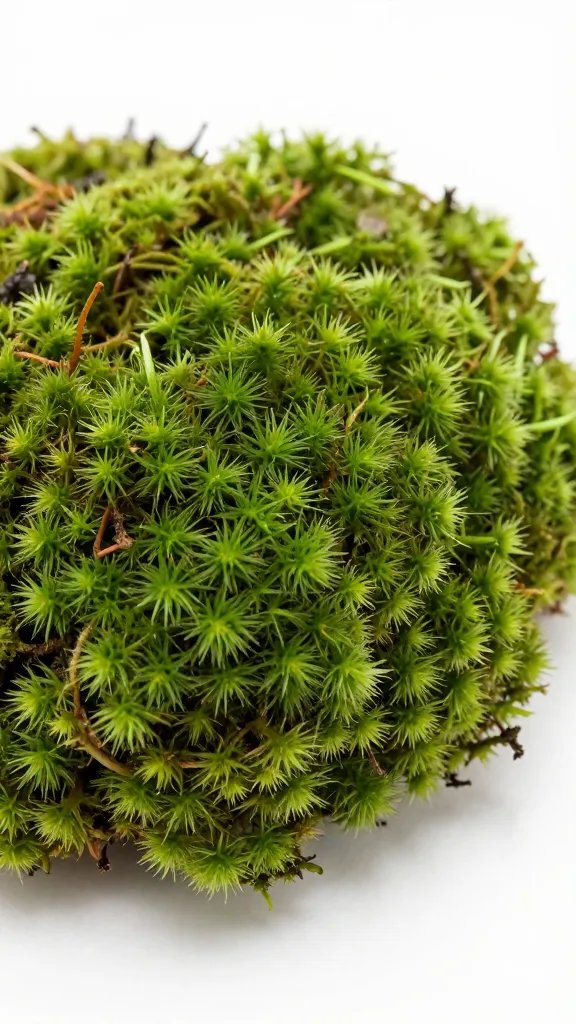
Long-fiber sphagnum is the springy, tan-green top growth harvested from living bog moss. It’s fluffy, clean, and drains well while holding plenty of moisture around roots. According to the U.S. Sphagnum Peatland Association, sphagnum moss grows continuously at the top while the lower layers slowly decompose into what we call peat — a process that takes years in natural bogs.
Peat moss is the partially decomposed, dark brown lower layers of the same plant after years in a bog. It’s fine-textured, compacting, and very water-retentive once hydrated.
Both are nutrient-poor, which is perfect for Dionaea (Venus flytrap), Sarracenia, Drosera, and many Pinguicula. The difference is structure: sphagnum gives air; peat gives stability and long-term moisture. As the International Carnivorous Plant Society notes, replicating these nutrient-poor, acidic bog conditions is the single most important factor in keeping carnivorous plants alive long-term.
Action today: Squeeze a dry handful of each at the store. Choose sphagnum if it feels springy and fibrous; choose peat if it feels fine and uniform with no sticks or compost mixed in.
How Acidic Are Sphagnum and Peat — and Why Does pH Matter?
Capsule: Both start acidic, but peat can turn more acidic over time in a closed terrarium as it compacts. Watch for stalled growth and trap-tip burn — that’s your cue to flush the substrate with pure water.
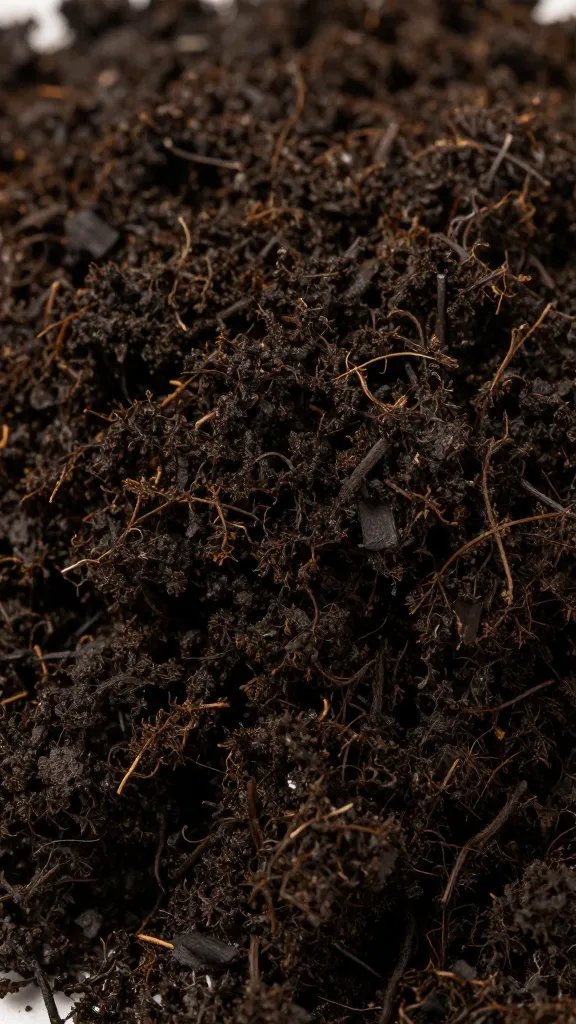
Healthy carnivorous plants expect acidic, mineral-free conditions. Fresh long-fiber sphagnum naturally sits around mildly acidic. It resists going sour if you keep minerals out.
Peat moss also starts acidic, but in a closed terrarium it can turn more acidic over time as it compacts and decomposes. That shift stresses roots, especially for flytraps and many sundews, which show burn at the tips and stalled growth.
You don’t need a pH meter. Watch the plants. If new traps stay small and red without thickening, or dew vanishes on sundews despite good light, the substrate is often too acidic or mineral-loaded.
Action today: If your plants look stressed, flush the substrate with two tall glasses of rainwater or distilled water, then let it drain fully. That simple rinse often reverses pH and mineral issues.
Which Substrate Holds Water Without Drowning Carnivorous Plant Roots?
Capsule: Sphagnum holds water like a sponge but keeps air pockets, preventing rot in tight terrarium spaces. Peat holds even more water once soaked, but compacts and stays saturated — risky in sealed glass without added perlite.
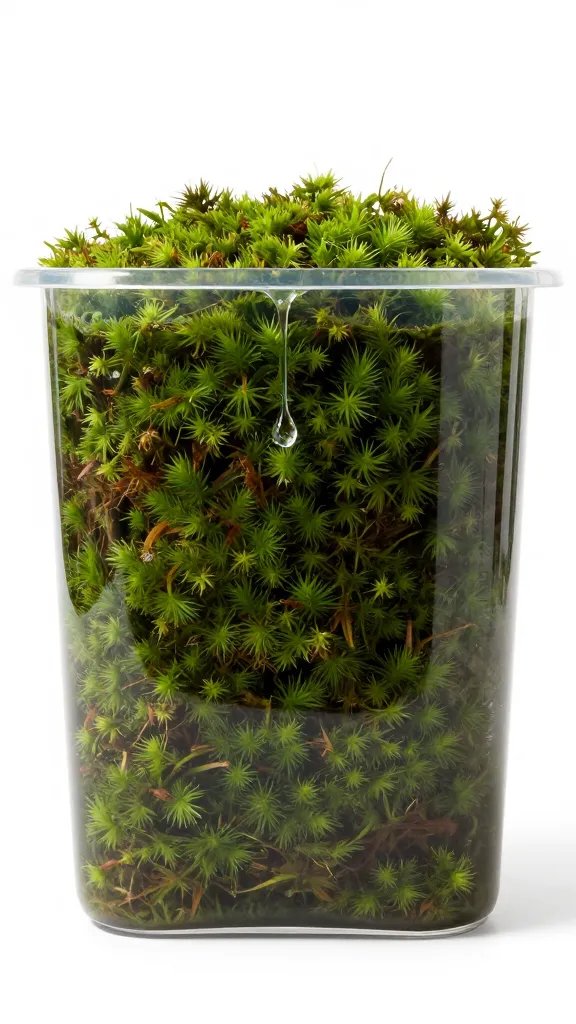
Sphagnum holds water like a sponge but keeps air pockets. I can water thoroughly and still see spring-back in the fibers. That airflow prevents rot in tight terrarium spaces. The University of Minnesota Extension guide on container soil mixes confirms that airy substrates like sphagnum reduce the risk of anaerobic conditions in enclosed containers.
Peat holds even more water once fully soaked, but it compacts and stays saturated longer. In a sealed glass container, that often means “perma-wet,” which starves roots of oxygen unless you add chunky structure.
If you prefer peat for cost or availability, blend it. A 1:1 mix of peat and perlite (by loose handfuls) feels light, crumbles easily, and doesn’t smear on your fingers. That texture signals enough air for roots.
| Factor | Long-Fiber Sphagnum | Peat Moss (Pure) | Peat:Perlite 1:1 |
|---|---|---|---|
| pH | Mildly acidic, stable | Acidic, drifts lower over time | Acidic, more stable |
| Water retention | High, with air pockets | Very high, compacts | Moderate, free-draining |
| Airflow to roots | Excellent | Poor once compacted | Good |
| Root health in terrariums | White, firm, fast regrowth | Brown tips if sealed too long | Healthy if vented |
| Best container type | Sealed or semi-sealed | Open pots with drainage | Vented containers |
| Repot frequency | 12–18 months | 9–12 months | 12 months |
Action today: Pick up your terrarium. If it feels heavy for more than three days after watering and the surface looks smeared or shiny, fluff the top inch with chopsticks and prop the lid open for 24 hours.
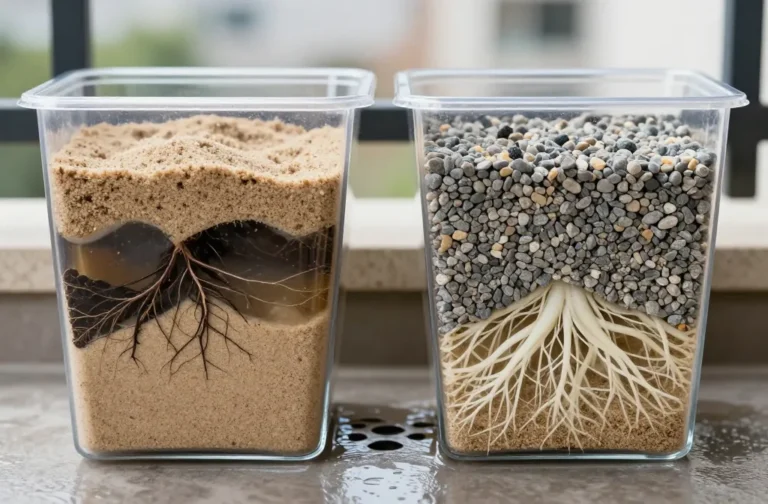
What Does Each Substrate Do to Root Health Below the Surface?
Capsule: In sphagnum, roots run white and firm with no smell. In compacted peat, roots develop brown tips and a boggy odour — that’s anaerobic conditions suffocating them before you notice above ground.
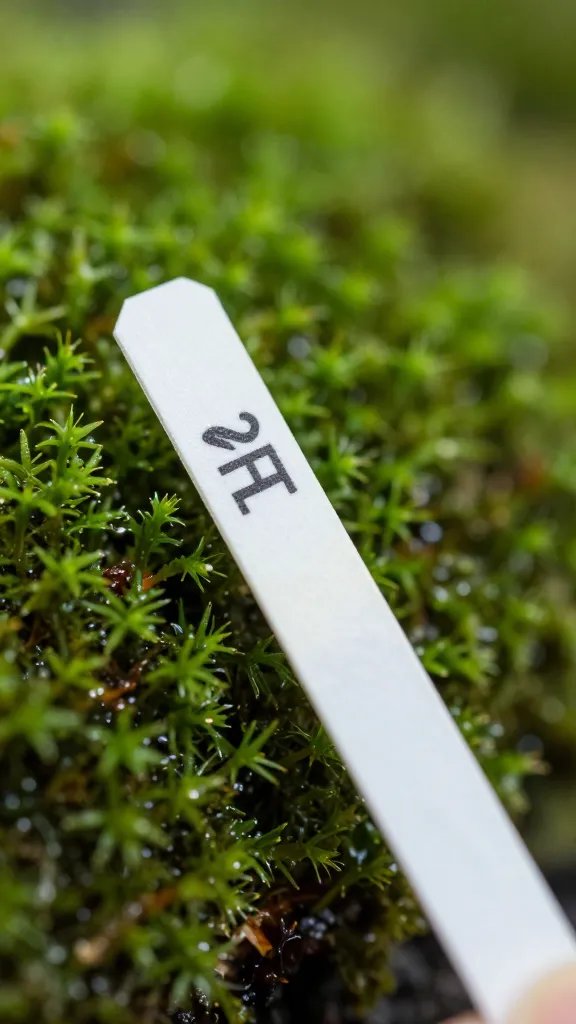
In sphagnum, roots run white and firm, and new roots appear quickly after division. The fibers cradle them, so you can lift a plant and see clean strands with no smell.
In peat, roots grow fine when fresh and airy, but as compaction sets in, I see brown root tips and that “boggy” smell when I disturb the pot. That’s anaerobic — roots suffocate before you notice aboveground. Clemson Extension’s guide on common container planting problems lists root suffocation from waterlogged, compacted media as one of the top causes of plant decline in enclosed containers.
For terrariums with little airflow, sphagnum buys you more time before rot appears. For larger pots or trays with drainage and room air, a peat-based mix can thrive for a full season.
Action today: Gently tug a plant; if it slides out with mushy, brown roots or a sour smell, repot into fresh long-fiber sphagnum packed loosely — pencil-thick firmness, not concrete.
Which Carnivorous Plants Prefer Sphagnum vs Peat?
Capsule: Venus flytraps and most sundews thrive in airy sphagnum; pitcher plants prefer a peat-perlite blend in open pots; butterworts want drier, airier mixes with added perlite. Match the substrate to the species.
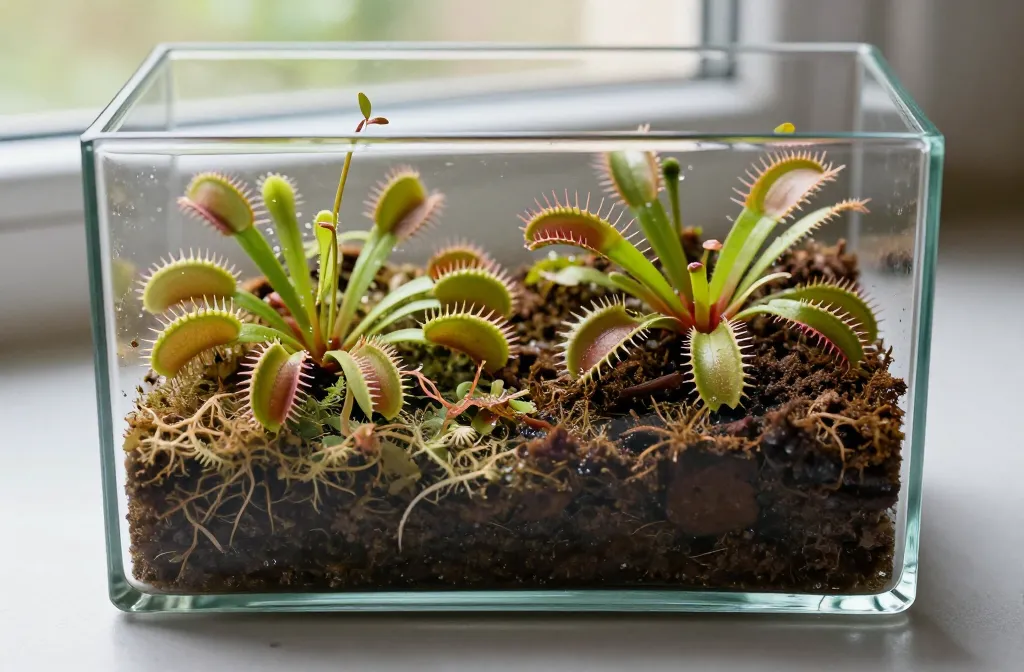
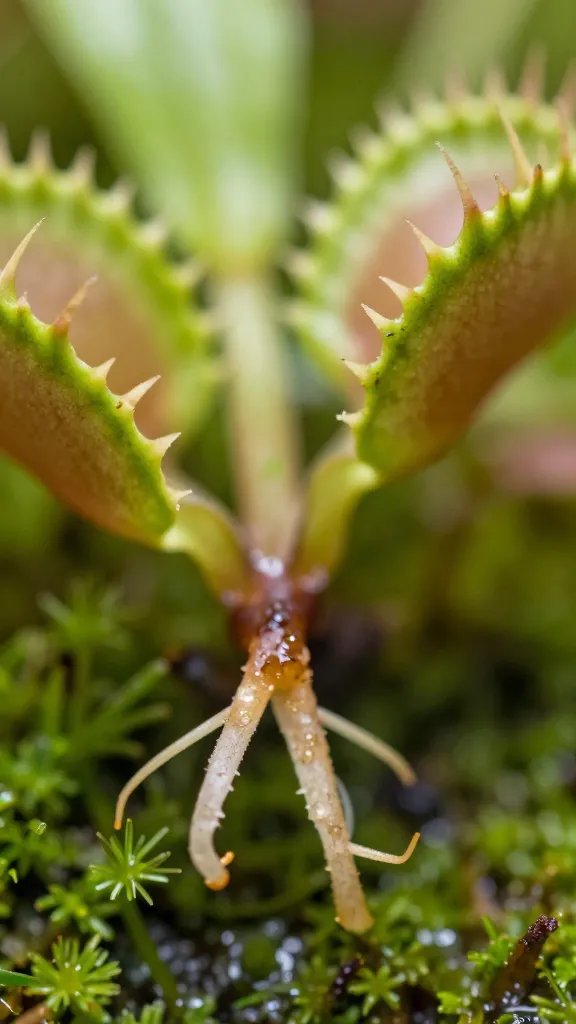
Venus flytrap (Dionaea muscipula): Performs best in airy media. I use pure long-fiber sphagnum in terrariums, or peat:perlite 1:1 in pots with drainage.
Temperate sundews (Drosera capensis, D. spatulata): Tolerant either way, but dew production stays strongest for me in sphagnum or a very light peat blend.
North American pitchers (Sarracenia): Prefer bigger containers. In terrariums they stretch, so I keep them in peat:perlite 2:1 in tall pots with a tray of rainwater, not sealed glass.
Butterworts (Pinguicula): Many Mexican types prefer drier, airier mixes; avoid heavy peat. Use sphagnum with added perlite, or even a mineral mix outside this article’s scope.
For a deeper look at building the right enclosure for each species, check out our carnivorous plant terrarium guide for species-specific setup details.
Action today: If you own a Venus flytrap in dense peat inside a sealed jar, move it to loose long-fiber sphagnum and leave the lid slightly ajar for airflow.
How Do You Set Up a Carnivorous Plant Terrarium With the Right Substrate?
Capsule: Build from the bottom up: soak and squeeze sphagnum for sealed jars, or blend peat and perlite for vented containers. The right recipe from day one prevents months of rescue repotting.
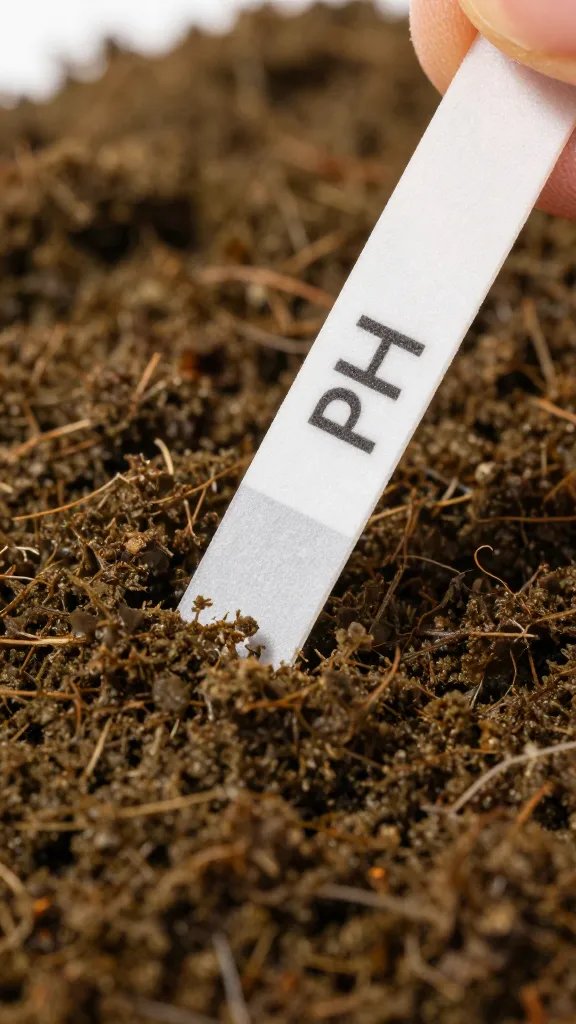
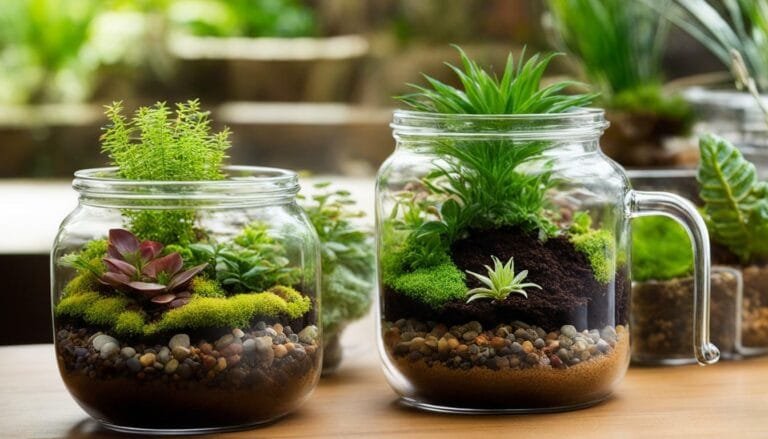
For a sealed or semi-sealed glass container, I build from the bottom up for stability and air. If you’re new to enclosed builds, our step-by-step closed terrarium guide walks through the full process from jar selection to first planting.
Step-by-Step: Sphagnum Setup (Best for Beginners)
- Soak long-fiber sphagnum in rain, distilled, or reverse-osmosis water for 15 minutes. Squeeze until damp, not dripping.
- Add a thin layer (1 cm) of coarse aquarium gravel or LECA only if you need weight for a tall jar. Do not rely on it for drainage in sealed glass.
- Pack sphagnum in loose handfuls to 6–8 cm depth. Press just enough so the plant sits upright.
- Plant gently, keeping the crown above the moss surface. Backfill with loose fibers.
- Mist once, then close the lid 80–90% — leave a small gap for the first week.
Step-by-Step: Peat Blend (For Vented Containers)
- Blend peat and perlite 1:1 by volume in a bucket using your hands. Pre-soak with pure water until evenly damp and fluffy. For a broader look at which mixes work best in different containers, see our guide to container soil types.
- Fill to 6–8 cm. Tap the container to settle; do not press hard.
- Plant and water through until a tablespoon or two drains to a saucer. Keep the lid off or only loosely fitted.
Action today: If your peat feels heavy and sticks to your fingers, add two big handfuls of perlite, remix, and reset the plant slightly higher.
How Do You Keep pH Stable and Roots Happy Long-Term?
Capsule: Use only rain, distilled, or reverse-osmosis water — tap minerals cause pH swings and salt burn. Water sparingly, repot before trouble starts, and vent when condensation covers more than half the glass.
Use only rain, distilled, or reverse-osmosis water. Tap water often adds minerals that force pH swings and salt burn. If your tap water leaves a white crust on your kettle, don’t use it here. Our terrarium watering guide breaks down the full watering schedule for every type of enclosed setup.
Water sparingly in a sealed setup. I add 1–2 tablespoons every 2–4 weeks only if midday condensation drops below one-third of the glass. In vented setups, water when the top 1 cm feels barely damp.
Repot before trouble starts. In sphagnum, refresh every 12–18 months. In peat mixes, refresh every 9–12 months because compaction creeps in sooner in small containers.
Action today: Check at midday: if you see heavy condensation covering more than half the glass, prop the lid open with a chopstick for 2–4 hours.
What Are the Warning Signs of Substrate Trouble — and How Do You Fix Them Fast?
Capsule: Sour smells, blackening traps, and constant fogged glass all signal anaerobic conditions or mineral buildup. Flush with pure water, repot into fresh sphagnum, and vent immediately — most issues are reversible if caught early.
Warning Signs
- No dew on sundews despite bright indirect light: substrate too acidic or mineral buildup.
- Blackening trap edges on Venus flytraps soon after opening: roots stressed by anaerobic, compacted media.
- Mushroomy or sour smell when you disturb the substrate: decomposition outpacing airflow.
- Constant fogged glass and algae bloom: too wet and too little ventilation.
Fast Fixes
- Flush with one full glass of pure water per 10 cm container diameter, then vent for 24 hours.
- Lift and re-seat plants into fresh long-fiber sphagnum if roots look brown or mushy.
- Reduce watering to a tablespoon at a time and track weight by hand — light means time to water.
Action today: Open the terrarium and take one sniff; if it smells sour, plan a same-day repot into fresh sphagnum.
Frequently Asked Questions
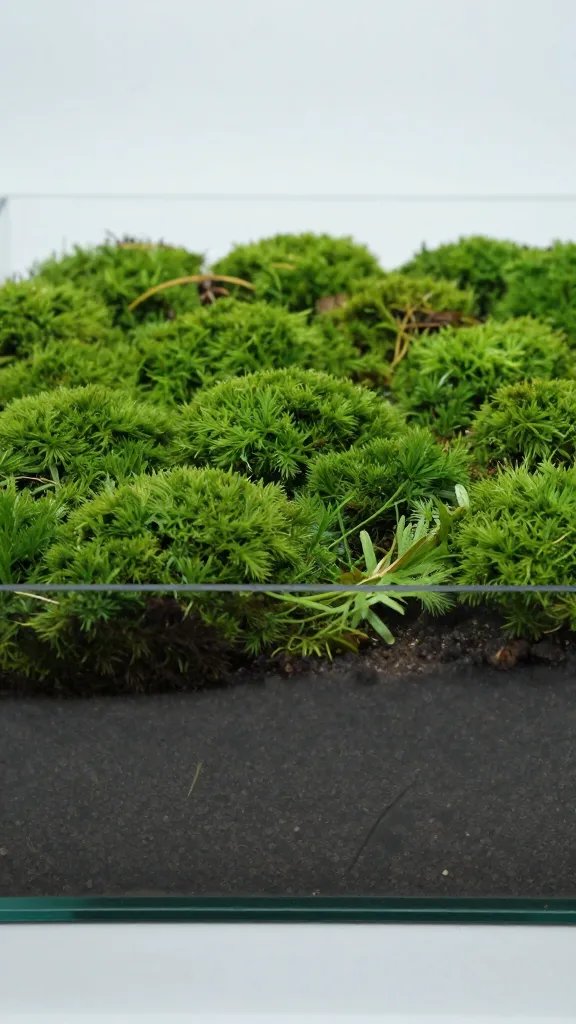
Can I mix sphagnum and peat together in the same terrarium?
Yes — keep sphagnum as the majority in closed terrariums, using about 2 parts long-fiber sphagnum to 1 part peat for added moisture without losing airflow. Moisten both first so they combine evenly, and if the mix feels springy and doesn’t smear when you squeeze it, you’re in the safe zone.
Is “sphagnum peat moss” the same thing as long-fiber sphagnum?
No — “sphagnum peat moss” is the decomposed lower layer, not the springy fibres you see in bags of long-fiber sphagnum. If the bag shows tan strands several inches long, that’s long-fiber sphagnum; if it looks like fine brown dust or powder, that’s peat.
Do I need a drainage layer in a closed carnivorous plant terrarium?
No — in sealed glass, drainage layers trap stagnant water and create rot pockets rather than helping. Focus on an airy substrate like sphagnum and controlled moisture instead, adding only a thin decorative gravel layer if you need weight for stability.
How do I water a carnivorous plant terrarium without a pH or TDS meter?
Use water that dries without leaving a white crust on dishes and tastes clean, not salty — rain, distilled, or store-bought deionized all work well. Add water sparingly (1–2 tablespoons at a time), wait a day to reassess condensation, and if algae or a green film appears, you’re adding too much or using mineral-heavy water.
Conclusion
If you want a forgiving, clean, and breathable substrate in a glass terrarium, choose long-fiber sphagnum. If you prefer peat for cost or availability, lighten it with perlite and keep the container vented. Your next step: open your terrarium, feel the substrate, and make one change — switch to fresh sphagnum or lighten your peat — so your carnivores grow faster, make more traps, and stay healthy all year. For more on keeping container plants thriving, check out our guide to common container gardening problems.