Why Your Terrarium Glass Is Always Fogged — When Condensation Is Normal and When It’s a Warning
I used to wipe my terrarium glass every morning, convinced the fog meant disaster. Then I learned to read the patterns, and the glass became the easiest dashboard I own. In this guide I’ll show you exactly when condensation is a healthy part of the mini water cycle and when it signals rot, heat stress, or poor airflow. You’ll leave with clear steps you can do with household tools, not lab gear.
What Condensation Actually Tells You About Your Terrarium
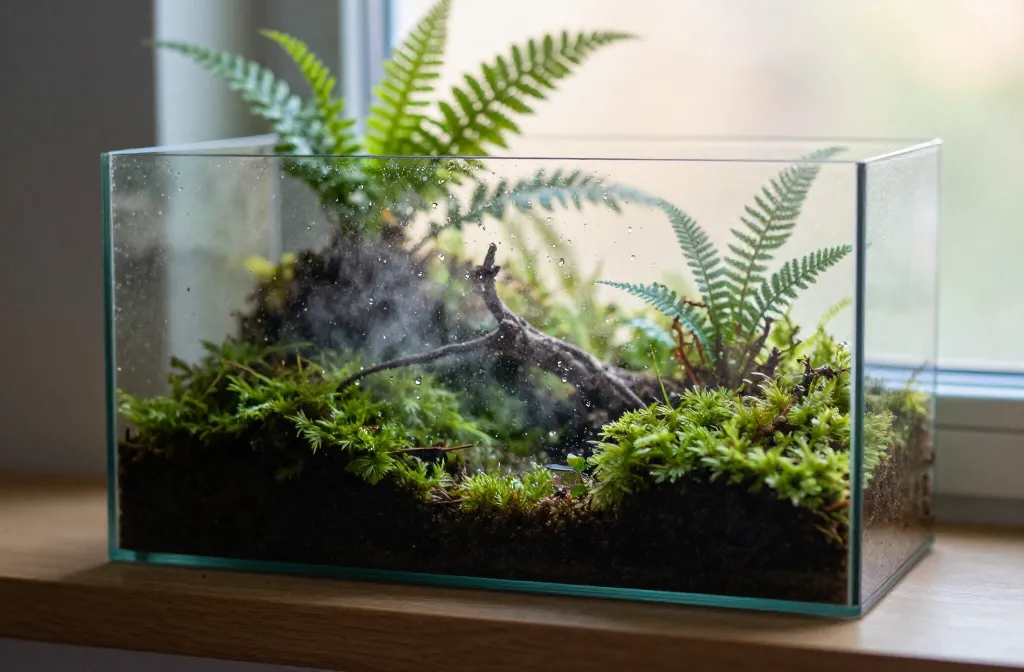
Condensation is just water vapor returning to liquid on a cool surface. In a closed terrarium, that cycle keeps plants watered without you doing a thing. The glass fogs when warm, moist air hits cooler glass — it’s a thermometer and a rain gauge in one.
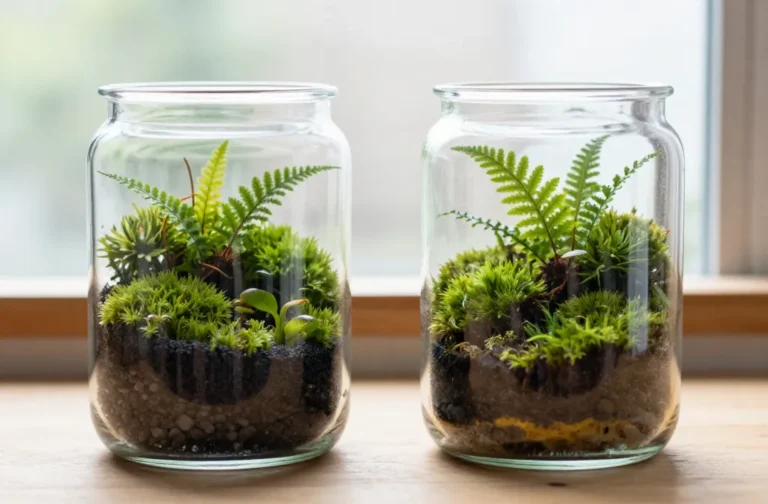
Healthy systems show light misting in the morning, partial clearing by midday, and a few droplets on the upper third of the glass. Constant heavy fog means too much moisture or heat. Bone-dry glass all day means the system is under-watered or under-lit.
Action today: Look at your terrarium at three times — morning, midday, and evening — and note how much of the glass shows mist or droplets at each time.
Normal Patterns vs. Red Flags You Should Not Ignore
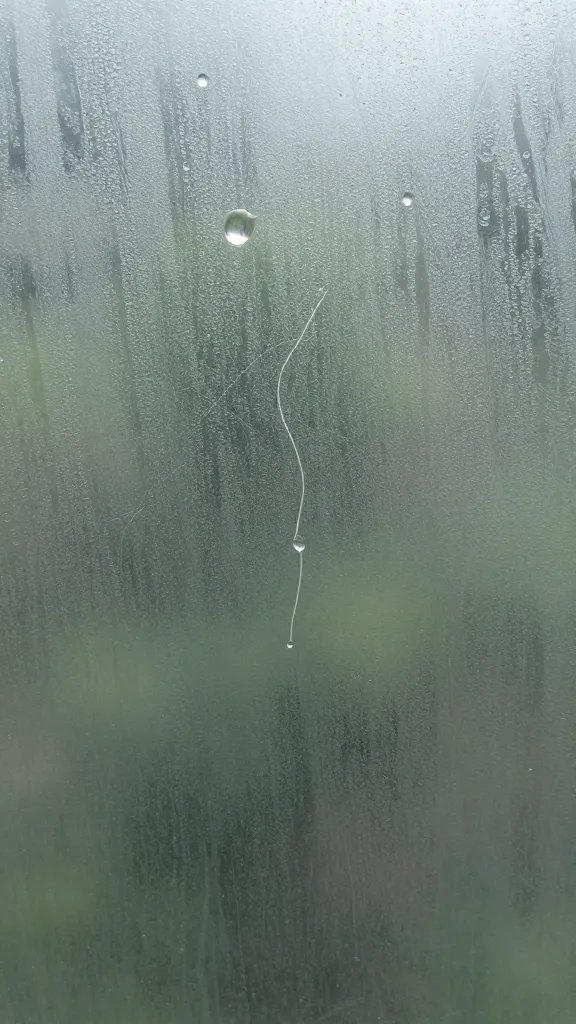
Light morning fog that thins by lunch is normal. It tells you the water cycle is working and the temperature swing is gentle.
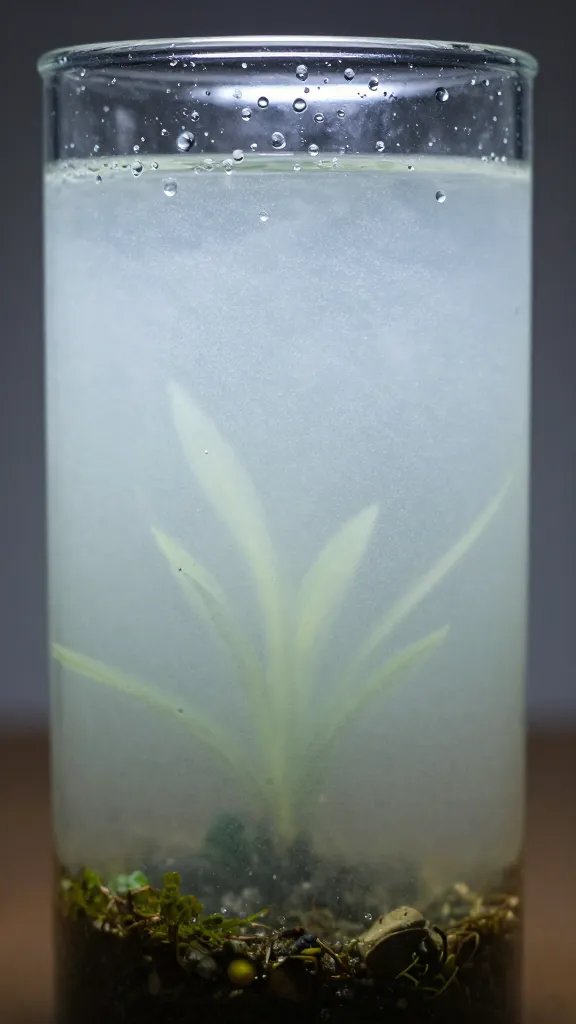
Warning signs start with dripping walls all day, pooling on the lip or base, or a “steam room” look that never clears. Pair that with a sour smell, yellowing leaves, or fuzzy growth and you’ve got an over-wet, low-oxygen environment that invites rot.
Red Flag Checklist
- All-day fog + drips: Too much water trapped inside.
- Condensation only on the warm side/window side: Heat stress from direct sun.
- No condensation for days: Not enough moisture or the lid isn’t sealing.
- Visible mold webs on soil or leaves: Poor airflow and excess organics on the surface.
Action today: If your glass is wet top-to-bottom at midday, crack the lid 1–2 hours to vent and reassess tomorrow.
Heat, Light, And Placement: The Invisible Drivers Of Fog
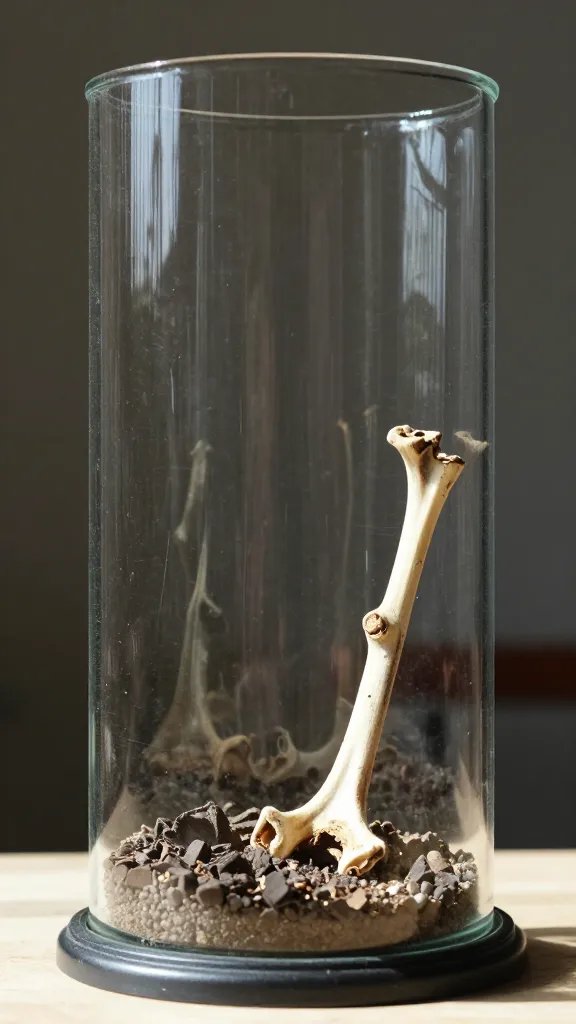
Direct sun on glass spikes temperature fast and pushes heavy fog. In apartments, a south or west window often cooks closed jars by early afternoon. Glass near a radiator or on a hot bookshelf does the same.
Terrariums prefer bright indirect light near a window, not direct beams. If you need extra light, use a simple desk lamp with a 4000–6500K LED placed 12–18 inches away, set on a 10–12 hour timer. Stable temperature equals predictable condensation.
Action today: Move the terrarium one step back from direct sun or add a sheer curtain so the glass sees bright light but no hot rays.
Moisture Level At Setup: The Root Cause Of Perma-Fog

Most persistent fog starts on day one when the substrate is mixed too wet. You want soil that clumps when squeezed but does not drip. If you squeeze it and water runs, it’s over-saturated.
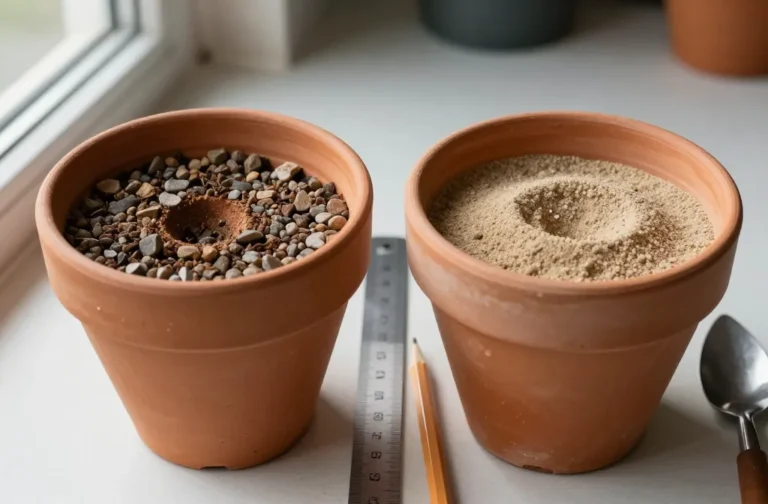
Build in a proper base: a 1–2 cm layer of rinsed gravel or clay pebbles, a thin mesh or coffee filter to keep soil out, then a good quality potting mix lightly moistened. Skip compost-heavy mixes that steam and mold. Add water by misting, not pouring.
Simple Re-Balance Method (No Full Rebuild)
- Open the lid for 2–4 hours in a bright, not sunny spot.
- Wick out excess water at the base with a paper towel corner for 30–60 seconds.
- Blot any standing drops on the lid.
- Close, then check again at midday tomorrow.
Action today: Do the squeeze test on a small pinch of soil near the glass with chopsticks or a spoon — adjust moisture until it clumps without dripping.
Plant Choice And Density: Too Much Leaf, Too Little Air
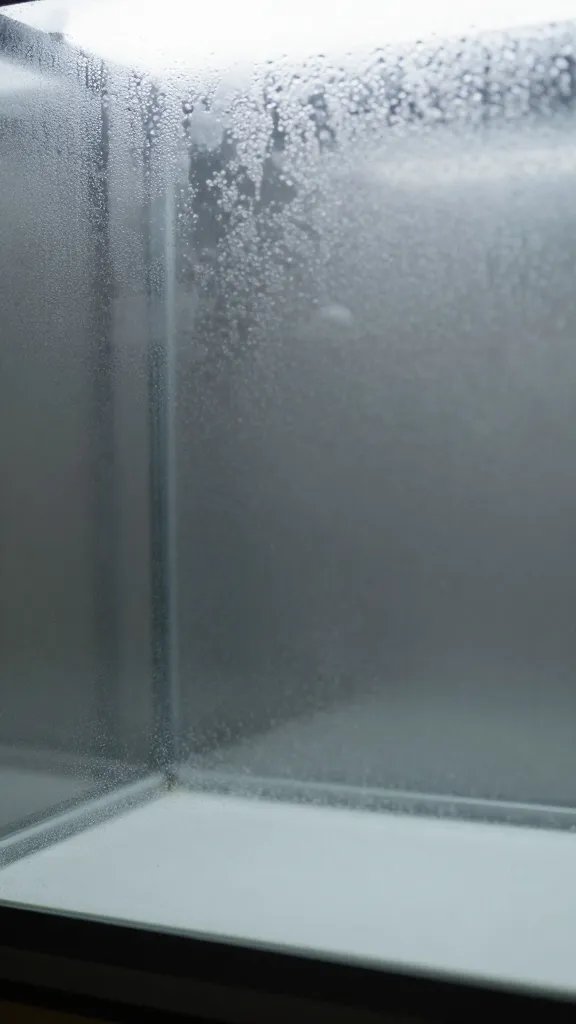
Dense planting traps humidity on leaf surfaces and drives constant fog. Fast growers like Pilea, Fittonia, Tradescantia pump moisture into the air faster than the glass can clear. Mixing moisture lovers with plants that prefer drier roots sets you up for endless tweaking.
Reliable Closed-Terrarium Plants
- Mosses (cushion, sheet): steady humidity users.
- Pepperomia species (small-leaf): moderate transpiration, compact.
- Selaginella (spikemoss): loves constant moisture but not heat.
- Small ferns like Pteris or Asplenium nidus ‘Crispy Wave’: manageable in medium jars.
Thin plants that press against the glass; leaves touching the glass collect drips that lead to rot spots.
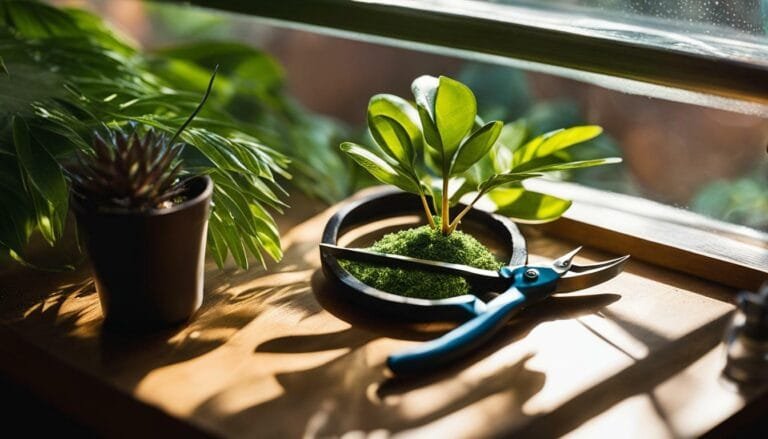
Action today: Prune back any leaves touching the glass and remove one overgrown plant to open airflow paths.
Air Exchange: How To Vent Without Drying Everything Out
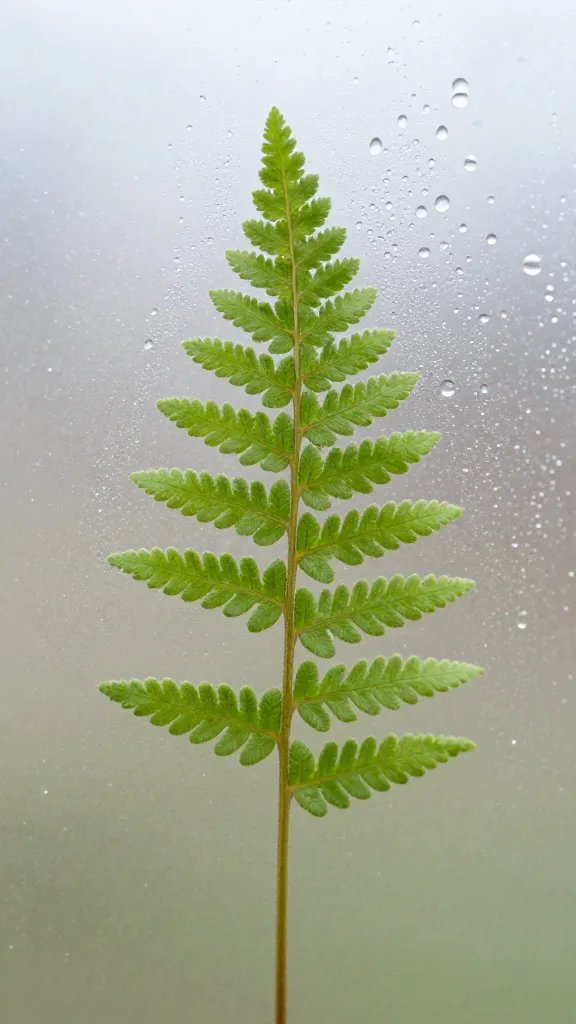
Fully sealed terrariums work, but not all jars seal equally. A loose lid may never build enough humidity; a perfect seal traps excess for weeks. Scheduled micro-venting keeps balance.
Step-By-Step Venting Routine
- Open the lid 15–30 minutes after sunrise on days with heavy morning fog.
- If glass still drips at midday, open another 30–60 minutes.
- Once stable, switch to a weekly 15-minute “airing out.”
- After any watering or pruning, vent for 1 hour the same day.
Action today: Set a phone reminder to crack the lid for 20 minutes tomorrow morning if your glass stays wet past noon.
Smells, Mold, And Algae: When Fog Hides A Bigger Problem
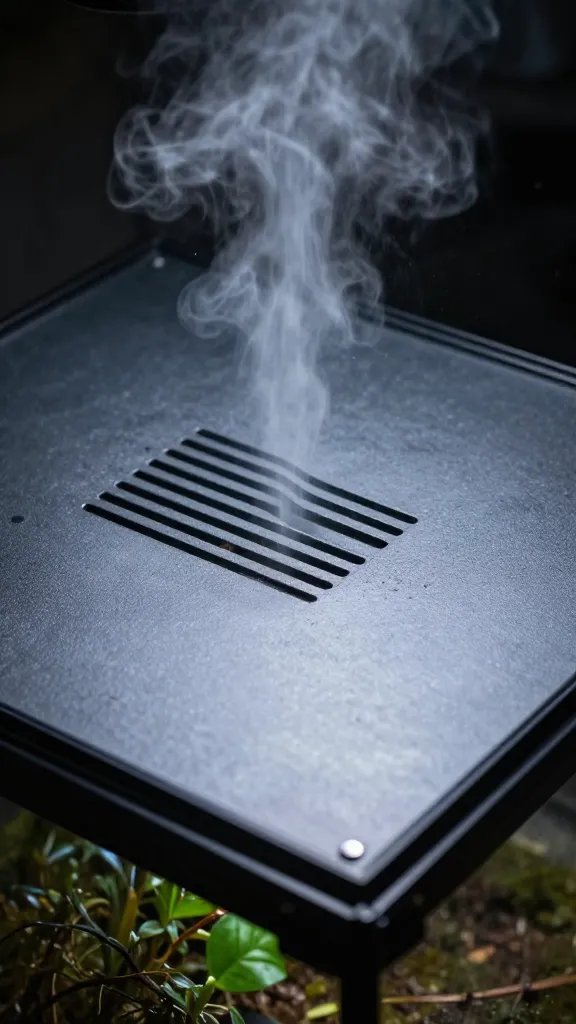
A sour or swampy smell means anaerobic conditions and too much water. White fuzz on soil or leaves is saprophytic fungus feeding on debris. Green film on glass is algae getting light and nutrients from constant condensation.
Quick Clean-Up Protocol
- Remove dead leaves and any wood that stays damp.
- Spot-treat mold with a cotton swab dipped in 3% hydrogen peroxide; avoid roots.
- Wipe inside glass with a dry paper towel wrapped around chopsticks; do not use soap.
- Add a very thin fresh top dress of clean sphagnum or fine bark to separate leaves from wet soil.
Action today: Do a smell check with the lid just opened — if it’s sour, wick water from the base and vent for 1–2 hours.
How To Water Without Triggering A Steam Room
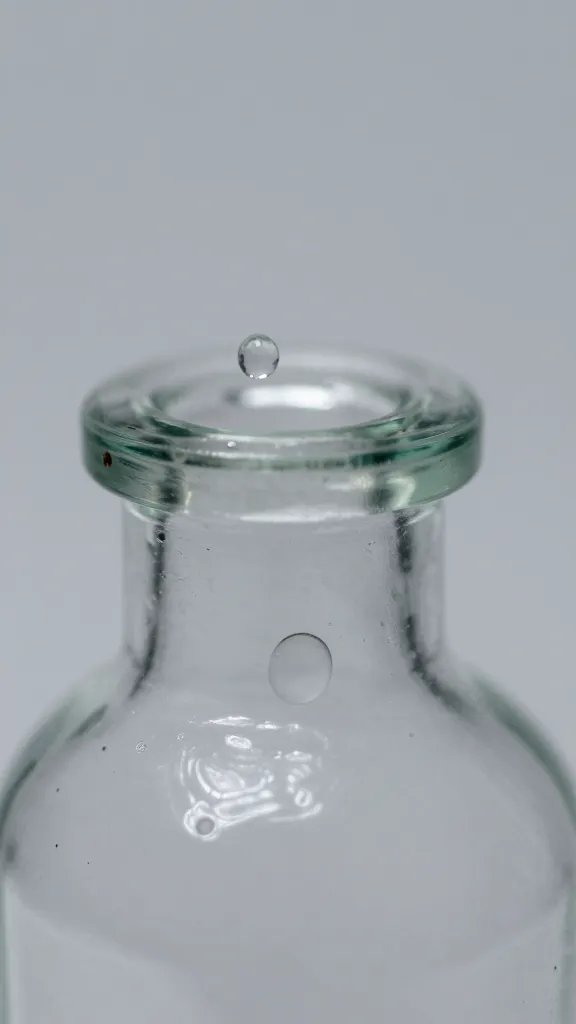
Over-pouring is the fastest way to get permanent fog. I only add water when condensation drops below one-third of the glass for two consecutive days and top leaves look less perky.
Minimal-Water Method
- Mist 5–10 sprays aimed at the substrate, not leaves.
- Wait 24 hours and reassess midday glass coverage.
- Repeat in small doses until light morning fog returns.
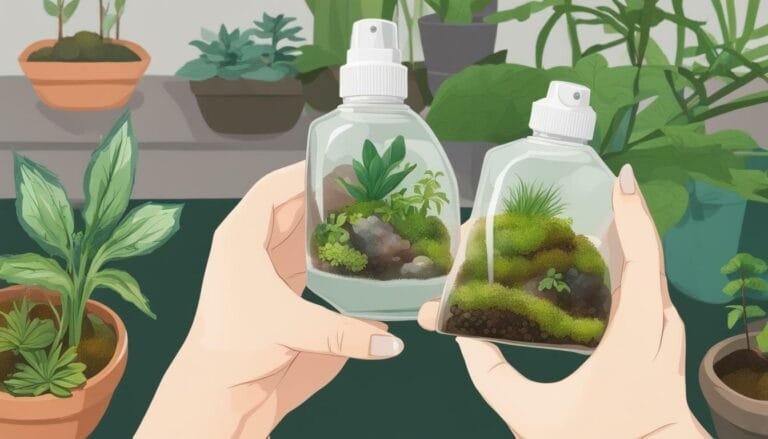
Action today: If you decide to water, use a spray bottle and count to 10 sprays — stop there and reassess tomorrow.
Frequently Asked Questions
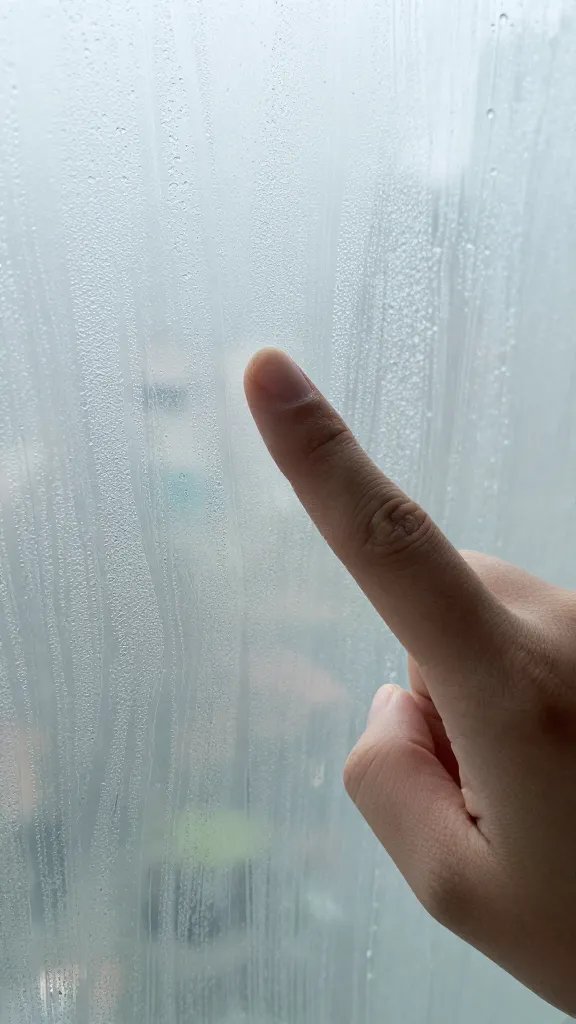
Why does my terrarium fog up only on one side?
That side faces a heat source — usually direct sun or a lamp — which warms the air unevenly. Rotate the terrarium a quarter turn and move it out of direct beams. Aim for bright indirect light so the whole glass stays at a similar temperature. Check again at midday to confirm even clearing.
How do I know if I added too much water at the start?
All-day drips, pooling at the base, and a sour smell within the first week are the giveaways. Open the lid for a few hours, wick water from the base with a paper towel, and blot the lid dry. Repeat daily until you see only light morning fog. Going forward, add water in teaspoons, not cupfuls.
Can I keep succulents in a closed terrarium without fog?
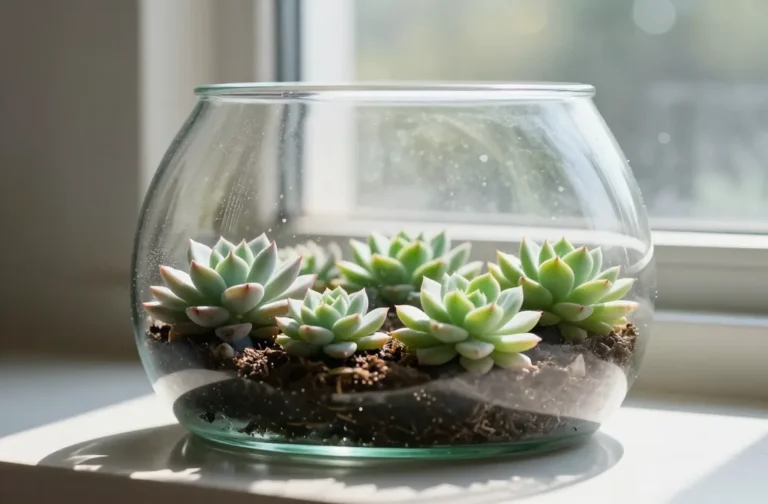
No — succulents prefer dry air and excellent airflow, which a closed jar cannot provide. They will over-transpire, then rot at the crown in stagnant humidity. Use an open dish with gritty mix near a sunny window for succulents. Save closed jars for mosses, ferns, and humidity-loving plants.
Is algae on the glass harmful to my plants?
Algae looks messy and signals excess light and nutrients, but it doesn’t directly harm roots. Wipe it off with a dry paper towel and reduce light intensity or duration by moving the jar back from the window. Limit fertiliser — most closed terrariums need none for months. Keep the glass dry at night by brief morning venting.
What if there’s never any condensation, but the plants look fine?
You have a very loose seal or a room with steady temperatures that don’t cause much fog. If leaves stay perky and soil feels lightly moist, that’s acceptable. To test the seal, cover the lid seam with plastic wrap for 24 hours and check for morning mist. If still dry, add 5–10 sprays of water to refresh humidity.
Conclusion
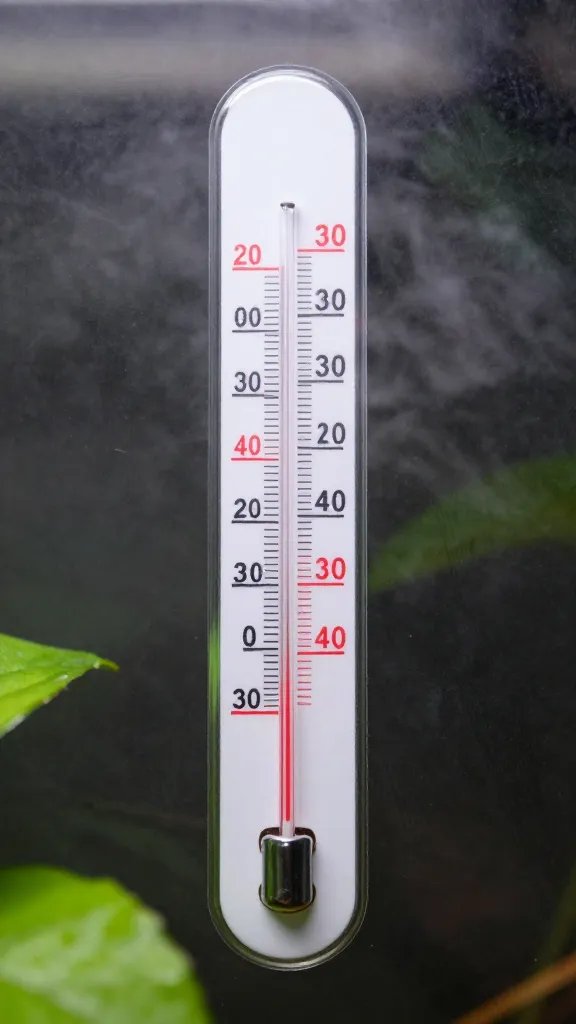
Foggy glass stops being a mystery once you read it as a daily report: temperature swings, water level, and airflow. Use small, repeatable actions — morning venting, tiny water doses, and smart placement — and your terrarium will stabilize within a week. If you want the next step, audit your setup once a month: check light, prune leaves off the glass, and do the quick smell test. That rhythm keeps the glass clear enough to enjoy and the plants healthy enough to thrive.