The Secret to How to Clean a Glass Terrarium Without Disturbing the Plants — Residue, Algae and Mineral Deposits Fast
I’ve stared through foggy terrarium glass more times than I care to admit, wondering if the moss looked dull because of algae or because I hadn’t cleaned in months. If you’ve hesitated to wipe the walls because you don’t want to uproot a fern or crush a cushion of moss, I’ve been there too. In this guide, I’ll show you how to remove residue, algae, and mineral deposits while keeping every leaf and root undisturbed. The payoff is immediate: clearer glass, better light, and healthier plants without a single transplant.
Know Your Enemy: Residue, Algae, and Mineral Deposits Behave Differently
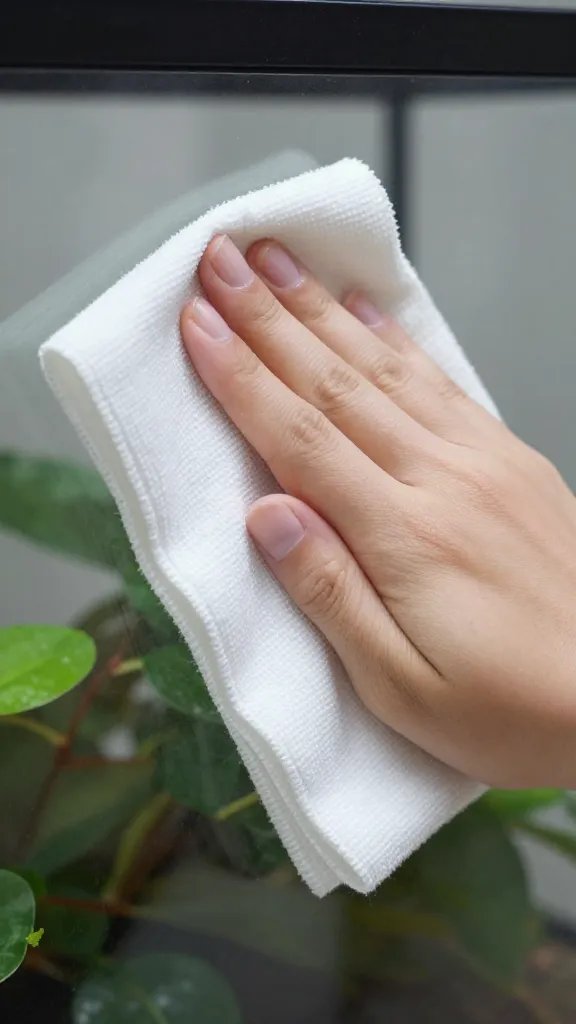
Residue looks like a greasy film or fingerprint smears. It comes from oils on your hands, aerosols in the room, or sap on the glass. It wipes off easily with a damp microfiber cloth.
Algae shows up as green haze or patches, especially on the lower walls. It thrives where moisture and light meet. It needs a mild disinfecting step that won’t harm plants.
Mineral deposits look white, chalky, or crusty. They come from hard tap water drying on the glass. They need a gentle acid to dissolve — not forceful scraping that scratches glass.
Action today: Hold a flashlight to the glass and note which areas are oily, green, or crusty — label them mentally so you use the right treatment for each.
Tools That Won’t Disturb Plants — All from a Hardware or Garden Store
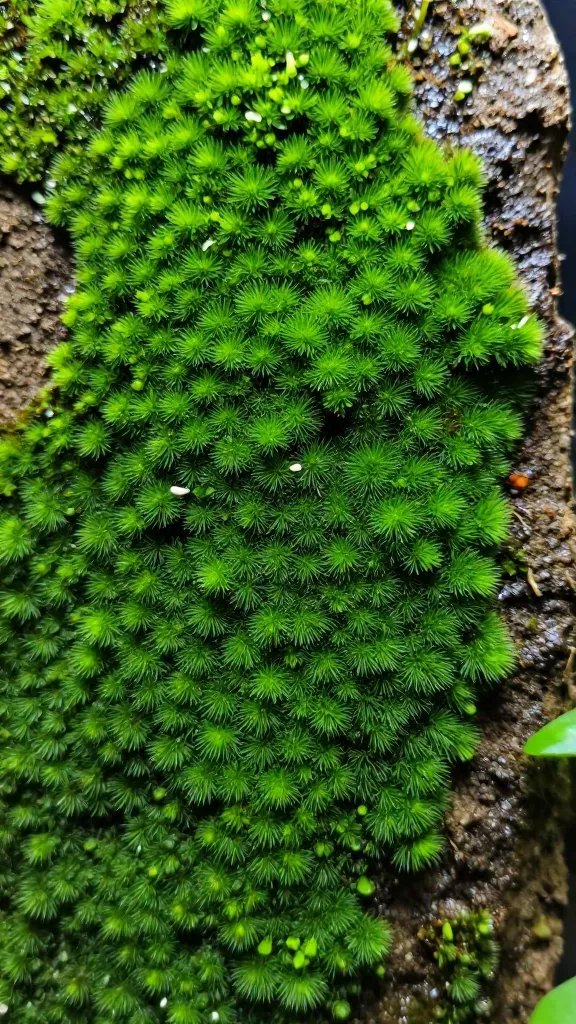
I keep a small kit that lives next to my terrariums. None of it is specialized, and every piece protects plants by letting me reach and wipe with precision.
- Microfiber cloths (lint-free) and cotton swabs for tight corners.
- Long-handled bottle brush with soft bristles (no metal tips exposed).
- Plastic or silicone scraper (old loyalty card works) — never razor blades on curved glass.
- Turkey baster or bulb syringe for targeted rinsing.
- Plant-safe spray bottles: one with plain water, one with 1:10 white vinegar:water, one with 3% hydrogen peroxide (undiluted).
- Absorbent paper towels and masking tape to shield plants from drips.
- Soft artist’s paintbrush to dust debris off moss and leaves.
Takeaway: Assemble a shoebox kit so you never improvise with harsh tools that risk scratching glass or bending stems.
Prepare the Terrarium: Light, Angle, and Protection Prevent Accidents
I clean when the terrarium plants are dry at the surface. Wet leaves smear and trap algae in place.
I move the terrarium to bright indirect light so I can see every streak, and I support it on a towel so it won’t slip. If it’s heavy, I clean in place and rotate it on a felt pad.
I line the soil edge with a ring of folded paper towel, secured with small bits of masking tape to the glass. This catches drips before they reach the substrate.
Action today: Add a paper-towel “gutter” around the soil line before you spray anything — it prevents over-wetting and protects roots.
Residue Removal: Streak-Free Without Perfumes or Soaps
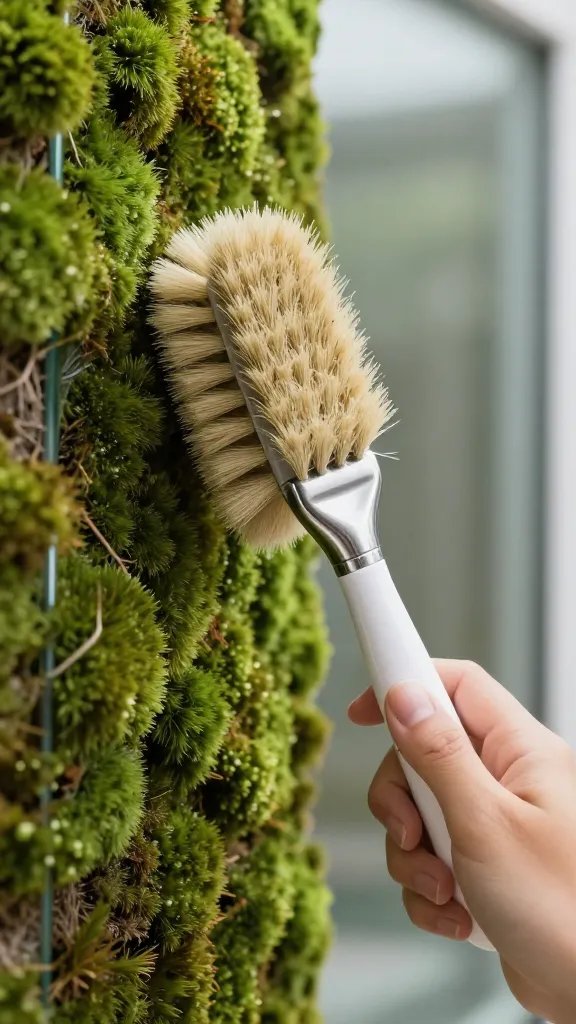
For fingerprints and haze, I avoid household window sprays — the fragrances can linger and upset sensitive terrarium ecosystems.
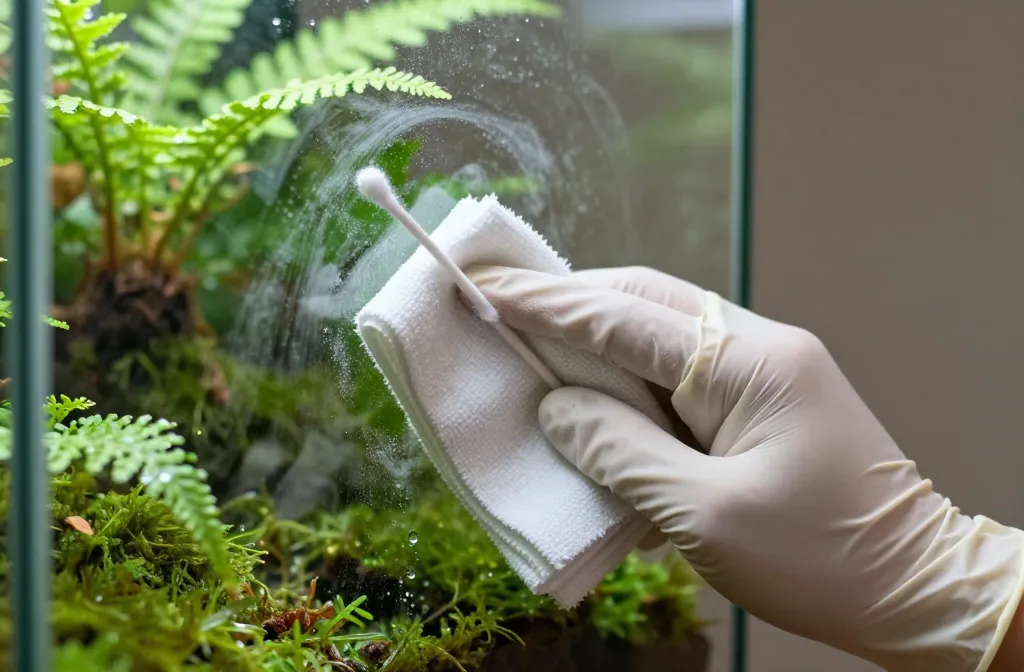
- Lightly mist a microfiber cloth with plain water. Never spray the glass directly inside the terrarium — droplets run onto plants.
- Wipe in small circles from the top down. For tight areas, twist a damp cotton swab and roll, don’t scrub.
- Buff with a dry section of the cloth to finish. If smears persist, use a 1:10 vinegar:water solution on the cloth only, then rebuff.
Takeaway: Always apply liquids to the cloth, not the glass — you control moisture and avoid drips into the substrate.
Algae Control: Gentle Oxidation That Leaves Plants Untouched
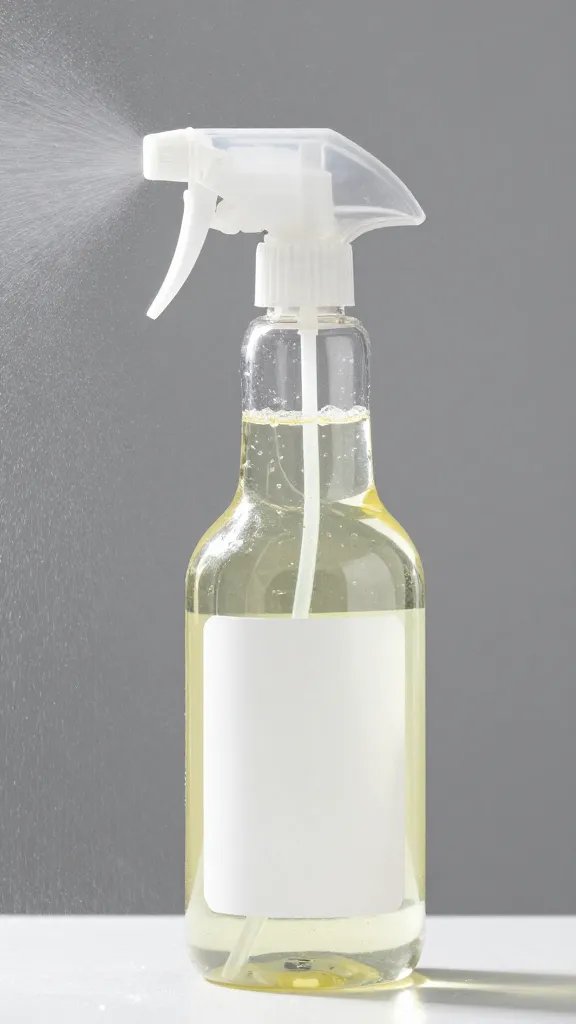
Algae won’t stay gone unless you both remove the film and break down the cells. I use drugstore 3% hydrogen peroxide because it oxidizes algae quickly and breaks down into water and oxygen.
Step-by-Step Fix
- Ventilate by cracking a window. Remove the terrarium lid (for closed types) for 15–20 minutes before you start.
- Wrap a microfiber cloth around the bottle brush head and dampen it with peroxide — not dripping.
- Press the cloth against green areas and hold for 10–15 seconds. This contact time loosens the film.
- Wipe upward to lift the algae. Replace cloth sections as they turn green.
- Spot-rinse the wiped areas with a turkey baster of plain water to remove residues, catching drips with your paper-towel gutter.
- Let the terrarium air for another 10 minutes before replacing the lid.
Warning Signs
- Persistent re-growth within a week means light levels are too high at the glass. Diffuse or move back 30–60 cm from the window.
- Strong smell after cleaning suggests trapped moisture. Vent for 1–2 hours with the lid ajar.
Takeaway: Hold peroxide on algae for 10–15 seconds before wiping — contact time does the heavy lifting so you don’t have to scrub near delicate plants.
Mineral Deposits: Dissolve the Crust, Don’t Scratch the Glass
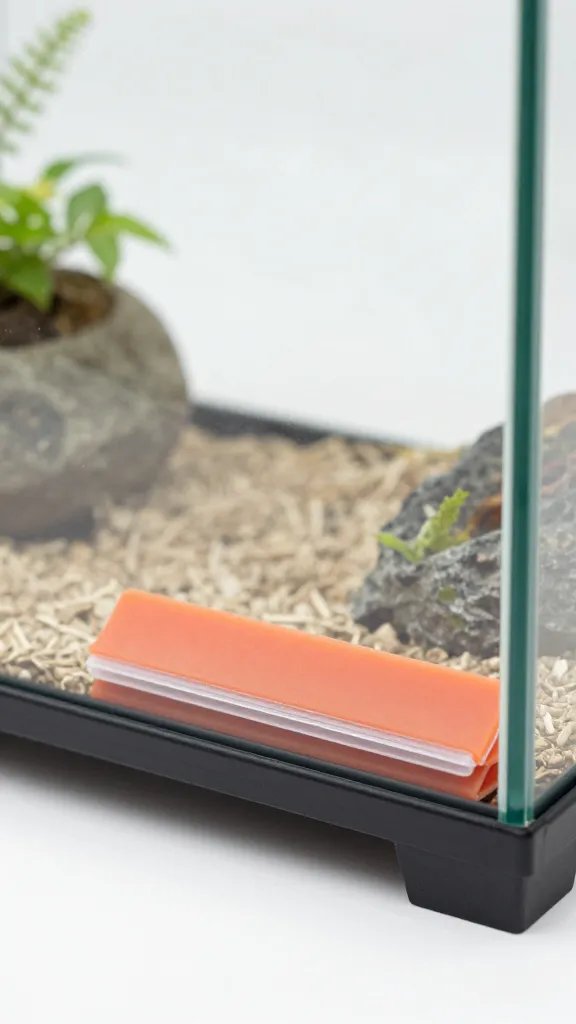
White crusts come off fastest when I soften them with mild acid first, then lift with a non-scratch edge.
Step-by-Step Fix
- Soak a folded paper towel with 1:10 white vinegar:water. Press it onto the crusty area for 5–10 minutes. Support from the outside with your hand if the glass is thin.
- Remove the towel and use a plastic scraper held nearly flat to nudge the loosened scale. Short, gentle strokes avoid gouging.
- Wipe with a damp microfiber cloth. If faint ghosting remains, repeat the soak once more.
- Finish with a water-only wipe and dry buff to stop streaks.
Material Recommendations
- Use: White vinegar, plastic scraper, silicone spatula edge.
- Avoid: Metal blades, scouring pads, baking soda paste (gritty on soft glass), citrus oils (residue lingers).
Takeaway: Pre-soak with diluted vinegar for 5–10 minutes — deposits release without force, so plants stay safe.
Keep Plants Undisturbed: Shields, Angles, and Timing
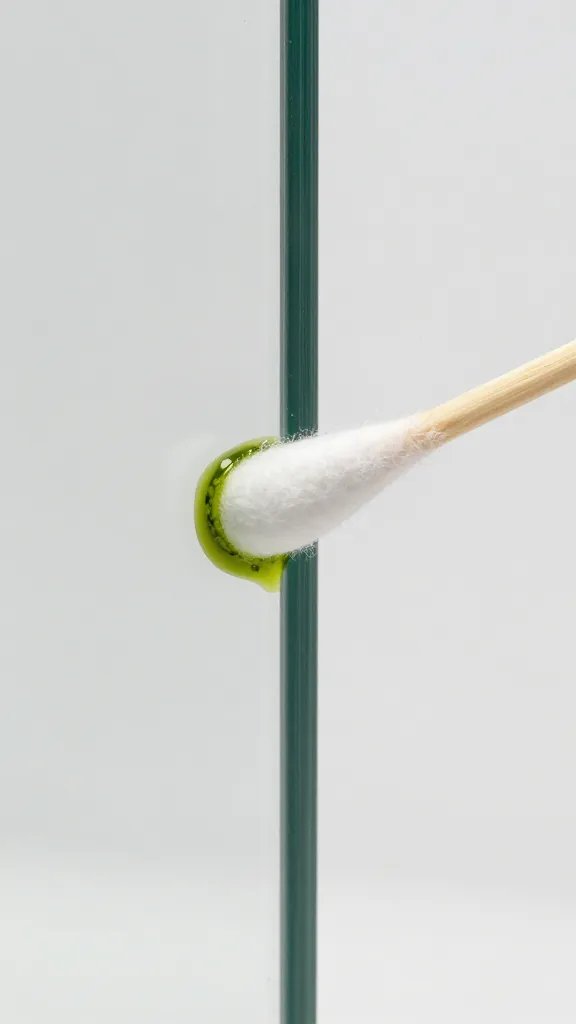
Most accidents happen when a drop runs down and pools at the soil line. I clean from the top edge toward the middle, then from the bottom edge upward, leaving the center last so I can control drips.
When I must reach deep past fronds, I use a bottle brush wrapped in cloth so bristles never snag leaves. I also clean right after a watering day when leaves are turgid and less prone to bending.
For closed terrariums, I re-seal only once glass is dry to the touch. Trapped cleaner residues invite fungus gnats and clouding.
Action today: Practice the “top-middle-bottom” wipe order on one panel — it trains your hands to prevent runaway drips.
Prevent Return: Small Tweaks That Keep Glass Clear Longer
I solved recurring algae by softening the light, not by scrubbing harder. I placed a sheer curtain or moved the terrarium 30–60 cm back from south or west windows.
Minerals stop building when I switch to distilled or filtered water for misting and top-ups. If you taste even slight chalkiness in your tap water, your glass will show it too.
Residue stays away when I handle the terrarium by its base or stand and wipe the outside after each watering session. Little, frequent touches beat deep cleans.
Takeaway: Use distilled or filtered water for every mist and top-up starting today — it prevents 90% of future white crust.
Frequently Asked Questions
Can I use regular glass cleaner inside my terrarium?
I don’t. Fragrances and surfactants linger and can coat leaves and moss. Plain water, 1:10 vinegar:water, and 3% hydrogen peroxide cover every cleaning need without residues. If you accidentally used a cleaner, vent the terrarium for a few hours and wipe again with water.
How often should I clean the glass?
I spot-clean whenever I notice a haze, and I do a full inside wipe every 4–8 weeks. If algae returns faster than that, reduce direct light or add a sheer curtain. Quick monthly maintenance prevents the kind of buildup that needs scraping.
Is hydrogen peroxide safe for my plants?
Yes, 3% hydrogen peroxide is safe when applied to the cloth and kept off leaves and soil. It breaks down into water and oxygen within minutes. Avoid soaking moss or soil with it — use contact time on the glass and then rinse spots with plain water.
What if I can’t reach the bottom of a tall terrarium?
Use a long-handled bottle brush wrapped with a microfiber cloth secured by a rubber band. Dampen the cloth with your chosen solution and work in slow vertical passes. Rotate the terrarium rather than twisting your wrist to avoid bumping plants.
How do I stop condensation rings that dry into mineral spots?
Those rings form when warm room air hits a cooler glass wall after misting. Mist earlier in the day and use room-temperature water. If you see heavy midday condensation on more than half the glass, air the terrarium for 30–60 minutes.
Will a small cleanup harm beneficial microbes?
No. You’re cleaning the glass, not sterilizing the substrate. Beneficial microbes live in the soil and on plant surfaces; targeted glass cleaning won’t disturb them. Avoid flooding the soil with cleaners and you’ll keep the ecosystem stable.
Conclusion
You don’t need to uproot plants or live with cloudy glass. With a paper-towel gutter, cloth-applied solutions, and a few minutes of contact time, you’ll clear residue, tame algae, and dissolve minerals without a single bent stem. Start with one panel today and switch your misting water to distilled — your terrarium will look brighter tomorrow, and your plants will grow better for it.