Grow Tepary Beans: Learning From the Desert—the Most Drought-Resistant Bean on Earth.
I started growing tepary beans after a summer that cooked my raised beds and humbled my drip timer. Everything else sulked or crisped; the teparies bloomed, set pods, and kept going with a fraction of the water. If you garden with hose bans, hot balconies, or stingy rainfall, this bean earns a spot. I’ll show you how to plant, water, support, and harvest tepary beans using basic tools — and why they outperform common beans when heat and drought hit.
What Makes Tepary Beans Thrive Where Others Fail

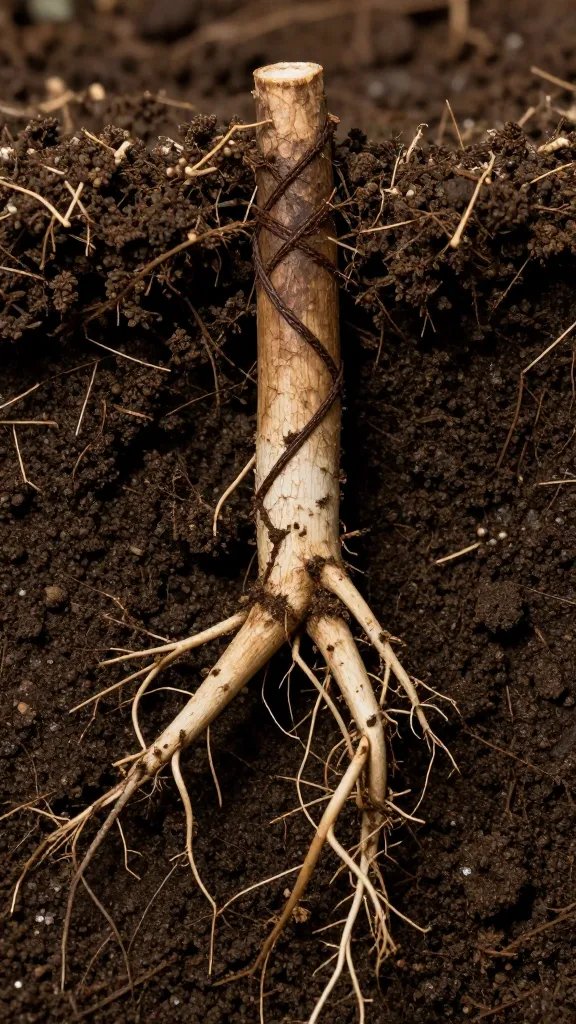
Tepary beans (Phaseolus acutifolius) evolved in the Sonoran Desert. They handle heat over 38°C (100°F), set pods fast, and finish the season before soil moisture disappears. Their deep, efficient roots and waxy leaves limit water loss, so they keep flowering when common beans stop.
They also mature quickly — often 60–90 days from sprouting to dry pods — which means you harvest before late-summer stress wipes out yields. That short window is the secret to success in small, hot spaces.
Action today: Circle a hot, sunny spot that gets 7–10 hours of sun and sits away from thirsty plants — this will be your tepary patch.
Choosing Varieties You Can Actually Find and Cook
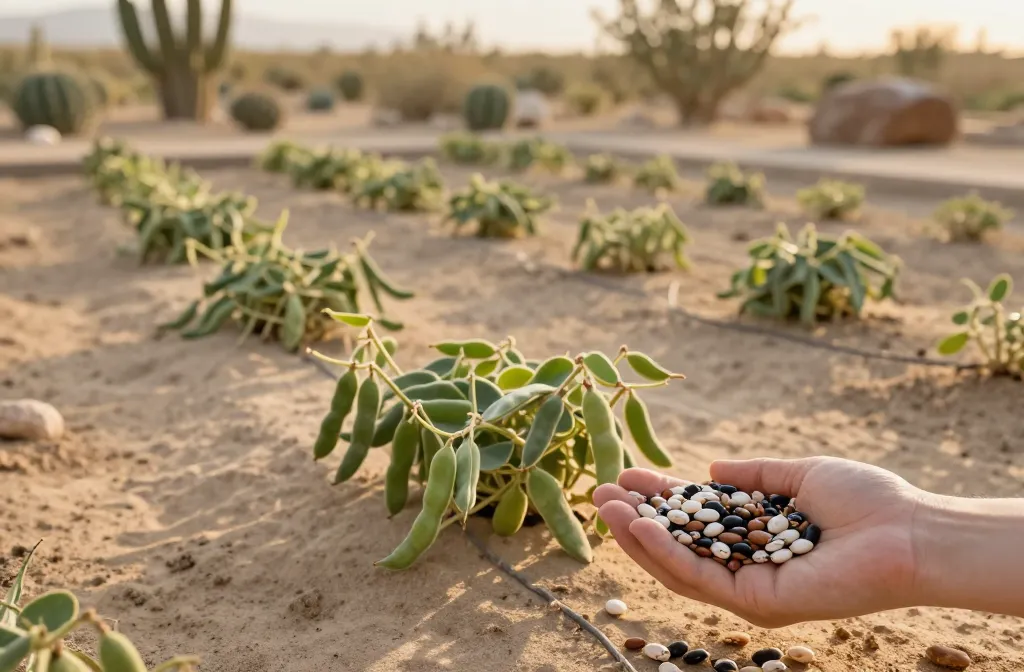
You’ll see white, brown, black, and speckled teparies. The color signals subtle differences: whites cook a bit faster and taste nutty; browns and blacks bring richer, more savory flavor. Growth habit stays compact or semi-vining, great for small supports.
Look for packets labeled “dry bean” types at a garden centre or reputable seed house. Avoid bulk-food beans for planting; they’re often old and give weak germination.
Reliable, Store-Available Picks
- White Tepary: Mild, nutty, cooks in about 60–75 minutes after soaking.
- Brown/Blue Speckled Tepary: Fuller flavor, slightly longer cooking, tough in heat.
- Mixed Landrace Packs: Good for resilience if your weather swings.
Action today: Buy two packets of contrasting colors — plant both and keep seed from the best performer for next year.
Soil Prep Without Fancy Gear
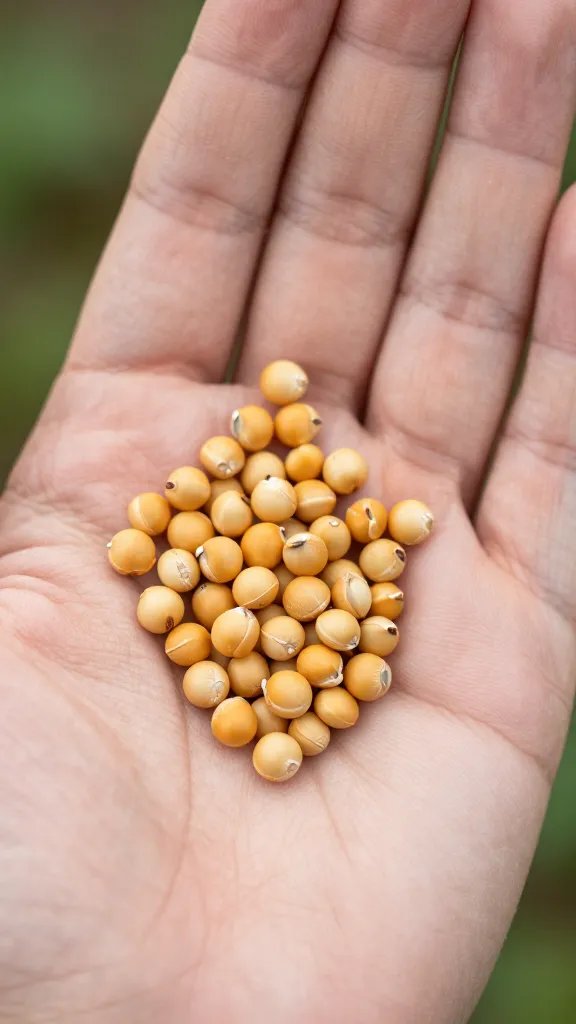
Teparies hate soggy feet. They want a lean, well-drained bed that warms fast. In ground, I loosen soil as deep as a hand trowel goes, then mix in one bucket of coarse sand or fine gravel per square metre to sharpen drainage. For raised beds or large containers, use a quality potting mix with added perlite — about 1 part perlite to 3 parts mix.
Skip rich compost layers. Too much nitrogen forces leaves, not pods. I aim for soil that crumbles, doesn’t smear when wet, and drains a watering can’s worth without puddling.
Warning Signs Your Soil Holds Too Much Water
- Leaves stay limp in the morning despite moist soil.
- Gray-green foliage with yellow edges after a cool spell.
- Water sits on the surface longer than 30 seconds.
Action today: Squeeze a handful of your soil. If it makes a tight mud ball, blend in a bucket of perlite or coarse sand per planter or per square metre before planting.
Planting for Heat, Speed, and Low Water Use
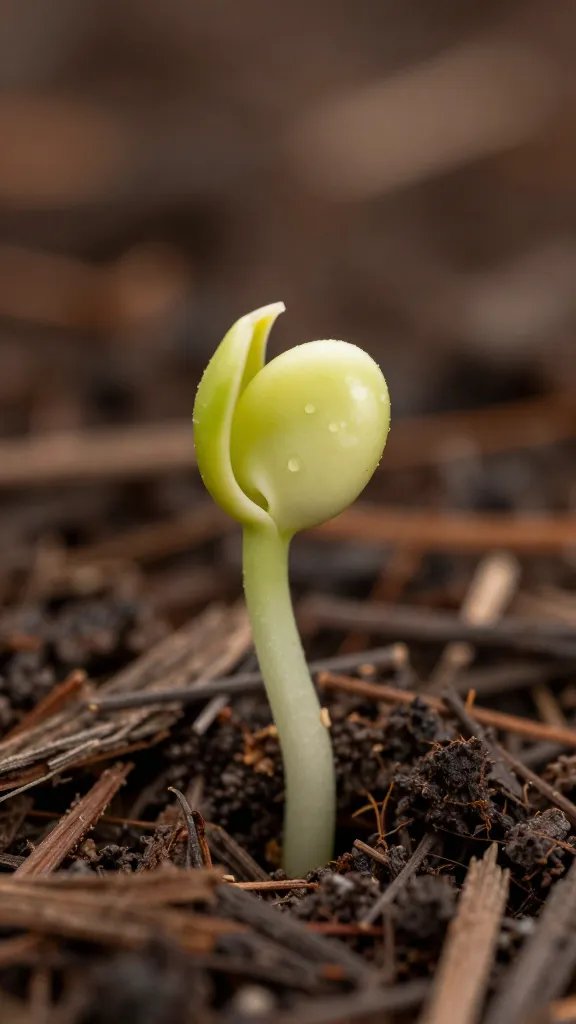
Direct sow — teparies dislike transplanting. I plant once nights stay above 12°C (54°F) and days are warm. Soak seeds in clean water for 2–3 hours to wake them up, then drain well.
Space seeds 7–10 cm (3–4 in) apart in rows 30–45 cm (12–18 in) apart. Bury 2–3 cm (about a finger’s first knuckle) deep. In containers 35–45 cm wide, plant 6–8 seeds evenly spaced.
Step-by-Step: The First Week
- Water the bed or container thoroughly once, so moisture reaches a good 15 cm (6 in) down.
- Sow and cover lightly, then press the surface to ensure seed-soil contact.
- Lay a strip of light mulch — shredded leaves or straw — thinly, so soil still warms.
- Do not water again until the top 2–3 cm feel dry and rough, usually 3–5 days in heat.
Action today: Set a reminder to thin seedlings to one plant every 10–12 cm (4–5 in) once they reach 7–10 cm tall; crowding wastes water.
Watering the Desert Way: Less, Deeper, Earlier
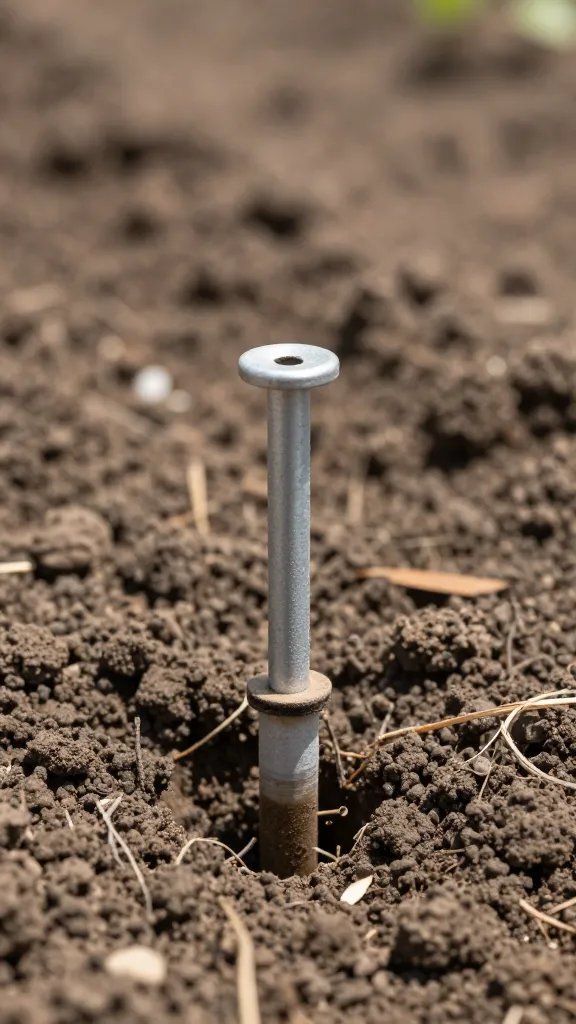
Teparies prefer deep, infrequent watering. After germination, I water only when the top 5 cm (2 in) of soil feel dry and the leaves look slightly dull in late afternoon. In heat waves, that’s roughly once a week in ground, every 4–6 days in containers.
Use a watering can or a basic drip line to deliver water straight to the soil. Run water until it soaks 15–20 cm (6–8 in) deep — about 10–12 minutes with a gentle hose setting or roughly 4–6 litres per square metre. Then leave them alone.
Overwatering Red Flags
- Dark green, lush vines with few flowers.
- Leaves with pale spots or fuzzy growth after humid spells — a sign of disease pressure.
- Soil smells sour when you pull back mulch.
Action today: Pick one watering day per week and commit — water deeply that day only; skip midweek “comfort sips.”
Support, Mulch, and Minimal Feeding
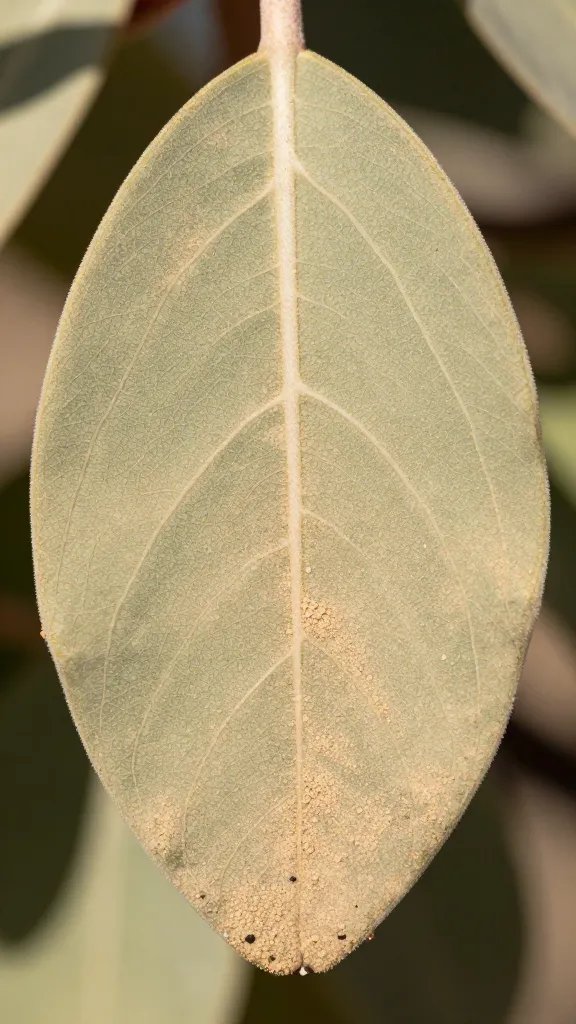
Most teparies stay bushy or lightly vining. I give each row a simple string between two stakes at knee height and let plants lean. This keeps pods off soil and improves airflow.
Mulch matters, but go light. A 2–3 cm layer of straw or shredded leaves reduces evaporation without cooling the soil too much. For feeding, I skip high-nitrogen fertilizers. At sowing, I mix in a small handful of a balanced organic fertilizer (something like 4-4-4) per planting hole row every 60–90 cm. After that, nothing.
Material Checklist From a Garden Centre
- One bag quality potting mix + perlite (for containers)
- Two stakes and garden twine
- Straw or leaf mulch
- Balanced organic fertilizer (4-4-4 range)
Action today: Tie a single taut string 30–40 cm above your row or container and tuck stems behind it as they grow.
Flowering, Harvesting, and Saving Your Best Seed

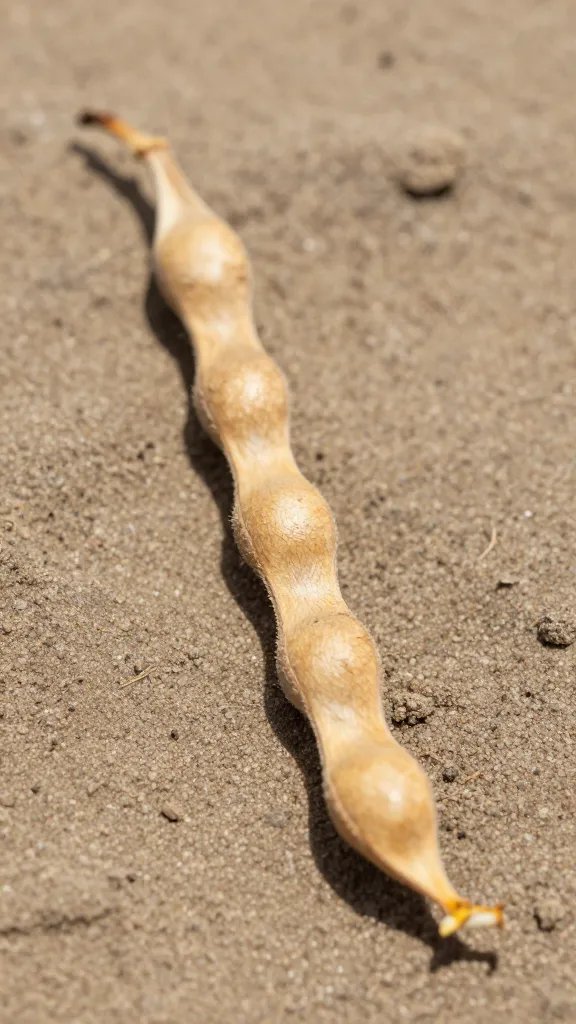
Teparies flower in clusters and set small pods fast once days are hot. Let pods dry on the plant. You’re ready when pods turn tan, papery, and rattle when shaken. If rain threatens, pull whole plants and hang them upside down in a dry, breezy spot for a week.
To shell, crush pods gently over a tray and winnow out chaff by blowing across the beans. Dry beans completely — they should crack under your teeth, not dent — then store in a jar with a tight lid.
Saving Seed for Next Year
- Pick seeds from the earliest, heaviest-yielding plants.
- Label by color and date.
- Freeze in a sealed bag for 48 hours to stop any pantry pests, then store cool and dark.
Action today: Place a clean jar and label in your garden tote — when the first pods rattle, you’ll be ready to collect and keep your best genetics.
Cooking Teparies So They Shine

Teparies cook faster than many dry beans and hold their shape. Rinse, then soak 6–8 hours in plenty of clean water. Drain, cover with fresh water by 5 cm (2 in), add a teaspoon of salt per litre, and simmer gently 60–90 minutes until creamy inside.
They pair well with tomatoes, chilies, citrus, and herbs. I cook a big pot on Sunday, then add to salads, tacos, or grain bowls all week.
Action today: Soak one cup of dried teparies tonight and plan a simple bean-and-roasted-pepper salad for tomorrow.
Frequently Asked Questions

Can I grow tepary beans in containers on a balcony?
Yes. Use a container at least 35–45 cm wide with drainage holes and a quality potting mix plus perlite. Place it in full sun with reflected heat if possible. Water deeply until moisture reaches the bottom (watch for the first drip), then wait 4–6 days before checking again. Add a single string or small trellis to keep pods clean.
How little water can they really use?
In-ground, a mature tepary stand often needs a deep soak about once a week in hot weather. In cooler weeks, you can stretch to 10–14 days. In containers, expect every 4–6 days depending on wind and sun. If leaves look slightly dull in late afternoon but perk by morning, you’re still on target.
Do I need inoculant like other beans?
It helps if your soil hasn’t grown beans or peas in the last few years. A standard garden-centre legume inoculant dusted on soaked seeds improves nodulation and yield. If you’ve grown legumes recently, skip it. You’ll know it worked when you see small pinkish nodules on roots at season’s end.
Why are my plants leafy but not making pods?
Too much water or nitrogen delays flowering. Cut back watering to a single deep soak weekly and stop fertilizing. Ensure full sun for most of the day and keep mulch thin. Within two weeks, you should see more flowers set and pods forming.
When should I plant if my summers are short but dry?
Sow as soon as nights stay above 12°C and the soil feels warm to the touch by midday. Choose faster white tepary types and the sunniest, most heat-reflective spot. Use light-colored mulch to hold moisture after plants reach 10–15 cm tall. Plan for 60–75 days to first dry pods.
Can I eat tepary beans green like snap beans?
You can, but yields are best as a dry bean. Green pods are small and can be a bit fibrous. If you try them green, pick when pods just fill and still snap cleanly. Most gardeners grow them for their excellent dry beans and storage value.
Conclusion
You don’t need fancy irrigation to grow real protein in a hot, stingy season. Plant a small tepary patch, water deeply once a week, and let their desert genetics handle the rest. Your next step: pick two varieties, clear a sunny metre of space or one large container, and sow this weekend. By late summer, you’ll have jars of resilient, homegrown beans — proof that a dry garden can still be abundant.