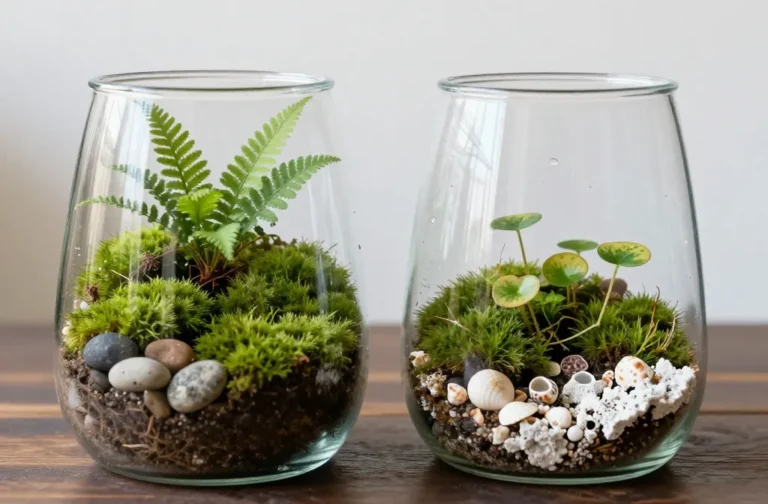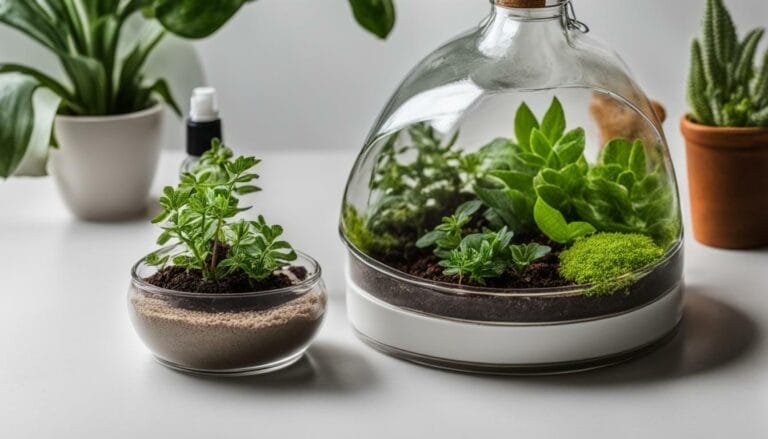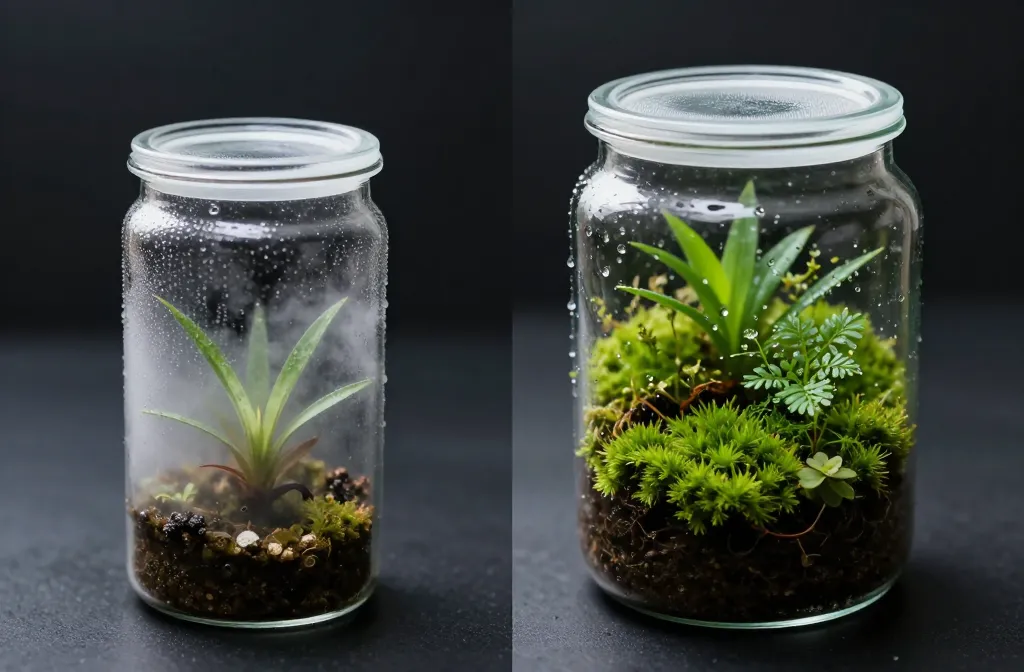
Stop These 5 Container Selection Mistakes That Make Your Terrarium Fail
I’ve cracked open more fogged, dying terrariums than I care to admit, and the container was the culprit almost every time. If your glass stays dripping wet, your plants lean toward the light, or you fight mold after week one, you’re not alone. Today I’ll show you the five container mistakes that quietly doom terrariums and the simple swaps that keep yours healthy for months. You’ll learn how to pick the right glass, size, lid, and access so your tiny ecosystem actually thrives.
1. Choosing a Container That’s Too Small to Stabilize Moisture and Temperature
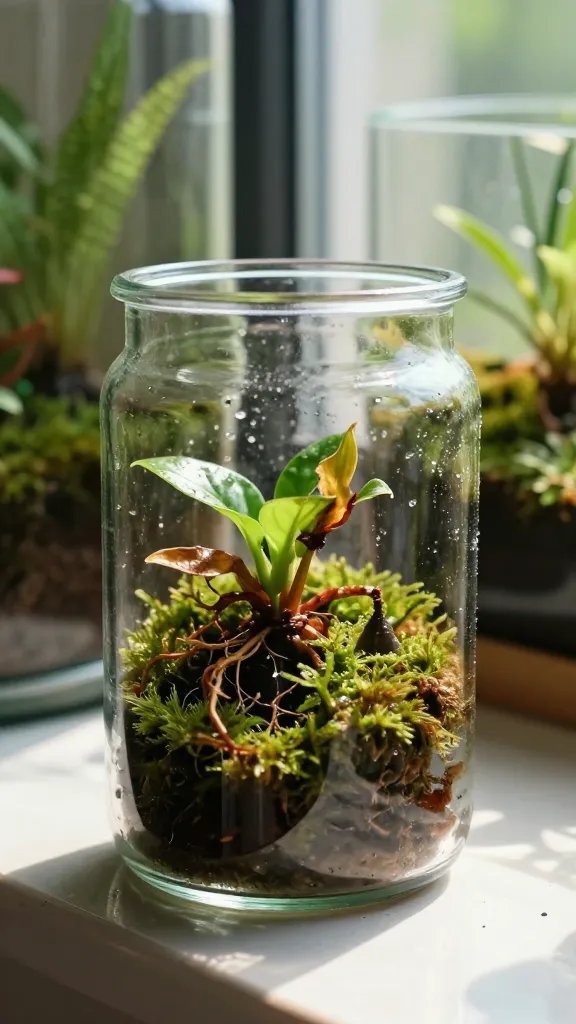
Tiny jars swing from swampy to bone-dry in a single sunny afternoon. The plants stall, moss browns at the edges, and any overwatering turns into rot because there’s no buffer. Small volumes also heat up fast, cooking roots against warm glass.
Signs to Watch For
- Condensation whiplash: soaked glass in the morning, then crystal clear and wilted plants by evening
- Edges of moss crisping while the center stays soggy
- Plants pressed against the glass within two weeks of planting
How to Fix It
- Pick a container that’s at least 3–5 liters (about the size of a large mixing bowl or bigger)
- Choose walls that are 6 inches or wider at the planting area so roots and air have room
- If you love small jars, stick to one mini plant or a single moss scene, not a full landscape
What to Use Instead
- Large glass cookie jar with lid (standard kitchen canister size)
- Wide-mouth apothecary jar from a home store
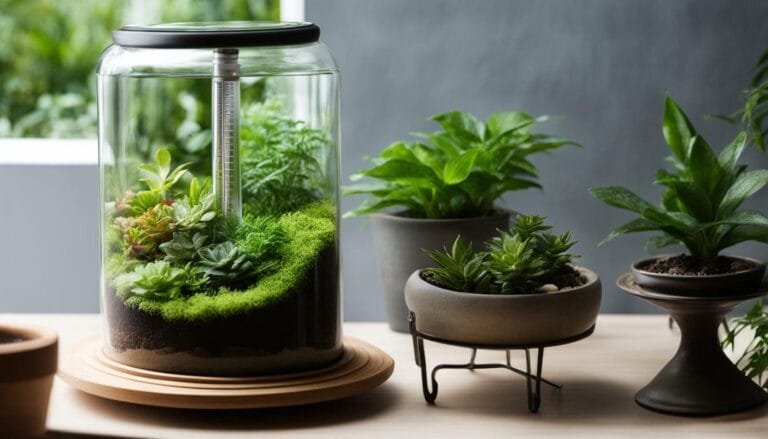
- Glass drink dispenser (use the lid; ignore the spigot or seal it)
Action today: If your terrarium container holds less than a medium mixing bowl, rehome the plants into a wider jar before they crash—your care window will triple overnight.
2. Using Opaque, Tinted, or Distorting Glass That Starves Plants of Light
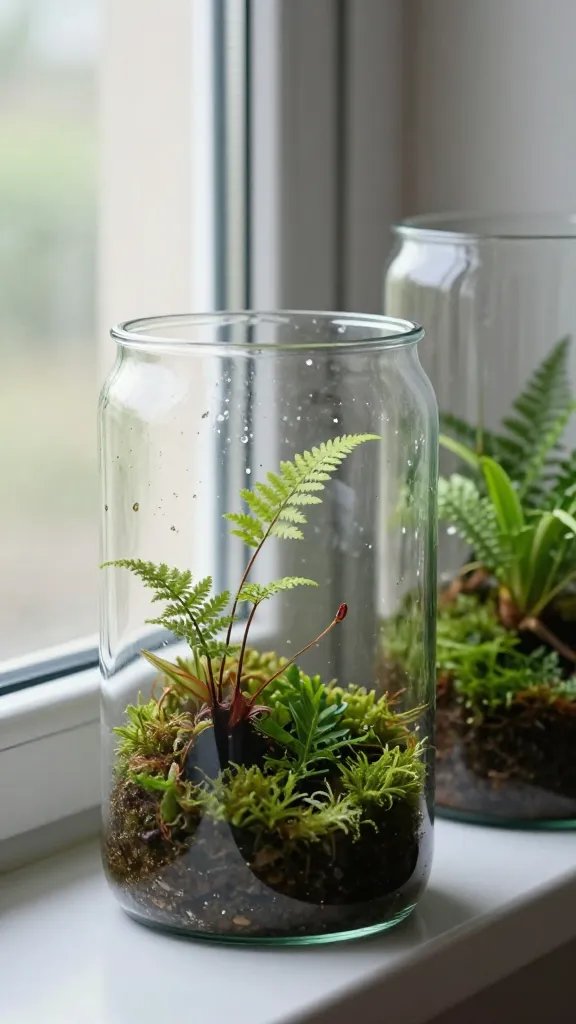
Smoked, colored, or heavily curved glass bends and blocks light. Plants stretch, lean, and grow pale, while algae grip the bright spots where light finally makes it through. You end up moving the jar around all week and still get weak growth.
Signs to Watch For
- Leggy stems reaching toward one side of the container
- Pale new leaves that stay small
- Patchy algae only on the brightest glass area
How to Fix It
- Use clear, untinted glass with minimal curvature so light enters evenly
- Place the terrarium in bright indirect light near a window—bright room, no harsh sunbeams
- Rotate the container a quarter turn weekly to even out growth
What to Use Instead
- Clear cookie jars or storage jars without patterns
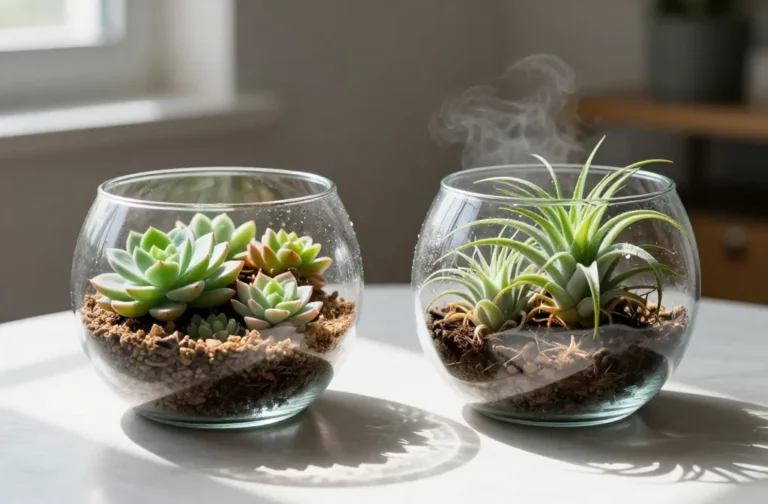
- Fishbowls with a gentle curve rather than a tight sphere
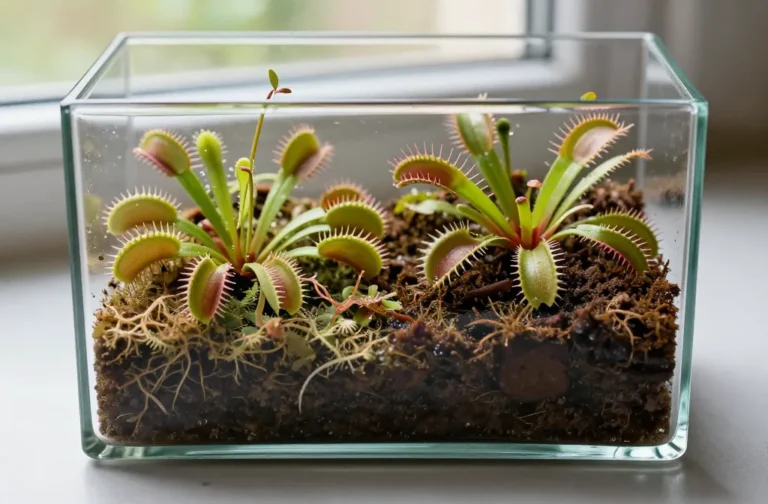
- Straight-sided vases with a clear, flat viewing panel
Takeaway: Clear, plain glass plus bright indirect light gives your plants the energy they need without distortion—ditch tinted or patterned glass for reliable growth.
3. Picking the Wrong Lid Style for Your Plant Choices
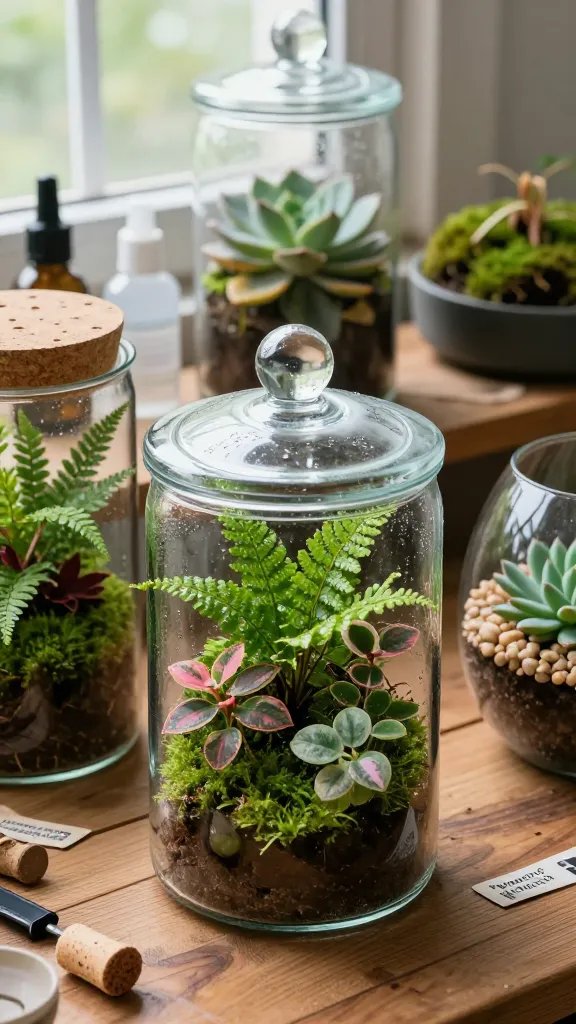
A sealed lid traps humidity and warmth, which rots succulents and ferns alike if mismatched. An open top, on the other hand, bleeds moisture and forces you to water constantly, which stresses moisture-loving plants. The wrong lid means endless tweaking with little success.
Match Lid to Plant Type
- Closed terrarium (tight lid): for ferns, fittonia, mosses, peperomia, pilea
- Vented or loose lid (ajar or cork with gaps): for tropical mix that likes humidity but needs air
- Open terrarium (no lid): for succulents, cacti, air plants—use a gritty, well-drained mix
Signs of a Bad Lid Match
- Succulents shriveling or rotting in a lidded jar
- Ferns crisping around the edges in an open bowl
- Dripping condensation all day in a closed jar with tropicals (needs venting)
How to Fix It
- For soggy closed jars, prop the lid open with two coins for 2–3 hours daily until condensation covers only the lower third at midday
- For dry open bowls with ferns, add a clear saucer as a temporary cover or move to a lidded container
- Group like-with-like: do not mix succulents with ferns in one container
Action today: Look at your plants and your lid—if they don’t match the rules above, change the lid situation or move the plants to the right container style before the next watering.
4. Narrow Necks and No Access: You Can’t Plant or Maintain Properly
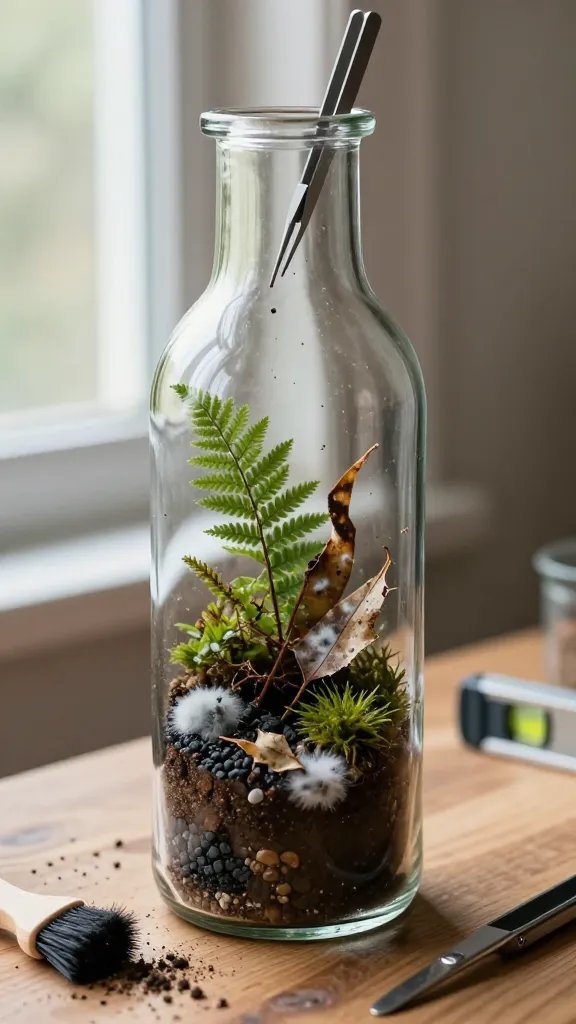
Jars with wine-bottle necks look classy but trap your hand outside the ecosystem. You end up dropping soil on the leaves, breaking stems during planting, and never removing dead material—mold follows. Poor access also stops you from leveling substrate and placing drainage properly.
Signs to Watch For
- Uneven soil layers slumping toward the glass
- Dead leaves you can’t reach starting to fuzz with white mold
- Damaged foliage from forcing tools through a tight opening
How to Fix It
- Choose containers with an opening at least as wide as your palm (about 4–5 inches)
- If you love a bottle shape, keep plants shorter than half the neck width so you can maneuver
- Use basic household tools: long chopsticks, a dessert spoon, and kitchen tongs for precise placement
What to Use Instead
- Wide-mouth cookie or apothecary jars
- Straight-sided hurricane vases
- Fishbowls with a generous top opening
Takeaway: If your hand can’t comfortably reach the planting area, pick a wider mouth—good access is the difference between a clean build and a moldy mess.
5. Flat-Bottomed, No-Drain Containers Without a Functional False Bottom
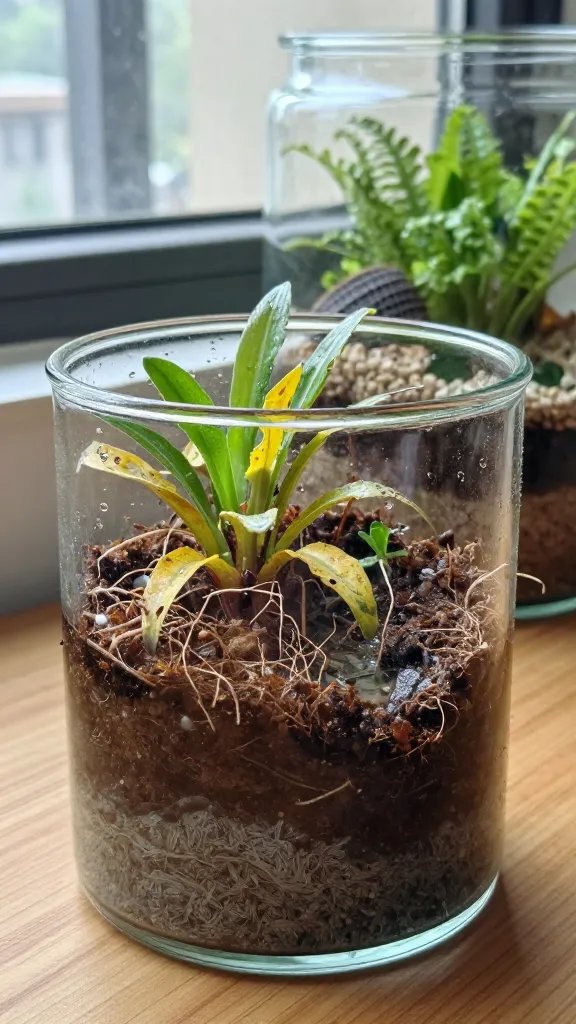
Terrariums don’t have holes, so excess water drowns roots unless the container shape and base support a proper drainage layer. Skipping a false bottom or using one that’s too thin turns the lower inch into a swamp. Plants stall, leaves yellow from the base, and anaerobic smells develop.
Signs to Watch For
- Persistent standing water visible at the glass base
- Yellowing from the bottom leaves upward
- Earthy-sour odor after watering
How to Build a Reliable Base
- False bottom: Add 1–1.5 inches of aquarium gravel or leca from a garden or pet store.
- Separator: Lay a sheet of mesh or window screen (hardware store) cut to fit, edges tucked to stop mix from sifting.
- Substrate: Add 2–3 inches of a good quality potting mix for tropicals, or a cactus/succulent mix for open desert bowls.
- Optional charcoal: A thin sprinkle of activated charcoal above gravel helps with odor but doesn’t replace drainage.
Container Considerations
- Pick a base you can see through so you track water levels at a glance
- A wide, stable bottom prevents slides and keeps layers even
- Avoid containers with an inward-curving base that traps water in the center
Action today: If you see water pooling at the soil line, remove the lid for several hours and wick moisture out by inserting a paper towel strip down one side to the gravel layer—then rebuild the base at your next refresh.
Frequently Asked Questions
How do I know if my container is big enough for a closed terrarium?
Use a jar that holds at least 3–5 liters—think large cookie jar size. When you place your plants inside, they should sit at least 2 inches away from the glass on all sides. This buffer prevents leaves from constantly touching wet glass and gives air space for a stable moisture cycle.
Can I repurpose a candle jar or food jar for a terrarium?
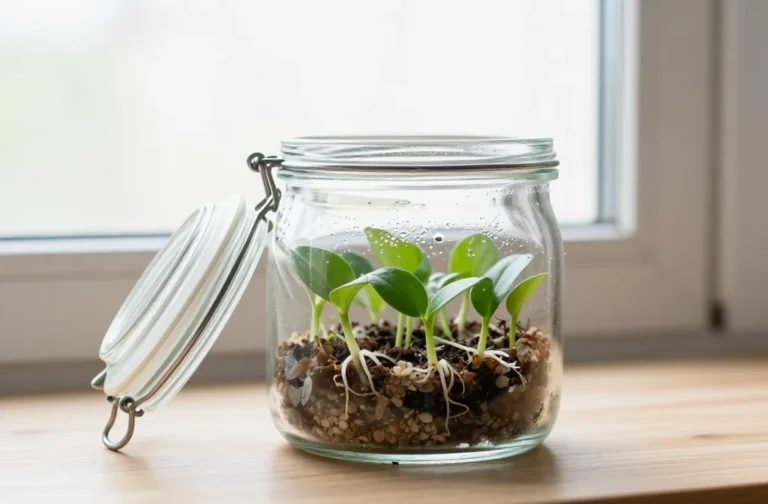
Yes, as long as the glass is clear and the opening is wide enough to work through. Clean it thoroughly with hot, soapy water and rinse until it smells neutral—no perfume or vinegar odor. If the lid seals too tightly for your plant choice, add a small spacer like a folded paper clip to create a tiny vent.
Is a cork lid better than a glass lid?
Neither is “better”—they do different jobs. A cork usually allows a bit of airflow and is good for tropical mixes that like humidity but need oxygen exchange. A glass lid seals tightly, ideal for moss and ferns once you’ve balanced condensation; use a coin or chopstick to prop it for venting during the first week.
What shape is best if I’m new to terrariums?
Start with a simple, straight-sided container with a wide mouth and a flat, visible base. This shape makes layering easy, shows you the water level, and lets you reach in to trim or remove debris. A 7–10 inch wide apothecary jar or fishbowl is a forgiving first pick.
How do I prevent algae on the glass?
Algae blooms when light hits constantly wet glass. Keep condensation to the lower third of the glass at midday by venting a closed lid for an hour or two as needed. Wipe the inside glass with a paper towel wrapped around chopsticks during maintenance, and avoid direct sunbeams that supercharge growth.
Can I use plastic instead of glass?
Clear plastic works in a pinch, but it scratches and hazes, which reduces light over time. If you use plastic, pick a food-grade, clear container and place it out of direct sun to avoid warping. Check more often for condensation balance because thin walls change temperature faster.
Conclusion
Pick the right container and your terrarium almost runs itself; pick the wrong one and you’ll fight it every week. Start with clear, wide, accessible glass that matches your plants’ lid needs, and build a visible false bottom you can monitor. Ready for next steps? Set your jar on a bright windowsill and practice venting until condensation sits in that lower third—your plants will tell you you’ve nailed it.