How to Harden Off Seedlings Grown in a Terrarium — Acclimatisation Steps and Failure Points Fast
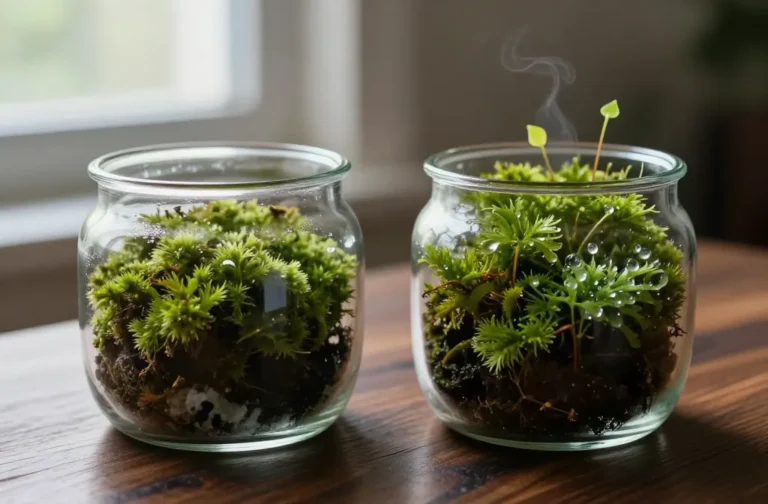
I’ve raised countless seedlings in steamy glass terrariums because it’s the easiest way to get flawless germination on a windowsill. The trouble starts the day you try to move those pampered plants into the real world — sun, wind, and dry air can flatten them in hours. I’ve learned exactly how to bridge that gap without losing a tray. In this guide, I’ll show you the precise acclimatisation steps and the common failure points to avoid so your seedlings thrive outdoors or on a bright sill.
Why Terrarium-Grown Seedlings Struggle Outside the Glass
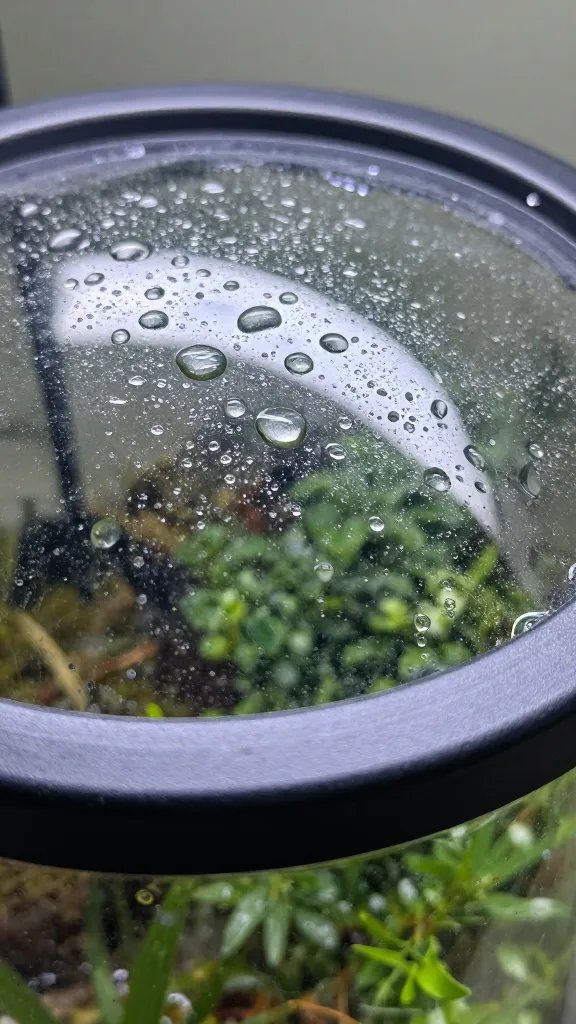
Inside a terrarium, seedlings enjoy stable warmth, high humidity, and zero wind. Their leaves form thin cuticles, and their stems don’t toughen because nothing ever pushes on them.
When you set them straight into sun and breeze, they lose water too fast, scorch, and droop. Roots also underperform because they’ve had constant surface moisture and low evaporation.
Takeaway: Treat hardening off as physical training — you’re building tougher leaves, stronger stems, and thirstier roots over 10–14 days, not moving plants “outside” in one jump.
Set the Stage: Timing, Tools, and a Simple Microclimate
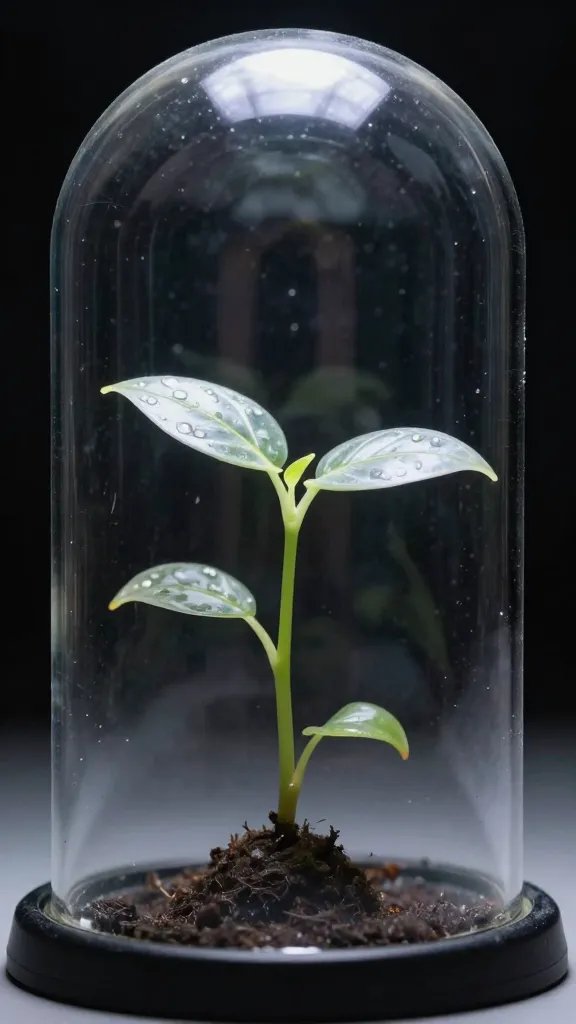
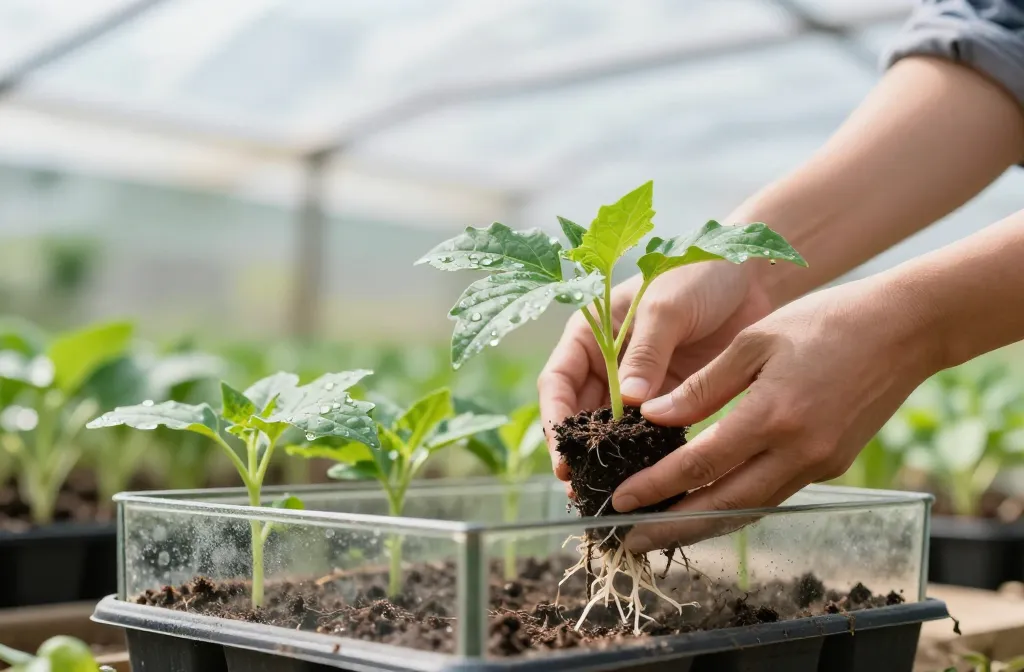
I start hardening off when seedlings have at least two strong true leaves and roots that hold the soil together when I lift a plug. Anything flimsier collapses under stress.
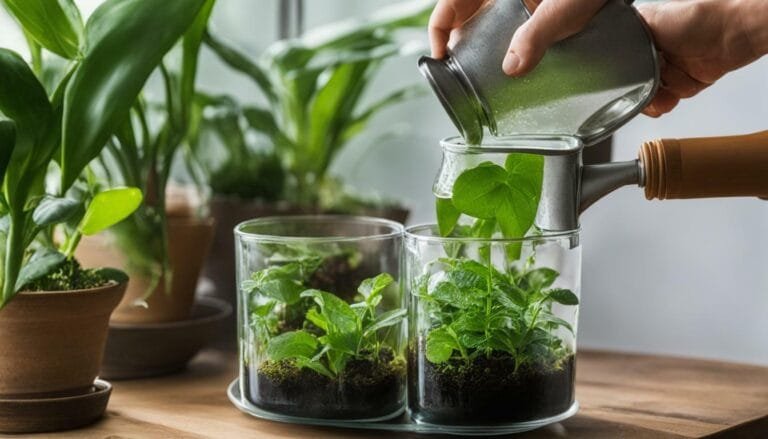
You need only: a shaded spot outdoors or a bright but indirect windowsill, a tray, a light-colored sheet or laundry rack for dappled shade, clothespins, and a spray bottle. If outdoors is impossible, use an open window with a screen and a small desk fan on low across the room.
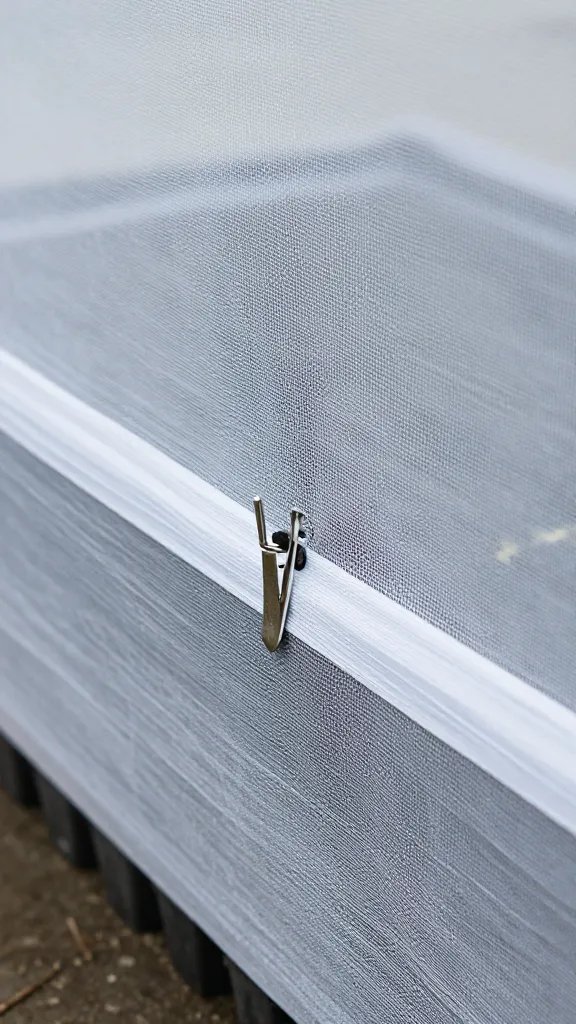
Create a microclimate. I stretch a light cotton sheet or frost cloth to cast loose shade and break the wind. Think “under a beach umbrella,” not darkness.
Action: Rig a dappled-shade station today — one breathable layer that reduces direct sun and halves the breeze in your chosen spot.
The 10–14 Day Hardening Plan (Exact Daily Progression)
Consistency wins. Pick a daily window and expand exposure on schedule. If the weather turns extreme, hold the previous day’s level rather than skipping.
- Day 1–2: 60–90 minutes outside in bright shade, no direct sun, sheltered from wind. Keep terrarium lid off indoors afterward.
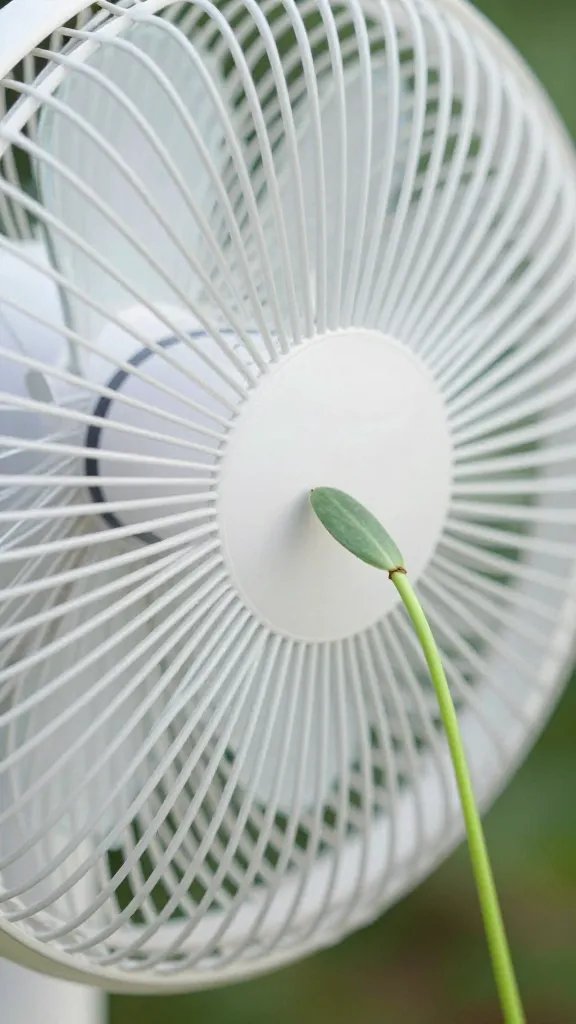
- Day 3–4: 2–3 hours in bright shade. Introduce a very gentle cross-breeze for 15–20 minutes using a fan positioned several feet away or a breezier corner behind your cloth.
- Day 5–6: 3–4 hours total. Give 30–45 minutes of early morning or late afternoon weak sun (sun that feels soft on your skin), then return to bright shade.
- Day 7–8: 4–5 hours total. Step up to 60–90 minutes of gentle sun. Increase breeze exposure to a steady low movement for 30 minutes.
- Day 9–10: 6 hours total. Allow 2 hours of sun, still avoiding noon. Water more deeply but less often so roots chase moisture.
- Day 11–14: Full half-day outdoors with 2–3 hours of sun, including late-morning light if temperatures stay under 24°C/75°F. Prepare for transplanting or all-day outdoor life.
Warning Signs And Fixes
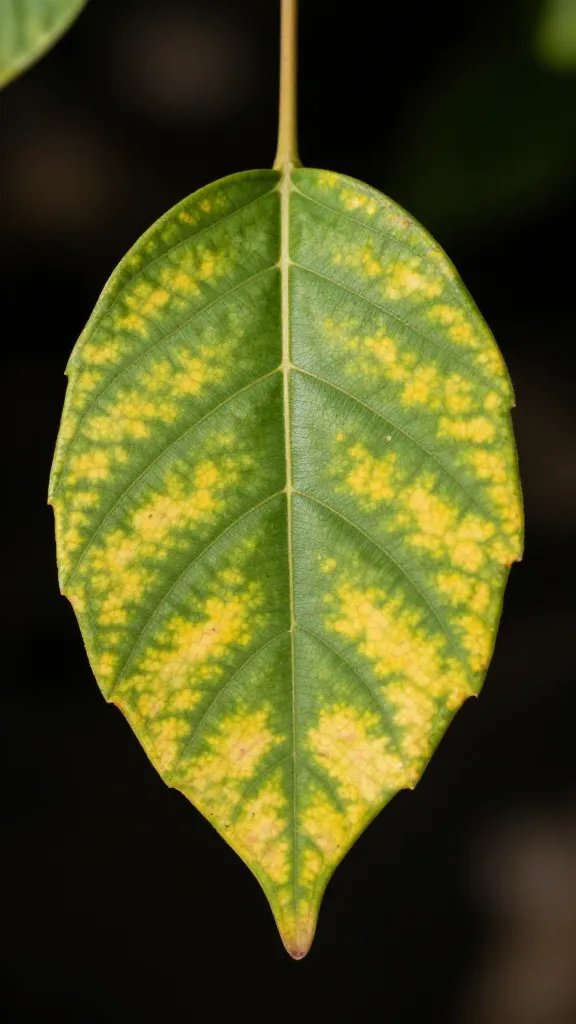
- Leaf curl or silver patches: Sun scorch. Step back one day and add another shade layer for tomorrow.
- Floppy stems after breeze: Too much wind too soon. Reduce fan distance and exposure time by half.
- Persistent midday wilt: Roots not keeping up. Water thoroughly in the morning and shorten that day’s exposure by 25%.
Action: Put the Day 1–2 session on your calendar with a daily reminder, then expand by the schedule above.
Watering and Feeding During Hardening: Preventing Shock
Terrarium seedlings expect frequent surface moisture. Outside, I switch them to a cycle that encourages deeper roots. I water thoroughly before each exposure, let them dry to just-damp by evening, and top up only if the pot feels light.
Fertilizer can burn stressed leaves. I feed once during the middle of the process with a half-strength, balanced liquid feed (the standard houseplant fertilizer diluted to half on the bottle) after a full watering, never on dry soil.
Action: On Day 5, give a single half-strength feed after watering, then skip fertilizer until plants are fully settled in their final spot.
Light: Choosing the Right Kind at the Right Time
Not all sun is equal. Early morning and late afternoon light toughen leaves with minimal burn. Midday sun through glass is the worst — it focuses heat.
If you only have a sunny balcony, stack shade: a sheer curtain plus a mesh or a light bedsheet. If you’re using grow lights indoors, raise the fixture 15–20 cm/6–8 inches on Day 1 and lower it in stages over a week.
Action: Identify your “soft sun” window tomorrow — the first 60–90 minutes after sunrise or the last hour before sunset — and schedule sun exposures there.
Wind and Temperature: The Two Silent Seedling Killers
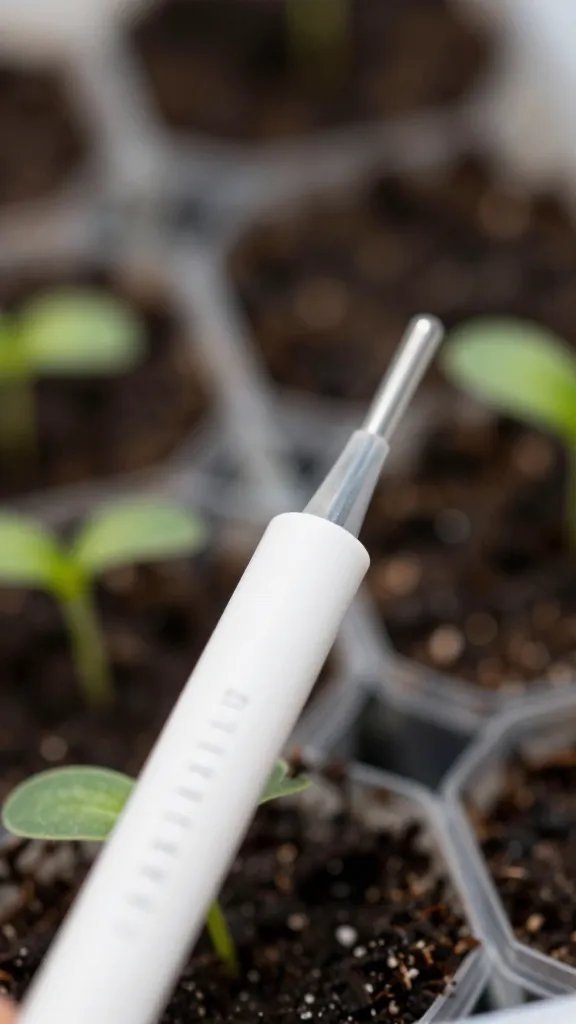
Wind dehydrates faster than sun. I test breeze levels with the paper test: if a loose sheet of paper lifts or flaps sharply, it’s too strong for Days 1–4. Aim for leaf tremble, not leaf whip.
Cold nights undo progress. I keep seedlings indoors if night temps drop below 8–10°C (46–50°F) for warm-season plants like tomatoes and basil, and below 4–5°C (39–41°F) for cool-season greens.
Action: Check tonight’s forecast now. If lows dip below your crop’s threshold, keep them inside and repeat yesterday’s exposure length tomorrow.
Transplant Day: Moving From Terrarium to Pots or Beds Without Setback
Transplant right after a hardening session in the late afternoon. The sun will ease off while roots reestablish overnight.
I plant into pre-watered, cool soil and firm gently so roots contact the mix. Then I shade the area with that same cloth for 24–48 hours. For balcony pots, I tuck them on the shadiest side of the railing and rotate out gradually.
Action: Pre-water the destination pot or bed until evenly moist, wait 30 minutes, then transplant and shade for the first day.
Common Failure Points You Can Avoid
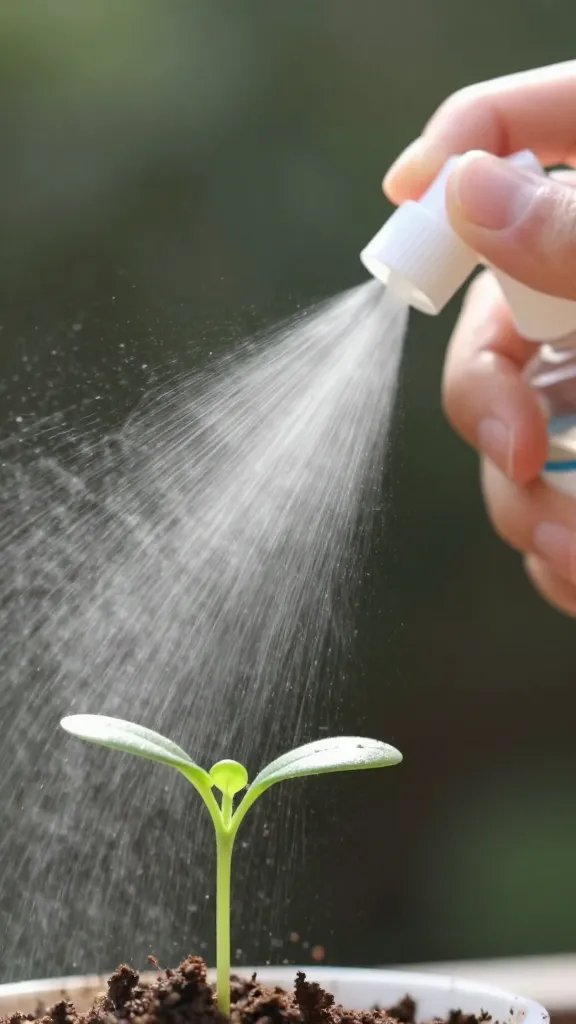
Skipping Steps Because Plants “Look Fine”
Seedlings often perk up before their tissues strengthen. The damage shows 24 hours later as crisp edges or collapse. Stick to the timetable.
Watering Little and Often
Sips keep roots shallow. Use a full soak until water drains, then leave them to search for moisture. This builds drought tolerance.
Hard Sun Through a Window
Glass traps heat and intensifies rays on tender leaves. If you must use a window, diffuse with a sheer curtain.
Feeding on Dry Soil
Warning: Fertilizer on dry roots causes burn. Always water first, then feed at half strength during the middle of hardening.
Action: Choose one pitfall above you recognize and correct it on the very next exposure session.
Frequently Asked Questions
How long does hardening off actually take?
Plan for 10–14 days for terrarium-raised seedlings. If the weather is mild and cloudy, you can finish closer to 10; if it’s bright and breezy, use the full two weeks. When in doubt, repeat the previous day’s exposure rather than jumping ahead.
Can I harden off under grow lights instead of going outdoors?
Yes. Raise the lights high and run a small fan across the room for a gentle breeze. Lower the lights in 2–3 steps over a week and extend daily light duration. Finish with short sessions of open-window air before transplanting.
What do I do if seedlings wilt during a session?
Move them to bright shade immediately and mist the air around them, not the leaves directly in midday sun. Water the soil, then let them recover indoors. The next day, reduce exposure by 25% and add another shade layer.
Is a clear plastic tote a good intermediate step?
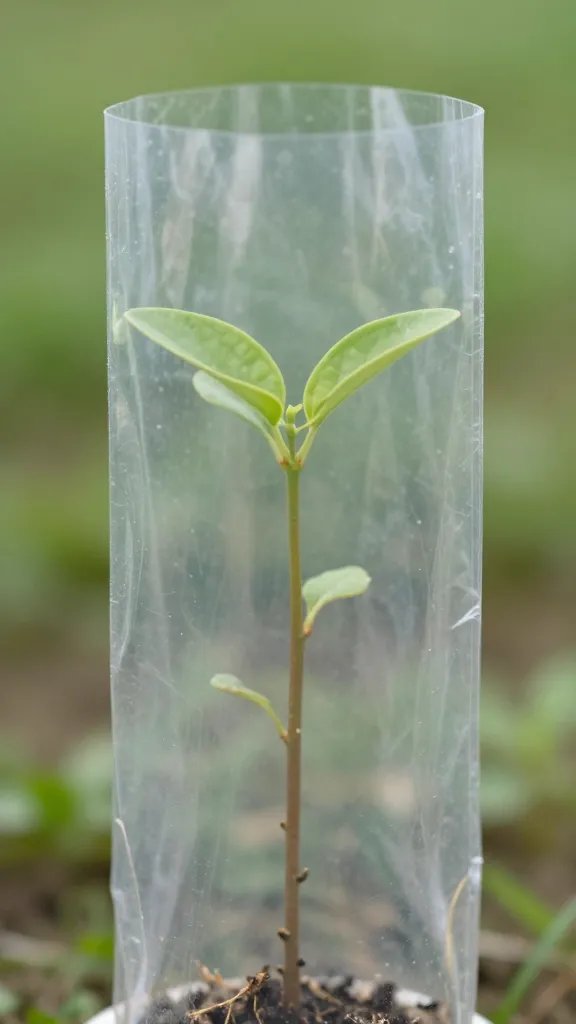
It works as a mini-cold frame if you prop the lid open 2–5 cm to vent. Place it in bright shade first, then introduce short morning sun sessions. Watch for condensation; if it runs heavily, open the gap wider.
When can I leave hardened plants out overnight?
After they tolerate 4–6 hours outside with 2 hours of sun and show no scorch or midday wilt, check the forecast. If nighttime lows stay above the crop’s threshold (10°C/50°F for warm-season, 5°C/41°F for cool-season), you can try the first overnight with added shade in the morning.
Do I need to stake floppy seedlings during hardening?
Only if they fold flat under their own weight. Use a small bamboo skewer and a soft tie as a temporary support. Aim to remove it within a week as stems strengthen from controlled breeze exposure.
Conclusion
Hardening off terrarium seedlings is simple when you treat it like training: gentle shade, measured sun, light breeze, and deeper watering on a steady schedule. Start with one controlled session tomorrow and build day by day. When you see sturdy stems and leaves that shrug off afternoon light, book your transplant evening and enjoy the leap from pampered glass to thriving garden.