Tiny Winners: 8 Succulents That Stay Small Enough for a Container Under 15cm
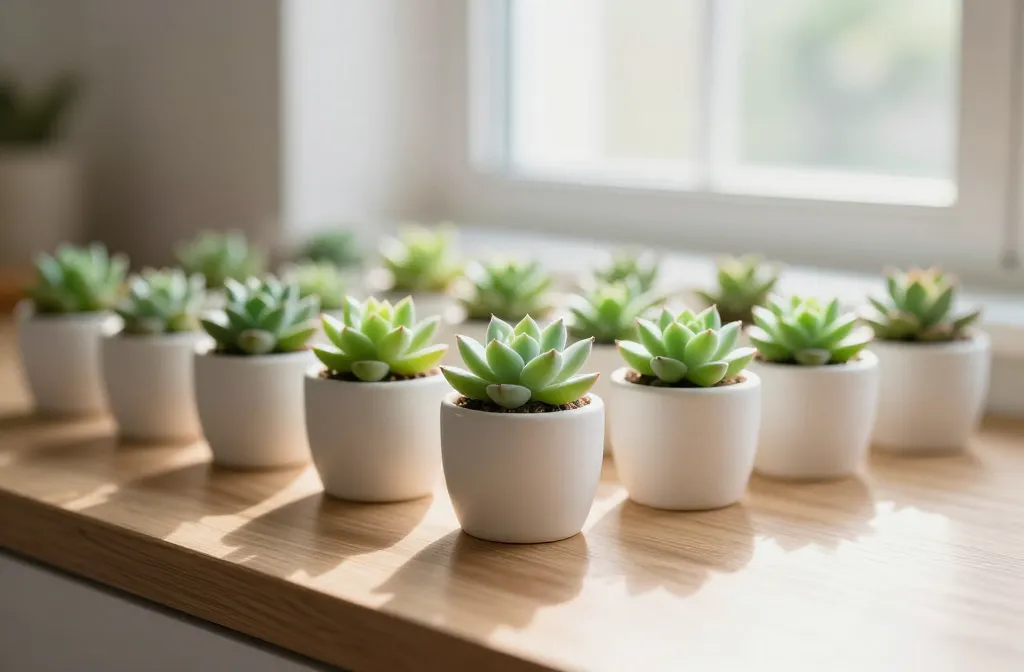
I started growing succulents on a narrow kitchen sill with nothing but 10–12cm pots and a watering can. The big-box “mini” plants I bought quickly swelled past their containers and flopped over the edge. After too many repots, I learned which species actually stay compact and look tidy for years. In this guide, you’ll learn eight reliable, small-stature succulents and the exact potting, watering, and light habits that keep them happy in containers under 15cm — without constant pruning or specialist gear.
1. Haworthia Cooperi: Stays Rosette-Size And Shimmers In Bright Windows
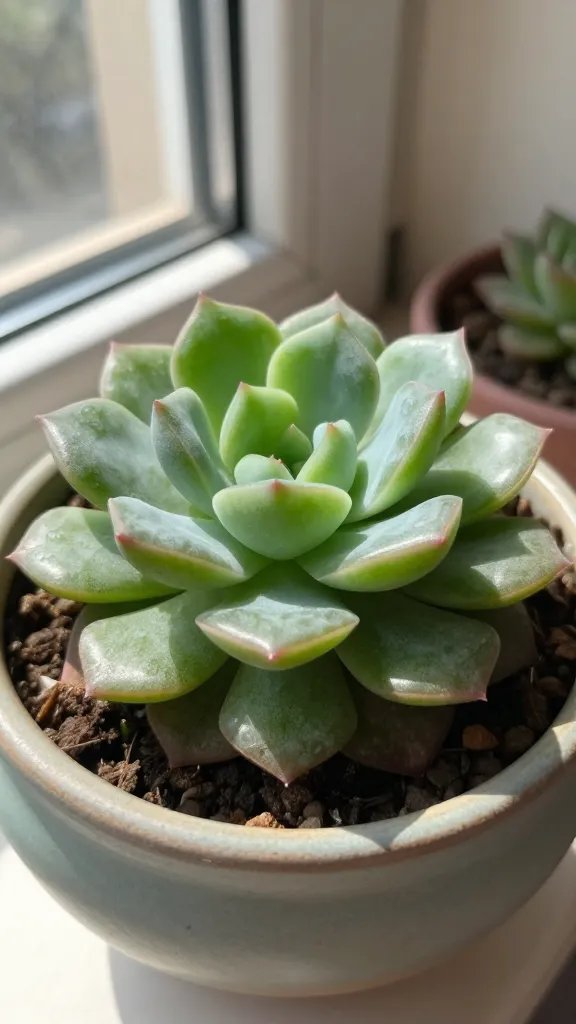
When you want a succulent that doesn’t sprawl, Haworthia cooperi holds a neat rosette about 5–10cm across for years. It tolerates indoor light better than most and won’t shoot upward awkwardly. Left alone, it forms small clusters that still fit a 12–14cm bowl.
Why It Works In Small Pots
- Compact rosettes with translucent leaf tips that stay under 10cm wide.
- Slow growth means fewer repots and no lanky stems.
- Handles bright indirect light near east or north windows without scorching.
Care Basics
- Light: Bright indirect light all day, or 2–3 hours of gentle morning sun.
- Water: Every 3–4 weeks; let the top 3cm of mix dry fully before watering through.
- Soil: A cactus/succulent mix from the garden centre; add a handful of fine grit or perlite per pot if your room stays cool.
- Pot: 10–12cm glazed ceramic or plastic with one drain hole.
Action today: Place your Haworthia 30–60cm from a bright window, then set a phone reminder to check dryness every 10 days and water only when bone dry to the first knuckle.
2. Gasteria ‘Little Warty’: Textured Leaves, Zero Fuss, True Dwarf Habit
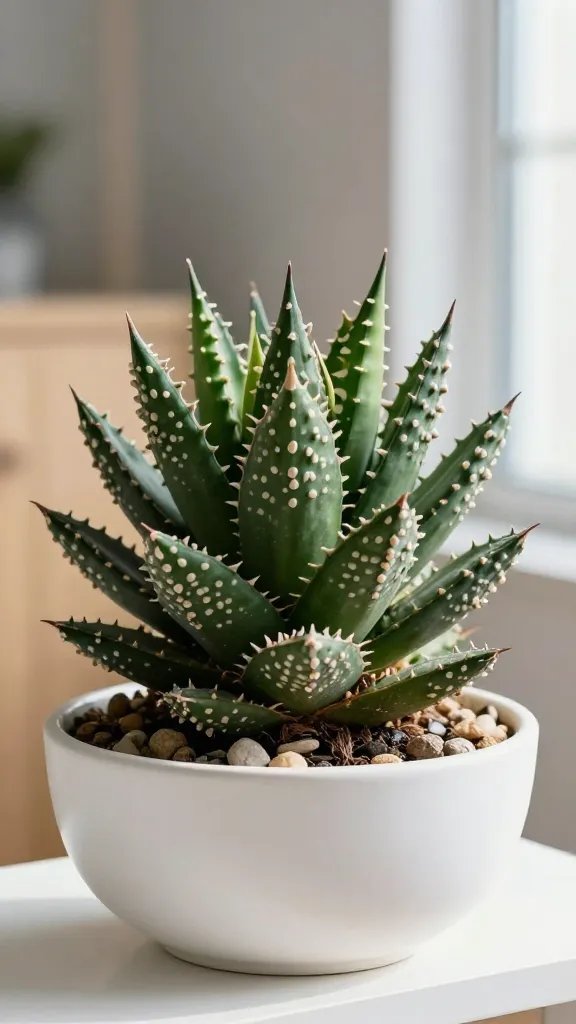
Gasteria hybrids like ‘Little Warty’ stay under 12–15cm tall and wide, even after years. They look sophisticated in tight spaces and shrug off inconsistent watering better than many succulents.
Why It Works In Small Pots
- Slow clumper that fills a 12–14cm bowl without overflowing.
- Handles lower light on a bright shelf away from direct sun.
- Thick leaves store water, so missed waterings don’t show immediately.
Care Basics
- Light: Bright room with indirect light; avoid harsh midday sun to prevent leaf bleaching.
- Water: Every 4 weeks in spring–summer; every 5–6 weeks in winter.
- Soil: Standard cactus mix; top with a thin layer of fine gravel to keep leaves dry at the base.
- Pot: 12–14cm shallow bowl to showcase the rosettes.
Takeaway: If your windows are bright but not sunny, choose Gasteria to keep a small footprint without stretching.
3. Echeveria ‘Minima’: Tiny Rosettes That Stay Cute, Not Leggy
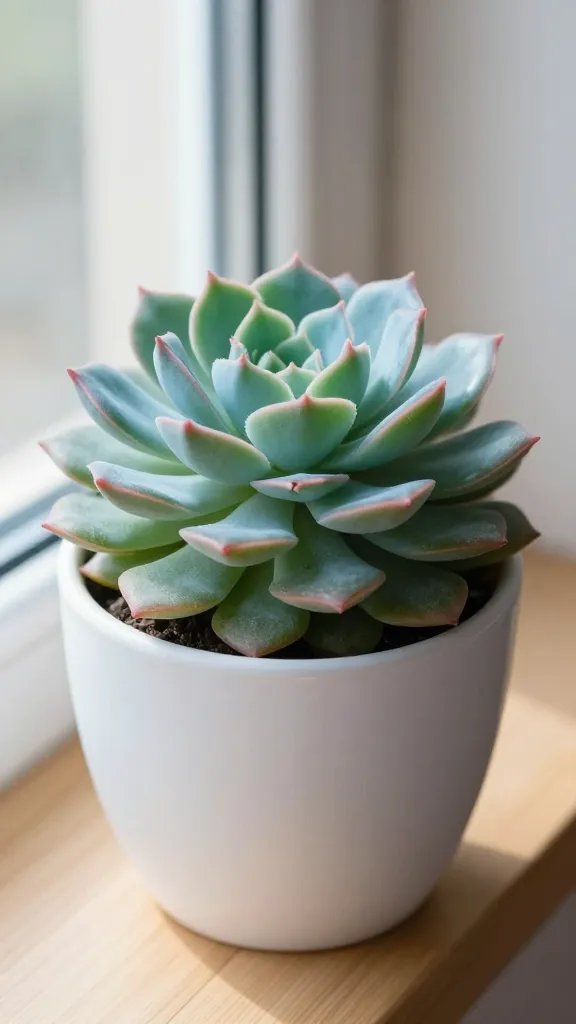
Many Echeveria shoot tall and lose symmetry indoors. ‘Minima’ stays compact — rosettes under 8cm — and offsets into tidy mounds that still suit a 10–12cm pot. It rewards good light with tight, colorful leaves.
Signs To Watch For
- Stretching (etiolation): Gaps between leaves mean it needs more light.
- Leaf drop at the base: Usually from overwatering or poor drainage.
How To Keep It Small And Symmetrical
- Give 4–5 hours of morning sun from an east window or bright south-facing spot with sheer curtain.
- Water every 2–3 weeks in warm months, less in winter — soak thoroughly, then drain fully.
- Rotate the pot a quarter turn once a week for even growth.
Action today: Move ‘Minima’ to the sunniest sill you have and place a white card or mirror behind it to bounce extra light for tighter rosettes.
4. Sempervivum ‘Little Bobo’: A Hen-and-Chicks That Truly Stays Under 10cm
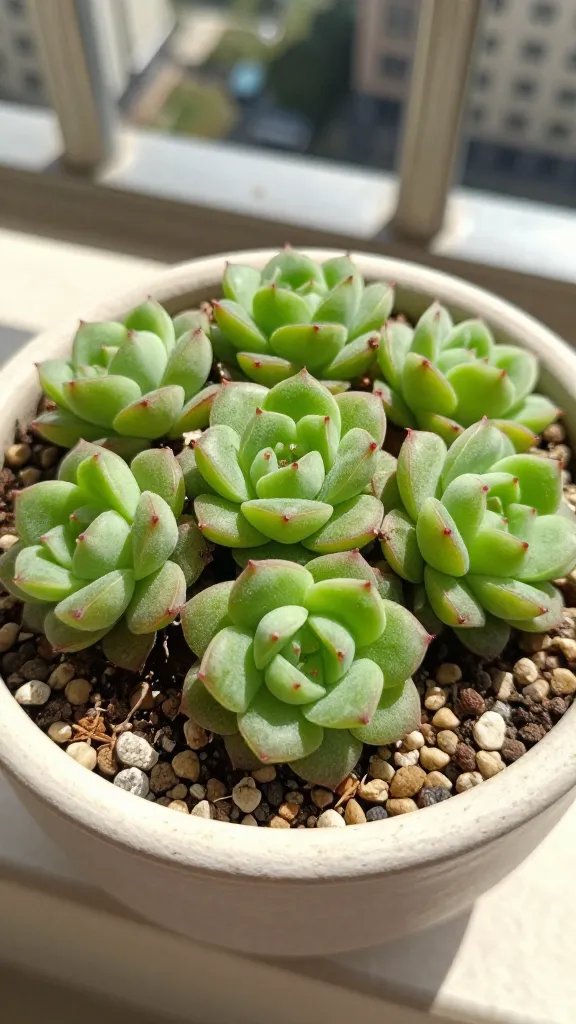
Most Sempervivum grow into sprawling mats, but ‘Little Bobo’ holds miniature rosettes 3–5cm across. It excels in shallow containers under 15cm and tolerates outdoor balconies as well as bright indoor sills.
Container Setup That Works
- Shallow dish 12–15cm wide, 5–7cm deep for a tidy cluster.
- Mineral-heavy mix: Half cactus mix, half fine grit or small pumice if available at your garden centre.
- Top-dress with pea gravel to keep crowns dry and clean.
Care Basics
- Light: Full morning sun or bright indirect all day; outdoor morning sun toughens growth.
- Water: Lightly every 3–4 weeks; avoid wetting the crown.
Takeaway: Use a shallow, gritty setup to keep ‘Little Bobo’ compact and prevent rot in small containers.
5. Crassula ‘Buddha’s Temple’ (Crassula pyramidalis x perfoliata): Architectural And Slow
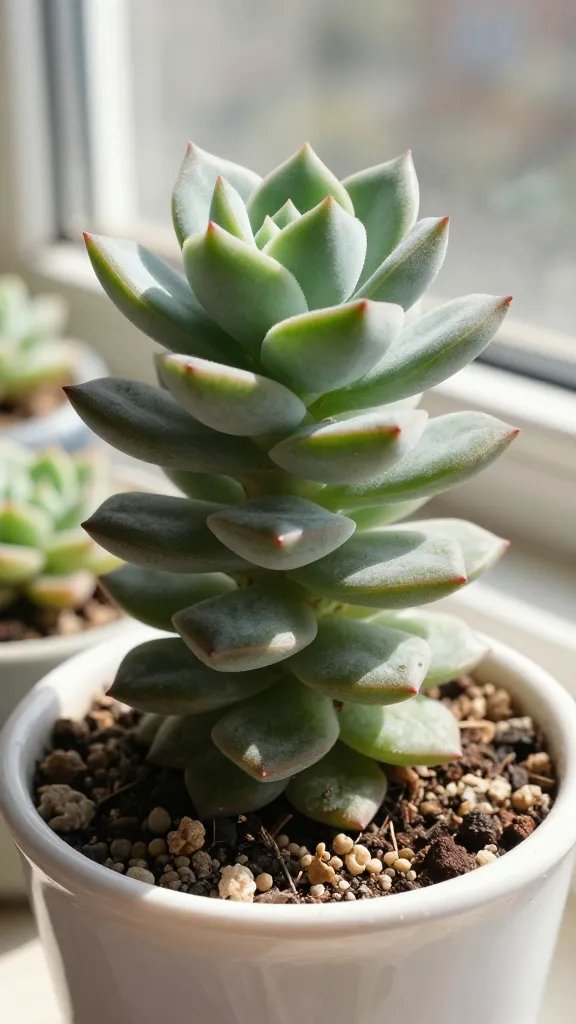
Crassula ‘Buddha’s Temple’ stacks leaves into a tight column that stays under 10–12cm for a long time. It looks like sculpture in a 7–10cm pot and grows slowly enough to avoid frequent repots.
Key Risks And Fixes
- Toppling: Narrow columns get top-heavy. Use a slightly heavier pot (ceramic) and gritty mix.
- Rot from trapped water: Water the soil line, not the stack, to avoid pooling.
Care Basics
- Light: Bright spot with 2–3 hours of gentle sun. Too little light loosens the stack.
- Water: Every 3–4 weeks; confirm dryness with a wooden skewer inserted 5cm — if it comes out clean and dry, water.
- Fertiliser: Half-strength cactus feed once in spring, once in summer.
Action today: Add a gravel top-dress to stabilize the stem and reduce splash on the leaves during watering.
6. Lithops (Living Stones): Micro-Sized, Perfect For 5–8cm Pots
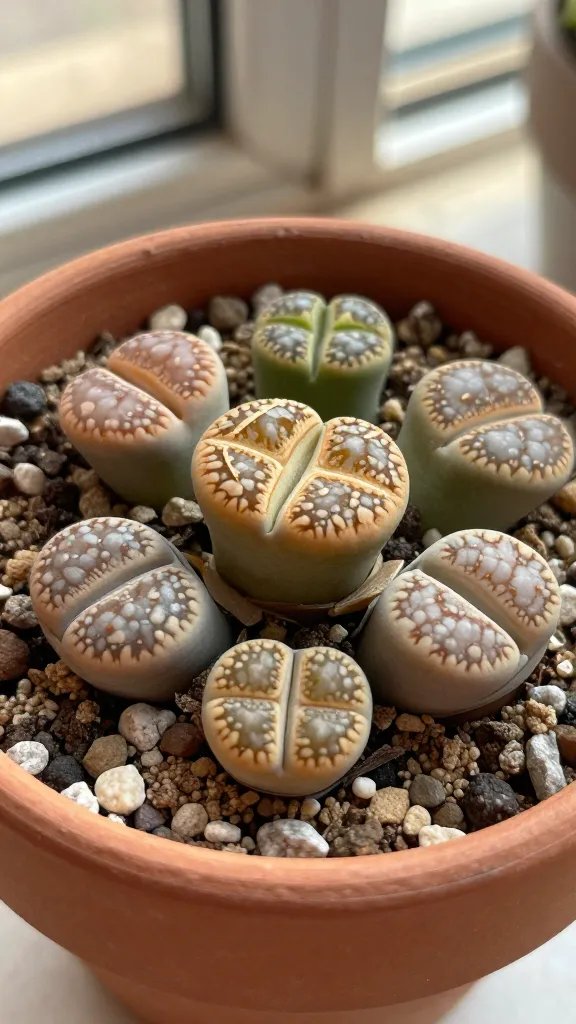
Lithops are the kings of tiny — most heads are 2–4cm across and sit flush with the soil. They thrive in cramped containers because they barely need pot depth or water. The catch: their watering schedule is strict.
Seasonal Watering That Keeps Them Alive
- Autumn: Water lightly every 2–3 weeks when they actively grow and flower.
- Winter: No water as old leaves dry and new leaves form inside.
- Spring: Resume only after old leaves are fully shriveled.
- Summer: Minimal to none during very hot dormancy indoors.
Container Notes
- Pot: 5–8cm with excellent drainage; use a very gritty succulent mix.
- Light: Brightest window you have; morning sun is ideal.
Takeaway: If you tend to overwater, choose Lithops and follow the “no winter water” rule to keep them thriving in tiny pots.
7. Haworthiopsis Fasciata ‘Big Band’ (formerly Haworthia): Zebra Stripes, Desk-Friendly Size
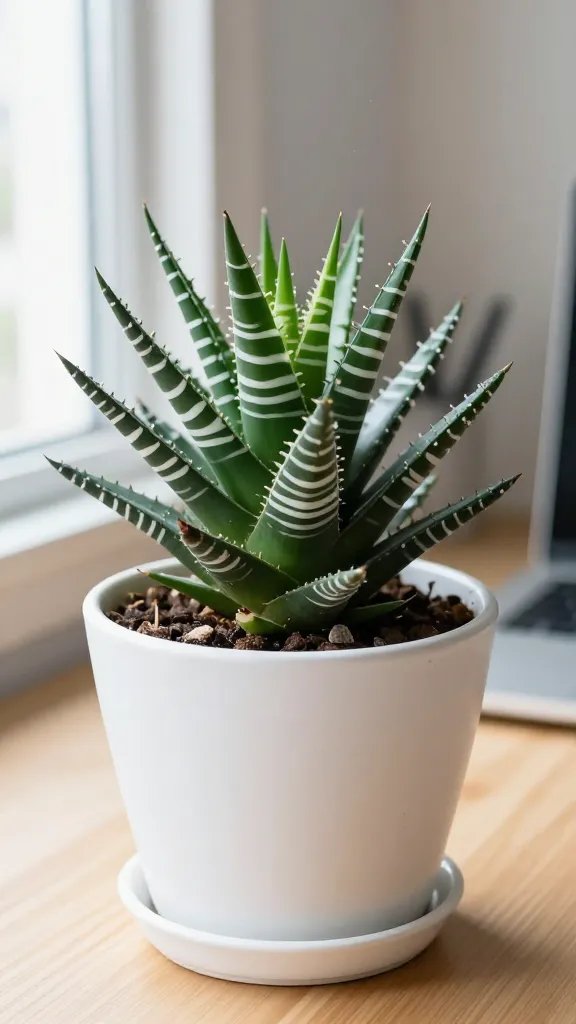
Haworthiopsis fasciata ‘Big Band’ makes a bold, striped rosette that rarely exceeds 12–15cm tall in containers. It forgives indoor light, holds its shape, and pups slowly, so a 12cm pot stays tidy for years.
Lighting And Watering For Stripe Contrast
- Light: Bright indirect light enhances the white banding without burning tips.
- Water: Every 3–4 weeks; allow complete drainage. In winter, stretch to every 5 weeks.
- Airflow: Keep a small gap from the wall to avoid stagnant, humid corners.
Problem Prevention
- Soft, pale leaves: Too much water. Extend the gap between waterings by one week.
- Brown, dry tips: Sun scorch. Pull it 30cm back from direct midday sun.
Action today: Slide a coaster under one side of the pot to tilt it slightly and prevent water from sitting in the rosette after watering.
8. Sedum Rubrotinctum ‘Mini Me’ (Dwarf Jelly Bean): Color In A Tiny Package
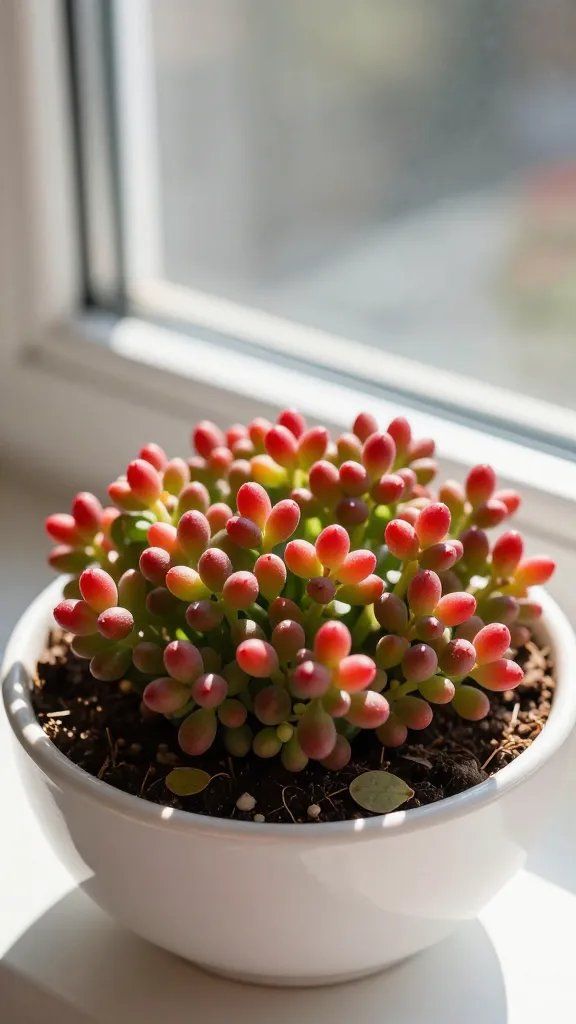
Standard jelly bean sedum outgrows small pots quickly, but Sedum rubrotinctum ‘Mini Me’ stays petite. It brings cheerful red or bronze tints in strong light and still looks full in a 10–12cm bowl.
How To Keep It Compact And Colorful
- Light: 3–4 hours of morning sun for best color; afternoon sun can scorch behind glass.
- Water: Every 2–3 weeks in growing season; trim fallen leaves to prevent messy rooting.
- Pruning: Pinch tips lightly once in spring to maintain a mound under 10–12cm.
Propagation Tip
- Press a few healthy leaves onto the surface of a dry cactus mix. Mist lightly once a week until tiny roots appear, then reduce misting and water the pot normally.
Takeaway: Give ‘Mini Me’ morning sun and occasional pinching to keep a dense, colorful cushion in a small container.
Frequently Asked Questions
What size pot should I actually buy for these small succulents?
Choose a pot 1–2cm wider than the plant’s current spread, typically 7–12cm for these species. Smaller rosette types like Haworthia cooperi or Lithops do best near 7–9cm. Use one drainage hole minimum and avoid deep pots; a shallow 5–8cm depth suits most. If your plant wobbles, move up just one size, not two.
How do I water succulents in tiny pots without drowning them?
Water thoroughly until a little runs from the drain hole, then wait until the top 3cm are bone dry before watering again. In normal indoor conditions, that’s every 2–4 weeks. Lift the pot: if it feels surprisingly light, it’s ready. Always empty saucers within 5 minutes so roots don’t sit in water.
What soil should I use if I don’t want to mix my own?
Buy a bag labeled cactus or succulent potting mix at your garden centre. If your home runs cool or you tend to overwater, stir in a handful of perlite or fine grit per small pot for extra drainage. Top-dress with pea gravel to keep crowns dry and reduce fungus gnats. Avoid standard houseplant soil — it stays too wet.
Can these plants live on a north-facing windowsill?
Yes for Haworthia cooperi, Gasteria ‘Little Warty,’ and Haworthiopsis ‘Big Band’ if the window is bright. Echeveria ‘Minima,’ Sedum ‘Mini Me,’ and Lithops need at least several hours of stronger light; use an east-facing sill or move them closer to the glass. If leaves start to space out or lose color, they need a sunnier spot. Rotate weekly to prevent leaning.
How do I keep succulents small without harming them?
Choose inherently compact species, limit fertiliser to once or twice in spring–summer at half strength, and provide strong light to keep internodes short. Use snug pots (7–12cm) and avoid frequent up-potting, which can push faster growth. For clumping types, remove a few offsets once a year and replant them or give them away.
What’s the best way to avoid pests in small containers?
Keep leaf bases dry, use a gritty top-dress, and water in the morning so surfaces dry by evening. Check weekly with a quick glance under leaves and along stems for cottony specks (mealybugs). If you see any, dab with cotton swabs dipped in regular rubbing alcohol and repeat after 5–7 days. Discard soggy topsoil and refresh gravel if gnats appear.
Conclusion
You don’t need big planters or grow lights to build a satisfying succulent display — you just need the right compact species and a light, steady routine. Pick two from this list that fit your window, set a reminder for watering every 3–4 weeks, and enjoy a tidy, long-lived mini collection that actually stays mini.