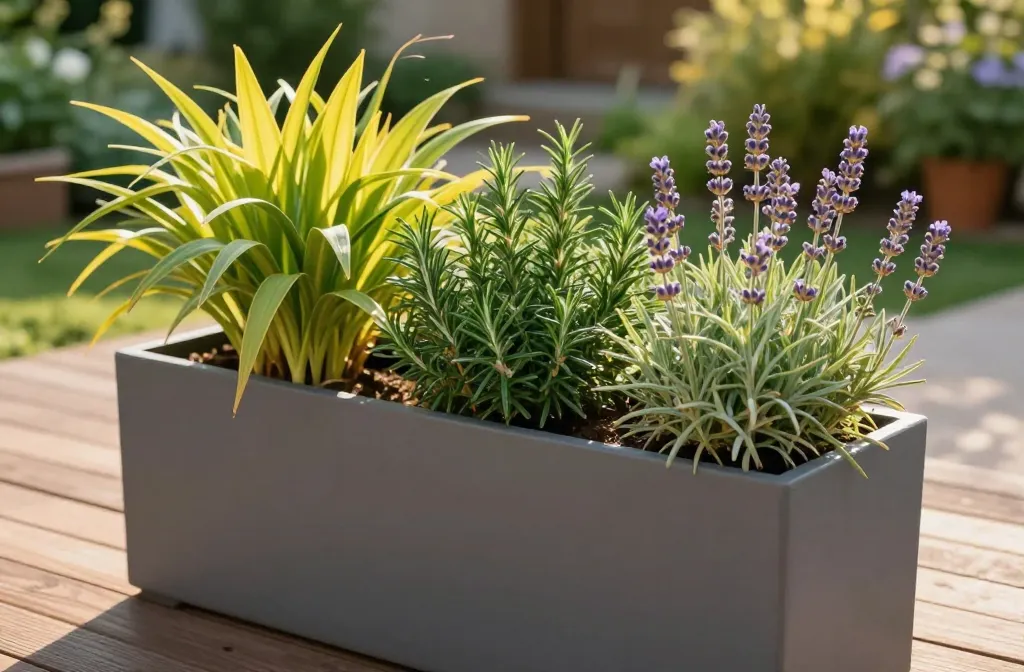
How to Build a DIY Mosquito-Repelling Planter
- Best for: Outdoor gatherings and summer patios
- Make ahead: Yes — assemble 1–2 days in advance
- Serves: 1 planter that covers a small to medium seating area
- Key tip: Use a combination of citronella, rosemary, and lavender for best scent and efficacy
If you want a simple, stylish way to keep mosquitoes away, a DIY mosquito-repelling planter is your answer. This project blends greenery with essential oils and smart design, so you get fragrance, charm, and bite-free evenings. How to Build a DIY Mosquito-Repelling Planter is the guide you need to combine function and curb appeal in one stylish container. You’ll learn what to plant, how to arrange it, and how to amplify the-repelling power with natural oils and airflow. By the end, you’ll have a planter that looks great and actually helps you enjoy the outdoors again.
Choosing the Right Plants and Scent Strategy
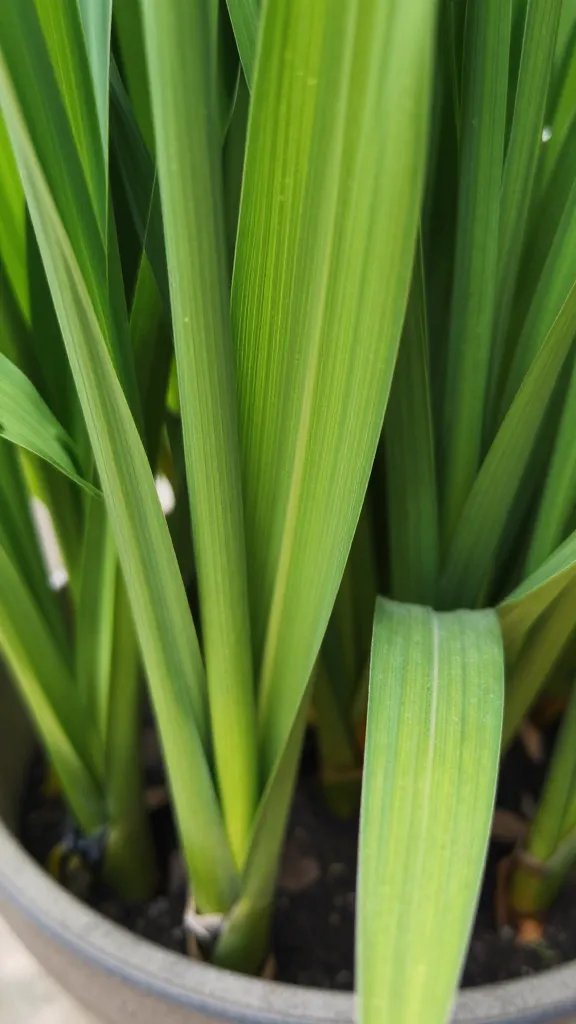
Before you hammer a nail, map out a scent strategy. The goal is to create a fragrance barrier that mosquitoes hate but humans enjoy. This section covers plant choices and scent combinations that work well together.
- Citrus and herbs: Lemongrass, citronella, lemon thyme, and rosemary form a potent aroma blend.
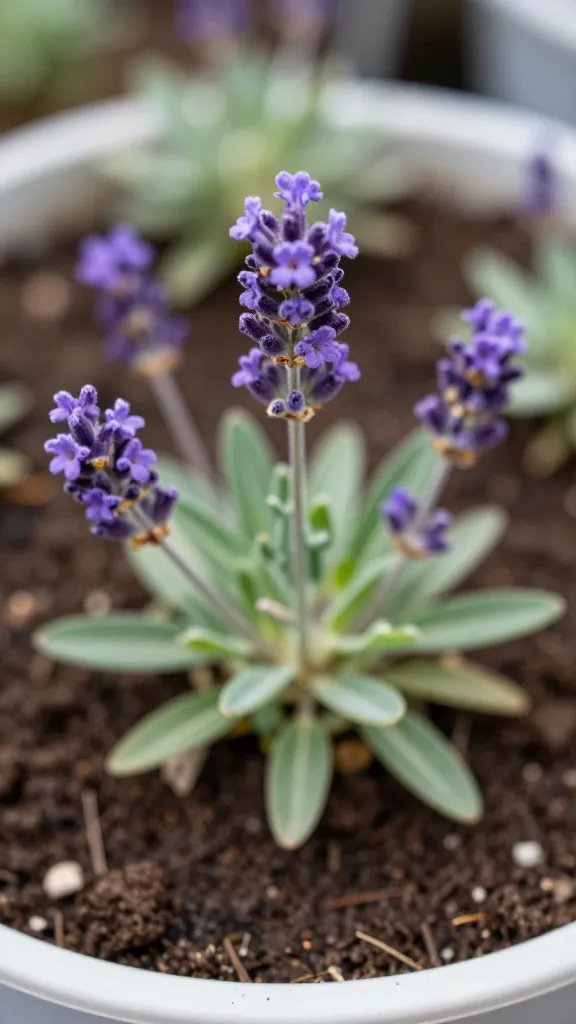
- Lavender for calm: Lavender keeps pests away and adds a soothing scent after sunset.
- Mint with caution: Mint spreads fast—use a contained pot or barer to control growth.
- Ornamental complement: Add marigolds or basil for color and extra repellent compounds.
Planter layout ideas
- Layered halos: Place tall citronella in the center, surround with lavender and rosemary, then fill gaps with lemon thyme and marigolds.
- Fragrant front edge: Position creeping herbs around the outer rim to “wrap” the scent around your seating area.
Materials and Tools — What You Need
You don’t need a workshop full of gear to nail this project. Keep it simple and sturdy so it lasts through warm evenings and occasional rain.
- Planter box or terracotta containers: Choose a size that fits your space; a set of three smaller pots often looks cozier than one big bin.
- Well-draining soil mix: A mix of potting soil with perlite or pumice helps plant health and prevents soggy roots.
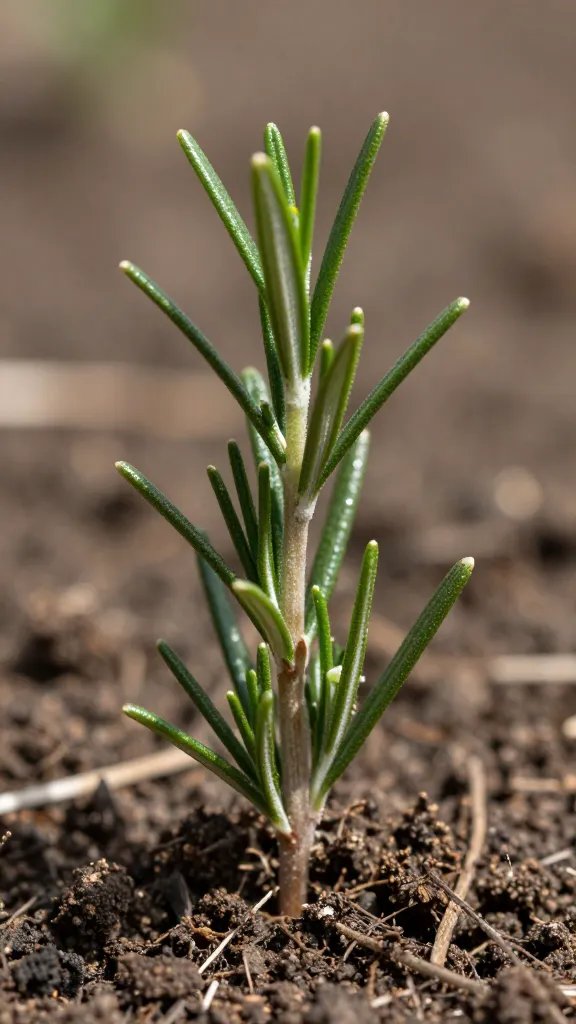
- Plants: Lemongrass, citronella (Citronella geraniums or scented geraniums can work as well), rosemary, lavender, and marigolds.
- Mulch and edging: Pine bark mulch or small stones to reduce moisture around the stems and keep pests at bay.
- Watering can and spray bottle: Gentle watering and a fine-mist spritz for essential oils.
- Natural oils (optional): Citronella oil or lemon eucalyptus oil for occasional boost—never apply directly to skin from the planter; dilute as needed.
Step-by-Step Assembly
Follow these steps to assemble your mosquito-repelling planter in about an hour. You’ll get a healthy, scented display that actually discourages mosquitoes.
- Prepare the planter: Ensure drainage holes are clear. Add a few inches of gravel or broken pottery to improve drainage at the bottom.
- Layer soil and plants: Start with taller plants in the center (rosemary or lavender), then fill with medium-height herbs (lemongrass, citronella), and finish with low-growing ground cover or marigolds along the edge.
- Spacing and height: Leave about 4–6 inches between plants so air can move, reducing mold risk and letting oils volatilize.
- Mulch and topsoil: A light mulch layer helps retain moisture and shields roots from heat. Refill as needed.
- Watering schedule: Water deeply when the top inch of soil dries, typically every 2–3 days in hot weather. Avoid overwatering to prevent root rot.
Enhancing Mosquito-Repellency Naturally
Plants are your first line of defense, but you can punch up the effect with a few simple tactics.
- Airflow matters: Place the planter where a breeze carries volatile oils toward seating areas.
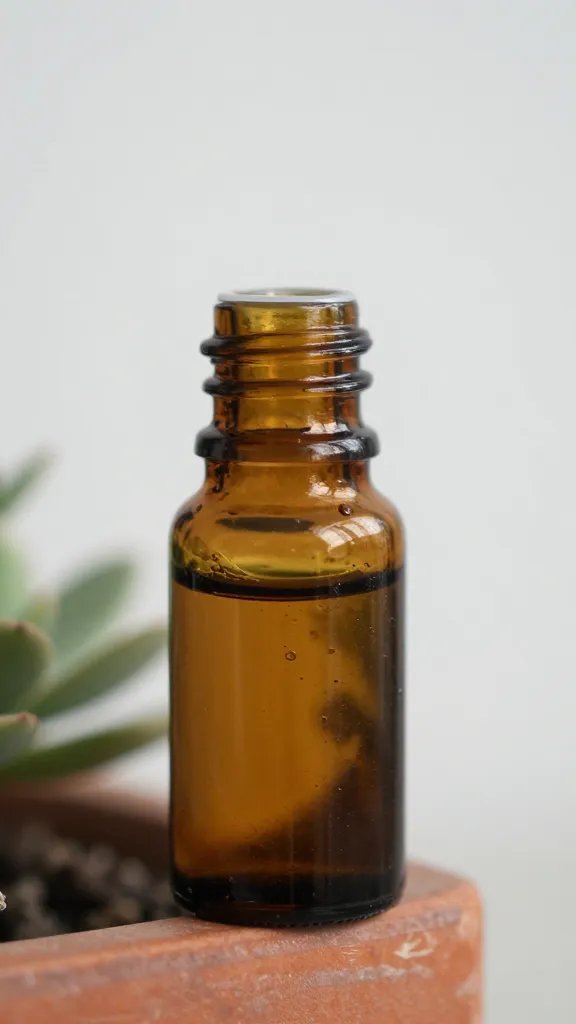
- Boost with essential oils: Every week, spritz the outer leaves with a diluted essential oil solution (1–2 drops per 1 cup water) to refresh the scent.
- Consistency: Replenish plants as they grow, trimming to maintain a compact, bushy shape that keeps oils near the leaves.
- Shade considerations: Most repellents work best when plants are sun-kissed; aim for 6–8 hours of sunlight daily for the highest scent production.
Maintenance Tips to Keep It Fresh

A thriving planter not only repels mosquitoes but also looks good week after week. Here are quick maintenance ideas to keep it performing.
- Prune regularly: Shape herbs to encourage new growth and prevent leggy, sparse canopies.
- Soil refresh: Replace topsoil annually and check for compacted roots.
- Companion care: Keep pests away with natural remedies like soapy water on leaves if aphids appear—just rinse well to avoid plant stress.
- Seasonal move: Bring herbs indoors in late fall or place the planter in a sheltered spot if you expect frost.
From My Kitchen: What Actually Works
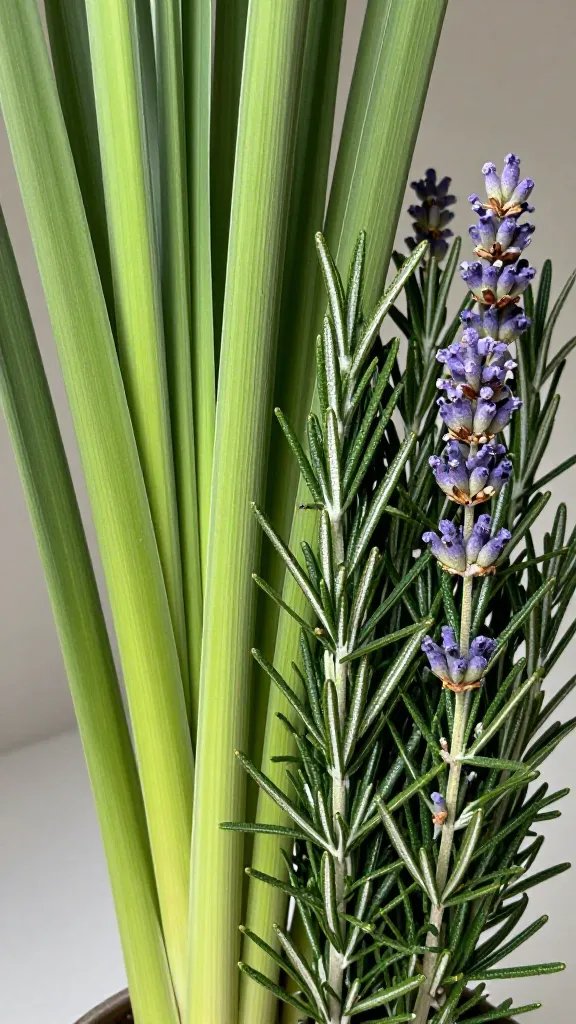
I’ve built this twice for weekend gatherings. The biggest win is placing the planters on wheels so I can reposition them for sun or shade without lifting heavy pots. I’ve found that trimming rosemary and lavender every two weeks keeps a compact scent radius rather than a loud, overpowering aroma. And yes, lemongrass grows vigorously here—let it fill the back row and cut frequently to maintain airflow and prevent tall, blocky growth.
Internal Link to Related Topics
To round out your outdoor herb setup, you might also enjoy these ideas: this herb dressing recipe for salads that complements the planter’s flavors, or this citrus pot planter guide for more sun-loving, scent-rich plants.
Frequently Asked Questions
How long does a DIY mosquito-repelling planter keep its scent?
The scent is strongest in the first 6–8 weeks and gradually mellows as plants grow. Regular pruning and light oil sprays help maintain fragrance longer.
Can I make a DIY mosquito-repelling planter ahead of time?
Yes. Assemble the planter at least 1–2 days before your event so the plants acclimate and the initial oils compress into a steady aroma. Keep it in a bright spot and water as needed.
Can I use fake plants in this setup?
You can, but the effectiveness drops dramatically. Real herbs release essential oils that repel mosquitoes; fake plants offer aesthetics without repellent benefits.
What’s the best way to serve this for a crowd?
Use a cluster of 3–5 planters at different heights near seating. This creates a scented barrier without obstructing traffic. Rotate plants every few weeks to refresh scents and keep the display lively.
Can I freeze any of these plants for next year?
Most herbs like rosemary and thyme can be dried or frozen for later use, but the mosquito-repelling efficacy relies on fresh plant oils. Consider drying the herbs for culinary use while keeping fresh plants for next season.
The Bottom Line

A DIY mosquito-repelling planter blends form and function into a single, practical outdoor décor piece. With the right mix of citronella, rosemary, lavender, and lemongrass, you’ll enjoy longer evenings outside and fewer bug interruptions. Ready to give it a try?
Planning to try this? Save this post so you can find it when you need it — and tag us when you make it.