Lavender in Containers — Insect Repellent, Pollinators, and Growing Guide
- Best for: Drought-tolerant, fragrant containers that attract pollinators
- Make ahead: Yes — trim and dry bouquets a week in advance
- Serves: 1 planter or multiple containers (depends on plant size)
- Key tip: Use well-draining potting mix and a sunny spot for strong essential oil production
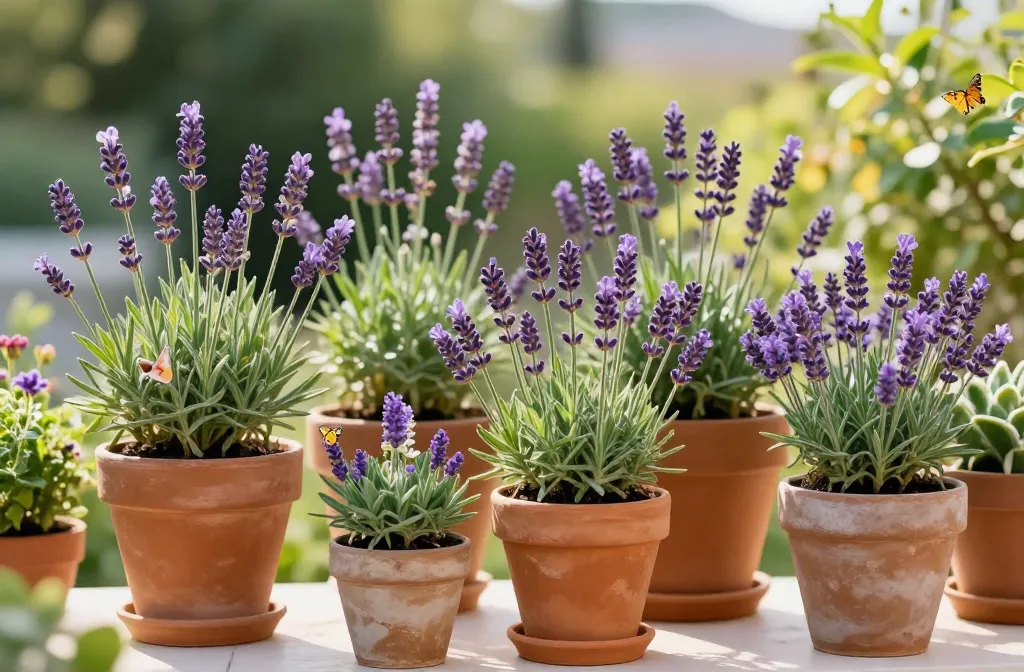
Lavender in containers is a clever way to harness a natural insect repellent while inviting pollinators into your balcony or patio garden. Lavender in containers helps deter pests like mosquitoes and moths with its aroma and essential oils, and it also draws bees and butterflies when in bloom. In this guide, you’ll learn how to choose varieties, water and soil needs, and practical styling tips to maximize fragrance, health, and pollinator visits. By the end, you’ll know how to grow, maintain, and enjoy lavender in pots all season long.
Choosing the Right Lavender for Containers
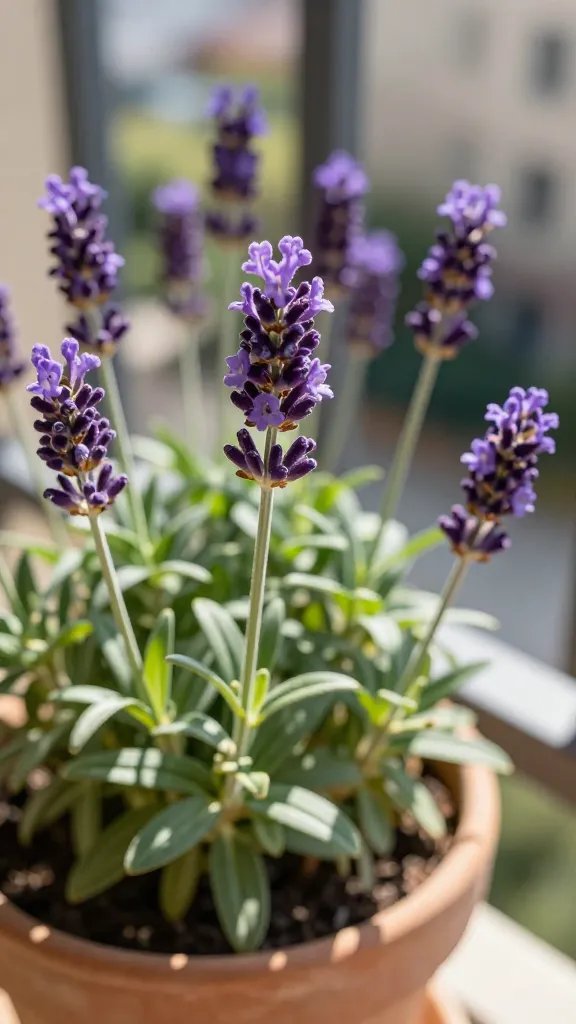
- English lavender (Lavandula angustifolia) is compact and good for pots, with a classic fragrance.
- French and Spanish lavenders offer striking colors and strong scents but may be shorter-lived in cold climates.
- Compact varieties like Lavandula “Hidcote” or “Munstead” adapt well to containers and pruning.
When selecting, look for plants with sturdy stems, fresh green growth, and a balanced scent. Avoid plants with yellowing leaves or signs of disease. Planting in a container provides control over soil drainage and sun exposure, both essential for strong oils that repel insects and attract pollinators.
Soil, Drainage, and Potting Tips
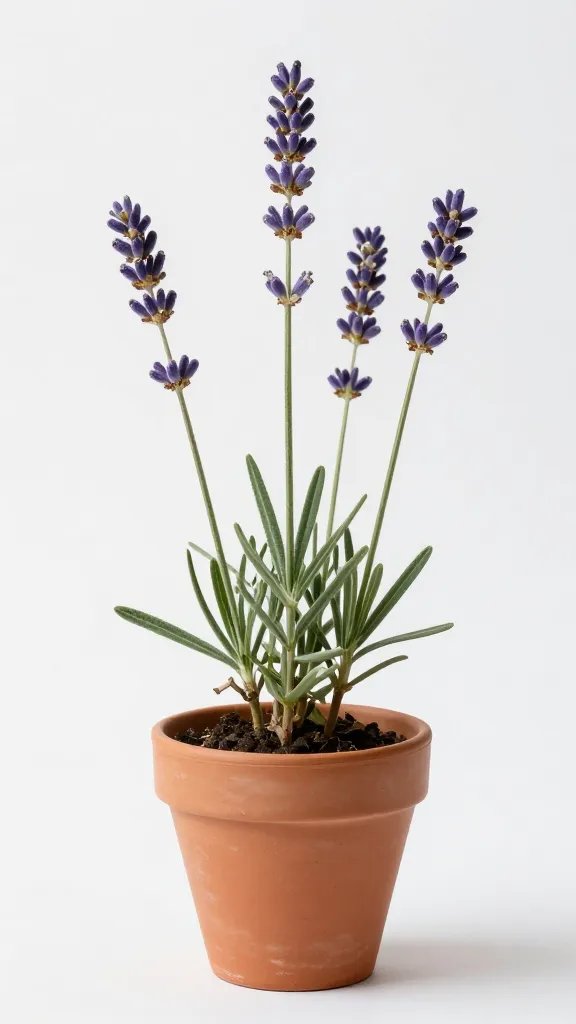
- Soil mix: A fast-draining mix is non-negotiable. Use a potting soil blended with perlite or sand to improve drainage.
- Pot size: Start with a pot at least 12–14 inches in diameter for a single plant; larger herbs will thank you with more blooms.
- Drainage: Ensure the container has drainage holes and add a bottom layer of coarse gravel if needed.
- Watering: Water deeply when the top inch of soil dries; avoid letting the soil stay constantly wet.
The right soil and drainage are what keep lavender happy in pots. Poor drainage leads to root rot and diminished essential oils, which means fewer scents and fewer pollinator visits.
Planting and Care in Containers
- Place your pot in full sun (at least 6–8 hours daily) for robust growth and scent production.
- Water deeply but infrequently—lavender is drought-tolerant once established.
- Fertilize sparingly with a low-nitrogen fertilizer or compost; too much nitrogen promotes leafy growth and weak blooms.
- Prune after flowering to maintain shape and encourage bushier growth next year.
Pruning is key. Light shaping keeps the plant compact and makes room for new growth and vibrant blooms. This not only improves aesthetic appeal but also ensures a steady supply of aroma for repellency and pollinator attraction.
Insect Repellent and Pollinator Strategy
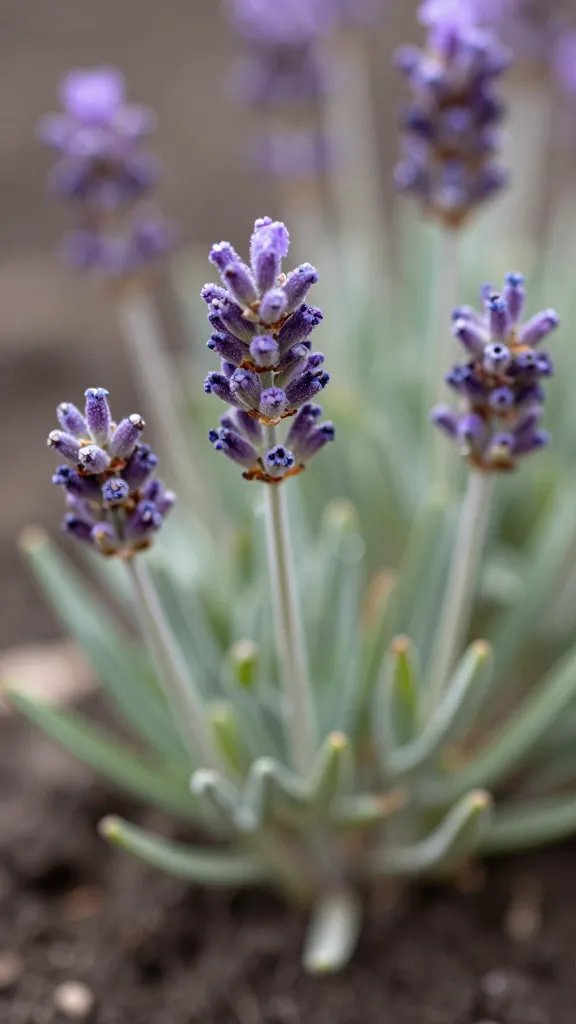
- Aroma lavender oils are repellent to some pests but attract pollinators that appreciate nectar.
- Placement near entryways, windows, or seating areas can reduce mosquitoes and attract beneficial pollinators to your space.
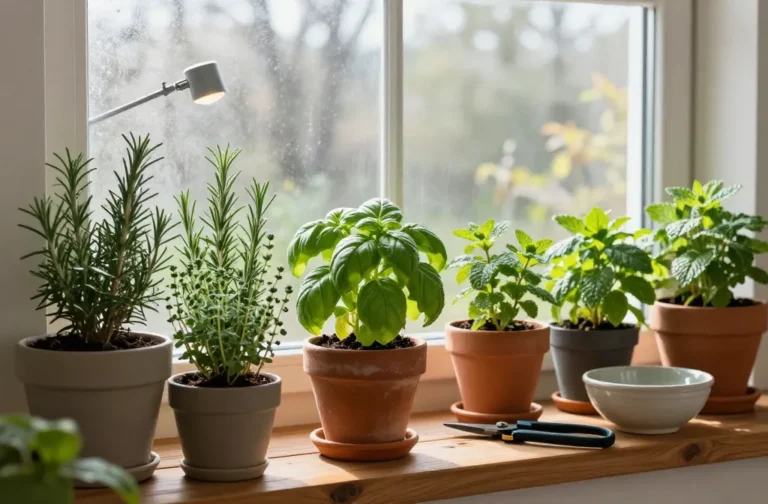
- Companion plant ideas include thyme, rosemary, and salvia to create a fragrant edible landscape that supports natural pest control.
Lavender’s dual role hinges on bloom timing and plant health. When the plant is flowering well, the fragrance is strongest, delivering insect deterrence while inviting bees and butterflies to visit. It’s a win-win for a small-space garden.
Harvesting and Use in the Home Garden
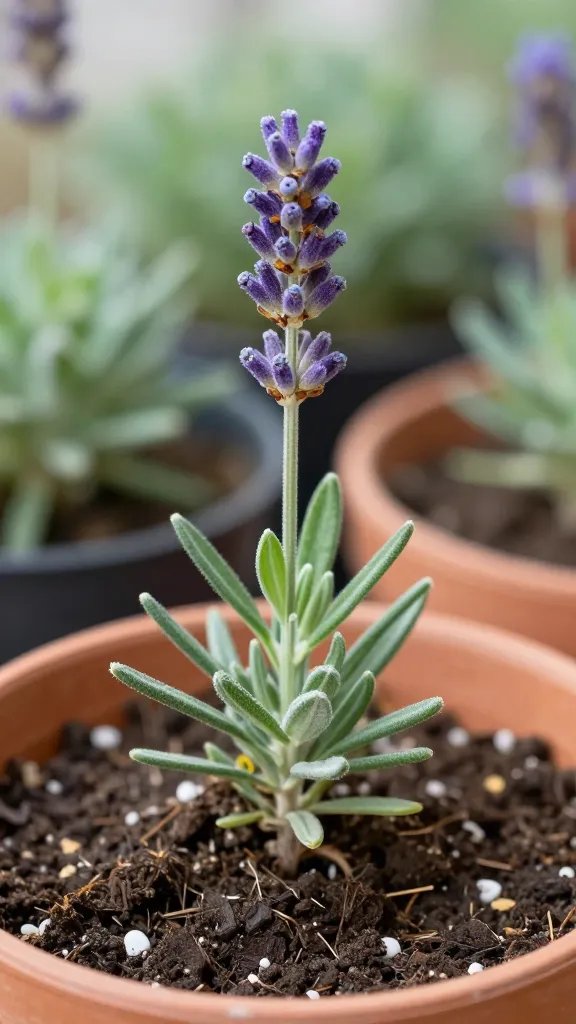
- Harvest timing: Cut lavender just as the buds begin to open for the strongest scent and oil content.
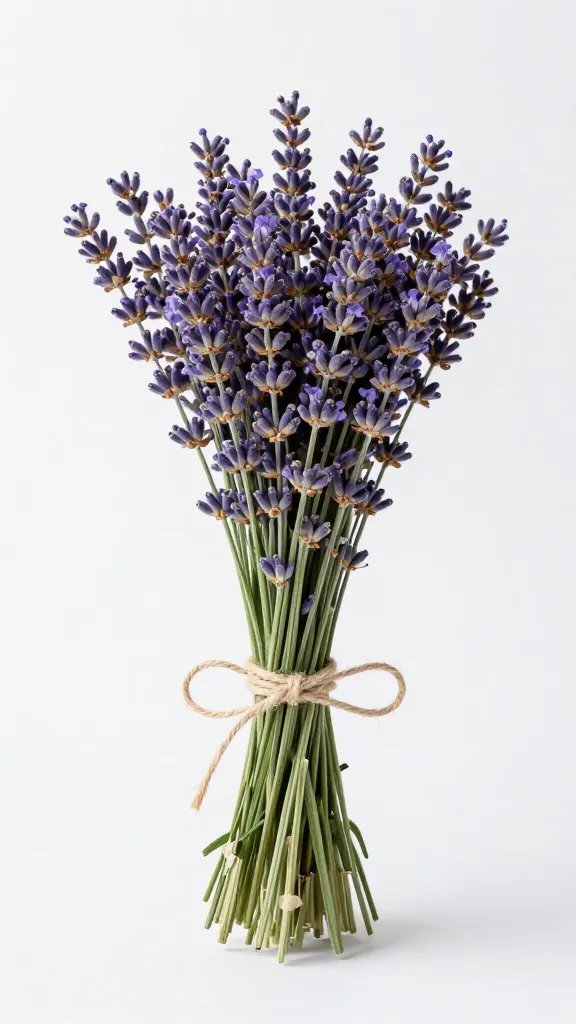
- How to dry: Tie stems in small bundles and hang upside down in a cool, dry, dark place.
- DIY uses: Dried lavender can be used in sachets, potpourri, or culinary recipes in small amounts.
Harvesting thoughtfully preserves fragrance and oils, ensuring you have long-lasting scent for months. Dried lavender in sachets can also help repel moths from stored clothing and linens.
From My Kitchen: What Actually Works
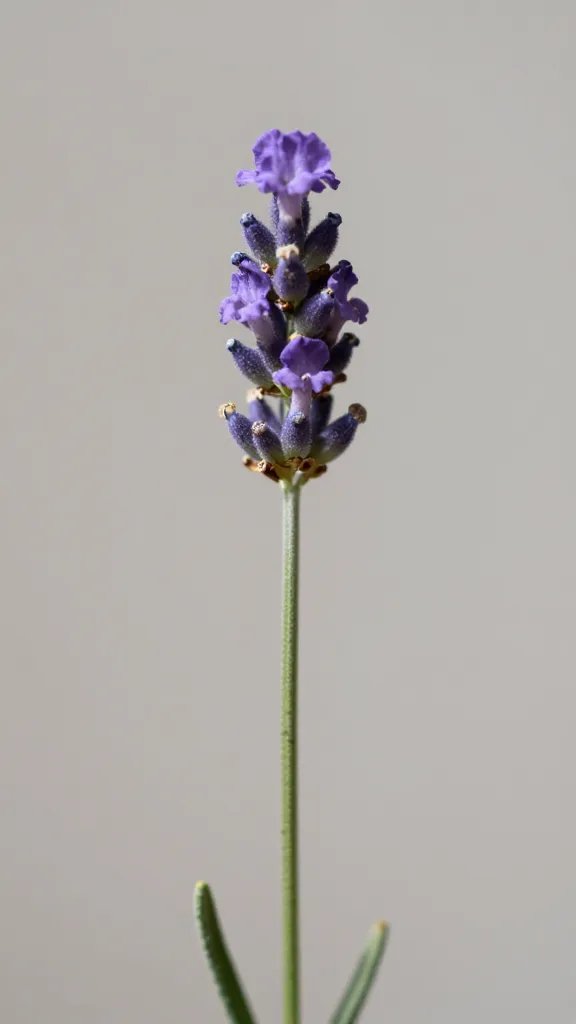
When I started container lavender, I learned to prune lightly after the first bloom, which kept the plant compact and produced a second flush of flowers. I’ve found that using a coarse potting mix with a perlite boost prevents soggy roots, especially in rainy seasons. In pots, lavender seems happiest with a caution to water deeply only when the top soil dries, not on a fixed schedule.
Internal Growth Tips and Design Ideas
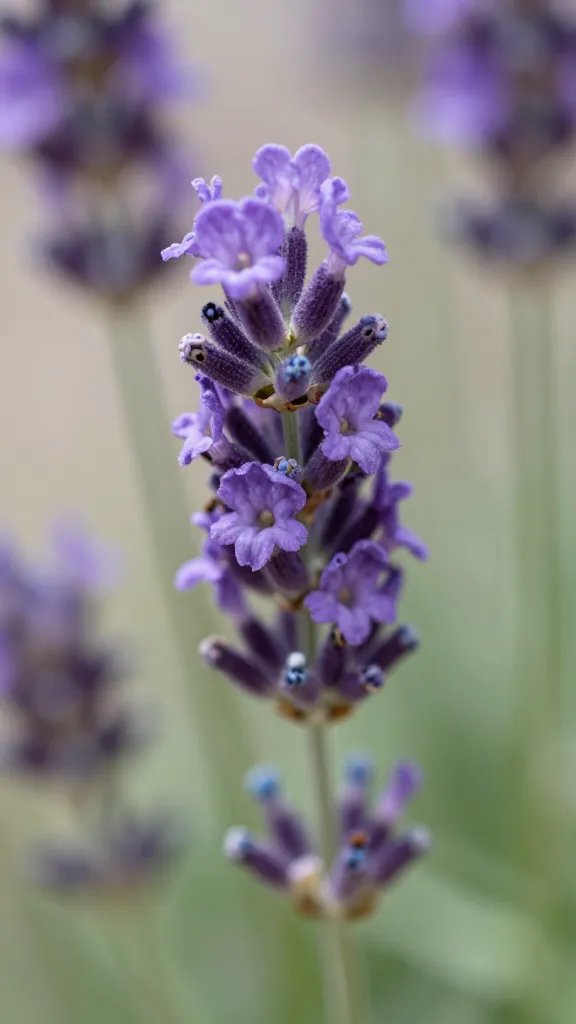
- Group with other Mediterranean herbs for a cohesive scent and color palette.
- Mix bloom colors by combining English lavender with a purple-silver foliage plant for visual interest.
Containers allow you to experiment with color combinations and scale, so don’t be afraid to mix foreground and background heights. A single lavender pot can anchor a small patio while several pots create a curated culinary-herb corner.
Care Calendar for Lavender in Containers
- Early spring: Inspect for pests, trim dead wood, and refresh the top 1–2 inches of soil.
- Late spring to summer: Feed lightly, prune after bloom, and monitor for overwatering in rainy periods.
- Fall: Reduce watering and prepare plants for winter by bringing them to a sheltered spot if winters are harsh.
Internal Links
For a broader herb container strategy, you might enjoy this chimichurri recipe that pairs well with herbs grown in pots. If you’re planning a pollinator-friendly border, check out this pollinator-friendly planting guide to complement lavender beds.
Frequently Asked Questions
How long does Lavender in Containers keep in the fridge?
Lavender isn’t typically stored in the fridge whole; rather, dried lavender bundles can be kept in a cool, dark place for up to a year. If you want infused water or tea, use dried flowers within a few weeks for best aroma.
Can I make Lavender in Containers ahead of time?
Yes. You can prune lightly and harvest blooms ahead of time, then dry the stems for later use. Drying concentrates the fragrance, making it easier to enjoy year-round.
What’s the best way to serve Lavender in Containers for a crowd?
Use fresh sprigs in floral arrangements or as a fragrant garnish for lemonades and cocktails. For a culinary touch, lavender can be used sparingly in baked goods or desserts; always ensure it’s culinary-grade lavender.
Can I freeze Lavender in Containers?
Fresh lavender heads can be frozen in ice cube trays with water or oil. This keeps the aroma intact for cocktails or herbal ice additions in the future.
The Bottom Line
Lavender in containers offers a practical, fragrant way to repel some insects, invite pollinators, and enjoy a beautiful scented addition to your balcony or patio. With the right soil, sun, and pruning routine, you can maximize both health and fragrance in a compact space.
Planning to try this? Save this post so you can find it when you need it — and tag us when you make it.