
Catnip vs Citronella — Which Actually Repels Mosquitoes?
- Best for: Outdoor summer gatherings and garden time
- Make ahead: No (or minimal) preparation needed
- Serves: Ideal for individuals or small groups outdoors
- Key tip: Real-world mosquito repellence varies; mix strategies for best results
Catnip vs citronella — which actually repels mosquitoes? You’ve probably heard wild claims, but the truth lies in science and real-world testing. Catnip oil has shown impressive repellent properties in some studies, while citronella is a classic garden favorite with mixed field results. In this article, you’ll learn how these plants and scents perform, and what you can do to keep mosquitoes at bay during outdoor time.
What you’ll get: a practical, friend-to-friend guide that compares effectiveness, usage tips, and a simple plan you can try this season.
Understanding the Mosquito Problem and the Battle Lines
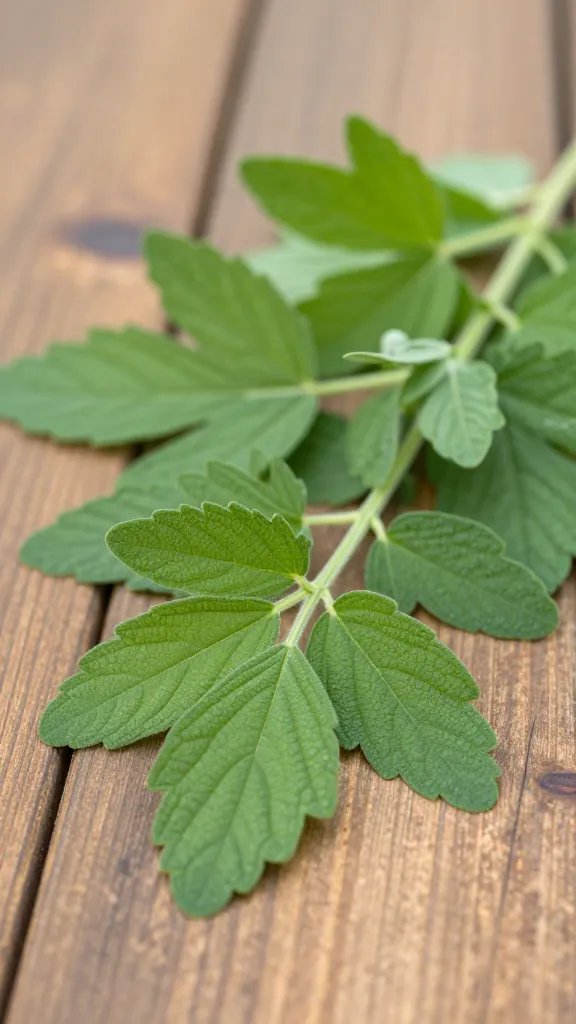
Mosquitoes aren’t just annoying; they’re attracted to carbon dioxide, body heat, and scents. That’s why repellents and plants try to disrupt one or more of those signals. Catnip contains nepetalactone, which some studies suggest can irritate mosquitoes and reduce bites. Citronella, on the other hand, is a familiar essential oil that masks scents and creates a temporary fragrant barrier. But how do these compare in real life?
Effectiveness: What the Science Says
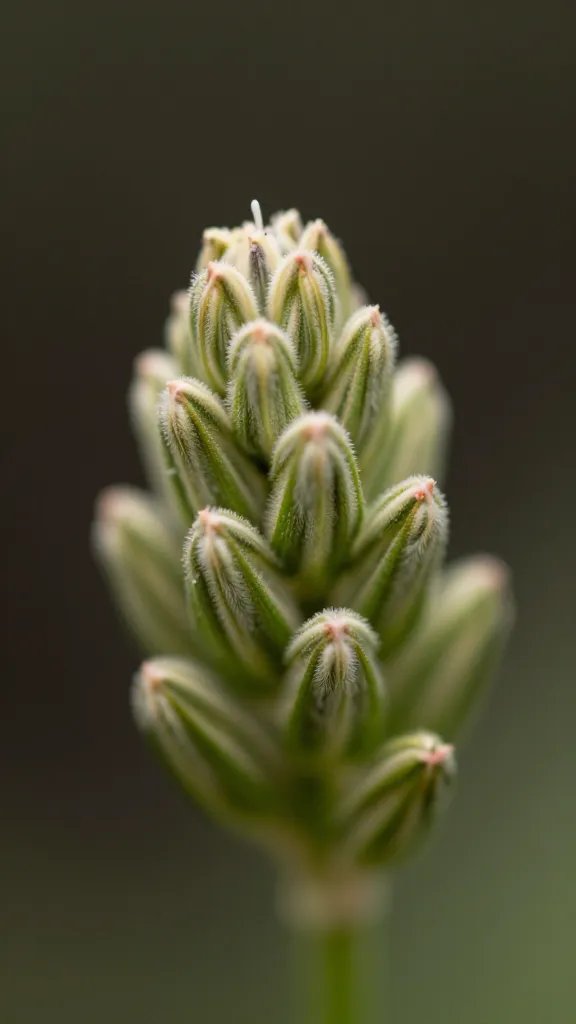
When you compare Catnip vs Citronella, the science tells a nuanced story.
- Catnip contains nepetalactone, a compound shown in lab settings to repel mosquitoes more effectively than DEET at certain concentrations in some studies. Real-world results vary with concentration, exposure time, and weather.
- Citronella oils create a scented cloud that can interfere with mosquito detection, but the protection often fades after about 1–2 hours and outdoors wind can carry the scent away quickly.
Bottom line: neither option is a guaranteed shield all day, every day. The best approach is layered protection and smart placement around patios, doors, and seating.
Practical Ways to Use Catnip at Home
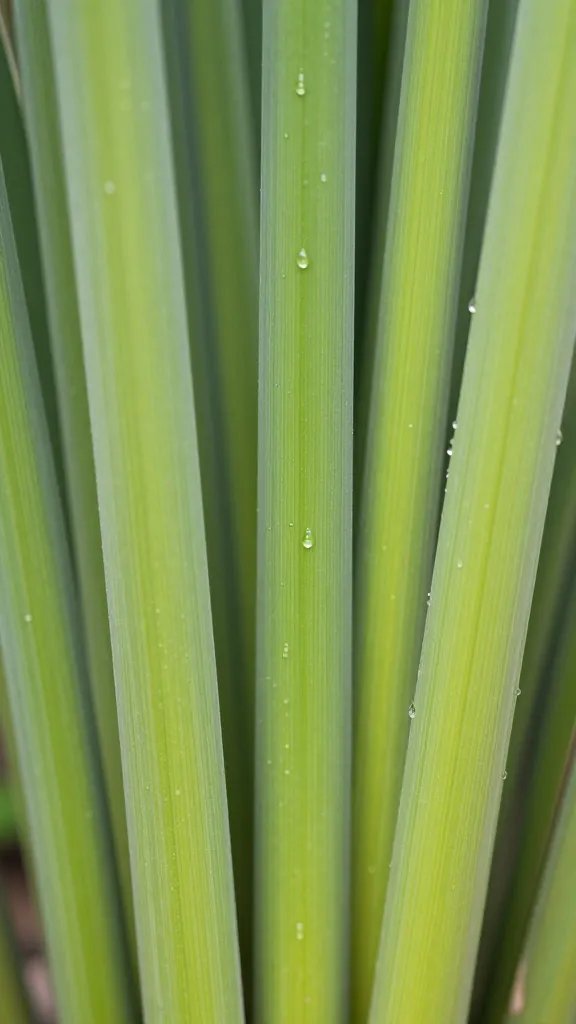
If you want to test catnip, you have several entry points beyond hanging sachets:
- Plant form: Plant catnip in pots or a garden bed where you spend time. It’s hardy and tends to spread, so you’ll have fresh leaves for rubbing or brewing.
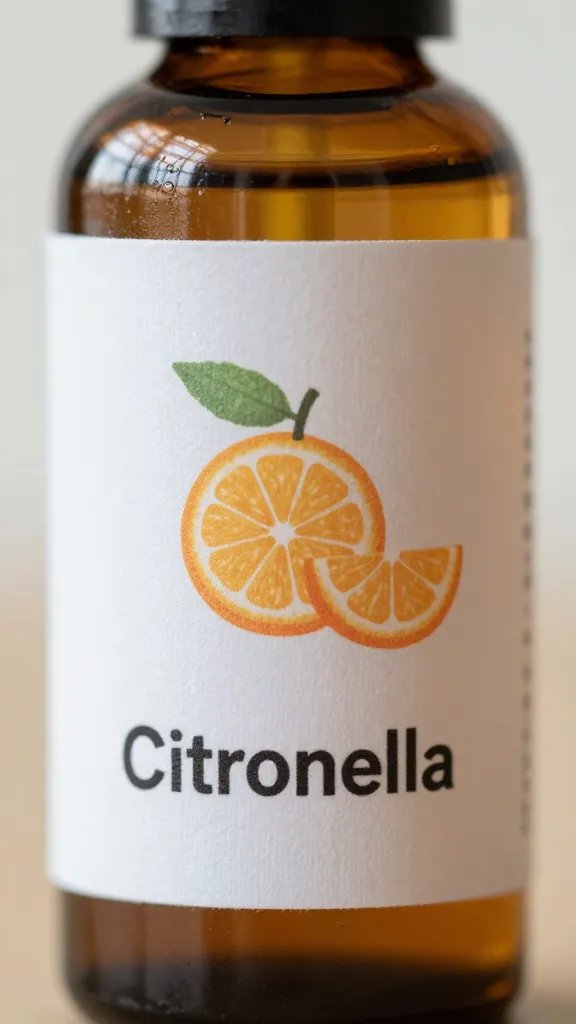
- Oil form: Use a diluted catnip essential oil spray on clothing or exposed skin (always patch-test first).
- Companion strategy: Combine catnip with other plant defenses and screen-covered seating for a broader shield.
Practical Ways to Use Citronella at Home
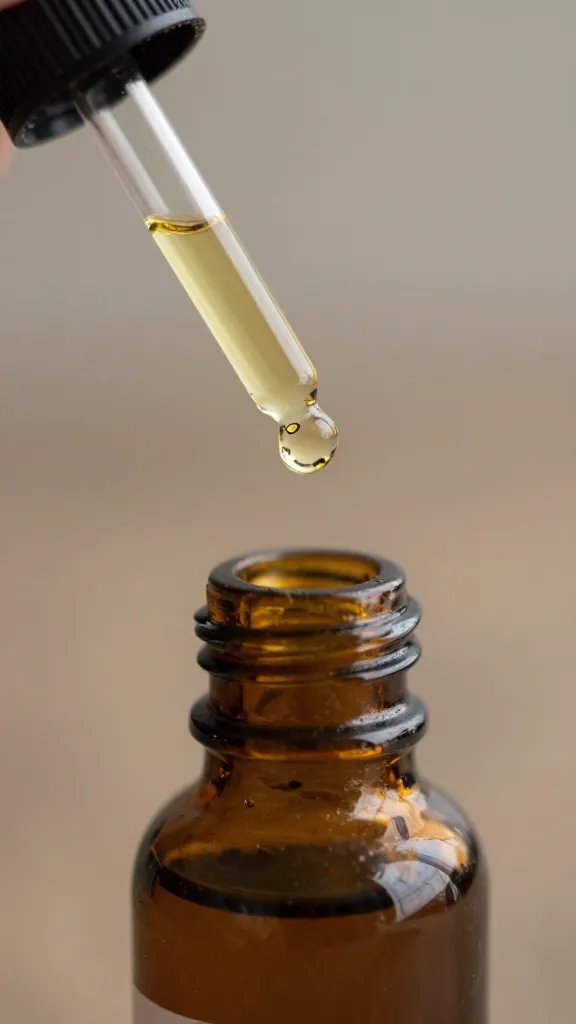
Citronella is approachable and familiar. Here are some effective deployment ideas:
- Candles and torches: Use citronella candles around the perimeter of your gathering area, keeping flame height manageable for safety.
- Plants and planters: Place citronella-scented plants near entry points and seating to create a scent barrier.
- Oil blends: Apply citronella oil in a carrier oil to exposed skin, but avoid letting it touch eyes or mucous membranes.
Combining Strategies: Should You Mix Catnip and Citronella?

Mixing strategies can be smart. Catnip and citronella work via different mechanisms, so using both could broaden your protection. However, you should manage scent intensity so it doesn’t become overpowering or irritating. A gentle blend in a diffuser or a few well-placed candles can create a multi-layered barrier without overwhelming your guests.
DIY and Ready-Make Options: Quick Picks

Here are ready-to-try setups that balance effectiveness and ease of use.
- <strongFor a small patio (2–4 people): One citronella candle cluster with a potted catnip plant nearby. Replenish as needed and rotate positions for airflow.
- <strongFor a backyard party (6–12 people): A mix of citronella torches, citronella oil-sprayed upcycled fans, and a few catnip sachets tucked under tabletops.
- <strongFor a DIY weekend project: Create a scented herb bed with catnip and lavender, then place solar lanterns with citronella oil sachets around seating.
From My Kitchen: What Actually Works

In my own experiments, large candles around the patio helped reduce bites for a couple of hours, especially on calm evenings. I’ve found that fresh catnip leaves rubbed on forearms can emit a noticeable scent, and it lasts longer if you crumble the leaves just before applying. The biggest lesson: having multiple stations with different scents beats relying on a single source.
Internal Links
For more on herbs used in outdoor protection, check out this chimichurri recipe to see how herbs release their aroma in cooking and why scents matter. And if you’re curious about broader garden pest control, this guide on natural garden repellents covers other plant allies and timing tricks.
Frequently Asked Questions

How long does Catnip keep mosquitoes away in real life?
Effectiveness varies with weather and concentration. Fresh leaves or renewed essential oil applications tend to extend the protective window, but it’s rarely a full-day fix outdoors.
Can Citronella be used indoors safely for mosquitoes?
Citronella is generally used outdoors due to scent and smoke considerations. If you use citronella indoors, ensure proper ventilation and avoid proximity to children or pets who may be sensitive.
Can I make Catnip or Citronella repellents ahead of time?
Yes. You can prepare diluted catnip oil sprays or premade citronella blends in airtight containers for up to a week away from heat and sunlight. Shake before use and patch-test on skin.
What’s the best way to serve Catnip and Citronella for a crowd?
Offer a layered approach: potted catnip plants on tables, citronella candles along walkways, and optional sprays in small misting bottles for guests who want a quick refresh. Keep fragrance balanced so it’s pleasant, not overwhelming.
The Bottom Line
Catnip and citronella both have roles in reducing bites, but neither is a silver bullet. For best results, combine plant matter, essential-oil scents, and smart placement to cover all angles. With a multi-layered approach, you’ll create a more comfortable outdoor space this season.
Planning to try this? Save this post so you can find it when you need it — and tag us when you make it.