How to Build a Carnivorous Plant Terrarium — Substrate, Water Source and Feeding Protocol That Actually Works
I killed my first Venus flytrap by treating it like a succulent in a pretty jar. The glass fogged, algae bloomed, and I learned fast that carnivores have rules you can’t bend. In this guide, I’ll show you how to set up a reliable terrarium using simple materials from a garden centre and hardware store. You’ll learn the exact substrate, safe water sources, and a feeding routine that keeps traps active instead of rotting.
Choose the Right Container and Light Before Anything Else
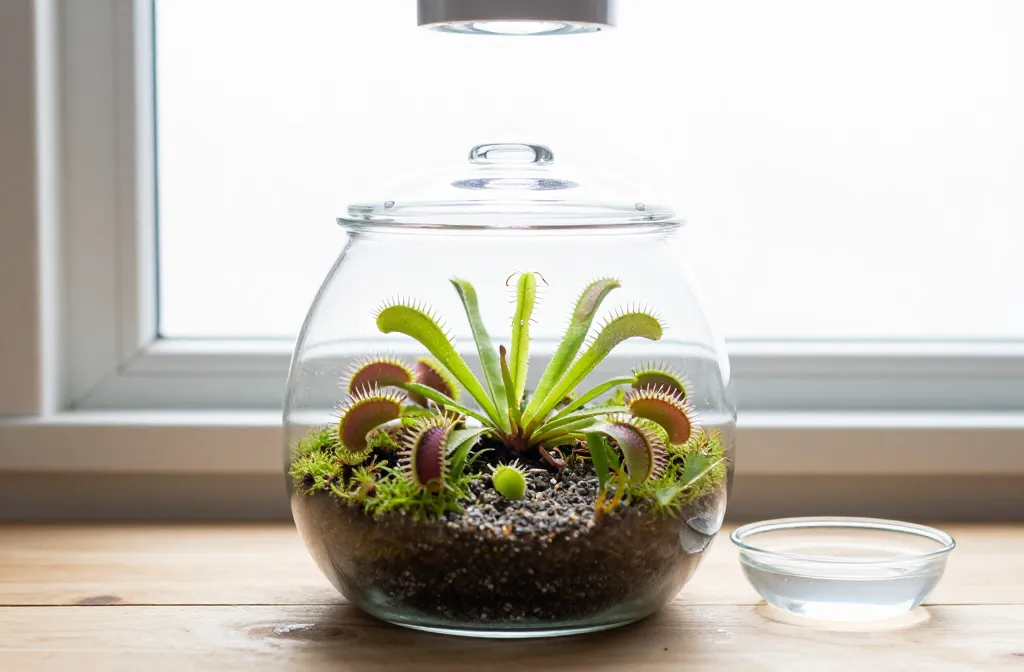
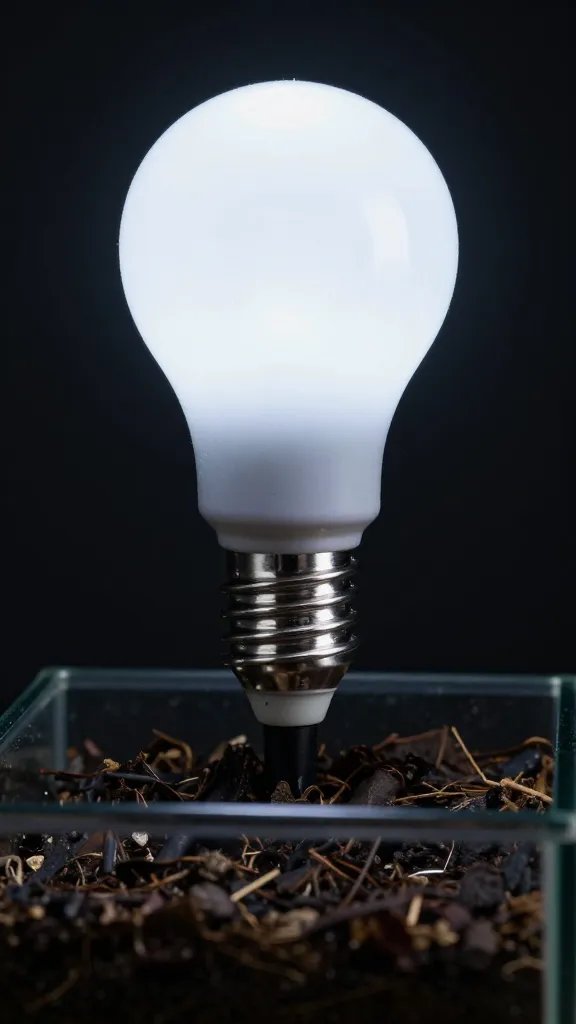
Carnivorous plants tolerate humidity, but they demand strong light and fresh air. I use clear glass or acrylic with a wide opening and a loose-fitting lid, not a tight seal. Place the terrarium in bright indirect light near a sunny window or under a basic LED grow bulb 6–12 inches above for 12–14 hours daily.
A fully sealed jar raises temperature and starves roots of oxygen. I keep a small gap or ventilated lid so heat and stale air don’t build up. If you see heavy daily condensation, the lid fits too tight or the light is too close.
Action today: Pick a clear container with a removable lid and set a plug-in timer to run an LED grow bulb for 12–14 hours if your window light is weak.
Build an Inert, Low-Nutrient Substrate the Plants Can Actually Tolerate
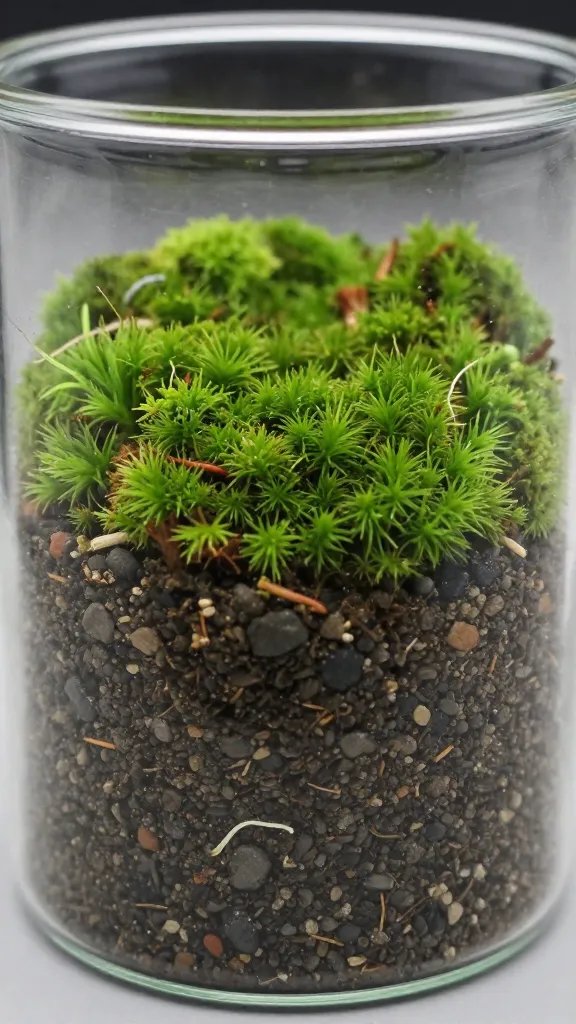
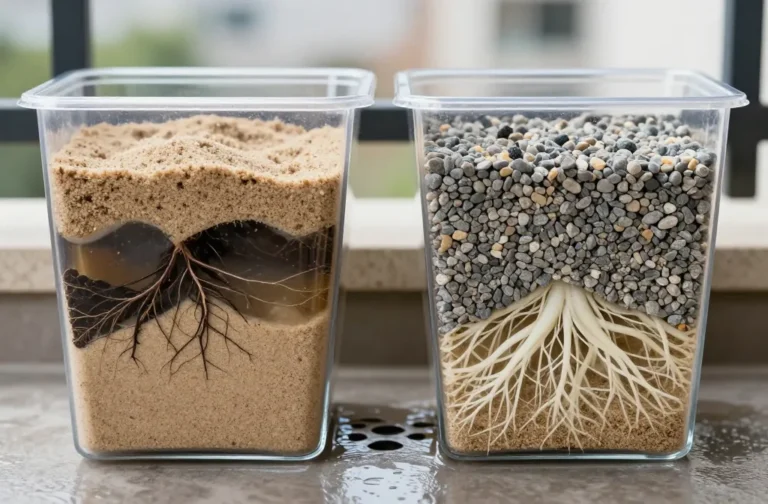
Fertilizers and rich mixes kill carnivorous roots. I mix an inert base of sphagnum peat moss and horticultural sand or perlite in a 1:1 ratio by volume. Rinse sand or perlite in a colander until the water runs clear to remove dust.
Skip compost, manure, slow-release pellets, and standard potting mix. If you prefer a living top, use long-fiber sphagnum moss (rinsed) as the top inch to keep traps clean and discourage algae splash. Depth matters: aim for 7–10 cm (3–4 inches) of substrate so roots stay cool and stable.
Material recommendations
- Peat substitute option: Rinsed, milled coco coir labeled low-salt, mixed 2:1 with perlite. Taste the rinse water — it should taste clean, not salty.
- Sand spec: Horticultural or play sand labeled “washed.” Avoid builder’s sand with lime.
- Additives to avoid: Vermiculite, composted bark, lime, any fertilizer prills.
Action today: Rinse your sand or perlite in a kitchen colander for 2–3 minutes, then mix 1:1 with peat until evenly fluffy and damp like a wrung-out sponge.
Use Only Pure Water Sources and Keep a Shallow Reservoir
Minerals burn carnivorous roots. I use rainwater, distilled water, or reverse osmosis (RO) water. Tap water is risky unless you know it’s very soft; if it leaves white crust in a kettle, skip it.
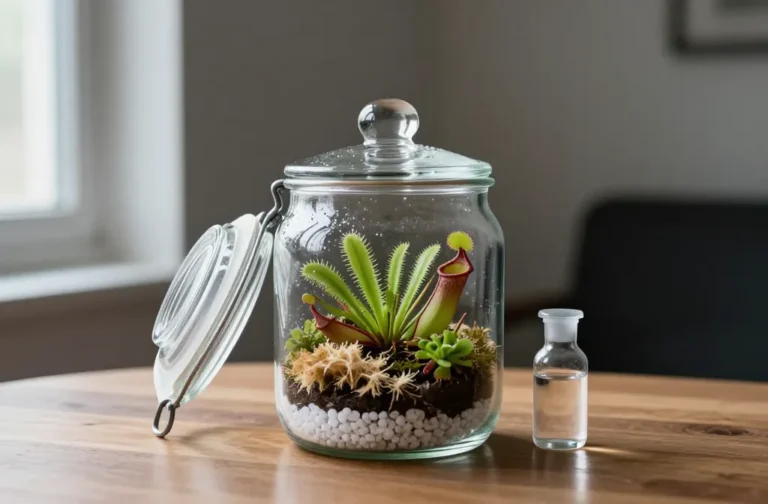
For a terrarium, I create a simple tray method inside the glass: add a 1–2 cm layer of rinsed aquarium gravel at the bottom and lay a mesh or window screen over it before adding substrate. I keep a visible 0.5–1 cm of water in the gravel layer during active growth for bog species, then let it drop to barely moist for a week each month to refresh air in the root zone.
Warning signs and quick fixes
- White crust on glass or soil: Mineral buildup — flush from above with 2–3 cups distilled water and drain off excess from the bottom if possible.
- Rotten-egg smell: Anaerobic conditions — open the lid, let the reservoir fully evaporate for 3–4 days, then resume a shallow level.
- Constant fogged glass: Too wet or too sealed — lift the lid 1–2 hours daily until fog clears by midday.
Action today: Fill a clean jug with rain, distilled, or RO water and label it “For Carnivores Only” so no one tops up with tap by mistake.
Select Species That Actually Thrive in a Terrarium
Some carnivores hate enclosed heat. I grow warm, humidity-loving species in terrariums and keep temperate, dormancy-requiring ones by a cool window in separate pots.
Plant lists that work indoors
- Great for terrariums: Drosera capensis (Cape sundew), Drosera spatulata, Drosera adelae, Pinguicula moranensis and other Mexican butterworts (avoid over-wet), small warm-tolerant Nepenthes (vented lid, taller container).
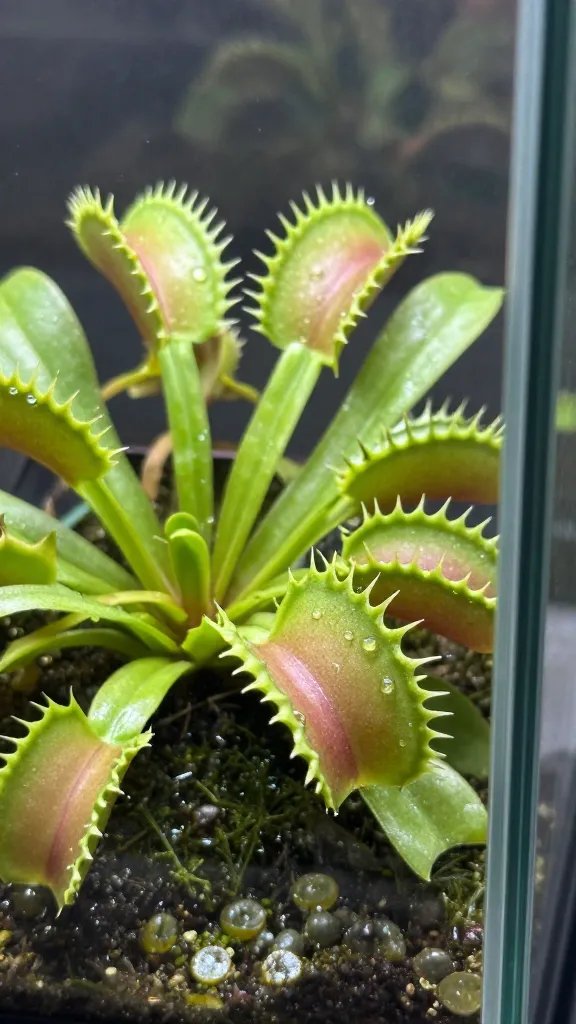
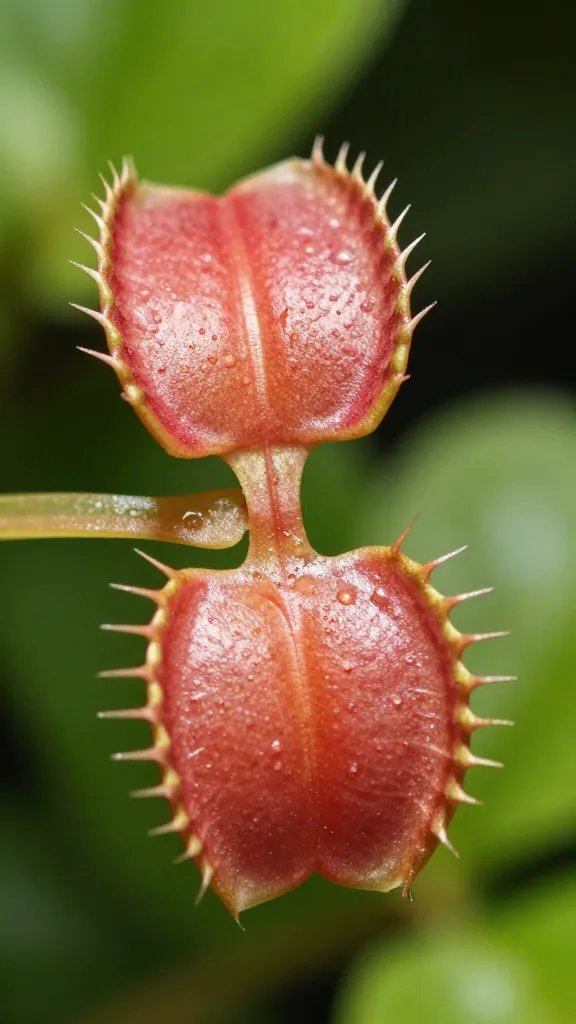
- Usually poor inside sealed setups: Dionaea muscipula (Venus flytrap) and most Sarracenia need full sun and a cool winter dormancy; they perform better outdoors or on a bright sill with seasons.
Match size to space. Nepenthes need headroom for pitchers; butterworts prefer a drier surface; sundews enjoy a consistently damp medium with good light.
Action today: Pick one starter species from the “great” list and skip dormancy-demanding plants for your first terrarium.
Set Up the Terrarium in 8 Clear Steps
- Wash the container with hot water and a drop of unscented dish soap. Rinse thoroughly.
- Add 1–2 cm of rinsed aquarium gravel. Lay a piece of plastic mesh or window screen on top.
- Pre-wet your substrate with pure water until it feels like a wrung-out sponge.
- Fill to 7–10 cm depth, lightly pressing to remove big air pockets without compacting.
- Position plants. Keep crowns just above the surface; do not bury trap bases.
- Top with 1 cm of long-fiber sphagnum around stems to keep leaves clean (optional for butterworts).
- Add pure water until you see 0.5–1 cm in the gravel layer.
- Place near a bright window or under an LED on a timer. Set the lid askew for ventilation.
Action today: After planting, take a phone photo of moisture and condensation — repeat at the same time daily for a week to learn your terrarium’s rhythm.
Feeding Protocol: How, What, and How Often
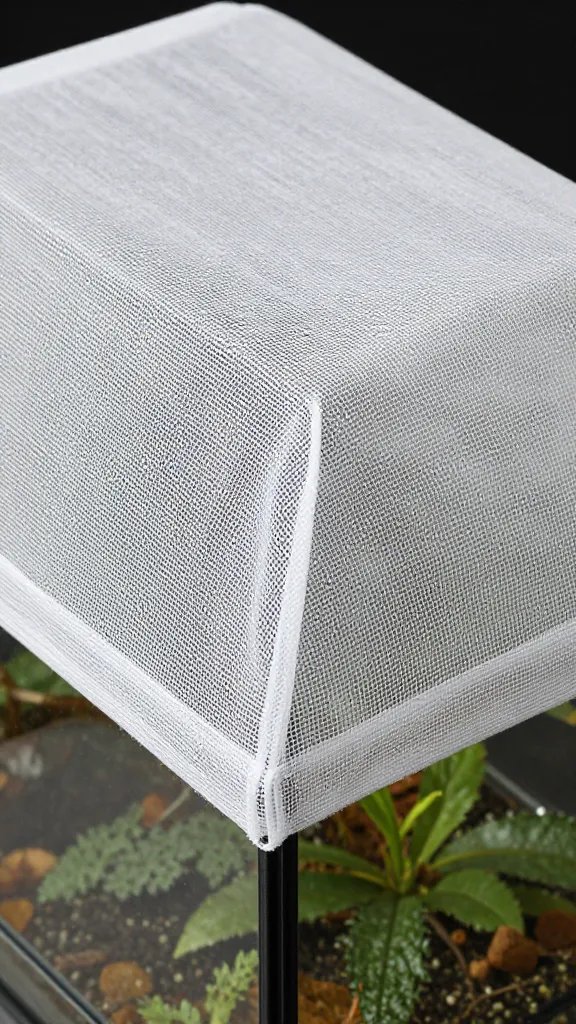
Carnivores evolved to catch tiny prey, not to ingest fertilizer. I feed sparingly and only when plants have strong, healthy traps. Never pour plant food into the substrate and never use houseplant fertilizer.
Safe feeding routine
- What to feed: For small sundews and butterworts, use rehydrated dried bloodworms, pinhead dried crickets, or a tiny dusting of fish food flakes. For Nepenthes, drop one small dried insect into an open pitcher.
- How much: A piece no larger than half a trap for sundews/butterworts; one small insect per active pitcher for Nepenthes.
- How often: Every 2–4 weeks during active growth. Skip feeding in low light or if traps look stressed.
- Technique: Use tweezers to place food; lightly mist sundews after feeding to help dew stick food in place. Do not overfill pitchers.
Warning signs
- Blackening traps after feeding: Food chunk too large or plant under low light — reduce size and improve light duration.
- Mold on food: Air too stagnant — increase ventilation and feed smaller amounts.
Action today: If your plant already looks weak, stop feeding for two weeks and focus on light and water purity first.
Maintenance: Ventilation, Trimming, and Algae Control
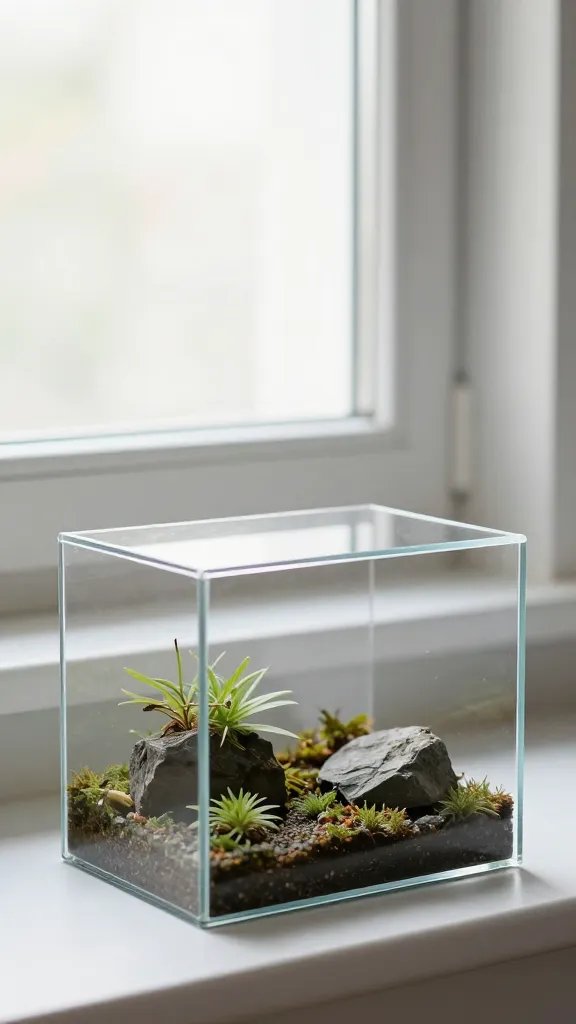
I treat the terrarium like a damp room that needs fresh air. I open the lid fully for 15–30 minutes twice a week, or I keep a 5–10 mm gap daily. This prevents mildew and lets leaves firm up.
Remove dead leaves promptly with small scissors to keep fungus gnats and mold in check. If green algae coats the glass or soil, reduce water level slightly, increase light duration to 14 hours, and add a fresh layer of long-fiber sphagnum on bare patches.
Action today: Schedule a five-minute “trim and air-out” on the same two weekdays every week so it becomes routine.
Frequently Asked Questions
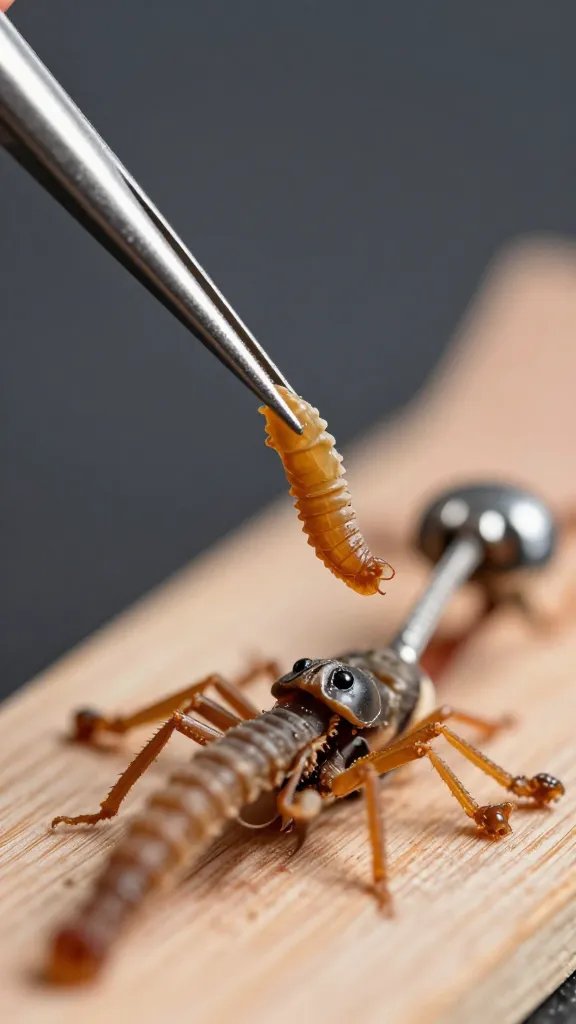
Can I use tap water if I let it sit out overnight?
Letting water sit out removes chlorine, not dissolved minerals. Those minerals accumulate and burn sensitive roots. Use rain, distilled, or RO water. If tap is your only option, mix 1 part tap with 3 parts distilled temporarily and flush monthly with pure distilled.
Why are my sundew leaves not sticky?
Insufficient light is the usual cause. Move the terrarium closer to a bright window or run a basic LED grow bulb 12–14 hours daily. Keep the substrate evenly damp with pure water, and avoid feeding until leaves produce visible dew again.
My terrarium glass stays fogged all day. What should I change?
Constant fog means excess moisture or poor airflow. Crack the lid wider or remove it for 1–2 hours daily, and lower the water level so the reservoir is just visible. Make sure the light isn’t heating the air excessively; raise the lamp to 12 inches above the lid.
Can I grow a Venus flytrap in this terrarium?
You can, but it rarely thrives long-term indoors in a humid terrarium. Flytraps need very bright light and a cool winter dormancy around 2–10°C to stay healthy. If you try, keep the lid vented, use the same pure-water rules, and move the plant to a cool, bright place for 3–4 months each winter.
Do I need a drainage hole in a glass container?
No, but you must build an internal reservoir layer and watch water levels. The gravel-and-mesh setup protects roots from sitting in stagnant water. Keep 0.5–1 cm of water in the reservoir, then let it drop to barely moist for a few days each month to refresh the root zone.
Conclusion
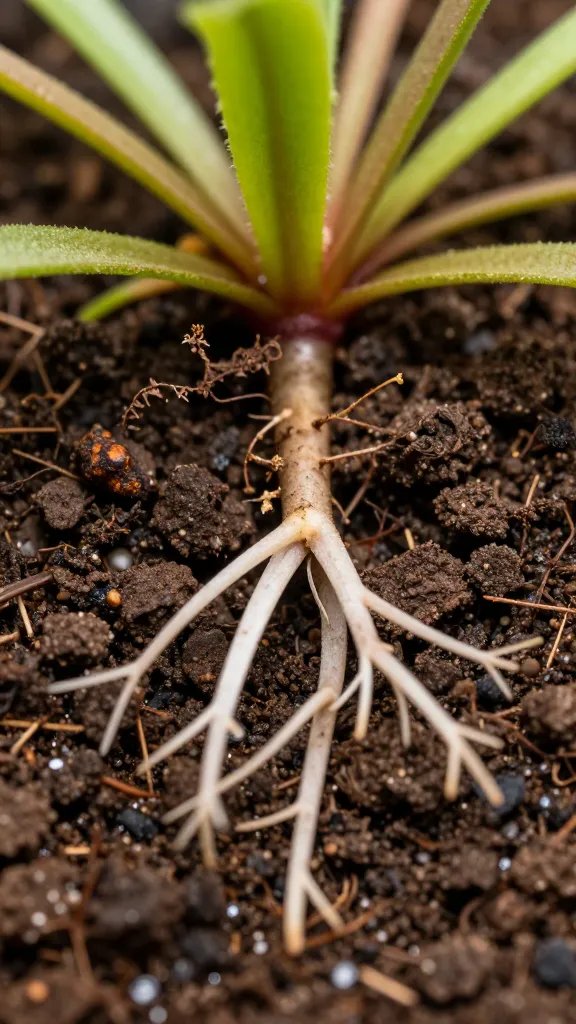

You now have a repeatable setup: an inert, rinsed substrate; pure water in a shallow reservoir; strong light with steady ventilation; and a cautious feeding routine. Start with one forgiving species, dial in your water source, and take a weekly photo at the same time to track progress. When your first plant holds dew or pitchers for 8–12 weeks straight, expand the collection with confidence.