How to Build a Cactus Terrarium Under a Cloche — Airflow, Substrate and Moisture Management Simplified
I learned the hard way that cacti under glass fail for two boring reasons: stale air and wet feet. If your cloche looks gorgeous for a week and then turns into a fogged sauna with sagging plants, you’re in the same boat I was. In this guide, I’ll show you exactly how to set up airflow, layer the right substrate, and control moisture so your mini desert survives indoors. You’ll leave with a repeatable setup and clear maintenance steps using only basic tools.
Why Cacti Struggle Under a Cloche Without Airflow

A cloche traps humidity and heat. Cacti evolved for dry air with strong air movement, so a sealed dome pushes them toward rot and fungal issues.
I treat a cloche as a dust cover, not a lid. I raise it slightly and create a predictable gap so stale, moist air escapes every day.
Practical Airflow Options
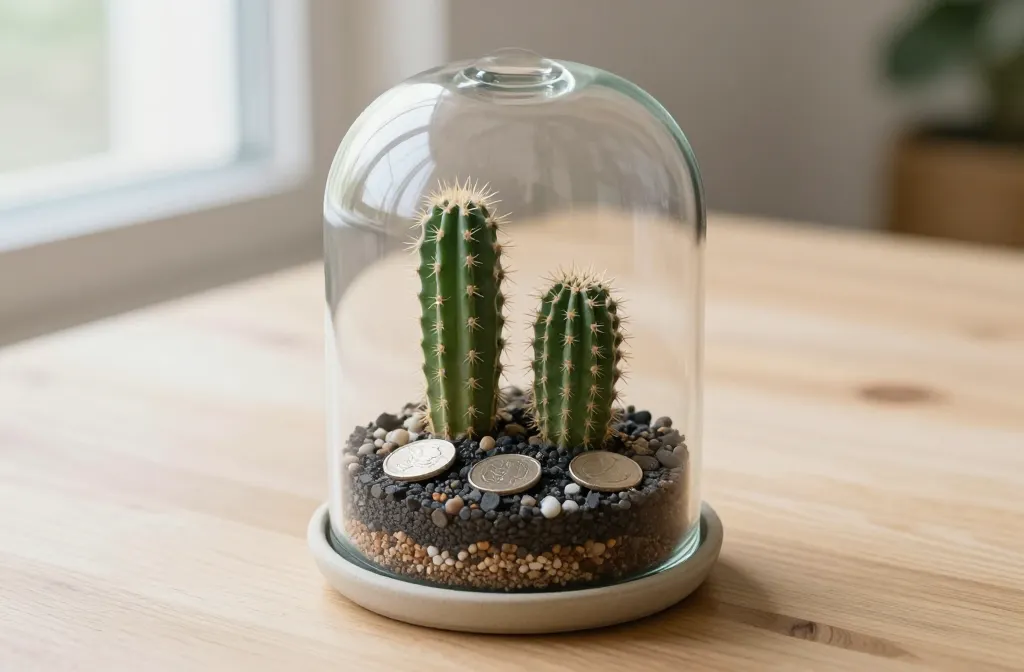
- Permanent gap: Rest the cloche on three coins or felt pads to create a 3–5 mm gap all around.
- Daily venting: Lift the cloche fully for 15 minutes at breakfast and dinner.
- Micro-vents: If your cloche has a knob, prop it with a wine cork slice under the rim for a subtle, consistent opening.
Takeaway: Insert three evenly spaced coins under the cloche base today to lock in a 3–5 mm air gap.
The Right Container and Cloche Shape Matters
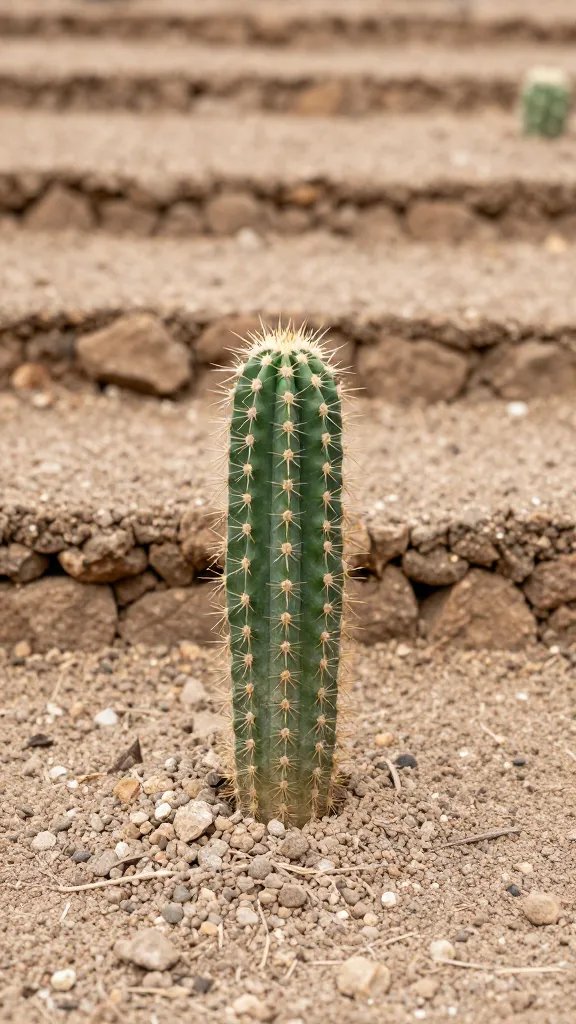
Steep-sided, bell-shaped cloches trap more heat at the top and drip on plants. A broader, shorter dome spreads moisture thinly and reduces drips.
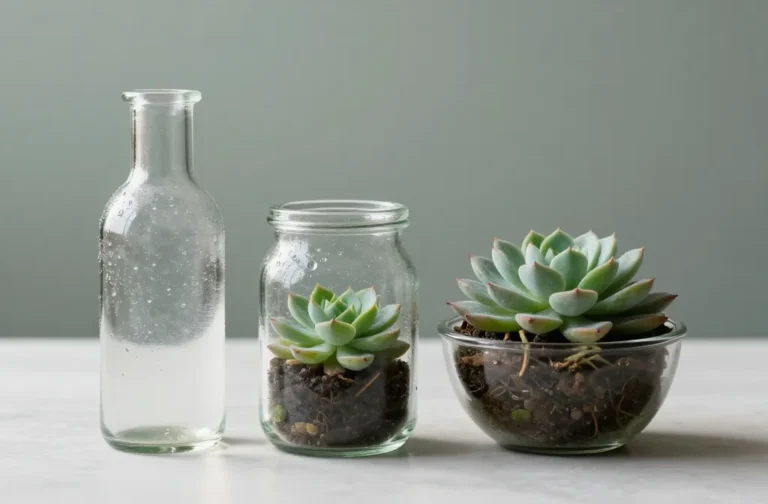
Choose a dish or shallow bowl 15–25 cm wide with vertical sides and a snug—but not airtight—cloche. Avoid narrow bottles and deep jars.
Warning Signs Your Shape Is Wrong
- Persistent top fogging that rains at midday.
- Water spots or rust-colored pits on cactus skin from drips.
- Moss or algae spreading across the substrate within two weeks.
Takeaway: If your dome rains inside, switch to a wider, shorter cloche or increase the base gap to 5 mm.
Build a Fast-Draining Substrate That Resists Compaction
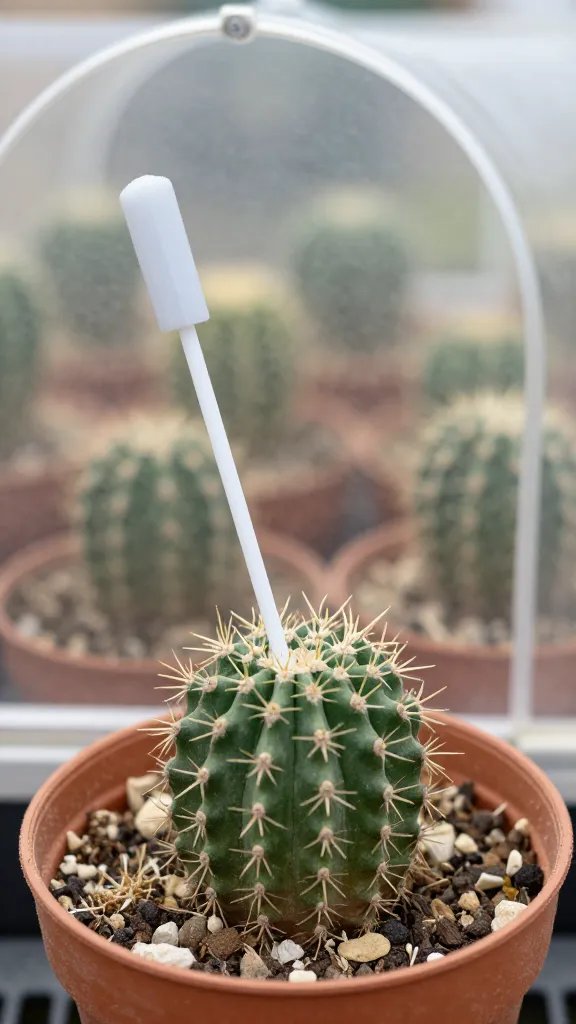
Cacti rot from the roots up when soil holds water. I use a gritty blend that drains in seconds and dries fully within 3–7 days indoors.
At a standard garden centre, buy: cactus/succulent mix, pumice or coarse perlite, and horticultural sand (not play sand). Skip peat-heavy houseplant mixes.
My Reliable Ratio (By Volume)
- 2 parts cactus/succulent mix
- 1 part pumice or coarse perlite
- 1 part horticultural sand
Mix dry in a bucket with a hand trowel. If you squeeze a handful, it should fall apart immediately, not clump. Add a 2–3 cm drainage layer of rinsed aquarium gravel at the bottom of the dish, then a mesh barrier (a piece of fiberglass window screen or coffee filter) to stop fines from sifting down. Add 5–7 cm of your gritty mix on top.
Takeaway: Test your blend today—pour 1 cup of water through a pot of the mix; it should drain through in under 10 seconds with no pooling.
Plant Selection and Spacing for Low Humidity Under Glass

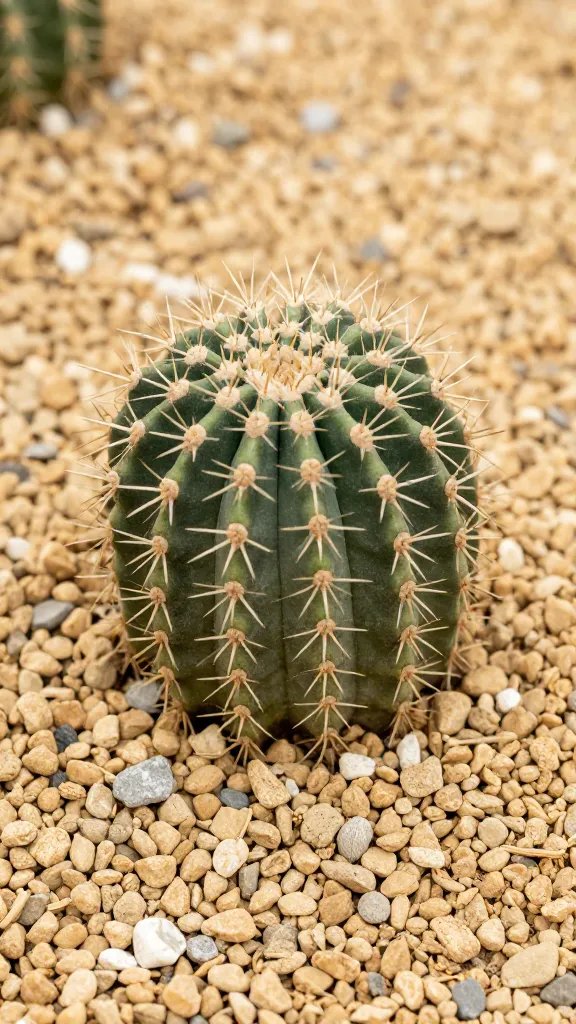
Compact species with firm skins, small ribs, and minimal wool handle brief humidity swings better than fluffy or fine-haired types.
Good Choices
- Mammillaria elongata (golden cluster)
- Rebutia heliosa (tight clustering, dries fast)
- Gymnocalycium baldianum (tough epidermis)
- Parodia leninghausii (young plants only, small size)
- Haworthia and Gasteria (not cacti, but succulent companions that tolerate some humidity)
Avoid Under a Cloche
- Cephalocereus and very woolly species (traps moisture, invites rot)
- Rhipsalis and jungle cacti (prefer different moisture patterns)
- Large taproot species that hate confined, humid spaces
Space plants so no body touches the glass. Keep 2–3 cm of bare substrate around each plant for airflow.
Takeaway: Remove any woolly or fuzzy cactus from your cloche today and replace it with a compact Mammillaria.
Moisture Management: Set It Once, Then Stay Hands-Off
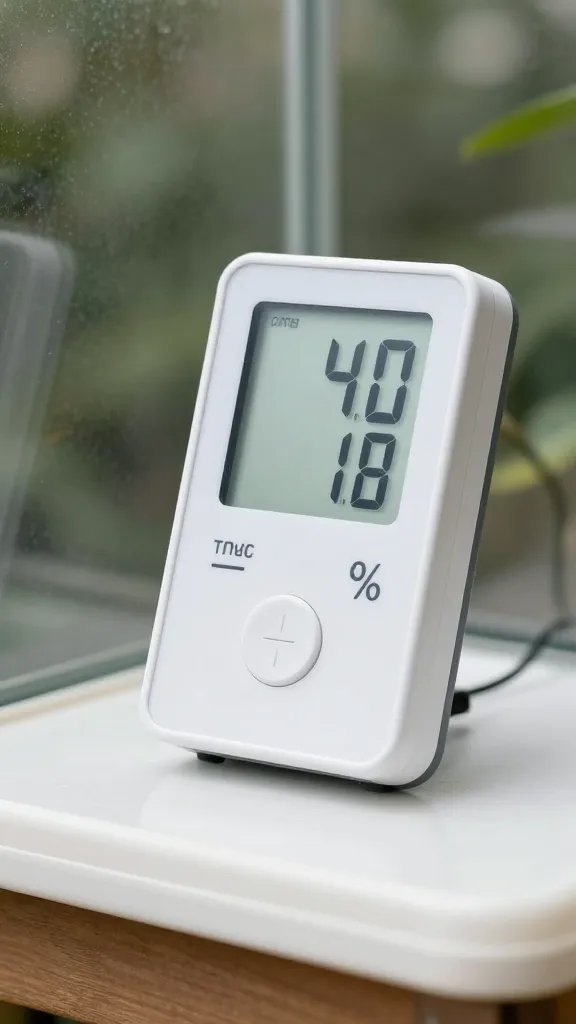
I pre-moisten the mix before planting, then add drops only when the glass shows zero morning condensation for three days straight.
Step-by-Step Hydration
- Pre-moisten: In a bowl, mist the substrate until it feels barely damp—like a wrung-out sponge. No wet patches.
- Plant dry-rooted: Brush old soil off roots. Let any damaged roots air-dry 30–60 minutes before planting.
- Settle the mix: Tap the container sides to remove large air pockets. Do not compact by pressing down.
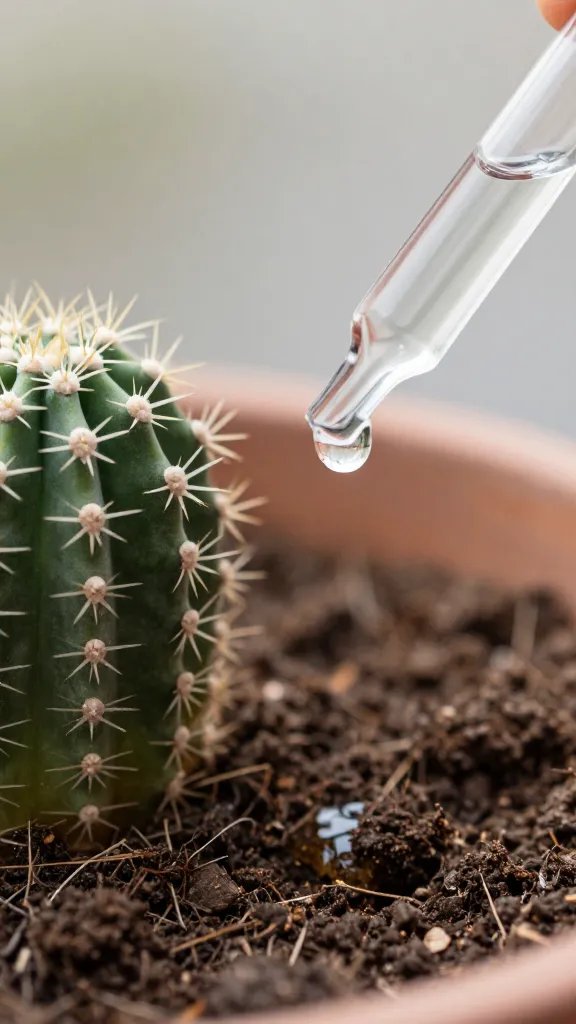
- Initial water: After planting, add 1–2 tablespoons of water around each plant base using a syringe or teaspoon. Stop when no water sits on the surface.
- Monitor: For the first week, leave the cloche slightly propped and watch for a fine mist on the glass at dawn that disappears by late morning.
Warning Signs and Fixes
- Persistent midday fogging: Vent for 30 minutes and reduce future watering to half a tablespoon per plant.
- Soft or translucent tissue: Uncover fully for 48 hours and aim a fan across the room (not directly) to dry the mix.
- Mushrooms or algae: Scoop top 1 cm of substrate, replace with fresh dry mix, and increase the base gap.
Takeaway: Put away the watering can; commit to using a teaspoon or syringe for all future watering.
Light and Heat: Bright, Not Baking
Place the cloche in bright indirect light near a window or in a lightly filtered east or bright north exposure. Direct midday sun through glass can spike temperatures and steam your plants.
Check with your hand: if the glass feels hot at midday, the spot is too harsh. Use a sheer curtain or move 50–100 cm back from a south/west window.
Takeaway: At noon today, touch the dome; if it’s warm to hot, move it one arm’s length farther from the window.
Simple, Low-Tech Maintenance Schedule

Consistency beats gadgets. I use three tiny rituals to keep everything stable.
- Daily: Quick look for glass fog and any drips on plants. Vent 10–15 minutes while you make coffee.
- Weekly: Dust the inside of the dome with a dry microfiber cloth to prevent water beading and drips.
- Monthly (or longer): If the top 2–3 cm of mix looks bone-dry and no morning mist appears for three days, add 1 tablespoon of water per small plant.
Takeaway: Set a repeating phone reminder named “Vent Cloche” for morning and evening—15 minutes each.
Frequently Asked Questions
Can cacti really live under a cloche long-term?
Yes, if you treat the cloche as a partial cover, not a seal. Keep a permanent 3–5 mm gap and water sparingly with a teaspoon. Choose compact, firm-skinned species and a gritty mix. Many setups run happily for years with minimal intervention.
How do I know when to water without a moisture meter?
Use the glass as your gauge. If there’s no light condensation on the glass for three mornings in a row and the top 2–3 cm of soil looks dry and loose, add 1 tablespoon of water per plant. If you ever see midday fogging, you watered too much—vent and wait at least a week.
What if I only have regular potting soil?
Amend it until it behaves like a cactus mix. For every 2 cups of potting soil, add 1 cup pumice or coarse perlite and 1 cup horticultural sand. Test drainage: water should pass through in under 10 seconds with no surface puddles. If it clings, add another half-cup of pumice.
My cactus is shriveling under the cloche—do I add more water?
Not immediately. First check roots and substrate: shriveling can mean rot from too-wet soil as well as thirst. Vent fully for 24–48 hours, then inspect the roots by gently wiggling the plant—if it feels loose or smells sour, unpot, trim rot, let callus 24 hours, and replant dry. If roots are firm and dry, give 1 tablespoon of water and reassess in a week.
Is activated charcoal necessary in the substrate?
No. With proper airflow, fast drainage, and careful watering, charcoal isn’t essential. If you have it, a thin sprinkle above the gravel layer can help odor control, but it doesn’t fix chronic overwatering. Prioritize pumice/perlite and sand over additives.
Can I add decorative moss or stones on top?
Use stones, not living moss. Moss holds moisture against the crown and encourages rot in cacti. Choose small gravel or crushed lava rock as a top dressing to reduce splashing and keep stems dry. Leave a 5 mm clear ring around each plant’s base.
Conclusion
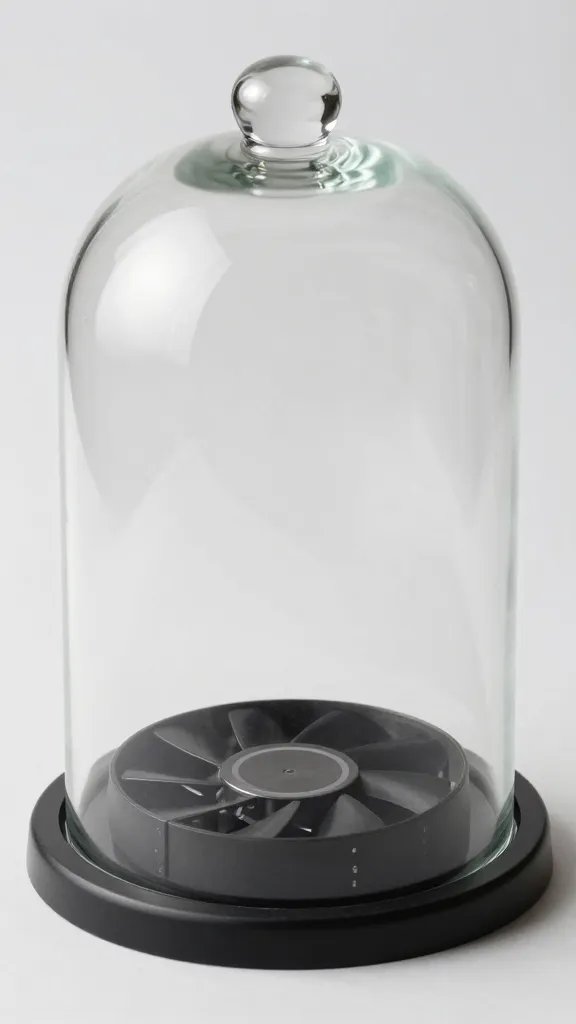
You don’t need special tools to keep cacti healthy under a cloche—just a predictable air gap, a gritty substrate, and teaspoon-level watering. Start with the coin-propped dome and the fast-draining mix today, then build the habit of quick daily venting. When you’re ready to expand, repeat the same setup in a second dish so you can compare results side by side and refine your routine with confidence.