Cactus Soil Vs Potting Soil for Terrariums — Why the Mix Matters More Than the Plant
I learned the hard way that a pretty plant in the wrong mix turns into sludge in a glass bowl. Friends kept asking why their terrariums rotted, even when they chose “low-maintenance” plants. The soil was the problem every single time. In this guide, I explain how to choose and adjust the mix so your terrarium stays clear, healthy, and low effort.
Terrariums Change How Soil Behaves
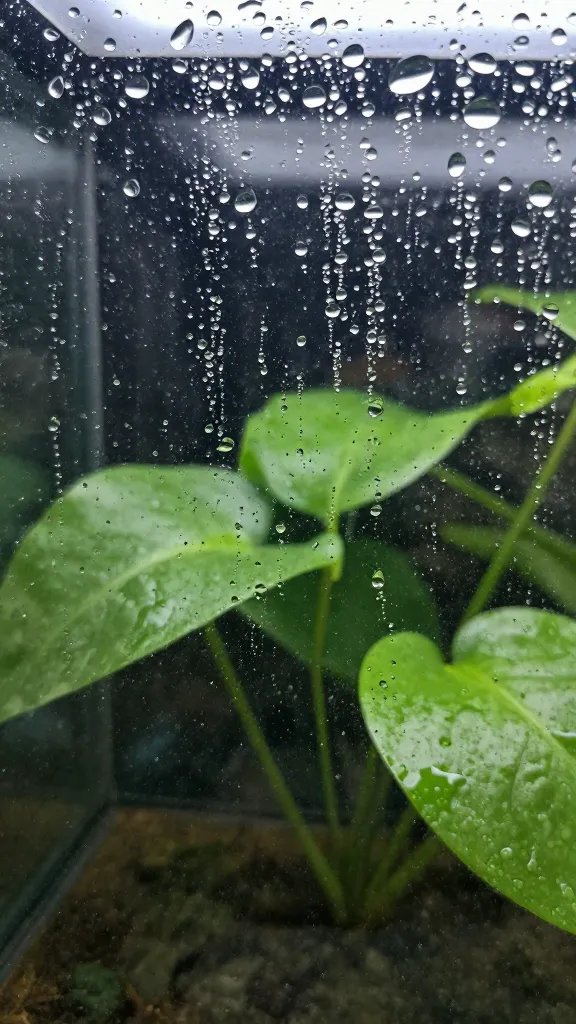
A terrarium traps humidity and slows evaporation. Water that would normally leave a pot stays inside, condenses on the glass, and drips back. That means any mix that holds too much water stays wet for days longer than you expect.
Standard potting soil is blended to stay evenly moist in an open pot. In a terrarium, that same moisture turns into a swamp. Cactus soil drains faster, but the bagged version still becomes heavy when trapped in glass unless you lighten it further.
Takeaway: Treat a terrarium like a closed ecosystem — start with a faster-draining base than you would use in any normal houseplant pot.
Cactus Soil vs Potting Soil: What’s Actually Inside
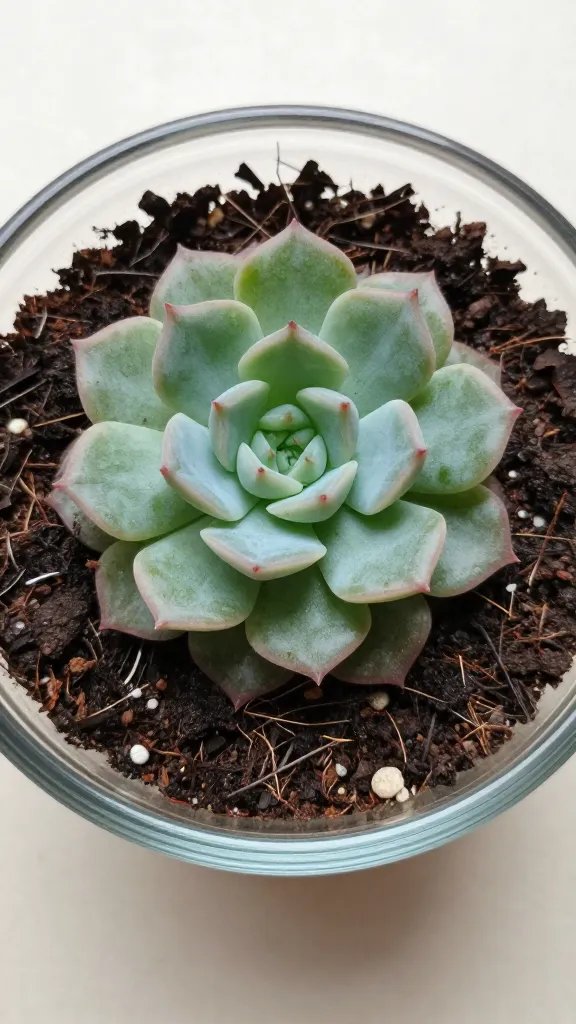
Potting soil usually contains peat or coco coir, composted bark, and perlite. It’s moisture-retentive by design. Great for herbs and pothos on a windowsill, risky in glass.
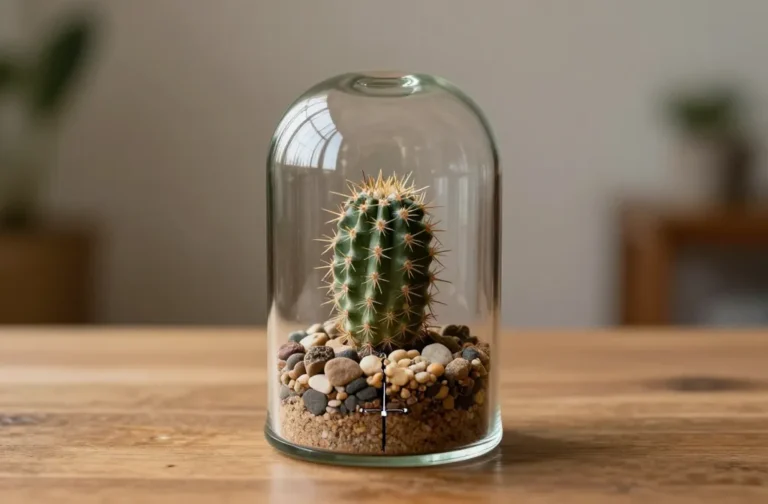
Cactus soil swaps some of that spongey organic material for grit. Expect more sand, perlite, and small stones. It drains faster but still includes fine particles that compact over time, especially under constant humidity.
Material Recommendations
- Grit boosters: horticultural sand, small pumice, or extra perlite (all from the garden centre).
- Moisture buffer: a thin layer of rinsed aquarium gravel at the base only for leveling, not as a “drainage layer.”
- Avoid: pure peat bricks, topsoil, and unwashed beach sand — they compact or introduce salts.
Action: If you start with cactus soil, plan to add one extra gritty component before you plant.
The Right Mix Depends on the Terrarium Type
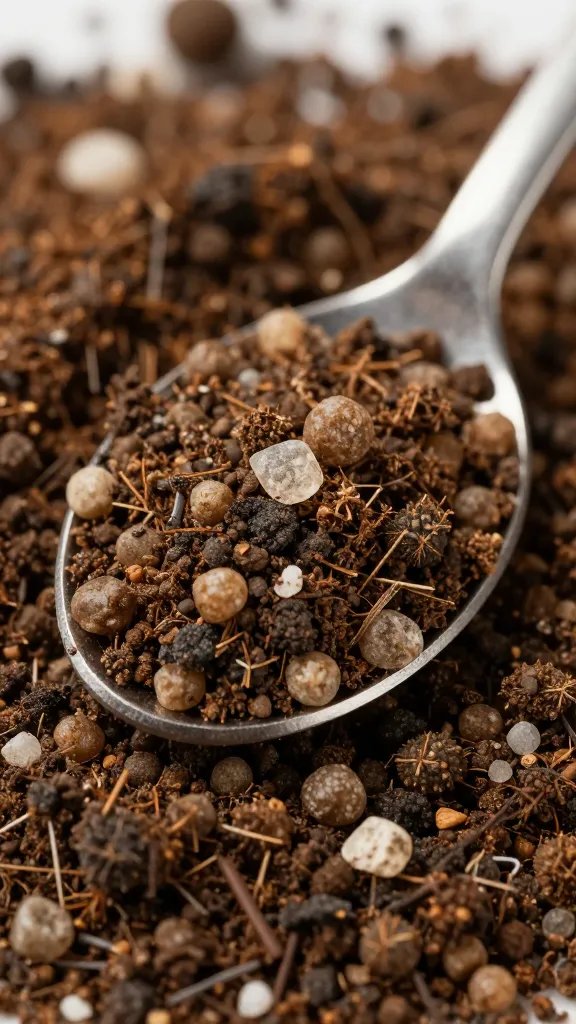
Open terrariums breathe and shed moisture. Use a fast-draining, airy blend that dries within 3–5 days after a light watering.
Closed terrariums hold moisture. Use a leaner, more mineral-heavy blend that dries to slightly damp and stays there, not wet.
My Go-To Ratios
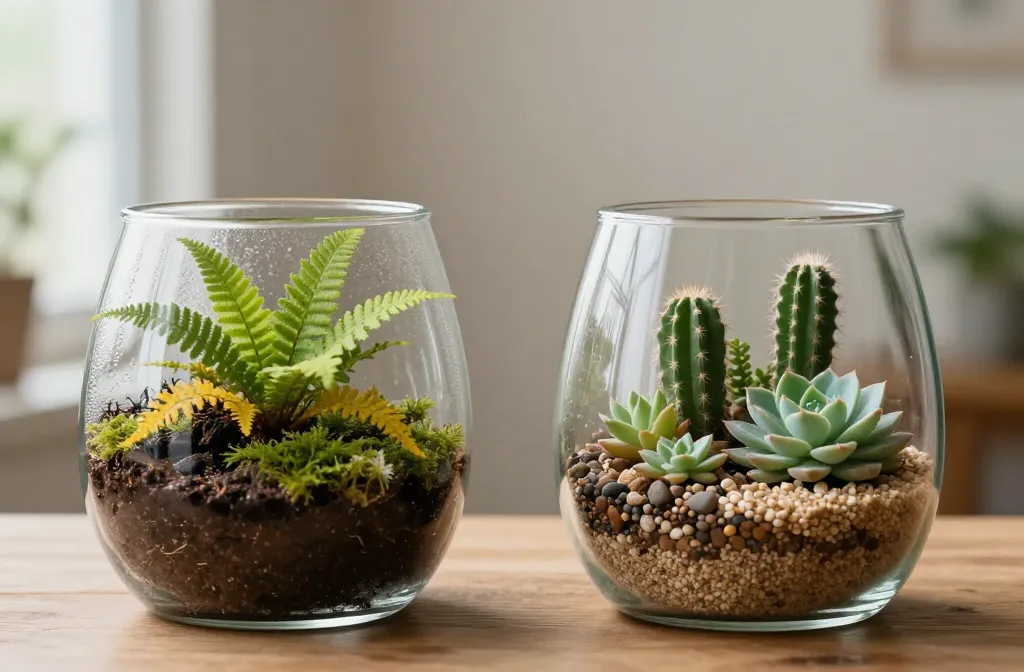
- Open terrarium, dry-loving plants (cacti/succulents): 50% cactus soil + 30% pumice/perlite + 20% horticultural sand.
- Open terrarium, foliage plants (ferns/fittonia): 50% potting soil + 25% bark fines + 25% perlite.
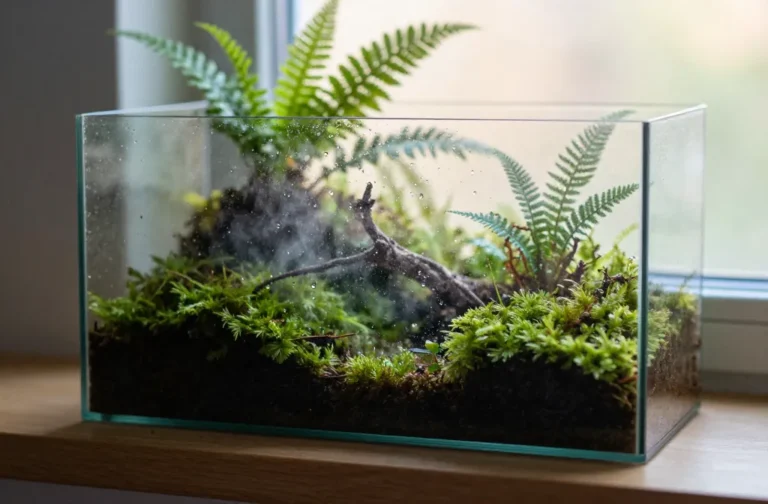
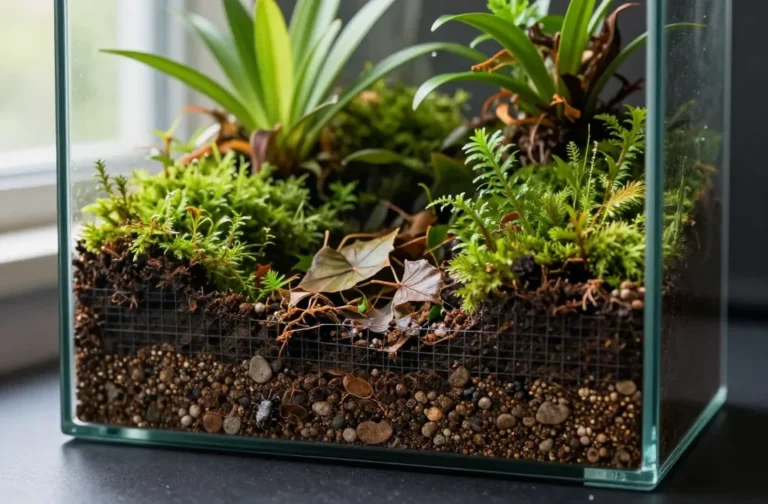
- Closed terrarium, moisture-tolerant plants (moss/ferns/peperomia): 40% potting soil + 30% fine bark + 30% perlite, plus a dusting of horticultural charcoal mixed through (not layered).
Action: Identify your vessel (open or closed) and pick one of the ratios above before you buy plants.
Layering Myths: What Works and What Wrecks Airflow
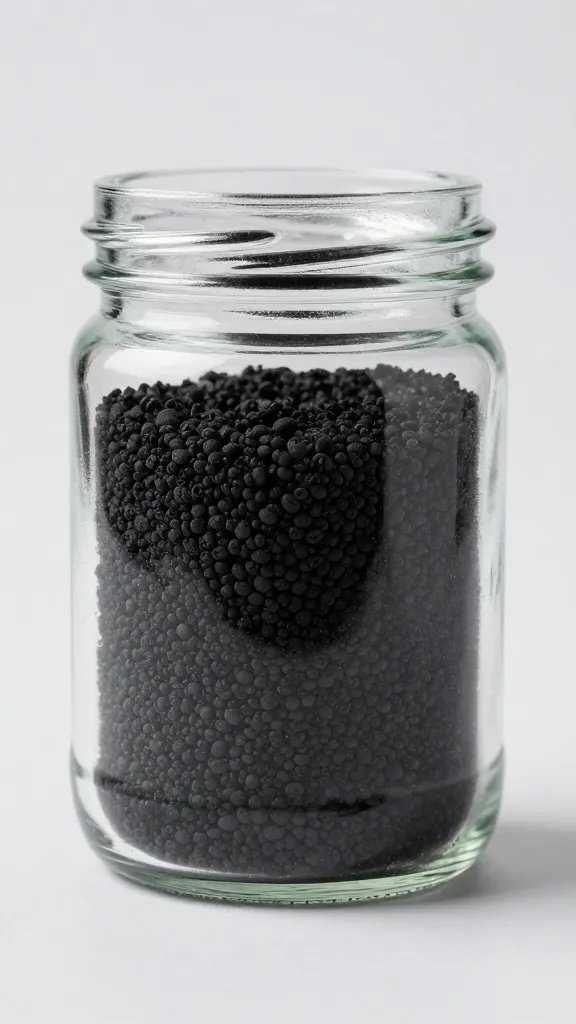
You don’t need a thick “drainage layer.” Water does not move upward across a sharp boundary once saturated. Instead, it pools above it and suffocates roots.
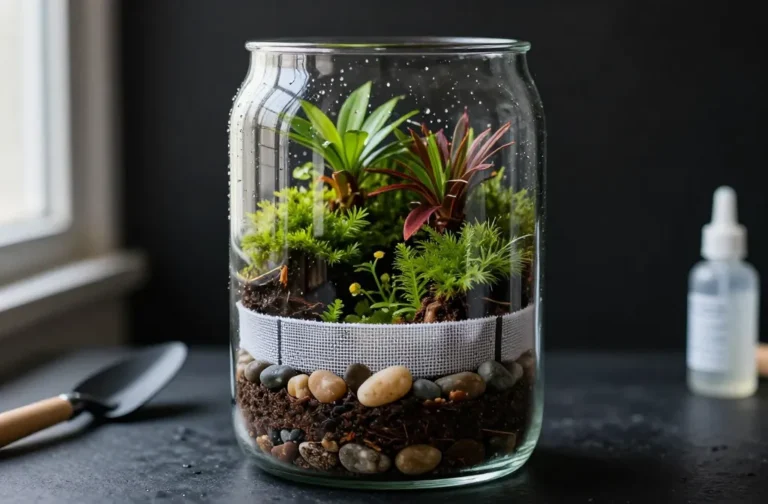
Use a thin base of rinsed gravel (0.5–1 cm) only to level the glass bottom and keep soil from smearing the sides. Then fill with your single, well-mixed substrate. Mix a small amount of horticultural charcoal through the first 2–3 cm to reduce odors in closed builds.
Takeaway: One well-aerated mix beats fancy stripes. Skip thick drainage layers and focus on structure.
Moisture Calibration: Set It Once, Then Leave It
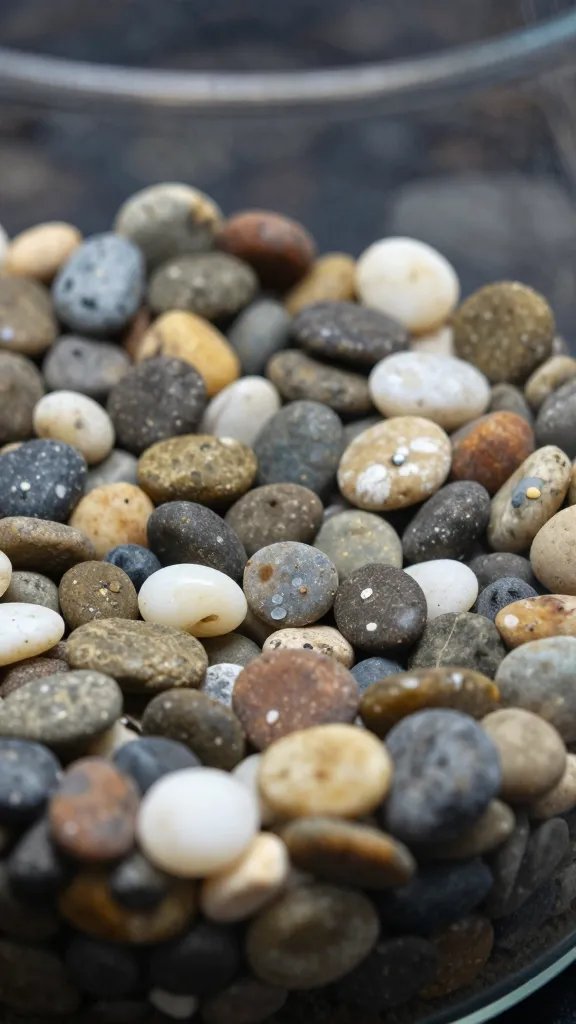
The initial water content decides if your terrarium thrives or molds. I pre-moisten the mix until it clumps when squeezed but doesn’t drip — think a wrung-out sponge. That moisture should last for weeks in a closed build.
Step-by-Step: Dial In Moisture Before Planting
- Mix your dry ingredients thoroughly in a bowl or bucket.
- Spritz and toss until the mix darkens evenly. Squeeze a handful — if two drops fall out, it’s too wet; add more dry mix.
- Pack into the vessel gently with your fingers, not a tamper. Aim for springy, not compressed.
- Plant, top-dress lightly (gravel or small pebbles), then wipe the glass inside.
- For closed terrariums, seal and place in bright, indirect light. For open terrariums, keep near a sunny window but out of harsh midday beams that cook the glass.
Action: Perform the squeeze test today on any terrarium that struggles — if the soil squeezes water, remove the lid for 2–4 hours and wick out excess with a paper towel edge.
Reading the Signals: When Your Mix Is Wrong
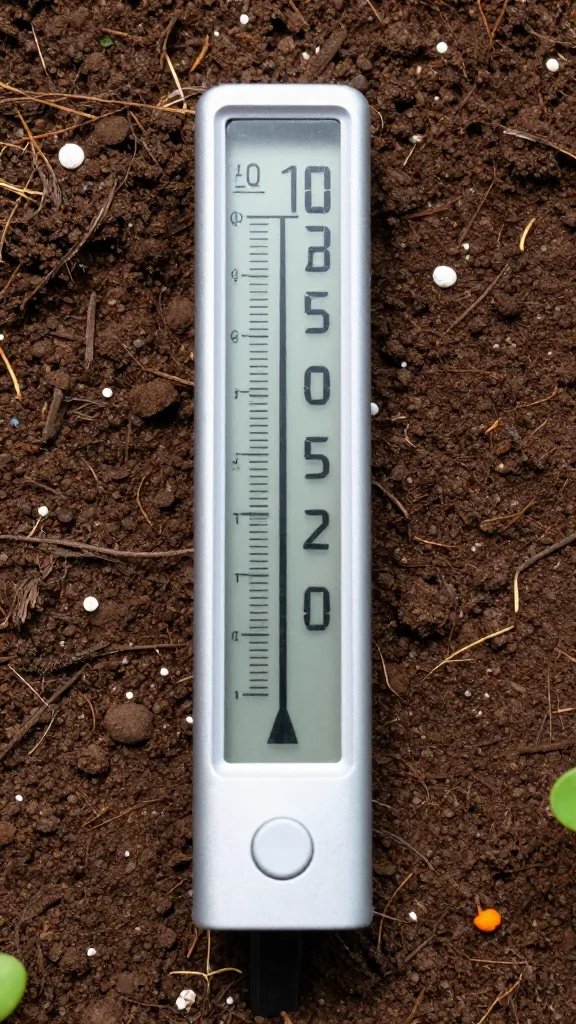
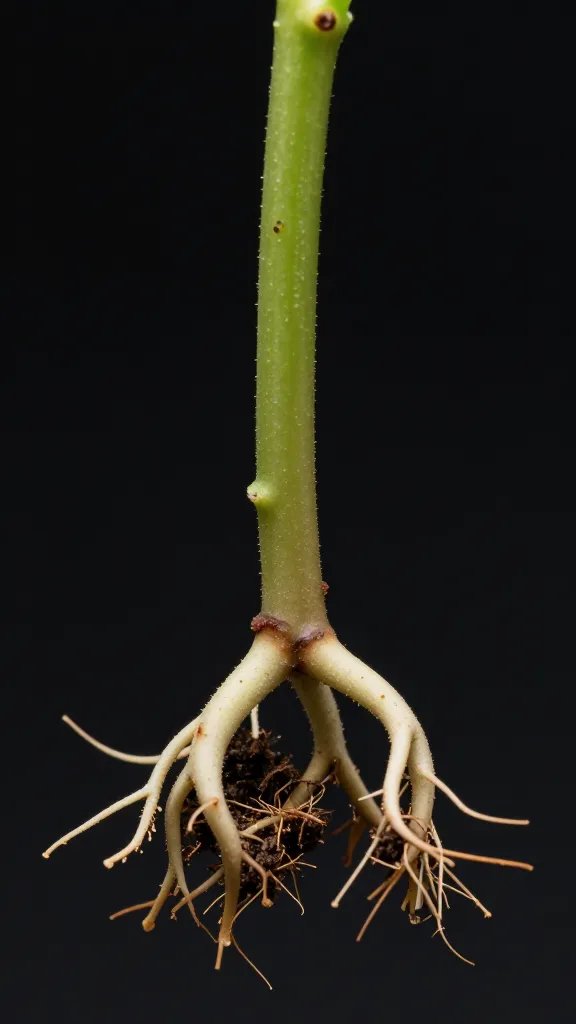
Yellowing leaves with blackened bases signal suffocation from fine, waterlogged media. Gray fuzz or sour smell means too much organic matter staying wet too long. Constant condensation in a closed jar reveals excess water from the start.
Warning Signs and Fixes
- Glass fogged all day: Open the lid for 2–3 hours daily until condensation covers no more than one-third of the walls by midday.
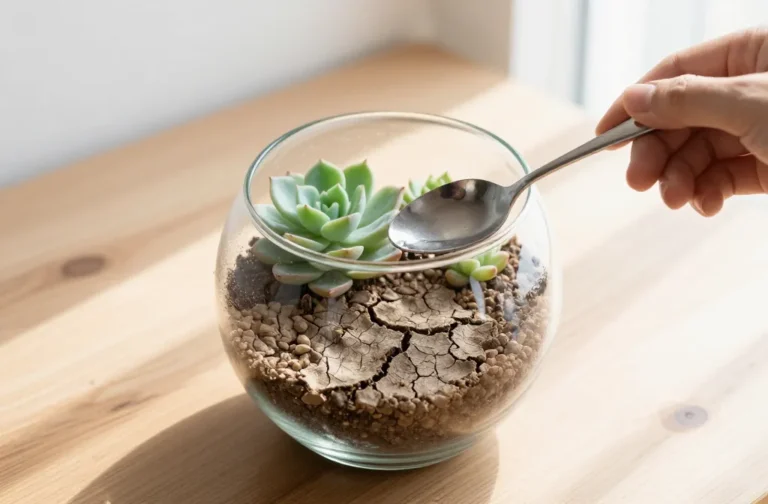
- Mushy stems: Use a spoon to lift plants, blend in 20–30% more pumice/perlite, replant, and water with a spray bottle only.
- Algae crust: Scrape the surface, add a 1 cm layer of fresh, gritty mix, and reduce light intensity a notch (move 30–60 cm from the window).
Takeaway: If you smell “swamp,” add grit and air — not fertilizer or more water.
Match Plants to the Mix, Not the Other Way Around
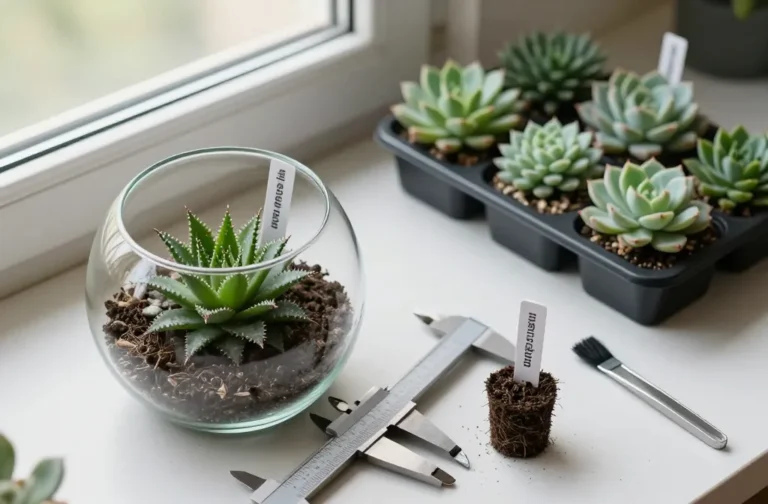
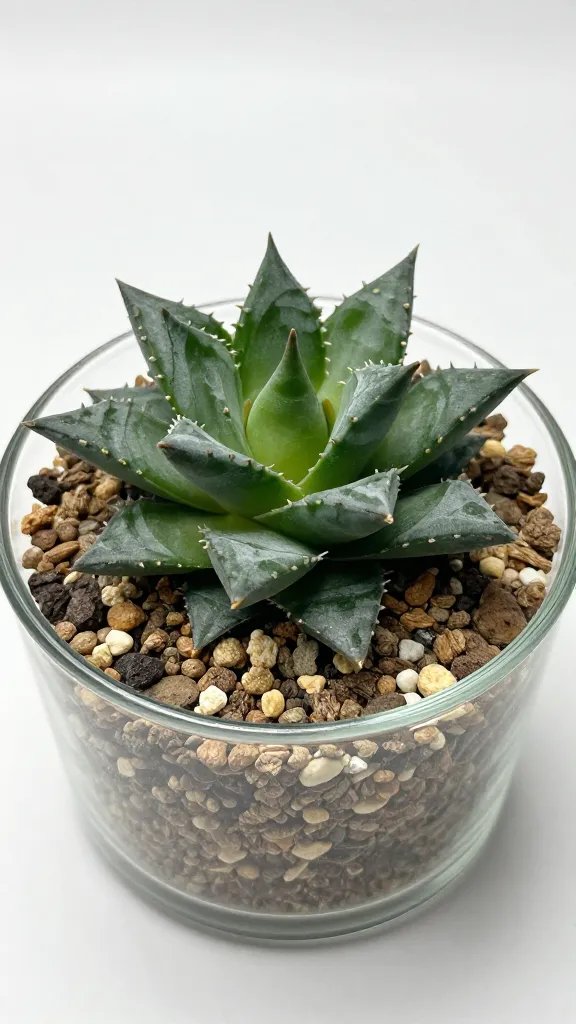
Start with the environment your home gives you, then pick plants that like that substrate and light. A sunny sill with an open bowl favors Haworthia, small Echeveria, and Crassula in a gritty cactus blend. A bright-but-not-sunny shelf with a closed jar suits moss, small ferns, fittonia, and compact peperomia in a barky, perlite-rich mix.
Reliable Plant Lists
- Open + gritty: Haworthia, Gasteria, Crassula, Sedum, small Mammillaria.
- Closed + airy-barky: Cushion moss, Selaginella, Fittonia, Peperomia prostrata, small ferns like Pteris.
Action: Choose plants after you build the mix and test moisture — not before.
Frequently Asked Questions
Can I use regular potting soil in a closed terrarium if I add charcoal?
Yes, but only if you cut the potting soil with at least 30–40% perlite or pumice and 20–30% fine bark. Mix the charcoal through the top layer instead of making a separate layer. Pre-moisten to the wrung-out sponge feel. Watch condensation for the first week and vent as needed.
Is cactus soil safe for ferns in an open terrarium?
On its own, cactus soil is too lean for ferns. Blend 50% cactus soil with 25% potting soil and 25% bark to hold gentle moisture without getting soggy. Water with a spray bottle, letting the top centimeter dry between sessions. Keep it out of hot afternoon sun.
Do I need a drainage layer of rocks at the bottom?
No. A thick rock layer traps water above it and causes rot. Use only a thin leveling layer (0.5–1 cm) to keep soil clean against the glass. The real fix is a well-aerated, gritty mix that doesn’t flood in the first place.
How wet should the soil be when I seal a closed terrarium?
Damp, never wet. When you squeeze a handful, it should hold shape without dripping. After sealing, light daily condensation in the morning that clears by afternoon is ideal. If it stays foggy, open the lid for 2–4 hours and wick moisture with a paper towel edge.
How often do I water an open succulent terrarium?
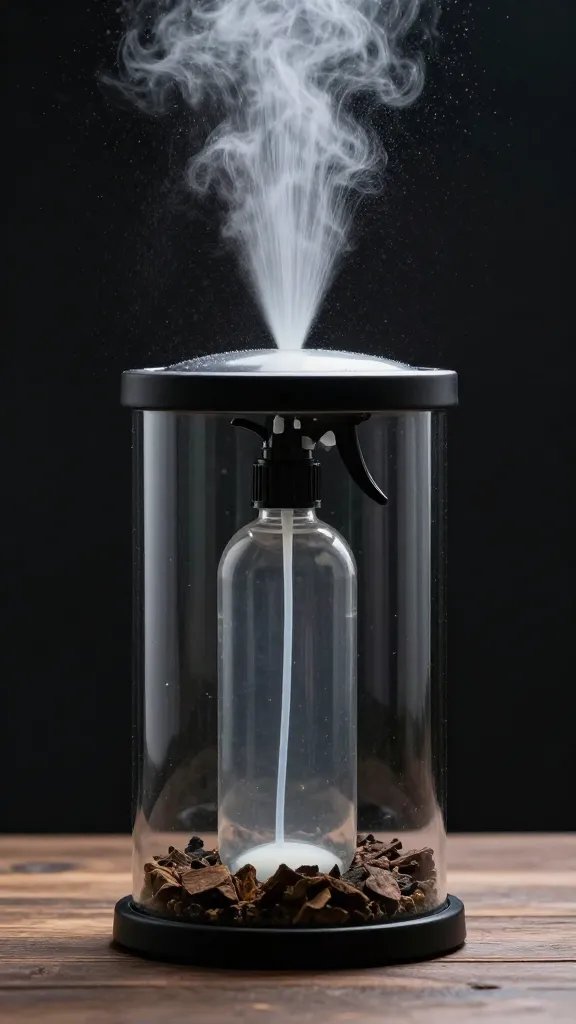
Every 2–3 weeks in most homes, but use the soil instead of the calendar. Water when the top 2–3 cm feel dry and the mix looks pale and dusty. Add just enough to moisten the root zone — usually a few tablespoons for a small bowl. Always water around the roots, not directly over the rosettes.
My terrarium smells sour. Can I save it?
Yes. Uncover it, remove any mushy plants, and stir in 20–30% pumice or perlite to the top layer. Trim dead material, wipe the glass, and let it air for 24 hours before resealing. Going forward, water with a spray bottle and keep the mix airy with added bark.
Conclusion
Your plants aren’t failing — the mix is. Build the substrate for the container and humidity you actually have, then pick plants that thrive in it. Today, remix one struggling terrarium with extra grit and a proper moisture reset. After you see the difference in a week, upgrade the rest with confidence.