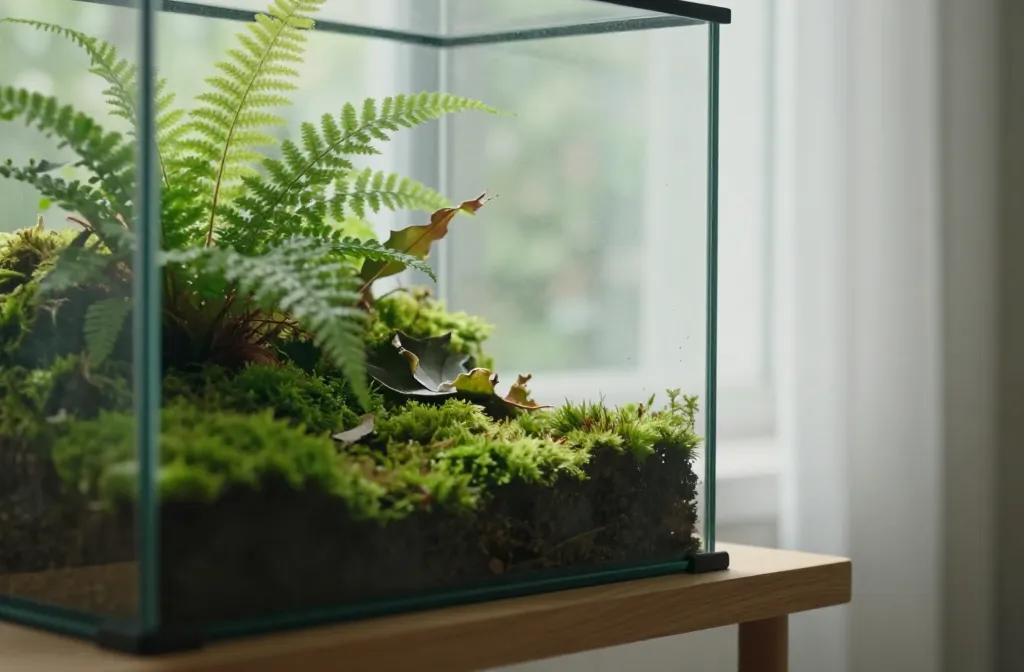
Why Your Terrarium Plants Keep Dying — How to Diagnose the Actual Cause Before Replacing Anything
My first few terrariums looked perfect for two weeks, then collapsed into yellow mush and fungus. I was swapping plants like socks when the problem was never the species — it was the conditions I’d set. In this guide, I’ll show you how to diagnose the real cause using simple checks you can do today. You’ll learn what to change in your setup so the next plant you buy actually survives.
Light Mismatch: Shade Plants Don’t Want a Sunny Sill
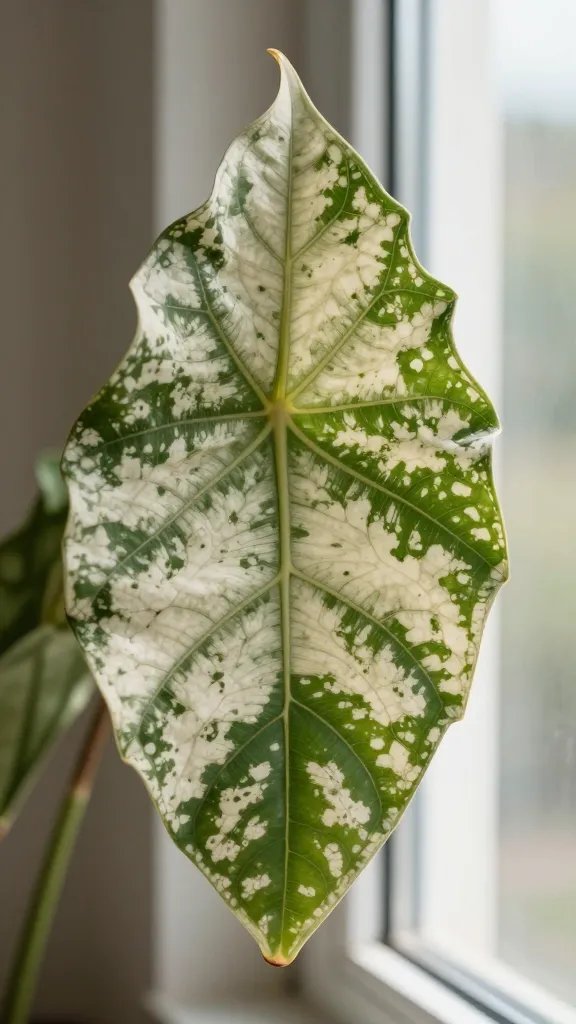
Most terrarium plants are understory species that like bright indirect light, not direct sun. Glass acts like a mini greenhouse — a sunny windowsill cooks leaves and bakes roots in hours.
Place terrariums near a bright window where you can read a book at midday without squinting. Keep them out of beams of sun that create sharp-edged shadows on the leaves.
Warning Signs
- Bleached or crispy leaves facing the window.
- Condensation fades by late morning because heat vents it all off.
- Algae bloom on the glass from excess light + moisture.
Step-by-Step Fix
- Move the terrarium 3–6 feet back from south or west windows.
- For a sunny room, hang a sheer curtain or place it on a shelf that gets sky brightness but not direct rays.
- If the room is dim, add a simple desk lamp with a warm-white LED and run it 8–10 hours daily, positioned 12–18 inches above the lid.
Action today: At noon, check for sharp, hot sun on the glass; if you see it, move the terrarium back one step until the light is bright but not direct.
Wrong Moisture Level at Setup: The Original Sin
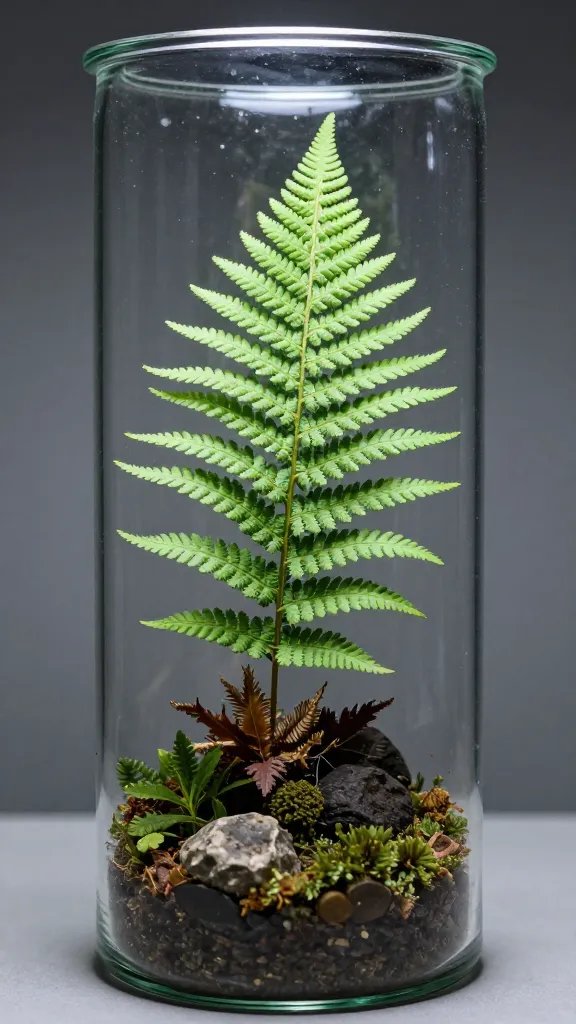
A terrarium fails when the substrate starts too wet or too dry. In a closed system, that initial moisture sticks around for months.
I squeeze a handful of substrate before planting. It should feel like a wrung-out sponge: cool, evenly damp, and no water dripping from your fist.
Warning Signs
- Mushy stems and yellowing from the base = too wet.
- Curling leaves and stalled growth with dusty glass = too dry.
- Persistent heavy condensation all day = far too wet.
Step-by-Step Fix
- If over-wet: Remove the lid for 2–4 hours daily until midday condensation covers less than half the glass.
- If under-wet: Mist the substrate surface, not the leaves, with 1–2 tablespoons of clean water, then close and reassess in 24 hours.
- Stir the top 1 cm of substrate gently to break hydrophobic crusts that repel water.
Action today: Do the squeeze test on a small corner of the substrate; adjust by venting or misting until it feels like a wrung-out sponge.
Poor Air Exchange in “Closed” Builds: Stagnant Isn’t Stable
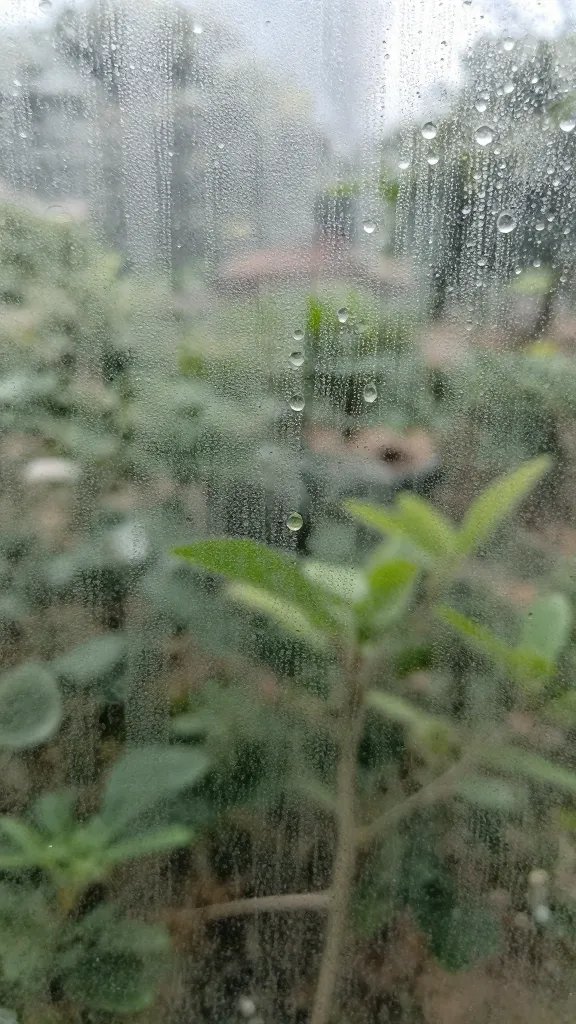
Closed terrariums still need periodic gas exchange. Fresh air clears built-up CO₂ and molds, and it moderates humidity spikes after watering.
I treat a closed terrarium like a jar of homemade pickles: sealed most of the time, “burped” when pressure (humidity) gets too high.
Warning Signs
- Mold webs on leaf litter and stems.
- Condensation dripping like rain every morning.
- Leaves yellow without visible rot or pests.
Step-by-Step Fix
- Prop the lid open with two coins for 1–2 hours every few days after any watering or pruning.
- Remove dead leaves immediately; they feed fungus in stagnant air.
- Keep a small patch of exposed substrate free of moss to serve as a “breathing zone.”
Action today: Vent the terrarium for one hour and wipe inside condensation with a clean paper towel around the upper glass.
Substrate That Suffocates Roots
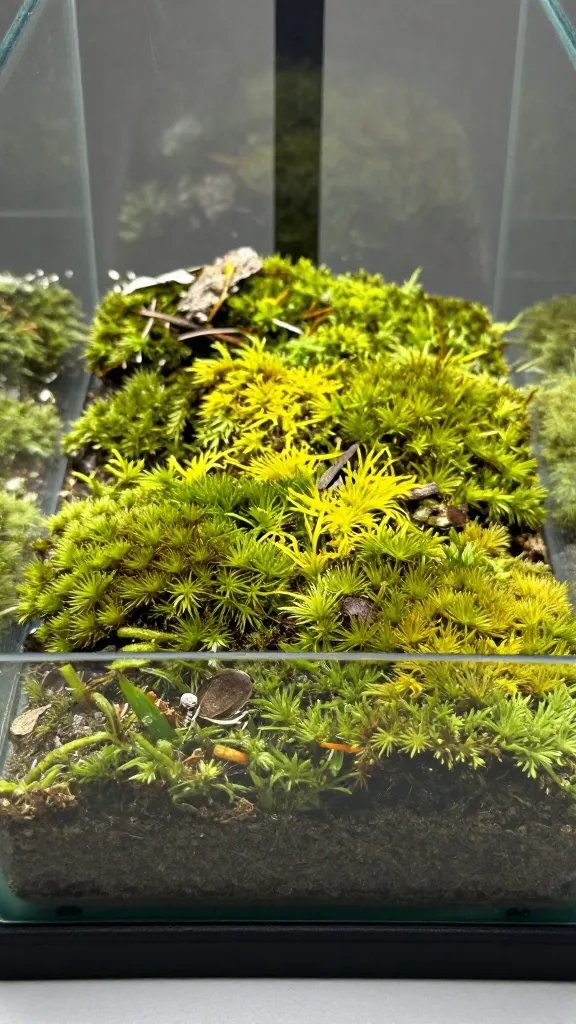
Garden soil compacts in glass and starves roots of oxygen. You need a light, airy base that drains within the container’s microclimate.
I use a simple blend from a garden centre: good potting mix cut with orchid bark and a scoop of perlite. Add a thin layer of activated carbon above any drainage pebbles to reduce smells.
Recommended Layers (Bottom to Top)
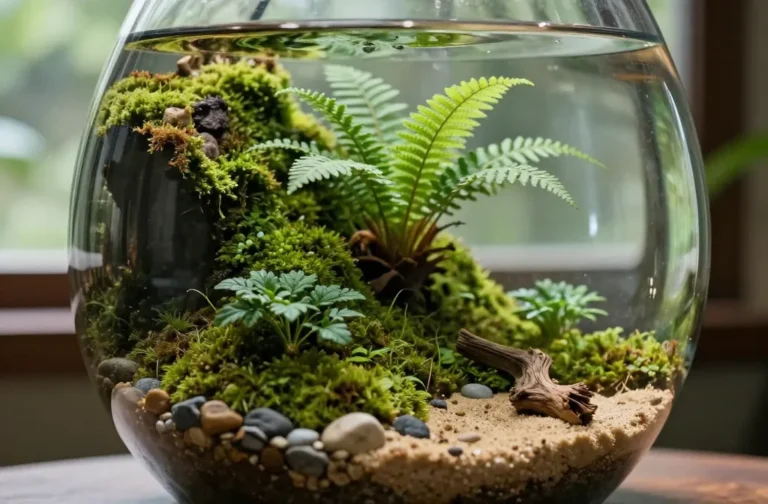
- 1–2 cm washed stones (optional “drainage look,” not a fix for overwatering).
- Thin layer of activated carbon.
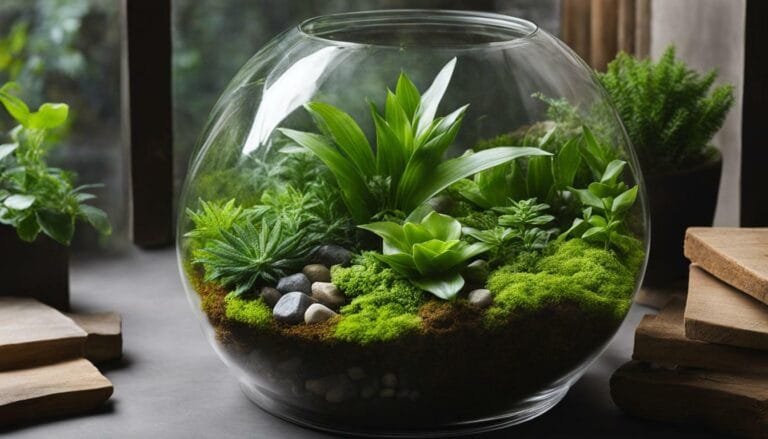
- 5–8 cm substrate: 2 parts potting mix, 1 part fine orchid bark, 1 part perlite.
- Moss or leaf litter as a living mulch.
Warning Signs
- Sour, swampy smell when you open the lid.
- Green scum on compacted soil surface.
- Plants wobble because roots rotted off.
Step-by-Step Fix
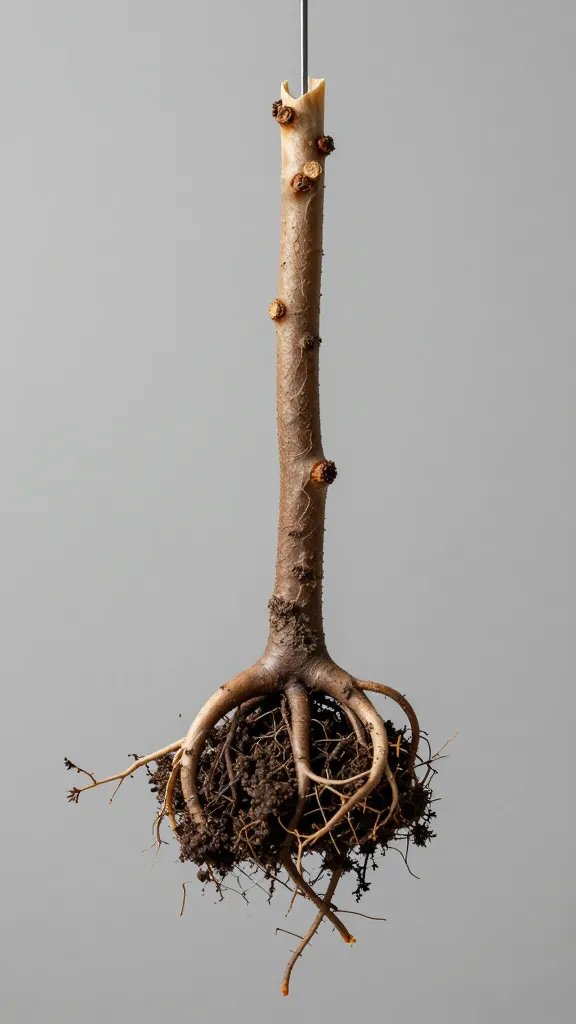
- Gently lift plants, trim any brown, mushy roots with clean scissors.
- Replace the substrate with the airy blend above.
- Replant slightly higher than before and water once with just enough to settle roots.
Action today: Press a finger 2 cm into the substrate; if it feels heavy and smeary, plan a replant with a lighter mix this weekend.
Wrong Plant for the Container Type
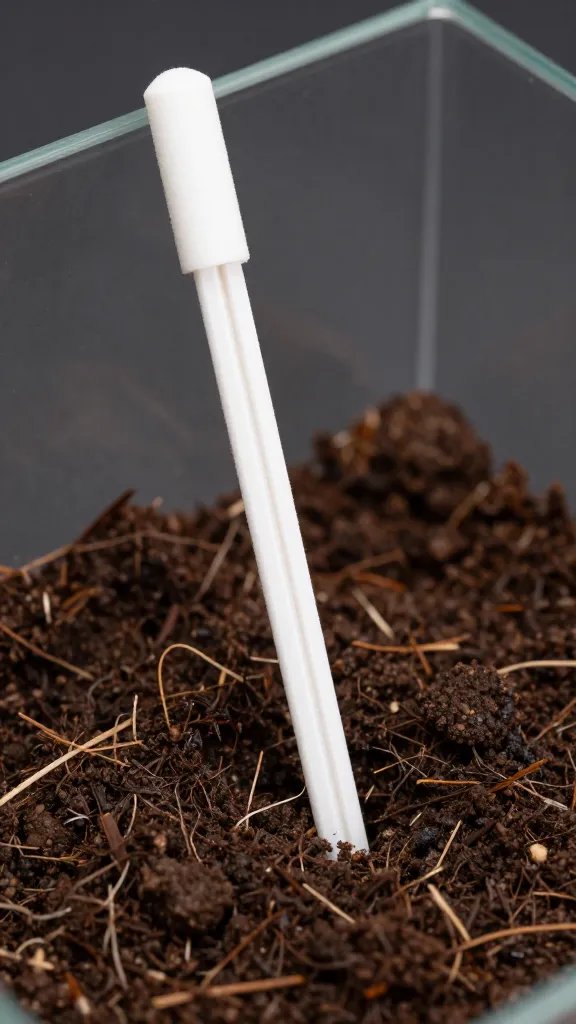
A closed terrarium supports humidity lovers. An open terrarium suits plants that enjoy airflow and can handle drier edges.
When I match plant to container, everything stabilizes. When I mix moisture lovers with dry-air species, something dies while I’m looking away.
Plant Lists That Work
- Closed: Fittonia, small ferns (e.g., Pellaea), Peperomia, Selaginella, baby tears, mosses.
- Open: Pilea glauca, miniature ivy (trained and trimmed), small peperomias, miniature begonias with thicker leaves.
- Avoid in closed: Succulents, cacti, most stringy trailing plants.
Quick Size Rule
- Choose plants that top out at half the container height.
- Pick slow growers with small leaves to reduce pruning stress.
Action today: Identify one plant that doesn’t match your container type and rehome it to a pot or a better terrarium.
Water Quality and Fertilizer Misuse
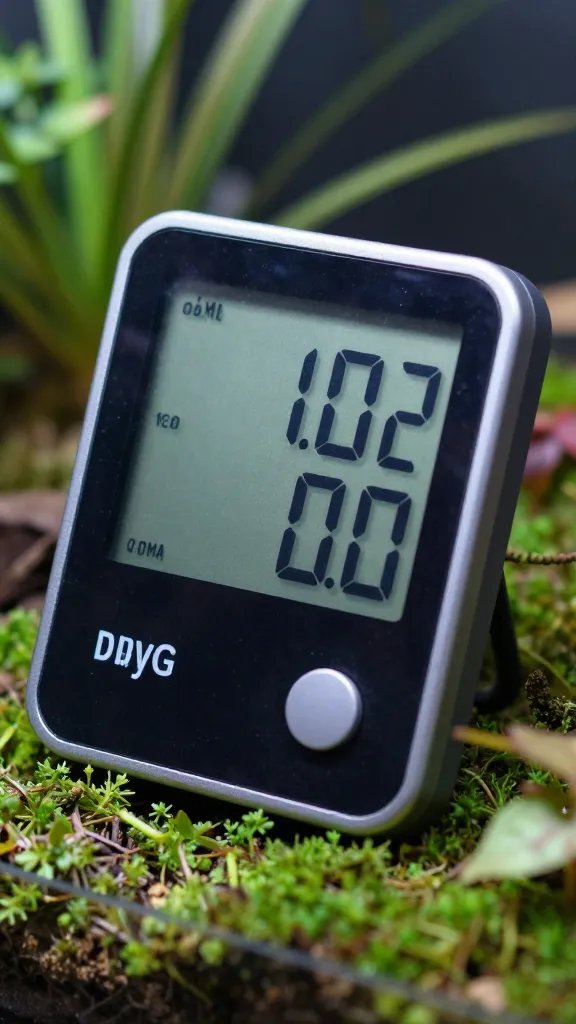
Tap water heavy in minerals leaves white crusts and stresses roots. Frequent feeding in a closed system builds salts and fuels algae.
I use rainwater, distilled, or filtered water that tastes clean, not salty. I fertilize rarely: a half-strength houseplant feed once in spring, and only if growth looks pale after fixing light and moisture.
Warning Signs
- White crust on soil or glass edges.
- Algae sheets after feeding.
- Burnt leaf tips on sensitive species like Fittonia.
Step-by-Step Fix
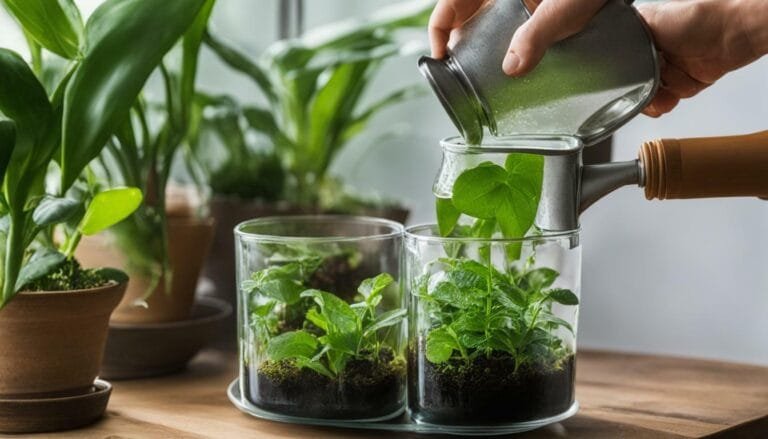
- Flush the substrate once with clean water: pour slowly until a small amount reaches the pebble layer, then vent for 1–2 hours.
- Skip fertilizer for 8–12 weeks; reassess after correcting light and moisture.
- Switch to rain, distilled, or filtered water for all top-ups.
Action today: Wipe mineral crust from the glass rim with a cloth dipped in white vinegar, then rinse with clean water.
Pests and Mold Sneaking In With New Additions
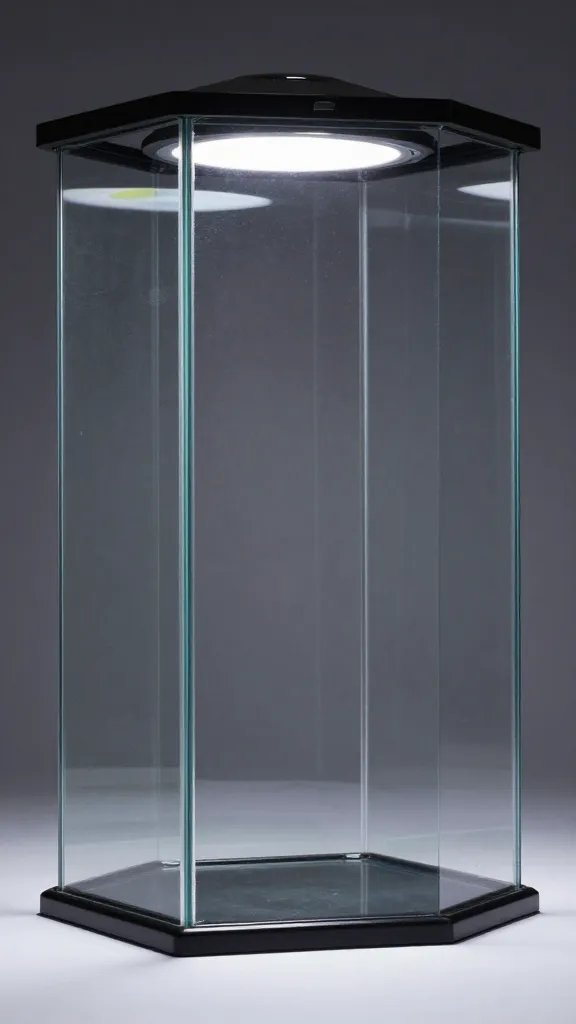
Terrariums are closed neighborhoods — one bad tenant spreads fast. I quarantine every new plant or moss in an open pot for a week.
Use a handheld lens or phone camera to check leaf undersides. Small fixes early prevent full rebuilds later.
Warning Signs
- Tiny white threads or webs = fungus or spider mites.
- Silvery stippling on leaves = thrips.
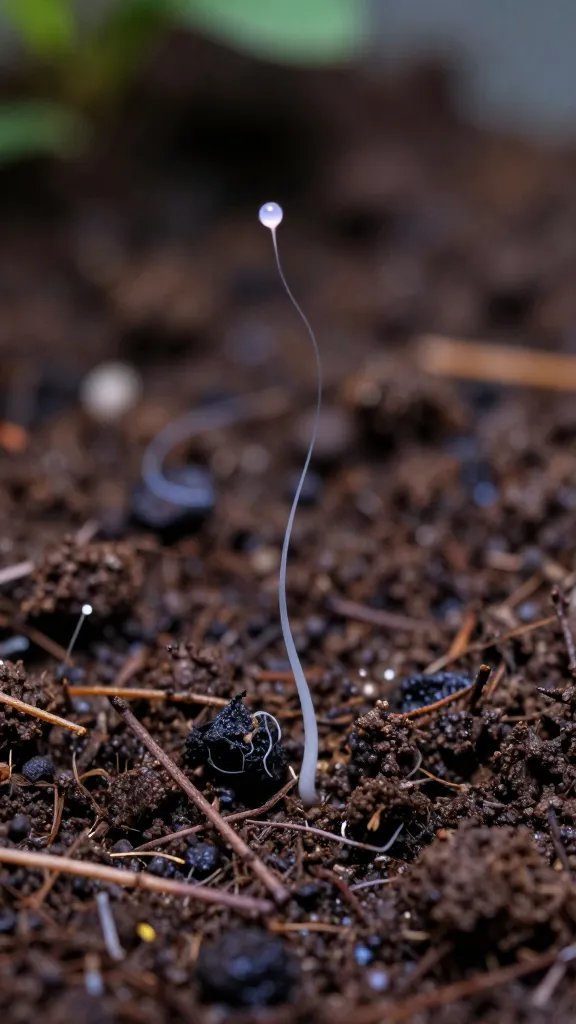
- Moving dots in the soil surface = springtails (often harmless), fungus gnat larvae (problematic).
Step-by-Step Fix
- Remove and bin heavily infested leaves immediately.
- Mist the affected area lightly with a ready-to-use neem oil or horticultural soap from the garden centre; keep it off moss to avoid burn.
- For gnats, let the top substrate dry slightly and add a thin sprinkle of yellow sticky traps near the opening for a week.
Action today: Inspect every plant with your phone’s zoom; remove one suspicious leaf now rather than “waiting to see.”
Frequently Asked Questions
How often should I water a closed terrarium?
Rarely. Add water only when midday condensation covers less than one-third of the glass. Use a spray bottle to add 1–2 tablespoons at a time toward the substrate, not the leaves, then wait 24 hours before adding more.
Why do my terrarium leaves turn yellow from the bottom up?
That pattern signals over-wet roots and low oxygen in the substrate. Vent the terrarium for an hour daily for three days, then check the substrate feel. If it’s heavy and smeary, repot into a lighter mix with bark and perlite. Trim any brown roots before replanting.
Can I keep succulents in a closed terrarium if I water less?
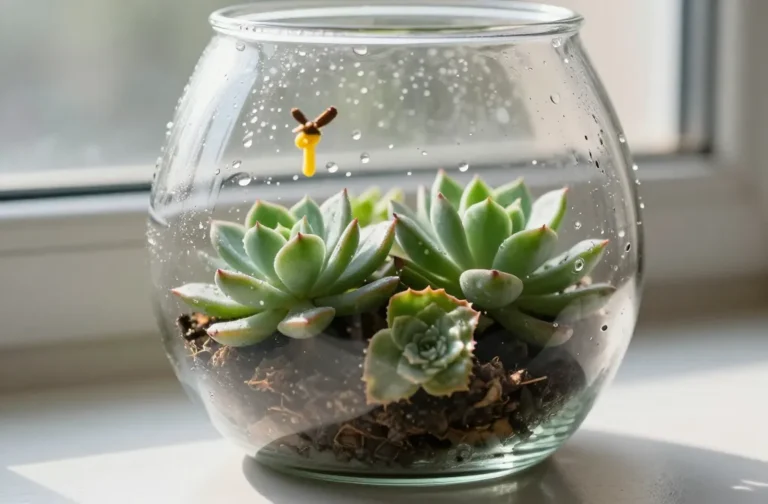
No. Succulents store water and prefer airflow and quick-drying soil. A closed terrarium traps humidity and heat, which causes rot. Put succulents in an open dish near bright light and let the soil dry fully between waterings.
Do I need a drainage layer of pebbles?
Pebbles improve appearance and catch excess water, but they don’t fix overwatering. The real safety net is an airy substrate and correct starting moisture. If you like the look, keep pebbles thin and add activated carbon on top to reduce odors.
What temperature is best for terrarium plants?
Room temperature between 18–24°C (65–75°F) keeps most terrarium species happy. Avoid placing the container on radiators, over heat vents, or next to drafty windows in winter. Sudden swings cause condensation surges and stress.
How do I know if my light is “bright indirect” without a meter?
Stand where the terrarium sits at noon and hold your hand 12 inches above the surface. If your hand casts a soft-edged shadow, that’s bright indirect. If the shadow is sharp and dark, it’s direct sun — move the terrarium back or diffuse the light.
Conclusion
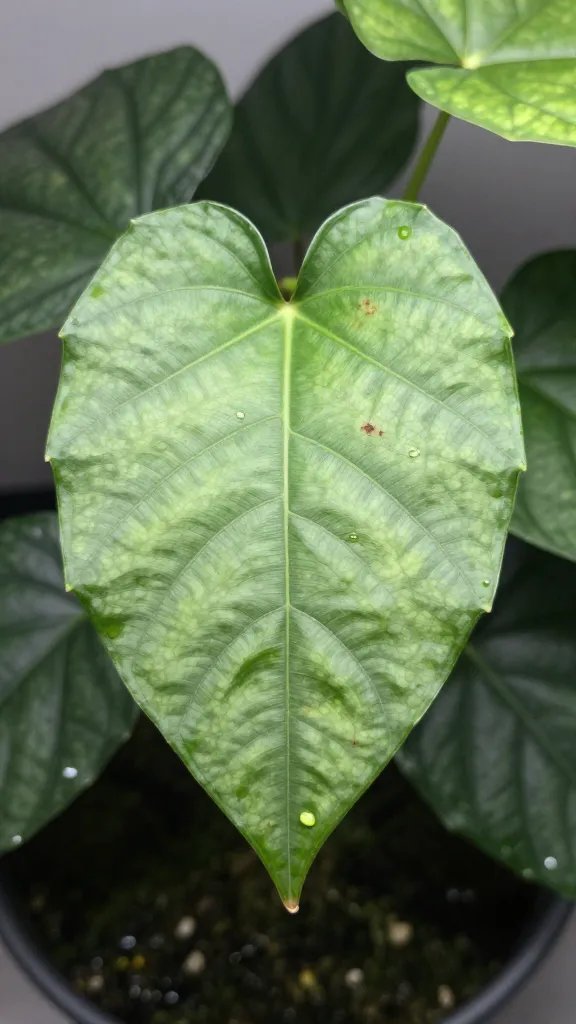
You don’t need new plants — you need better clues. Check light at noon, set moisture to a wrung-out sponge, give brief, regular air exchange, and use a light, airy substrate. Do one action from each section today, then watch for steadier condensation, firm leaves, and slow, healthy growth over the next two weeks. When you see that, you’ll know you fixed the cause — not just replaced the victim.