How to Theme a Terrarium — Design Structure, Accent Logic and How to Avoid Visual Clutter Secrets
I used to cram every pretty plant and rock I found into one jar and hope it “looked natural.” The result always felt busy, and the best details disappeared behind glare and random clutter. Once I started building around a clear theme with a repeatable structure, my terrariums finally looked intentional and stayed easy to maintain. In this guide I’ll show you the exact framework I use: how to pick a theme, structure the layout, choose accents that belong, and prevent the visual noise that makes small scenes collapse.
Pick a Theme With One Sentence You Can Design Against
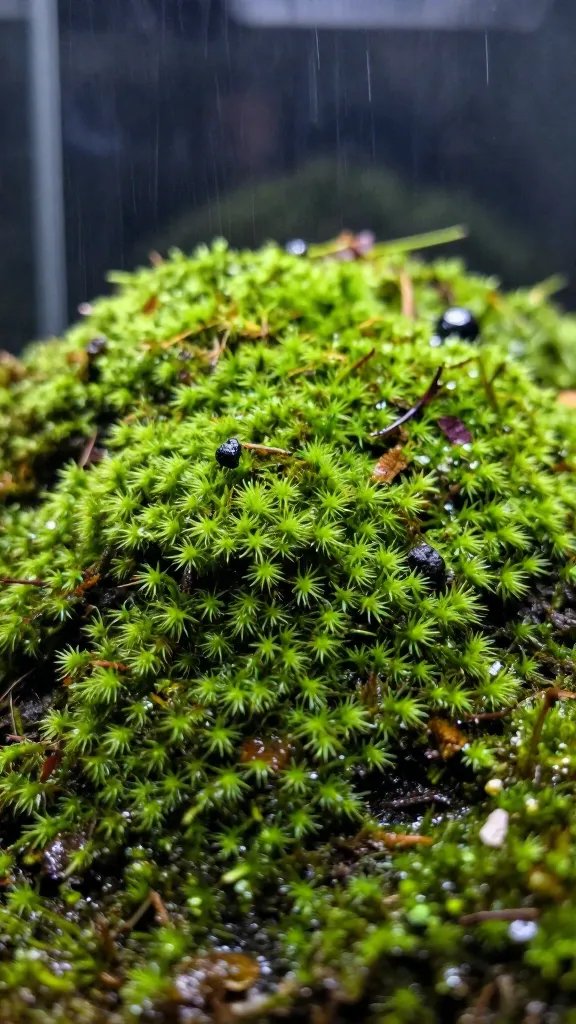
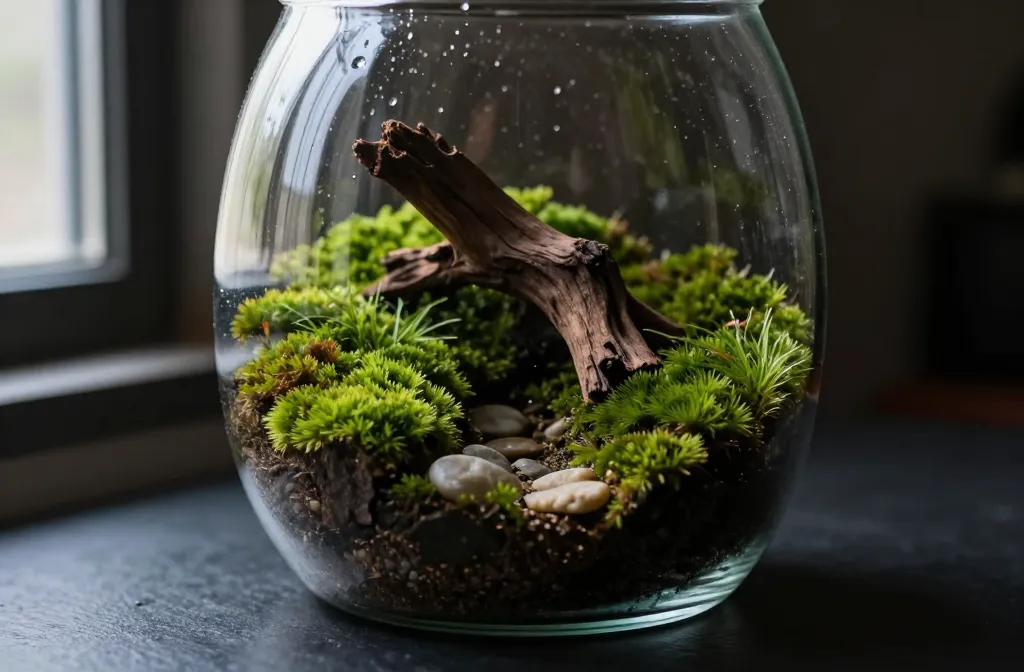
A strong theme fits in one sentence: subject, setting, and mood. For example: “Shaded forest floor after rain,” or “Dry valley with bright lichens.” That sentence decides everything else — plant palette, hardscape color, soil slope, and props.
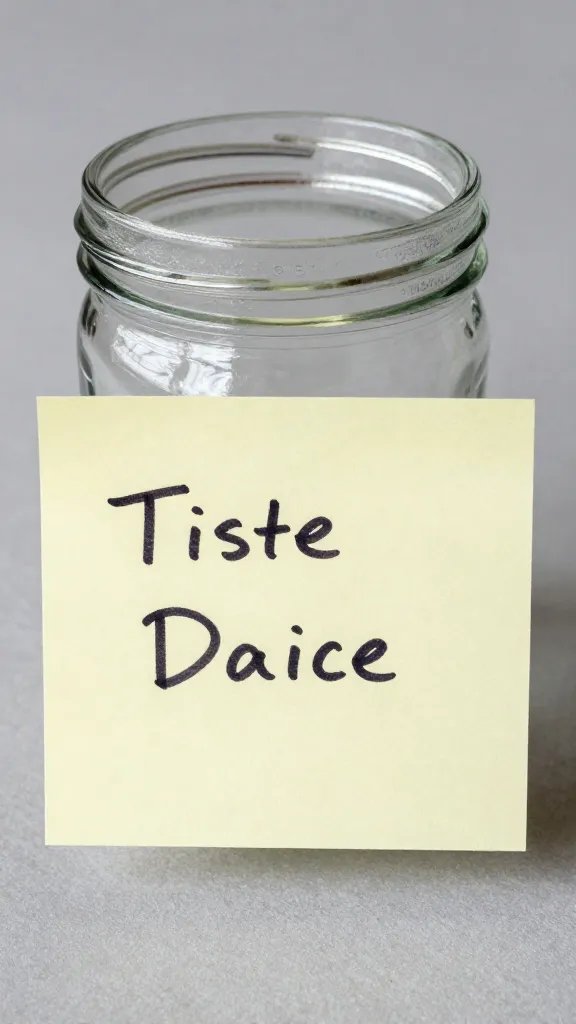
I write the sentence on a sticky note and keep it beside the jar. If a plant or rock doesn’t serve that sentence, it stays out. This prevents the “souvenir shelf” look.
Theme Prompts You Can Steal
- Mossy Ravine: Low, humid, green-on-green with dark wood and scattered stones.
- Tropical Edge: Bright greens, small ferns, a single bold leaf texture, warm wood.
- Highland Scree: Pale stones, sparse minis, open negative space, crisp light.
Action today: Write your terrarium theme in one sentence and tape it to the glass while you build.
Lay the Structure First: Foreground, Midground, Backdrop
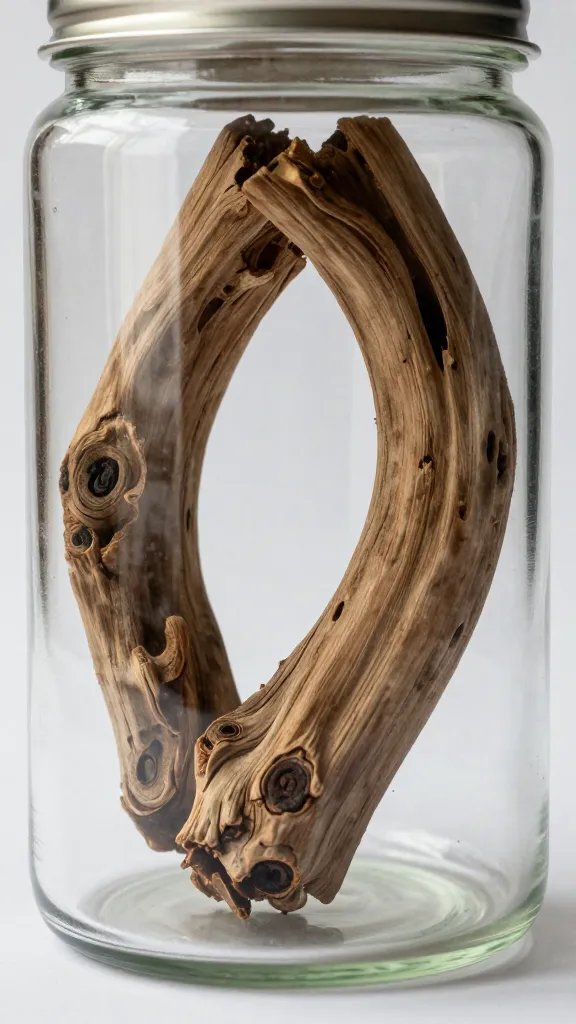
Small scenes get messy when they’re flat. I build a simple backbone before any plants: a slope, a focal stone or root, and a clear foreground path or “pool” of open substrate.
Use a 2–3 cm rear-to-front slope so the back sits higher than the front. Angle your largest hardscape piece slightly off-center; this creates depth and gives your eye a place to rest.
Step-By-Step Layout
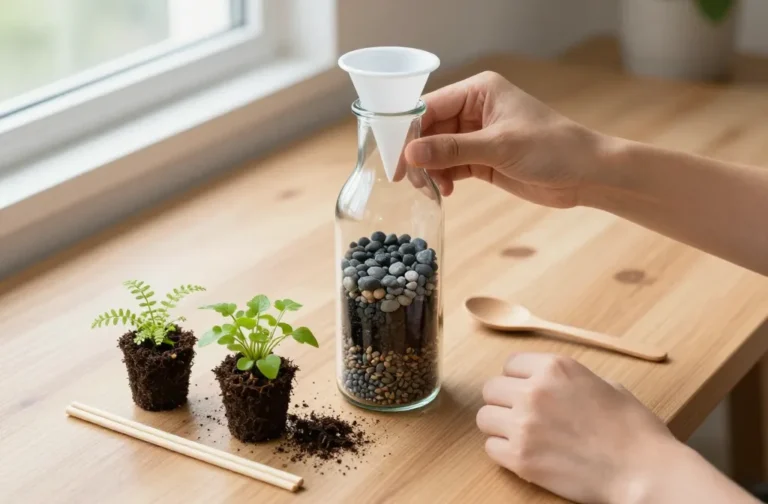
- Base Layers: Drainage (hydro balls) 1–2 cm, mesh, then a good quality terrarium substrate 3–6 cm. Moisten until it clumps when squeezed but doesn’t drip.
- Set the Focal: Place one main stone or root off-center (rule of thirds), leaning backward to imply distance.
- Create Flow: Add two smaller support pieces that point toward the focal, not competing with it.
- Reserve Space: Leave a clean foreground patch the size of two thumbs — no plants there yet.
Action today: Before planting, photograph your empty hardscape from eye level; if it looks balanced without plants, you’ve nailed the structure.
Use Accent Logic: Limit Colors, Repeat Textures, Set a Scale
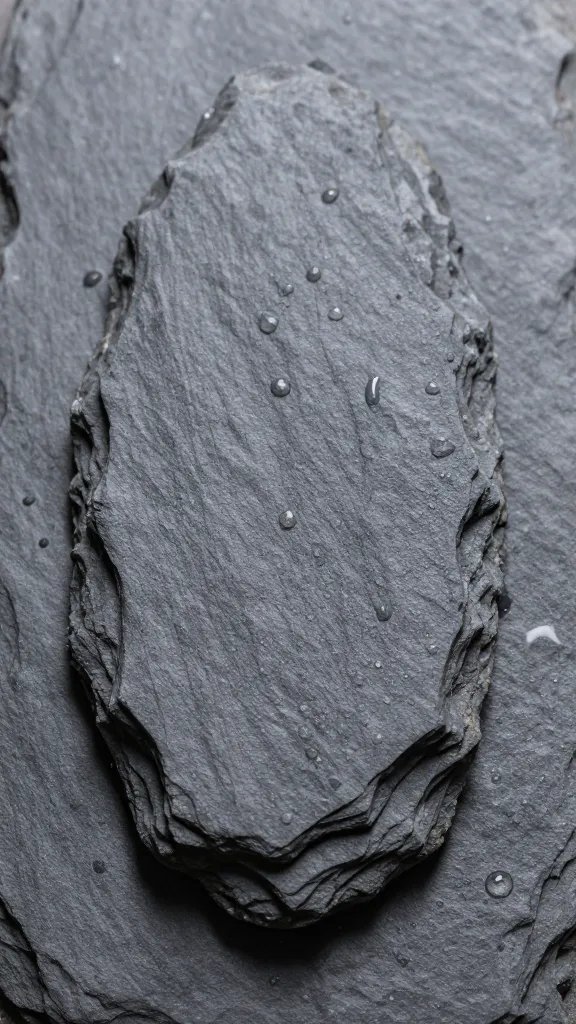
Accents carry your theme, but they need rules. I limit myself to one dominant color family and one contrasting accent that repeats at least three times in tiny doses. I also pick a scale — pebble size, leaf size, wood thickness — and keep everything congruent.
Color: If your stones are cool gray, choose cool greens and silver mosses. Avoid mixing warm and cool rocks in the same build. Texture: Repeat similar bark or stone texture so the scene feels coherent. Scale: If your main stone is chunky, use fine gravel and small-leaf plants to exaggerate its size; if your jar is small, avoid thick branches that crowd the view.
Reliable Accent Materials
- Stones: River rock (smooth), basalt (dark), sandstone (warm). Pick one type only.
- Wood: Grapevine or spiderwood for branching lines in larger jars; small driftwood chips for nanos.
- Gravel/Sand: One grade, matching your stone color. Use sparingly to define paths.
Action today: Remove any accent that doesn’t match your dominant stone color and texture — one decisive edit improves clarity instantly.
Plant With Purpose: Three Roles Only
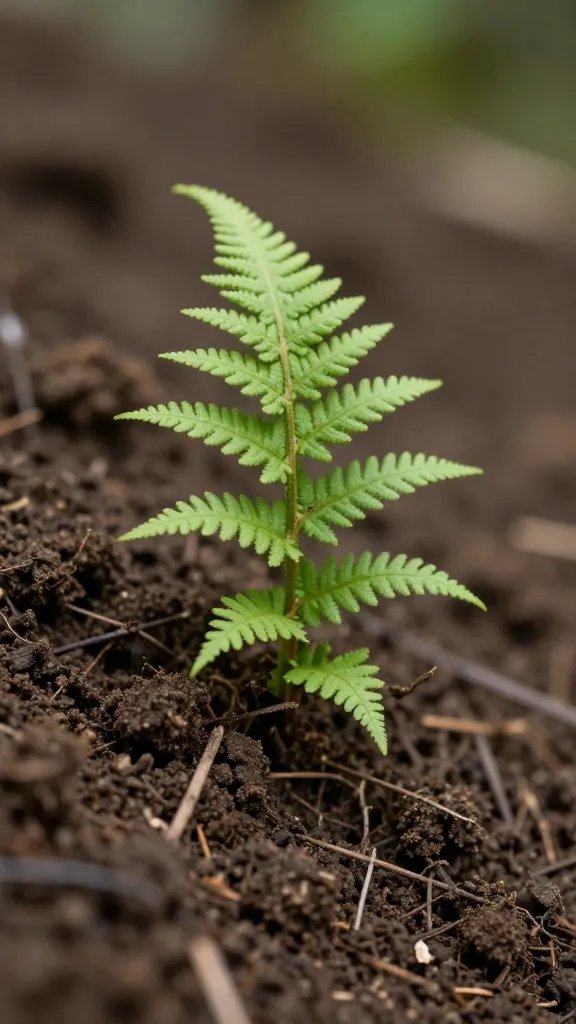
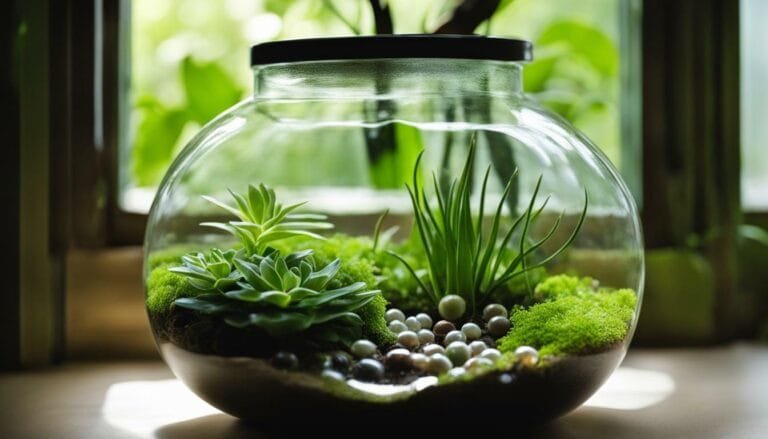
I assign plants to roles: carpet (groundcover), mid-flair (small upright or rosette), and feature (one distinctive shape). This stops the “leaf soup” that overwhelms glass spaces.
Stick to a maximum of five species in small jars and seven in larger ones. Repeat species instead of adding new ones — repetition reads as designed, not accidental.
Plant List By Theme
- Mossy Ravine: Leucobryum (pincushion moss) as carpet, Selaginella kraussiana for mid-flair, one Microsorum pteropus ‘Trident’ cutting as feature in taller jars.
- Tropical Edge: Hydrocotyle tripartita carpet, Pilea depressa mid-flair, a compact Pepperomia caperata as feature.
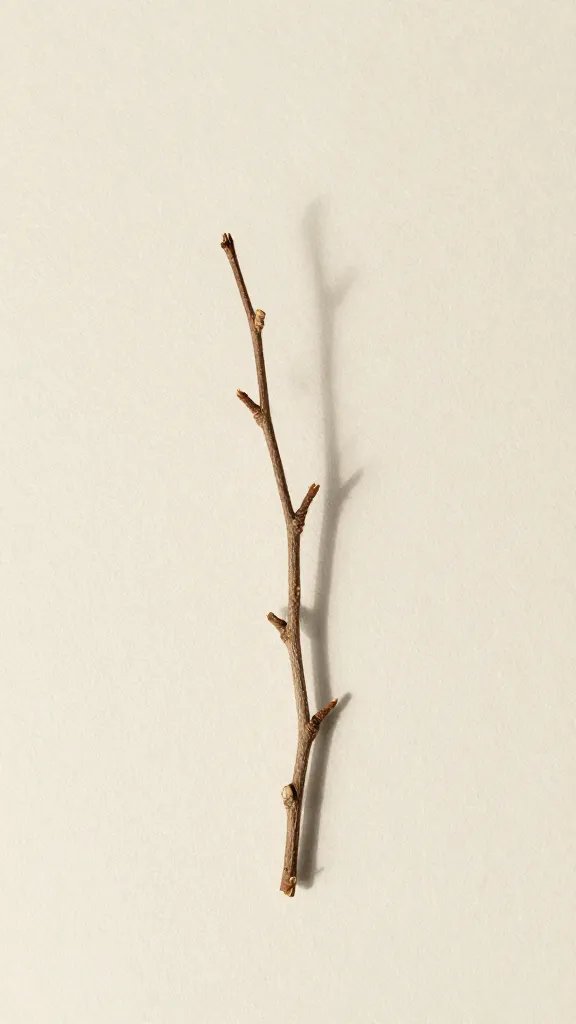
- Highland Scree: Sparse Riccardia moss pads as carpet, tiny Crassula marginalis rubra or Anacampseros for mid-flair in open jars, one sculptural twig as “dead tree” feature.
Action today: Remove duplicate textures: if two plants look similar at arm’s length, keep the healthier one and repeat it instead of mixing both.
Avoid Visual Clutter: The Rule of Threes and Breathing Space
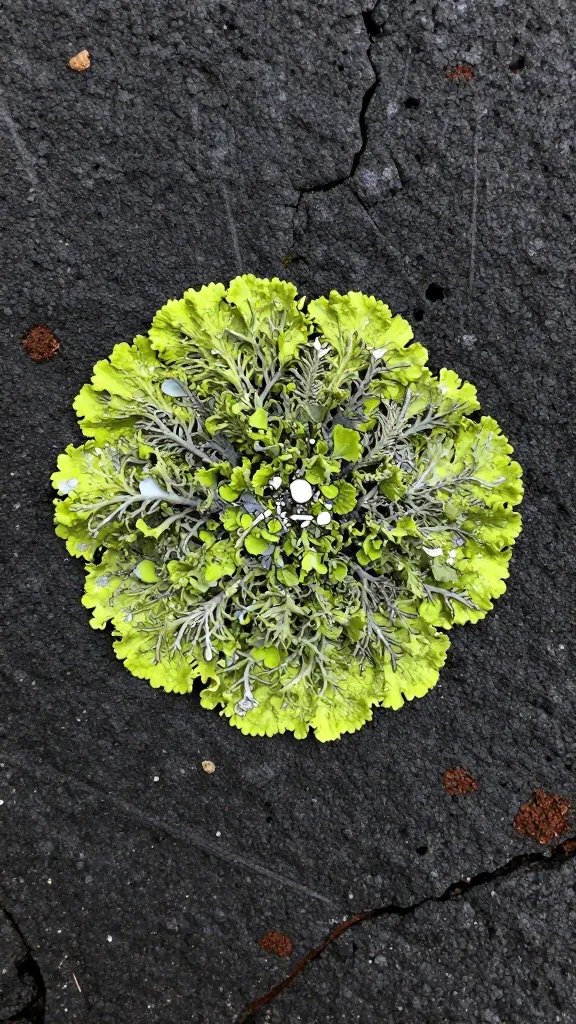
Clutter happens when everything shouts at once. I use the Rule of Threes: three visual beats only — focal hardscape, feature plant, and a repeating ground texture. Anything that doesn’t support those three gets edited out.
I keep breathing space at the front and around the focal. Open substrate or a thin gravel “path” lets the eye rest and makes the jar feel larger. I also trim leaves that press against the glass; pressed foliage reads messy and molds faster.
Warning Signs You’ve Added Too Much
- You can’t describe the focal in one word (stone, root, fern).
- Leaves touch all sides of the glass within two weeks of planting.
- Three or more rock types or two different gravels are visible.
Action today: Pull one item from each category (one plant, one rock, one accent) and reassess; if the scene still tells the same story, keep them out.
Light, Moisture, and Maintenance That Preserve the Theme
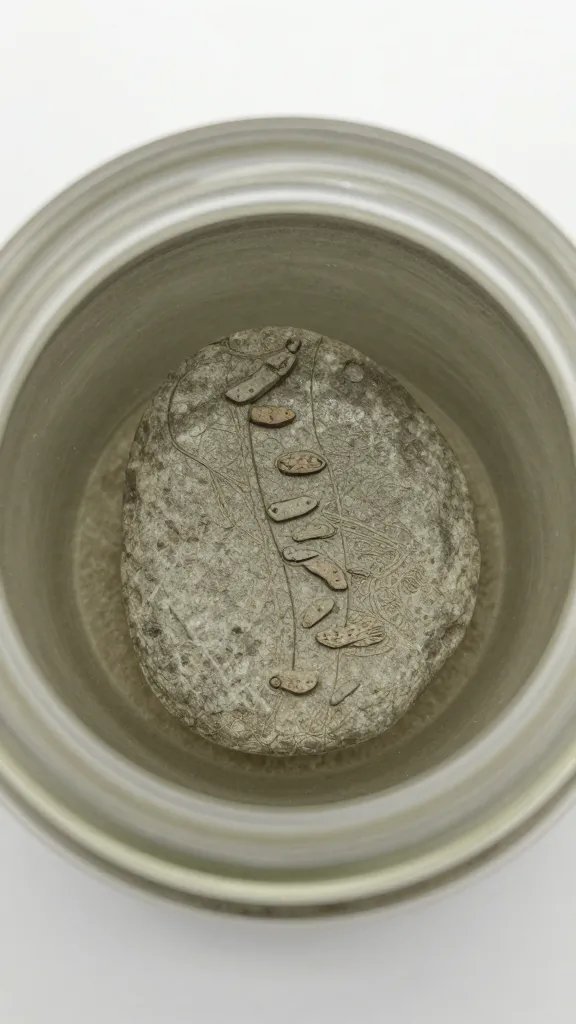
Light: Place the terrarium in bright indirect light near a window where the sun doesn’t hit the glass directly for more than 30 minutes. Direct sun washes color and bakes composition lines.
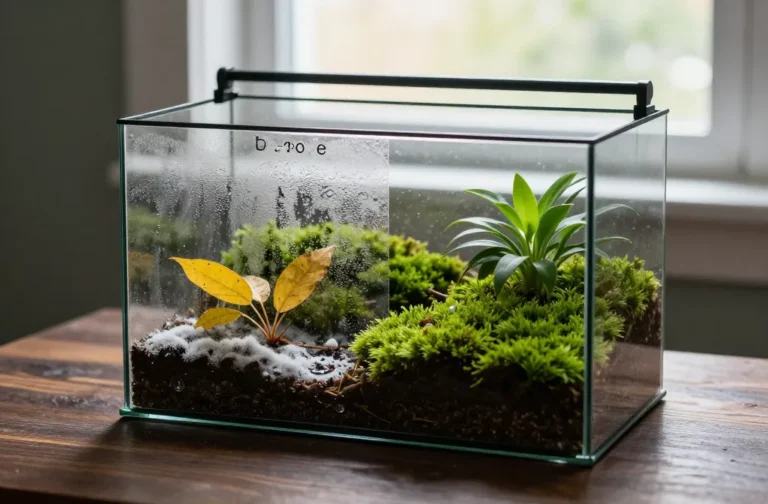
Moisture: Aim for a light morning mist on the glass that dries by afternoon. If water beads drip down continuously, open the lid for 1–2 hours to reset the humidity. Use water that tastes clean, not salty, to avoid mineral haze on glass.
Maintenance: Trim new growth monthly to preserve the negative space and sightlines. Lift fallen leaves with tongs before they melt into brown smudges that distract the eye.
Action today: Move your terrarium 30–60 cm back from a sunny window and wipe the inside glass with a soft brush to restore clarity to your focal.
Scale Tricks: Make Small Jars Read Like Landscapes
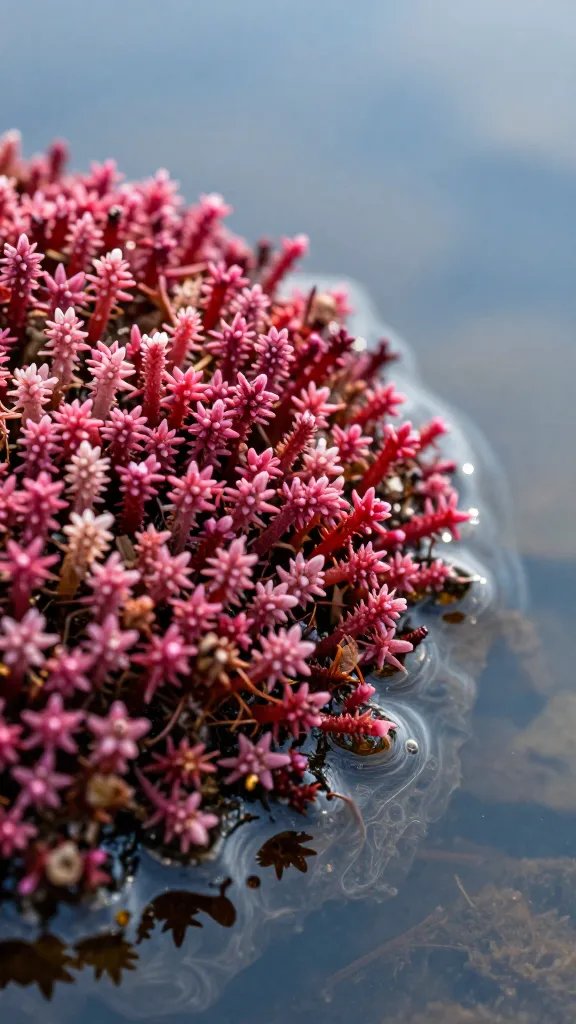
To fake scale, exaggerate size differences. Use one larger element against many tiny repeats — a single chunky stone with a field of very fine gravel and small-leaf plants makes that stone feel like a cliff.
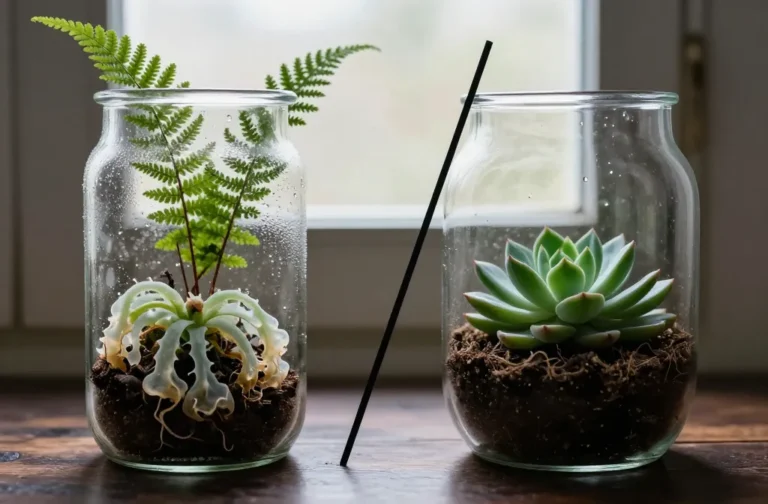
Keep pathways narrow (as thin as a chopstick) and curve them behind the focal to suggest depth. Use shorter plants in front and slightly taller ones hidden behind hardscape to create a layered horizon.
Action today: Add a thin “shadow” of darker gravel right against the base of your focal stone or wood — that micro-contrast pops the structure forward.
Frequently Asked Questions
How many plants should I put in a small jar?
For jars under 2 liters, use three to five species total. Assign clear roles: one carpet, one mid-flair, one feature, and repeat them instead of adding more. Plant in small clusters of the same species so they read as intentional patches.
My terrarium looks busy even after trimming. What do I remove first?
Remove the element that competes with your focal: usually the second largest stone or the brightest leaf near the glass. Then clear a palm-sized area of bare substrate at the front. Finally, standardize accents to one stone type and one gravel grade.
Can I mix wood and stone in the same terrarium?
Yes, if one material clearly leads. Pick either wood-forward with a few supporting stones, or stone-forward with one subtle root. Match color temperature (cool with cool, warm with warm) and repeat the leader material at least three times in smaller pieces.
What lighting works if I don’t get much sun?
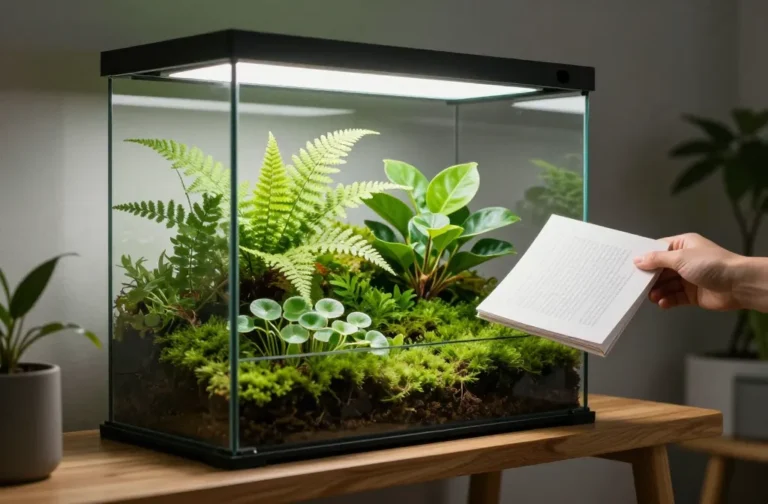
Use a small clip-on LED labeled “daylight” or “neutral white.” Position it 20–30 cm above the jar for 8–10 hours so the light is bright but not hot to your hand after a minute. Avoid colored LEDs that skew greens and make judging plant health harder.
How do I keep the glass from looking streaky or foggy?
Condensation that lingers all day means excess moisture. Air the jar for 1–2 hours, then wipe the inside glass with a soft, dry makeup brush. For mineral haze, use distilled water for two weeks and clean the glass with a barely damp microfiber cloth.
Are figurines or mini houses okay, or do they cause clutter?
They work if they match the theme and scale. Use one small figure placed near the foreground path, not buried in plants, and repeat its color elsewhere in tiny accents so it doesn’t look random. If your eye goes to the figure before the focal hardscape, it’s too large.
Conclusion
You don’t need rare plants or elaborate tools to build a terrarium that looks intentional. You need a one-sentence theme, a clear structure, and disciplined accents that support your focal instead of competing with it. Build one small jar using this framework today; once you see how clean lines and repetition elevate the scene, you’ll redesign your others with confidence.