How a Closed Moss Terrarium Creates Its Own Water Cycle — the Self-Sustaining Mechanism Explained Secrets
I built my first moss terrarium for a dim city shelf where every other plant went crispy. The surprise wasn’t that the moss lived — it thrived without me watering for months. Once I understood the tiny water cycle happening inside the glass, I stopped fussing and started getting predictable results. In this guide I’ll show you exactly how that cycle works, how to set it up with basic supplies, and how to read the glass for quick, confident adjustments.
Why Closed Moss Terrariums Need Almost No Water
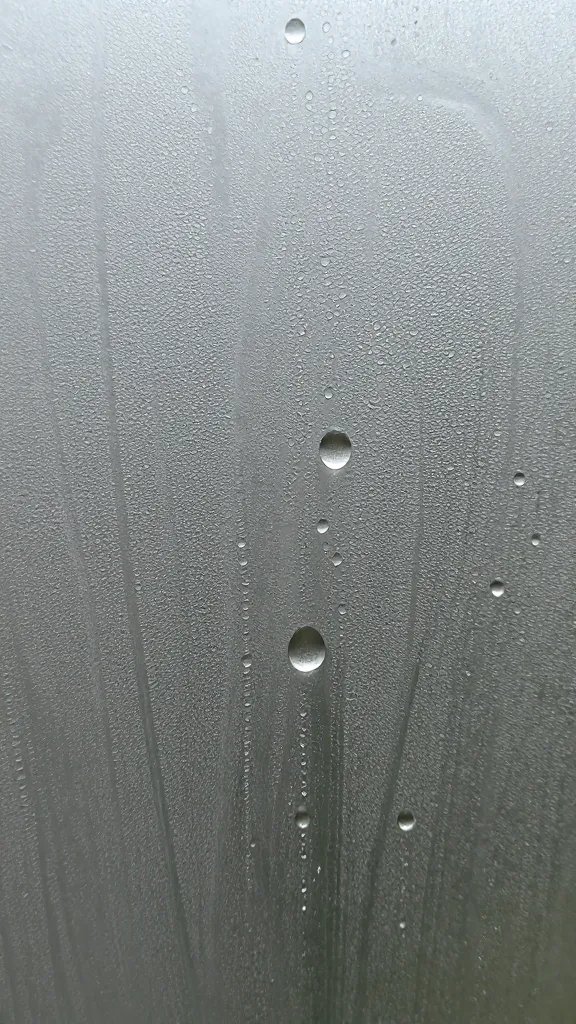
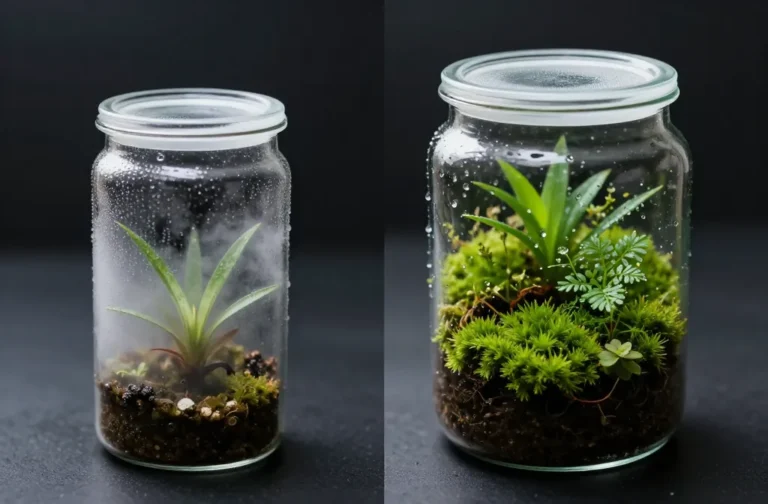
A sealed terrarium recycles the same moisture over and over. Water evaporates from the substrate and moss, condenses on the cooler glass, and drips back down to the base layer. That loop runs daily as temperatures and light change.
Because the water stays inside, you only “set” the starting moisture once. After that, the system balances itself unless you trap too much water or cook it with harsh sun.
Action today: At midday, check your glass. Light misting of condensation on one-third to one-half of the walls means the cycle is on track.
The Simple Physics Behind the Mini Rain Cycle
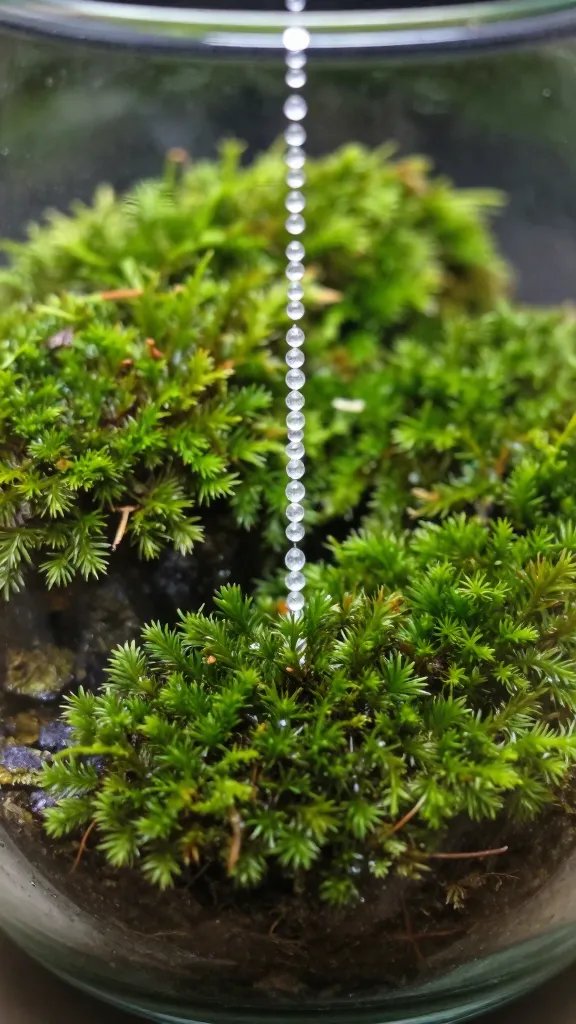
Warm air holds more moisture than cool air. In the morning as the terrarium warms, water evaporates and humidity rises. By evening the glass cools first, moisture condenses on it, and returns to the substrate and moss.
Glass thickness and lid fit matter. A snug lid slows vapor escape, and the glass provides the cool surface for nightly condensation. Too many vents or a poor seal break the loop and dry out the moss.
Action today: Press the lid gently and look for gaps. If you feel airflow, add a thin ring of cling film under the lid to improve the seal.
Set the Moisture Once: The Squeeze Test Method
You don’t need meters. You need the right starting moisture in the substrate so the cycle has “fuel” but not a swamp. I use a simple squeeze test before planting.
- Mix a good quality potting mix with extra drainage: 2 parts potting mix, 1 part fine orchid bark or perlite, and a thin top layer of rinsed aquarium gravel or horticultural charcoal to keep surfaces clean.
- Hydrate the substrate with clean tap water that tastes neutral (not salty). Grab a handful and squeeze hard.
- Correct level: it should clump and release 1–2 drops, not a stream. If it gushes, add dry mix. If it falls apart dusty, add a tablespoon of water at a time.
Action today: If your terrarium looks boggy, wick out excess water by inserting a paper towel corner to the bottom for 30–60 minutes, then reseal.
Light and Temperature: The Engine That Drives Condensation
Light warms the air and moss by a few degrees, which powers evaporation. You want bright indirect light near a window — enough to warm gently, not scorch. Direct sun on a sealed jar overheats fast and collapses the ecosystem.
Place it 1–3 feet from a bright window, or under a table lamp with an LED bulb on for 8–10 hours. If you see heavy midday fog and droplet streams, it’s too warm; move it a little farther from the window.
Action today: Slide the terrarium one step back from the window and check condensation tomorrow at the same time to compare.
Drainage Layers and Charcoal: What They Do (And Don’t)
A thin base layer (1–2 cm) of rinsed stones or LECA collects extra water away from roots and rhizoids. A sprinkle of horticultural charcoal above the stones helps absorb odors and keeps water clearer, but it does not “purify” forever.
Don’t overbuild layers. Mosses don’t need deep soil; they attach to surfaces and pull moisture from the air. A simple stone base, charcoal sprinkle, and 2–4 cm of substrate is plenty.
Action today: If you can’t see a free water line above the stone layer, your moisture is likely correct; if water pools visibly, wick some out before resealing.
Reading the Glass: Condensation as Your Dashboard
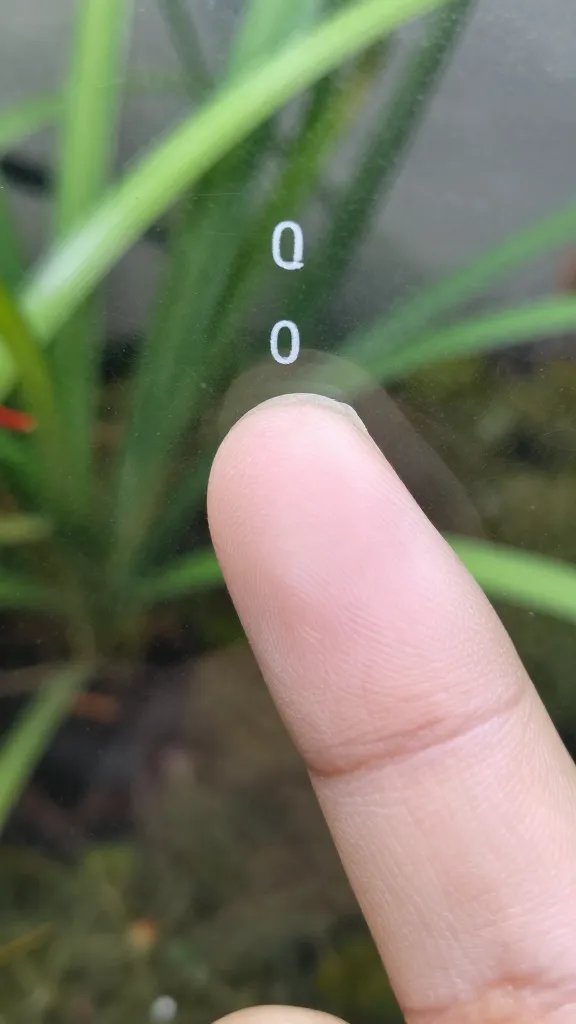
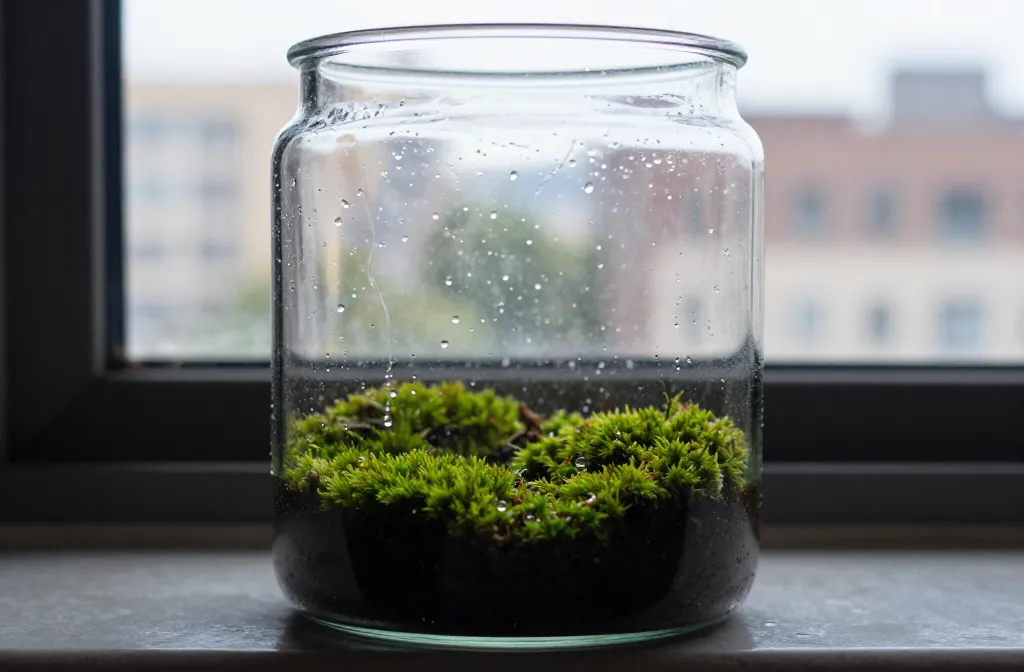
The glass tells you when the water cycle is healthy. You want a light mist or tiny droplets on 30–60% of the glass for several hours each day, then it clears.
Warning Signs
- Permanent fog and rivulets: Too wet or too warm. Open the lid for 1–2 hours and move to slightly cooler light.
- Bone-dry glass for days: Too little water or poor seal. Add 1–2 tablespoons with a spray bottle, reseal well.
- Musty smell or surface slime: Stagnant conditions. Vent for an hour and remove any decaying leaves with tongs.
Step-by-Step Fix: Resetting Humidity
- Open the lid and let the terrarium breathe for 60 minutes out of direct sun.
- Remove any yellowed or fallen leaves with clean tweezers.
- If dry, mist 10–15 sprays around the sides, not directly on moss tips.
- Reseal and place back in bright indirect light. Recheck the next midday.
Action today: Log what you see on the glass at breakfast, midday, and evening. One day of notes will tell you if heat or moisture is the issue.
The Right Mosses and Companions That Thrive in Closed Systems
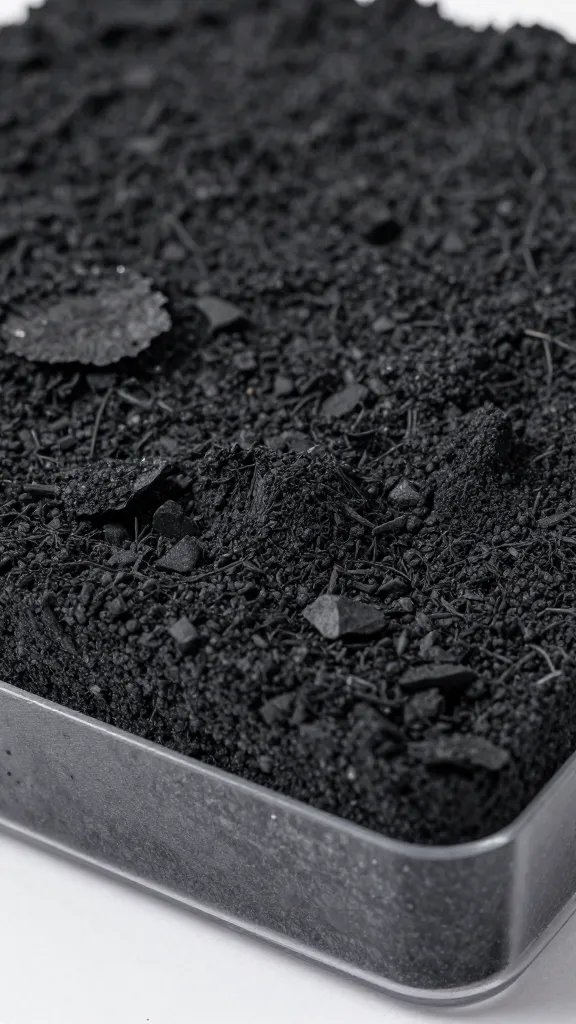
Choose small, slow growers that enjoy constant humidity. Avoid anything that wants dry spells or high heat. I keep it simple and consistent for fewer trims and clearer glass.
Reliable Choices
- Sheet moss (Hypnum) for lush carpets that adapt well.
- Cushion moss (Leucobryum) for mounded islands.
- Feather moss (Pleurozium) for soft texture and easy recovery.
- Companions: small clumps of Selaginella, a mini clipping of peperomia, or a tiny fittonia if you don’t mind occasional trimming.
Quarantine collected moss for a week in a separate container to watch for pests before planting.
Action today: If your moss lifts when you tug gently, pin it with a few grains of gravel so rhizoids can anchor and access steady moisture.
Keeping Mold and Algae in Check Without Chemicals
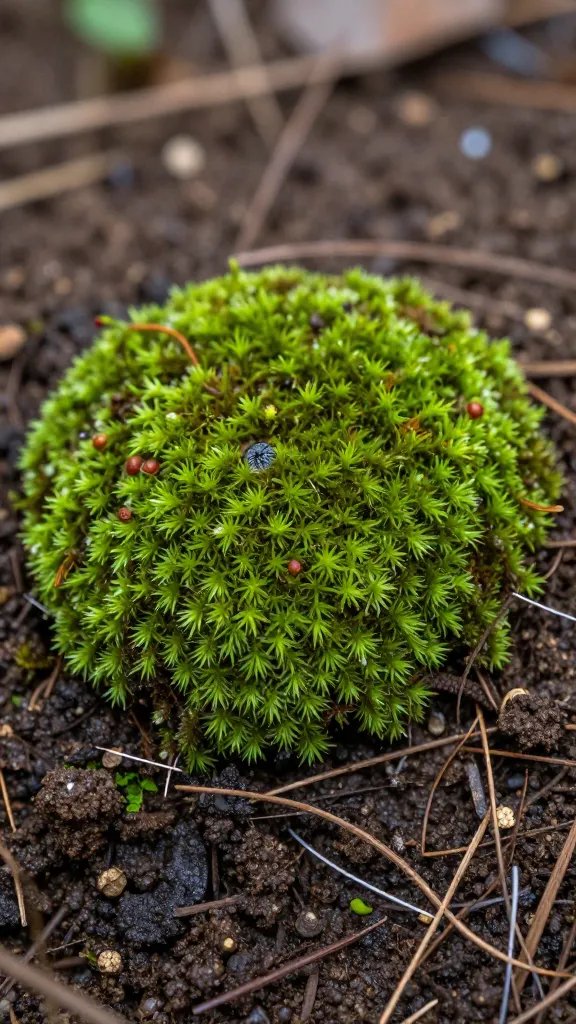
Mold blooms when excess nutrients and stagnant air stack up. Most white fuzz is temporary — it peaks in the first month as the system stabilizes. I prune decaying bits fast and encourage better airflow cycles with cooler nights.
Practical Fixes
- Remove dead leaves immediately; they feed mold.
- Wipe inside glass with a folded paper towel on tongs to clear algae lines.
- Add a small pinch of fresh charcoal to the substrate surface during maintenance.
- Vent for 30–60 minutes once every 2–4 weeks if growth looks “too lush and wet.”
Action today: Do a 5-minute clean: tweeze out any yellow bits and wipe one palm-sized patch of glass to interrupt algae spread.
Frequently Asked Questions
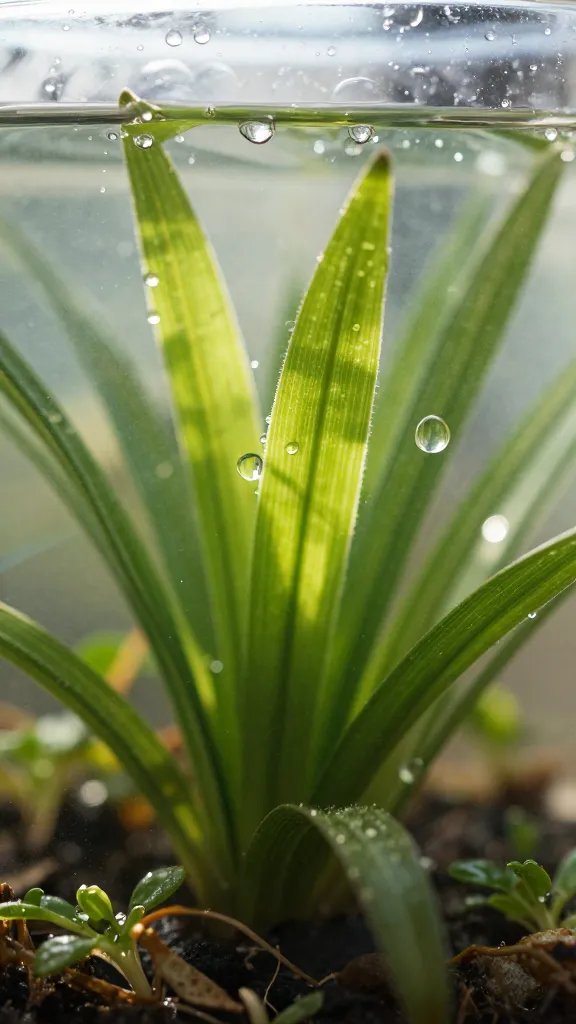
How often should I add water to a closed moss terrarium?
Rarely — every few months at most. Add water only when the glass stays dry for 48 hours and the moss looks slightly dull instead of glossy. Use a spray bottle and add 1–2 tablespoons around the sides, not directly onto moss crowns. Reseal and reassess the next day at midday.
Why is my terrarium always fogged up?
Constant fog means excess heat, excess water, or both. Move it farther from direct sun and open the lid for 1–2 hours to release humidity. Wick out any pooled water at the bottom with a paper towel. Aim for light misting that clears daily, not a steamed bathroom mirror all day.
Can I keep the terrarium on a south-facing windowsill?
Only if the sun never hits the glass directly. Direct sun overheats the sealed space within minutes and disrupts the water cycle. Place it one step back from the sill or behind a sheer curtain. Check the glass at midday for rivulets — a sign it’s still too warm.
Do I need a drainage hole or valve?
No. A closed terrarium relies on retention, not drainage. The stone base and charcoal manage excess, and the sealed lid traps moisture for recycling. If you overwater, wick it out rather than drilling or leaving the lid ajar long-term.
Is tap water okay for moss?
Yes if it tastes clean and not salty. If your tap water leaves white crusts on kettles or pots, use filtered or let tap water sit overnight before use. Avoid fertilizer — moss gets what it needs from dust and minimal nutrients in the substrate. Too much nutrient invites algae.
What if I see tiny bugs inside?
Springtails are harmless and helpful; they clean up mold. Fungus gnats signal wet, nutrient-rich conditions — vent for an hour, remove decaying matter, and let the top layer dry slightly before resealing. Avoid sticky traps inside; they look messy and don’t solve the cause.
Conclusion
You don’t need constant watering or special meters to keep moss thriving — you need a good seal, the right starting moisture, and the habit of reading the glass. Set yours up this week with bright indirect light and the squeeze-tested substrate, then let the cycle run. If you want to go deeper, your next step is building a second jar with a different moss and comparing condensation patterns side by side for one week. You’ll understand the water cycle faster than any chart could teach it.