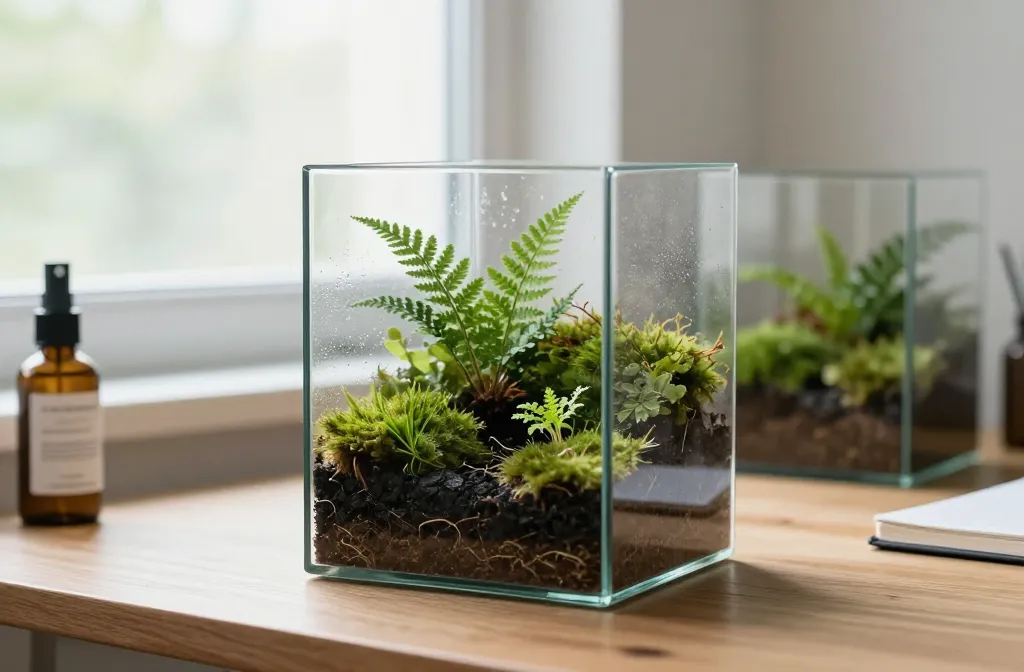
How Long a Terrarium Takes to Establish — the 30-60-90 Day Timeline and What to Watch for Secrets Revealed
I’ve set up enough terrariums to know the first month feels like babysitting a tiny weather system. You see fog one day, bone-dry glass the next, and you wonder if you messed it up. Once I started tracking a simple 30-60-90 day timeline, every build settled faster and stayed healthier. In this guide, you’ll learn exactly what to expect each month, how to read the glass and the plants, and the one small adjustment that locks in long-term stability.
What “Establishment” Actually Means in a Terrarium
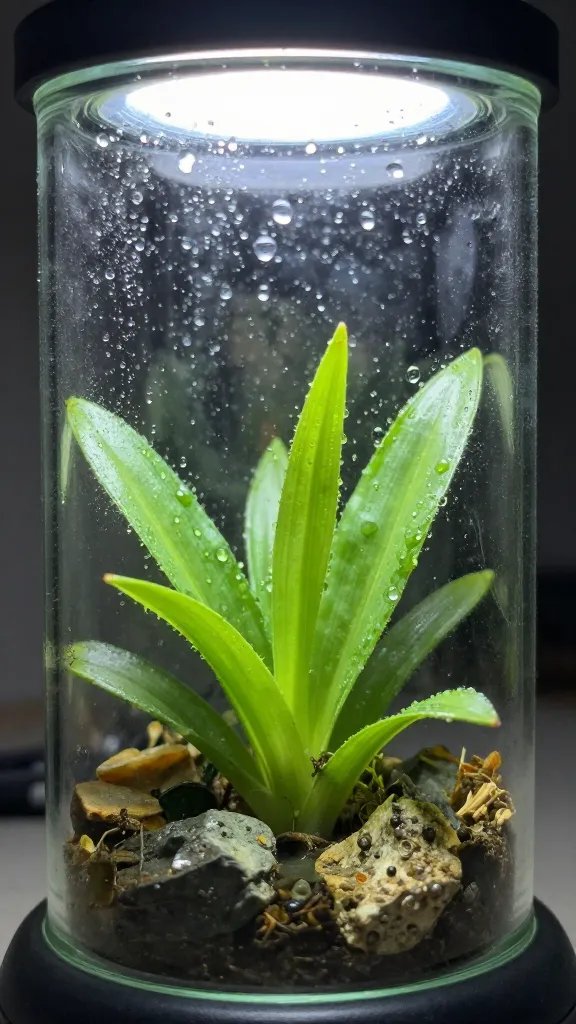
Establishment means the plants, substrate, and moisture cycle agree with each other. The glass shows predictable condensation, growth becomes steady instead of frantic, and you stop needing to intervene.
For a standard closed terrarium, that stability takes 30-90 days. The variation depends on plant choice, initial watering, and light. Open terrariums follow the same cues but breathe more, so they need slightly more attention and occasional watering.
Action today: Decide whether your terrarium is closed (sealed lid) or open (no lid or vented) and commit to the matching cues in this guide — mixing them causes most failures.
The First 30 Days: Rooting, Condensation Swings, and Algae Control
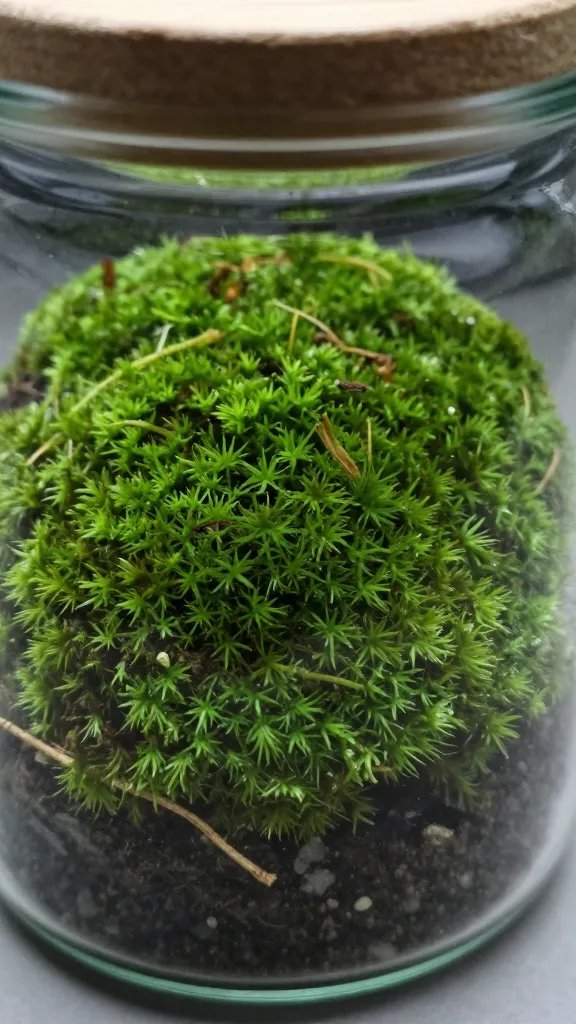
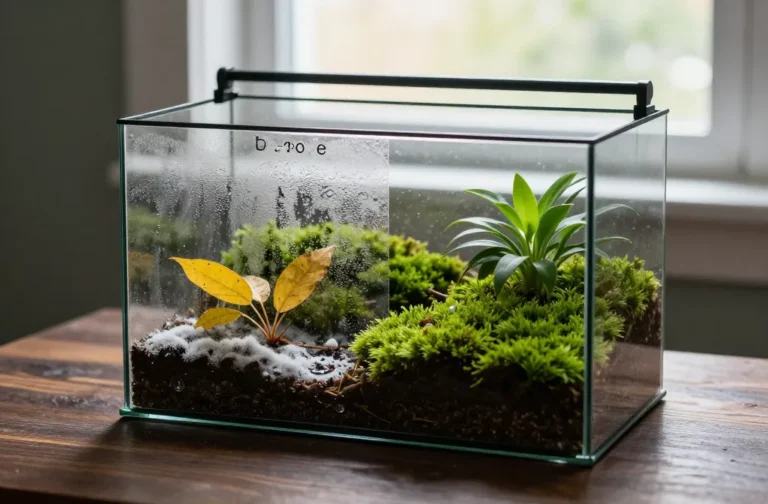
In the first month, plants anchor their roots and the moisture cycle “learns” the glass. Expect morning condensation that burns off by afternoon in bright rooms. Brief fogging isn’t a failure — it’s the system warming up.
Algae and green dust on the glass are common now because there’s spare moisture and light. A quick wipe with a dry paper towel wrapped around tongs clears it without breaking the system. Keep the lid on; frequent airing resets the humidity and delays establishment.
Warning Signs in the First Month
- Constant heavy fog, dripping walls, and soggy soil: Too wet. Leaves may yellow.
- No condensation at all for several days and wilted tops: Too dry.
- White fuzz (fungus) on leaves or wood: Stale air and leaf litter buildup.
Step-by-Step Fix (Days 1–30)
- If over-wet: Prop the lid open 1–2 cm for 2–4 hours at midday, then close. Repeat daily until morning-only dew appears.
- If too dry: Mist the substrate surface with 1–2 tablespoons of clean water, then close. Wait 24 hours before adding more.
- Remove any fallen leaves. Wipe inside glass dry where algae collects.
Takeaway: Aim for light morning condensation that fades by afternoon — adjust venting or add one tablespoon of water at a time until you see that pattern.
Days 31–60: Growth Balancing and the First Prune
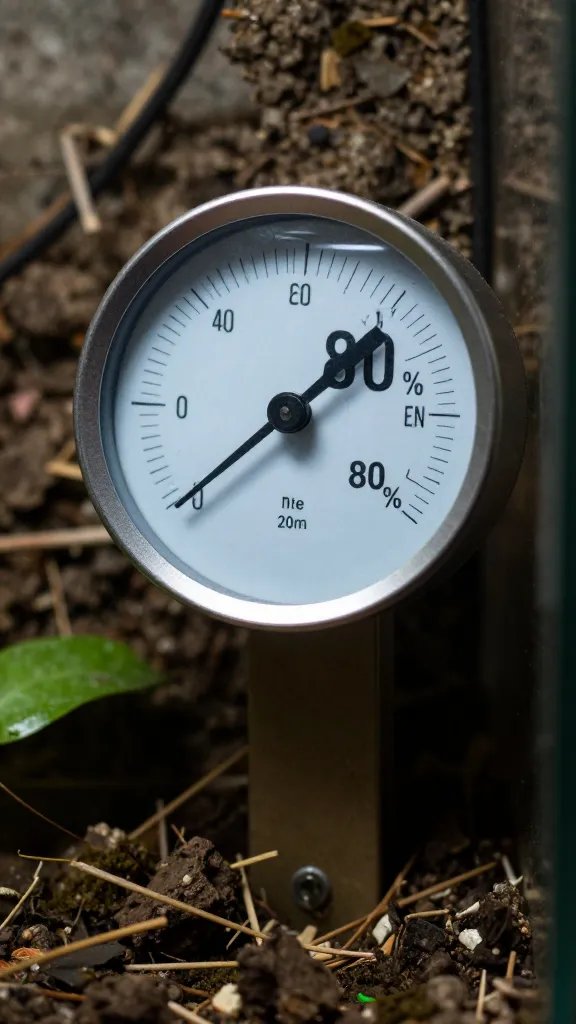
By the second month, roots spread and growth evens out. You’ll see new leaves on fittonia, pilea, or ferns, and moss thickens. This is the right time for the first shape-up prune so foliage doesn’t press on the glass.
If you used wood or rocks, biofilm (a thin translucent sheen) may appear. It’s harmless. Wipe the glass and leave the hardscape alone; the microfauna and microbes are settling in.
How to Prune Without Destabilizing
- Use clean scissors. Snip soft stems back by one-third, cutting just above a leaf node.
- Remove all trimmings; never leave clippings inside — they rot fast in high humidity.
- Gently tease moss to fill gaps rather than ripping chunks out.
Takeaway: Do one small pruning session this month and fully remove clippings — it prevents rot and gives you a stable canopy height.
Days 61–90: Moisture Fine-Tuning and Long-Term Rhythm
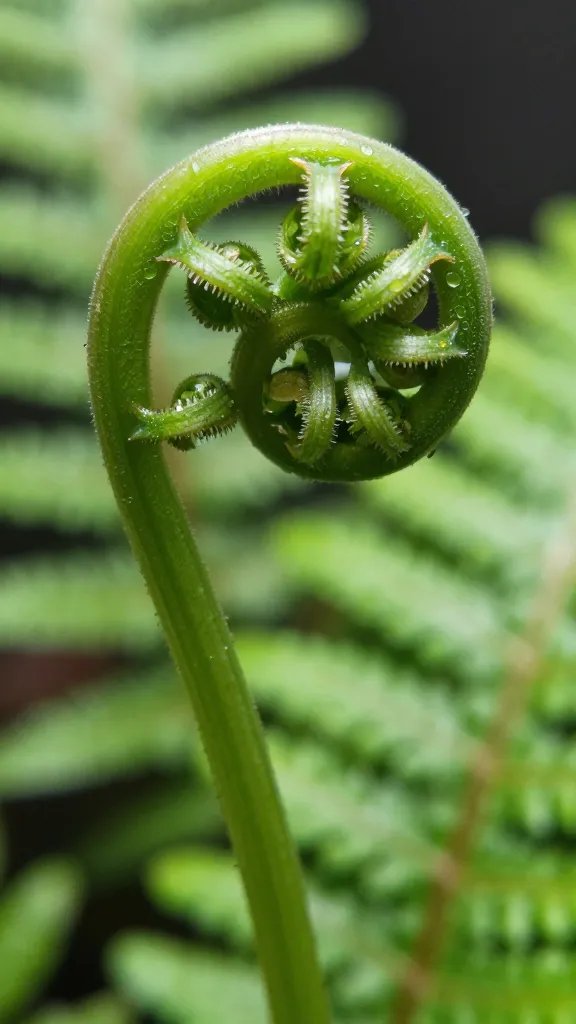
By day 60, the terrarium should show a repeatable pattern: light dew in the morning, clear by midday, and a fresh look each next morning. Plants should hold color without stretching toward the lid.
If you still see heavy fog or dry glass for days, the initial balance was off. One single adjustment now usually locks it in for good.
Final Balance Adjustments
- Still too wet: Crack the lid daily for 1 hour at the warmest point of the day for one week. Add a teaspoon of dry decorative gravel on bare, soggy patches.
- Still too dry: Add 1–2 tablespoons of water to the substrate edge, not on leaves. Recheck the next morning’s condensation.
- Leggy growth: Move the terrarium closer to bright indirect light — for example, one step closer to a north or east window, or 30–60 cm from a bright south window but out of direct sun.
Takeaway: Make one controlled change, then wait 48 hours before touching anything else — patience locks in the system.
Light, Temperature, and Placement That Speed Establishment

Terrariums settle faster in bright indirect light. I keep closed builds near a bright window where the sun doesn’t hit the glass directly. Direct sun turns the container into an oven and forces constant venting.
Room temperature between 18–24°C (65–75°F) works best. Keep away from radiators, heat vents, and drafty windowsills. Even stable light from a simple desk lamp with a warm-white LED works if you keep it 30–45 cm above the lid for 8–10 hours.
Takeaway: Move your terrarium today to a spot with bright indirect light and steady room temperature — that single placement change solves most “won’t stabilize” complaints.
Watering and Condensation: Reading the Glass Like a Gauge
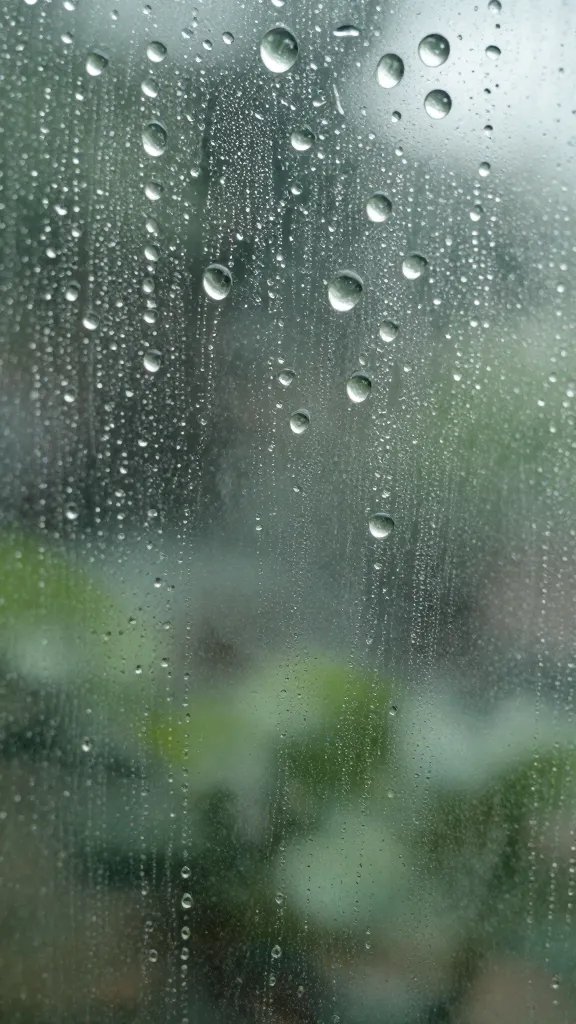
The glass tells the truth faster than the plants. Morning dew that clears by midday means perfect moisture. Condensation dripping down in sheets means overwatering or too-cool placement; bone-dry glass for several days means it needs a small top-up.
Simple Watering Rules (Closed vs. Open)
- Closed terrariums: Add 1–2 tablespoons of water only when you see no morning condensation for 2–3 consecutive days.
- Open terrariums: Water lightly when the top 1 cm of substrate feels dry to the touch — usually every 7–14 days.
- Use: Clean tap water that tastes fresh, not salty or heavily chlorinated. If your tap water leaves white crust on kettles, use filtered water.
Takeaway: Check the glass at the same time each day for a week — set a phone reminder — and adjust only if the pattern stays wrong for 2–3 days.
Plants and Substrate That Actually Stabilize Within 90 Days
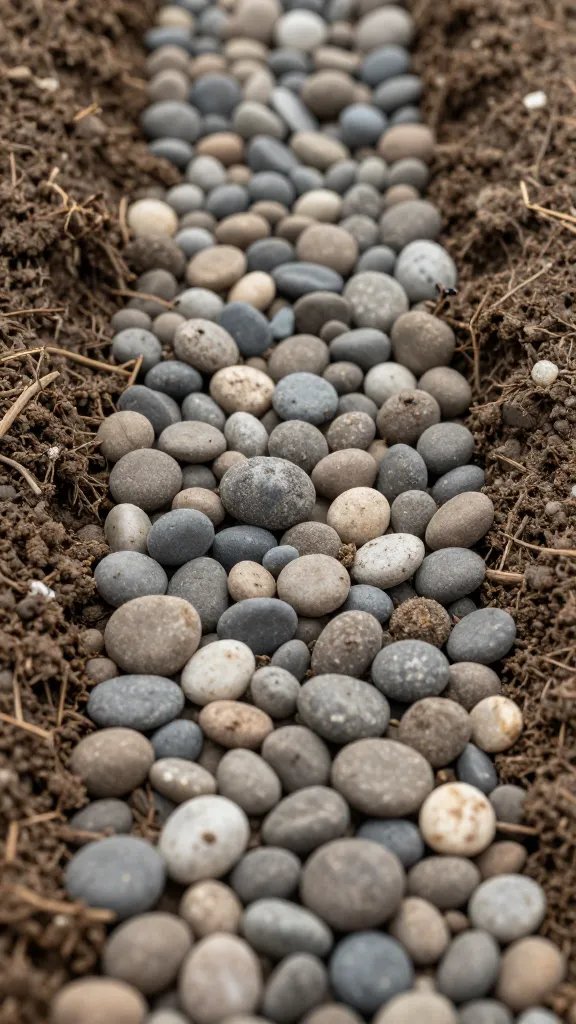
Some plants settle into a closed system gracefully; others fight it. Compact, humidity-loving species make the 90-day goal realistic. Large thirstier plants force constant trimming and venting and never feel “set.”
Reliable Plant List for Closed Terrariums
- Mosses: Sheet moss, cushion moss (store-bought, dried rehydrates well).
- Groundcovers: Fittonia, Pilea depressa, Pepperomia prostrata, Selaginella kraussiana.
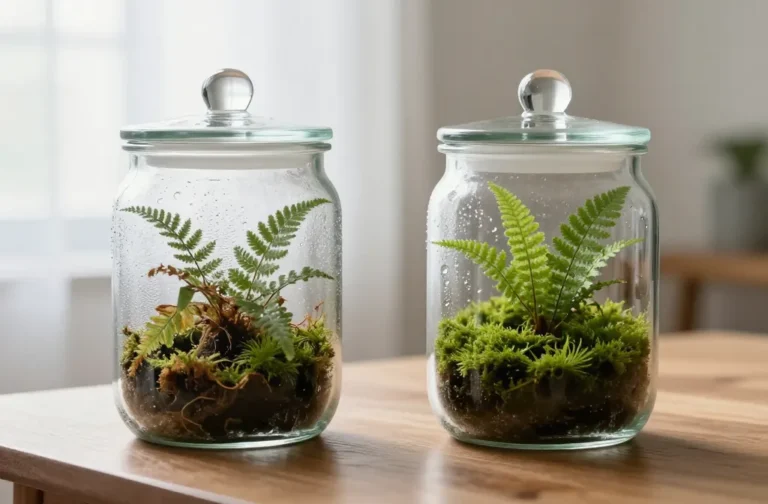
- Small ferns: Microsorum varieties, dwarf Asplenium.
Substrate That Keeps Moisture Predictable
- Bottom layer: 1–2 cm of clean decorative gravel with a thin mesh or coffee filter on top as a separator.
- Main layer: A good quality potting mix from the garden centre blended by hand with a handful of orchid bark or perlite for air pockets.
- Topdress: A thin layer of sphagnum or moss to reduce evaporation and prevent soil splash.
Takeaway: If your current build keeps fighting you, swap one demanding plant for a humidity-lover from this list — one change often stabilizes the whole system.
Common Mistakes That Delay the Timeline
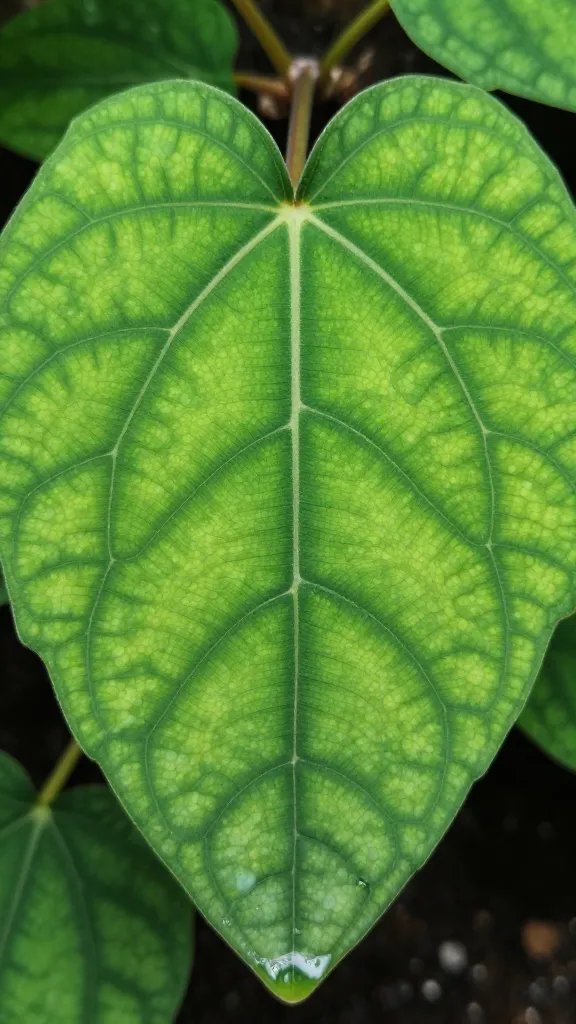
I see the same issues stall the 30-60-90 day progress. Each one is fixable with a single habit change.
- Overwatering at setup: Soil should feel evenly moist like a wrung-out sponge, not squishy. Too much water means months of venting.
- Direct sun on glass: It overheats, floods condensation, and cooks tender leaves.
- Leaving trimmings inside: They rot and feed fungus gnats and mold.
- Frequent lid opening: It restarts the humidity cycle; adjust weekly, not daily, unless fixing a clear problem.
Takeaway: Pick one mistake you recognize from this list and correct it today — expect to see steadier glass patterns within a week.
Frequently Asked Questions
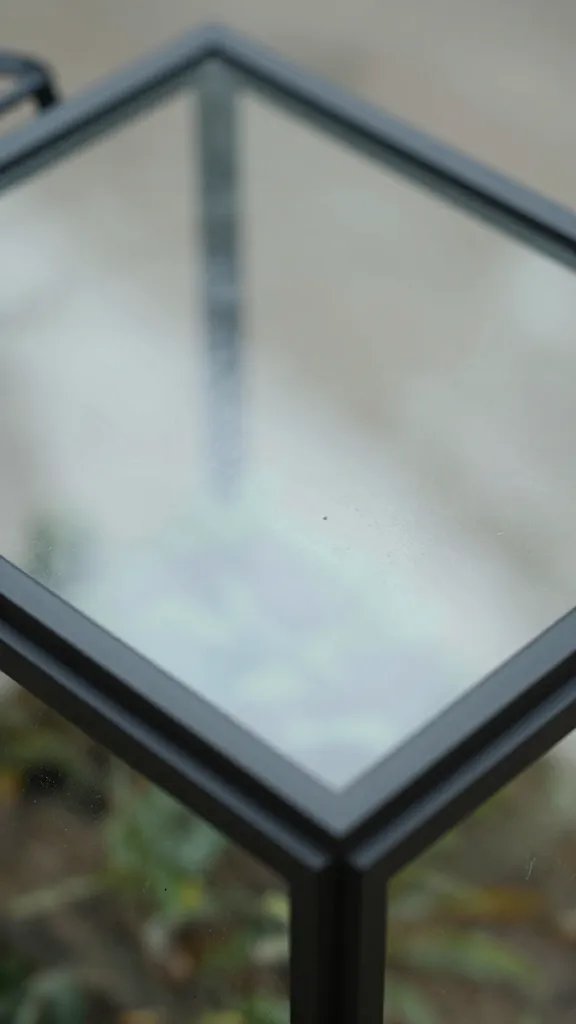
How long before I can stop adjusting my closed terrarium?
Plan on small adjustments for 30–60 days. By day 60, most builds show a reliable dew pattern and steady growth. If you still need to vent daily at day 60, reduce moisture once with a 2–3 hour midday open lid, then leave it sealed for 48 hours to reset.
Why does my terrarium fog up every afternoon?
Afternoon fog points to excess moisture or a spot that heats up late in the day. Move it one step farther from the window or vent for a week. If fog persists, crack the lid for 1 hour at the warmest time each day for 3 days, then reassess morning dew.
Can I establish a terrarium under a desk lamp?
Yes. Use a warm-white LED desk lamp 30–45 cm above the lid for 8–10 hours daily. Keep the lamp off-center to avoid hot spots and check that the glass feels just slightly warm, never hot. Expect the 30–60 day stabilization to hold under this setup.
What if I see mold on wood or leaves?
White fuzz on wood is common early on. Wipe it off with a dry cotton swab and remove any fallen leaves immediately. If it returns, air the terrarium for 1 hour at midday for two days and reduce watering by one tablespoon next time you top up.
Do I need a drainage layer with charcoal?
You don’t need specialty charcoal to succeed. A simple gravel base with a separator and a good quality potting mix works well. If odors develop, open the lid for one hour, remove decaying material, and add a small handful of fresh decorative gravel to any persistently wet spots.
When should I do the first prune?
Prune once between days 31–60 as stems near the glass. Cut back by one-third and remove all clippings from the container. This keeps air moving and prevents leaves from pressing and rotting against the walls.
Conclusion
The 30-60-90 day timeline takes the guesswork out of terrarium care because it tells you what “normal” looks like and when to act. Start watching the glass at the same time each day, make one change at a time, and let the system respond for 48 hours. If you’re ready to build or rebuild, choose one humidity-loving plant from the list above and aim for that morning-only dew — it’s the clearest sign you’ve created a stable, low-maintenance world in glass.