Master How to Build an Air Plant Terrarium in a Hanging Glass Vase — Drainage, Placement and Misting Schedule
I learned air plants the hard way: my first hanging globe looked perfect for a week, then browned from the base because I treated it like a potted plant. Air plants don’t use soil, so the usual rules for watering and drainage don’t apply — but the consequences for getting it wrong show up fast. In this guide I’ll show you exactly how to assemble a glass hanging terrarium, where to hang it, and how to mist on a schedule that prevents rot and keeps leaves plump. Follow these steps and you’ll keep those sculptural rosettes alive far past the novelty phase.
Choose the Right Glass Vase and Materials (Skip Soil Entirely)

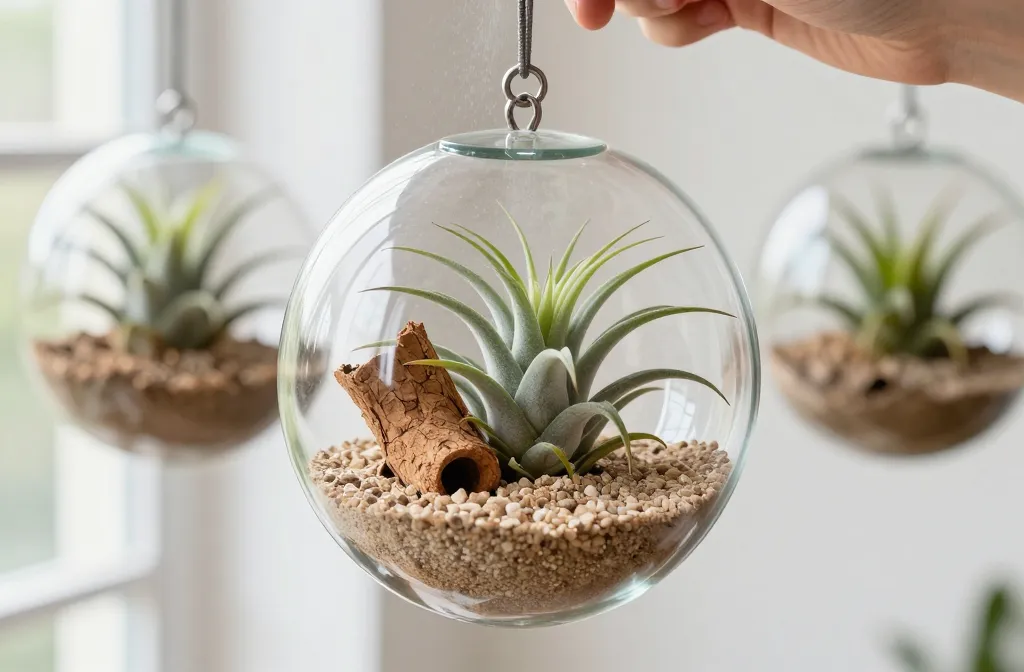
Air plants (Tillandsia) sit on top of materials; they don’t root into soil. I use a hanging globe or teardrop vase with wide side openings for airflow and a top hole for heat escape. Narrow-neck bottles trap humidity and cook plants near sunny windows.
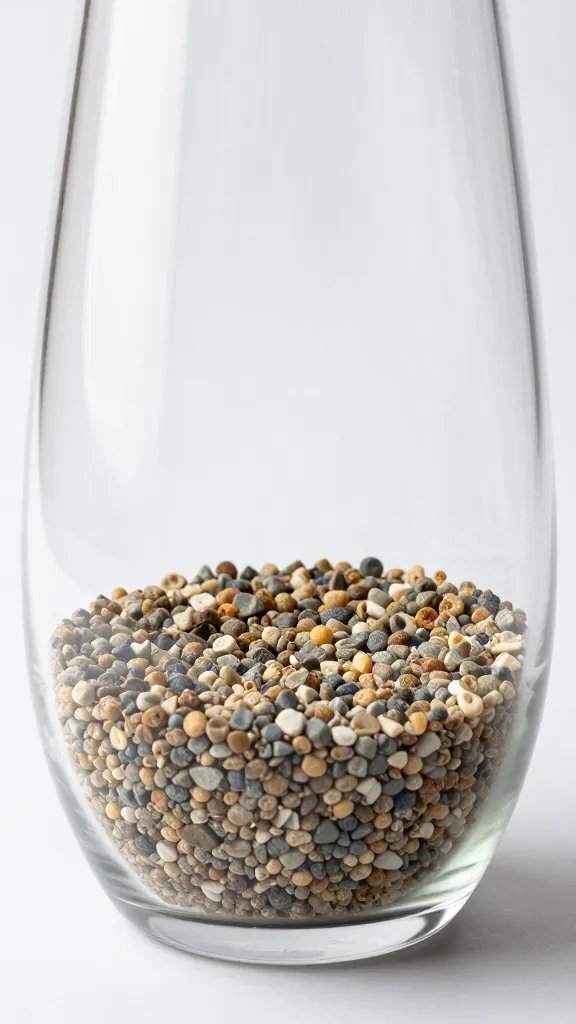
For the base, pick inert, fast-drying materials: coarse sand, aquarium gravel, tumbled pebbles, or crushed granite. Add texture with a little chunked cork bark, cholla wood, or a sea fan. Avoid potting mix, regular moss pads, or anything that stays soggy.
Takeaway: Buy a glass globe with at least a 5–7 cm side opening and gather pebbles, coarse sand, and a piece of cork or wood — no soil.
Understand “Drainage” for a Soil-Free Terrarium
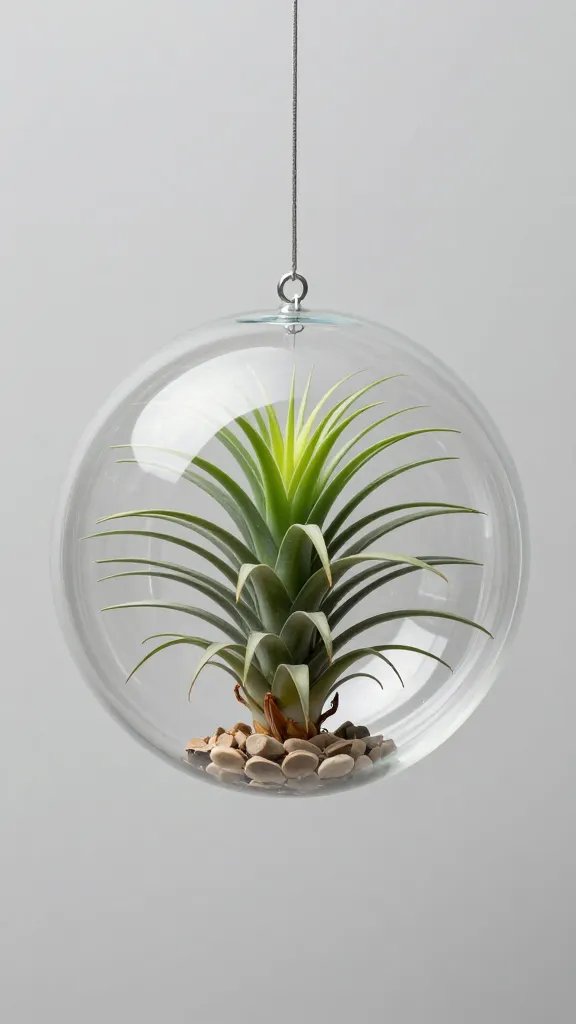
In a hanging air plant terrarium, “drainage” means keeping water away from the plant base so it dries within a few hours. Since there’s no drain hole, you create a dry platform above any decorative layer.
I build a simple two-layer base: 1–2 cm of pebbles or coarse sand on the bottom, then a dry decorative layer (shell chips or gravel). I set the air plant on a small cork chip so the center of the rosette never sits on damp glass or substrate. If you use reindeer moss (preserved) as a decorative accent, keep it minimal and never under the plant — it holds moisture against the base and causes rot.
Action: Place a coin-sized cork chip or flat pebble where the plant will sit so the plant base stays elevated and dry.
Placement: Bright Indirect Light and Safe Distance from Heat
Air plants want bright, indirect light near a window. I hang terrariums 0.5–1.5 meters from an east or bright north window, or 1–2 meters back from a sunny south/west window where the glass won’t magnify heat.
Watch for heat pockets. Hanging globes near a radiator, stove, or sunlit curtain rod can spike temperatures fast. Aim for room temperatures between 15–27°C. If you rely on grow lights, keep the globe 30–45 cm below a simple LED strip and run it 10–12 hours daily.
Action: Stand where you plan to hang it at midday — if direct sun hits the glass for more than 30 minutes, move it a step back.
Misting Schedule That Prevents Rot (Plus a Weekly Soak Option)
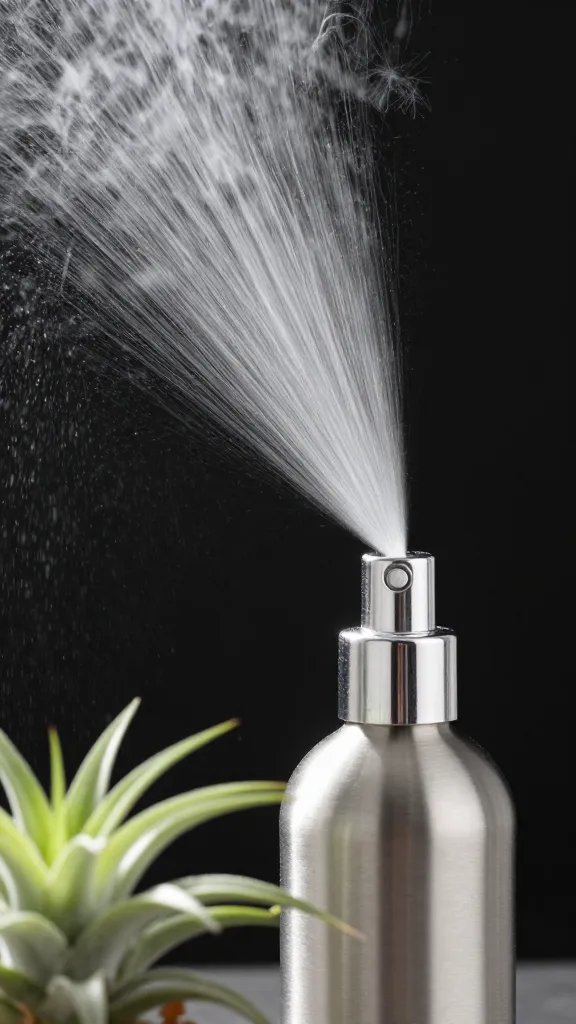
Most failures come from moisture sitting in the plant’s center. I mist for surface moisture on weekdays and do a brief weekly soak only for thinner-leaved types that dry out fast.
My Reliable Routine
- Water type: Rain, filtered, or tap water that tastes clean and not salty. Hard, mineral-heavy water leaves leaf spots and clogs trichomes.
- Misting: Light mist 2–3 times per week in a sink, plants removed from the globe. Aim for a uniform sheen, not dripping. Shake off excess, then air-dry 30–60 minutes before returning to the vase.
- Soak (optional): For thin-leaf species like T. ionantha or T. caput-medusae, soak in a bowl 10–15 minutes once per week. For thick-leaf or xeric types like T. xerographica, skip soaking or do it every 2–3 weeks for 5–8 minutes.
- Critical step: After misting or soaking, hold plants upside down and shake, then dry until the leaf bases feel barely damp before placing back. Never return them wet.
Warning Signs to Watch
- Rot risk: Soft, browning at the core or a musty smell — you put plants back wet or humidity is trapped.
- Underwatering: Curled, rigid leaves that don’t relax after misting — increase to an extra light mist or add a short soak weekly.
- Hard water buildup: Chalky spots — switch to filtered water and wipe glass monthly.
Action: Set calendar reminders: light mist Tue/Thu, optional soak Sun, and always dry plants 30–60 minutes upside down before rehanging.
Airflow: The Invisible Lifesaver Inside Glass
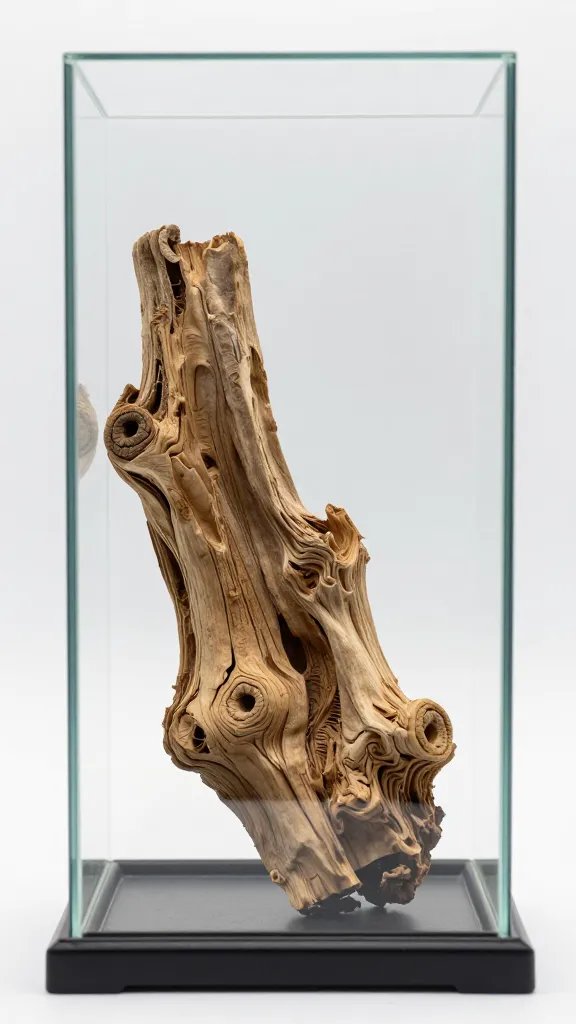
Stagnant air keeps leaves wet and encourages rot. I choose globes with at least one generous opening and never cram the interior with decorations that block circulation.
In stuffy rooms, I crack a nearby window for 10 minutes or run a small desktop fan on low across the room for an hour after watering. If condensation forms inside the globe for more than two hours, remove the plant and let the globe air out.
Action: Right after your next mist, leave the terrarium off its hook on a counter to dry with airflow before rehanging.
Fertilising Lightly Without Burning Leaves
Air plants appreciate a little food, but too much causes tip burn. I use an orchid or bromeliad fertiliser at 1/4 strength once a month during spring and summer, added to the soak water. I skip fertiliser during winter when growth slows.
Rinse with plain water the next week to prevent residue. Keep fertiliser off decorative moss and shells to avoid smell and buildup.
Action: Mix 1/4 teaspoon orchid fertiliser into 1 litre of water for your next scheduled soak, then rinse plants the following week with plain water.
Assembly Steps: Clean, Layer, Place, and Hang
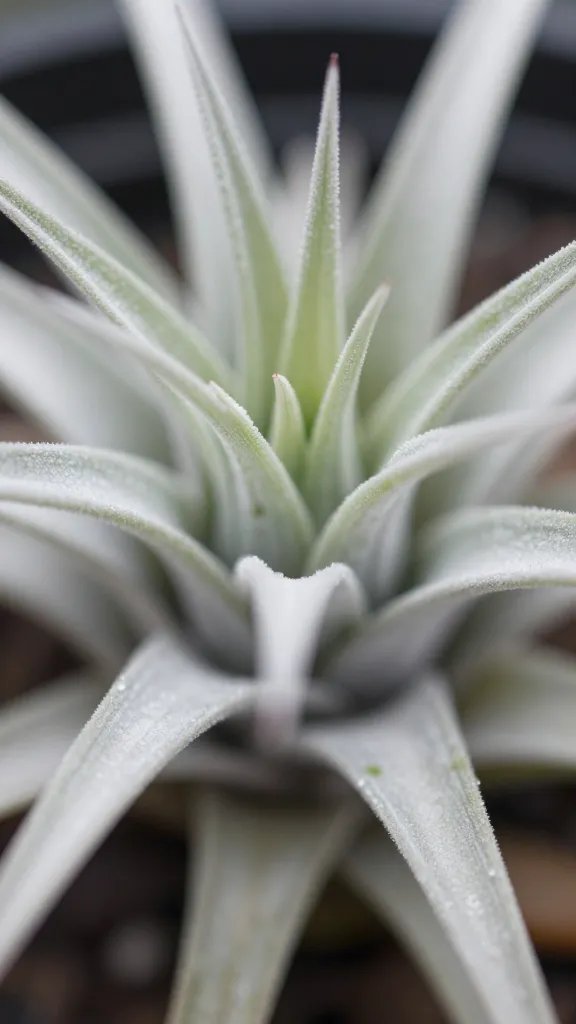
- Clean the glass: Wash with mild soap, rinse well, and dry to remove film.
- Base layer: Add 1–2 cm of pebbles or coarse sand. Keep it level.
- Decor: Place a cork chip or small wood piece as a platform. Add a few pebbles or a small sea shell off to the side for interest.
- Position the plant: Set the air plant on the cork so the center sits above any damp surface. Do not wedge it tight against the glass.
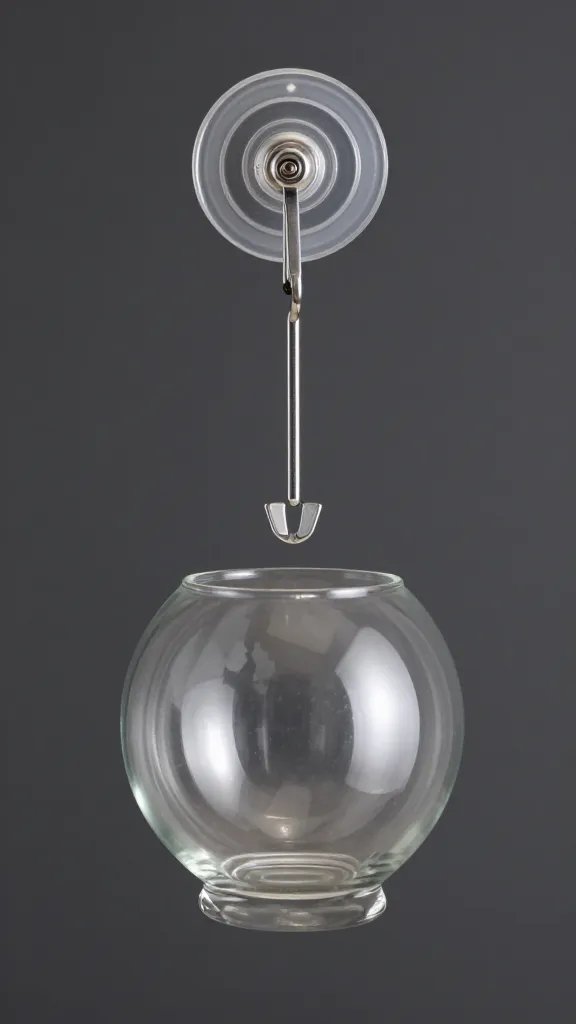
- Hang safely: Use a ceiling hook or wall bracket rated for at least 2–3 kg with a plastic anchor. Keep 10–20 cm from walls or curtains for airflow.
Action: Before hanging, gently tug the string or wire to confirm the anchor holds firm — then place the plant on its cork platform, not in the gravel.
Seasonal Adjustments for Apartments and Homes
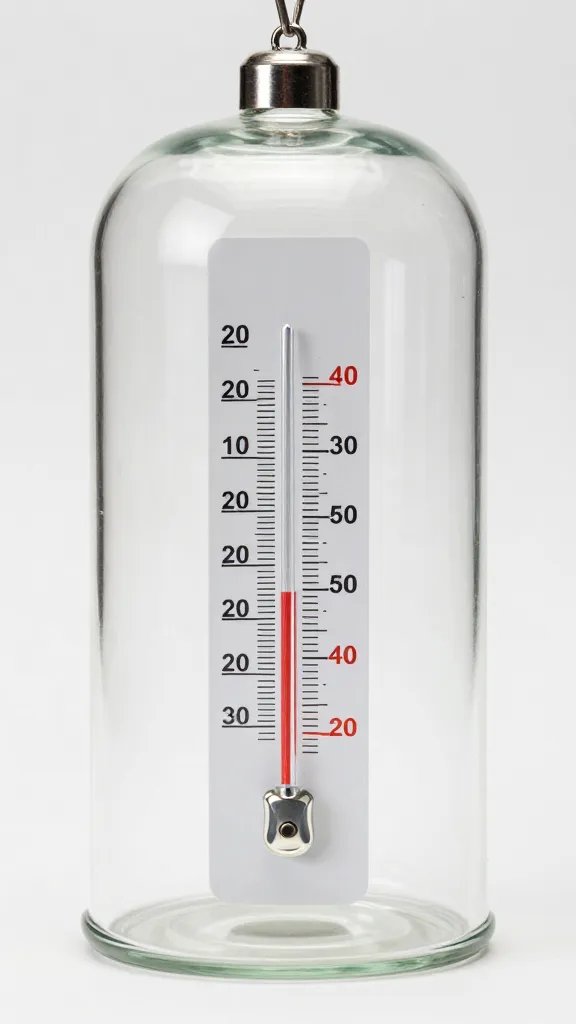
Indoor heating dries air in winter. I add one extra light mist per week and move the terrarium 20–30 cm closer to bright light without crossing into direct sun. In summer, I reduce misting if humidity rises and lengthen dry time after any soak.
During heatwaves, I skip soaking altogether and mist lightly in the morning only. During cold snaps, keep plants away from window drafts below 10°C.
Action: Adjust your schedule this week: increase or decrease one mist based on room humidity and how fast leaves re-plump after watering.
Frequently Asked Questions
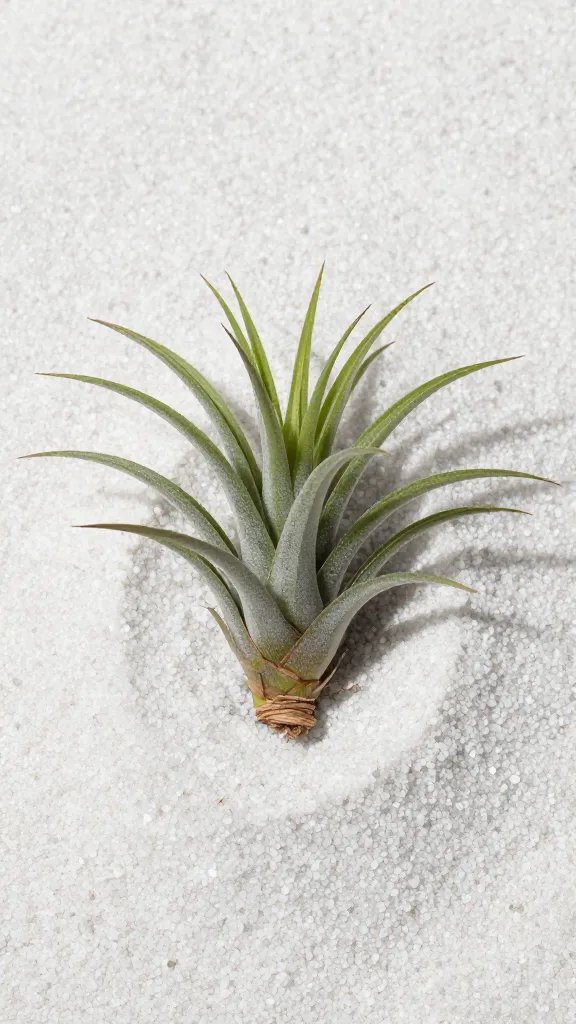
Can I keep my air plant on sand inside the vase?
Yes, as a decorative layer, but never bury the base and don’t let it stay damp. Elevate the plant on a cork chip or flat pebble above the sand. After watering, make sure the sand looks dry before returning the plant to the vase. If sand stays dark for hours, reduce misting or use larger pebbles instead.
How do I know if my air plant is getting enough light?
Healthy plants show firm leaves and steady color. If growth stalls, leaves stretch and open loosely, or color fades, move the terrarium closer to a bright window — aim for a spot where you can comfortably read a book without turning on a lamp during the day. Avoid direct midday sun on the glass. Reassess after two weeks.
What if water collects in the center of the plant?
Tip the plant upside down and shake several times until no drops remain. Let it dry on a towel for 45–60 minutes in bright, indirect light before returning it. If the center feels mushy, trim out any brown tissue with clean scissors and increase airflow after future waterings. Always dry plants before placing back in the glass.
Do I need to use fertiliser at all?
No, but light feeding improves growth and flowering. Use an orchid or bromeliad fertiliser at 1/4 strength once a month during spring and summer, mixed into soak water. Rinse with plain water the following week. Skip fertiliser in winter.
Why are the leaf tips turning brown?
Brown tips often signal underwatering, hard water buildup, or too much direct sun. Increase watering slightly (add one extra light mist per week) and switch to filtered water for a month. If the terrarium gets direct sun, move it back 30–60 cm. Trim dead tips with clean scissors, following the natural leaf shape.
Can I glue the plant to a piece of wood inside the vase?
Yes, but use a tiny dot of waterproof craft glue or aquarium-safe silicone on the outer leaf sheaths, not the core. Let it cure fully before watering. Gluing helps keep the base elevated, which improves drying. Still remove the plant for soaking or mist away from the terrarium and return it dry.
Conclusion

Air plants thrive in hanging glass vases when you give them bright light, fast drying, and a predictable watering rhythm. Build a dry platform, water on schedule, and return plants only after they’ve fully drip-dried — that’s the entire system. Set up one terrarium this weekend using the cork platform trick, and you’ll see how easy it is to keep Tillandsias healthy and sculptural for the long term.