Growing Lemon Balm in Containers — Pest Repellent and Care Guide
- Best for: Lemon balm in small spaces or balconies, acting as a natural pest deterrent
- Make ahead: No; ongoing care required, but harvests are quick
- Serves: 1–2 plants per container, scalable for more
- Key tip: Give lemon balm a bright, cool-sunny spot and regular light pruning to keep it bushy
Growing Lemon Balm in Containers — Pest Repellent and Care Guide is all about bringing bright, lemony fragrance to your patio while keeping pests at bay. This versatile herb thrives in pots, where it’s easy to move and prune to shape. In this guide you’ll learn how to container-grow lemon balm, repel bugs naturally, and keep the plants happy all season long. By the end, you’ll know exactly how to plant, water, prune, and protect your lemon balm so it stays productive and pest-free.
Choose the Right Container and Soil
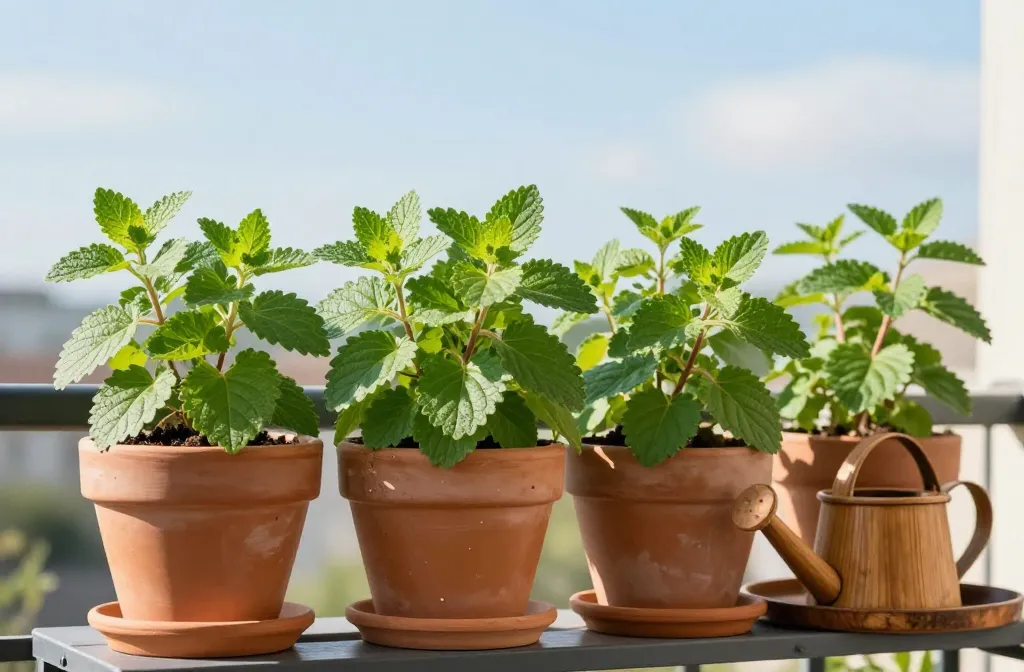
- Container size matters: Start with at least a 12-inch diameter pot so roots have room to spread. Taller pots can help with drainage and airflow.
- Soil mix: Use a well-draining potting mix with perlite or sand for extra drainage. Lemon balm dislikes soggy feet.
- Drainage: Ensure drainage holes are clear. A shallow tray underneath helps catch excess water.
Sun, Water, and Location
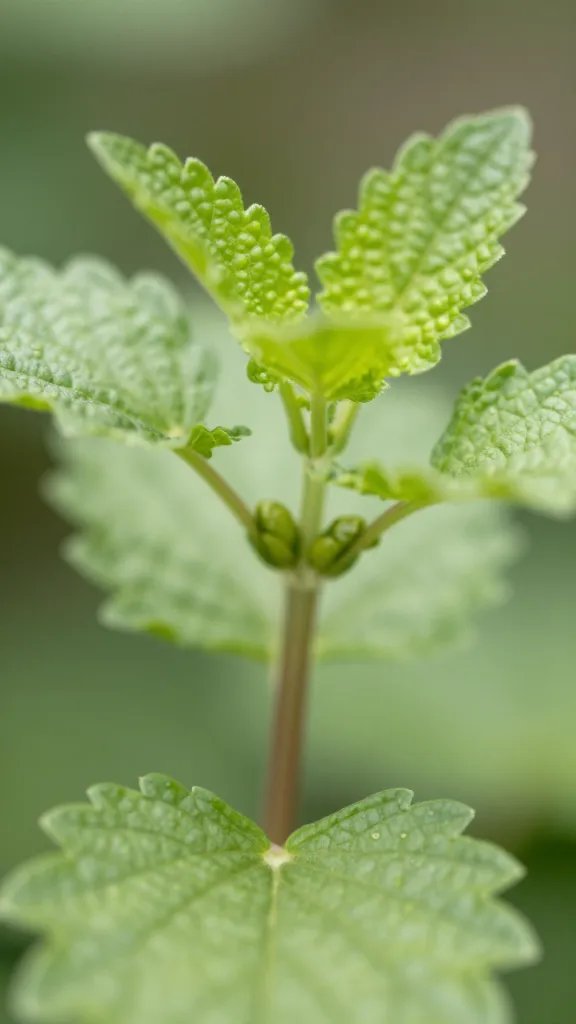
- Light needs: Lemon balm enjoys full sun to partial shade. In hot climates, a bit of afternoon shade helps prevent wilting.
- Watering rhythm: Keep the soil consistently moist but not waterlogged. Check weekly, and water more during hot spells.
- Air circulation: Don’t crowd multiple containers in a tiny space; good airflow reduces fungal issues.
Growing Lemon Balm in Containers — Pest Defense and Care
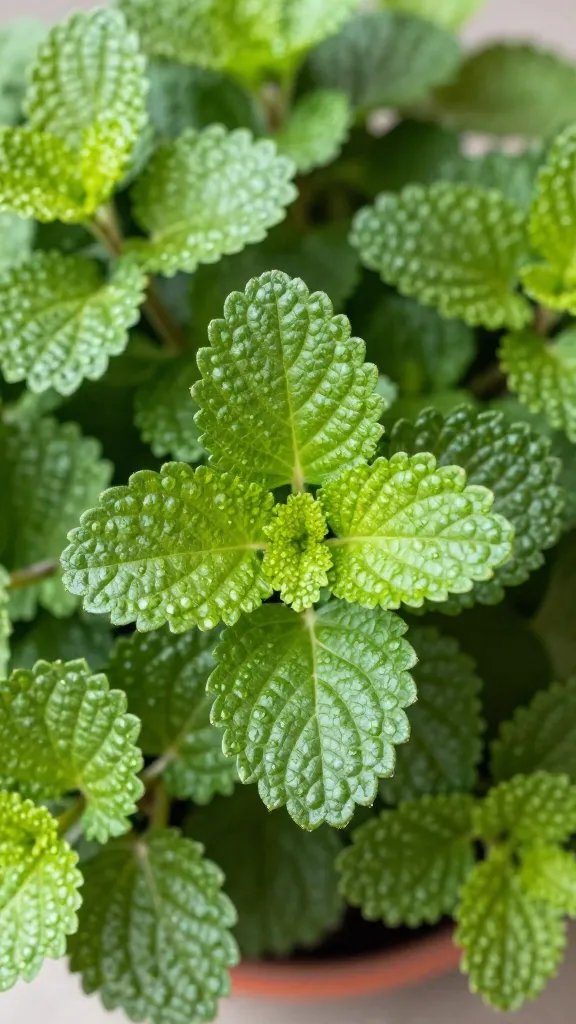
Why lemon balm? Its citrusy scent helps repel many pests, including mosquitoes and some flies. Regular pruning also encourages a bushier plant that produces more leaves for harvest. Here’s how to care for it month by month:
Planting and Establishment
- Choose a sunny or partially shaded spot.
- Fill your container with fresh potting mix and plant the lemon balm divisions or transplants at the same depth they were in their nursery pots.
- Water gently after planting to settle the soil and help roots establish.
Maintenance with Pest Prevention in Mind
- Mulching: A light mulch (like shredded bark or straw) helps retain moisture and suppresses weeds that compete for water.
- Pruning: Pinch back growing tips every few weeks to maintain a compact shape and promote new growth.
- Natural pest checks: Inspect every week for aphids or spider mites. A strong spray of water can dislodge many pests; for persistent issues, use insecticidal soap.
Harvesting for Flavor and Pest Control
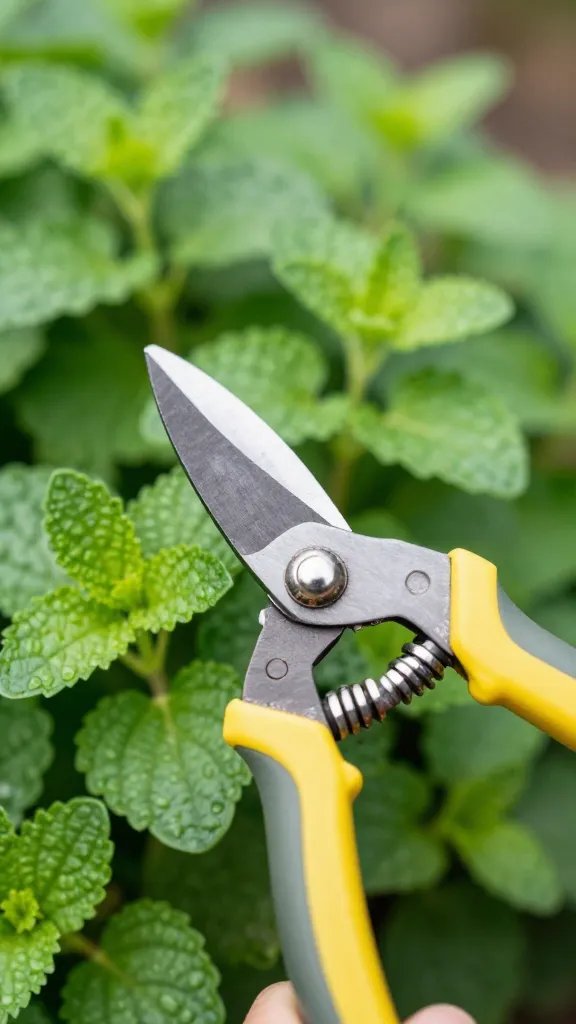
Harvest by snipping leaves as needed, starting from the plant’s outer growth. Regular harvesting stimulates new leaves and keeps the plant from becoming leggy. The more you prune, the bushier it gets—and the more leaves you have to repel pests naturally.
Managing Common Problems
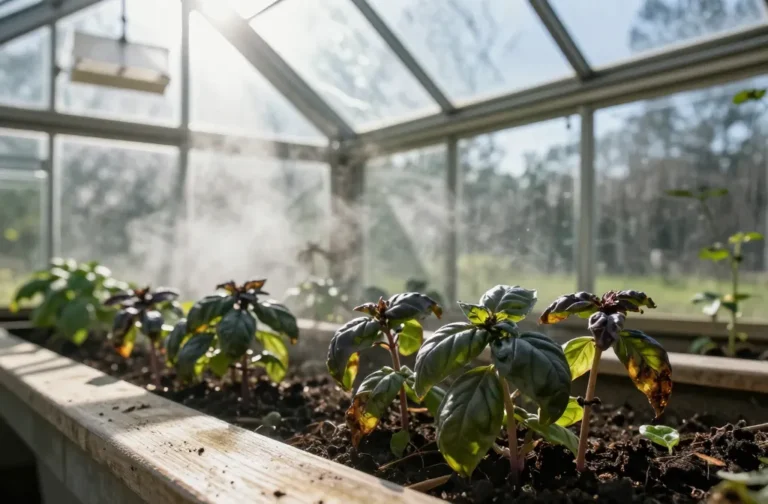
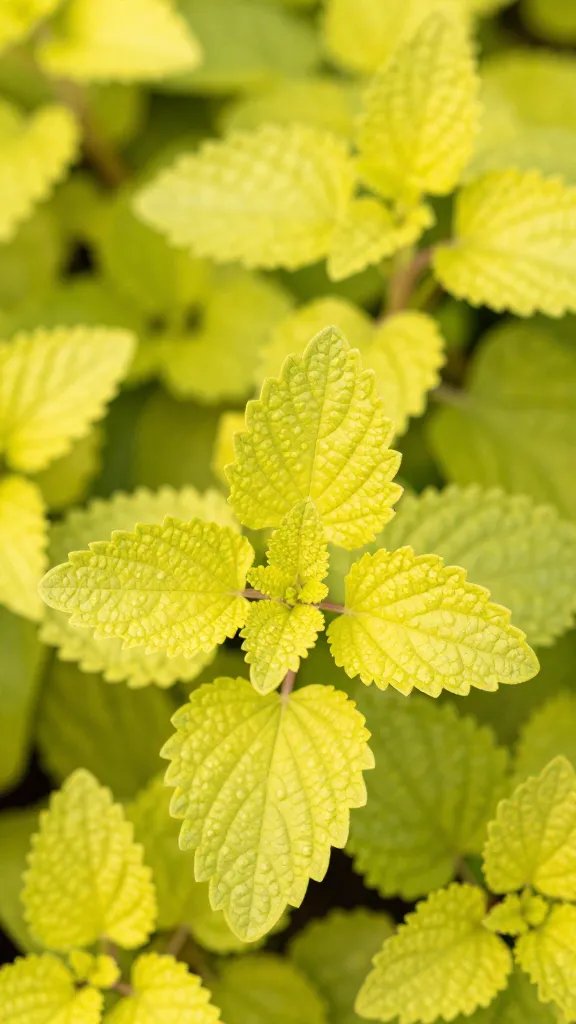
- Yellowing leaves: Often a sign of overwatering or poor drainage. Check the soil moisture and ensure the pot drains well.
- Leggy growth: Insufficient light. Move to a brighter spot or prune to encourage side shoots.
- Persistent pests: Aphids or spider mites can be managed with a soft spray of water or insecticidal soap; rinse leaves to prevent residue.
From My Kitchen: What Actually Works
In my experience, keeping lemon balm in a bright, drain-friendly container is the key to long-term success. I once used a shallow window box, and the soil stayed too damp, which invited root rot. When I switched to a deeper pot with a moisture mat, the plant stayed vibrant. I also found that clipping leaves weekly yields more leaves overall and a stronger scent for pest deterrence.
Internal Links
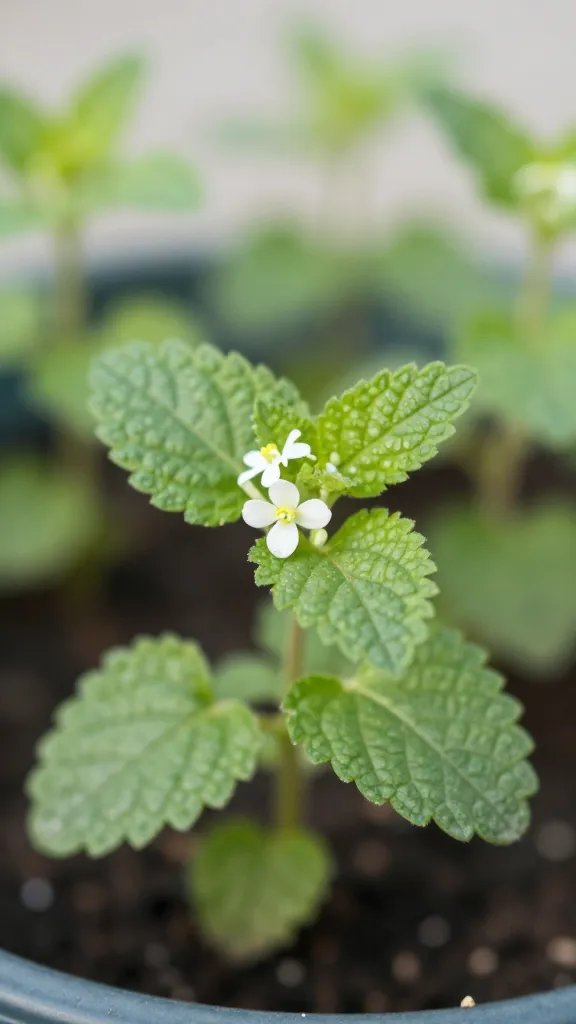
For more herb-growing strategies, check out this this chimichurri recipe that uses fresh lemon balm when available. If you’re curious about companion planting and pest control, explore our guide on seasonal pest prevention for container gardens.
Frequently Asked Questions
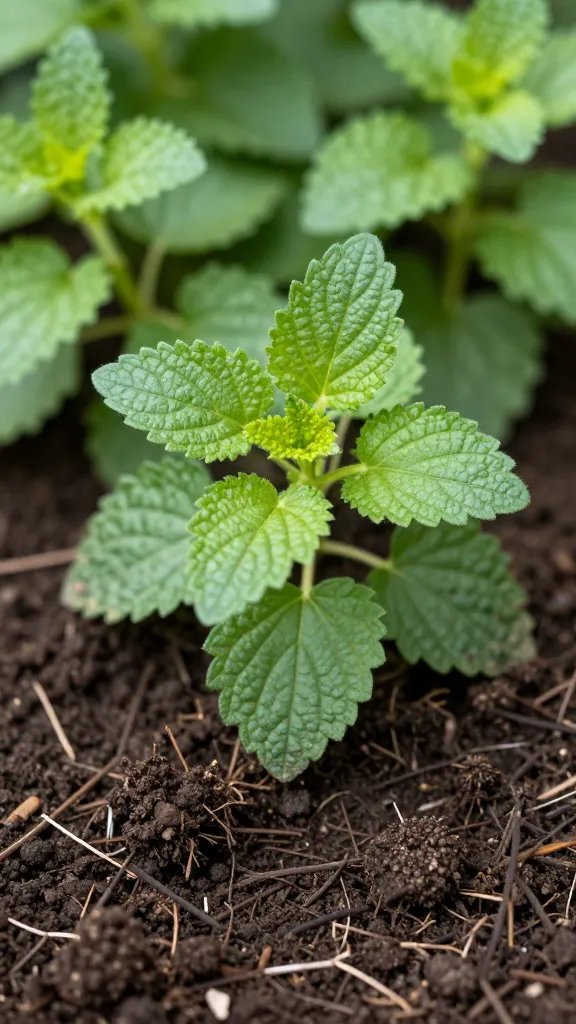
How long does Growing Lemon Balm in Containers — Pest Repellent and Care Guide keep indoors?
As a living plant, it can stay healthy for several seasons with proper care. In containers, you’ll know it’s thriving when growth stays green, scent is strong, and leaves are abundant. You can transplant or re-pot as needed to refresh soil and root space.
Can I make Growing Lemon Balm in Containers — Pest Repellent and Care Guide ahead of time?
Yes. Start by prepping your containers, soil, and location. You can also prune and harvest herbs early, but fresh plant material performs best after a few weeks of established root growth.
What’s the best way to serve Growing Lemon Balm in Containers — Pest Repellent and Care Guide for a crowd?
Harvest a handful of leaves, mince, and mix into marinades or herb-butters. The lemony note brightens salads, fish, and roasted vegetables. For a crowd, dry or freeze some leaves for later use, though fresh leaves retain more fragrance.
Can I freeze Growing Lemon Balm in Containers — Pest Repellent and Care Guide?
You can freeze chopped leaves in ice cube trays with water or olive oil. This preserves aroma and makes it easy to drop into soups and sauces later.
The Bottom Line

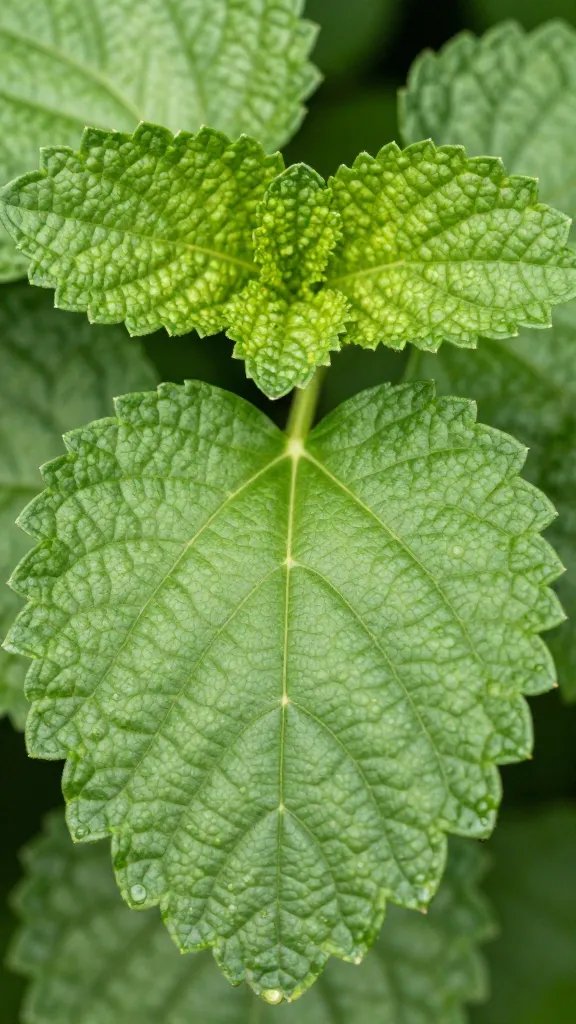
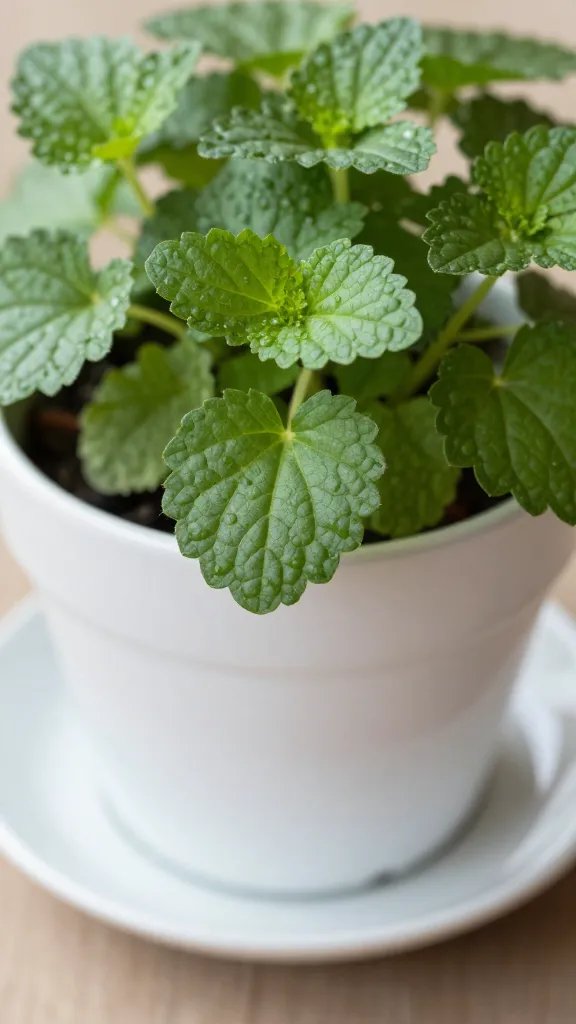
Growing Lemon Balm in Containers — Pest Repellent and Care Guide is your friendly, practical path to a fragrant, pest-repelling addition to any balcony or patio. With the right pot, soil, and care, you’ll enjoy steady harvests and a natural defense against pests. Save and share this guide so you can revisit it when you’re repotting or pruning.
Planning to try this? Save this post so you can find it when you need it — and tag us when you make it.