How a Potting Mix Loses Structure Over Time — Compaction, Ph Drift and When to Repot Demystified
I’ve watched perfectly happy plants stall out in month twelve, not because of light or water, but because their potting mix turned into a brick. If your watering schedule keeps creeping up and your plant still looks thirsty, you’re facing the same slow slide I’ve battled in dozens of containers. In this guide I’ll show you how a mix collapses, why pH wanders, and the exact signs that tell you to repot before roots suffocate. You’ll finish with a simple maintenance routine that keeps houseplants growing past year two without surprises.
What “Structure” Means in a Potting Mix
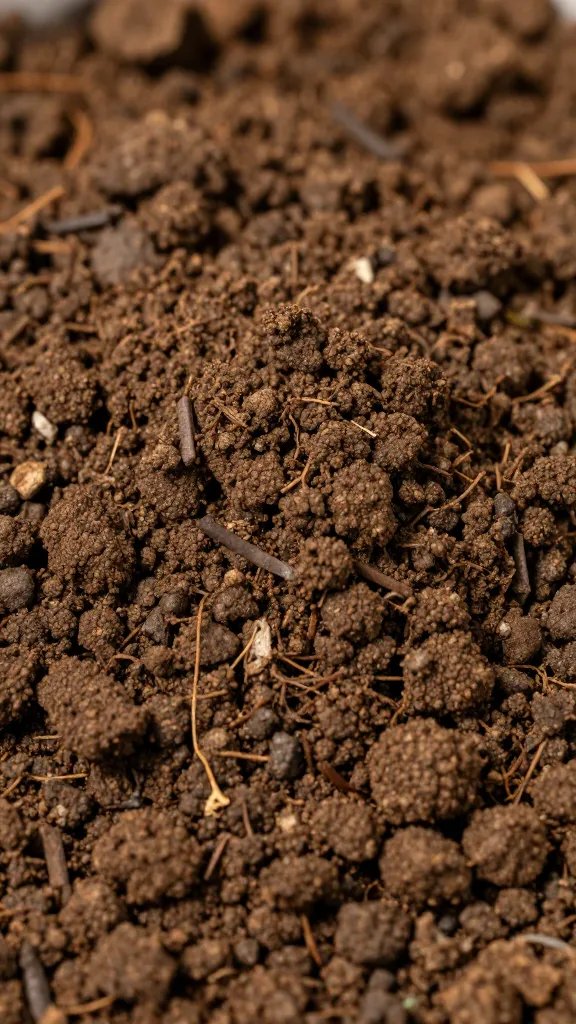
Good potting mix isn’t just dirt; it’s a network of large and small pores. Large pores hold air so roots can breathe, and small pores hold water for later. Fresh mixes use chunkier materials like pine bark and perlite to keep those pores open.
Over time, organic pieces soften and collapse. Every watering pushes fine particles down, filling the gaps. Air disappears first, then drainage slows, and roots sit in a stale, wet sponge.
Action today: Press a chopstick into your potting mix. If it feels dense like wet cake and comes out smeared, your structure has already slumped.
How Compaction Sneaks In: Water, Roots, and Gravity
Compaction is cumulative. Watering swells fibers, then drying shrinks them, and those cycles grind materials into fines. Gravity drags those fines downward, creating a soggy lower third and a crusty top.
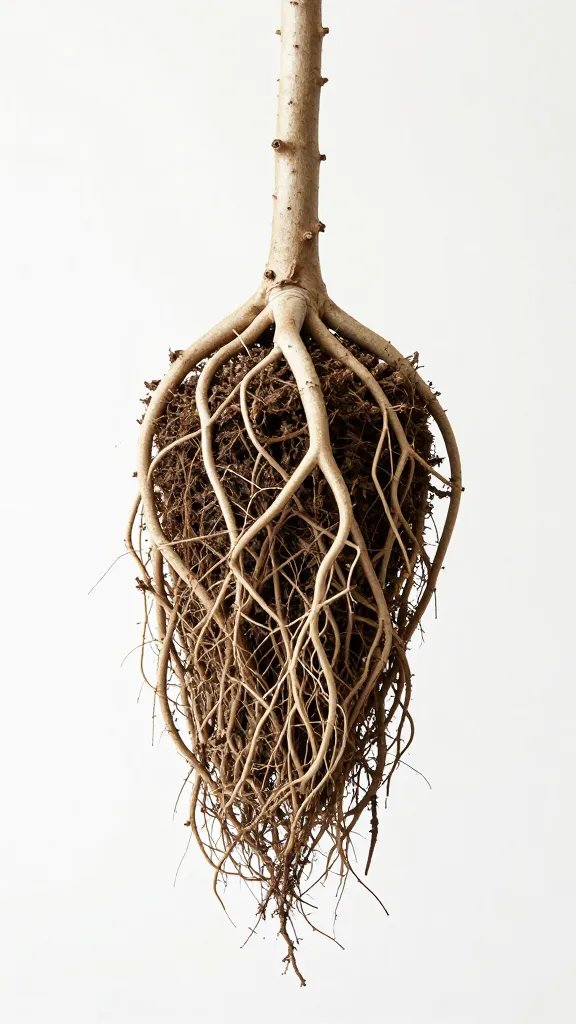
Roots also do the compacting. A root-bound plant weaves a tight mat that squeezes mix into thin layers. Add the weight of a heavy ceramic pot and the bottom zone can become anaerobic.
Warning Signs of Compaction
- Water pools on top for more than 10 seconds instead of sinking in.
- Dry top, wet bottom: the top inch is dusty while the drainage hole drips hours after watering.
- Yellowing lower leaves on plants like philodendron or dracaena with no change in light.
- Mushroom or algae growth on the soil surface.
Action today: After your next watering, lift the pot. If it stays much heavier than usual the next day and the top still looks dry, plan a repot within two weeks.
Why pH Drifts in Containers (And Why It Matters)
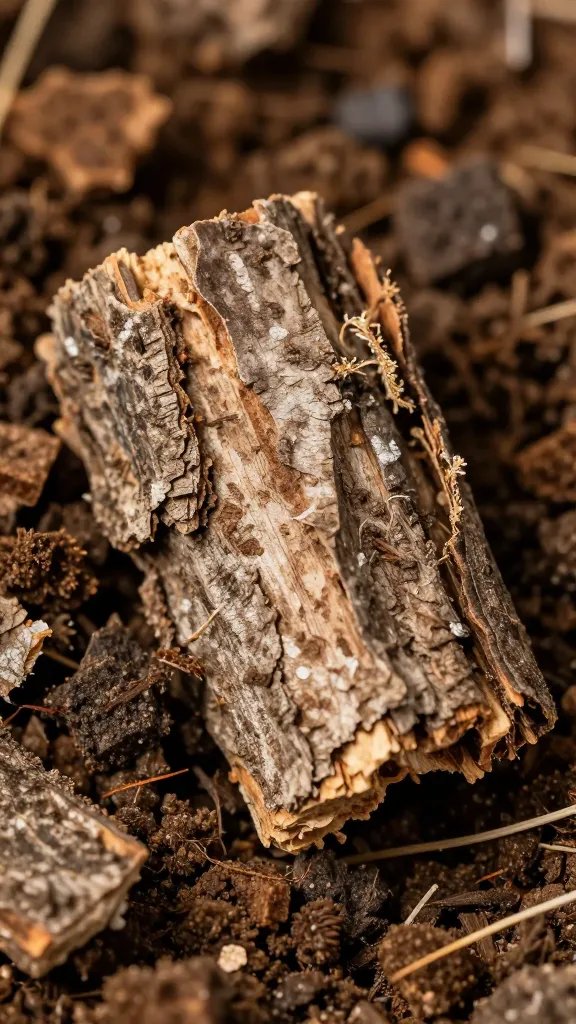
Fertilizers and decomposing organics slowly nudge pH. Most balanced houseplant fertilizers are slightly acidic, and as organic matter breaks down, it releases acids that push pH lower. On the flip side, hard tap water with dissolved minerals can creep pH higher over time.
Plants notice before you do. Iron and manganese lock up when pH climbs, causing pale new growth, while very low pH can burn roots and release excess aluminum from bark-based mixes. Without a meter, you can still catch it by watching leaf color and fertilizer response.
Practical pH Checks Without a Meter
- If new leaves are pale with green veins after feeding, suspect pH too high.
- If leaf tips burn at normal feeding strength and the mix smells sour, suspect pH too low and stagnant.
- Use garden-centre pH strips on runoff water a few times a year for a ballpark reading.
Action today: At your next watering, collect the first tablespoon of runoff on a white spoon and test with an inexpensive pH strip — aim for 5.8–6.5 for most foliage houseplants.
When to Repot: Clear Timing Rules That Work
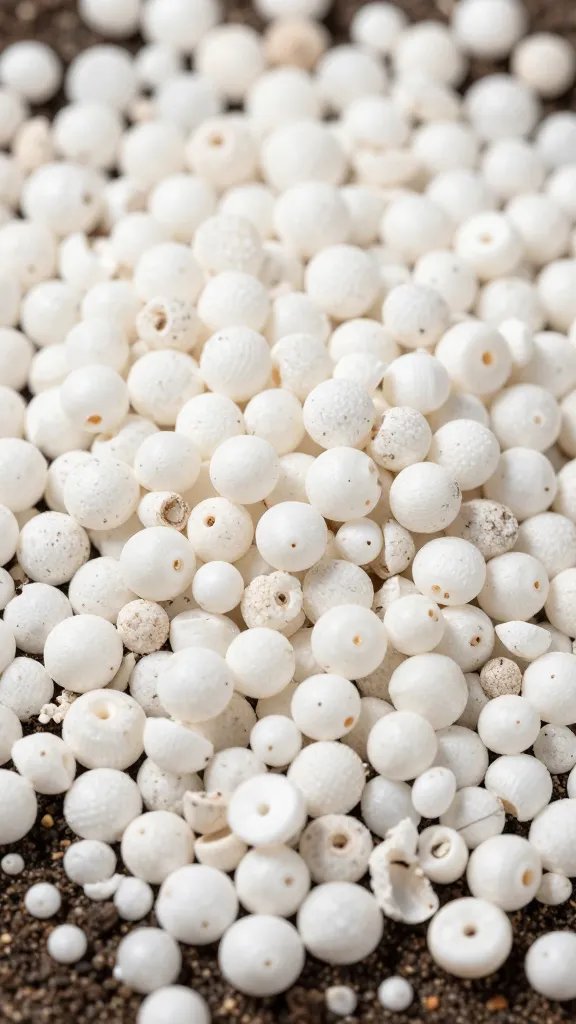
I use time plus symptoms. Most foliage houseplants thrive with a full repot every 18–24 months. Fast growers like pothos, syngonium, and spider plant need it closer to 12–18 months. Woody or slow growers like ZZ and snake plant can stretch to 24–36 months if drainage stays sharp.
Don’t rely on calendar alone. If you see circling roots at the drain hole, water sitting on top, or a sour smell, move the repot up. If growth is strong, water infiltrates fast, and fertilizer works as expected, you can hold.
Action today: Tip the plant sideways and slide it out halfway. If the outer inch is more roots than mix, book a repot within the week.
How to Revive Structure Without Fancy Gear
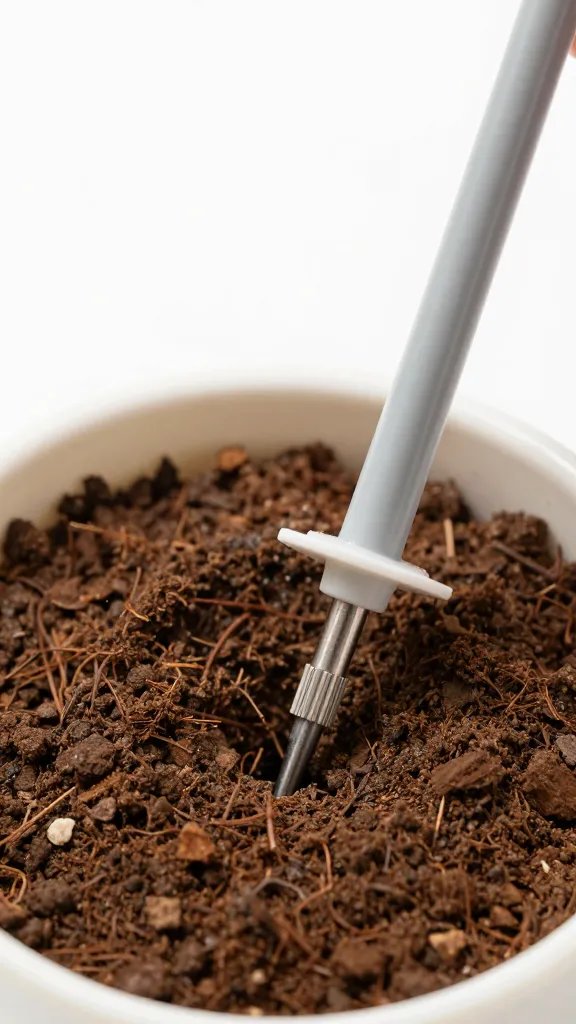
You don’t need a lab. You need a good-quality all-purpose potting mix and a few chunky amendments from any garden centre.
Step-by-Step: Fast, Clean Repot
- Choose the pot: Go 2–5 cm wider than the old one with a drain hole. Clean it with hot, soapy water and rinse.
- Prep the mix: Combine 3 parts high-quality potting mix with 1 part perlite or coarse pumice and 1 part fine bark (orchid bark small grade). For moisture-loving plants, add a small handful of coco coir.
- Loosen roots: Tease off the bottom 1–2 cm of circling roots. Trim only brown, mushy sections.
- Pot up: Hold the plant so the soil line sits 1–2 cm below the rim. Backfill and tap the pot sides to settle — don’t crush the mix with your fingers.
- Water through: Water until you see a steady trickle from the drain hole. Let it drain fully on a rack.
Action today: Pick up a bag of perlite and small orchid bark on your next garden-centre run — they’re the cheapest insurance against future compaction.
Managing pH Drift With Simple, Safe Moves

Skip costly meters. Use water choice and routine rinses. If your tap leaves white crust on the kettle, it’s hard; alternate with rainwater or filtered water every other watering to keep pH and salts in check.
Every 4–6 weeks, give each plant a gentle leaching flush: three times the pot’s volume in plain water poured slowly, then drain completely. This resets salts that drive pH drift and burn roots.
Easy Buffers You Can Add
- Dolomitic lime for mixes that trend acidic: 1 teaspoon per 15–20 cm pot, mixed into the top 2–3 cm. Reapply every 6–9 months for plants that prefer neutral (not for acid lovers like gardenias).
- Pine bark keeps a slightly acidic, stable environment while maintaining structure — ideal for most tropical foliage.
Action today: Put a recurring reminder six weeks from now to perform a leaching flush on your thirstiest plant.
Watering and Handling Habits That Prevent Collapse

Compaction isn’t just materials — it’s technique. Water in one steady session until runoff, then let the pot drain completely. Frequent tiny sips never flush fines and encourage surface crusting.
Rotate the pot every week to encourage even rooting. When you move or dust, lift from the pot, not the stem, and avoid pressing the soil surface. Use a chopstick to poke three or four air channels before watering if the top seals over.
Action today: Switch from “small sips” to a full soak-and-drain watering at your next session and note how long it takes to dry; use that as your new schedule baseline.
Plants That Need Stricter Schedules vs. Plants That Tolerate Neglect

Some plants punish you faster when structure fails. Calathea, alocasia, and ferns need air and moisture together; they decline quickly in compacted, sour mix. Succulents and snake plants tolerate longer intervals but still rot if the bottom stays wet.
Match your mix to the plant. For thirsty, fine-rooted plants, keep perlite and bark but add a little extra coco coir. For arid plants, increase perlite or pumice to 40–50% and reduce water-holding ingredients.
Action today: Label two bags at home: “foliage mix” and “succulent mix,” and pre-blend small batches so you repot with the right recipe in five minutes.
Frequently Asked Questions
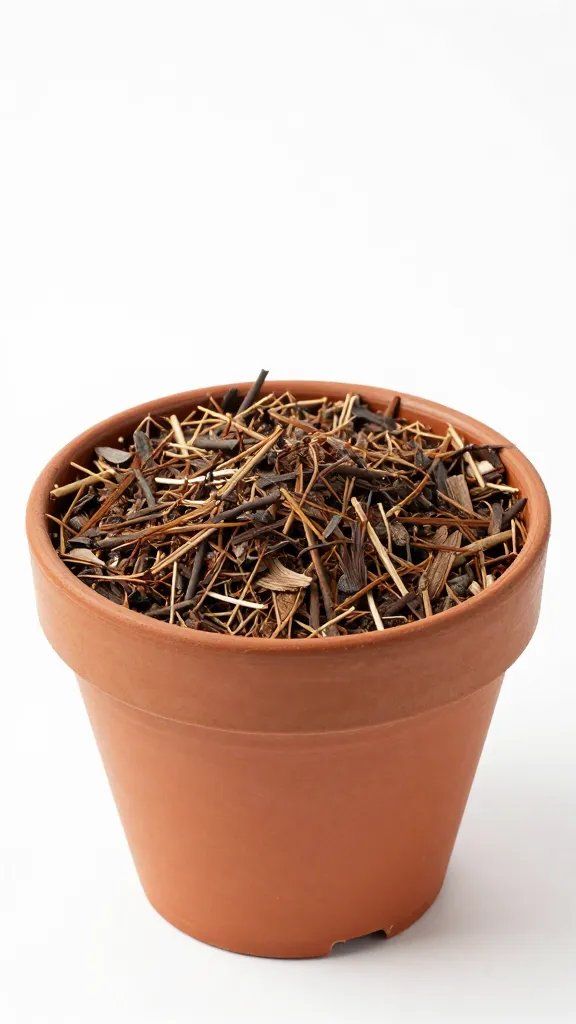
How do I know if it’s compaction or just underwatering?
Underwatered soil accepts water quickly and dries evenly; compacted soil repels water at the top yet stays heavy at the bottom. Stick a wooden skewer into the pot and leave it for 10 minutes. If the top 2–3 cm are dry but the skewer tip comes out wet and smells stale, you’re dealing with compaction. If the whole skewer is dry and the pot is light, water thoroughly and reassess.
Do I have to go up a pot size when I repot?
No. If the plant isn’t root-bound, you can do a same-size refresh. Knock off the outer third of old mix, loosen roots, and repot into the same pot with fresh, chunkier mix. This restores structure without forcing excess wet soil around a modest root system.
Can I fix pH without buying special products?
Yes. Alternate hard tap with rainwater or filtered water to nudge pH back toward neutral. Perform a monthly leaching flush to remove salt buildup that drives drift. If leaves still show pale new growth, top-dress with a teaspoon of dolomitic lime for neutral-preferring plants.
My potting mix grows fungus gnats. Is that related?
Often, yes. Compacted, constantly damp lower layers create perfect gnat nurseries. Improve aeration with perlite and bark, water deeply but less often, and let the top 2 cm dry between waterings. Add a 1 cm layer of horticultural sand or fine aquarium gravel on top to interrupt egg-laying.
How often should I replace the whole mix?
Plan on every 18–24 months for most foliage plants, sooner for fast growers, and later for slow, woody species. If you fertilize regularly and use hard water, lean toward the earlier end. Any sign of sour smell, black mushy roots, or persistent waterlogging means replace the mix immediately.
What if my plant is huge and hard to repot?
Do a partial refresh. Scoop out the top 5–8 cm of old mix and replace with fresh, chunky mix. Use a thin stake to create several vertical air channels near the pot edge, then water to settle. Schedule a full repot at the next natural break (spring or early summer) when you can recruit a helper.
Conclusion

You don’t need lab tools to keep potting mix breathable and stable — just a calendar, a couple of simple materials, and attention to how water moves through the pot. Start with one plant today: test infiltration, peek at the roots, and plan a refresh if the structure has slumped. Once you see how much faster growth rebounds in fresh, airy mix, you’ll build repot timing into your routine instead of waiting for a crisis.