The Secret to How to Grow Strawberries in Hanging Baskets — Variety Selection, Feeding and Runner Management
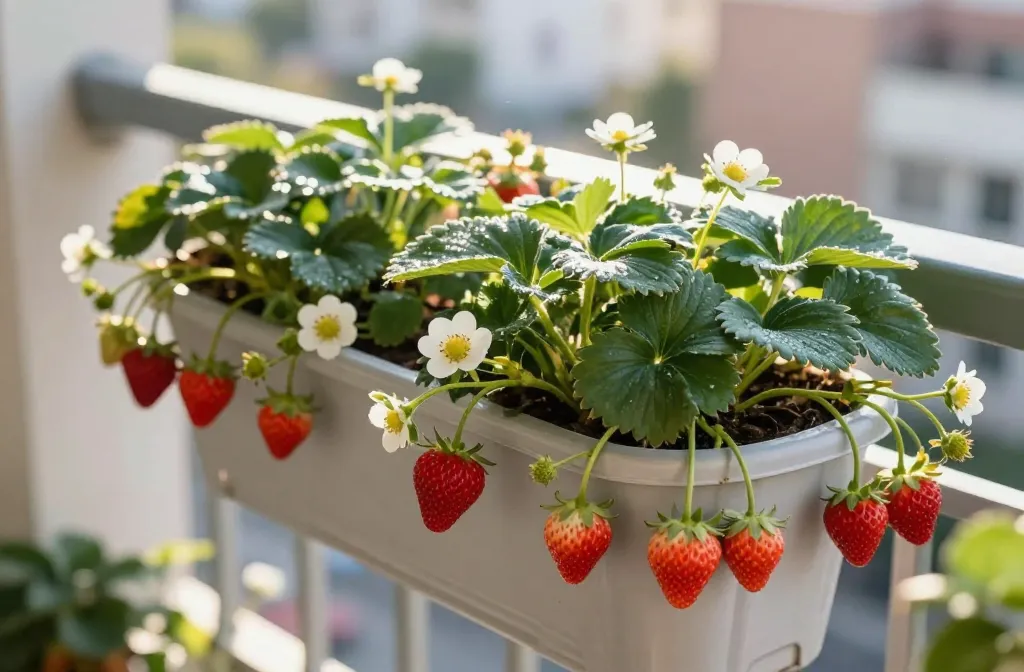
I started growing strawberries in hanging baskets on a tiny balcony because slugs kept beating me to every ripe berry. The first year I picked a handful; the second year I was harvesting bowls weekly after I fixed my variety choice, feeding routine, and runner chaos. In this guide I’ll show you exactly how to set up, feed, and manage your plants so your baskets produce heavily and stay tidy. You’ll learn which varieties work, what and when to feed, how to handle runners, and how to keep the fruit clean and within reach.
Pick Varieties That Fruit Well in Baskets, Not Just in Beds
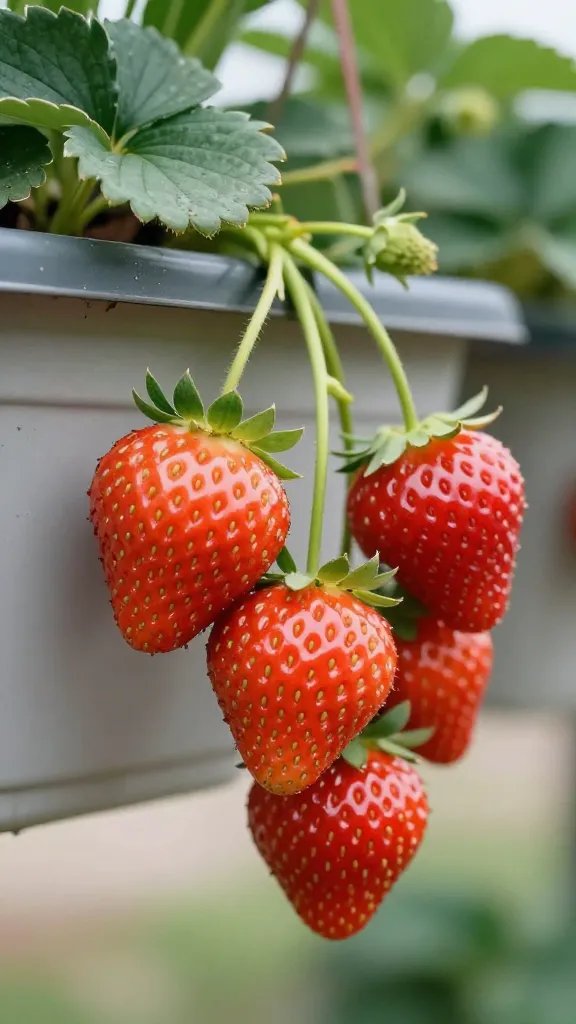
Strawberries fall into three groups: June-bearing (one big crop), everbearing (two smaller crops), and day-neutral (steady trickle all season). For hanging baskets, I choose compact, day-neutral or everbearing types that keep producing and don’t throw giant plants.
Proven choices from garden centres: ‘Albion’, ‘Mara des Bois’, ‘Evie 2’, ‘Seascape’, and trailing types like ‘Toscana’ or ‘Temptation’. Skip sprawling June-bearers like ‘Chandler’ in baskets unless you want one short burst and lots of runners.
Buy first-year cold-stored plugs or healthy potted plants with firm crowns and white roots. Avoid plants with brown, mushy crowns or multiple plants crammed in one pot — they exhaust quickly in baskets.
Action today: Pick up 3 day-neutral plants such as ‘Albion’ for a 12-inch basket — that density fills out without starving the plants.
Use a Basket and Potting Mix That Keep Roots Aerated
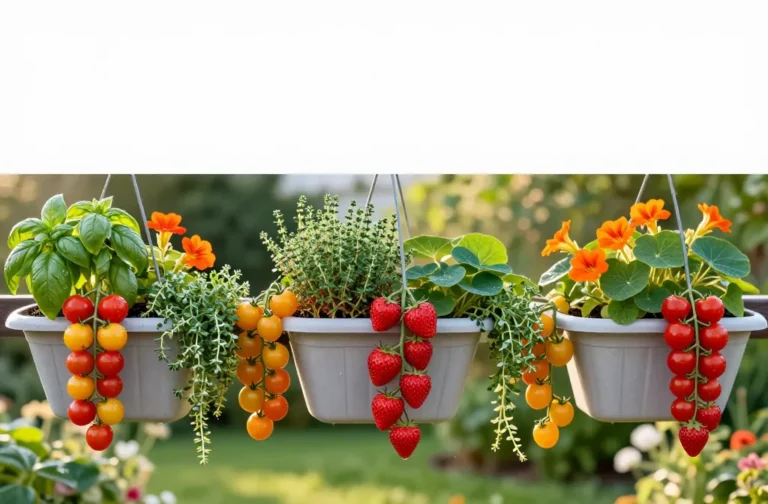
Hanging baskets dry fast, but strawberries hate soggy, airless roots. I use a 12–14 inch plastic or coir-lined basket with a solid reservoir saucer and at least eight good drainage holes. Plastic holds moisture a touch longer than wire; coir looks great but dries quicker, so plan watering accordingly.
Fill with a high-quality peat-free potting mix labelled for containers. To prevent compaction, I blend in 20–30% fine bark or perlite from the garden centre. Do not dig up garden soil — it compacts and suffocates roots in a basket.
Plant crowns so the growing point sits exactly at soil level. Burying the crown rots it; exposing roots dries them out. Leave a 2–3 cm lip below the rim for easier watering.
Action today: Pre-soak your potting mix in a bucket until evenly damp like a wrung-out sponge, then fill the basket and plant — this prevents the first-week dry-out that stalls growth.
Give Them Strong Light and the Right Positioning
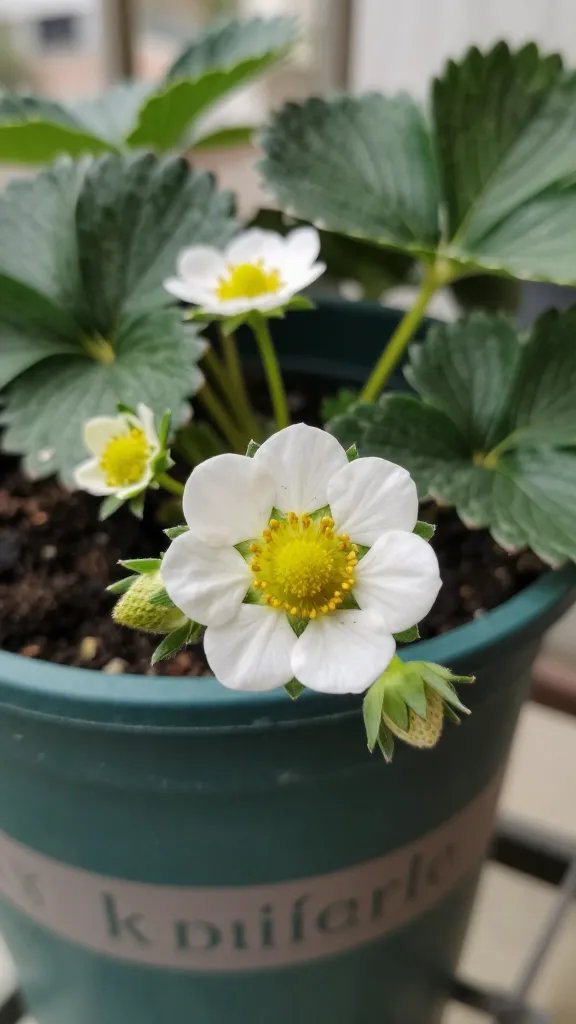
Strawberries need at least 6 hours of direct sun to produce well. On balconies, I hang baskets where they get morning to early afternoon sun and good airflow. South or west aspects work, but shield from harsh late-day scorch with a bit of overhang if leaves crisp.
Indoors, place near the sunniest window you have and open the window on warm days. They won’t fruit well under dim conditions. If wind is strong, lower the hook height or use two hooks and a short chain to stop the basket from spinning and bruising fruit.
Action today: Watch your chosen spot at midday — if the basket location isn’t in full sun, move the hook 30–60 cm to a brighter patch before planting.
Watering That Prevents Bitter Fruit and Crown Rot
In baskets, inconsistent moisture gives you small, seedy, or oddly shaped berries. I water deeply until I see the first drips from the bottom, then I wait until the top 2–3 cm feel dry before watering again. In summer heat, that’s often every 1–2 days; in cool weather, every 3–4 days.
Always water the soil, not the leaves or fruit. Wet flowers and fruit invite botrytis (grey mold). If your tap water tastes clean and not salty, use it; if it’s very hard and leaves crust, flush with rainwater monthly to clear mineral build-up.
Warning Signs And Fixes
- Wilting by midday but soil still wet: Roots are suffocating; improve drainage or repot with more perlite.
- Leaf edges crisping: Chronic under-watering; increase watering frequency or add a saucer reservoir.
- Small, dry-tasting berries: Irregular watering during ripening; keep soil evenly moist for the 10 days before harvest.
Action today: Stick a finger into the mix at breakfast and dinner; water only when the top knuckle depth feels dry — this simple habit keeps berries plump.
Feeding Schedule That Powers Flowers Without Leafy Bloat
Strawberries in baskets burn through nutrients. I mix a slow-release granular fertilizer for fruiting plants into the top 5 cm at planting, then start a weekly liquid feed once flowers appear. Use a tomato or berry feed with higher potassium than nitrogen — look for “promotes flowering and fruiting” on the label.
My routine from April to September: 1x per week liquid feed at the label rate. If leaves grow huge and dark with few flowers, I halve the dose for a month. In mid-summer, I add a handful of slow-release pellets to the surface and scratch in gently for steady support.
Step-by-Step Feeding
- Water first so roots aren’t thirsty.
- Apply liquid feed to moist soil to avoid burn.
- Rinse any splashes off leaves with a light spray.
- During heavy fruiting, add one extra feed every second week.
Action today: If your plants already have buds, start a weekly tomato-feed routine every Saturday so you don’t forget.
Runner Management: More Fruit Up Top, Fewer Stragglers Below
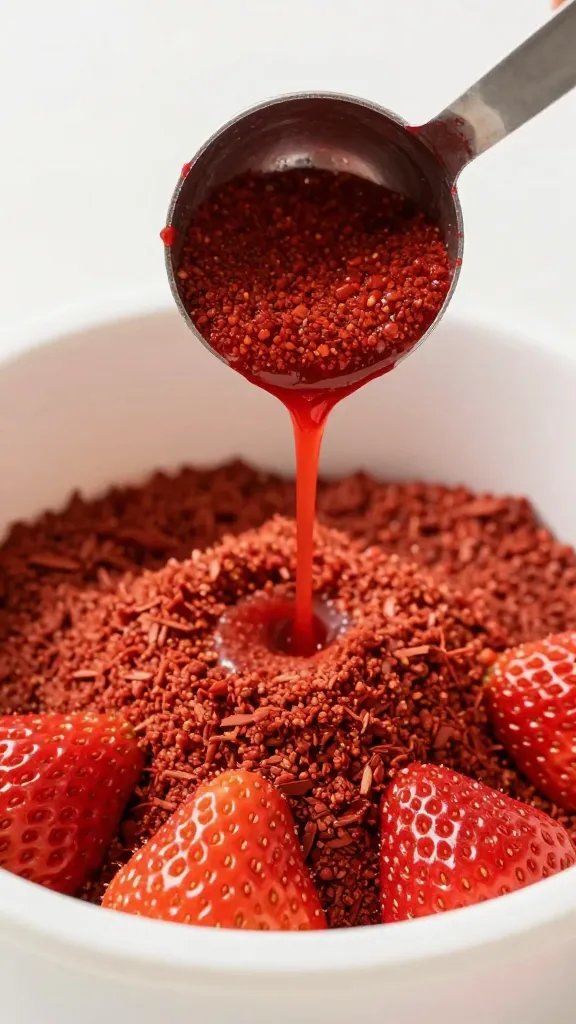
Healthy strawberries throw runners — long stems with baby plants. In a basket, unchecked runners drain energy from fruiting and make a messy curtain. I remove most runners as soon as I spot them, snipping back to the base with clean scissors.
If you want more plants, I root one or two runner tips in small 9 cm pots filled with potting mix. I peg the tip down with a paperclip bent into a U and keep it evenly moist. After 3–4 weeks, roots fill the pot and I sever the runner from the mother plant.
Do not let runner babies hang dry in midair — they never root well and they rob the mother. The goal is one productive mother per planting pocket, not a tangle.
Action today: Walk your basket and snip every runner you see this week — your next flush of flowers will be bigger.
Pollination, Flower Hygiene, and Harvest Timing
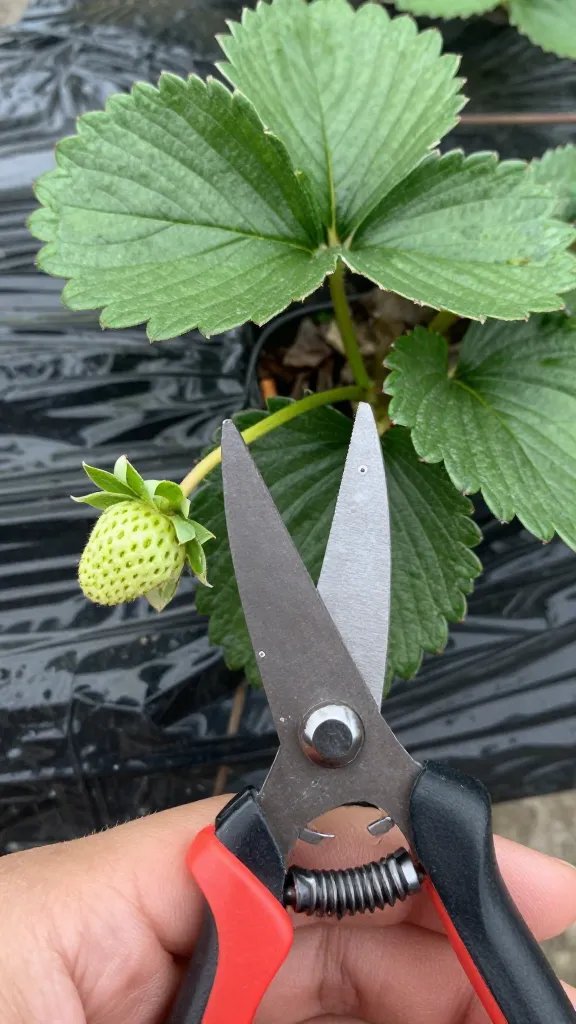
Outdoors, bees handle pollination. On balconies with fewer insects, I hand-pollinate by twirling a soft paintbrush across each open flower every morning for three days. This stops misshapen berries with hard, white tips.
Remove any brown petals and spent flowers to keep mold away. Keep berries from touching the soggy rim by letting them rest on foliage, not the liner. Harvest when the berry is fully red to the cap, slightly soft, and fragrant — usually 3–5 days after first turning red.
Pick by pinching the stem above the cap, not by yanking the berry. Morning harvest keeps fruit firmer and sweeter.
Action today: Keep a small paintbrush beside the door and give open flowers a quick twirl each morning this week.
Season Reset: Pruning, Refreshing Mix, and Winter Care
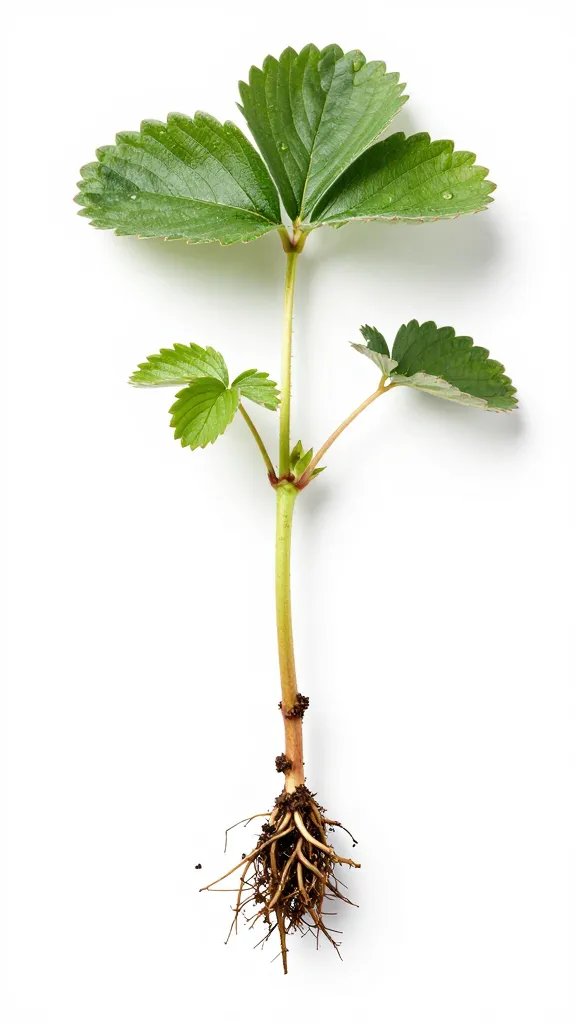
After the main season, I trim off old, tattered leaves and any lingering runners. I don’t scalp the plant; I leave fresh, healthy leaves intact. In baskets, mix degrades faster, so I refresh the top third of the potting mix every autumn and replace the plant entirely after 2–3 seasons for best yields.
For winter, I move baskets to a bright, sheltered spot out of freezing wind and keep the soil just barely moist. Crowns tolerate cold, but frozen, waterlogged mix kills roots. In very cold snaps, I wrap the basket with burlap or an old towel overnight.
Action today: Set a calendar reminder to top-dress with fresh potting mix and slow-release feed at the start of spring.
Frequently Asked Questions
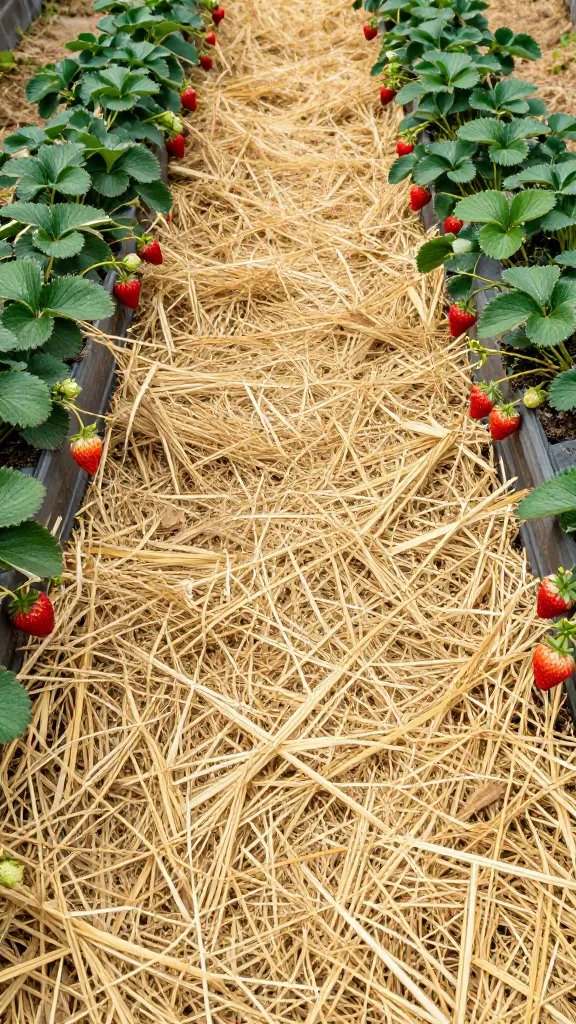
How many strawberry plants should I put in one hanging basket?
Use three plants in a 12-inch basket or four in a 14-inch basket. That spacing gives each crown enough root room and airflow. Crowding with more plants looks full early but reduces fruit size and increases disease. Keep one plant per planting pocket in tiered or side-pocket baskets.
Why are my berries small and seedy in a basket?
Small, seedy fruit usually means irregular watering during the 10 days before ripening or not enough sun. Water whenever the top 2–3 cm is dry and aim for at least 6 hours of direct light. Start weekly tomato or berry feed once flowers appear. Snip runners so the plant’s energy goes to fruit size.
Can I grow strawberries indoors in a hanging basket?
Yes, but only in very bright light. Place the basket at the sunniest window you have and hand-pollinate flowers with a soft brush daily. Keep temperatures above 15°C and feed weekly. If fruit set stays poor, move outdoors on mild days to let insects help.
How do I stop grey mold on fruit?
Keep flowers and fruit dry by watering the soil only. Thin excess leaves for airflow, remove spent petals, and harvest promptly. If rain splashes are constant, hang under an eave or balcony roof. Space plants correctly and avoid overfeeding nitrogen, which creates dense, damp foliage.
When should I replace basket plants?
Peak yields come in the first two seasons. Replace plants after 2–3 years or when you notice fewer flowers despite proper care. Root a runner late summer in a small pot and swap it into the basket next spring. Refresh the top third of the potting mix annually to keep vigor up.
Do I need special strawberry fertilizer?
No. A standard tomato or fruiting-plant liquid feed works perfectly. Look for a product that emphasizes potassium, and apply weekly during flowering and fruiting. Add a slow-release granular feed at planting and again mid-summer for steady support.
Conclusion
You don’t need a garden bed to harvest bowls of strawberries — a well-chosen variety, consistent feeding, and firm runner control turn a simple basket into a steady producer. Hang one where the sun finds it, feed it on a schedule you’ll keep, and snip runners before they sap the show. If you’re ready to start, pick up three day-neutral plants, a 12-inch basket, and a tomato feed today — you’ll taste the payoff in a few weeks.