The Secret to How to Water Container Plants in Hot Weather — Frequency, Volume and the Evaporation Problem
By the first real heatwave each summer, I’m already rescuing wilted balcony pots that looked fine at breakfast and crispy by lunch. I’ve scorched petunias, split tomato skins, and watched moisture vanish as if the pots had holes. Once I learned how heat changes watering frequency, volume, and evaporation, my containers stopped yo-yoing between soggy and bone-dry. In this guide I’ll show you the exact routines and checks that keep pots hydrated without drowning roots.
Why Hot Weather Dries Pots So Fast
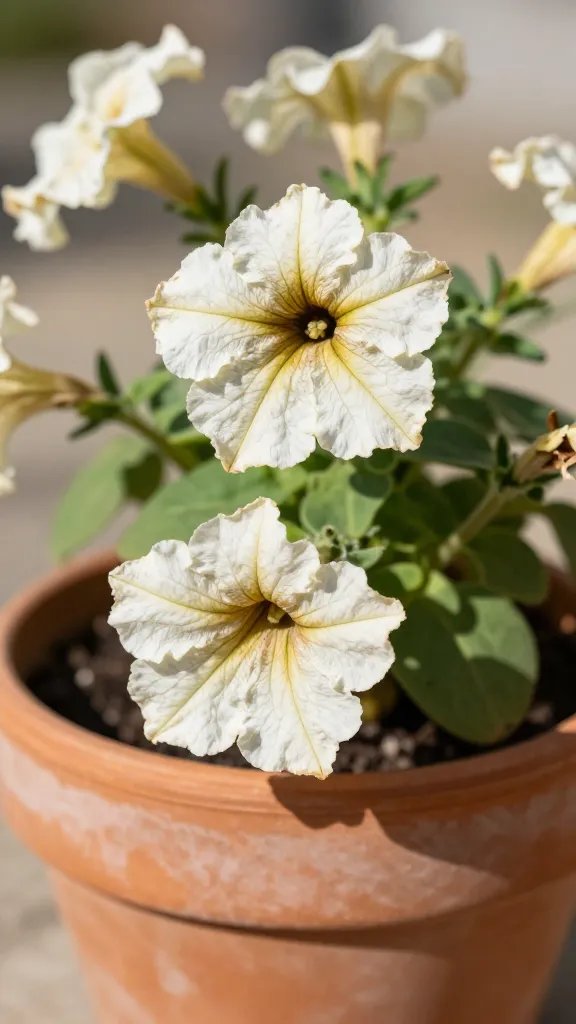
Heat ramps up evaporation from the soil surface and transpiration from leaves. In containers, there’s no cool ground to buffer that loss, so moisture escapes faster than roots can keep up.
Dark pots, unmulched soil, wind, and full sun can push daily water loss to 10–20% of the pot’s volume. Small pots lose water fastest because they hold less and heat up more.
Action today: Touch test the top 2–3 cm of soil at 2 p.m. If it’s dry and the pot feels warm to the touch, plan for an evening deep watering.
Set the Right Watering Frequency for Heat

In hot weather, frequency changes with pot size and exposure. I use a simple rule of thumb by pot diameter and sun level.
- 10–20 cm pots (herbs, annuals): Full sun — water twice daily; bright shade — once daily.
- 25–35 cm pots (tomatoes, peppers): Full sun — once daily; bright shade — every 24–36 hours.
- 40+ cm tubs (shrubs, citrus): Full sun — every 24–36 hours; bright shade — every 36–48 hours.
Consistency beats heroic catch-up. Skipping a day lets the root ball shrink and repel water, which causes runoff and patchy rewetting the next time.
Action today: Set two phone reminders: 7–9 a.m. and 7–9 p.m. Check and water on schedule for the smallest pots first.
How Much Water to Apply (Volume That Actually Reaches Roots)
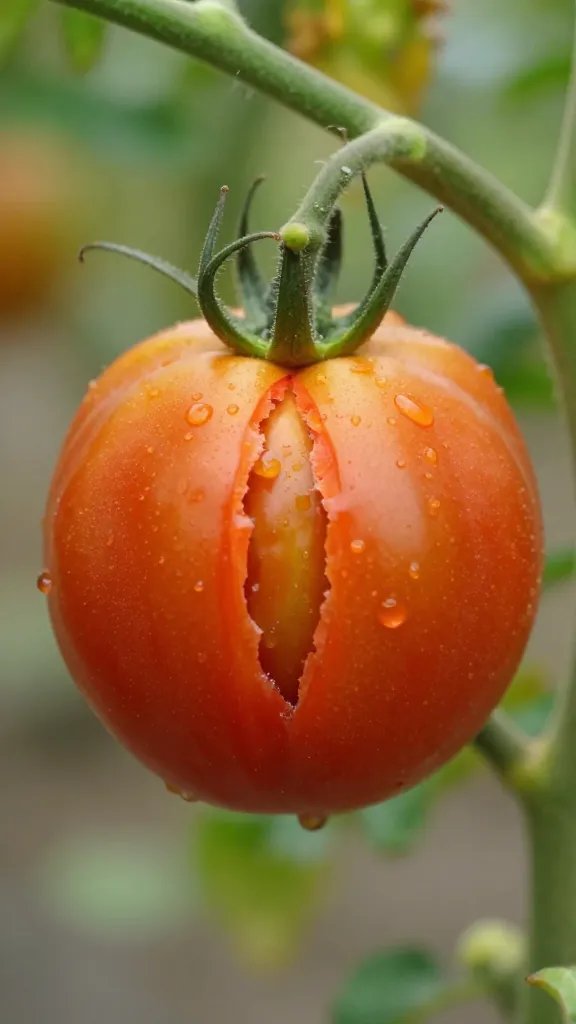
Most people under-water in heat by stopping when the surface looks damp. I water by pot volume so the entire root zone gets wet without drowning.
- Target volume: 15–25% of the pot’s capacity per session in hot spells.
- Easy estimate: A 30 cm pot holds roughly 10–12 liters of mix. Give 1.5–2.5 liters each watering.
- Smaller pots: 15 cm pot ≈ 3–4 liters total. Give 500–800 ml each watering.
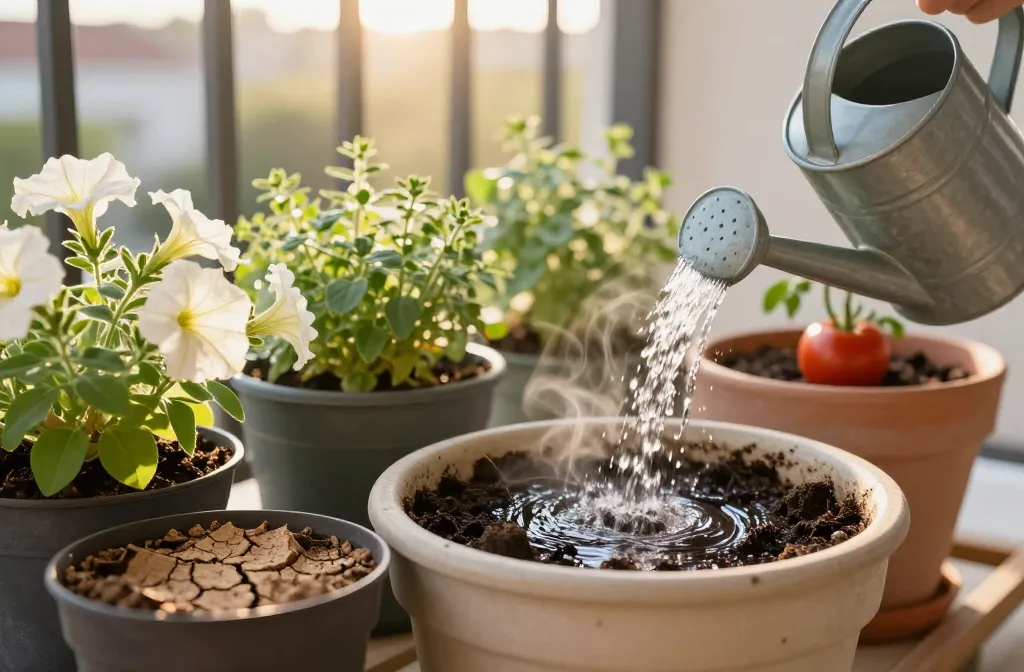
Water in pulses. Pour about one-third, wait 30–60 seconds, then the next third, then finish. This prevents runoff and lets peat-heavy mixes rehydrate.
Action today: Fill a 1-liter kitchen jug and time how long it takes your hose or can to deliver 1 liter. Use that count to hit real volumes every time.
Beat the Evaporation Problem at the Surface
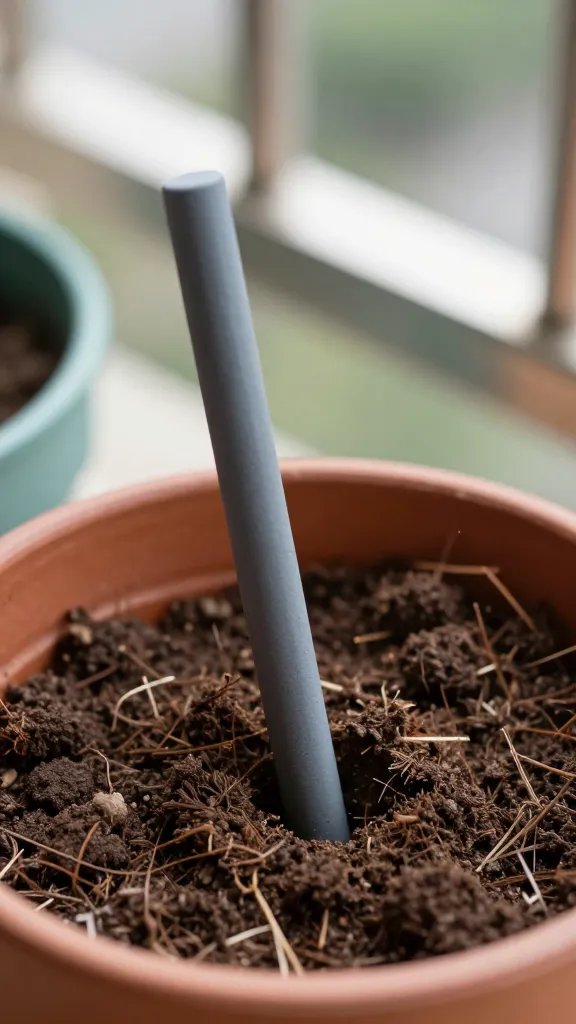
Stopping evaporation at the top few centimeters saves more water than you think. I focus on shading the soil and slowing airflow at the surface.
- Mulch 2–3 cm deep: Use fine bark, coir chips, or decorative gravel from the garden center. Keep mulch 2 cm away from stems.
- Group pots: Tuck smaller pots between larger ones to create a cooler microclimate and reduce wind exposure.
- Shade the container, not the plant: Slip light-colored cachepots over dark plastic, or lean a piece of white corrugated plastic on the sun side of planters.
Action today: Add a 2–3 cm layer of bark or gravel to your thirstiest pot and check tomorrow afternoon — the top will stay visibly darker and cooler.
Time of Day Matters: Morning vs. Evening Watering
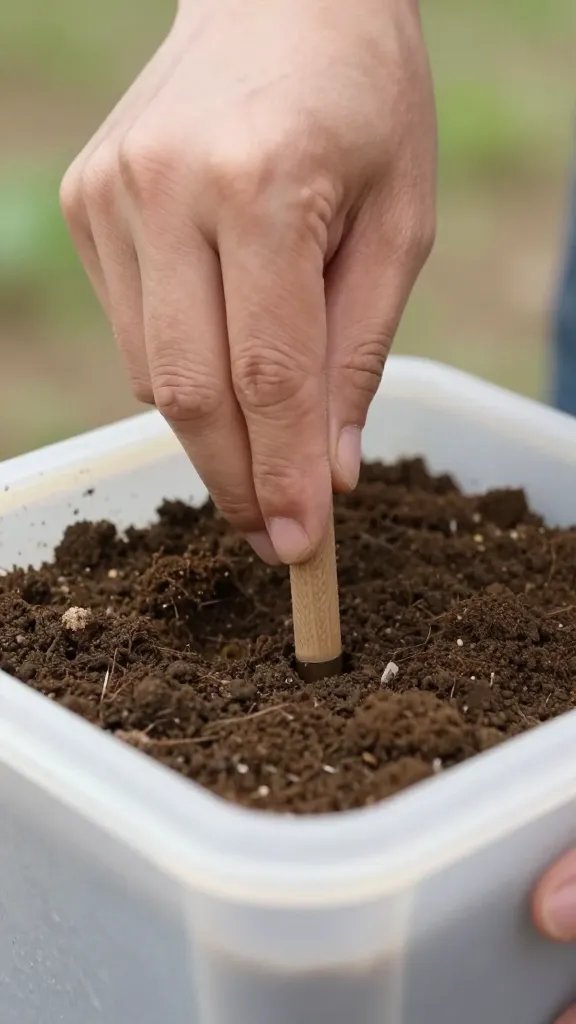
I water early morning to load the soil before peak heat, and I top up in the evening only when pots read as truly light or plants flag. Constant wetness overnight can invite fungus on dense foliage like basil.
On extreme days (32°C+), I split the day’s total volume: half at sunrise, half at dusk. Midday watering is fine in emergencies, but expect more runoff and less penetration as hot soil repels water.
Action today: Move your main watering to 7–9 a.m. and reserve evening watering for pots that feel light when lifted.
Fast Checks That Prevent Over- and Under-Watering
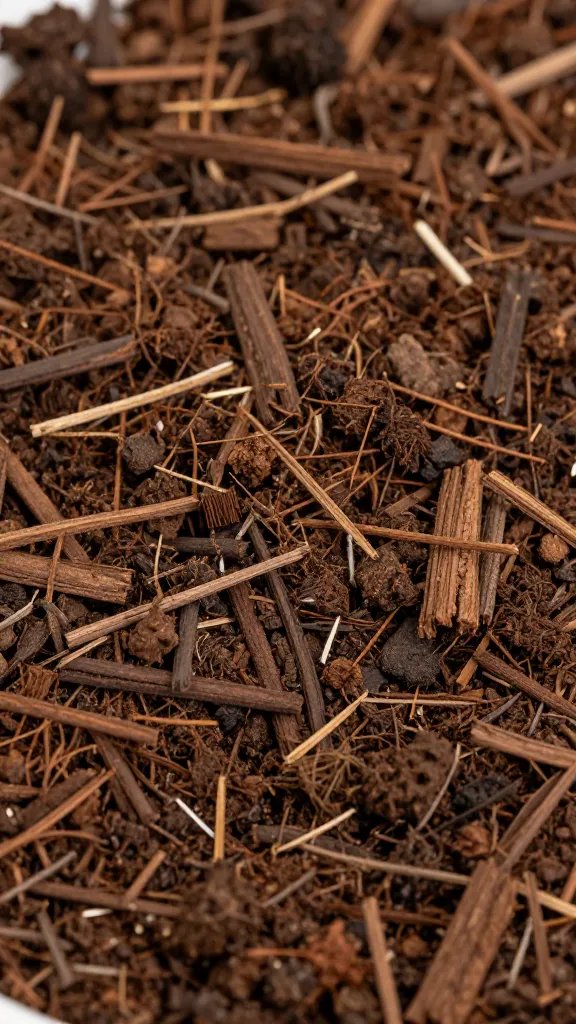
Heat pushes people into guesswork. I rely on three simple checks that don’t need tools.
- Lift test: Learn the “heavy vs. light” feel of each pot. If the pot feels light two days in a row, increase volume or frequency.
- Finger test: Push a finger 5 cm deep. If it’s dry at that depth right after watering, your mix is hydrophobic — use pulse watering, then add a drop of mild dish soap to a 10-liter can once a week to help rewetting.
- Drain check: Healthy drainage shows as a slow, steady trickle after the last pulse. A torrent means you’re pouring too fast or channels have formed; no trickle means you’re under-watering or drains are blocked.
Action today: Pick one pot and practice the lift test before and 10 minutes after watering to calibrate your sense of “enough.”
Plant-Specific Tweaks in Heat
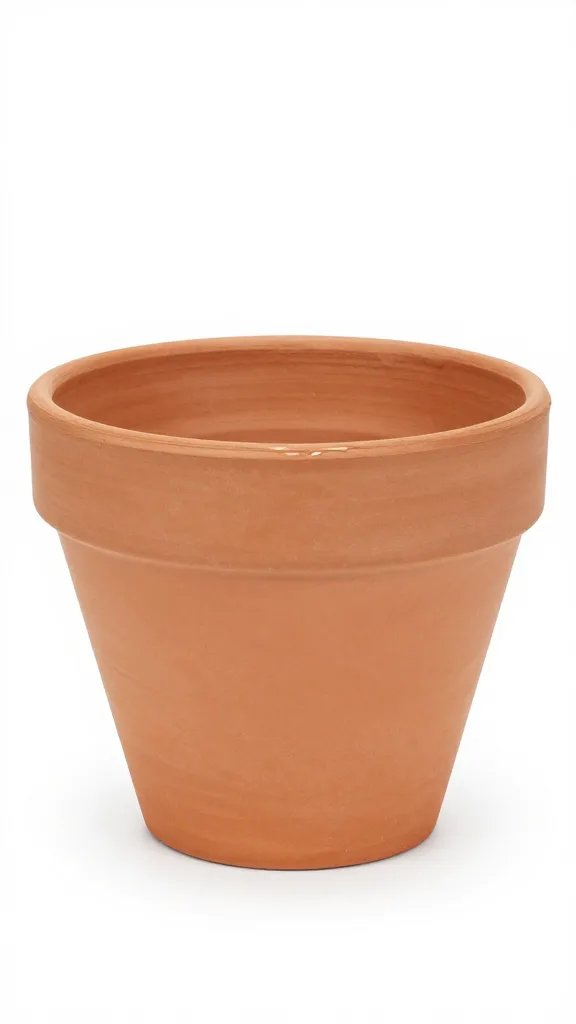
Different plants use water at different rates. I group by thirst and leaf type so I don’t overwater the wrong ones.
- Heavy drinkers: Tomatoes, peppers, cucumbers, petunias, coleus. Keep consistently moist; never allow complete dry-down.
- Moderate: Geraniums, marigolds, rosemary, thyme. Let the top 2–3 cm dry between waterings.
- Drought-tolerant: Sedums, lavender, succulents. Water deeply but less often; ensure gritty potting mix and strong drainage.
Warning Signs You’re Off-Track
- Under-watered: Droop at midday and morning, crisp leaf edges, pot feels hot and light.
- Over-watered: Yellowing lower leaves, mushrooms or algae on soil, pot feels heavy and cool all day.
- Hydrophobic mix: Water sheets off the surface, soil pulls from pot edges, dry pockets after watering.
Action today: Move heavy drinkers into the easiest-to-reach zone so they never miss the morning round.
Simple Tools and Add-Ons That Make Watering Easier
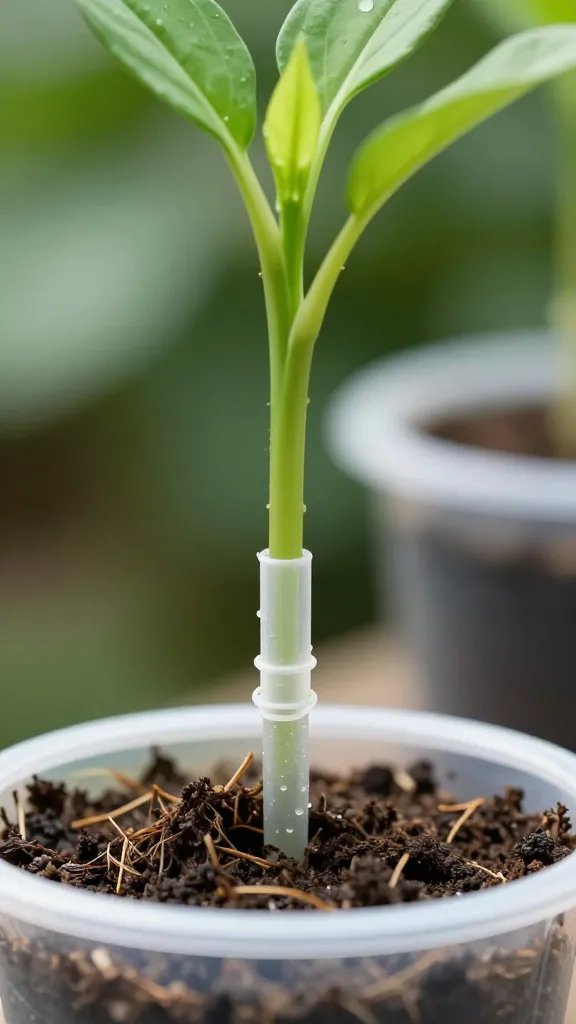
You don’t need fancy gear. A few basic items from a garden center or hardware store make a big difference in heat.
- Long-spout watering can for precise, slow pulses into dense foliage.
- Basic drip kit on a mechanical or battery timer for balconies or patios; run 20–40 minutes at dawn in heat, then check pot weight.
- Self-watering inserts or saucer reservoirs for 25–35 cm pots; keep the reservoir half-full, not brimming.
- Light-colored pot covers to reduce pot wall temperature by several degrees.
Action today: Add a cheap hose-end shutoff valve so you can pulse water without walking back to the tap.
Frequently Asked Questions
How do I know if I watered enough without a moisture meter?
Use the lift test and the drain check. After pulse watering, the pot should feel noticeably heavier and you should see a slow trickle from the drain holes for 10–20 seconds. After 10 minutes, press a finger 5 cm deep; it should feel cool and damp. If not, repeat a short pulse until it does.
My soil repels water in heat. How do I fix it?
Rehydrate in stages. Water in small pulses, wait a minute between pours, and gently poke several 10 cm holes with a chopstick to break channels. For a stubborn mix, add one small drop of mild dish soap to a 10-liter watering can once, then resume normal water. Top with 2–3 cm mulch to prevent it from drying to a crust again.
Is it safe to water in the middle of a hot day?
Yes, if a plant is wilting hard, water immediately. Aim at the soil, not sunlit leaves, and pour slowly so hot soil doesn’t shed the water. Follow up with a proper morning routine the next day. For recurring midday wilt, increase morning volume or add mulch and shade to the pot itself.
Can I leave water in saucers during heatwaves?
For thirsty annuals and vegetables, a small amount is fine during peak heat. Keep no more than 1–2 cm of water in the saucer and let it empty overnight to refresh oxygen in the root zone. For woody plants and succulents, empty saucers after each watering to prevent root rot.
Do self-watering pots stop evaporation problems?
They help by feeding from the bottom, but the surface still loses water in heat. Use the reservoir as designed and add a 2–3 cm mulch layer on top. Check and refill the reservoir daily during heatwaves, and flush from the top once every two weeks to prevent salt buildup.
How can I water when I’m away for a weekend?
Deep-water the morning you leave, then mulch if you haven’t already. Move pots into bright shade where possible, group them close, and set a basic drip kit on a simple timer for 20–40 minutes each dawn. For a no-hose option, use 2–3 cotton wicks from a bucket placed above pot level to feed the thirstiest containers.
Conclusion
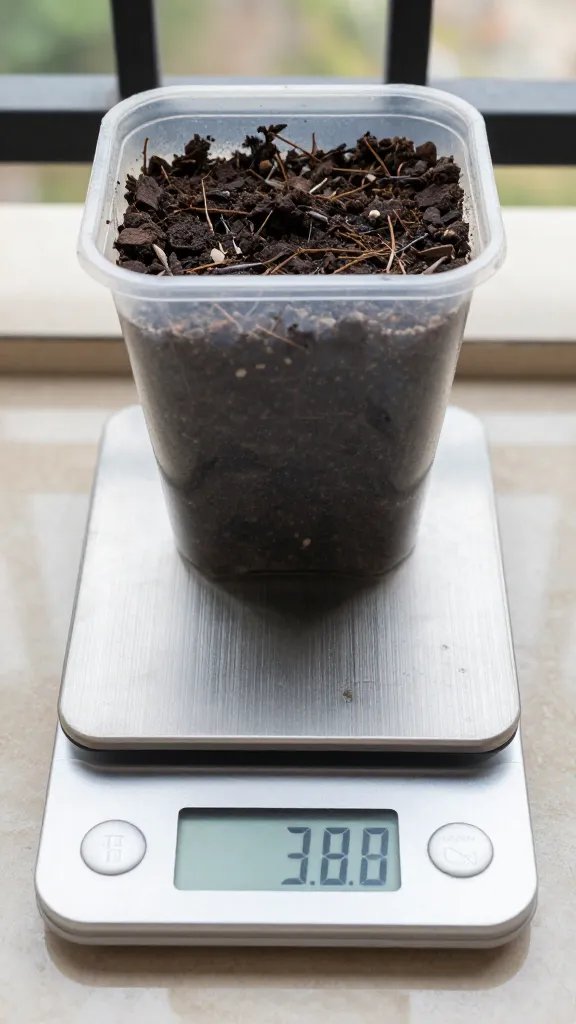
You now have a clear, repeatable plan: water by schedule, by pot size, and by measurable volume, then lock in moisture with mulch and shade. Start with tomorrow morning’s round, use the lift and drain checks, and adjust one variable at a time. When you see steady midday posture and cool, damp soil 5 cm down, you’ve nailed your summer routine — and your containers will show it every day of the heatwave.