Why Your Container Herbs Keep Dying — the Four Most Common Causes and How to Diagnose Each Revealed
I’ve cooked through more than one summer of sad, crispy basil and mystery-drooping mint on a balcony. The pattern was the same every time: great for two weeks, then a slow decline I couldn’t explain. Once I learned to read the containers like a checklist, my herbs stopped dying and started giving me handfuls of leaves on demand. Here’s the practical, no-gadget way to diagnose the four most common killers and fix them today.
Insufficient Light: Herbs Starve Without Strong Daily Sun
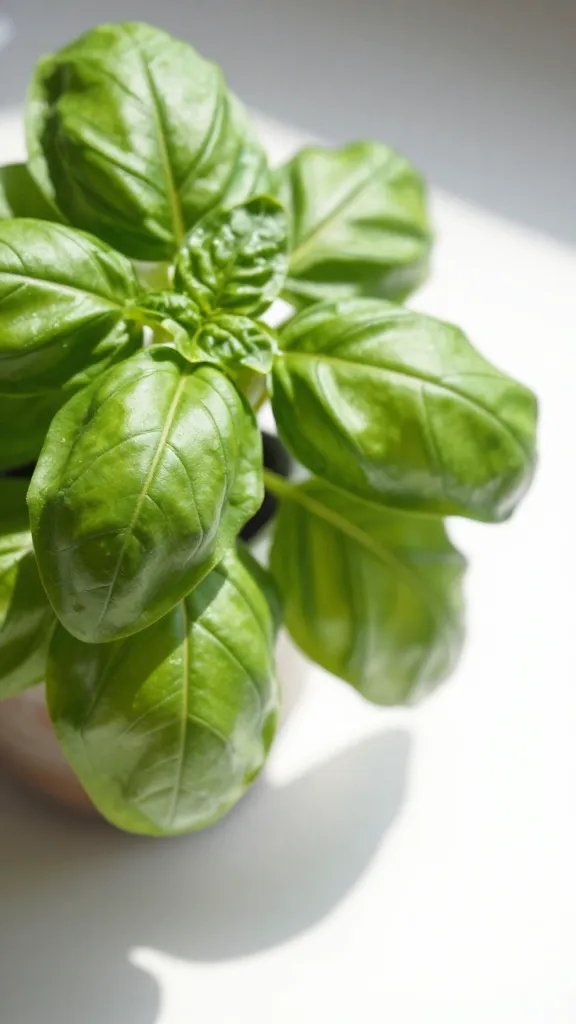
Most culinary herbs evolved in open, sunny spots. Indoors or on shaded balconies, they simply don’t get enough energy to grow new leaves.
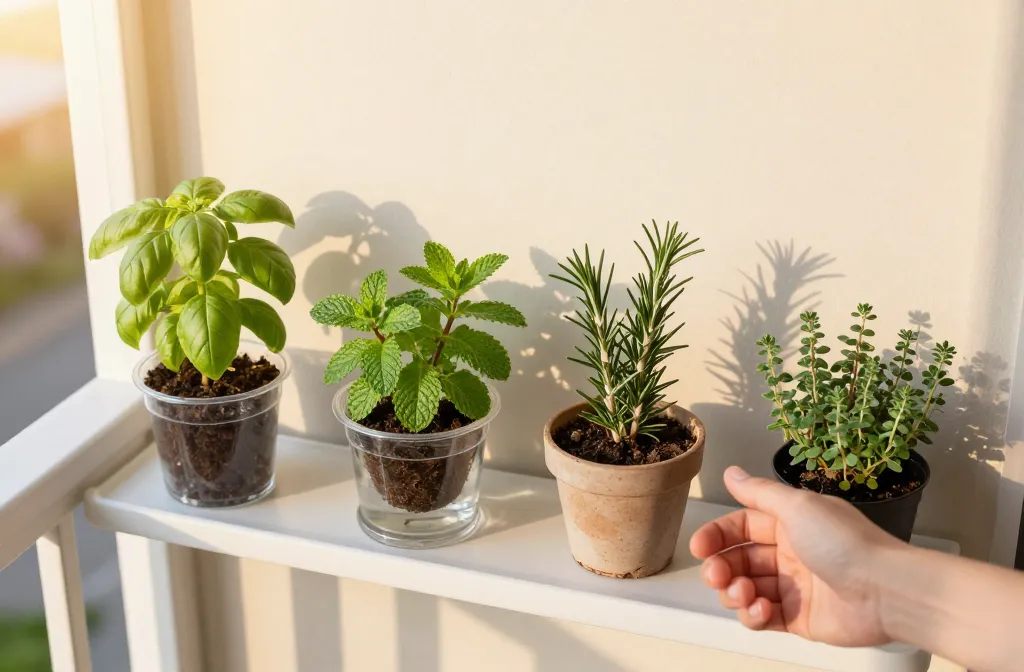
I test light with two simple checks. First, the shadow test: at midday, hold your hand over the plant — a crisp, well-defined shadow means strong light; a blurry shadow means weak light. Second, count the hours of sun that actually touch the leaves. Herbs like basil, rosemary, thyme, oregano, sage need 4–6+ hours of direct sun or a very bright south-facing window.
Warning Signs
- Leggy growth: long gaps between leaves, plants leaning toward the window.
- Pale new leaves and slow growth even when watered well.
- Weak flavor — leaves smell mild instead of punchy.
Step-by-Step Fix
- Move pots to the sunniest spot you have — south or west window, or the brightest balcony edge.
- Rotate the pot a quarter turn every 3–4 days so the plant grows upright.
- If indoors with weak sun, add a simple clamp light with a full-spectrum LED bulb hung 8–12 inches above the plants for 12–14 hours daily.
- Group herbs close together to reflect light onto each other, but keep leaves from touching to allow airflow.
Action today: Perform the shadow test at midday and move your herbs to the brightest spot that gives a crisp shadow.
Overwatering And Poor Drainage: Roots Drown Before Leaves Complain
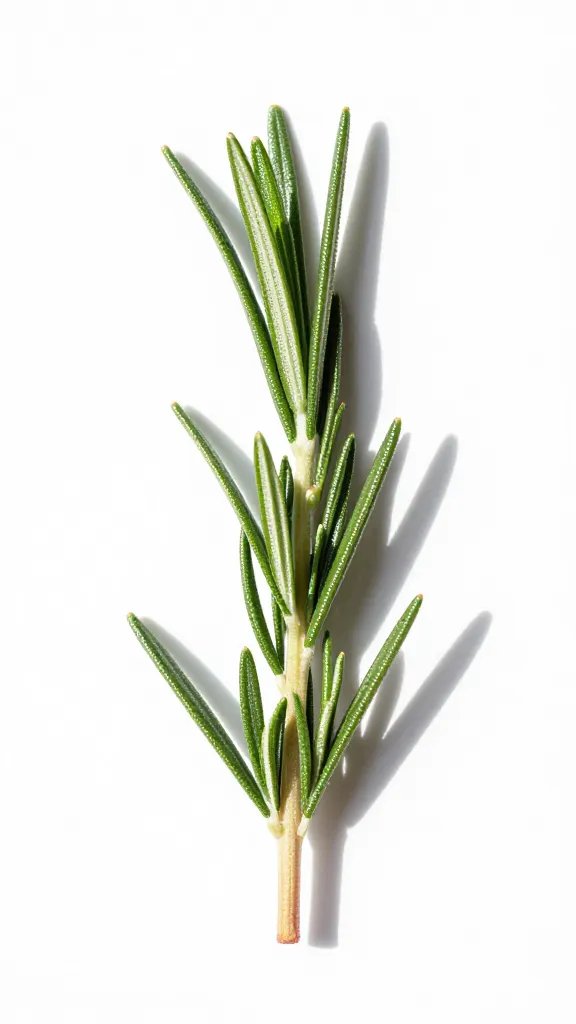
Containers turn small watering mistakes into big root problems. Most herb deaths I see come from wet feet, not thirst.
Every pot needs a drainage hole and a free-draining potting mix — not garden soil. Herbs hate sitting in saucers of water. If water takes more than 10 seconds to disappear after you pour, the mix is too dense or the hole is blocked.
Warning Signs
- Yellowing lower leaves and sudden droop that doesn’t recover overnight.
- Musty smell from the soil, fungus gnats hovering when you disturb the pot.
- Soil stays dark and cold to the touch for days.
Step-by-Step Fix
- Check the pot: confirm a hole at the bottom. If none, repot immediately into a container with a hole.
- Use a good quality all-purpose potting mix, not moisture-retentive “water saver” blends for herbs like rosemary and thyme. For these, mix in up to one-third perlite by volume.
- Water only when the top inch is dry. Press a finger in up to the first knuckle — if it feels cool or sticks, wait 24 hours and check again.
- After watering, empty the saucer within 10 minutes. Never leave pots standing in runoff.
Action today: Stick your finger one inch into the soil — if it’s damp, skip watering and set the pot on a folded towel for an hour to wick out excess.
Undersized Pots And Root Crowding: Too Little Soil, Too Many Problems
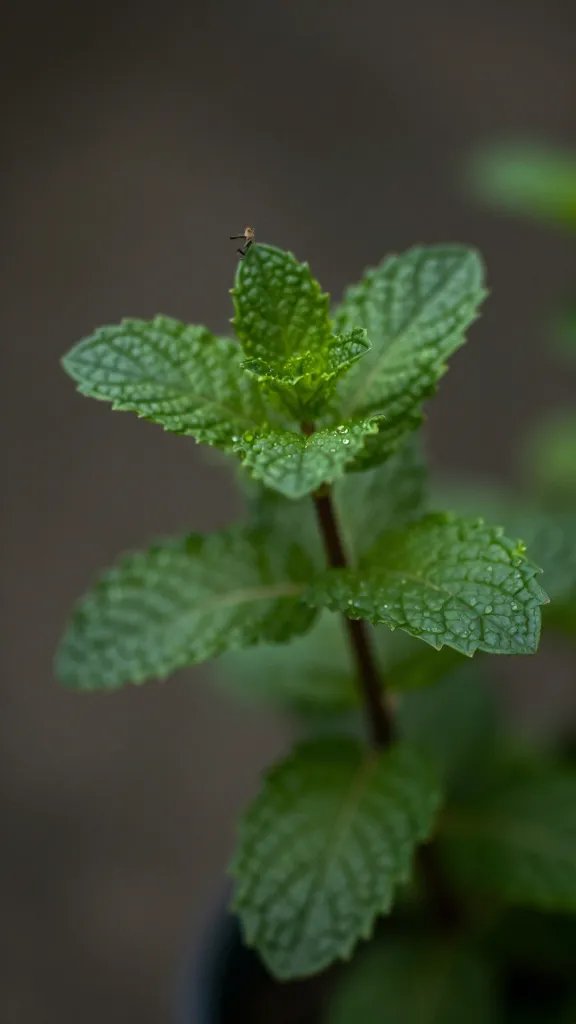
Grocery-store herbs often come crammed with multiple seedlings in a tiny sleeve. In small containers, soil dries too fast, fertilizer runs out in weeks, and roots overheat on hot days.
I treat new herbs like a rescue mission. I split the overcrowded clumps, give them room, and choose containers that match each herb’s root style.
Warning Signs
- Watering every day yet plants still wilt by late afternoon.
- Roots circling the pot or poking out the bottom.
- Poor growth despite decent light and reasonable watering.
Step-by-Step Fix
- Repot most herbs into 8–10 inch wide pots; larger (10–12 inch) for thirsty herbs like basil and mint.
- For supermarket basil, gently split the root mass into 3–4 clumps and plant each in its own pot.
- Use fresh, good quality potting mix and plant so the crown sits at the same height as before.
- Water thoroughly once, then let the top inch dry before the next watering.
Action today: Slide one plant out of its pot — if you see dense white roots wrapping the edge, plan a repot this weekend.
Nutrient And Water Rhythm: Feast-And-Famine Stresses Herbs
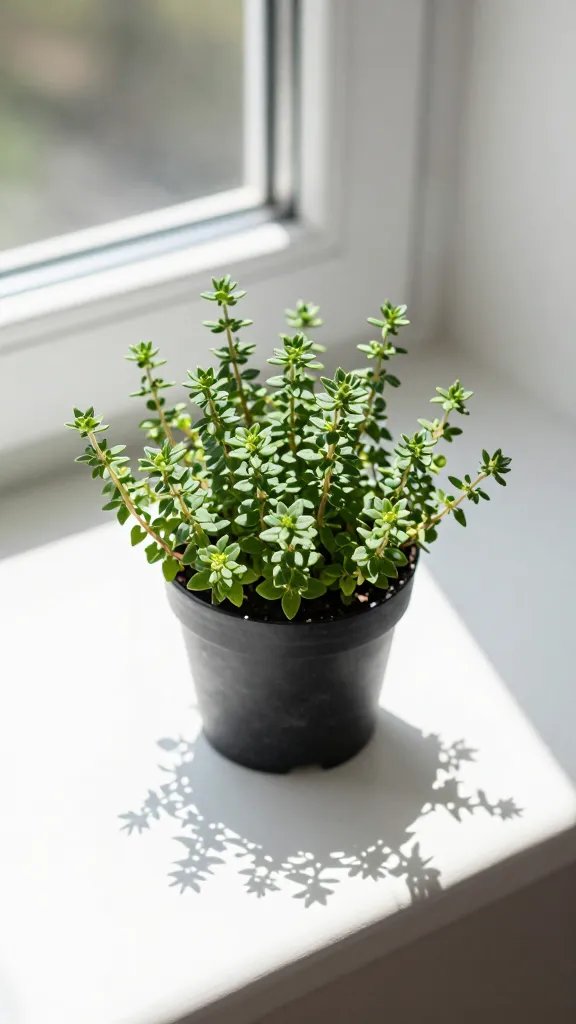
In containers, nutrients wash out fast and inconsistent watering swings stress tender growth. Herbs don’t need heavy feeding, but they do need a steady baseline.
I use a light, regular schedule and a simple watering rhythm. I never let the soil yo-yo from sopping wet to bone dry.
Warning Signs
- Pale leaves with green veins (especially on basil) or tiny new growth.
- Crispy edges after a hot day, followed by mushy stems after a heavy soaking.
- Flavor drops off and leaves bruise easily.
Step-by-Step Fix
- Feed every 2 weeks during active growth with a balanced liquid fertilizer at half strength. For organic, use a fish/seaweed blend per label, diluted.
- Establish a check routine: test soil with your finger every morning. Water deeply when the top inch is dry until water runs from the hole.
- Mulch the soil surface with a 0.5 inch layer of fine bark or coconut coir chips to slow evaporation outdoors.
- On heatwave days, move pots out of reflected heat from concrete or glass and water early morning.
Action today: Mix fertilizer at half strength and feed once after a thorough watering — set a phone reminder to repeat in 14 days.
Bonus Diagnostic: Species Mismatch — Treat Mediterranean And Moist-Lovers Differently
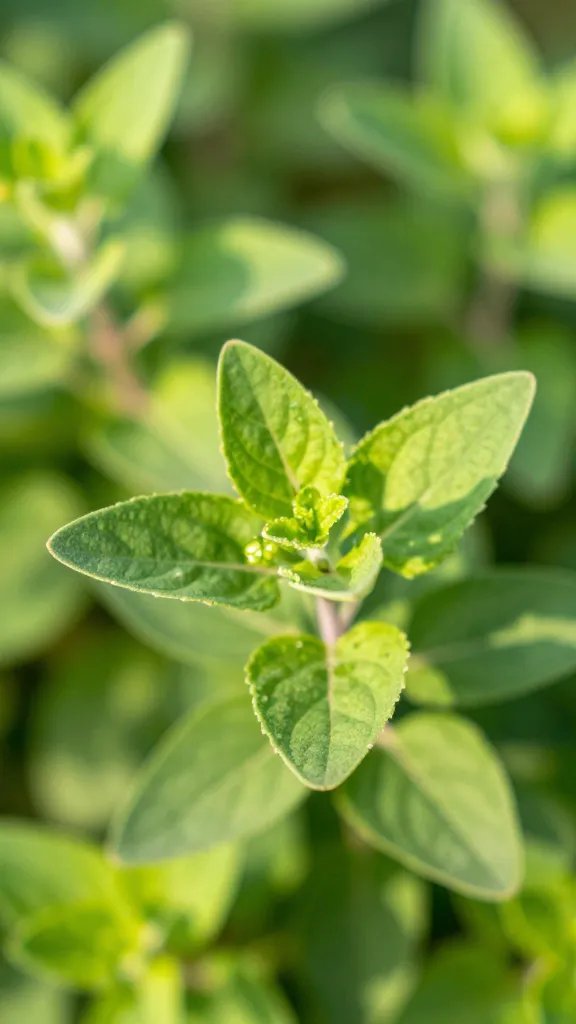
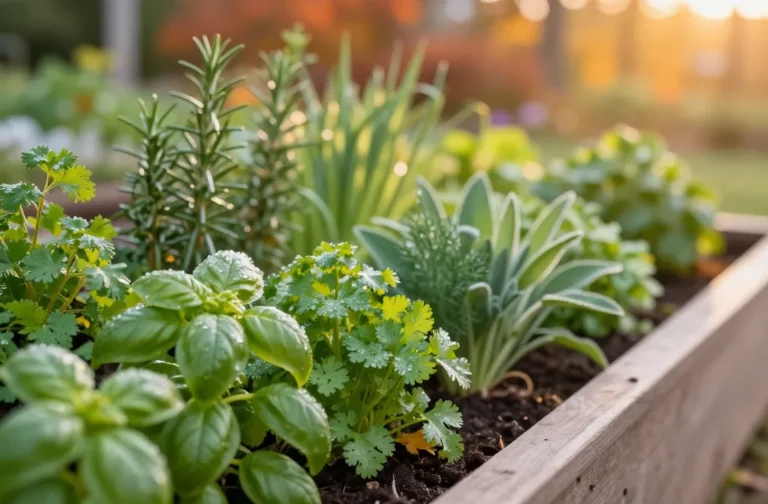
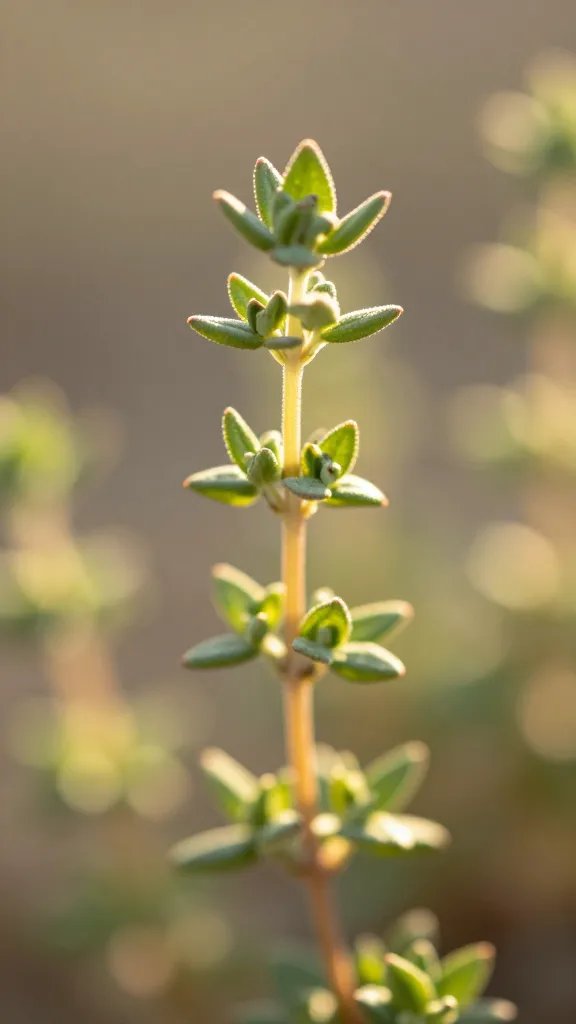
Not all herbs want the same life. Rosemary, thyme, oregano, sage prefer drier, airy mixes and full sun. Mint, parsley, cilantro, chives accept more moisture and a bit less sun.
When you group them, one side always suffers. I pot by “thirst and sun” rather than alphabetically.
Planting Groups That Work
- Dry, sunny pot: rosemary, thyme, oregano, sage.
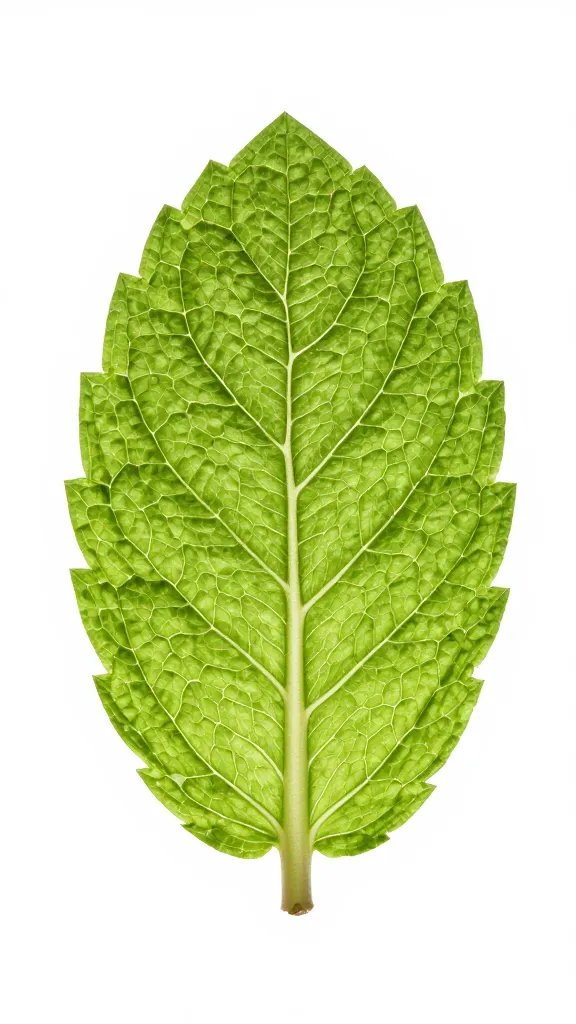
- Moist, moderate sun pot: mint (in its own pot to contain roots), parsley, chives.
- Quick turnover pot: basil and cilantro — replant every 6–8 weeks for best flavor.
Action today: Separate mint into its own pot and move Mediterranean herbs to the brightest, driest position you have.
How To Diagnose Fast: A 2-Minute Triage Flow
When a plant droops or stalls, I run this in order because it catches 90% of failures.
- Light check: Crisp shadow at midday? If not, move it.
- Drainage check: Hole present and saucer emptied? Fix if not.
- Soil moisture: Top inch dry before watering? Adjust rhythm.
- Pot size and roots: Pot at least 8 inches and not root-bound? Repot if crowded.
- Feeding: Last light feed within 2–3 weeks? Give half-strength today.
Action today: Run this triage on your worst-looking herb and change the first failing step you find.
Frequently Asked Questions
How often should I water container herbs?
Water when the top inch of soil feels dry, not on a calendar. In summer sun, that can be every 1–3 days; indoors, every 3–7 days. When you water, do it thoroughly until you see runoff, then empty the saucer. Skipping small sips prevents shallow roots.
Can I grow multiple herbs in one pot?
Yes, if their needs match. Keep Mediterranean herbs together and moisture-lovers together, and use at least a 12-inch wide pot for a mixed planting. Avoid mixing mint with anything else — it will overrun the container. Space plants so mature leaves don’t touch to maintain airflow.
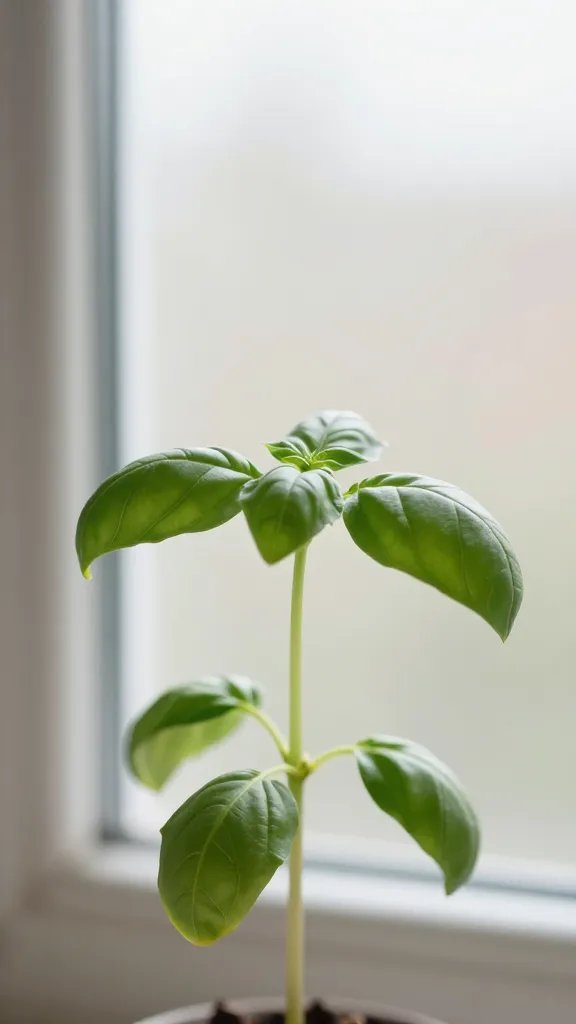
Why does my supermarket basil die after two weeks?
Those pots contain 20–30 seedlings crammed into dense soil under perfect greenhouse light. At home they compete for light and water, then crash. Split the clump into several plants, pot them individually in fresh mix, give 4–6 hours of direct sun, and feed lightly every two weeks.
Do herbs need fertilizer if I use fresh potting mix?
Yes, after about 4–6 weeks the built-in nutrients taper off. Use a balanced liquid feed at half strength every two weeks during active growth. Stop or reduce feeding in low light winter conditions to avoid weak, floppy growth. Always water first, then feed to protect roots.
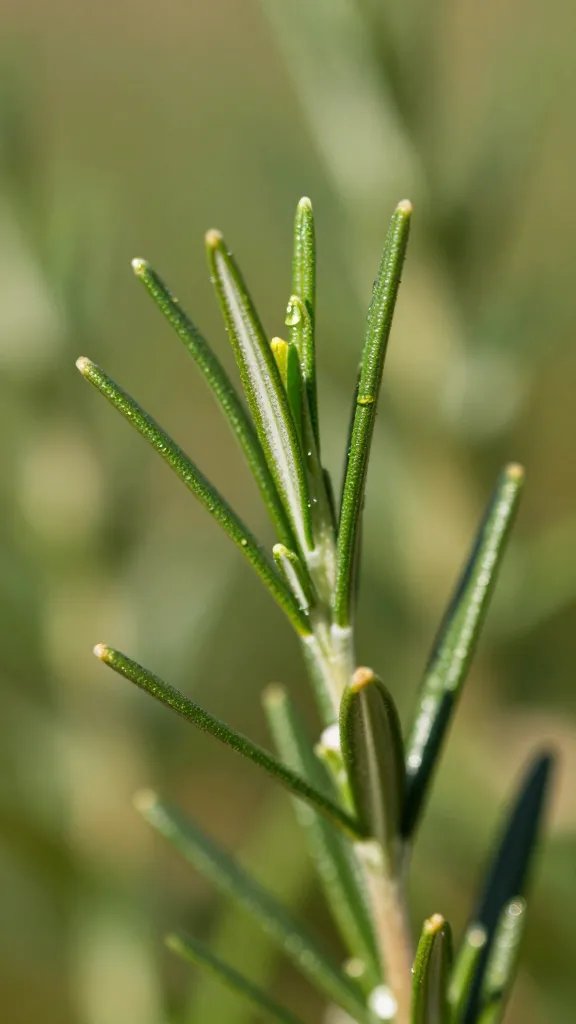
Why are the leaf tips turning brown on my rosemary?
That’s usually overwatering and poor airflow, not drought. Use a lighter mix with added perlite, let the top inch dry before watering, and keep it in strong sun with good air movement. Trim any dead tips and avoid misting — wet foliage invites fungal issues.
Can I grow herbs on a north-facing window?
Most culinary herbs will struggle there without help. Add a clamp light with a bright LED kept 8–12 inches above the plants for 12–14 hours daily. Alternatively, move the herbs to the brightest outdoor spot you have and rotate them indoors for harvests.
Conclusion
You don’t need special gear to keep container herbs alive — just a reliable routine and the right match of light, drainage, pot size, and steady care. Pick one struggling plant, run the triage, and make a single fix today. Once you see that plant rebound, repeat the process across your collection and then expand with confidence into new varieties that fit your light and watering rhythm.