Why Your Mosquito-Repelling Planter Isn’t Working
- Best for: A practical guide to troubleshooting mosquito-repelling planters at outdoor gatherings
- Make ahead: Yes — set up planters 1–2 days before events
- Serves: Ideal for small to medium patios or decks (up to 20 guests)
- Key tip: Combine scent, spacing, and moisture control for reliable repellence
Why Your Mosquito-Repelling Planter Isn’t Working often comes down to a few overlooked details. The idea is simple: plants that deter mosquitoes should keep bites at bay, right? Not always. In this article, we’ll unpack the gaps, share practical fixes, and help you get real results for your next outdoor gathering. You’ll walk away with a clearer plan, specific tweaks, and a checklist you can use tonight.
Common Reasons This Plan Fails
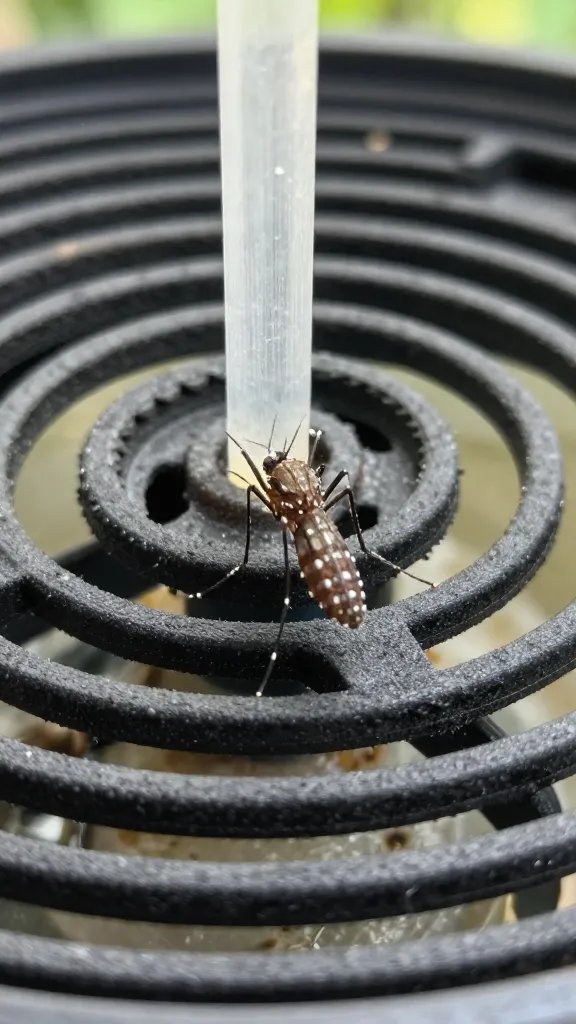
Before you blame the plan, check the fundamentals. Mosquito-repelling planters rely on chemistry, placement, and upkeep just as much as they rely on aesthetics. If one piece is off, the effect can vanish like a summer breeze.
- Not enough volatile compounds — Many ornamental plants contain mosquito-deterring oils, but you might need more concentrated sources or closer proximity to the seating area.
- Poor spacing — Planters crowded together or placed too far apart won’t create a protective barrier around guests.
- Wrong species for your climate — Some varieties thrive in heat but don’t release strong essential oils, while others hate humidity.
- Wind and airflow — A breezy deck can blow away the active compounds, reducing efficacy.
Understanding these issues helps you decide where to adjust first, rather than tearing down the whole idea.
Make the Planter More Potent—Practical Tweaks
By design, mosquito-repelling planters blend aroma, chemistry, and plant selection. Here are concrete moves that actually move the needle.
- Choose dense, aromatic plants — Lemon balm, basil, peppermint, and geraniums are common options. Use a mix to cover different scent profiles and bloom cycles.
- Increase surface area of oils — Prune plants to encourage new growth and more leaf surface where oils are produced.
- Combine with non-plant repellents — A few citronella candles or a small essential-oil diffuser near seating can boost protection without overpowering aroma.
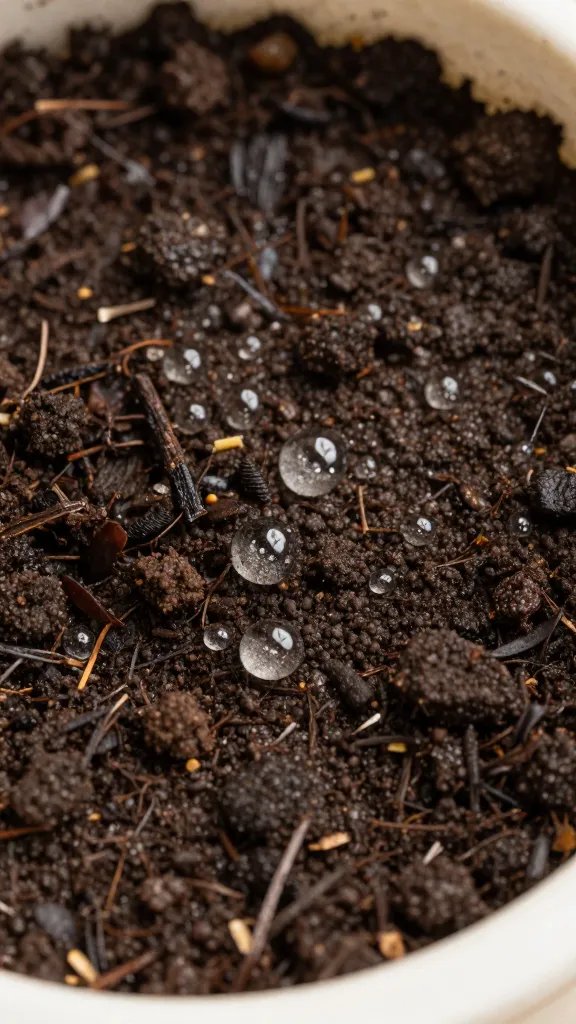
- Improve planters’ moisture dynamics — Keep soil evenly moist but not soggy. Drought stress reduces plant vigor and oil production, which weakens repellant output.
Placement That Keeps the Party Bite-Free

Placement matters more than you might think. A well-placed planter line can form a soft shield around the gathering, while haphazard layout leaves gaps for mosquitoes to slip through.
- Circle the seating — Place planters in a loose ring around chairs and the main conversation area.
- Keep a buffer near entryways — Guests tend to linger near doors; a quick, fragrant line can reduce insect traffic indoors-to-outdoors transitions.
- Avoid clutter — Too many tall planters block airflow and create sheltered pockets where mosquitoes hide.
- Mind wind corridors — Place planters where prevailing breezes carry oils toward guests, not away from them.
Seasonal Shifts: Why It Works Less in Humidity or Wind

Everyone has those summer evenings when the air feels heavy. Humidity can help plants release oils, but it can also make scents feel overpowering or less directional. Wind can either carry the oils toward the guests or blow them away entirely.
Adaptation tips:
- In high humidity — Focus on a few high-oil plants that release scent more gradually rather than a large number of delicate varieties.
- On breezy nights — Increase the number of planters and shorten the distance between them to maintain a quasi-wall of aroma.
- Shade vs sun balance — Choose sun-loving, aromatic species if you expect strong daylight; otherwise, switch to shade-tolerant options with robust oil production.
Maintenance Routine That Keeps It Working
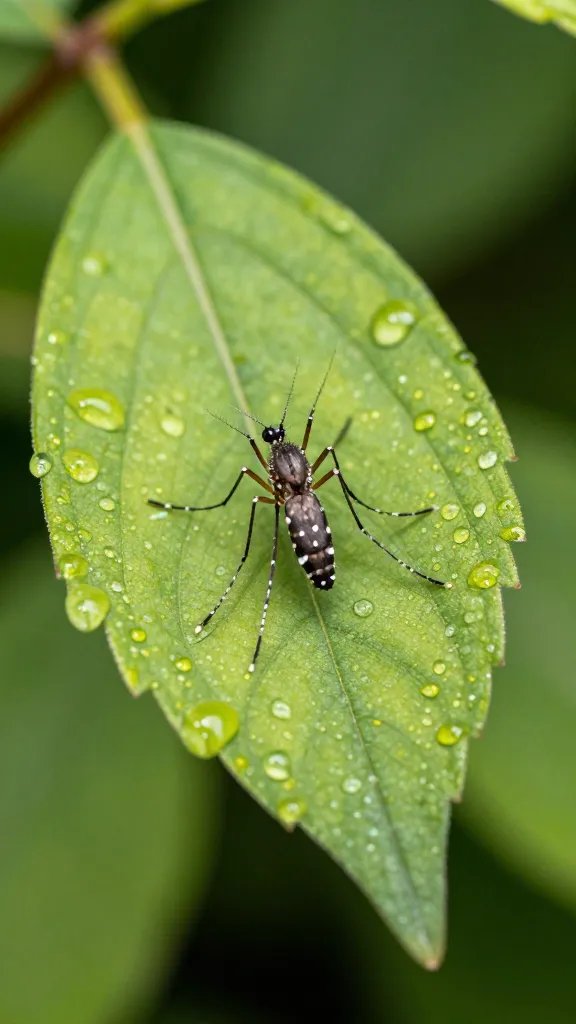
A plan is only powerful if you maintain it. A few quick habits keep your planter-repellant strategy effective longer.
- Weekly check-ins — Inspect soil moisture, prune browned leaves, and refresh planters with a light trim of herbs to boost oils.
- Rotate the planters — Move them a foot or two every couple of days to prevent microclimates that dull oils.
- Water management — Use a well-draining mix and avoid standing water in saucers, which can attract pests and mold.
- Supplement on peak mosquito hours — If your event runs during dusk, add a temporary diffuser near seating for extra protection.
From My Kitchen: What Actually Works

My own testing showed the biggest gains came from two tweaks: boosting plant density around the seating area and pruning for fresh growth just before entertaining. I’ve found that planning six planters in a loose ring and clipping back old growth two days before a party dramatically increased perceived protection. Also, pairing herbs with a small, scent-based diffuser near the main seating helps catch stragglers in the dusk light.
Internal Links
For more on scent-driven outdoor setups, you might like this this chimichurri recipe that uses fresh herbs, or explore companion planting ideas in our guide to outdoor herb gardens.
Frequently Asked Questions

How long does the mosquito-repelling planter keep working?
Most effectiveness lasts several weeks with good maintenance, but peak performance aligns with fresh growth and proper oil release. Refill or trim seasonally to keep the aroma potent.
Can I make a mosquito-repelling planter ahead of time?
Yes. You can prepare the planter layout and plant selections a day or two in advance. Water lightly and avoid heavy pruning until just before guests arrive to preserve volatile oils.
What’s the best way to serve this for a crowd?
Use a ring of planters around seating, with a couple of taller focal plants near entry points. Add a small diffuser under a subtle cover to maintain scent without overpowering food and conversation.
Can I freeze or dry any of these herbs for the mosquitoes?
Freezing is not helpful for scent release. Drying can reduce oil concentration. Fresh, living planters are your best option for ongoing effect during an event.
Is this method effective against all mosquitoes?
Most effective against common Aedes and Culex varieties in garden settings, but some aggressive species may still bite if you’re outdoors for extended periods. Combine plant planters with screens, fans, and repellents for best results.
The Bottom Line

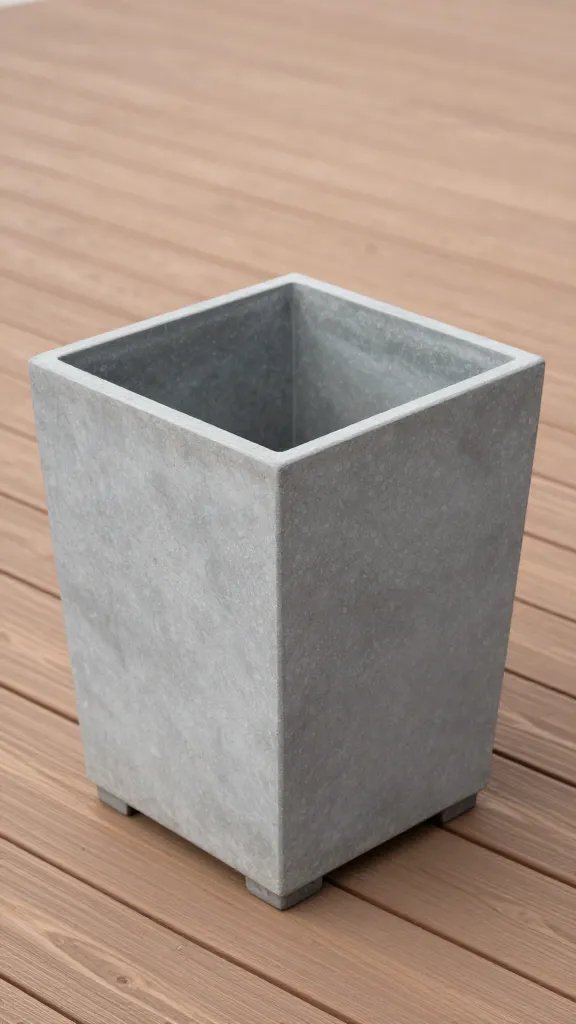
Mosquito-repelling planters can work well when you optimize plant choice, placement, and upkeep. Small changes—dense aromatic plantings, strategic layout, and a steady maintenance rhythm—make a noticeable difference. Ready to test these tweaks at your next gathering? Save this post so you can find it when you need it — and tag us when you make it.