5 Mistakes That Make Your Pest-Repelling Plants Useless
- Best for: Gardening hobbyists looking to maximize their pest-repellent strategies
- Make ahead: No; best used as live plant choices, adjusted in real time
- Serves: 1 garden bed or container cluster
- Key tip: Pair plants with proper placement and maintenance to unlock true pest protection
When you plant pest-repelling favorites, the last thing you want is a thicket of foliage that attracts pests or wastes space. 5 Mistakes That Make Your Pest-Repelling Plants Useless dives into the missteps that quietly sabotage your garden’s natural defenses. You’ll learn practical fixes and simple tweaks that actually work in real gardens, not just in theory. By the end, you’ll know how to choose, place, and care for plants that genuinely deter pests—and keep beneficial insects happy.
1) Planting in the wrong spot
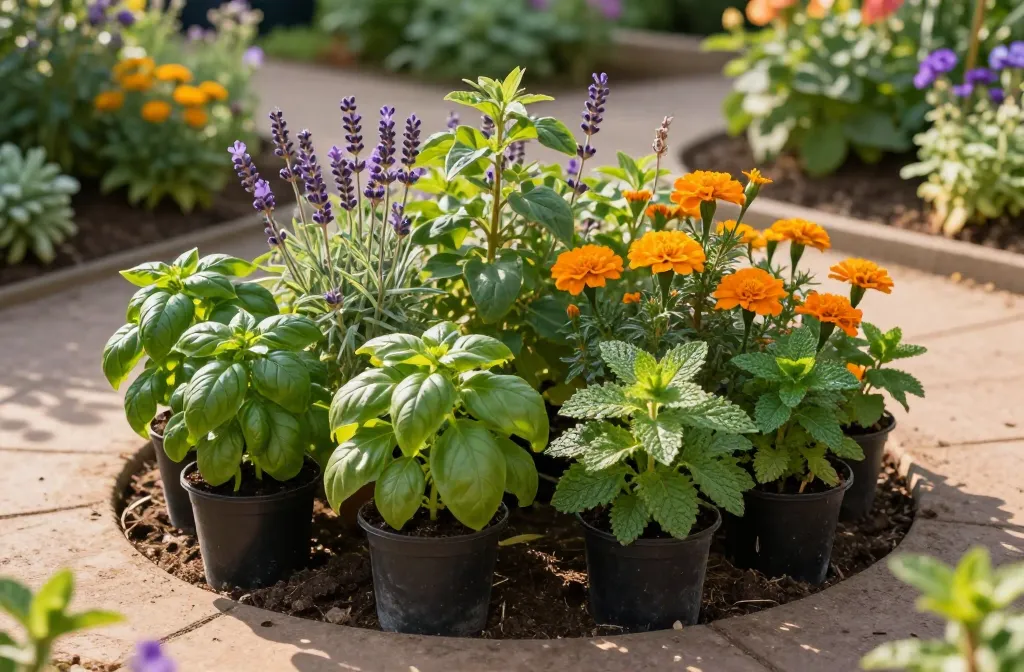
Location matters more than most people realize. Pest-repelling plants like basil, lavender, or marigolds aren’t just pretty decorations—they need the right light, air circulation, and proximity to problem areas to work. If you tuck them into the shade or jam them behind a towering tree, they won’t emit the compounds or attract beneficials the way they should.
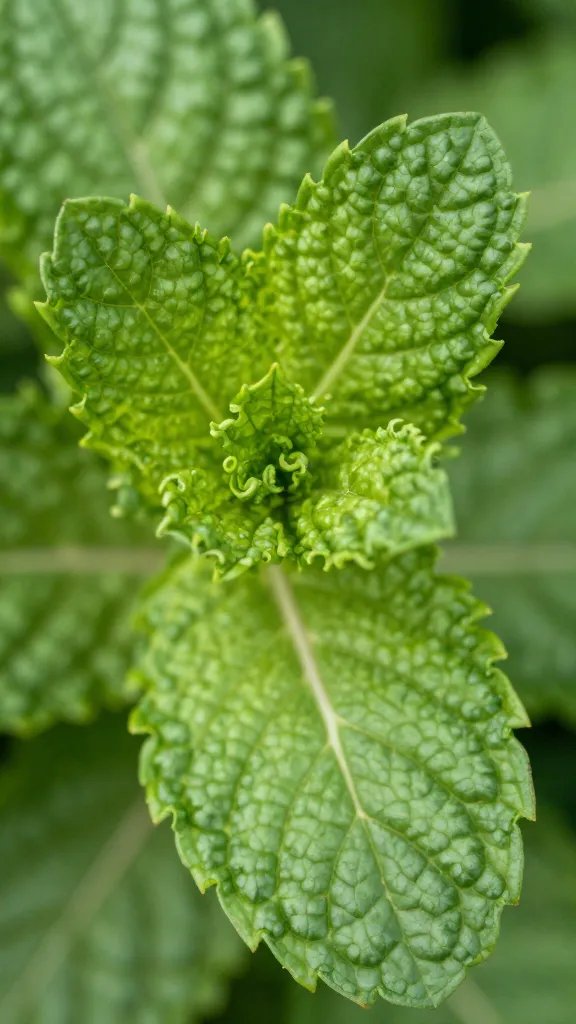
- Place mint and basil near entry points and along pathways to deter flies and ants.
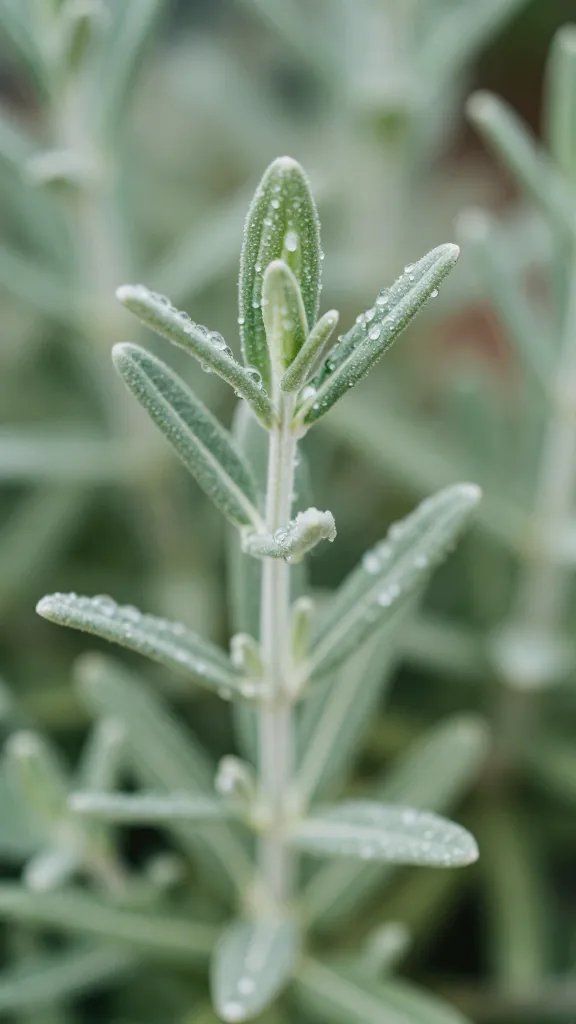
- Put lavender in sunny spots with good airflow to maximize aroma release and pollinator support.
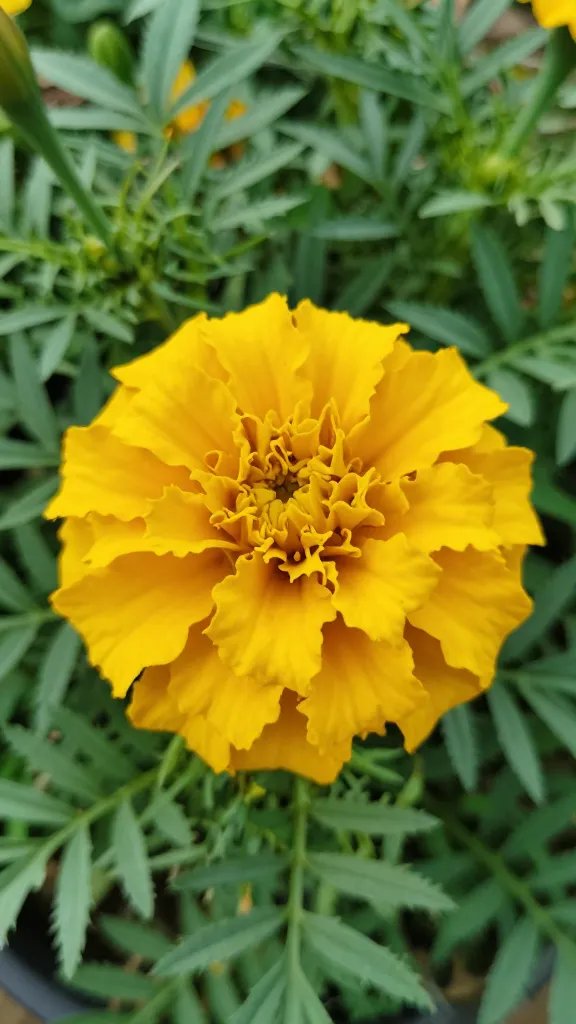
- Avoid planting marigolds directly against walls where humidity traps can promote diseases.
Quick fix: Reevaluate your bed layout this weekend. Move a few clumps to sunnier, breathable spots and keep a couple around corners where pests tend to congregate. Small shifts can yield big differences in pest pressure.
2) Overcrowding and poor airflow
Crowded plants breed problems. When you squeeze too many pest-repelling plants into a tight space, leaves bruise easily, airflow drops, and humidity climbs. This creates a friendly environment for fungal diseases and defeats the plant’s natural repellent signals.
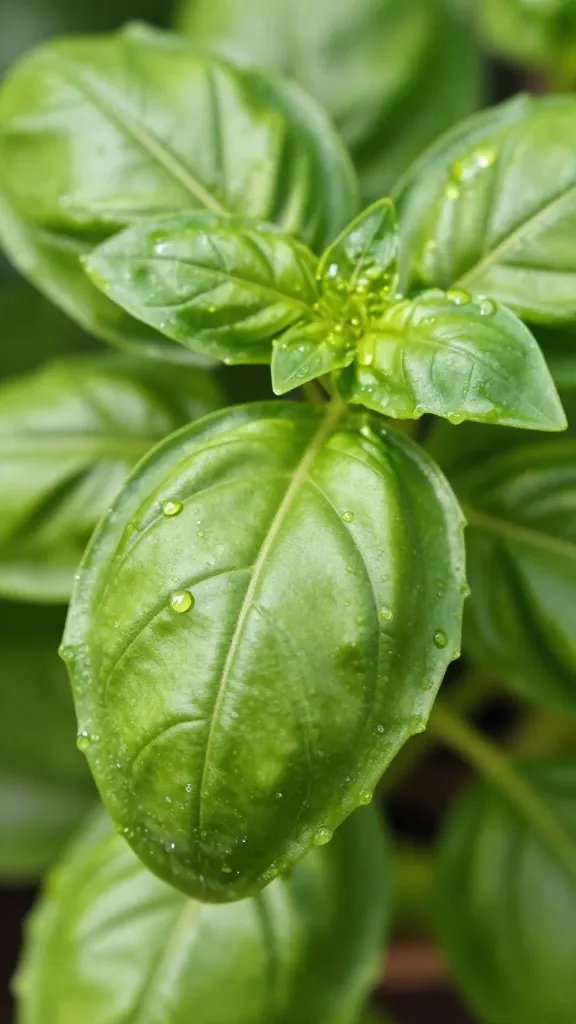
- Space basil plants 12–18 inches apart.
- Give lavender at least 2–3 feet of width to promote airflow and essential oil dispersal.
- Reserve tight clusters for small containers; in beds, mix varieties with different mature sizes to avoid crowding.
Healthy spacing isn’t just about looks—it helps essential oils, scents, and volatile compounds reach the air where pests wind up. The result is stronger deterrence and healthier plants.
3) Ignoring soil health and watering needs

Soil is the foundation. Even pest-repellent champions suffer when soil is depleted or oddly wet. Poor nutrition dulls plant defenses, and inconsistent watering can cause stress that makes pests opportunistic rather than repelled.
- Test soil and amend with compost to improve structure and microbial life.
- Water deeply but infrequently to encourage deep roots and steady essential oil production.
- Mulch to regulate moisture and suppress weed growth that competes for nutrients.
When your plants stay healthy, they produce stronger scents and oils that pests dislike, which translates to better performance as a natural barrier.
4) Relying on a single pest-repellent plant
Monoculture is a trap. If you plant just one type of repellent, pests learn to ignore it or quickly adapt. A diverse mix of pest-deterrent species creates a multi-layered defense that pests find confusing and less appealing.
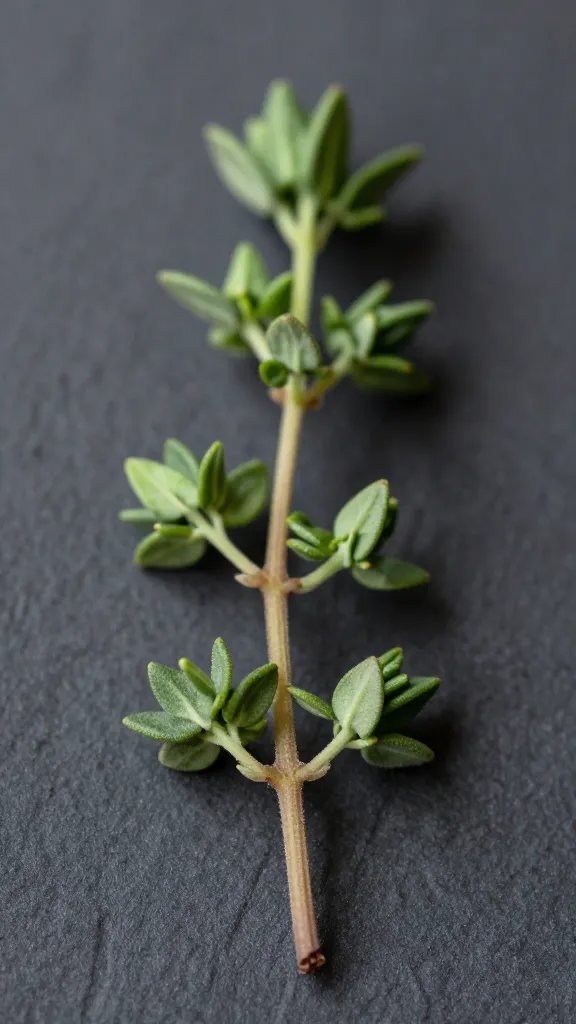
- Combine sweet basil, thyme, rosemary, and marigolds in adjacent beds to target a broader pest spectrum.
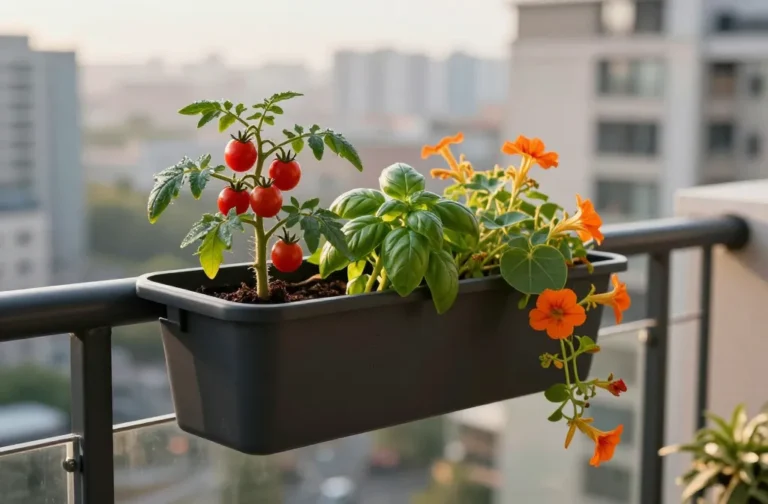
- Place a small cluster of nasturtiums near tomatoes to deter aphids and beetles.
- Interplant with flowers that attract beneficial insects, like dill for parasitic wasps or calendula for general predation.
How many is enough? A balanced mix across your planting area is more effective than a single patch. Aim for a varied palette that looks intentional and benefits all around.
5) Not adjusting strategy with the season
Pest pressure shifts with the calendar. What works in spring might be less effective in mid-summer or after a wet spell. If you keep the same configuration and care routine year-round, you’ll miss timely opportunities to optimize protection.
- Reassess plant heights, bloom times, and scent strength as the season changes.
- Refresh mulch and prune spent blooms to maintain airflow and energy for new growth.
- Rotate beds or swap in seasonal pest-deterrent allies like cilantro for pests active in late summer.
Seasonal adjustments keep your pest-deterrent strategy fresh and effective, rather than a stale backdrop to the garden’s daily drama.
From My Kitchen: What Actually Works
I’ve found that keeping a diverse, well-spaced mix and maintaining soil health makes the biggest difference. The biggest mistake I see with this approach is neglecting to adjust for seasonality—once I shifted to a rotating mix managed by light, moisture, and bloom timing, pest issues dropped noticeably. I also learned to prune strategically; removing older growth helps new oils and scents develop more quickly. Finally, I test soil regularly and feed compost rather than chemical shortcuts—the plants respond with stronger resilience and longer-lasting deterrence.
Internal Links
For more on edible gardening and aroma-driven deterrents, check out this this chimichurri recipe and explore how companion planting boosts overall garden health with guidance from this pollinator-friendly planting guide.
Frequently Asked Questions
How long does pest-repellent planting keep working in the garden?
Most herb and flower allies stay effective for a season or two, but their potency can wane with heat, drought, or heavy rainfall. Rotate and refresh plantings to maintain deterrence, and replace worn-out specimens as needed.
Can I make pest-repellent planting strategies ahead of time?
You can plan and prepare—choose a varied mix, procure healthy starts, and map out bed layouts ahead of time. Live plant changes are easiest to implement at the start of a season or between crops.
What’s the best way to serve pest-repellent plants for a crowd?
Offer a small, decorative herb garden or container group near entryways and outdoor dining spaces. This not only deters pests but provides fresh culinary options for guests in a visually appealing setup.
Can I freeze pest-repellent plants or herb blends for later use?
Some herbs freeze well (like basil in ice cubes), but the pest-deterring oils are best released fresh. Use preserved greens mainly for cooking, and keep the live plants healthy for ongoing deterrence.
How long do recommendations for pest-deterring plants stay relevant?
Principles stay useful, but specific plant choices and spacing should adapt to your climate, pest pressures, and season. Regular assessment keeps your strategy effective.
The Bottom Line
Your pest-repelling plants are only as good as how you care for them. Tidy spacing, diverse selections, and season-aware maintenance turn natural defenses into real garden protection. Ready to try a smarter mix? Save this post so you can find it when you need it — and tag us when you make it.
Planning to try this? Save this post so you can find it when you need it — and tag us when you make it.