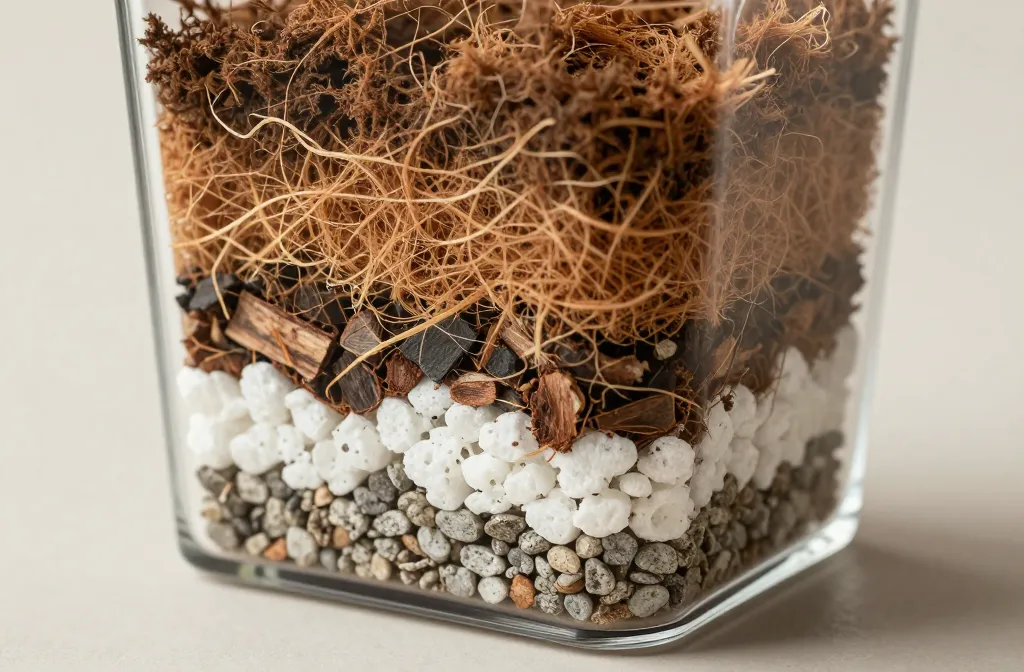
What’s Really Inside Good Potting Soil — a Cross-Section of What Each Component Does Unpacked
When I moved my plants into “premium” mix and they still sulked, I cut open a bag to see what I was actually paying for. The ingredients looked like trail mix: bits that held water, bits that drained, and crumbs that fed the roots. Once I understood what each piece did, I stopped guessing and started choosing the right bag — and my repot days stopped ending with droopy leaves.
In this guide I’ll show you exactly what’s inside good potting soil, why each component matters, and how to match a mix to your plants using only what you can grab at a garden centre. You’ll leave knowing how to pick, tweak, and troubleshoot your soil with confidence.
The Base: Peat, Coir, or Compost — What Actually Holds Moisture
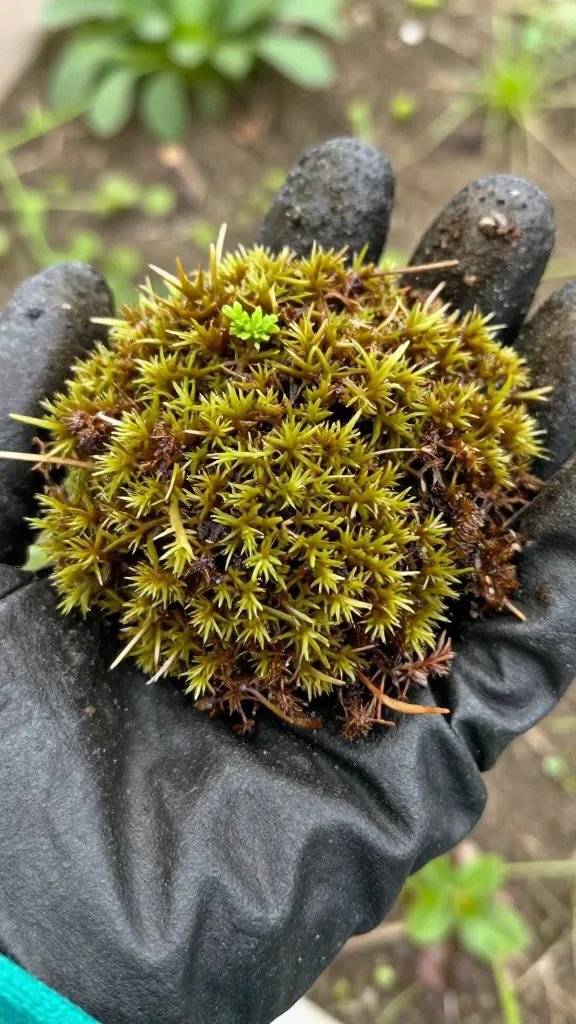
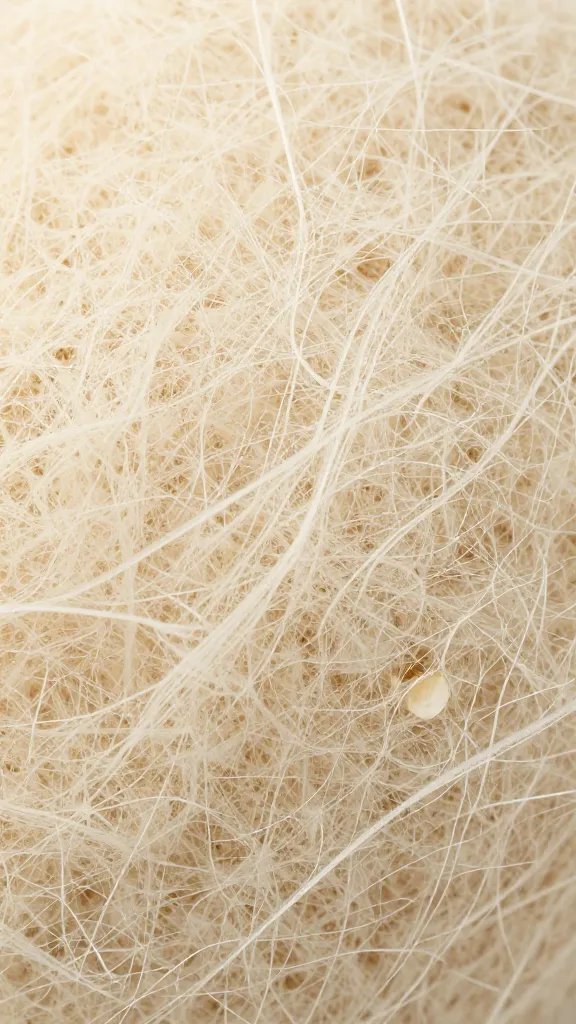
The sponge of most mixes is either peat moss, coconut coir, or a bit of composted bark/compost. This part stores water between waterings and keeps roots surrounded by air-filled pores.
Peat holds water well and feels springy when hydrated, but it repels water if bone-dry. Coir wets faster, stays fluffy longer, and is easier to rehydrate from dry. Compost or fine bark adds biology and micronutrients but can compact if overused in pots.
Warning signs
- Water runs straight through: base is dry and hydrophobic (often peat). Pre-wet before potting.
- Soil stays wet for 7+ days: base percentage too high or pot too large for the plant.
Action today: Squeeze a handful of your potting mix when moistened — aim for a clump that holds together but breaks with a tap. If it oozes water, cut it with drainage materials; if it won’t clump at all, add more base.
The Drainage Crew: Perlite, Pumice, and Bark Keep Roots Breathing
Roots drown in mud, not just from water but from lack of oxygen. Perlite (white popcorn bits), pumice (heavier volcanic rock), and orchid/pine bark create permanent air pockets so water can move and roots can breathe.
I use perlite when I need lightness and quick drainage, pumice when I want weight so tall plants don’t topple, and fine bark for a longer-lasting structure in mixes for aroids and orchids.
Quick ratios by plant type
- Leafy tropicals (pothos, philodendron): 60% base, 30% perlite/pumice, 10% bark.
- Succulents/cacti: 40% base, 40% pumice/perlite, 20% coarse sand or bark.
- Herbs/edibles in pots: 55% base, 25% perlite, 20% compost.
Action today: If your plant takes more than 5 seconds to drain after watering, fold in a few handfuls of perlite or pumice on the next repot to open the mix.
The Water Regulators: Vermiculite and Clay Control Swings
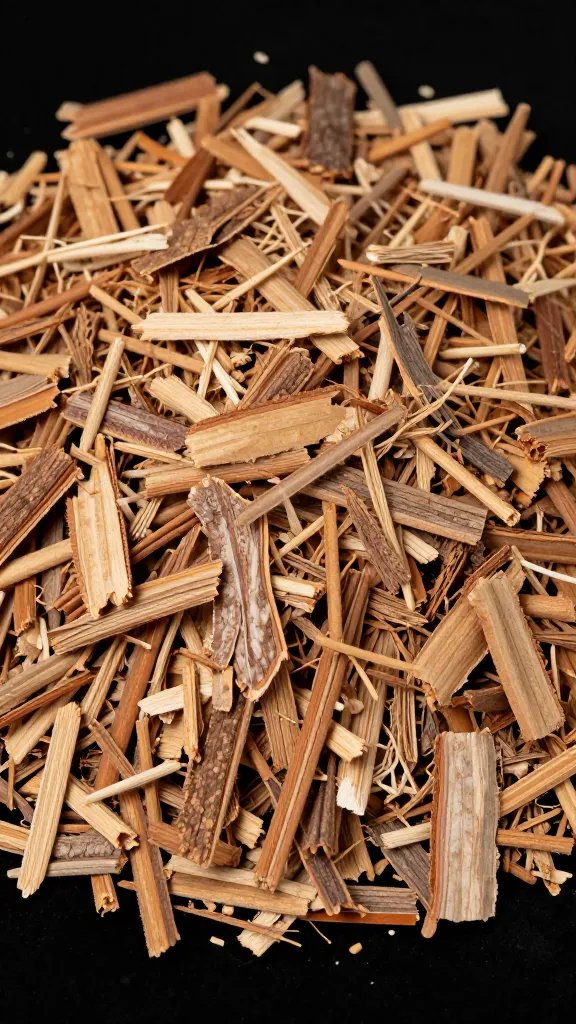
Vermiculite looks like gold flakes. It soaks up water and releases it slowly, useful for seedlings and thirsty herbs. Calcined clay (sold as soil conditioner or oil-absorbent in automotive aisles; confirm it’s fired, not raw) buffers moisture and keeps texture open over time.
I avoid overdoing vermiculite in houseplants because it can hold too much water. Clay works well to stabilize mixes in warm, dry apartments where pots dry unevenly.
Action today: For plants that droop between waterings, blend a small scoop of vermiculite into the top 2-3 cm of soil and water — it evens out the wet-dry cycle.
<h2:Nutrients and Biology: Compost, Slow-Release Fertiliser, and Microbes
Fresh potting mixes often include a slow-release fertiliser (yellow/green beads) and a little compost for micronutrients. These cover the first 2–3 months; after that, nutrition dips unless you feed.
I like a balanced, gentle granular slow-release for indoor plants and supplement with liquid feed every 2–4 weeks in the growing season. If your bag lists “beneficial microbes” or “mycorrhizae,” treat it as a nice bonus, not a cure-all.
Warning signs of nutrient issues
- Pale new leaves with green veins: likely iron or general deficiency — start feeding.
- Leaf tip burn on brand-new repots: too much fertiliser near roots — flush once with plain water.
Action today: Check your mix bag for fertiliser beads. If none listed and your plant has been potted 8+ weeks, start a half-strength liquid feed on your next watering.
The Texture Tuners: Sand, Grit, and Fiber Size Matter
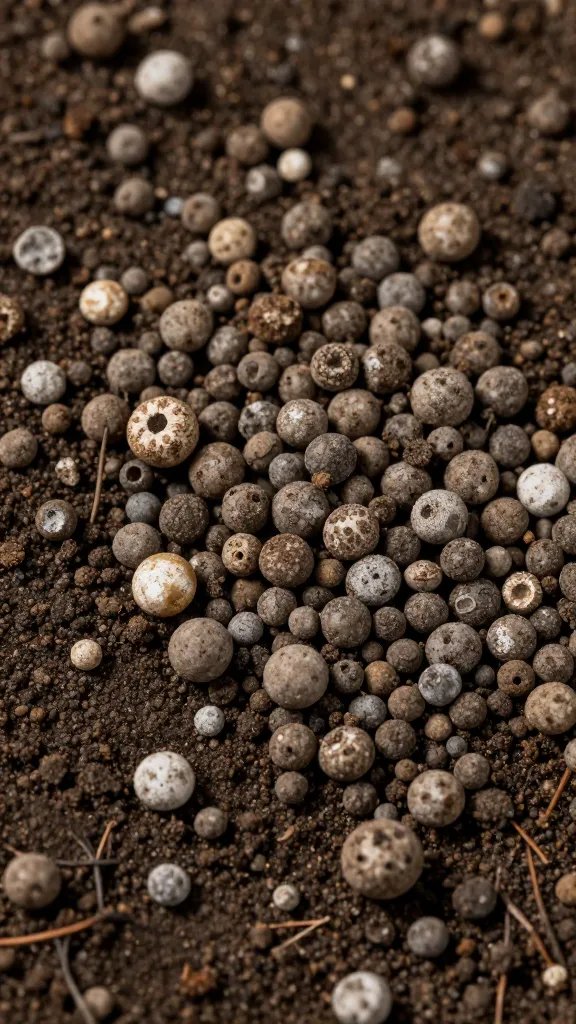
Not all “sand” helps. Play sand is too fine and compacts; horticultural sand or grit has larger grains that improve drainage. Chunky bark and coarse coir chips create channels that water can follow out of the pot.
For succulents, I replace fine peat with coarse materials so the mix never turns pudding-like. For moisture lovers like ferns, I keep textures fine but still airy with perlite so the root zone never goes stale.
Action today: Rub a pinch of your mix between fingers. If it feels smooth like flour, add coarse grit or bark at repot to prevent compaction.
Moisture Management Add-Ons: Wetting Agents and Biochar
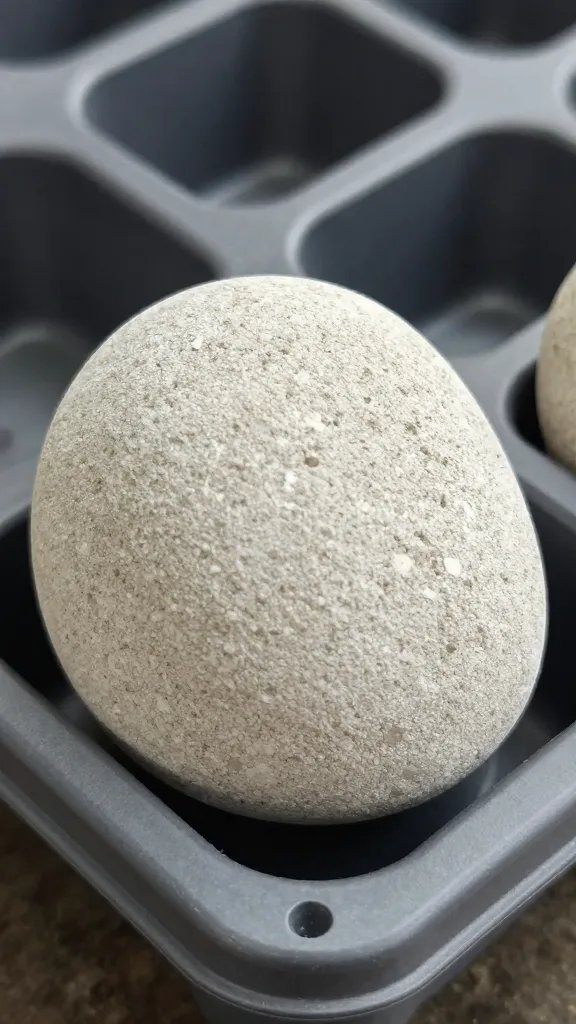
Some bags include a wetting agent to help dry peat accept water. It fades after weeks, so always pre-wet dry mixes before use. Biochar (charcoal for soil, not barbecue briquettes) adds long-term pore space and holds nutrients where roots can access them.
I mix a small handful of biochar per small pot when I want more forgiveness with watering and feeding. It doesn’t fix poor drainage, but it supports a healthier root environment.
Action today: If your mix beads water on top, stir in warm water in a bowl until uniformly damp before potting — you fix hydrophobic peat before it becomes a problem.
Matching Mix to Pot and Watering Style
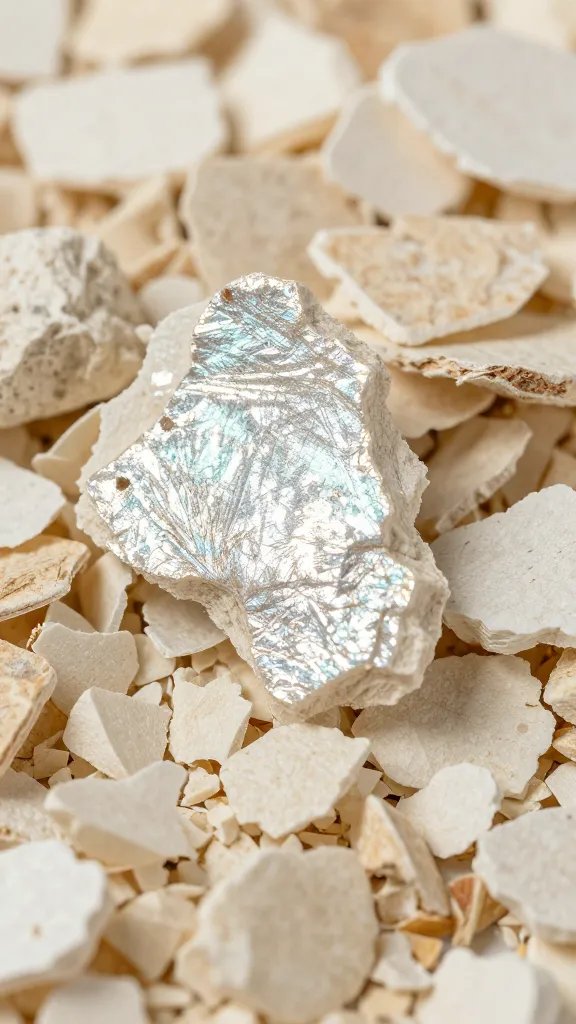
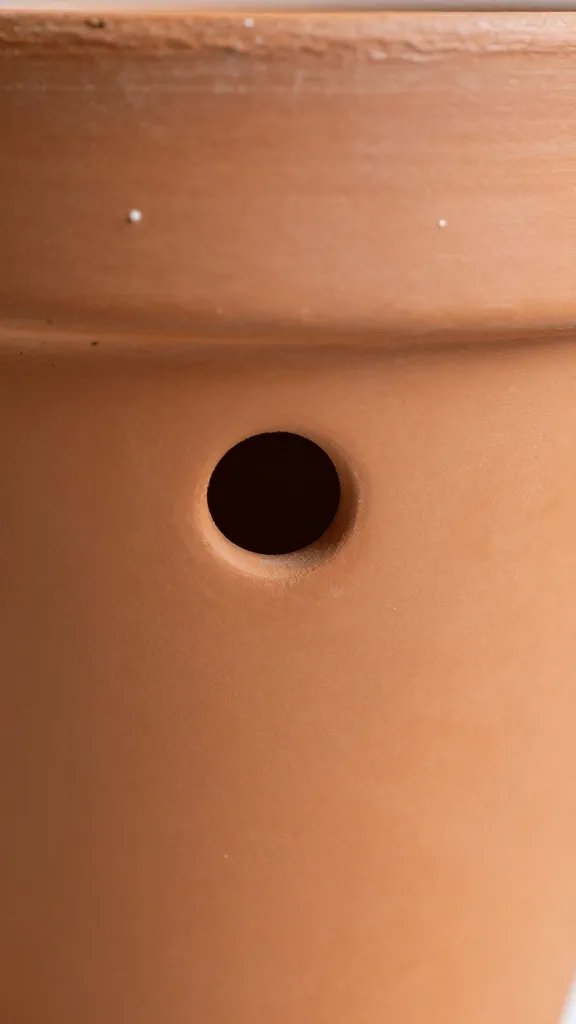
The same soil behaves differently in a terracotta pot versus plastic. Terracotta breathes and dries faster; plastic holds moisture longer. If you forget to water, choose plastic and a slightly more moisture-retentive mix. If you overwater, use terracotta and extra drainage components.
Large pots dry slower because the center stays cool and damp. For plants moving up more than one pot size, increase drainage components so the core doesn’t stay wet for a week.
Step-by-step adjustment
- Identify your habit: overwater or underwater.
- Choose pot: terracotta for overwaterers, plastic for underwaterers.
- Tune mix: add 1–2 extra handfuls of perlite/pumice for overwaterers; add a handful of vermiculite or more base for underwaterers.
Action today: Pick up your plant the morning after watering. If the pot still feels heavy 4–5 days later and the plant prefers to dry between waterings, add more drainage at the next repot.
How to Read a Potting Mix Label Without a Microscope
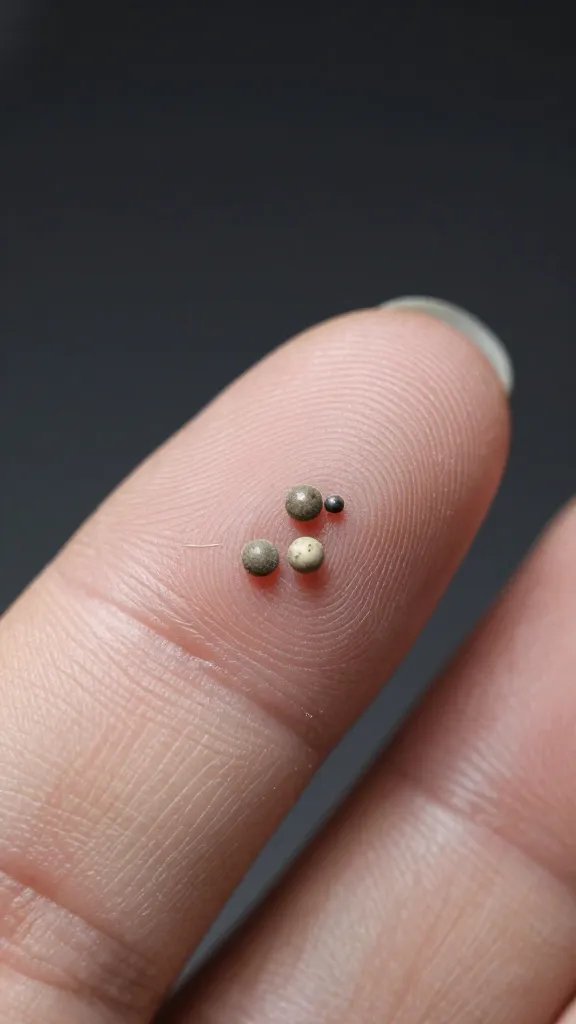
Labels hide a lot in plain sight. Look for named ingredients (peat/coir, perlite/pumice, bark, compost) in the first lines. Phrases like “garden soil” or “topsoil” belong outdoors — they compact in pots.
“Moisture control” mixes stay wetter longer; I avoid them for succulents, use them for thirsty houseplants. If a bag feels brick-heavy and lists “sand” without “horticultural,” expect compaction in containers.
Action today: Squeeze the bag in-store — you should feel light, springy texture with visible white perlite. If it feels dense like clay, choose a different brand.
Frequently Asked Questions
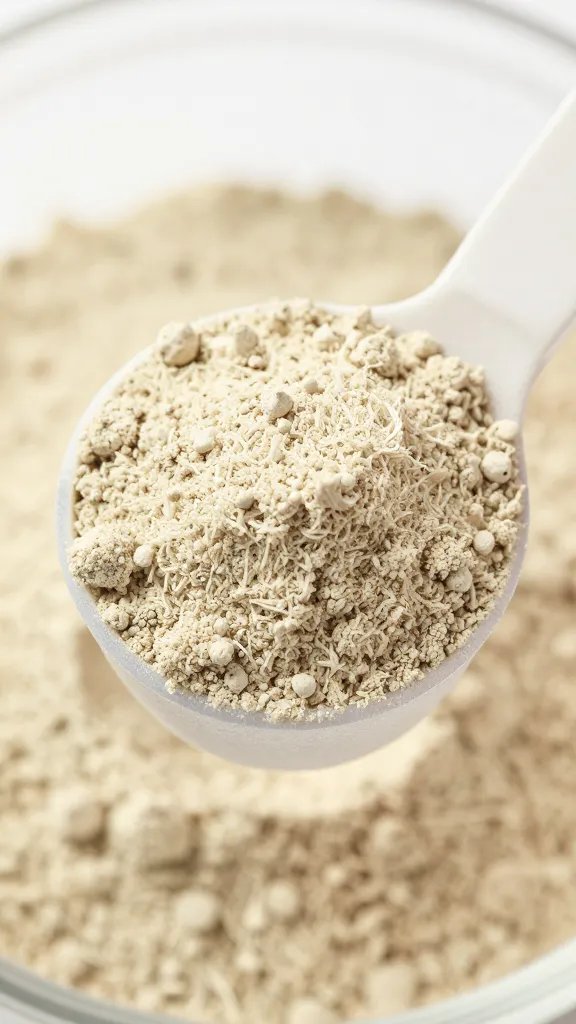
Can I use garden soil from my yard in pots?
No. Garden soil compacts in containers and suffocates roots. It also carries pests and weed seeds indoors. Use a commercial potting mix for containers and save garden soil for raised beds. If budget is tight, blend one part compost with two parts potting mix rather than using yard soil.
How do I rehydrate a potting mix that’s gone bone-dry and repels water?
Place the pot in a sink or tub and bottom-water in 2–3 cm of lukewarm water for 30–45 minutes. Add a few drops of mild dish soap to the water to act as a wetting agent, then flush once with plain water after the soil is evenly moist. For future potting, pre-wet dry mix in a bowl until it forms a loose clump before filling pots.
My new mix has fertilizer beads — do I still feed?
Yes, but lightly and on a schedule. Those beads usually feed for 2–3 months at warm indoor temps. After eight weeks, start a half-strength liquid feed every 2–4 weeks during active growth. If you see leaf tip burn after repotting, flush once and skip the next feed.
What’s the best mix for succulents if I only have regular potting soil?
Blend 1 part regular potting soil with 1 part perlite or pumice and 1 part horticultural sand or fine orchid bark. Use a terracotta pot with a drainage hole. Water deeply, then wait until the mix is dry to the bottom — usually 7–14 days indoors — before watering again.
How often should I replace potting soil?
Refresh the top 2–3 cm every 6 months and repot with mostly new mix every 18–24 months. Organic components break down and reduce airflow over time. When you see soil level drop in the pot or water takes much longer to drain than it used to, it’s time to refresh.
Is coir better than peat for houseplants?
For most indoor use, coir is easier to rewet and stays fluffy longer, so it’s more forgiving. Peat holds water well once hydrated but turns hydrophobic when dry. Both need drainage partners like perlite or bark. Choose coir if you tend to underwater or let pots dry fully between waterings.
Conclusion
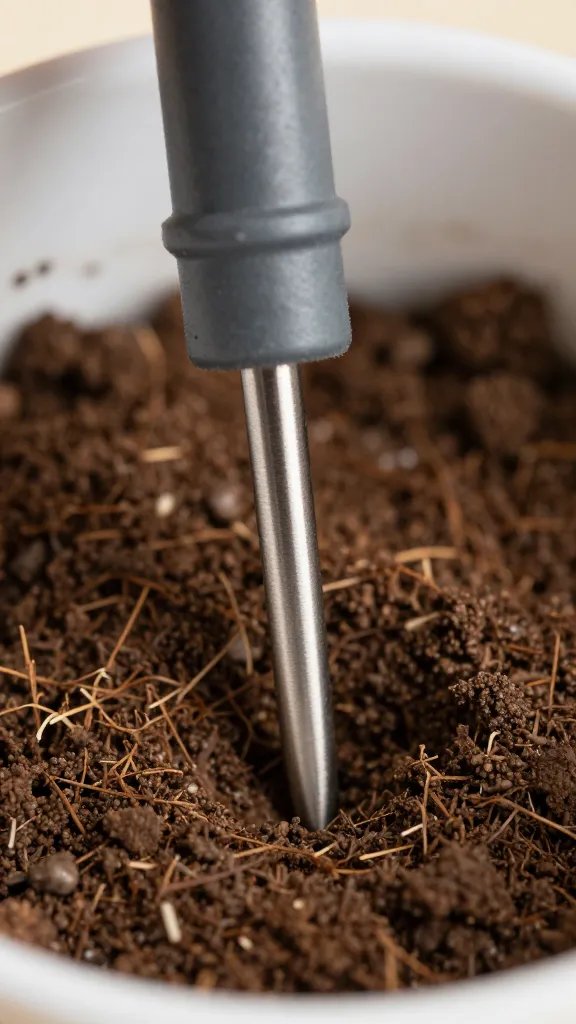
You don’t need a lab to choose great potting soil — you need to know what each visible piece does and match it to your watering style and pot. Next time you shop, handle the bag, read the first three ingredients, and picture how air, water, and roots will move through that texture. Start with one plant you’ve struggled with and tune the mix using the ratios above — you’ll see the difference within a few weeks of steady, confident care.