Why Container Vegetables Underperform — Root Restriction, Nutrient Depletion and Watering Errors Solved
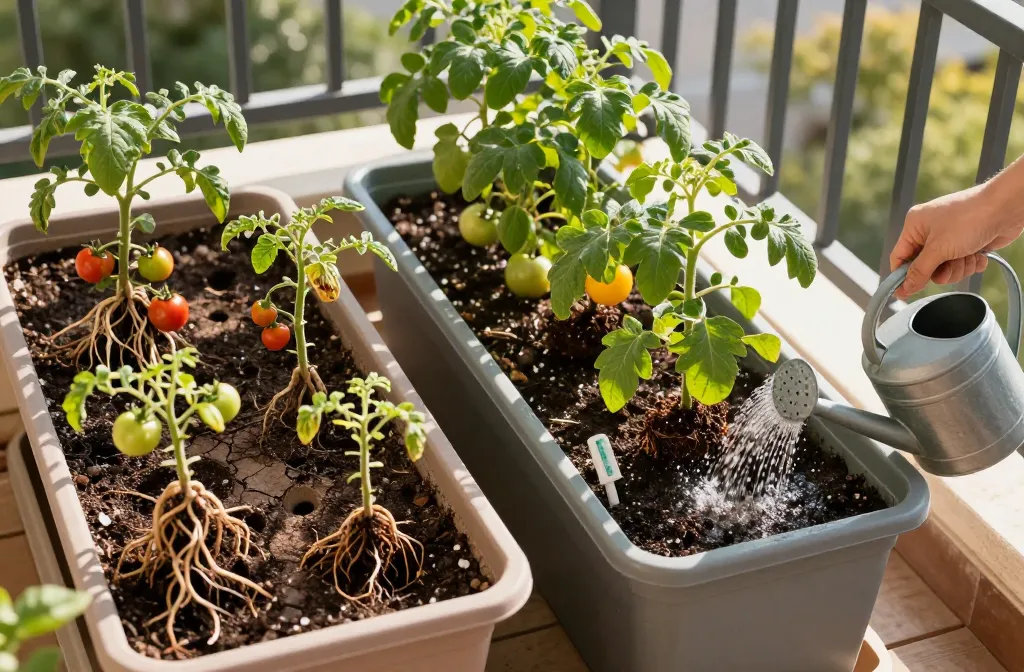
I grew tomatoes on a sunny balcony for years and still got stringy vines with a handful of fruits. Friends had the same complaint: “Lots of leaves, no harvest.” The patterns were identical every time — cramped roots, tired potting mix, and watering that swung from desert-dry to swampy. In this guide I’ll show you exactly how I corrected those three causes so you get reliable, grocery-aisle yields from pots.
Root Restriction: Pots That Choke Growth Before It Starts
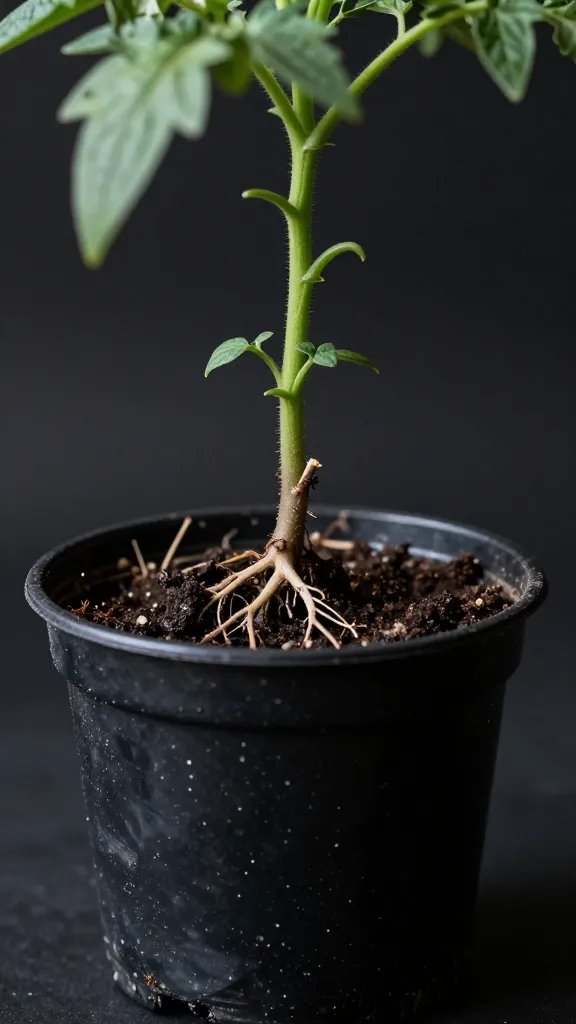
Vegetables do not forgive tight shoes. A small pot forces roots to circle, tangle, and stall, so the plant tops never size up. You see flowers abort, fruits stay small, and plants wilt fast on warm days because the root zone can’t hold enough water or air.
Match pot volume to the crop. For full-size tomatoes, peppers, eggplant, use 18–24 inches wide and at least a standard 5-gallon nursery pot. For compact types like bush beans, lettuce, radish, 8–12 inches wide works. Depth matters less than total volume, but go 12 inches deep minimum so roots don’t corkscrew on the base.
Warning Signs You Need A Bigger Pot
- Plants wilt by late afternoon even when the soil still feels damp near the top.
- Roots circle the drainage holes or form a dense white mat against the pot wall.
- Flowers drop after hot days and growth plateaus despite regular feeding.
Step-By-Step Fix: Up-Pot Without Shock
- Water the plant thoroughly 2–3 hours before moving.
- Choose a pot at least one size larger (aim to double the volume if roots are tight).
- Use fresh, good quality potting mix from the garden centre — not garden soil.
- Loosen only the outer half-inch of circling roots with your fingers; don’t tear the core.
- Plant so the stem sits at the same height; for tomatoes, bury an extra 2–3 inches of stem to encourage new roots.
Action today: Check the bottom of your containers — if roots poke through holes or circle the base, plan to repot into a container at least twice the volume this week.
Nutrient Depletion: Why Good Potting Mix Stops Feeding After 4–6 Weeks
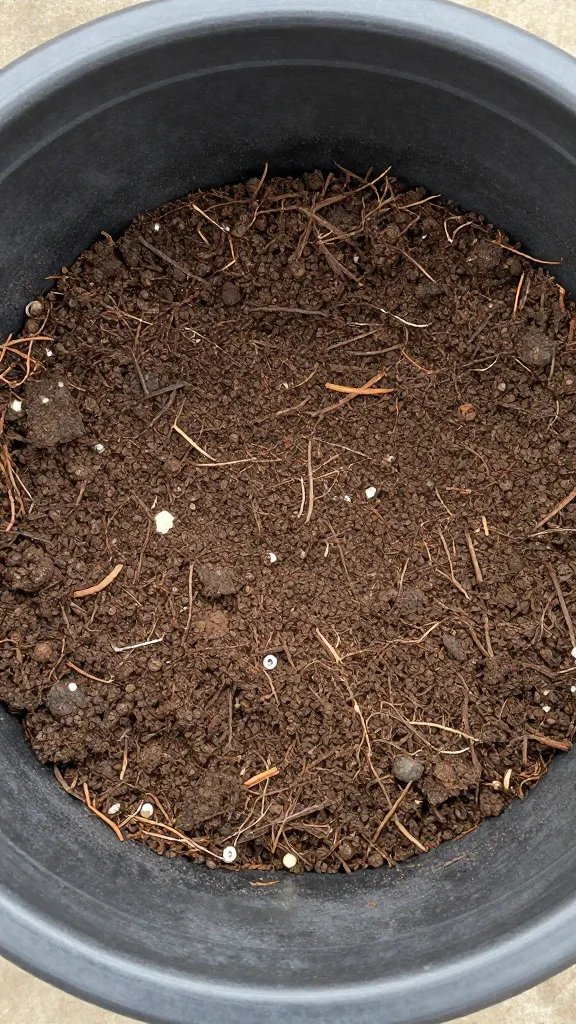
Fresh potting mix contains a small starter charge of nutrients. Heavy-feeding vegetables burn through it fast. After a month, leaves pale, fruits stall, and you chase problems with random products.
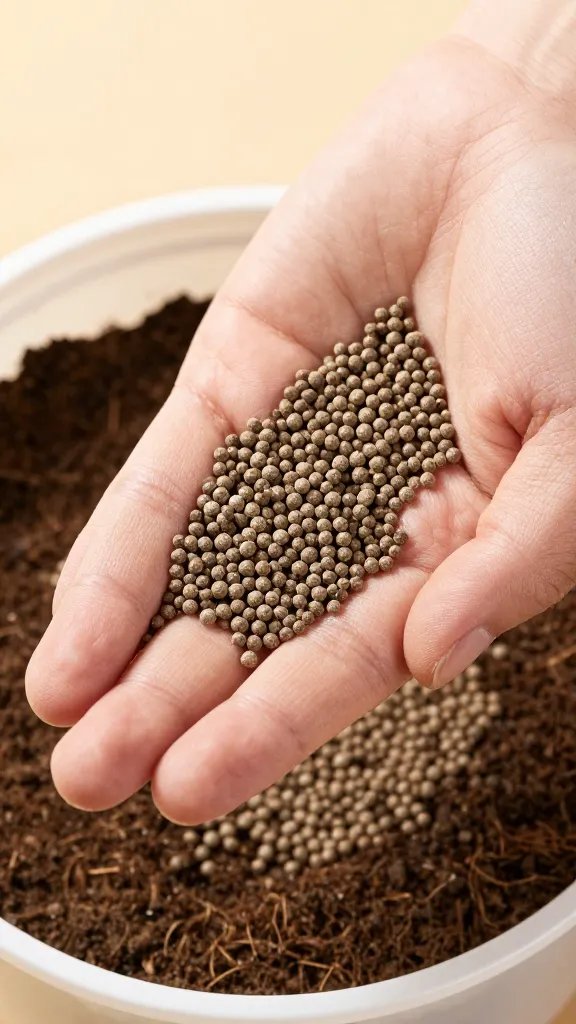
Use a simple, consistent feeding plan. I run a balanced granular slow-release fertilizer labeled for vegetables mixed into the top inch of soil every 6–8 weeks, plus a liquid feed (like a tomato feed) every 7–10 days while plants flower and set fruit. If your tap water tastes clean and not salty, it’s fine for mixing liquid feed.
Warning Signs Of Depleted Mix
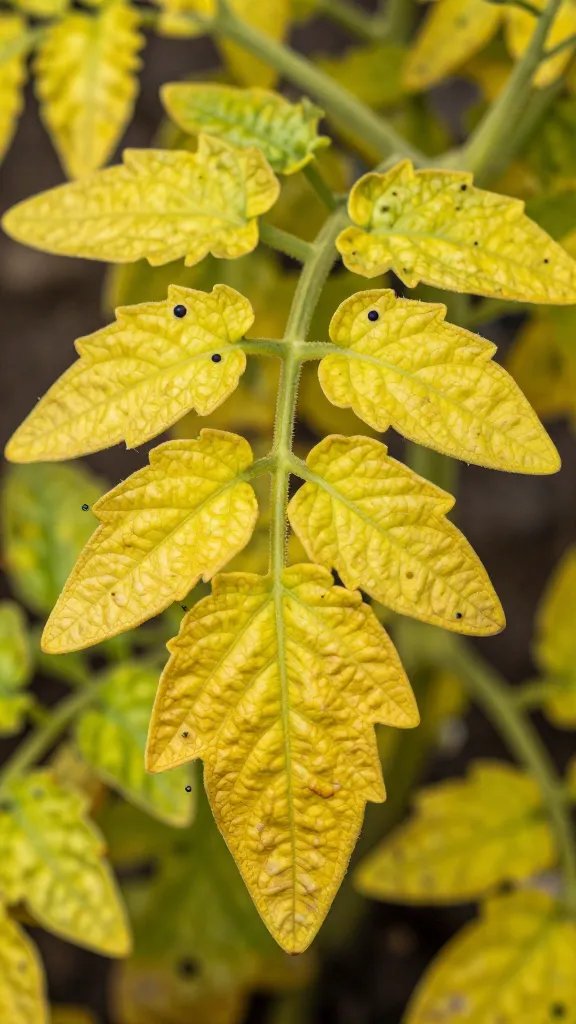
- Older leaves turn light green or yellow between veins.
- New growth looks small and stiff; flowers are sparse.
- Peppers and tomatoes set pea-sized fruits that stop sizing up.
Step-By-Step Fix: Reset Nutrition In An Existing Pot
- Water deeply to dissolve any crusted salts at the surface.
- Scratch in slow-release granules around the drip line — follow the label rate for container vegetables.
- Start a weekly liquid feed at half-strength for two weeks, then move to label strength.
- Top up the pot with 1–2 inches of fresh potting mix or bagged compost to replace what settled.
Action today: Put a reminder on your phone for a weekly liquid feed day; consistency beats guesswork and prevents mid-season stalls.
Watering Errors: Swinging Between Drought And Drench
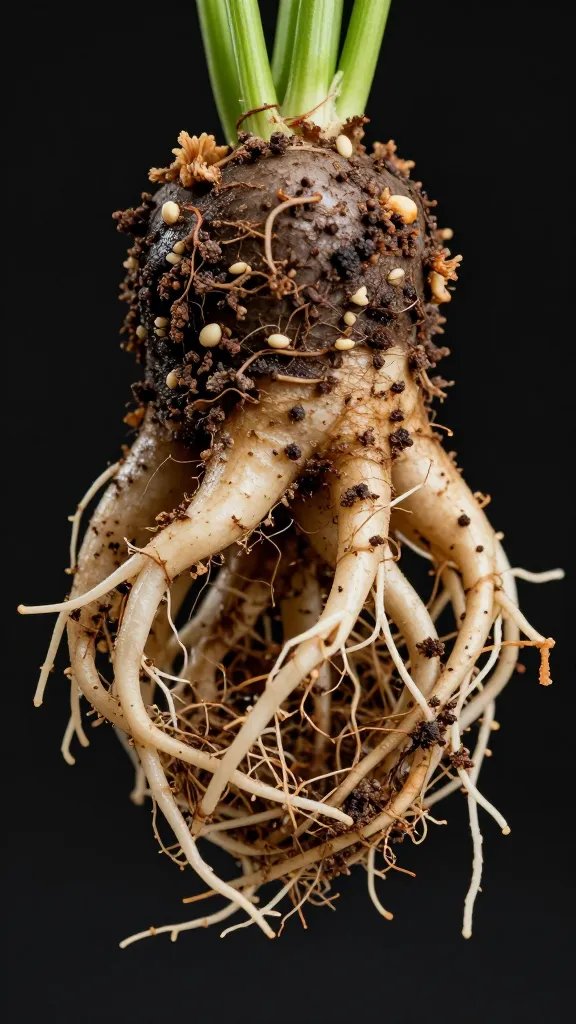
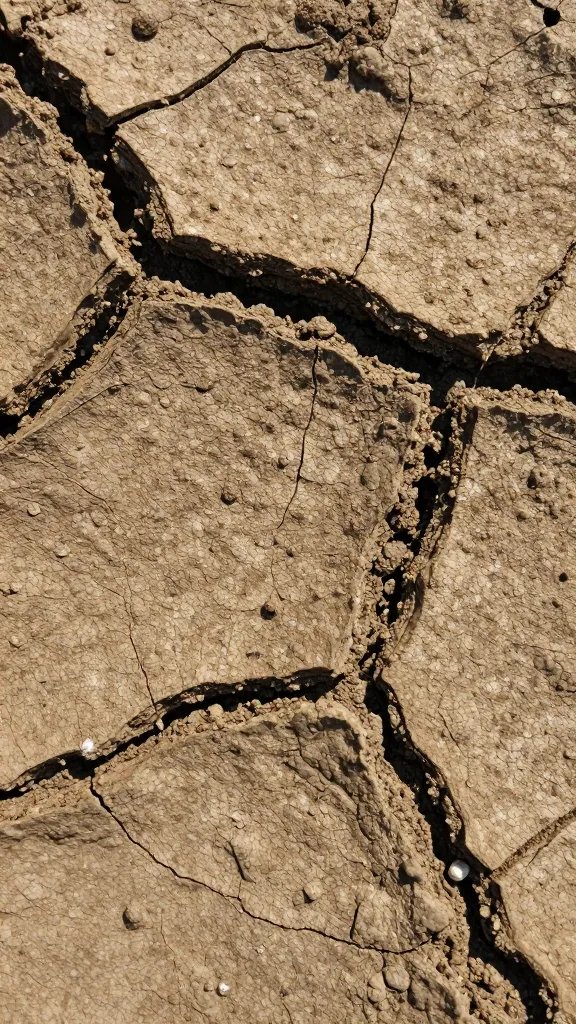
Containers dry faster than beds and saturate quicker, so timing matters. Underwatering starves roots of contact with nutrients; overwatering pushes out air and causes root rot. Both look like wilting — which confuses people and leads to more wrong watering.
Adopt a “water by weight and depth” habit. Lift the pot: light means dry, heavy means wet. Then confirm by sticking your finger 2 inches down. For most vegetables, water when the top 1–2 inches feel dry but the deeper layer still feels cool.
Step-By-Step Fix: The Three-Soak Method For Even Moisture
- Water slowly until some drains from the holes.
- Wait 5 minutes for the mix to absorb.
- Water again until you see steady drainage.
This eliminates dry pockets and ensures fertilizer dissolves evenly.
Prevent Overwatering
- Always use pots with real drainage holes. If your decorative pot lacks holes, use a plastic grow pot inside it and empty the cache pot after each watering.
- Don’t follow a calendar; follow the top-2-inch check and pot weight.
- In heatwaves, water in the morning so leaves start the day turgid.
Action today: Do the 2-inch finger test at dinner time; if dry, perform the three-soak method and note how heavy the pot feels right after — that’s your “fully watered weight.”
Drainage And Soil Structure: Air Is As Important As Water
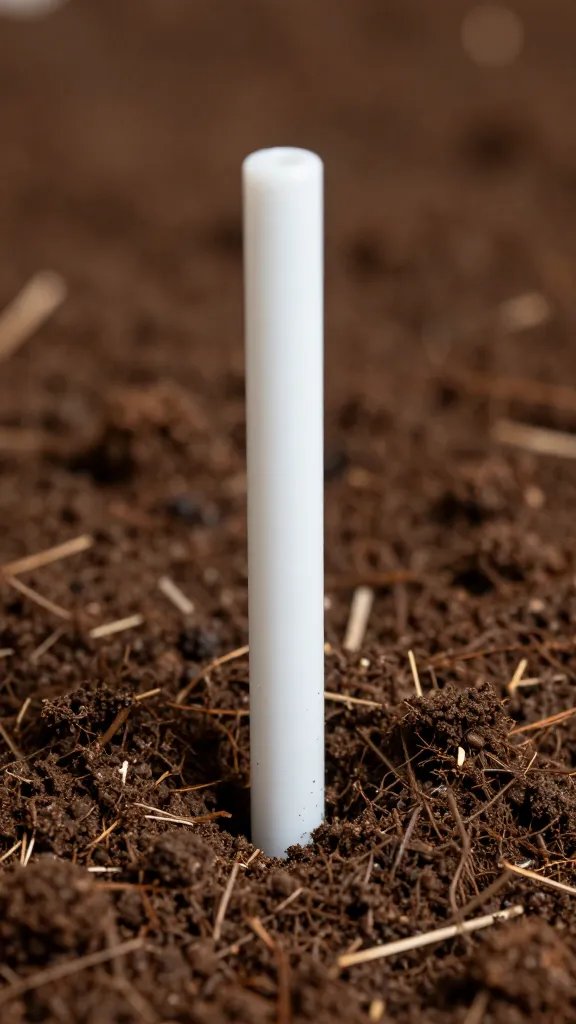
A potting mix that stays soggy suffocates roots. Skip garden soil and “dirt” from the yard; they compact in containers. You want a mix that holds moisture but still feels springy when squeezed.
Buy a vegetable or container potting mix with ingredients like peat or coir plus perlite or bark. If your current mix drains slowly, blend in up to one-third by volume of perlite from the garden centre. Never layer rocks at the bottom; it raises the water table and causes wet feet.
Material Recommendations
- Good quality bagged potting mix (look for “container” or “vegetable” on the label).
- Perlite to lighten heavy mixes.
- Bagged compost as a seasonal top-up, not more than one-third of the total volume.
Action today: Time your drainage — water until it runs out and count; if it takes longer than 10 seconds for excess to start draining, lighten the top 4 inches with perlite.
Plant Choice And Pot Size Matching: Compact Varieties Win In Containers
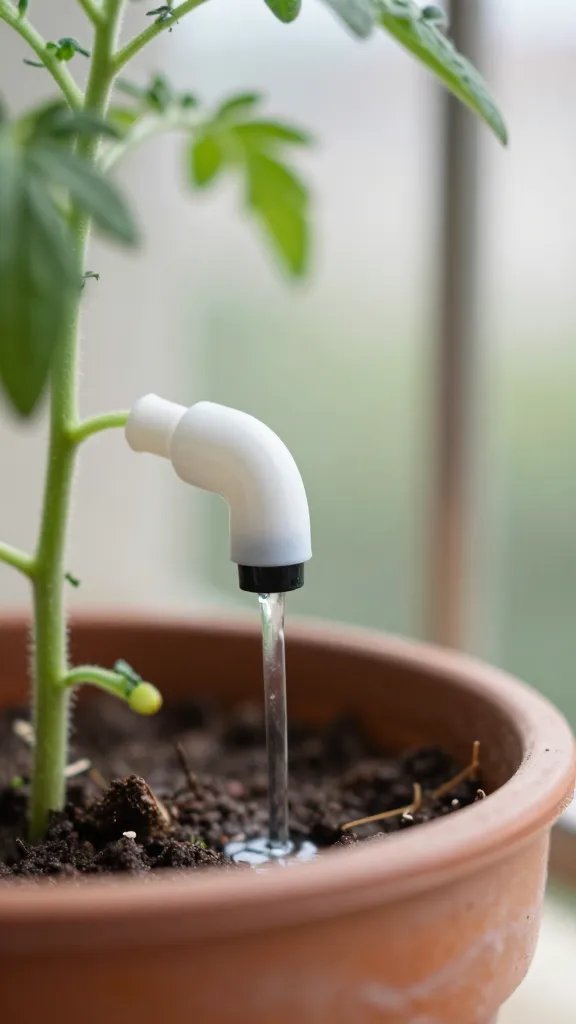
Many container failures are plant choice problems. Full-size indeterminate tomatoes, sprawling squash, and long-season brassicas demand more root room than most balconies can spare. Choose varieties bred for pots and you get better yields in less space.
Reliable Container Varieties
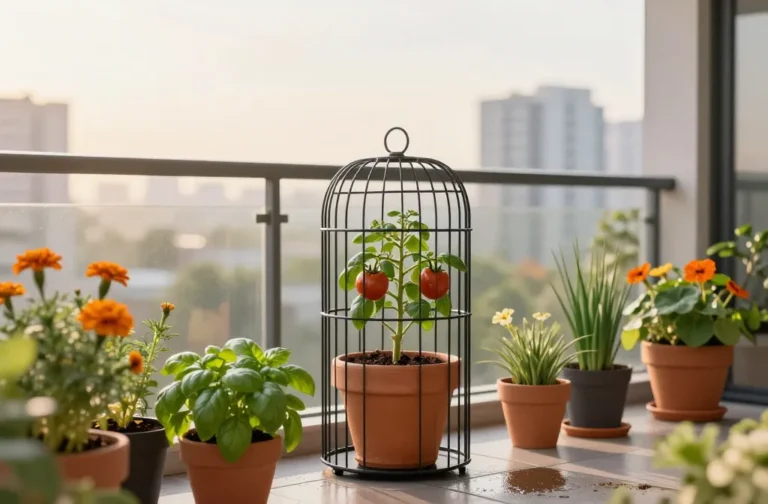
- Tomatoes: ‘Patio’, ‘Totem’, ‘Tumbler’, ‘Tiny Tim’ (12–14 inch pots).
- Peppers: Most sweet and hot peppers do well in 3–5 gallon pots; look for compact labels.
- Cucumbers: ‘Bush Pickle’, ‘Spacemaster’ (at least 5 gallons and a trellis).
- Greens: Lettuce, arugula, spinach in 6–8 inch deep boxes.
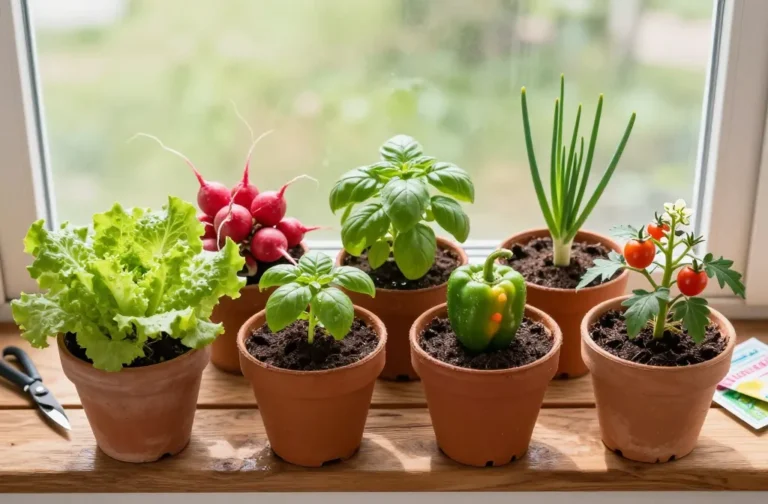
- Herbs: Basil, chives, parsley in 8–10 inch pots; mint in its own pot.
Action today: Read your seed packet or plant tag — if it says “compact, bush, patio, dwarf,” you’re on the right track; pair it with the minimum pot size listed above.
Sunlight And Heat Management: Enough Light, Not A Bake Oven
Vegetables need strong light to convert water and fertilizer into fruit. On balconies and patios, aim for 6–8 hours of direct sun. In very hot spots, dark pots cook roots and stunt growth even when watered correctly.
Place pots where they get morning to early afternoon sun. In heatwaves, shade the pot itself with a light-colored cache pot, wrap with a piece of white fabric, or tuck neighboring pots around it. Mulch the surface with a 1-inch layer of straw to slow evaporation and keep roots cooler.
Action today: Track sun with your phone for one clear day — take a photo at 9am, noon, 3pm; move the hungriest crops (tomatoes, peppers) to the brightest spot tomorrow morning.
Seasonal Refresh: When To Repot And Replace Mix
Container soil breaks down over time, holding too much water and too little air. Roots occupy every pocket and yields slip. Plan a refresh schedule so performance doesn’t fade each season.
For annual vegetables, dump and replace most of the mix every season. Reuse up to half if it looks clean and springy, blending in fresh potting mix and a scoop of compost. For perennials like strawberries and herbs, repot every 18–24 months into fresh mix and trim the root mass by one-third.
Action today: Label each pot with the month and year you filled it; when it hits one season old for annuals or 18 months for perennials, plan a refresh weekend.
Frequently Asked Questions
How often should I water container tomatoes in summer?
Expect daily watering in hot, windy weather and every 2–3 days in mild conditions. Always check the top 2 inches before watering and lift the pot to confirm weight. Water in the morning using the three-soak method until you see steady drainage. If the pot dries out by late afternoon, you need a larger pot or mulch.
Can I use garden soil in my containers?
No — garden soil compacts in pots and holds water around roots, causing rot. Use a bagged container or vegetable potting mix from the garden centre for the right balance of air and moisture. If your current mix feels heavy and stays wet, blend in up to one-third perlite. Reserve garden soil for raised beds or in-ground planting.
What’s the simplest fertilizer plan for beginners?
Mix a slow-release granular fertilizer into the top inch of soil every 6–8 weeks. Add a liquid feed once a week during flowering and fruiting — follow the bottle’s container-vegetable rate. Keep a small watering can just for fertilizer and label it to avoid overfeeding. Consistency prevents mid-season yellowing and fruit drop.
My plants keep wilting even after I water. What’s wrong?
Persistent wilt with damp soil points to poor drainage or a pot that’s too small. Ensure there are real drainage holes and the mix isn’t compacted. If roots circle the bottom or poke through holes, up-pot to at least double the volume. After repotting, water deeply and provide afternoon shade for two days.
Do I need to flush the pots to remove salt buildup?
Yes, especially if you use liquid feeds weekly. Once a month, water each pot with plain water until you’ve run through at least 25–30% of the pot’s volume as drainage. This rinses excess salts that burn root tips and cause leaf edges to crisp. Resume feeding at the next scheduled watering.
How many plants should I put in one container?
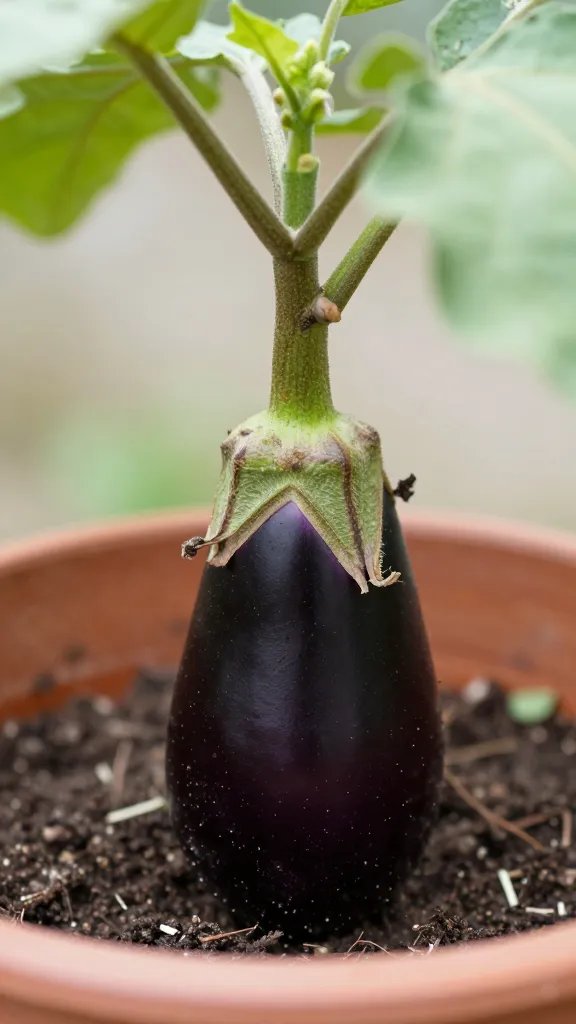
Err on the side of fewer plants. One tomato, pepper, or eggplant per 5-gallon pot is the standard. For greens, sow densely but harvest as cut-and-come-again to keep roots from choking. Overcrowding causes the same underperformance as small pots: not enough root room, water, or nutrients per plant.
Conclusion
You don’t need special meters or fancy gear to turn containers into real producers — just space for roots, steady feeding, and water handled with intention. Pick one pot today, fix the most obvious issue from this list, and observe for a week. Once you see the difference, repeat across your balcony or patio and plan your next step: choosing compact, container-bred varieties for the coming season.