Why Mint Takes Over Every Container It Shares — Root Architecture and the Isolation Method Revealed
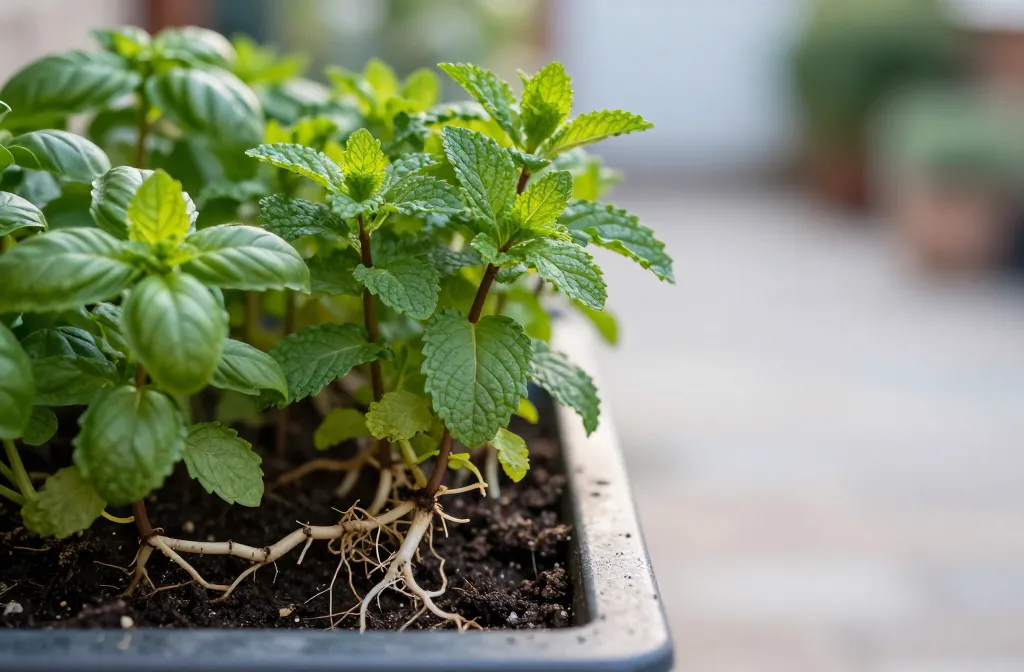
I once tucked a small mint start beside my basil in a window box. By July, the basil was a memory and mint stems were poking out the drainage holes like green octopus arms. I’ve repeated that test in pots, troughs, and raised beds — mint wins every time unless you plan against it. In this guide, I’ll show you exactly why mint overruns containers and the simple, low-cost isolation method that keeps your other herbs alive.
Mint’s Underground Strategy: Stolons, Nodes, And Endless New Plants
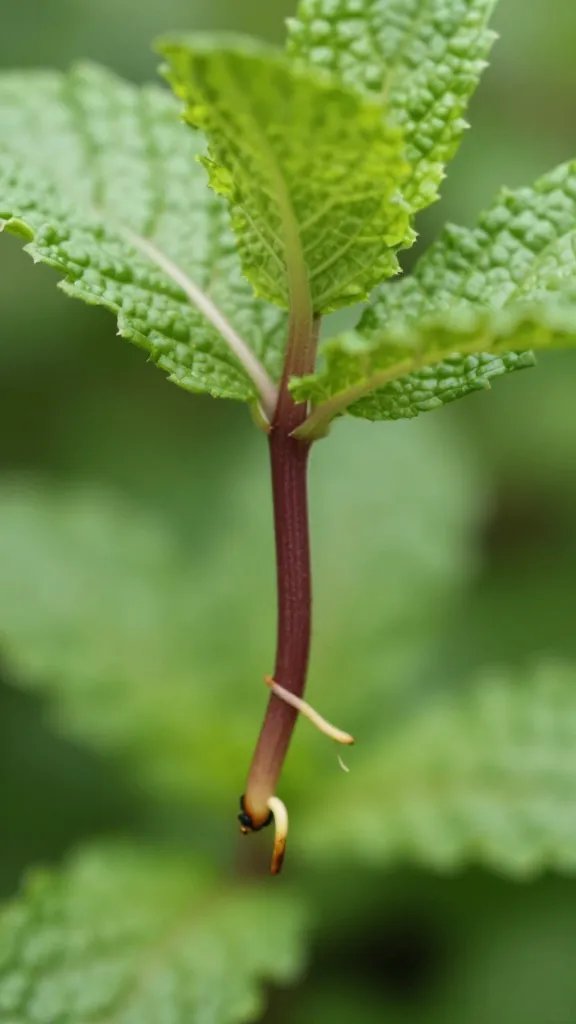
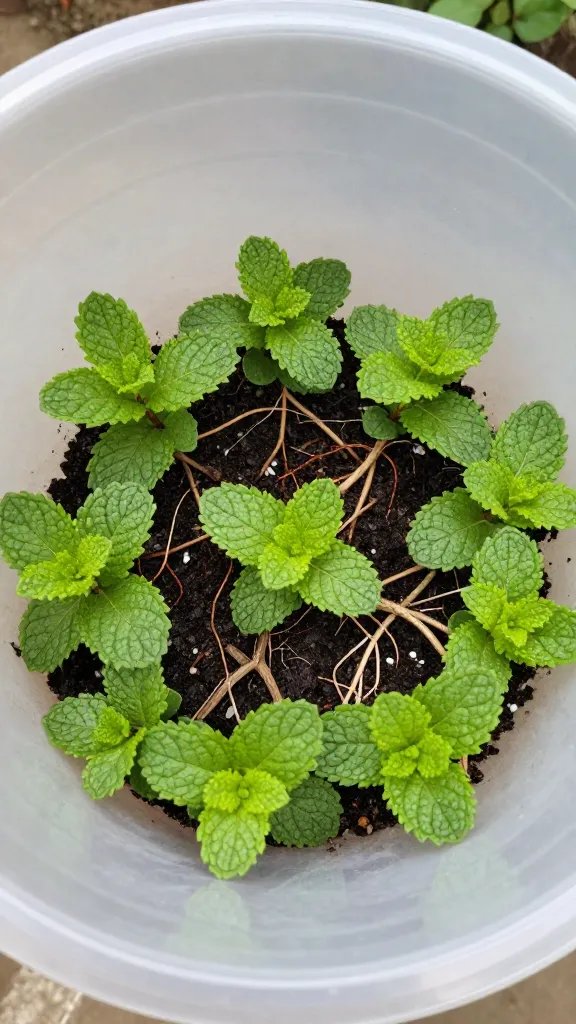
Mint doesn’t just grow; it replicates itself sideways. It sends stolons (above-ground runners) and shallow, ropey rhizomes that creep through potting mix, find light gaps, and root at every node. Each node becomes a new plant with its own roots and shoots.
In a shared container, those runners stitch the entire surface together. They monopolize moisture, intercept fertilizer, and shade slower herbs. Cutting the top growth doesn’t stop it; the network below keeps pushing new shoots.
Action today: Lift a corner of soil in your shared container with a spoon — if you see pale, cord-like roots weaving side to side, that’s mint’s rhizome net. Plan to separate it.
Why Containers Supercharge Mint’s Takeover
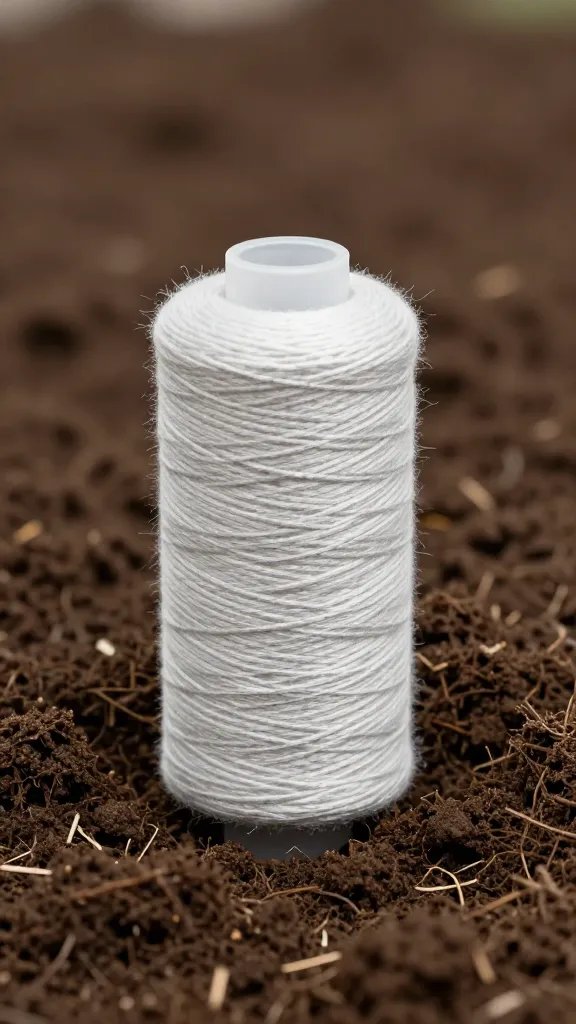
Containers create tight, resource-rich zones with no root competition from trees or turf. That favors plants with fast lateral spread — mint tops that list. In pots, water and fertilizer stay within a small radius, so every runner mint lays down hits paydirt.
Pots also have warm sides and good drainage. Mint uses that warmth to root faster along the perimeter, then circles inward like a clock, strangling slower, upright herbs such as basil, oregano, and parsley.
Action today: If mint shares a pot, rotate the container 90 degrees and check the sunniest side — you’ll find the thickest mat there. That spot tells you where to start your rescue.
The Isolation Method: Give Mint Its Own Bounded Home
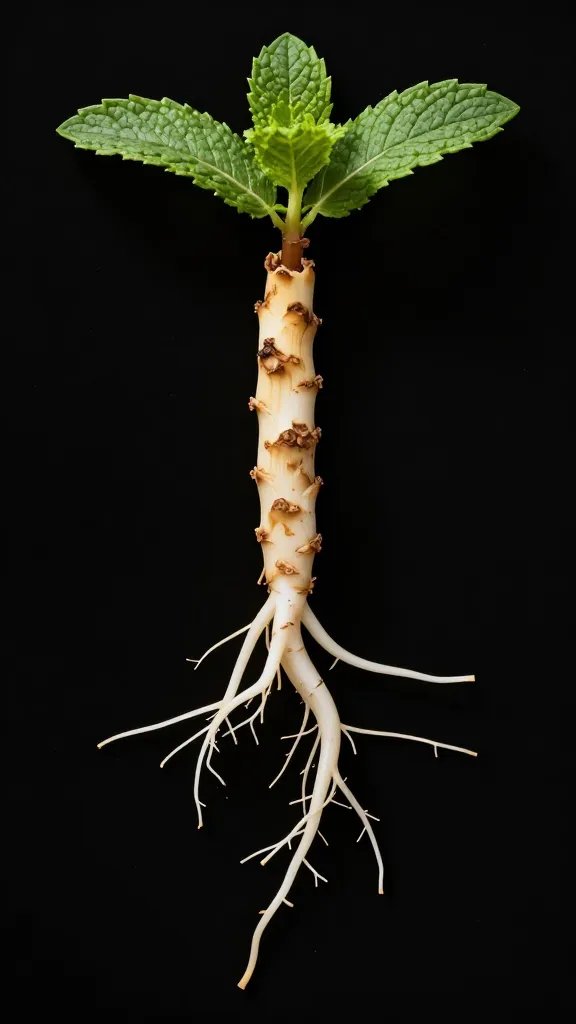
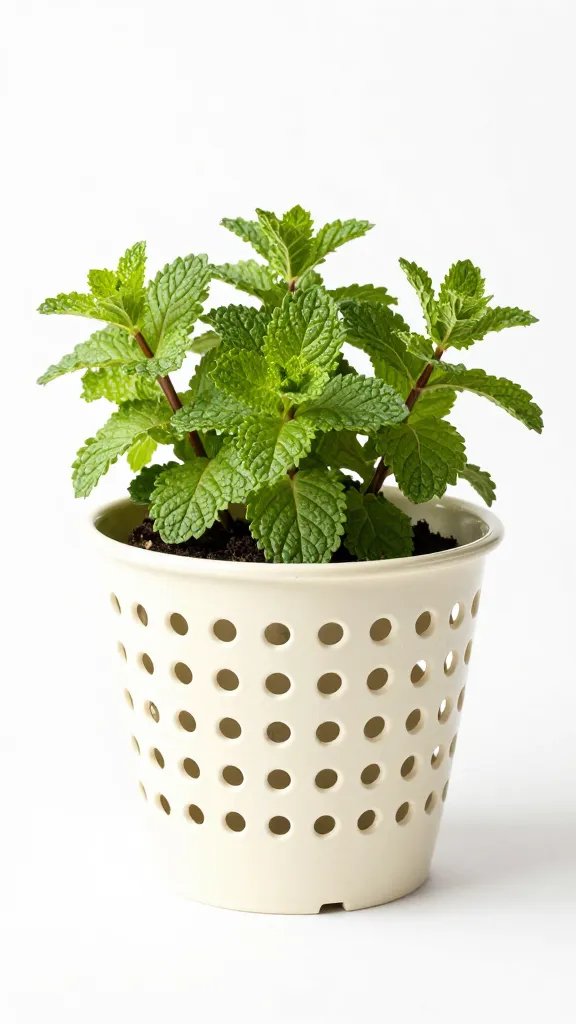
I never plant mint loose in mixed containers. I isolate it inside a barrier so the plant can’t send runners into its neighbors. You can do this with a second pot, a nursery liner, or a buried collar.
Step-by-Step: Double-Pot Containment For Windowsills And Patios
- Pick a mint pot with drainage: 20–30 cm (8–12 in) wide, minimum 20 cm (8 in) deep. Plastic or glazed ceramic works best.
- Use a slightly larger outer planter or trough for your mixed herbs.
- Fill both with a good quality potting mix from the garden centre — not garden soil.
- Plant mint only in the inner pot. Trim any runners that hang over the rim.
- Set the inner pot on two bottle caps or thin tiles inside the outer planter so water can drain freely.
- Plant companion herbs in the outer planter, keeping 5–8 cm (2–3 in) clearance from the inner pot’s edge.
Action today: If your mint already shares a container, sink a 1–2 L nursery pot (holes drilled) into that container and transplant the mint into it — instant isolation without repotting everything.
Step-by-Step: Buried-Collar Method For Raised Beds And Large Troughs
- Cut the bottom from a plastic nursery pot or sturdy bucket so you have a 15–20 cm (6–8 in) deep ring.
- Press it 2–3 cm (1 in) below the soil surface so runners can’t hop over unseen.
- Backfill inside the collar with potting mix and plant mint in the center.
- Inspect the rim every two weeks and snip any stolons trying to bridge it.
Action today: Make a collar from a spare 10–12 in pot by sawing off the base — it outperforms flimsy edging tape and costs nothing.
Choosing The Right Pot Size, Mix, And Watering Rhythm
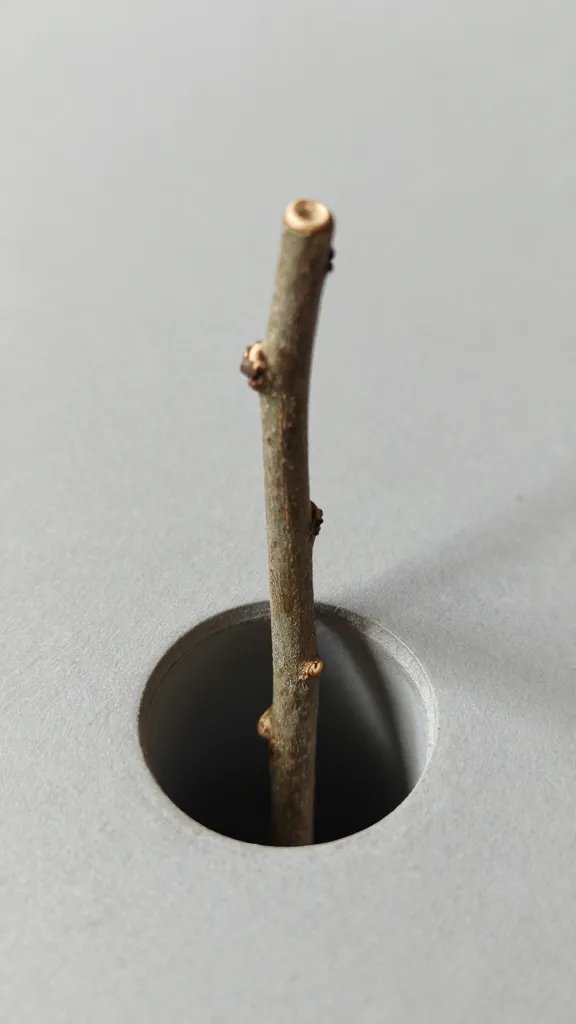
Mint likes space, but extra volume increases its spread pressure. I cap mint at 20–30 cm (8–12 in) wide with one plant per pot. That gives you harvestable growth without a monster root ball that bursts seams or clogs drains.
Use a peat-free or standard all-purpose potting mix. Avoid heavy compost-only blends that stay wet; mint enjoys consistent moisture but hates waterlogged feet. Water when the top 2–3 cm (about a thumb knuckle) feels dry. In summer, that’s often every 2–4 days outdoors, weekly indoors.
Action today: Press a finger into the soil to your first knuckle — if it feels dry and warm, water thoroughly until you see a brief trickle from the drainage holes.
Pruning That Prevents Takeover: Top, Thin, And Reset
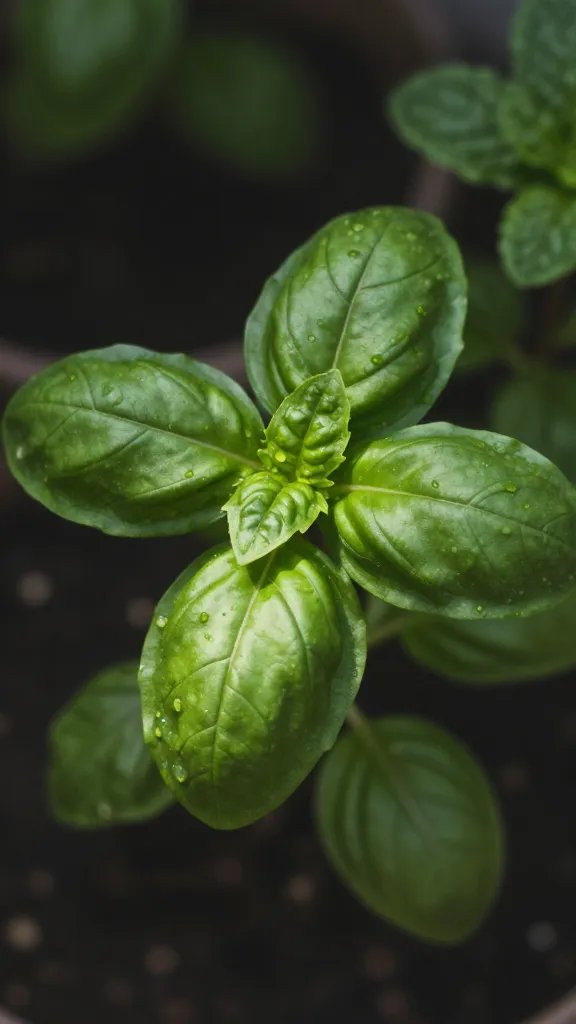
I treat mint like a lawn: frequent trims keep it dense and manageable. Harvest the top third every 7–10 days in warm months. Snip just above a leaf pair to force bushy regrowth.
Once a month, I lift the pot, slice off a 2–3 cm (1 in) ring of roots around the edge with a knife, and backfill with fresh mix. This root pruning resets vigor and prevents pot-bursting pressure.
Warning Signs You’re Losing Control
- Soil heaves upward near the rim — the rhizome mat is circling.
- Mint stems poke from drainage holes — it’s exploring new territory.
- Neighbors turn pale while mint stays lush — nutrients and light are captured by mint.
Action today: If you see stems from the drainage holes, lift the pot and cut off the danglers immediately — they become new plants if they touch soil.
Companions That Survive — And Those That Don’t
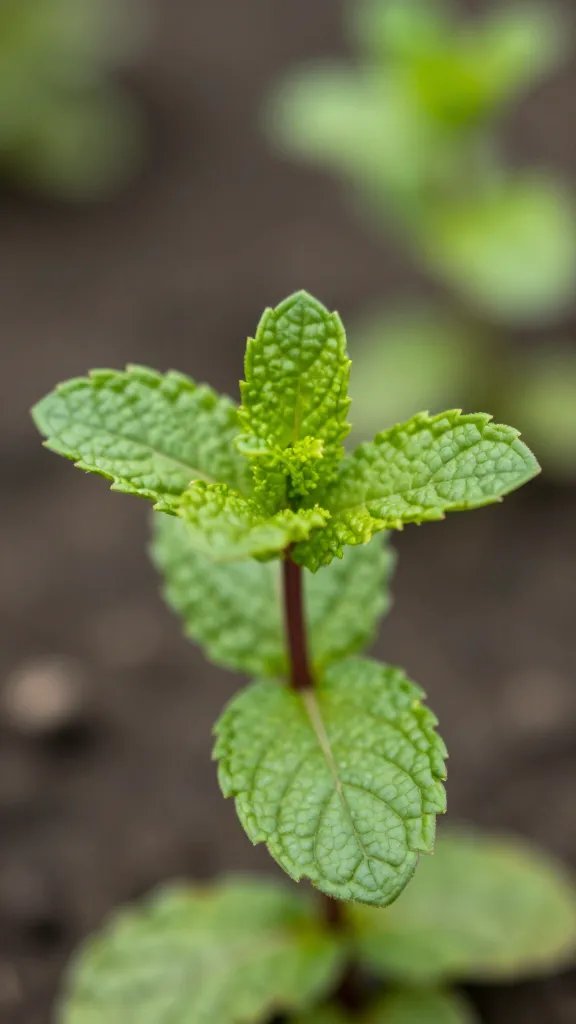
Even with isolation, choose neighbors that won’t resent mint’s humidity and shade. I group mint near moisture-lovers like chives, parsley, and cilantro in the outer planter, never in the same soil volume. I keep sun-worshippers like rosemary and thyme in separate, leaner pots.
Reliable Pairings Around An Isolated Mint Pot
- Outer planter herbs: chives, flat-leaf parsley, cilantro, lemon balm (also isolated), calendula.
- Avoid sharing even the outer planter with: rosemary, lavender, thyme — they prefer drier, poorer soil.
Action today: If rosemary or thyme sit next to mint in the same trough, move them to their own pot with sandier potting mix at your next watering.
Rescuing A Mixed Pot Already Dominated By Mint
I don’t tease mint roots from delicate herbs; that shreds everything. I slice out blocks like cake. I drive a bread knife straight down to the base, lift a wedge containing the mint crown and runners, and pot that wedge into its own container.
Quick Save — 10 Minutes
- Water the container thoroughly — moist soil cuts clean.
- Make two deep vertical cuts to free a 10–15 cm (4–6 in) wedge around mint.
- Lift the wedge out with a trowel and rehome it in its own pot.
- Gently loosen the remaining soil, top up with fresh mix, and replant surviving herbs with 10 cm (4 in) spacing.
Action today: Sterilize your knife with rubbing alcohol before cutting — this prevents spreading rusts and leaf spots common on mint.
Frequently Asked Questions
Can I grow two types of mint in one pot if I prune often?
You can, but they’ll blend flavors and still compete underground. Use a 25–30 cm (10–12 in) pot and plant each type on opposite sides with a plastic divider that reaches the bottom. Trim weekly to keep flavors distinct and stop crossing runners. For clean flavors, give each variety its own pot.
Why does my mint look great while my basil fades in the same planter?
Mint handles cooler nights and fluctuating moisture; basil sulks when roots stay cool or crowded. Mint’s runners also shade basil’s lower leaves and intercept fertilizer. Separate them and place basil in the warmest, brightest spot you have, ideally near a sunny window with at least 6 hours of light.
Will a fabric grow bag contain mint roots?
No. Mint rhizomes poke through fabric seams and root in the ground or nearby pots. If you use a grow bag, set it on a tray or paving so runners can’t contact soil. Still plan on monthly perimeter checks and trims.
How often should I repot mint to keep it productive?
Repot or root-prune every 12–18 months. When you do, divide the root mass into quarters, keep one vigorous quarter with fresh mix, and compost the rest. This keeps stems tender and stops the woody, stringy growth that follows long neglect.
Can I plant mint in the ground if I use edging?
Only with deep, continuous barriers. Standard lawn edging fails because stolons hop the lip and rhizomes dive under. Use a bottomless pot or bucket sunk 20 cm (8 in) deep with the rim 2–3 cm (1 in) above soil, and check monthly for bridges. Even then, expect escapes and be ready to pull strays.
Conclusion
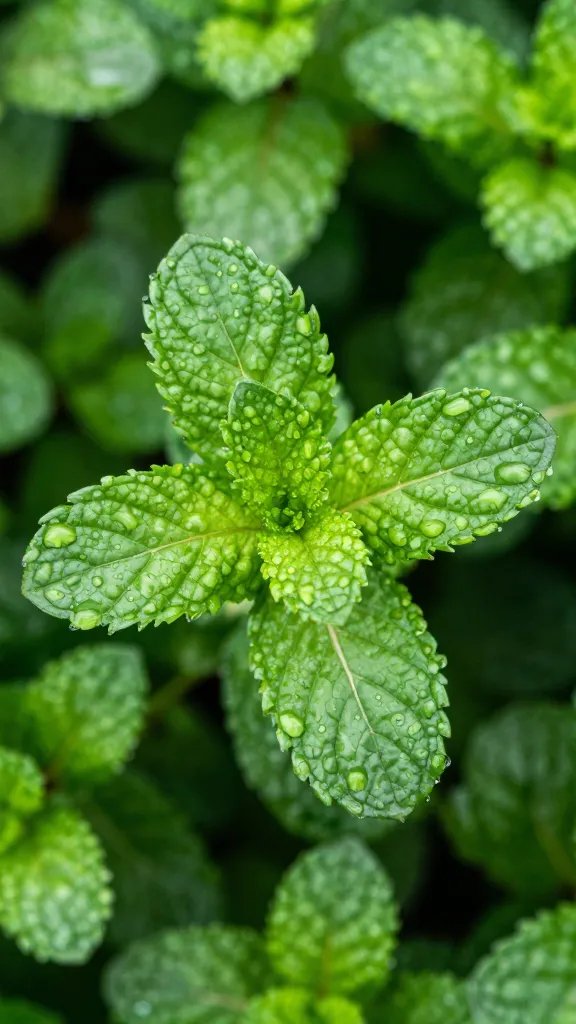
Mint isn’t unruly by accident — its root architecture is built for conquest. Once you isolate the roots, you get all the fragrance and none of the takeover. Give mint its own bounded home today, set a monthly root trim reminder, and enjoy full, healthy planters where every herb gets a fair shot.