Grow These 8 Vegetables to Grow for the Perfect Homemade Pizza
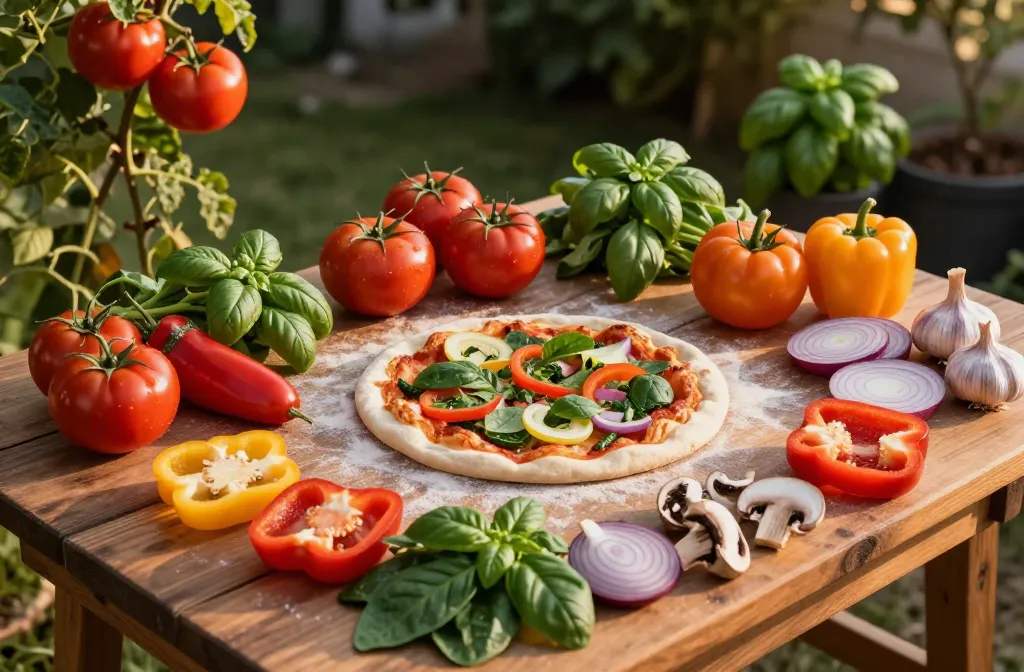
Your dream pizza garden can actually happen, and it tastes better than delivery. These eight veggies bring big flavor, great texture, and brag-worthy color to every slice. You’ll harvest, slice, and bake like a backyard pizzaiolo in no time. Ready to grow toppings that make your pie sing?
What Tomatoes Make the Best Pizza Sauce?
Paste tomatoes like San Marzano and Roma deliver meaty, low-seed flesh that produces silky pizza sauce without hours of simmering, while cherry types like Sun Gold caramelize into sweet topping gold. Plant in full sun with deep, rich soil, trellis indeterminate vines for airflow, and harvest when fruits feel heavy and smell like sunshine.
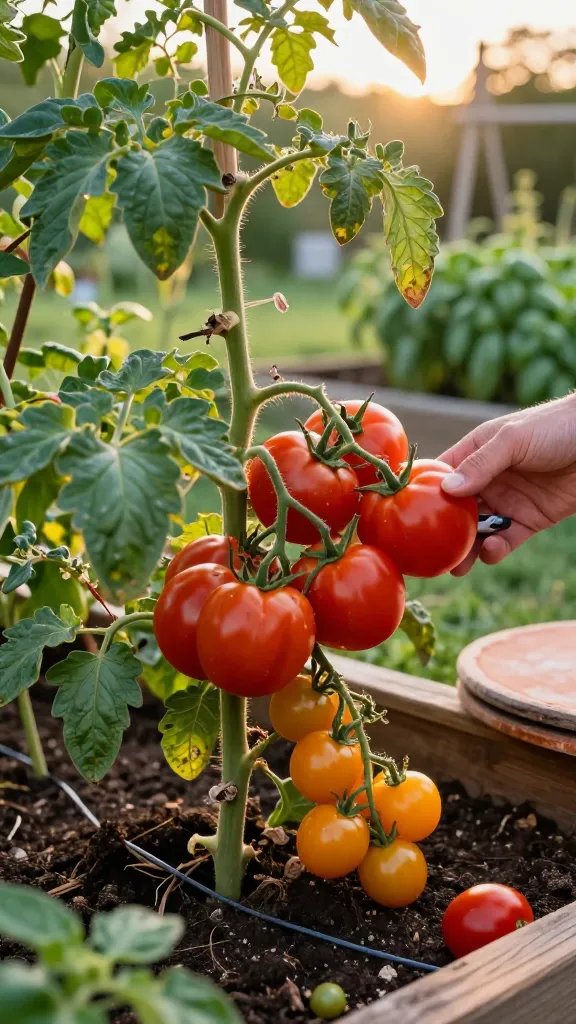
Tomatoes make the soul of your pizza, whether you’re cooking a bright sauce or laying on fresh slices. Choose varieties that pack flavor, not just water, so your crust doesn’t cry soggy tears. University of Minnesota Extension recommends starting tomato seeds 6–8 weeks before your last frost for the strongest transplants, whether you’re growing in containers or in-ground.
Top Picks
- San Marzano: Classic, meaty, low-seed paste tomato for silky sauces.
- Roma: Reliable and prolific with fewer seeds.
- Sun Gold: Sweet cherry tomatoes that caramelize like candy.
Plant in full sun with deep, rich soil. Prune indeterminate vines and trellis for airflow. Harvest when they feel heavy and smell like sunshine.
Quick Sauce Hack
- Roast halved tomatoes with garlic, olive oil, and salt.
- Blend with a few basil leaves and a pinch of red pepper flakes.
Use tomatoes when you want maximum flavor for minimal effort—seriously, your sauce will taste like you simmered all day. Growing tomatoes in buckets? The 5-gallon bucket garden guide covers the best compact varieties for container pizza growers.
Which Basil Variety Belongs on Pizza?
Genovese basil delivers the classic, sweet, large-leaf flavor that defines a Margherita, while Greek basil offers tighter, more aromatic leaves that hold up better in hot oven conditions. Pinch off flowers early to keep leaves tender, plant near tomatoes—they’re companions for a reason—and tear leaves on after baking to preserve those oil-rich flavors.
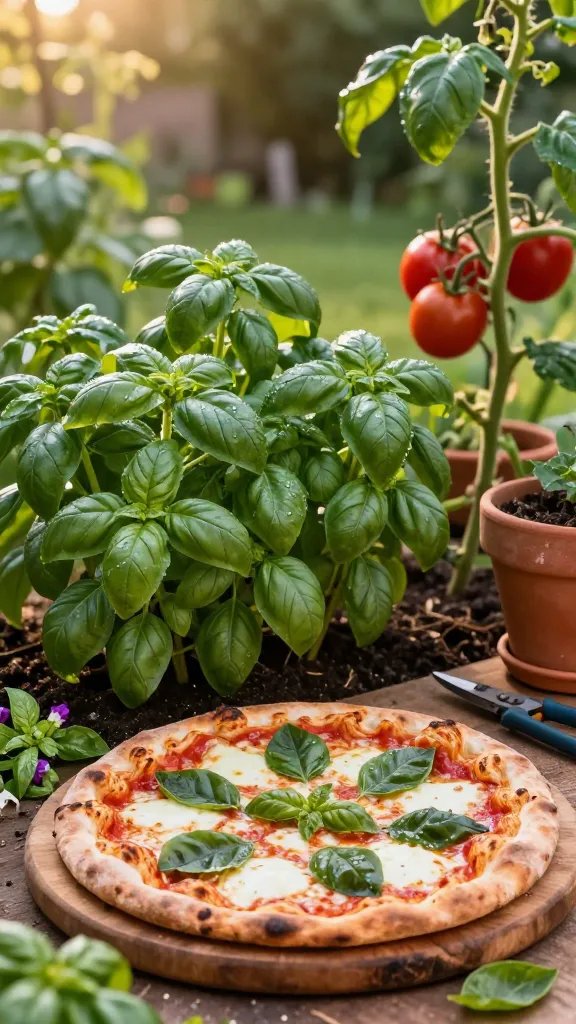
Basil brings that fragrant, fresh pop your pizza needs. It’s the herb that turns “good” into “chef’s kiss.” And yes, the aroma alone might make your neighbors jealous.
Smart Growing Tips
- Genovese Basil for classic flavor; Greek Basil for tight, tiny leaves and stronger fragrance.
- Pinch early flowers to keep leaves tender and sweet.
- Plant near tomatoes (they’re besties) in warm, well-drained soil.
Tear leaves and add after baking to preserve oil-rich flavor. Use basil to brighten heavy toppings and make everything taste fresh, FYI. Growing herbs indoors also works for basil if you lack outdoor space—just give it the brightest window you’ve got. If your basil ever starts drooping, these 7 warning signs your potted herbs are overwatered will help you diagnose the problem fast.
What Bell Peppers Work Best on Pizza?
Sweet, thick-walled peppers like Carmen (an Italian frying pepper), California Wonder, and Chocolate Beauty roast into smoky, colorful pizza toppings that balance rich cheese and tomato sauce. Peppers love heat and consistent moisture—stake plants so heavy fruit doesn’t snap stems, and wait for full color before picking for maximum sweetness.
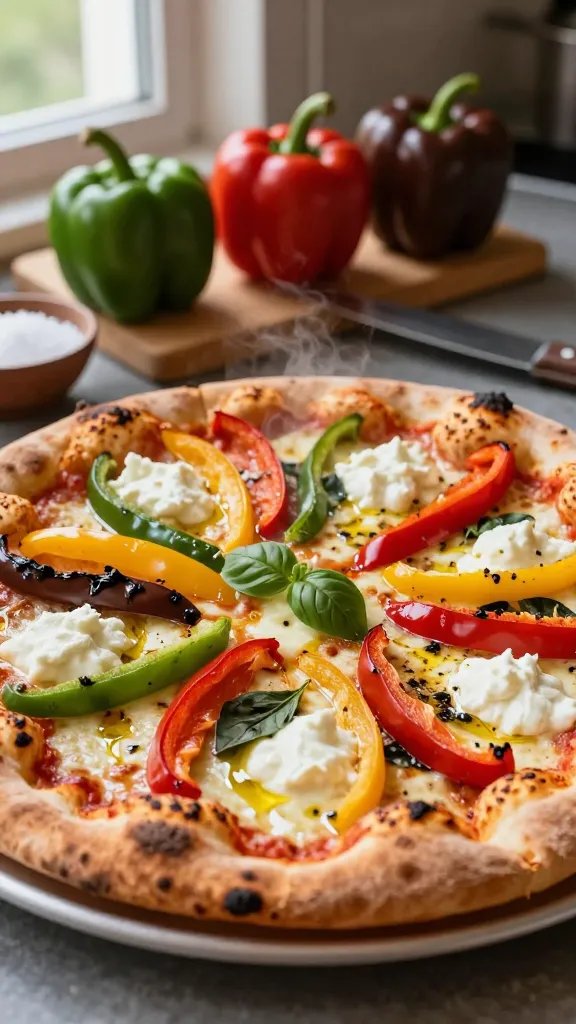
Bell peppers bring sweet crunch and rainbow vibes. Roast them for smoky depth, or slice thin for a crisp bite that plays well with creamy cheeses.
Varieties Worth Growing
- Carmen (Italian frying pepper): Sweet, elongated, roasts beautifully.
- California Wonder: Classic bell, dependable yields.
- Chocolate Beauty: Brown-skinned, rich flavor, unexpected color.
Peppers love heat and consistent moisture. Stake plants so heavy fruit doesn’t snap stems, and wait for full color for max sweetness.
On The Pie
- Thin slices under cheese for steam-softened sweetness.
- Char strips under the broiler first for smoky flavor.
Bell peppers shine when you want texture and sweetness without overpowering saucy pies.
How Do You Grow Red Onions for Pizza Toppings?
Red onions bring sharp, sulfurous bite when raw and turn jammy-sweet when roasted—choose short-day or long-day varieties based on your latitude for proper bulbing, start from sets or seedlings, and keep soil loose and weed-free. Slice thin for quick-softening pieces, or caramelize a big batch and keep it in the fridge for last-minute pizza nights.
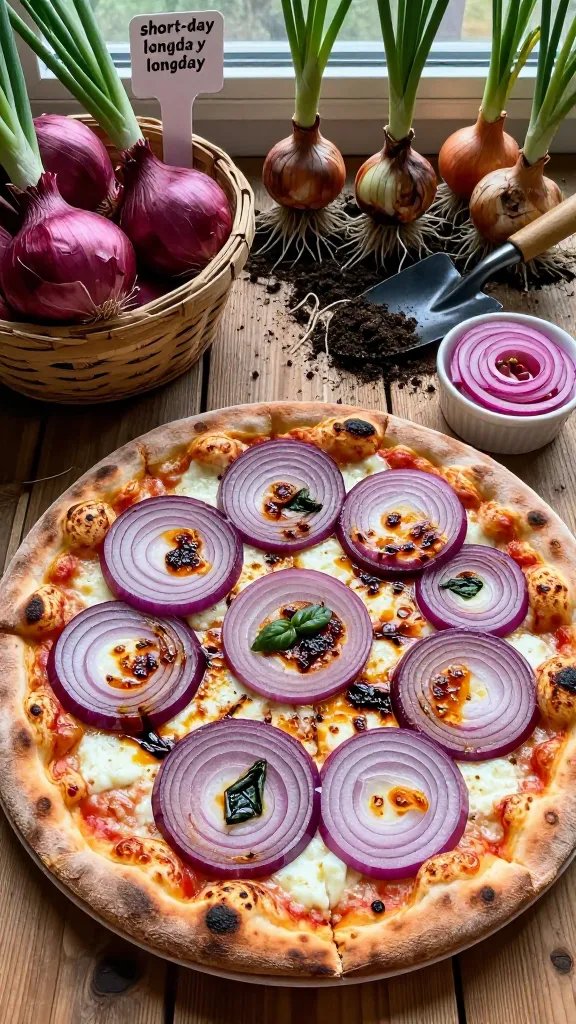
Red onions bring a little attitude raw and turn jammy-sweet when roasted. They cut through rich cheese like pros and add color that pops.
Grower Notes
- Choose short-day or long-day types based on your latitude (important for bulbing).
- Start from sets or seedlings for a strong start.
- Keep soil loose and weed-free—onions hate competition.
Slice thin so they soften quickly. Or caramelize a big pan and keep it in the fridge for last-minute pizza nights.
Flavor Moves
- Quick-pickle slices with vinegar and salt for tang.
- Toss with olive oil and thyme before baking for savory sweetness.
Onions are your go-to when a pizza needs contrast—sharp, sweet, or both, depending on your mood.
What Spinach Varieties Stay Firm on Pizza?
Bolt-resistant spinach varieties like Bloomsdale hold up in the oven without turning to mush, especially when you wilt them first with garlic and squeeze out excess moisture before topping. Grow in cool weather, harvest baby leaves frequently, and water evenly for the crisp, sweet greens that pair perfectly with ricotta, feta, and chili oil.
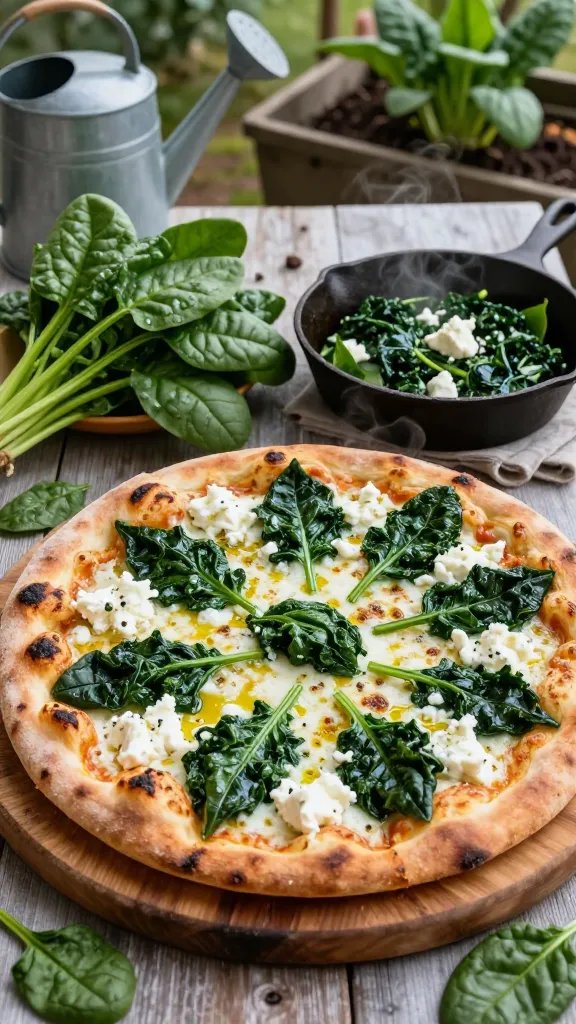
Spinach gives you silky greens that play nice with ricotta, feta, and garlic. Grow your own, and you’ll actually taste how fresh greens should taste—tender, clean, mild.
How To Grow It Right
- Sow in cool weather; bolt-resistant varieties like Bloomsdale handle spring and fall.
- Harvest baby leaves often to keep the plant producing.
- Water evenly for crisp, sweet leaves.
Wilt a handful with garlic in a pan, squeeze out moisture, and scatter over white pies. Or add raw under cheese to steam gently in the oven.
Pairing Ideas
- Spinach + ricotta + lemon zest
- Spinach + mushrooms + mozzarella + a drizzle of chili oil
Use spinach when you want lush, green goodness that feels light but satisfying.
Which Mushrooms Deliver the Meatiest Pizza Topping?
Oyster mushrooms grow fast from kits on straw or sawdust and deliver forgiving, meaty texture; shiitake offers the deepest umami when inoculated on hardwood logs; and wine caps thrive with almost zero effort in outdoor wood chip beds. Always pre-sauté to drive off moisture and concentrate flavor before adding to pizza—this step separates restaurant-quality pies from soggy disappointments.
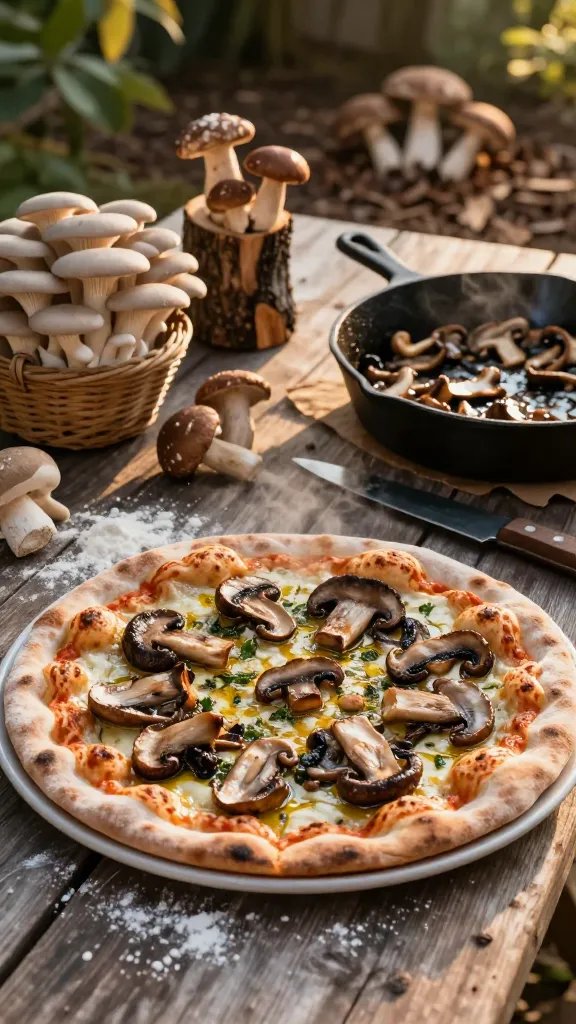
Okay, mushrooms aren’t botanically vegetables, but they’re topping royalty and most backyard growers call them “veggies,” so we’re rolling with it. They deliver savory, umami depth that makes even cheese-less pies feel indulgent.
What To Grow (And How)
- Oyster Mushrooms: Grow from kits on straw or sawdust; fast and forgiving.
- Shiitake: Inoculate hardwood logs for the richest flavor.
- Wine Caps: Thrive in wood chip beds outdoors—low maintenance.
Always pre-sauté mushrooms to drive off moisture and concentrate flavor. Add garlic, thyme, and a splash of soy for next-level umami, IMO.
Pro Move
- Spread sautéed mushrooms under cheese to lock in juiciness.
- Finish with fresh parsley and black pepper after baking.
Use mushrooms when your pie needs body and depth—perfect for meatless nights that still hit hard.
How Do You Grow Zucchini for Light, Crispy Pizza Ribbons?
Harvest zucchini small (6–8 inches) for tender, seedless flesh that crisps into delicate ribbons on pizza without making the crust soggy. Give each plant room to sprawl, mulch heavily to hold steady soil moisture and prevent powdery mildew, and use a peeler to create thin ribbons tossed with olive oil, lemon zest, and salt before layering loosely on the pie.
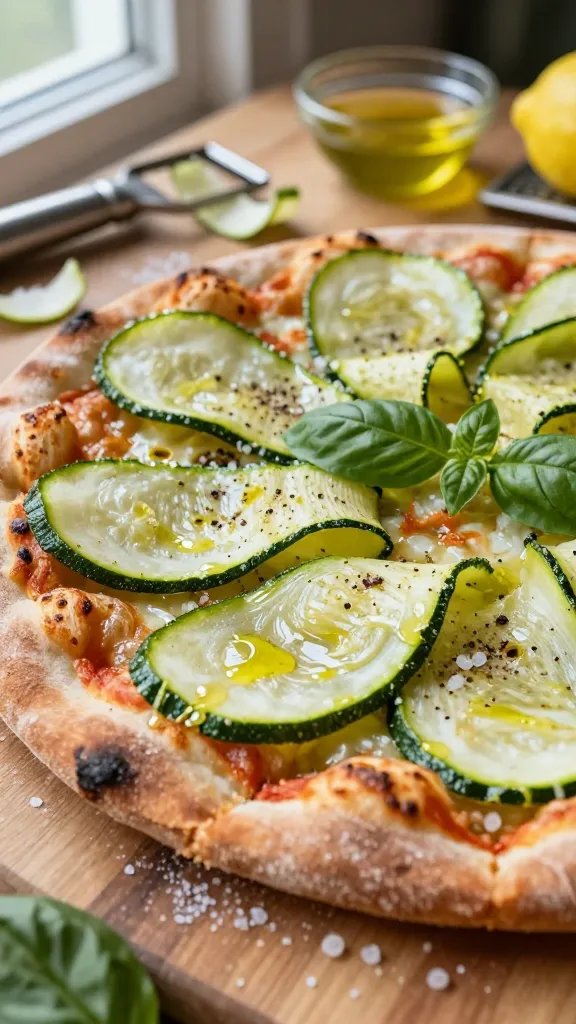
Zucchini brings buttery texture and subtle sweetness that doesn’t steal the show. Thin ribbons crisp up at the edges and feel fancy with basically zero effort.
Planting Tips
- Give each plant room—zucchini sprawls like it pays rent.
- Harvest small (6–8 inches) for tender flesh and fewer seeds.
- Mulch heavily to keep soil moisture steady and reduce powdery mildew.
Use a peeler to make ribbons, toss with olive oil, lemon zest, and salt, then layer loosely. Or slice coins and pre-salt to draw out water. Container gardening with compact zucchini varieties works well if yard space is tight—pick ‘Patio Baby’ or ‘Buckingham’ for bucket-friendly growth.
Tasty Combos
- Zucchini + goat cheese + mint
- Zucchini + basil pesto + fresh mozzarella
Reach for zucchini when you want a light, fresh pie that still looks chef-y. Trust me, it’s sneaky good.
Why Should You Add Arugula After Baking?
A handful of fresh arugula piled on a hot pizza right out of the oven adds peppery brightness and instant restaurant flair—the residual heat wilts it just enough to soften the bite while keeping its signature spice alive. Direct-sow thickly in cool weather, harvest as baby greens, and toss with olive oil and lemon before adding to any pie that needs contrast, especially white pies and anything with prosciutto.
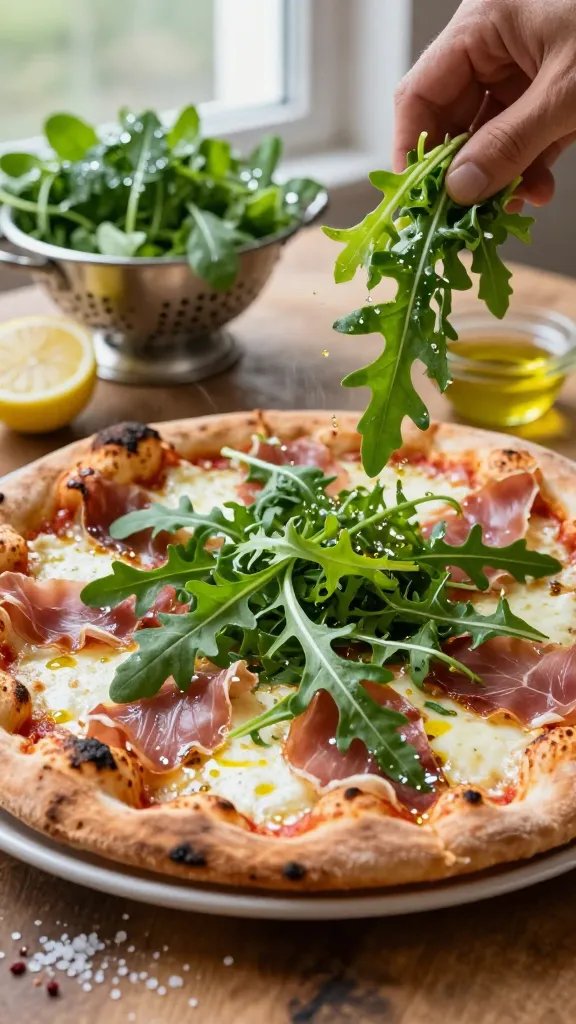
Arugula is your post-bake confetti—peppery, bright, and a little wild. It turns a simple pie into a restaurant moment in five seconds flat.
Grow Like A Pro
- Direct-sow thickly; it grows fast in cool weather.
- Harvest as baby greens for tender texture.
- Keep soil moist to prevent bitterness.
Toss a handful with olive oil and lemon, then pile it on a hot pie right out of the oven. The heat wilts it just enough without killing the bite.
Why It Works
- Balances rich cheeses and cured meats.
- Adds freshness without cooking an extra pan of anything.
Use arugula when you want instant flair and a peppery punch—especially on white pies or anything with prosciutto. Common container planting problems from Clemson Extension can help if your arugula bolts too fast or gets flea beetles—both fixable with shade cloth and consistent moisture.
Your Pizza Garden: 8 Crops at a Glance
| Crop | Best Varieties for Pizza | Key Growing Tip | When to Add to Pie |
|---|---|---|---|
| Tomatoes | San Marzano, Roma, Sun Gold | Full sun, trellis indeterminate vines | Sauce base or fresh slices under cheese |
| Basil | Genovese, Greek | Pinch flowers; plant near tomatoes | Torn on after baking |
| Bell Peppers | Carmen, California Wonder | Stake for heavy fruit; wait for full color | Thin slices under cheese or charred strips |
| Red Onions | Short-day or long-day red types | Keep soil weed-free; loose texture | Thin raw slices or caramelized |
| Spinach | Bloomsdale (bolt-resistant) | Cool weather; harvest baby leaves | Pre-wilted or raw under cheese |
| Mushrooms | Oyster, Shiitake, Wine Caps | Pre-sauté to drive off moisture | Under cheese for juiciness |
| Zucchini | Harvest at 6–8″ | Mulch heavily; space plants wide | Ribbons tossed in oil, layered loosely |
| Arugula | Any baby-leaf type | Direct-sow thick in cool weather | Piled on after baking |
Ready to build the pizza of your dreams? Plant a few of these and your pies will go from “nice” to “legendary” fast. Grab some soil, start small, and let your backyard turn into the tastiest pizzeria in town—seriously, your future self will thank you.
Frequently Asked Questions
How much space do I need for a pizza garden?
You can grow all eight pizza crops in as little as four to six 5-gallon buckets or a 4×8-foot raised bed if you choose compact and patio varieties. Tomatoes and zucchini need the most room; herbs, spinach, and arugula tuck into edges and partial shade without issue.
What’s the best tomato for homemade pizza sauce?
San Marzano paste tomatoes are the gold standard for pizza sauce because they have thick, meaty flesh, few seeds, and a naturally sweet, low-acid flavor that concentrates beautifully when roasted or simmered. Roma tomatoes are a reliable, more widely available alternative that performs almost as well.
Can I grow pizza garden vegetables in containers?
Yes—nearly every pizza garden crop thrives in 5-gallon buckets or larger containers as long as you use a well-draining potting mix, provide 6+ hours of direct sun, and water consistently. Compact varieties like ‘Patio Baby’ eggplant, ‘Tumbling Tom’ tomatoes, and bush-type peppers are specifically bred for container success.
When should I add basil to pizza—before or after baking?
Tear fresh basil leaves and add them after the pizza comes out of the oven to preserve the delicate essential oils that give basil its signature sweet, peppery flavor. Adding basil before baking causes the leaves to blacken and lose most of their aromatic impact in the high heat.