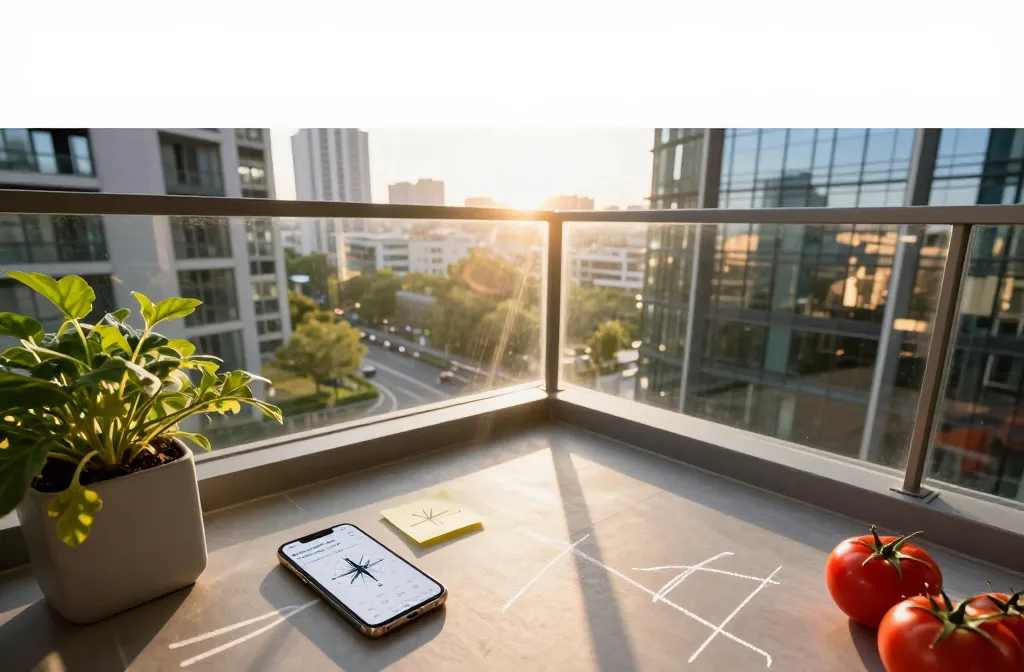
How to Map Sun Patterns on a Balcony Before You Plant Anything Fast
I learned to stop guessing after I crisped a tray of lettuces on a west-facing balcony and then shaded my tomatoes into silence the very next year. Apartment balconies swing from dim to desert depending on height, orientation, and the building across the street. Mapping the sun first saved me time, soil, and a lot of plant regret. I’ll show you exactly how to track light with household tools, read shadows, and translate that into smart plant and layout choices.
Know Your Orientation and the Obstacles That Steal Light
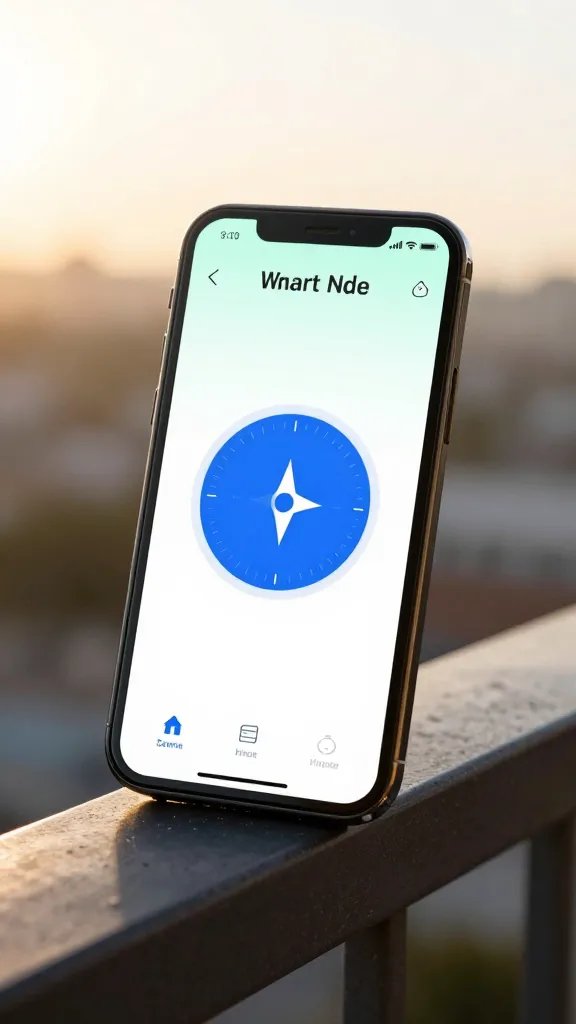
Before anything else, confirm where your balcony points. I use the compass on my phone and stand at the railing: note which way the street runs and where the sun rises and sets. Then I list obstacles: the balcony above, side walls, railings, trees, and neighboring buildings — each one cuts light at different times.
Height matters. Higher floors usually get longer sun windows and harsher wind; lower floors lose late-day rays to trees and buildings. Note reflective surfaces like light stucco or glass across from you — they bounce bonus light and heat.
Action today: Open your phone’s compass, mark your balcony’s direction (N, E, S, W) on a sticky note, and tape it to the door as your baseline.
Run a One-Week Light Log With Only Paper and Your Phone
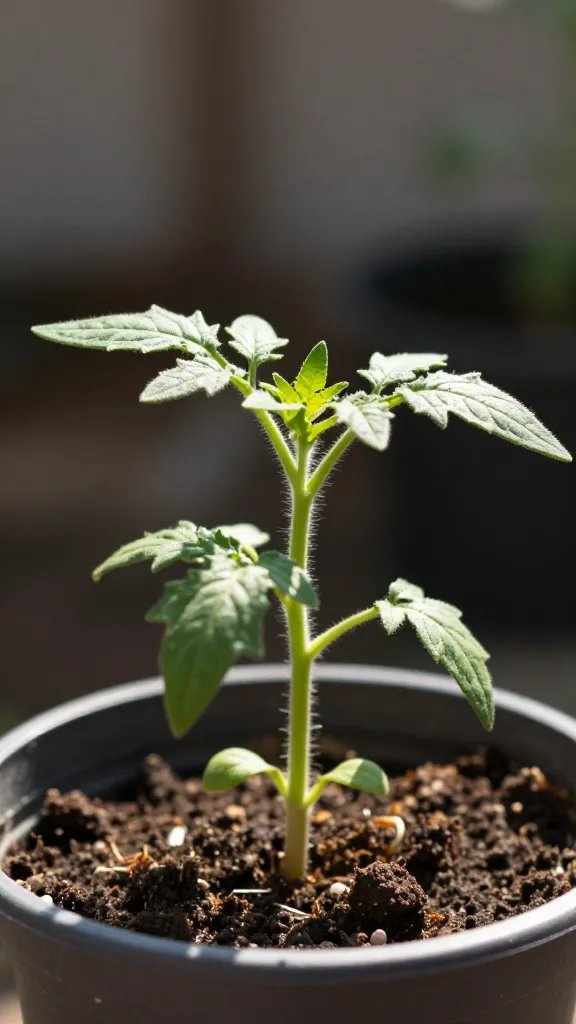
I track sunlight in 2-hour blocks over seven days. Weather shifts, so one day lies; a week tells the truth. I set alarms for 8am, 10am, 12pm, 2pm, 4pm, 6pm and step out for a 10-second check each time.
For each check, I mark the balcony zones: back by the wall, mid-floor, and front railing. I log three states: direct sun (you can see your hard-edged shadow), bright shade/indirect (area is well lit but no sharp shadow), or deep shade (dim, soft shadow or none). I keep it on a simple grid taped near the door.
Action today: Draw a quick balcony sketch split into three zones and set phone alarms for the next sunny day’s checks.
Use Simple Shadow Tests to Measure Sun Strength
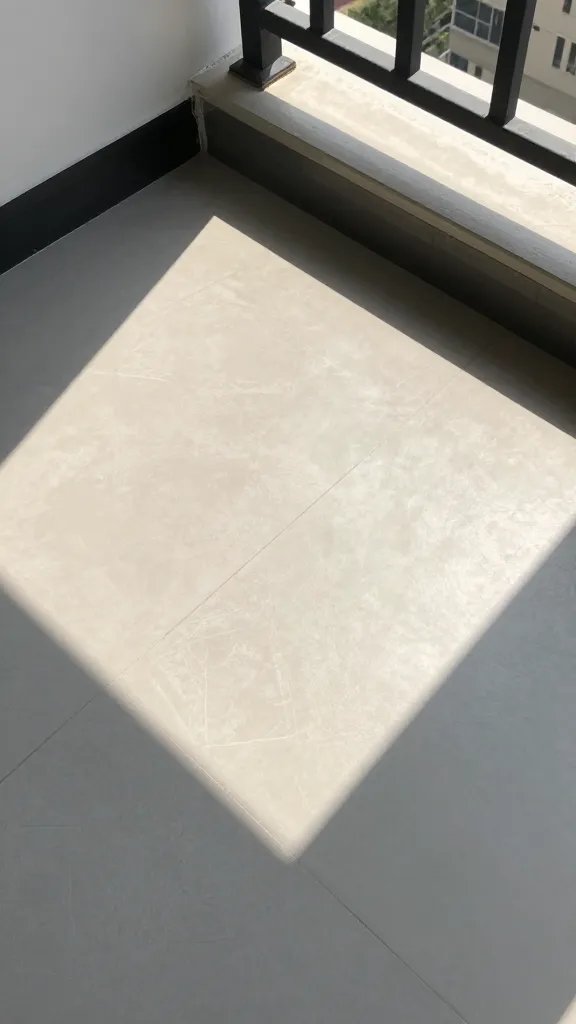
I don’t own a light meter. I use my hand. A crisp, dark shadow means strong direct sun; a softer but defined shadow means bright indirect light; a faint, blurry shadow means low light. I also use the wall test: point your phone camera at a white wall — if the wall looks bright enough to read comfortably without squinting, it’s bright shade.
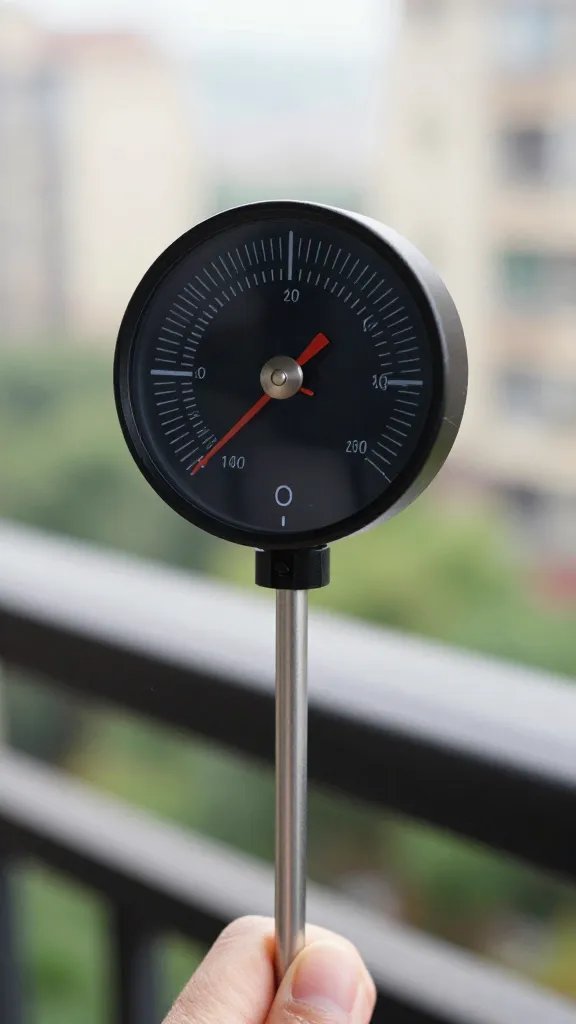
Temperature matters too. I set a cheap analog thermometer from the hardware store at the railing for an hour in afternoon sun. If it climbs above 30°C (86°F) regularly, I plan heat-tolerant plants and extra watering trays in that zone.
Action today: At midday, hold your hand above the floor — check the shadow quality and label that spot “direct,” “bright,” or “low.”
Track Seasonal Changes Without Waiting Three Months
Sun angles shift. East and west still act like east and west, but the sun sits higher in summer and lower in winter. I simulate seasons by looking at obstacles: anything high (balcony above, awnings) blocks high summer sun; anything far and tall (buildings, trees) cuts lower winter sun and late-day rays.
I also check a sun path app once — any free sun-tracker on your phone — to see the arc in June and December for my location. Then I adjust my log notes: summer gets more overhead light on the outer edge; winter pushes any surviving sun deeper toward the railing gap.
Action today: Open a free sun-path app, note the June and December arcs, and circle on your sketch which zone gains sun in summer vs. winter.
Translate Your Log Into Zones and Plant Matches

Now label each balcony area by total daily direct sun: 6+ hours = full sun, 3–5 hours = part sun/part shade, 1–2 hours or only bright shade = bright shade, and no direct sun = low light. Total the direct hours from your week; use the lowest consistent number on cloudy days as your baseline.
Match plants to zones. Full sun suits fruiting crops and tough ornamentals. Part sun favors leafy greens and many herbs. Bright shade fits ferns and some flowering annuals. Low light demands foliage plants that accept it, or use that area for storage or a seating nook.
Plant Matches by Real Balcony Conditions
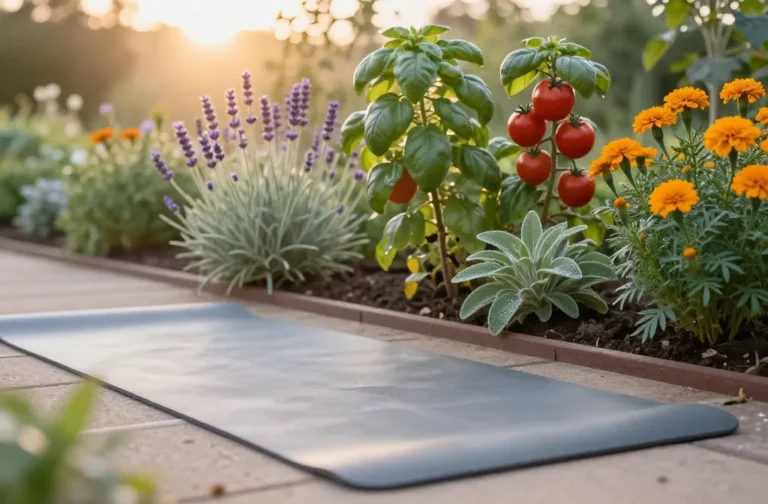
- Full Sun (6–8+ hrs): Tomatoes (compact varieties), chilies, strawberries, lavender, rosemary, thyme, sedum.
- Part Sun (3–5 hrs): Lettuce, spinach, arugula, chives, parsley, calendula, dwarf beans.
- Bright Shade (strong ambient light, little direct): Mint (container to contain it), cilantro, nasturtium (flowers, edible leaves), coleus.
- Low Light (no direct, dim): ZZ plant, pothos, snake plant — or skip edibles here.
Action today: Write the hour totals on your sketch and list three plant options per zone that fit those hours.
Account for Heat, Wind, and Reflection That Skew Results
Balconies add variables. A glass balustrade bakes roots and leaves; black metal railings store heat that blasts evening air. Upper floors funnel wind that desiccates plants faster than sun alone.
I add simple buffers: light-colored saucers to reflect heat, a strip of shade cloth or bamboo screen on the railing for harsh west sun, and a windbreak panel on the windiest side. I place thirstier plants behind a taller pot that casts partial shade during peak hours.
Warning Signs and Fixes
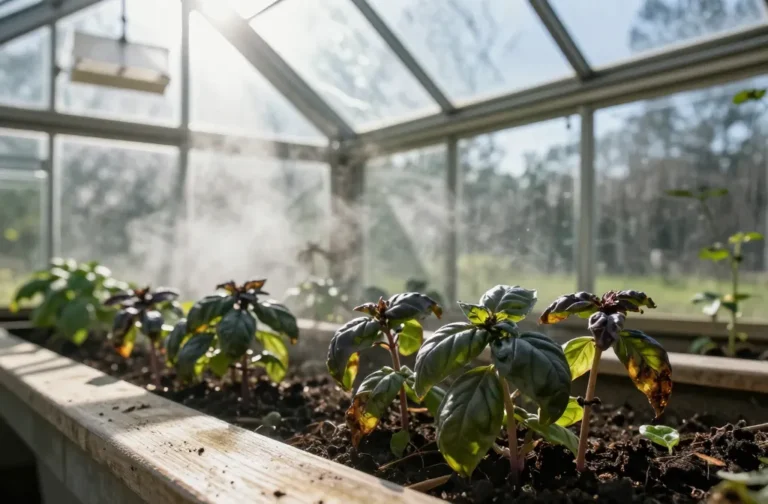
- Leaf edges crisping by 4pm: Add a 30–50% shade cloth panel or move pot 30–60 cm back.
- Wilting midday but perky at night: Heat stress; use deeper containers and mulch with 1–2 cm of compost or bark.
- Stunted growth in “bright” spots: It’s not bright enough; slide pot toward the rail or switch to shade-tolerant plants.
Action today: Stand on the balcony at your hottest hour and note where heat radiates; plan one small shade or wind buffer for that exact spot.
Lay Out Pots to Capture or Avoid Sun on Purpose
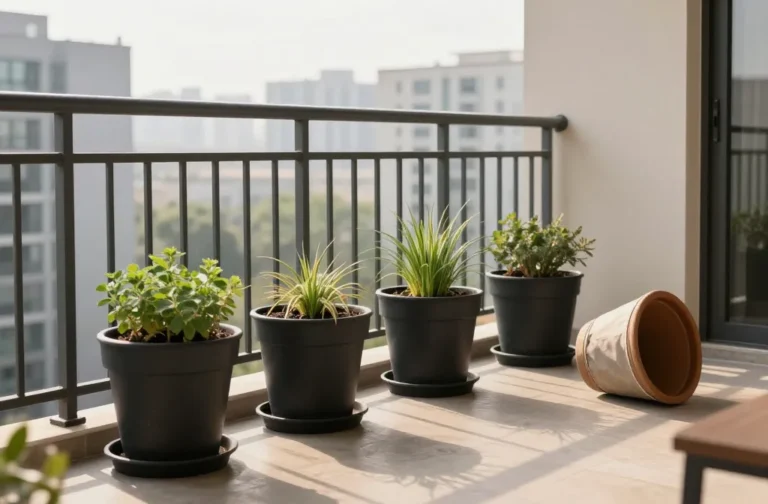
I treat pots like movable shade trees. Tall tomatoes at the railing cast a strip of afternoon shade behind them — perfect for lettuces. A light bench or plant stand lifts small herbs into a sun band that misses the floor.
Group plants by water needs in the same light. I keep drought-tolerant herbs together in the hottest zone and leafy greens together in part sun so I don’t overwater one to keep another alive.
Simple Placement Recipe
- Put heat-loving, fruiting plants on the sunniest edge with the sturdiest pots.
- Stage medium-height herbs just behind to catch a half-day of sun.
- Tuck greens or shade lovers in the tall plants’ afternoon shadow line.
- Leave a maintenance path you can water without stepping over pots.
Action today: Move one tall pot to the front edge and observe the new shade stripe at 3–5pm.
Validate Your Map With a Single Test Pot
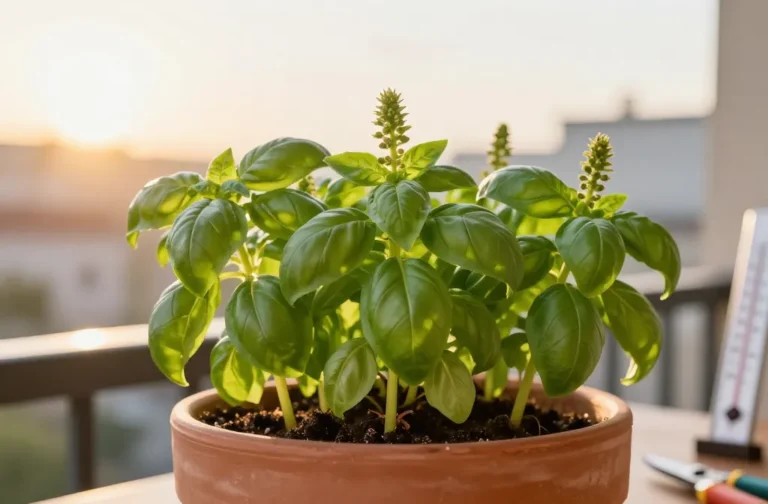
Before I buy a season’s worth of plants, I run a test. I plant fast-feedback greenery like arugula or basil in a 20–25 cm pot and park it in each target zone for three days.
If it grows upright with good color and minimal scorch, the zone passes. If it leans, bleaches, or wilts daily, I adjust the spot or change the plant list.
Action today: Plant one pot of basil or arugula and rotate it through two zones this week, 3 days each, noting leaf color and posture.
Frequently Asked Questions
How many hours of sun do tomatoes actually need on a balcony?
Give tomatoes a minimum of 6 hours of direct sun, and 8 is better for reliable fruiting. If you only have 4–5 hours, choose compact or patio varieties and use a light-colored wall or reflective surface to bounce extra light. Water deeply every 2–3 days in heat, not daily sips. Stake early so wind doesn’t snap new growth.
My balcony gets only morning sun. What should I plant?
Morning sun is gentler, which suits greens and many herbs. Plant lettuce, arugula, spinach, chives, parsley, and cilantro, plus flowers like nasturtium and violas. Avoid heat-craving fruiters unless you can guarantee 6 hours or more. Use a light bench to raise pots into the brightest morning band.
How do I tell the difference between bright shade and low light?
In bright shade you’ll see a soft but clear shadow of your hand at midday; in low light the shadow is faint or missing. If you can read comfortably without squinting, you’re in bright shade. Plants in bright shade still grow, just slower; low light is for tough foliage or non-plant uses. Place reflective items (light pots, pale walls) to push bright shade a bit further.
Do awnings and the balcony above ruin south-facing sun?
They cut high midday sun but often leave strong morning or afternoon bands. Watch where the sun sneaks under the edge and use that strip for sun lovers. Move shade-tolerant plants closer to the wall where the overhang blocks light. If needed, angle a plant stand so the pot lip sits just beyond the overhang’s shadow at noon.
Is a cheap light meter worth it for balconies?
You don’t need one. A week-long log with shadow checks gives you the decisions you need. If you enjoy gadgets, a basic phone-based meter can confirm your zones, but it won’t replace tracking how obstacles shift light through the day. Spend the budget on deeper pots and quality potting mix instead.
Conclusion

You now have a clear, week-tested map of your balcony’s sun — not guesses, not wishful thinking. Use it to pick plants that match your real hours, place pots to shape shade on purpose, and add simple buffers for heat and wind. The next step is easy: choose three plants for each zone on your sketch and set them where you know they’ll thrive. Start with a test pot this week, confirm your map, and plant with confidence.