The Secret to How a Vertical Trellis System Actually Works — Load, Anchoring and Plant Weight Over Time
I built my first vertical trellis with optimism and cheap twine. By midsummer the tomatoes leaned like tired lampposts, and one windy night the whole thing slumped. I fixed it the next morning with better anchors and a smarter layout — and it hasn’t moved since. In this guide I show exactly how a vertical trellis carries load, how to anchor it with standard hardware-store parts, and how to plan for plant weight as the season progresses.
The Real Forces On a Trellis: Down, Out, and Over
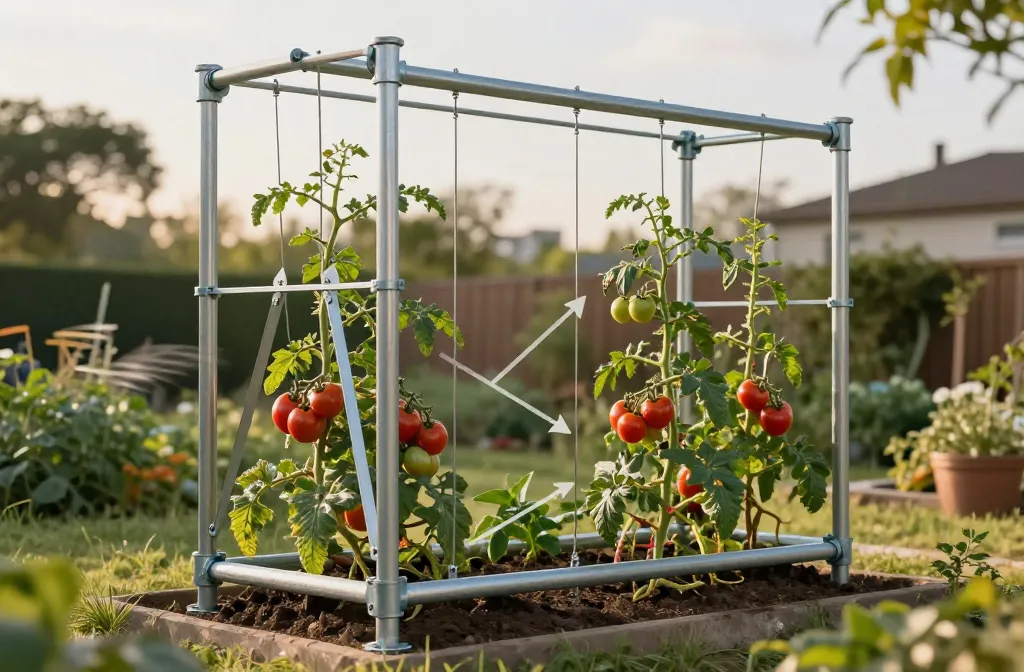
A vertical trellis deals with three forces: vertical load (plant weight and fruit pull down), lateral load (vines tug the structure outward), and overturning (wind pushes like a lever at the top). If you ignore any one, the frame creaks, leans, or snaps.
Picture each vine as a slow-growing barbell. A mature tomato truss or cucumber string adds a little weight every week, and by peak season the combined load equals a bucket or two of water hanging from the top crossbar. Design for that from day one.
Action today: Stand to the side of your current trellis and push lightly at shoulder height — if it sways more than a finger’s width, you need better bracing or anchors.
Choosing a Frame That Won’t Rack or Twist
You can build a solid frame with items from any garden centre or hardware store. Use either 1-inch metal conduit (EMT) with push-on corners or 1.5-inch exterior timber with galvanized L-brackets. Metal handles slender vines elegantly; timber feels friendlier for heavier crops and looks good against a fence.
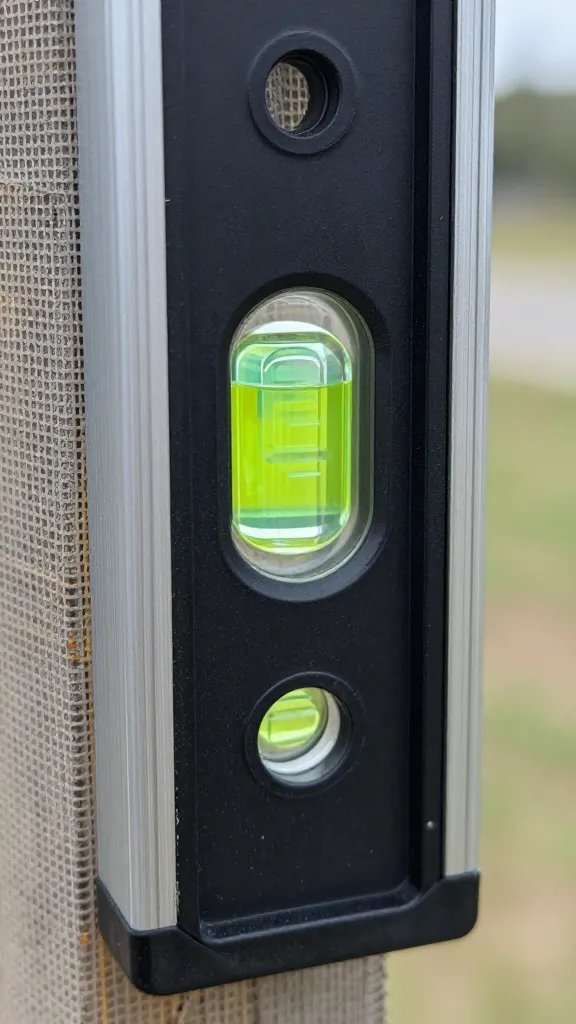
The weak point is not usually the upright — it’s the joints. A square frame without diagonals behaves like a folding card table. Add triangulation: one diagonal brace on each side stops racking and spreads load.
Material Recommendations
- Uprights: two 8-foot 1-inch EMT conduits or two 2×2-inch treated timber posts.
- Top bar: one 6–8-foot EMT conduit or a straight 2×2-inch timber, knot-free.
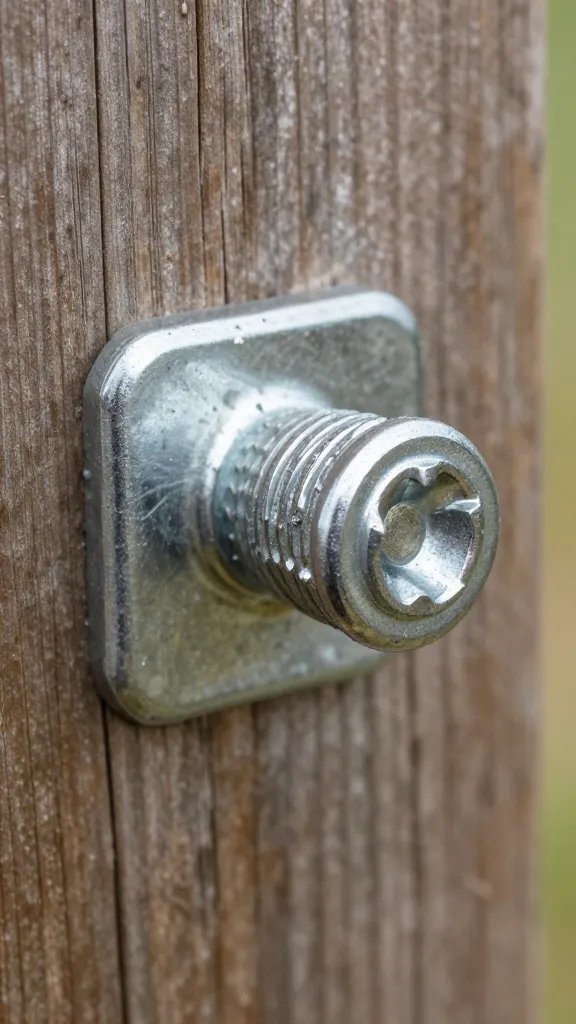
- Joints: galvanized EMT corner connectors or exterior L-brackets with 1.5-inch exterior screws.
- Bracing: 1×2-inch timber offcuts cut at 45°, or steel perforated strapping.
Action today: Add a single diagonal brace on the windward side from halfway up the upright to the outer third of the top bar — it removes most wobble in five minutes.
Anchoring That Holds Through Storms
A trellis fails at the ground first. Pots tip, garden beds heave after rain, and loose soil lets posts wiggle. You solve this with depth and spread — think tent stakes, not a single nail.
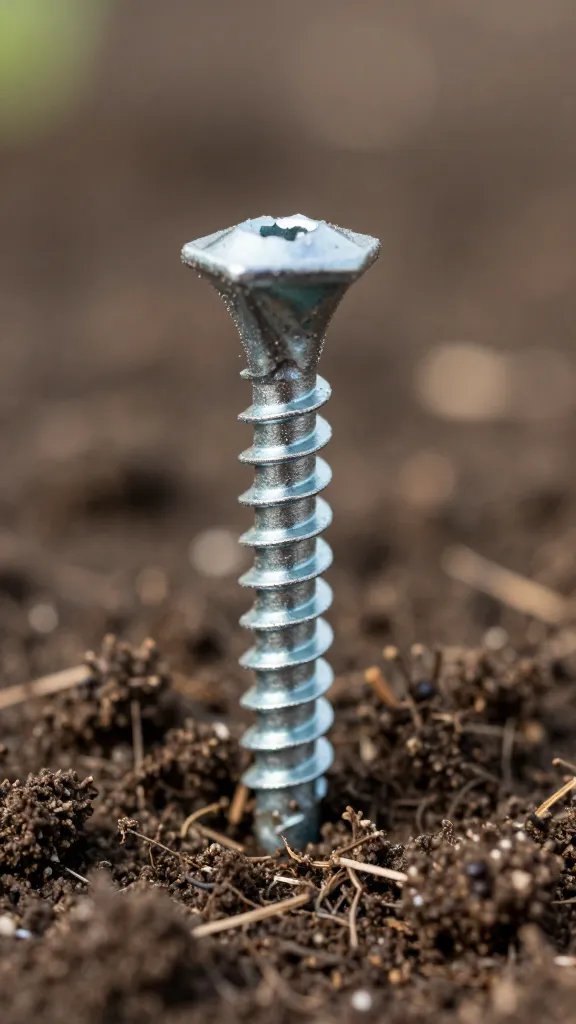
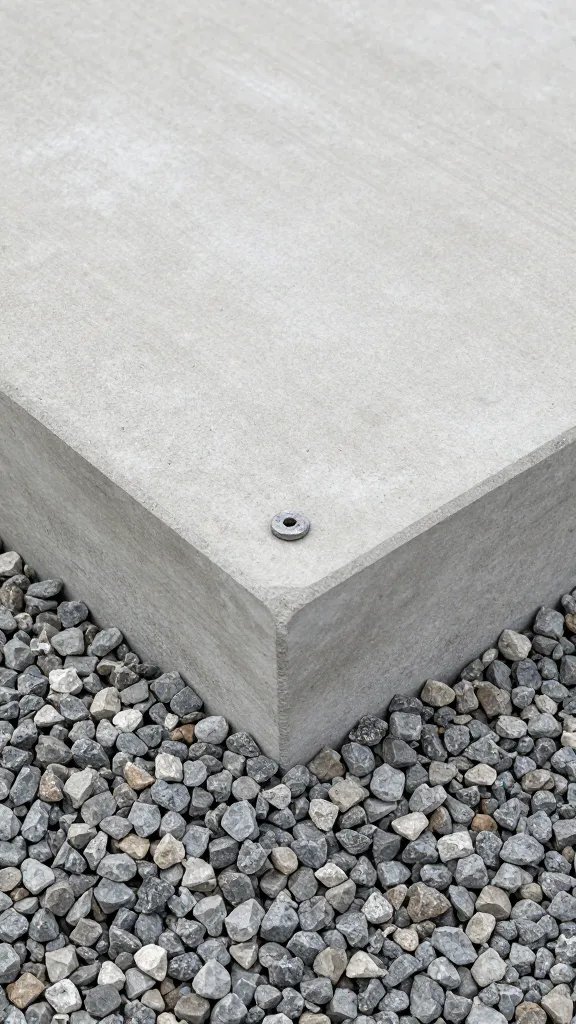
In soil, drive two 18–24-inch rebar stakes or screw-in earth anchors per upright, set 6–8 inches away from the post and laced back with galvanized wire or heavy-duty zip ties. On patios, use water or sand ballast: two 5-gallon buckets per upright, half-filled and hidden in planters, hold far more than people expect.
Step-by-Step: Fast Soil Anchor
- Drive an 18–24-inch rebar stake at a 30–45° angle away from the trellis, ending level with the soil.
- Loop galvanized wire from the stake head to the upright at shoulder height.
- Twist tight with pliers until the wire “sings” when you pluck it.
- Repeat on the other side of the same upright to resist push and pull.
Action today: If your uprights sit directly in soft soil, add one guy-line per side using a tent stake and garden wire — ten minutes that doubles stability.
Wires, Netting, and Knots That Share the Load
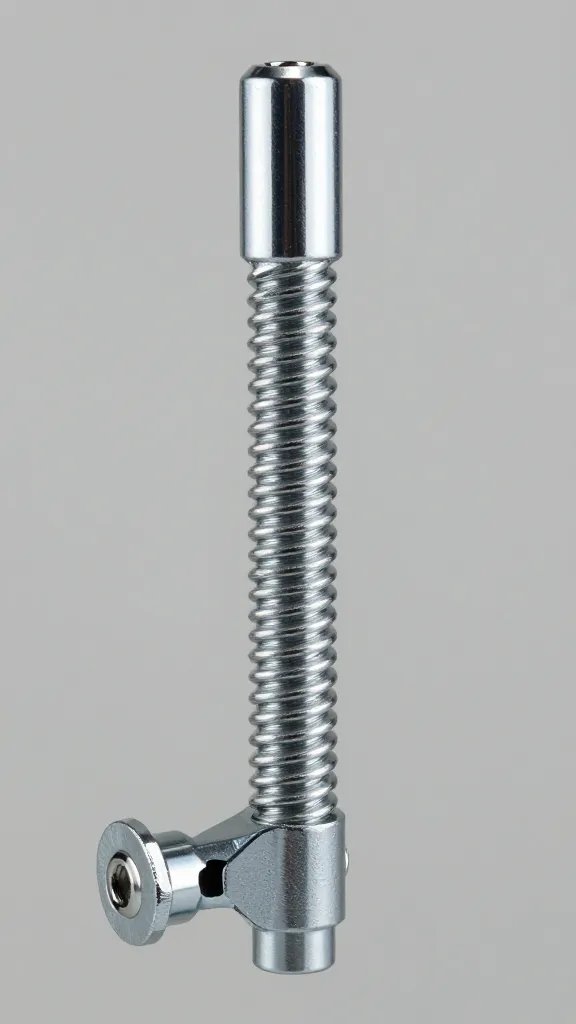
The plant doesn’t grip the frame — your stringing does. Use a top support line that refuses to sag, then hang secondary lines or netting. For tomatoes, run a taut horizontal wire (coated laundry line works) and drop individual twine lines. For peas and cucumbers, stretch heavy garden netting so it’s drum-tight.
Sag kills strength. Every inch of droop shifts weight into the middle and multiplies stress at the ends. Pre-tension the top line before you hang anything and re-tension midseason.
Quick-Rig Details
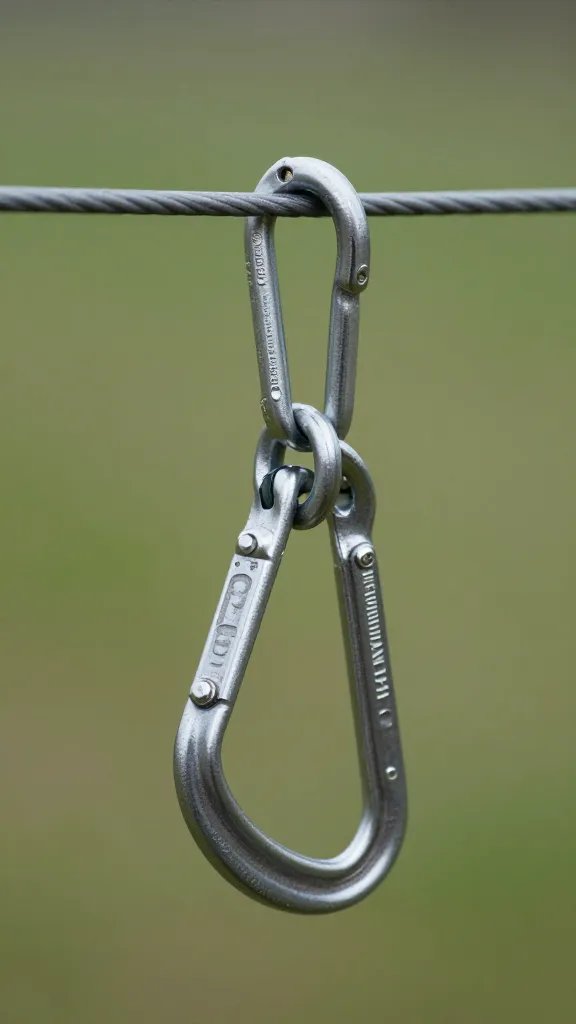
- Top line: coated steel clothesline or 3–4 mm polyester rope, pulled tight with a simple ratchet strap or turnbuckle.
- Verticals: natural jute for one season or polyester mason line for reuse. Tie with a clove hitch at the top and a slipknot to a plant clip near the base.
- Netting: choose mesh about the size of your palm — smaller snags leaves, larger lets vines fall through.
Action today: Grab the middle of your top line and pull down; if it moves more than 1 inch, tighten it using a ratchet strap or by retying with a trucker’s hitch.
Planning for Plant Weight Over Time
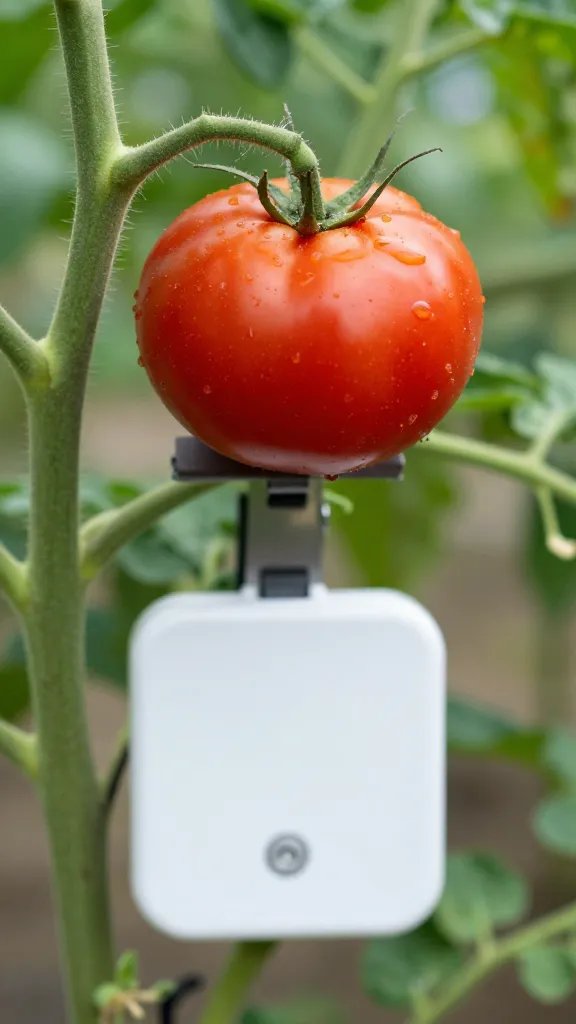
Plants stay light until they fruit, then they gain weight fast. A single cluster of medium tomatoes weighs about as much as a full mug of coffee; five clusters per plant add up. Cucumbers and squash add fewer points of weight, but each fruit acts like a small pendulum in wind.
I plan for the end of the season first. Build for the final height, the final fruit load, and wet-weather weight. Assume each heavy fruiting plant adds 10–15 pounds across the season when you include vines, fruit, and water content.
Midseason Checkpoints
- Week 4: Retighten top line, add one more diagonal brace if you feel sway.
- First fruit set: Add soft slings for heavy fruit (old T-shirt strips work).
- After storms: Re-seat stakes by stepping the soil firmly around them.
Action today: Weigh a bowl of five tomatoes or cucumbers from your kitchen, then imagine that hanging from one square of netting — add an extra tie or sling exactly there.
Safe Height, Spacing, and Daily Use
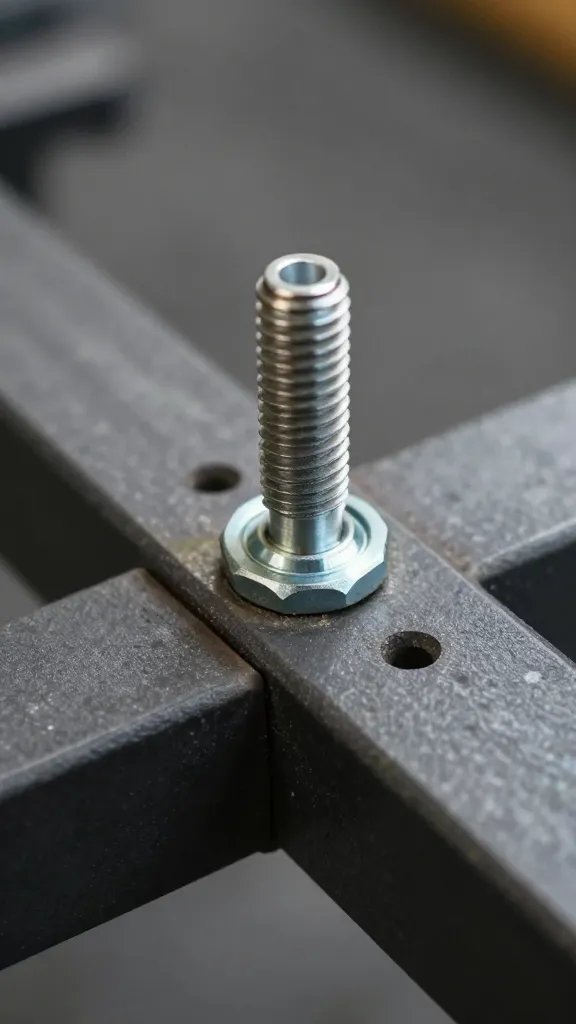
Height tempts people. Anything over your comfortable reach invites bad knots and rushed pruning. Keep home trellises at 6–7 feet; top at 7 feet and lean vines back down rather than chasing more height.
Space uprights 4–6 feet apart for most crops. Closer spacing means less bending on the top bar, which makes everything feel rock solid with the same materials.
Warning Signs and Fast Fixes
- Creaking joints: Add a diagonal brace or replace a single screw with two spaced screws.
- Sway at the base: Install opposing guy-lines or add ballast.
- Netting tearing: Zip-tie a thin bamboo stick across the tear and reattach the mesh to spread load.
Action today: If your trellis stands taller than you by more than 1 foot, add a horizontal “work bar” at your eye level to tie into — it keeps daily tasks safe and tidy.
Simple Build: A Weekend Trellis That Lasts All Season
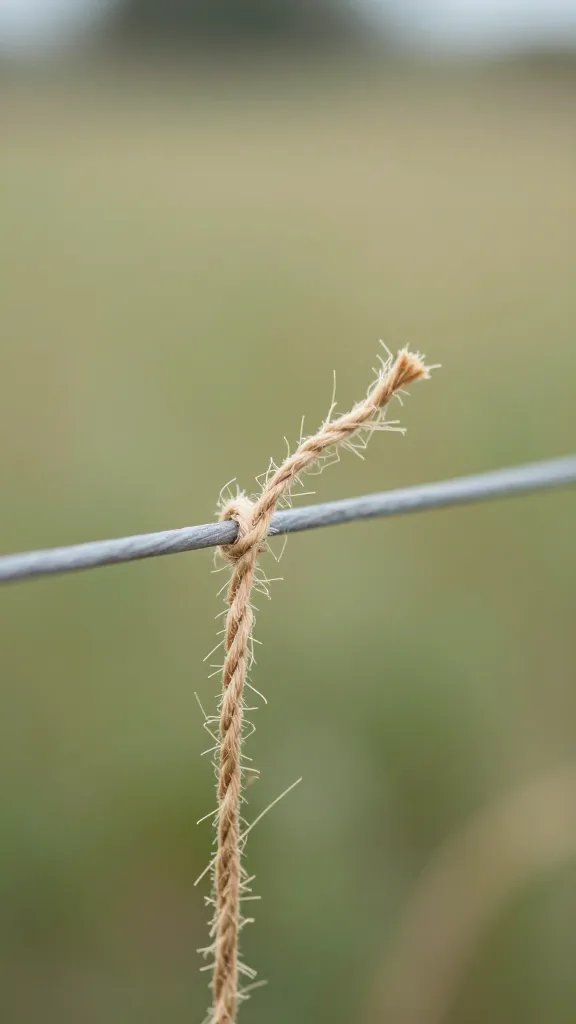
Here’s a reliable setup I repeat every year for tomatoes and cucumbers. It uses only common parts and takes an afternoon.
- Set two 8-foot EMT uprights 6 feet apart behind the bed. Push 12 inches into soil or clamp to planters.
- Attach an 8-foot EMT top bar with EMT corner connectors. Tighten firmly.
- Add one 1×2-inch diagonal brace on each side, screwed from mid-upright to the outer third of the top bar.
- Run coated clothesline along the top, tension with a small ratchet strap.
- Drop vertical twines every 12–16 inches for tomatoes, or stretch heavy netting for cucumbers.
- Anchor with two 24-inch stakes per upright and guy-lines, or place two half-filled 5-gallon buckets as ballast per upright if on patio.
Action today: Lay out your materials list and measure your space — commit to a 6-foot span and 7-foot height so you buy the right lengths once.
Frequently Asked Questions
How much weight should I design my trellis to hold?
Plan for at least 30–40 pounds spread across a 6–8-foot span for tomatoes or cucumbers. That accounts for vines, fruit, and wet weather. If you grow heavier squash, double the anchors and add an extra diagonal brace. When in doubt, shorten the span or add a middle post.
Can I anchor a trellis in containers on a balcony?
Yes. Use ballast you already have room for: two 5-gallon buckets per upright, half-filled with sand or water, tucked into decorative planters. Zip-tie or clamp the uprights to the bucket handles or to a short 2×2 batten screwed across two containers. Recheck after windy days and top up water if you used it as ballast.
What string should I use so it doesn’t snap midseason?
Use polyester mason line or braided nylon for reuse, or jute if you compost it after the season. Aim for 3–4 mm thickness so it’s kind to stems. Replace any line that looks fuzzy or discolored — it’s weakening. Tie with a clove hitch at the top and a gentle loop around a plant clip at the base.
How do I stop netting from sagging in the middle?
Tension the top and bottom edges like a drum and add one vertical support in the center. A thin bamboo cane zip-tied top to bottom works well. If the span is over 6 feet, run a second top line or add a middle post. Retighten once at first fruit set.
What’s the best height for pruning and harvesting safely?
Seven feet is the upper limit for comfortable, ladder-free work. Train vines to the top, then lean and lower or pinch to keep them within reach. Install a horizontal work bar at eye level to tie stems quickly. If you already built taller, add a step platform with a non-slip surface and use it consistently.
How far from the wall or fence should I place the trellis?
Keep 6–8 inches of air gap so leaves dry after rain and you can get your hands behind the vines. Too close invites mildew and makes tying impossible. If wind funnels along that wall, add guy-lines on the open side to resist the push. Sweep leaves out of the gap weekly to avoid slugs.
Conclusion
You now know how a vertical trellis really works: brace the frame, anchor it like a tent, and plan for the final weight, not the first sunny week. Build the simple 6–7-foot system above, then schedule two midseason tension checks on your calendar. If you’re ready to expand, your next step is choosing crop-specific training — start with a single-stem tomato guide and apply it to your new, rock-solid trellis.