The Secret Behind How Felt Panel Living Walls Work — Water Distribution, Root Competition and Long-Term Health
When I installed my first felt panel living wall, I treated it like a row of hanging pots. Within a month the top plants were thriving, the bottom row was drowning, and the middle looked confused. Once I understood how water actually travels through felt and how roots fight for space, everything clicked. In this guide I’ll show you how these systems really work, how to keep water where plants can use it, and how to avoid slow decline so your wall stays lush for years.
What a Felt Panel Living Wall Actually Is
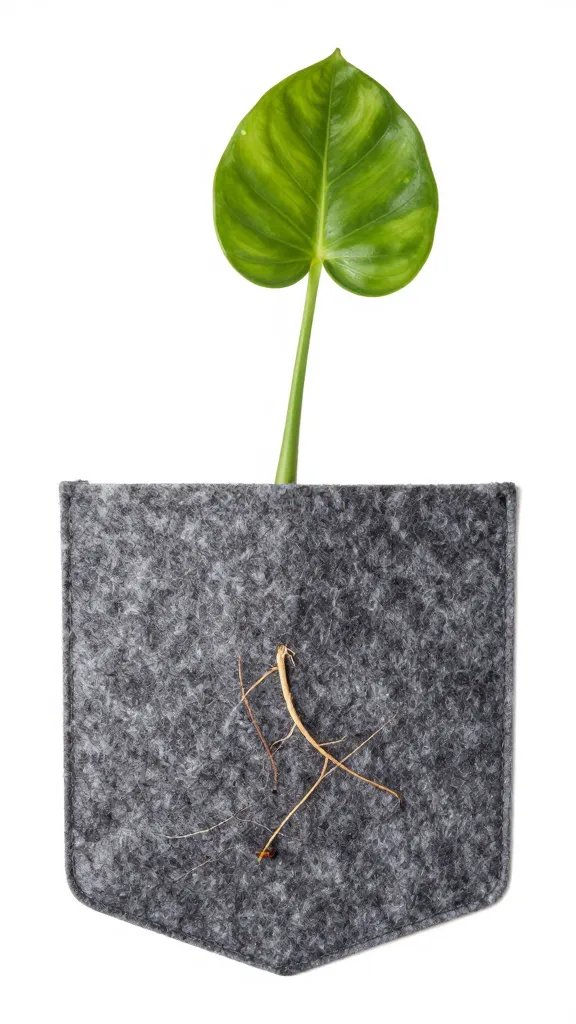
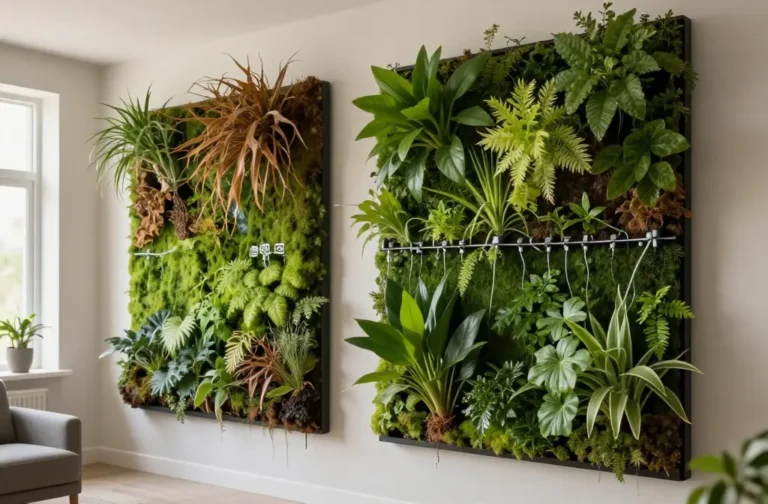
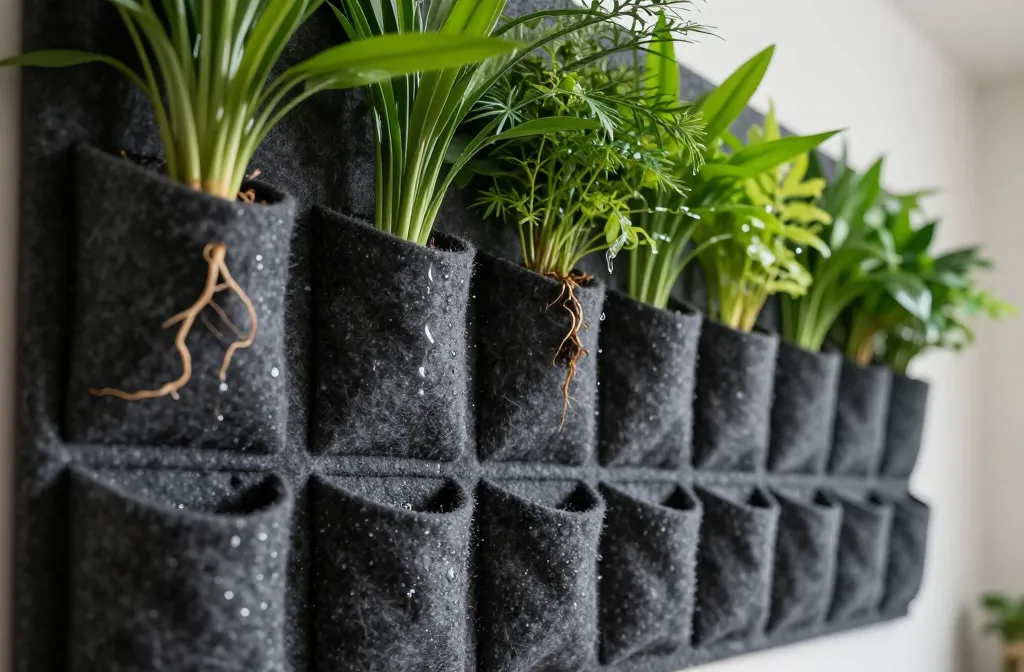
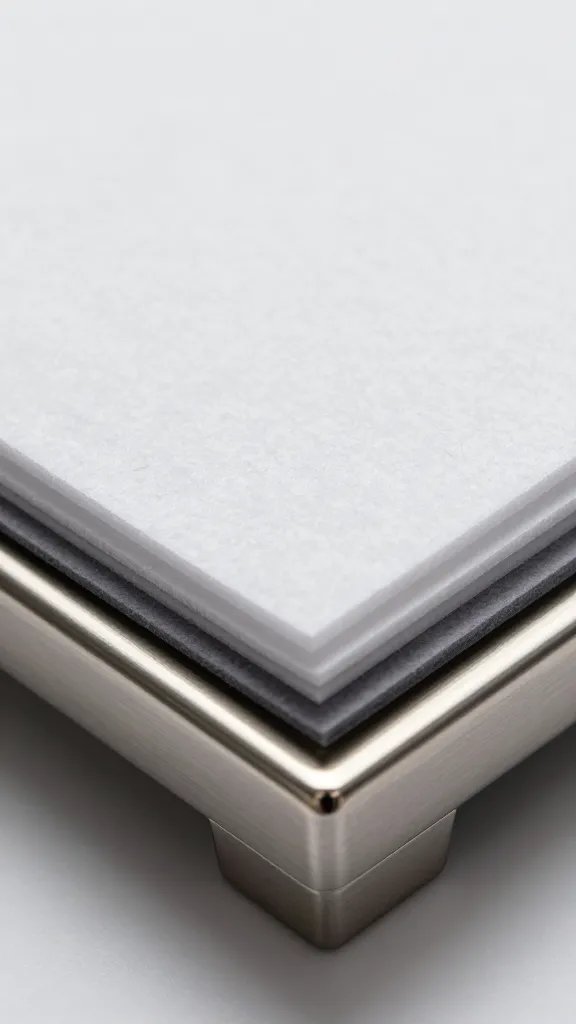
A felt panel living wall is a vertical pocket system made from layers of synthetic felt mounted to a frame. You tuck plants into pockets filled with a thin layer of medium, and water flows across the felt, not through a deep pot.
This design means the felt acts like a giant wick. It spreads moisture sideways and downward, then air hits the surface and evaporates the rest. Roots anchor to the felt and sip from a thin film of water rather than sitting in a pot of soil.
Action today: Press a finger into an empty pocket after watering. If the felt feels evenly damp (not dripping) across the whole pocket, you’re using it right; if water gushes out, reduce run time.
How Water Moves Through Felt: Wick, Sheet, Then Drip
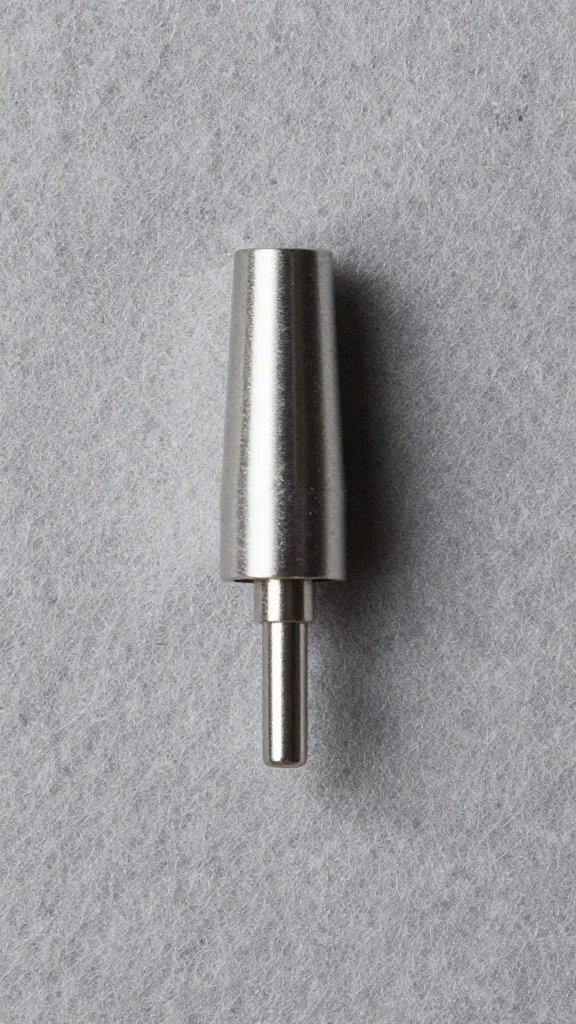
Water in a felt wall moves in three stages. First, it wicks sideways through fibers. Then it forms a thin sheet that spreads across the pocket face. Finally, any extra becomes drips that head to the lowest point.
Why that matters: The top and center get the first, best sip. The bottom becomes a catchment zone where extra water collects. If you flood the top, the bottom row stays wetter longer and the middle dries faster than you think.
Warning Signs Of Poor Distribution
- Crispy tips on mid-level plants while the bottom row grows algae on the felt.
- Water tracks on the panel face that stay wet hours after watering.
- Top pockets bulging from swollen medium while lower pockets smell swampy.
Action today: Do a 24-hour finger test: water once, then check top, middle, and bottom pockets at 1, 6, and 24 hours. If the bottom stays wet at 24 hours while the middle is dry at 6, shorten each watering but water more often.
Setting Up Simple, Even Watering Without Fancy Gear

You don’t need a professional system. A small submersible pump in a bucket, vinyl tubing, and a basic drip kit from your garden centre will do the job. Run a simple header tube along the top with short drip lines that feed each column.
Focus on gentle flow. You want a slow, steady film, not jets. I set a cheap outlet timer to run for short pulses so the felt can absorb evenly.
Step-By-Step: DIY Even-Flow Setup
- Place a storage tote or bucket beneath the wall to act as a reservoir. Fill with clean, room-temperature tap water that tastes clean, not salty.
- Drop in a small fountain pump rated for tabletop fountains. Attach clear vinyl tubing to reach the wall top.
- Connect a basic drip manifold or T-fittings to spread water across the top row. Aim outlets at felt, not into pockets.
- Add a simple filter sock (a piece of nylon stocking over the pump intake) to keep debris out.
- Set a plug-in timer to run 2–5 minutes, 1–3 times a day, then adjust after your 24-hour test.
Action today: Swap one long watering for two short cycles, spaced morning and early afternoon. You’ll see fewer soggy bottoms and fewer dry middles within a week.
Choosing the Right Plants For Felt Pockets

Felt favors plants with thin, fibrous roots and a tolerance for brief dry-wet cycles. Avoid heavy feeders and thick taproots that pry pockets open or rot when water lingers.
Think rainforest understory and hardy houseplants. Keep thirsty species low, tougher species high, and match size to pocket depth so crowns don’t smother under splash.
Reliable Plant List (By Position)
- Top row (drier, brighter): Pothos (Epipremnum aureum), Heartleaf Philodendron, Spider Plant, Bird’s Nest Fern (small).
- Middle (balanced): Peace Lily (compact types), Peperomia, Nerve Plant, Rabbit’s Foot Fern, Small Philodendron hybrids.
- Bottom (stays wetter): Maidenhair Fern, Selaginella, Baby’s Tears, Moss panels, Compact Calathea (Goeppertia) if bright but not hot.
Action today: Move your thirstiest, finest-rooted plants to the lowest third and your toughest vining plants to the top third to match the natural moisture gradient.
Root Competition: Why Strong Growers Choke the Rest

In a felt wall, roots don’t stay in “their pot.” They creep along felt seams and dive into neighbors’ pockets. Aggressive species dominate water routes and starve slower growers.
I treat the wall like a neighborhood with zoning laws. I group plants by speed and prune roots that stray across seams during maintenance.
How To Control Root Creep
- Trim roots on removal day: Every 8–12 weeks, slide out each plant, snip back long runners, and re-seat snugly.
- Use root barriers: Slip a strip of plastic plant label or landscape fabric between pockets where a bully plant borders a delicate one.
- Plant in modules: For vines, keep them on the same vertical column so they compete with themselves, not your ferns.
Action today: Pick the most aggressive vine and cut back any roots that have crossed into adjacent pockets; re-tuck the crown so new growth faces its own column.
Fertilising Without Burning or Sliming the Felt

Felt walls hate heavy feeding. Excess fertilizer salts pull moisture away from roots and grow algae on the fabric. I use a half-strength, balanced liquid houseplant feed once every 3–4 weeks during spring and summer, then stop in winter.
Always fertilize into the reservoir on a watering day, never directly onto dry felt. Flush with plain water every fourth feed to rinse buildup.
Warning Signs Of Overfeeding
- White crust on felt edges or around pocket seams.
- Algae bloom turning felt green within a week of feeding.
- Leaf tip burn on plants across multiple rows at once.
Action today: If you see crust on the felt, run plain water twice the usual volume through the system and skip feeding for two weeks.
Keeping the Wall Healthy For Years: Light, Air, And Cleanliness
Light drives growth that can actually drink the water you provide. Aim for bright, indirect light near a window, not direct midday sun that bakes the felt. Supplement with a simple shop light on a 10–12 hour timer if the wall looks dull or leggy.
Airflow matters. A small desk fan on low, pointed past the wall (not at it), keeps leaves dry and discourages fungus. Clean the reservoir monthly and wipe the felt face where splash collects dust.
Quarterly Maintenance Checklist
- Pull and inspect each plant. Trim roots and dead leaves.
- Soak removable felt panels or wipe in place with a damp cloth and a drop of mild dish soap, then rinse with clean water.
- Scrub the reservoir with a soft brush and refill with fresh water.
- Check timer accuracy and replace any clogged drippers or kinked lines.
Action today: Add a low-speed fan near the wall and set it to run during your light cycle — you’ll see fewer spots and faster drying after each watering.
Troubleshooting Common Water Problems Fast

If plants yellow from the bottom up and the felt smells sour, you have chronic wet feet in the lower third. If leaves crisp in the middle and growth stalls, water isn’t reaching that band long enough to soak in.
Fix distribution first, not fertilizer. Shorter, more frequent cycles solve 80% of issues. Re-seat plants so crowns sit slightly proud of the pocket rather than buried under splash.
Quick Fixes By Symptom
- Slimy felt at bottom: Halve each watering duration and add one extra cycle earlier in the day.
- Dry middle row: Tilt the top header slightly forward so water sheets across, not straight down channels.
- Algae on felt face: Reduce feeding by half, add airflow, and wipe with a damp cloth weekly.
- Uneven growth side to side: Level the panel and clear any pinched tubing along the top header.
Action today: Adjust your timer so the last watering finishes at least 2 hours before lights off or sunset to allow leaves and felt to dry.
Frequently Asked Questions
How often should I water a felt panel living wall?
Start with 2–5 minutes per cycle, 1–3 times daily. Check moisture at top, middle, and bottom after 24 hours and adjust. Your goal is felt that’s slightly damp by touch between cycles, not dripping. In winter, reduce to once daily or every other day if the room is cool and growth slows.
Do I need soil in the pockets, or can I use felt only?
Use a thin layer of good quality potting mix from the garden centre to anchor roots and hold nutrients. Pure felt dries too quickly and offers no buffer for feeding. Keep the medium shallow — just enough to cover roots and seat the crown. Avoid heavy, moisture-retentive mixes that turn to sludge.
What light is best if my wall isn’t near a window?
Hang a simple LED shop light 12–18 inches from the plants and run it 10–12 hours daily. Choose a neutral or “daylight” color listed on the box and keep it cool to the touch. If leaves stretch or pale, lower the light a few inches or extend the timer by an hour. Keep direct heat off the felt to prevent fast drying.
How do I prevent mold or fungus on the felt?
Keep airflow moving with a small fan, avoid late-night watering, and clean the felt surface monthly. Remove dead leaves promptly so they don’t rot in the pockets. If you see spots, wipe with a damp cloth, then let the panel dry for a few hours with the fan on. Persistent issues mean your cycles are too long — shorten them.
Can I grow herbs or edibles in a felt wall?
Yes, but choose compact herbs like thyme, oregano, and mint, and place them high where it’s brighter and drier. Feed lightly and trim often to prevent woody stems from prying the pockets. Skip lettuces and juicy greens unless you can water more frequently without soaking the bottom row. Always wash edibles thoroughly before use.
What’s the easiest way to fertilize without overdoing it?
Use a balanced liquid houseplant fertilizer at half strength every 3–4 weeks in spring and summer. Add it to the reservoir on a watering day, then run one plain-water cycle afterward to spread it evenly. Every fourth feed, skip fertilizer and flush with plain water to prevent salt buildup. Stop feeding in winter unless you use bright supplemental light.
Conclusion
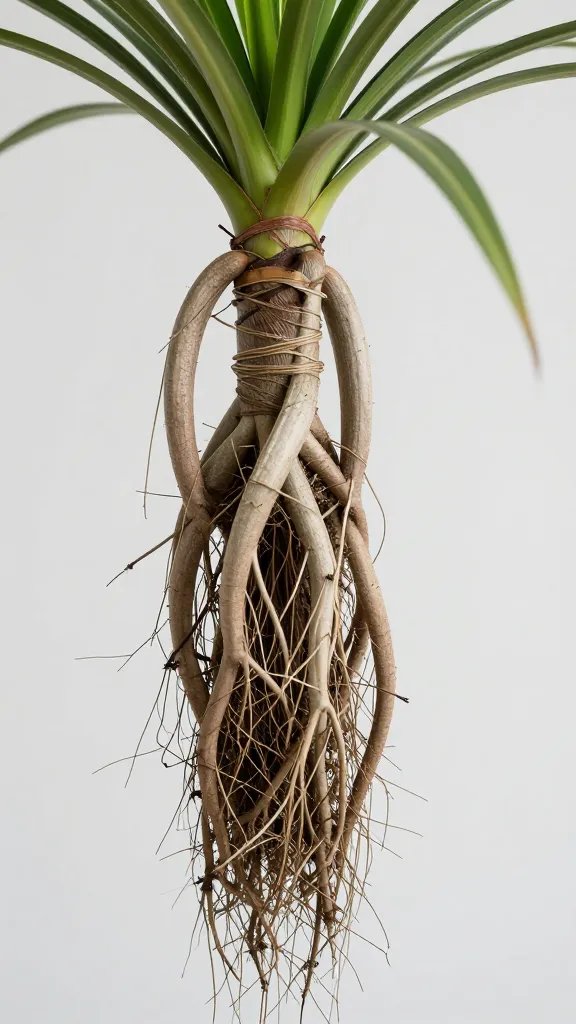
If you treat a felt panel like a thin, shared root mat that drinks from a film of water, the care decisions become obvious. Dial in short, even watering, group plants by thirst and speed, and keep roots in their lanes with regular trims. Today, run the 24-hour moisture check and adjust your timer — that single habit keeps the whole wall thriving for the long term.