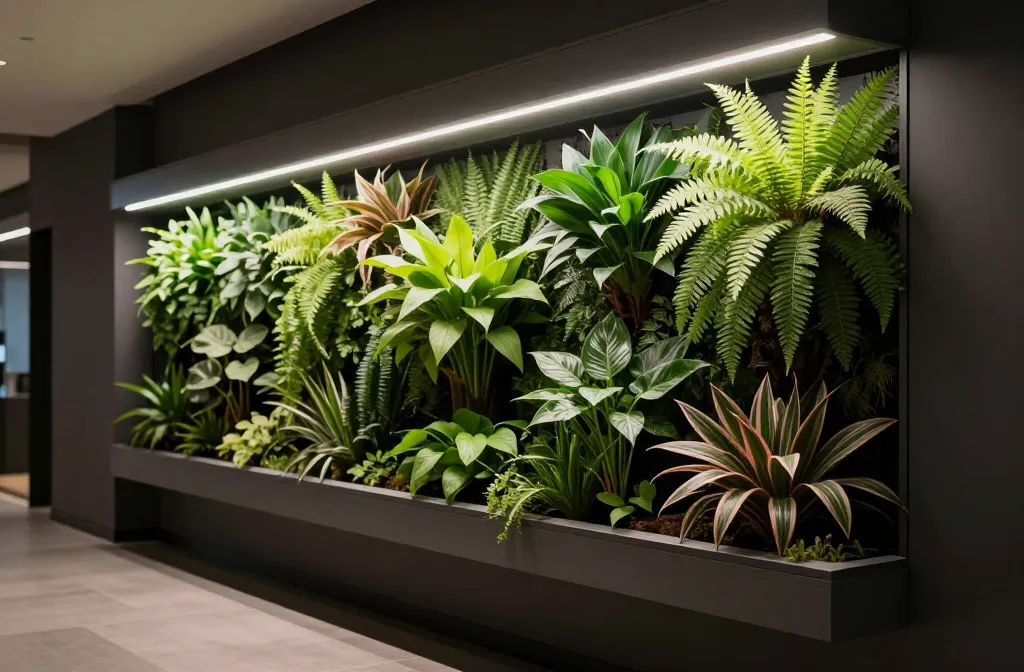
The Secret to How to Keep a Living Wall Alive in a Dark Room — Artificial Light, Plant Selection and Rotation Strategy
I installed my first living wall on a hallway with zero windows and watched it struggle for months. The fix wasn’t a fancy irrigation system — it was the right light, the right plants, and a simple rotation routine. In this guide I’ll show you exactly how to set up lighting that mimics a bright window, choose plants that tolerate low light, and rotate panels so the whole wall stays lush. You’ll avoid the classic pitfalls that thin a wall in six weeks and learn the habits that keep it thriving for years.
Why Living Walls Crash in Dark Rooms

A living wall concentrates many plants into a shallow substrate with limited reserves. In darkness, they burn through stored energy and stop growing.
Most failures come from three issues: insufficient light duration, weak fixtures placed too far away, and thirsty plants in a thin medium. Fix those and the rest becomes maintenance.
Action today: Count how many hours your wall actually receives light. If it’s under 12 hours, plan to add a timed artificial light schedule.
Set Up Artificial Light That Actually Replaces a Window
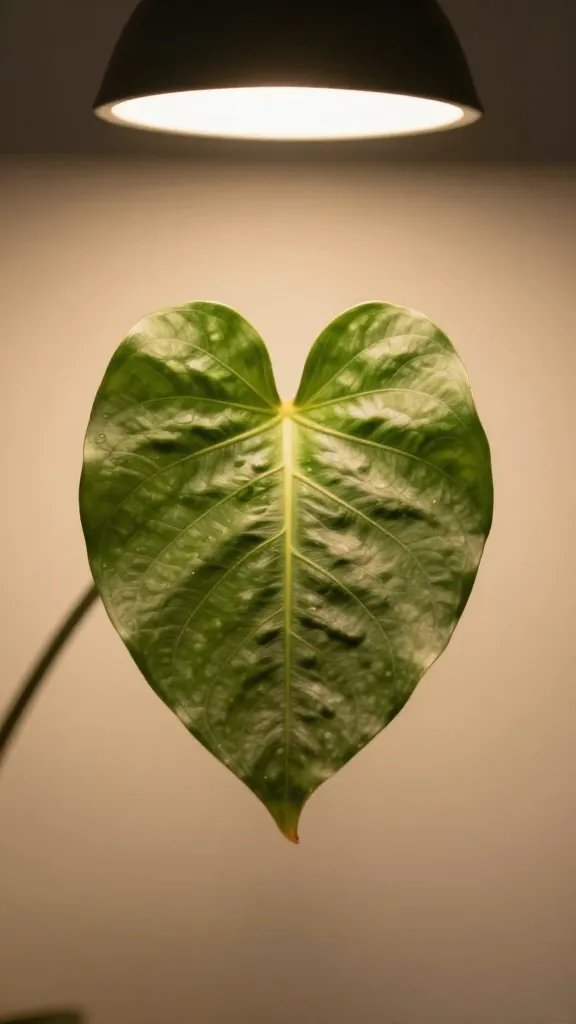
Skip decorative “plant bulbs” that look nice but don’t illuminate evenly. You want bright, even coverage across the whole wall for 12–14 hours daily.
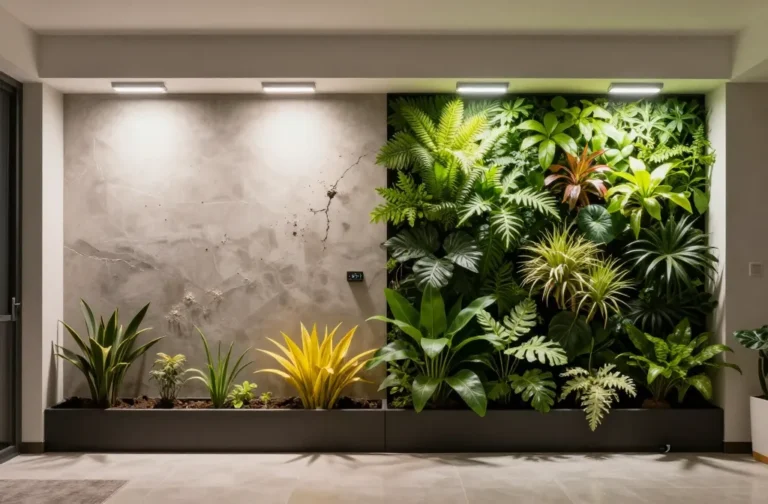
Use either LED shop lights (4000–5000K “daylight/neutral white”) or LED grow bars from a garden centre. Hang or mount them so the diodes sit 12–18 inches from the plant foliage and run them on a simple plug-in timer.
Placement and Timing That Works
- Mount lights parallel to the wall, spaced so beams overlap slightly. For a 1 m wide wall, two 120 cm shop lights usually cover it.
- Set a timer for 14 hours on, 10 hours off. I run 7am–9pm for consistency.
- Angle fixtures 5–10 degrees toward the wall to reduce glare and brighten lower rows.
Action today: Install a basic plug-in timer and set a 14-hour schedule. Consistent hours matter more than exotic bulbs.
Choose Plants That Stay Full in Low Light
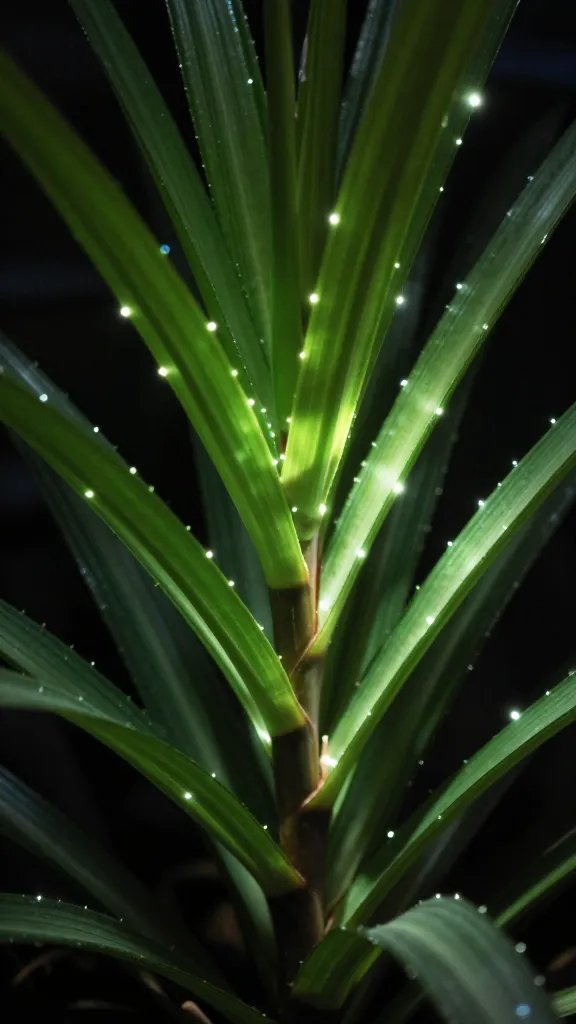
Some plants tolerate weak light but never look dense on a wall. Choose species that hold leaves tightly, root well in shallow pockets, and don’t demand direct sun.
Reliable Plant List for Dark-Room Walls
- Epipremnum aureum (Pothos, green or jade types) — fast, forgiving, thick coverage.
- Scindapsus pictus ‘Argyraeus’ — slower than pothos, but lush and silver-speckled.
- Philodendron hederaceum (Heartleaf) — compact vines, good in shade.
- Aglaonema (narrow-leaf varieties) — sturdy clumps, good color without high light.
- Spathiphyllum (Peace lily, compact types) — fills gaps; tolerates missed water.
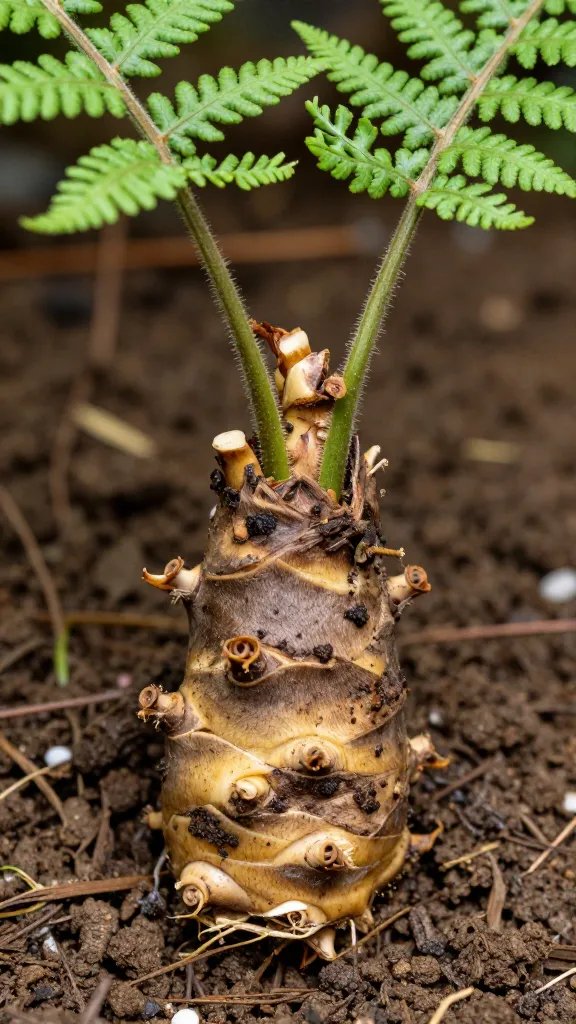
- Nephrolepis (Boston fern, dwarf) — best near direct light path; keep evenly moist.
- Asplenium nidus (Bird’s nest fern) — bold rosettes; place mid-height for space.
- Sansevieria (snake plant, dwarf/compact) — anchors corners; drought-tolerant.
- Tradescantia zebrina — quick color if lights are strong; pinch often.
Action today: Replace weak performers with two of the species above that match your wall’s look — start with pothos and heartleaf philodendron for guaranteed coverage.
Build a Simple Rotation Strategy to Even Out Growth
Even good lights have hot spots. Rotating plants prevents thin patches and keeps the lower rows from languishing.
Rotation Plan I Use
- Divide the wall into thirds: top, middle, bottom.
- Every two weeks, swap the bottom third with the middle third. Next rotation, move the former middle to the top, and top to bottom.
- Rotate individual modules 180 degrees if your system allows, so trailing vines don’t always grow in one direction.
Label modules with painter’s tape so you don’t lose track. Rotation fixes most “bald bottom row” problems without adding more fixtures.
Action today: Put a recurring two-week reminder on your phone to rotate modules by thirds.
Watering and Feeding Without Special Gear

Living walls dry out faster than pots because the medium is thinner. I water when the top inch of the pocket feels dry and leaves look slightly less perky — usually every 3–5 days under lights.
Use a watering can with a narrow spout or a hand pump sprayer from the hardware store. Water until you just see the first sign of runoff in the catch tray, then stop to avoid constant drips and root rot.
Fertilizer the Easy Way
- Use a balanced liquid houseplant feed at half strength every 4 weeks from spring to early autumn.
- Skip feeding mid-winter when growth slows under shorter days.
- Rinse with plain water once every 6–8 weeks to prevent crusty residue.
Action today: Mix a half-strength houseplant fertilizer and feed on your next watering, then set a calendar repeat for every 4 weeks.
Substrate, Mounts, and Airflow That Prevent Failures

A wall in a dark room needs a medium that holds moisture but still breathes. Use a good quality potting mix from the garden centre blended 2:1 with orchid bark or coarse perlite to add air. If you’re using prefilled pockets, top-dress with a thin layer of fresh mix every 4–6 months to keep it springy.
Keep at least 2–3 cm of space behind the wall frame for airflow, and avoid sealing the edges with caulk. Add a small desk fan on low, pointed across the room (not directly at the wall) for 4–6 hours a day to discourage mildew.
Action today: Run a fan on low for the afternoon and check behind the wall for any damp, stale spots — if it smells musty, increase airflow.
Maintenance Routines That Keep It Dense
Trim, clean, and inspect on a schedule. I pinch trailing tips every two weeks to encourage side shoots and thickness, and I remove yellow leaves promptly so they don’t invite fungus.
Wipe dust off leaves monthly with a damp microfiber cloth so they can use all the light you’re giving them. Check for pests at the same time — look under leaves for sticky residue or webbing and treat early with a ready-to-use neem or insecticidal soap spray.
Action today: Pinch the newest 1–2 cm off any leggy vine and wipe the front foliage with a damp cloth.
Frequently Asked Questions
How far should my lights be from the plants?
Keep LED shop lights or grow bars 12–18 inches from the leaf surface. Closer than 10 inches can cause leaf scorch or crispy edges, especially on ferns. If leaves curl upward or bleach, raise the fixture by 5 cm and recheck in a week.
Do I need a special grow light, or will daylight bulbs work?
Daylight (4000–5000K) LED shop lights work well for foliage walls if they’re bright and close. Purpose-built grow bars are compact and run cooler, but not mandatory. Focus on coverage and hours-on — 14 consistent hours beats a premium bulb used inconsistently.
How often should I water a living wall in a dark room?
Expect every 3–5 days under continuous lighting. Check the top inch of the pocket; if it feels dry and leaves look slightly less perky, water until you see the first hint of runoff in the tray. In winter or cooler rooms, stretch to 5–7 days and reduce volume.
My lower rows look sparse — what now?
Start your two-week rotation cycle and lower the lights by 2–3 cm to brighten the base. Trim long top vines to redirect energy into side shoots, and replant a few tip cuttings into the thin pockets. Feed at half strength once this month to support regrowth.
What’s the simplest way to add new plants without a mess?
Pre-soak the new plant’s root ball, then gently shake off loose soil so it fits the pocket snugly. Make a planting hole with your fingers, tuck roots in, and press mix firmly around the crown. Water lightly to settle, then don’t disturb for a week while it roots.
Are ferns a bad idea for dark rooms?
Not if you pick sturdy types and place them well. Use Boston or bird’s nest ferns in the mid to lower section under strong, close lighting and keep the medium evenly moist. Avoid delicate maidenhair ferns unless your humidity stays high and your lights are dialed in.
Conclusion

You don’t need a sunny window to keep a living wall lush — you need steady light, forgiving plants, and a rotation rhythm. Set your timer to 14 hours, plant with pothos and philodendron as your backbone, and rotate by thirds every two weeks. Do those three things this month and you’ll see thicker growth and fewer losses, even in the darkest room of the house.