Companion Planting for Pest Control in Containers
I started container gardening last year, juggling sun-loving herbs on a balcony with screening for pests. I learned the hard way that pests don’t care about your enthusiasm; they care about your plant companions. In this guide you’ll learn practical, fail-safe companion strategies you can implement today to cut pests without chemicals or complex setups.
1. Overwatering, Fungal Problems, and Insect Misery: The Water-First Trap
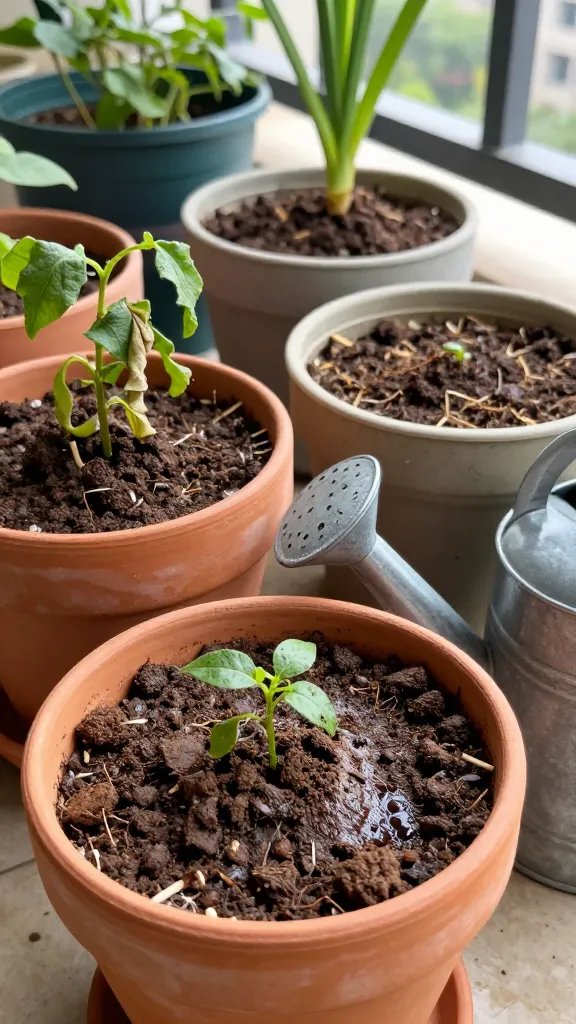
When I overwatered containers to “nurse” the plants, I invited fungi, soggy roots, and sap-sucking pests that hide in damp soil. The consequence is a magnet for pests that thrive in damp, dense soil and weak plants that attract aphids and fungus gnats.
Signs to Watch For
- Mallow-scented soil with persistent sogginess
- Date-stamped white fuzzy mold on soil surface
- Wilted leaves despite seemingly sufficient watering
How to Fix It
- Improve drainage: use pots with drainage holes and add a 1 cm layer of gravel at the bottom.
- Water only when the top inch of soil is dry to the touch.
- Choose a well-draining potting mix from the garden centre and refresh yearly.
What to Use Instead
- A lightweight, well-draining potting mix for vegetables and herbs
- Starter mulch like shredded bark to reduce surface evaporation
Takeaway: Water less, improve drainage, and refresh soil to curb pest-friendly soggy conditions today.
2. Whiteflies and Aphids: Sun-Loving Plants That Attract Trouble
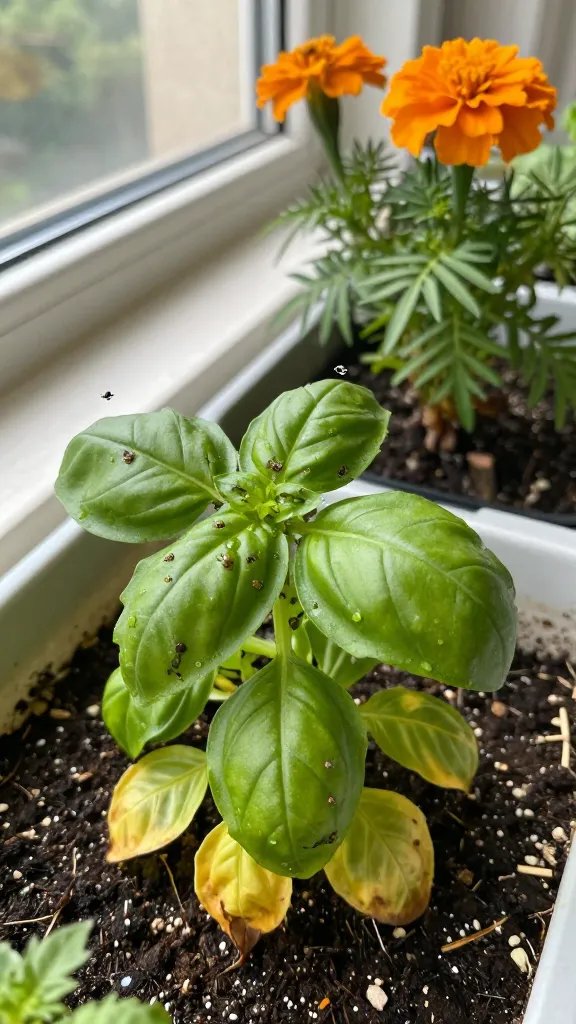
In bright indirect light near a window, I found aphids swarming basil when nearby marigolds weren’t present as companions. The pests ping-ponged between plants, turning an otherwise easy harvest into a chore.
Signs to Watch For
- Sticky honeydew on leaves
- Yellowing, curling leaves on tender herbs
- Visible small white flies when you shake the plant
How to Fix It
- Release beneficial insects like ladybugs or lacewings by purchasing at a garden centre, or attract them with pollen-rich plants.
- Trim heavily infested growth and isolate the plant to prevent spread.
- Wipe leaves with a damp cloth to remove aphids and pests.
What to Use Instead
- Patchwork of companion herbs such as basil near tomatoes or peppers
- Calendula or marigolds as boundary plants to deter pests
Takeaway: Use strategic companions and beneficial insects to disrupt aphid and whitefly colonies today.
3. Soil-Borne Pests and Nematodes: Static Roots, Active Invaders
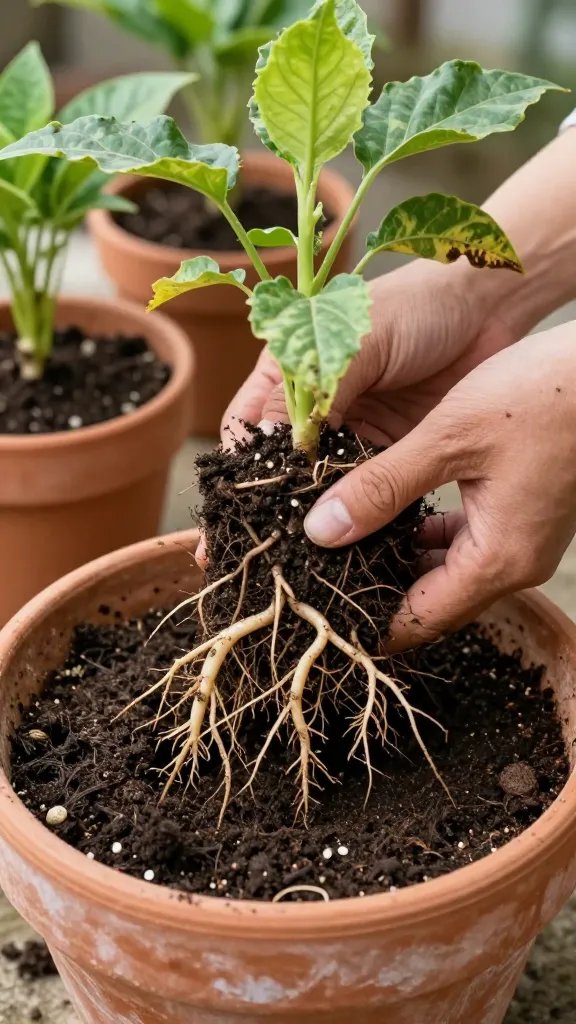
When I started squeezing multiple crops into single containers, I saw root-bound drawings and stunted growth. Soil-borne pests thrived in dense, crowded roots, making the problem worse for every plant sharing the same pot.
Signs to Watch For
- Stunted growth and irregular leaf color
- Chewed or picked-looking root tips when you gently lift the plant
- Slowly wilting plants even with adequate water
How to Fix It
- Choose single, mid-sized plants per container or use separate, smaller pots for each species
- Use a fresh, high-quality potting mix from the garden centre
- Avoid reusing old soil from previous plantings
What to Use Instead
- Individual pots with their own soil for herbs like thyme or oregano
- Layered container setups where roots have distinct zones
Takeaway: Prevent soil-borne pests by avoiding crowded plantings and refreshing soil between crops today.
4. Rescue by Beneficial Plants: Dirt-Wide Pest Control in Small Spaces
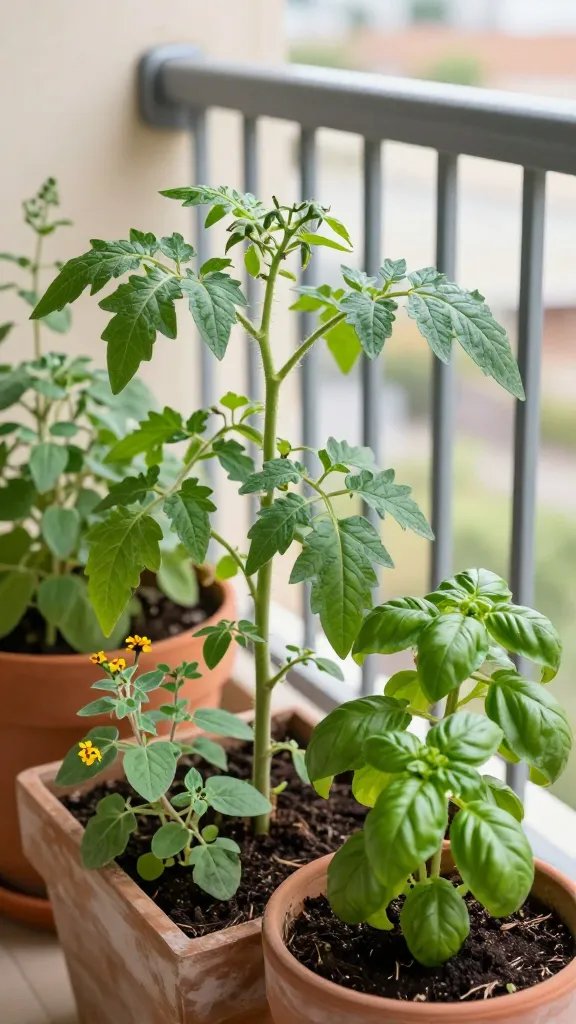
My balcony garden grew more resilient once I mixed in a few pest-deterrent companions that are easy to source at any garden centre. The right plant partners can reduce pest pressure without needing sprays or sprays of complexity.
Signs to Watch For
- Persistent pest pressure on one plant while others stay clean
- Leaf damage concentrated on edible crops near certain companions
- Improved plant vigor where companions are added
How to Fix It
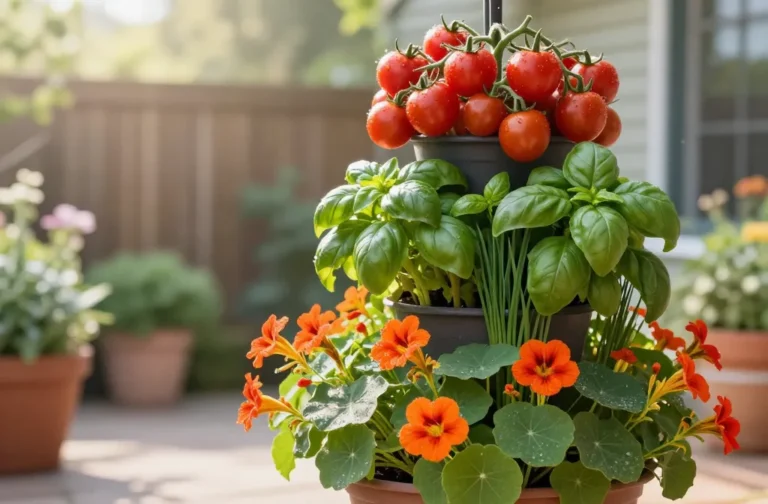
- Plant basil beside tomatoes to deter hornworms and attract beneficial insects
- Grow marigolds near cucumbers to mask scent and reduce aphid attraction
- Place dill or cilantro near peppers to attract beneficial insects
What to Use Instead
- Compact basil pots near tomatoes and peppers for pest deterrence
- Tagetes (your basic garden marigold) as a border plant in mixed containers
Takeaway: Introduce a simple trio of companion herbs around your edible crops to blunt pest pressure today.
5. Timing and Placement: The Right Partners in the Right Light
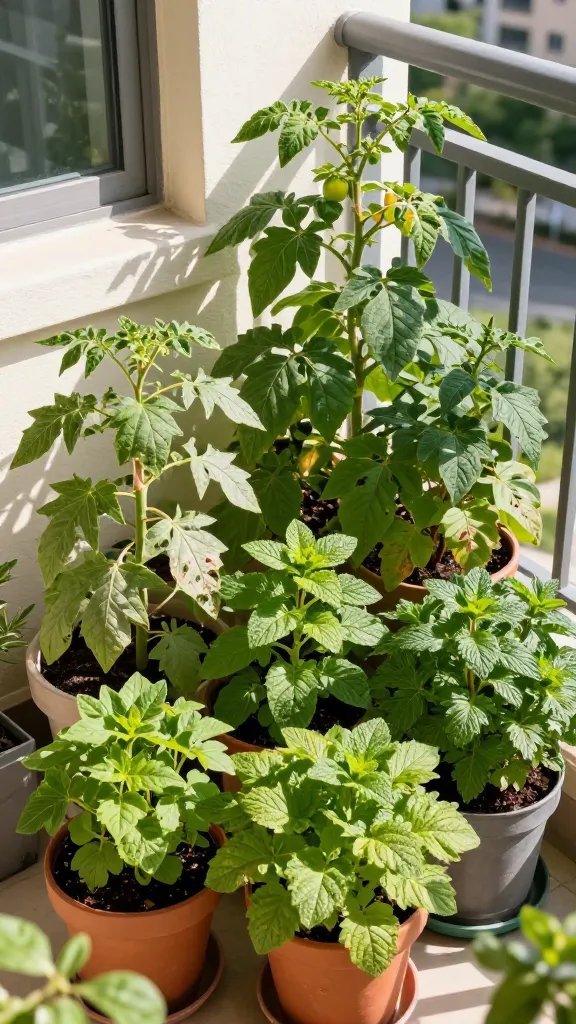
In my early seasons, I mixed shade-tolerant herbs with sun-loving fruiting plants and paid the price in pest pressure and uneven growth. The microclimate created by placing plants in the wrong light contributed to pest-friendly stress and weak plants.
Signs to Watch For
- Sun-loving plants showing stress on a cloudy balcony edge near a window
- Shade-loving herbs suffering in direct sun and becoming weak
- Pest outbreaks clustered on stressed plants
How to Fix It
- Group plants by their light needs in the same container or use separate pots
- Place pest-deterring companions in the sunniest spots of the container row
- Aim for at least 6-8 hours of bright indirect light daily for leafy herbs
What to Use Instead
- Place oregano, thyme, and rosemary in warmer, sun-soaked corners
- Put basil and dill in slightly cooler, bright indirect zones
Takeaway: Align plant placement with light needs and pest-deterring companions to keep pests down today.
Frequently Asked Questions
What are the simplest companion plants for pest control in containers?
Start with basil beside tomatoes, marigolds around cucumbers, and dill near peppers. These are easy to source at any garden centre and work well in standard pots. Keep to 2-3 companions per container to avoid crowding.
How many plants should I put in a single container for effective companion planting?
Limit to 1-2 edible crops per container if the pot is under 12 inches in diameter. For larger pots (14-18 inches), you can add a third, but ensure roots have space. Avoid overcrowding, which invites pests and reduces air movement.
Which pests are most likely to be deterred by marigolds?
Marigolds deter some aphids and nematodes and attract beneficial insects. They’re a good border plant but do not rely on them alone to keep pests away. Pair with other companions and good care practices.
Are natural remedies enough, or do I still need insecticidal soap?
Natural methods often suffice for light pest pressure. If you see heavy infestation, use a gentle insecticidal soap or horticultural oil, applied early morning or late afternoon to avoid leaf burn. Always test on a small leaf first.
How often should I rotate my plant companions in containers?
Rotate the placement of containers seasonally or after harvest. This helps break pest life cycles and keeps soil from becoming depleted of any specific nutrients. It also reduces pest buildup by disrupting predictable patterns.
What if I don’t have room for a lot of containers?
Use a single larger container with dividers or a tiered planter to separate plant families. Mix herbs that deter pests with your vegetables, but keep compatible light and water needs in the same section to avoid stress and pest problems.
Conclusion
With a few simple, practical companion choices, you can dramatically reduce pest pressure in containers without resorting to chemicals. Start by refreshing soil, choosing a few pest-deterring companions, and placing plants by light needs. Your balcony or windowsill garden will be healthier, sturdier, and more enjoyable to harvest.