7 Shade Plants That Repel Mosquitoes
I discovered a simple, practical way to cut mosquitoes without harsh chemicals after a summer with buzzing evenings and itchy bites. Since then, I’ve tested a handful of shade-tolerant plants that genuinely help reduce mosquitoes around decks and apartment balconies. This article will show you exactly which plants work, why they help, and how to use them in a typical home garden setup.
1. Lemon Balm (Melissa officinalis): Strong Scent Dampens Mosquitoes
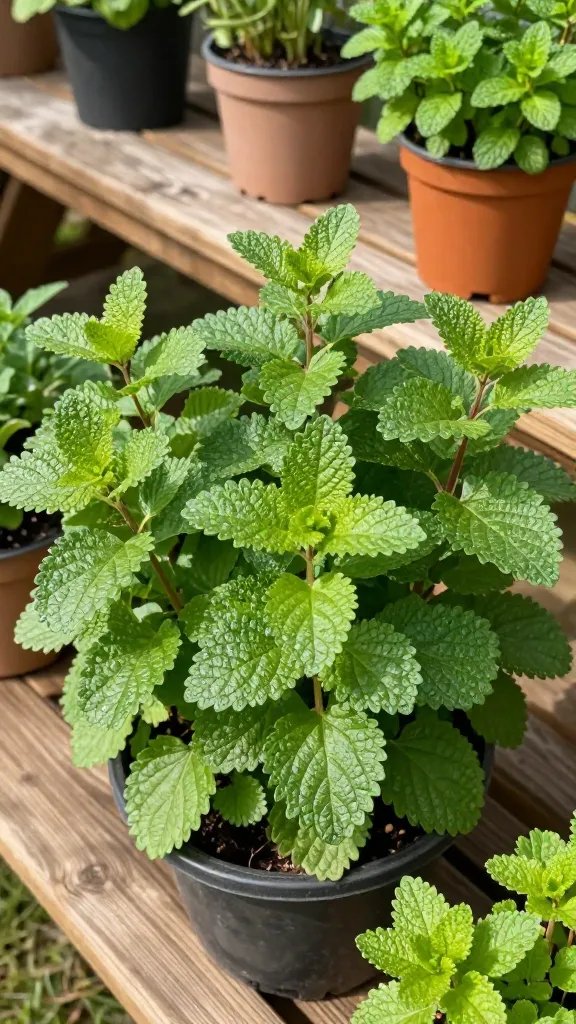
<pMosquitoes avoid lemon-scented herbs, so planting lemon balm in partial shade creates a natural barrier along balcony rails or near entryways. Its aroma lingers when brushed by a breeze, making it less inviting to pests. However, the plant spreads quickly, so containment is essential.
Signs to Watch For
- Leaves with a strong lemony fragrance when brushed
- Rapid, rhizome-driven expansion into nearby pots
- Fresh growth more resilient in shaded spots than sun-loving herbs
How to Fix It
- Contain lemon balm in a bordered pot or root barrier to prevent spreading
- Trim regularly to maintain a compact size and dense scent
- Plant in a shaded or lightly shaded area near seating to maximize scent exposure
What to Use Instead
- Other mint family aromas such as peppermint in separate pots for controlled scent release
- Catnip (Nepeta cataria) in a shaded corner for additional deterrence
Takeaway: Place a single lemon balm pot at the corner of your seating area to create a passive mosquito barrier that you’ll notice immediately when relaxing outside.
2. Citronella Grass (Cymbopogon nardus): Classic Yet Subtle Mosquito Deterrent
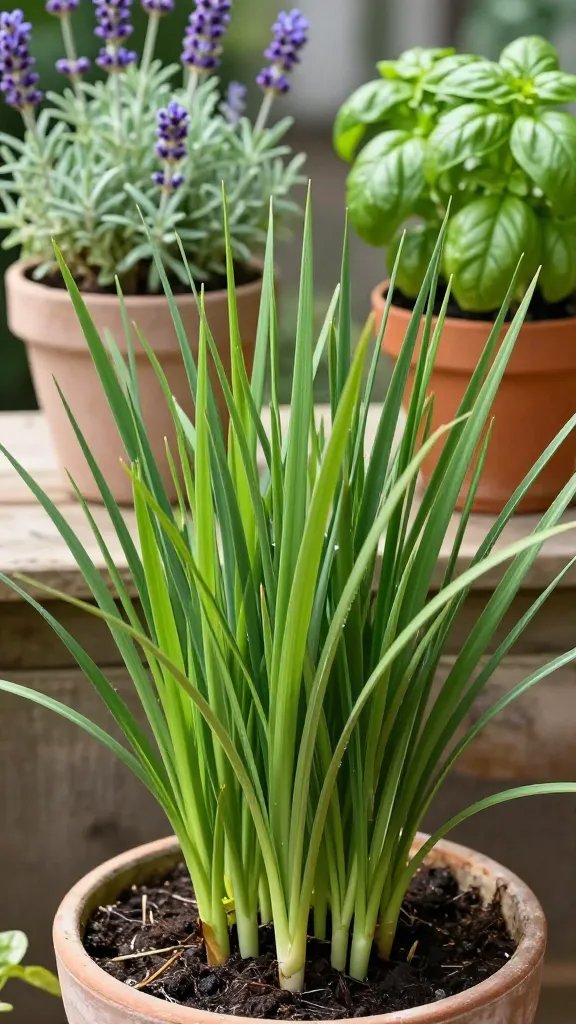
<pCitronella works by masking human scents with its citrus oil fragrance. In bright indirect light near a window or a shaded patio, it can thrive and form a low hedge that releases scent as wind passes by. Don’t expect a single plant to do all the work—consistency matters.
Signs to Watch For
- Leaves emit a strong citrus scent when rubbed
- Stems become leggy in deep shade
- Soil dries between waterings in hot, partly shaded areas
How to Fix It
- Provide bright indirect light and regular feeding with a balanced potting mix
- Pinch back new growth to maintain compact, bushy plants
- Water evenly to prevent leggy stems and keep scent strong
What to Use Instead
- Lavender (in containers) for a complementary scent that also deters some flying insects
- Sweet basil in a separate pot to offer both scent and edible harvesting opportunities
Action today: Place citronella grass in a pot near entrances or under windows where people gather to maximize scent release during evenings.
3. Lavender (Lavandula angustifolia): Purple Blooms, Mosquito Deterrence
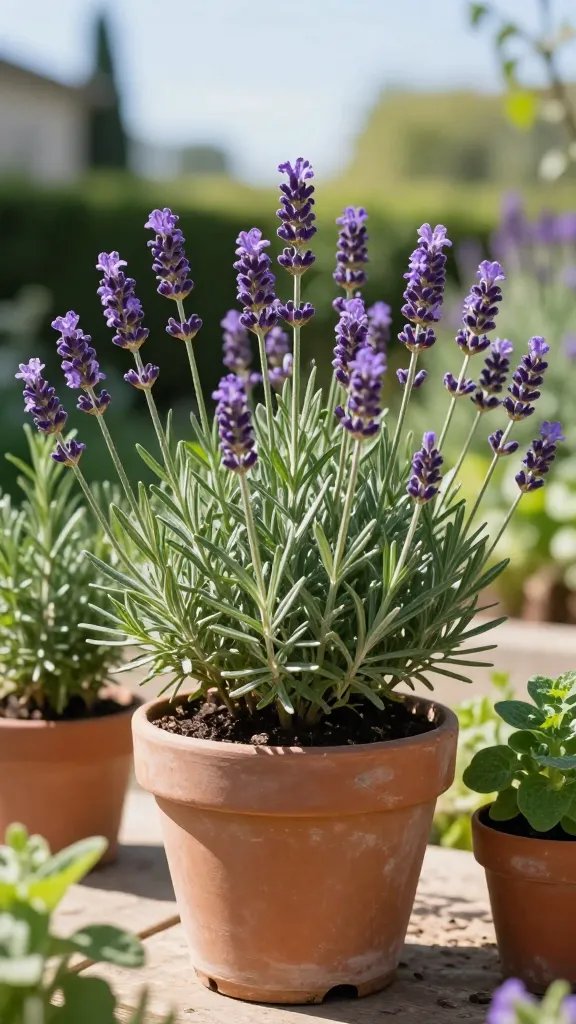
<pLavender thrives in bright indirect light and tolerates partial shade, making it suitable for shaded balconies. Its essential oils help repel mosquitoes, while the flowers add color and perfume. It’s a reliable color focal point that doubles as a pest deterrent.
Signs to Watch For
- Stem tips that remain green and pliable during cooler months
- Purplish flower spikes that appear on schedule in late spring
- Leaves that retain a strong fragrance when brushed
How to Fix It
- Plant in a well-draining potting mix and ensure good air circulation
- Place in a semi-sunny spot to protect from harsh afternoon sun
- Prune after blooming to maintain bushy shape
What to Use Instead
- Rosemary in a separate pot for a different scent profile and ongoing harvest
- Catmint (Nepeta) as a mint-family alternative with long-lasting fragrance
Takeaway: Add a lavender pot where people frequently gather to create a scented barrier that draws attention and deters mosquitoes without chemicals.
4. Garlic Chives (Allium tuberosum): Edible Plant with Mosquito Deterrence
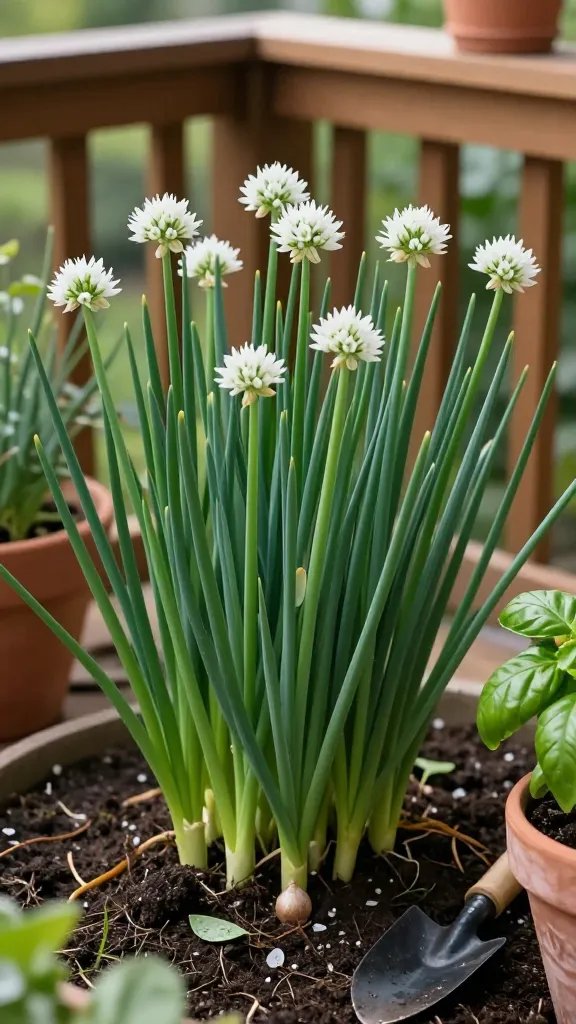
<pGarlic chives release a mild garlic scent that repels mosquitoes. They tolerate shade better than many herbs and provide edible leaves, making them a practical two-for-one choice for a small balcony garden. They also bloom with white flowers in warmer months, which adds charm without sacrificing utility.
Signs to Watch For
- Stalks stay relatively sturdy in lower light
- Leaves release a discernible garlic scent when crushed
- Dense clumps form over a single growing season if not divided
How to Fix It
- Divide clumps every 12-18 months to maintain vigor
- Water evenly but not excessively to prevent root rot
- Harvest regularly to encourage bushier growth
What to Use Instead
- Chives in a sunny portion of a balcony if you want more flowering aesthetic
- Onion basil in a separate pot for complementary aromas
Action today: Plant garlic chives in a corner bed that receives dappled light to overlap with seating areas for easy jar-friendly snipping and pest deterrence.
5. Peppermint (Mentha × piperita): Pungent Guard in Low Light
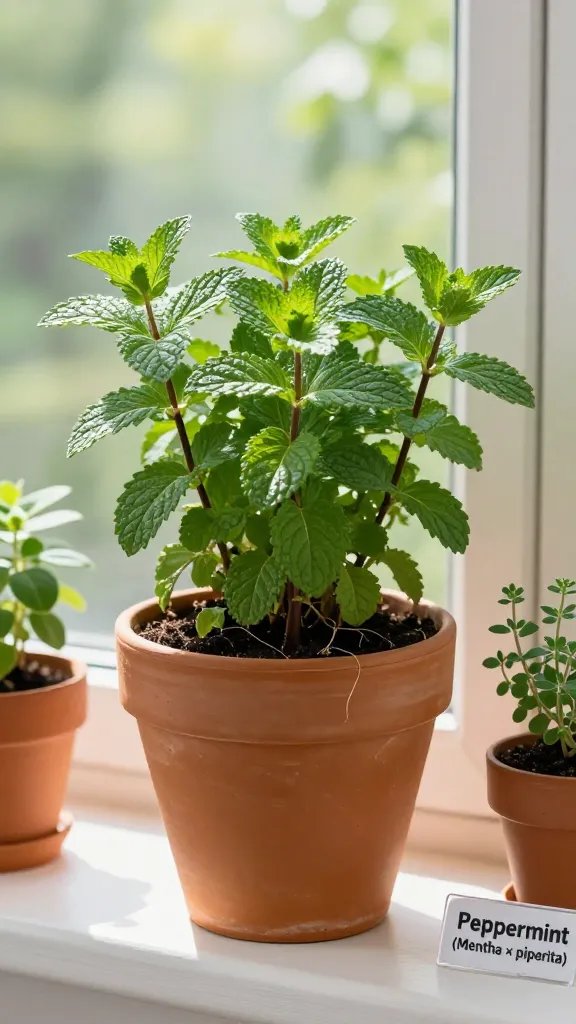
<pPeppermint emits a strong scent that repels mosquitoes when brushed or warmed by sun near a window. It grows aggressively, so containment is key. In a shaded balcony, peppermint can act as a border along pathways where people spend time.
Signs to Watch For
- Vigorous growth that can smother neighboring pots
- Leaves feel cool and tingly to the touch when brushed
- Floating roots or runners extending into adjacent pots
How to Fix It
- Grow in a dedicated containment pot with a tight rim barrier
- Trim weekly to keep compact and prevent spreading
- Water from the base to avoid damp foliage that can promote disease
What to Use Instead
- Patchouli (in a separate pot) for a different, long-lasting scent
- Oregano or thyme as low-fuss alternatives with their own pest-repellent traits
Takeaway: Keep peppermint in a dedicated pot near seating to maximize aroma exposure and minimize spread to other containers.
6. Sage (Salvia officinalis): Aromatic Shield for Shady Nooks
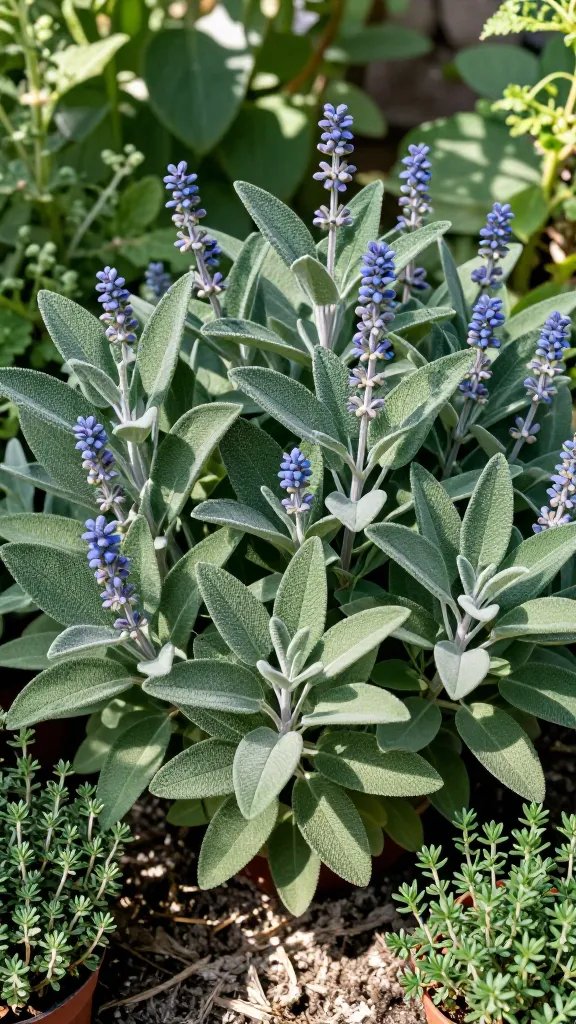
<pCommon sage has a strong, resinous scent that helps deter mosquitoes. It performs well in partial shade and adds a sturdy, low-growing option to form a scented border around your patio. Its leaves can be used in cooking, adding practicality to your pest control strategy.
Signs to Watch For
- Leaves retain a gray-green color and a robust aroma when crushed
- Plants stay compact in shaded areas but may look spindly in deep shade
- Flower spikes appear in late spring with pale blue or purple blooms
How to Fix It
- Prune after flowering to keep shape and encourage denser growth
- Ensure a well-draining potting mix to prevent root rot in shade
- Group sage with other Mediterranean herbs to mimic their natural habitat
What to Use Instead
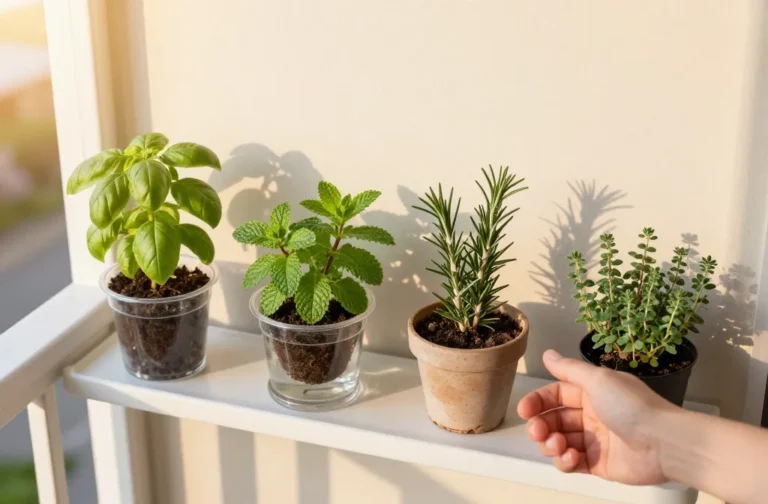
- Thyme in a separate pot for a gentler scent and ground-covering habit
- Basil varieties that tolerate partial shade and offer culinary value
Action today: Create a small sage corner in a pot near your doorway to form a natural aroma perimeter that repels mosquitoes.
7. Basil (Ocimum basilicum): Edible Deterrent in Dim Light
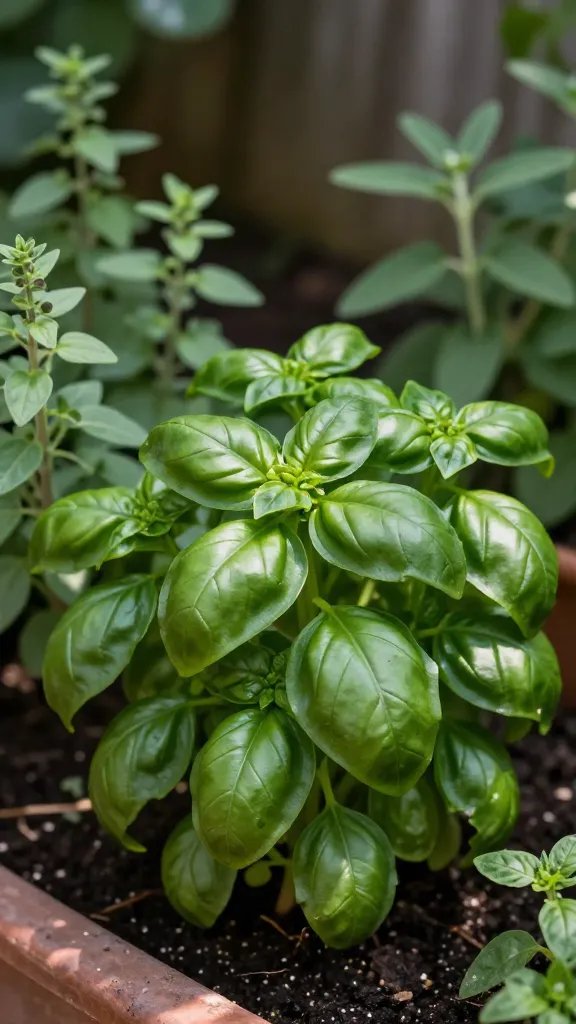
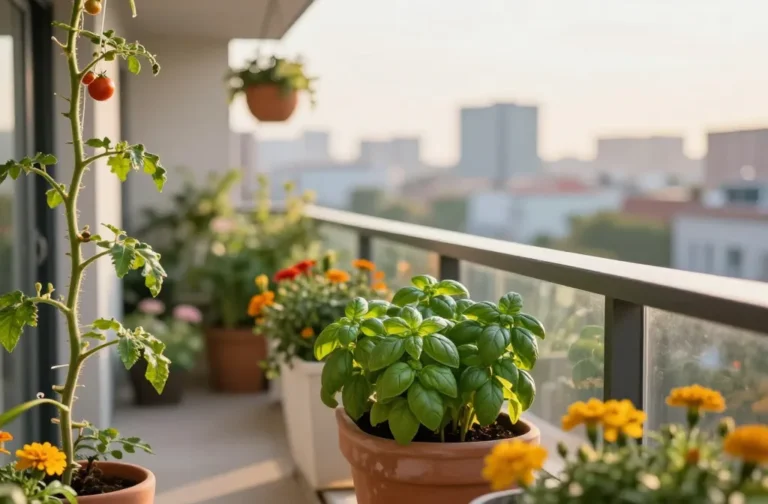
<pBasil is not only a kitchen staple but also a practical mosquito deterrent when grown in shade-tolerant varieties. The scent is strongest when leaves are crushed, creating a quick, hands-on defense during outdoor meals or gatherings. Choose compact varieties to fit shaded containers.
Signs to Watch For
- Compact growth in partial shade with vibrant green leaves
- Leaves release strong aroma when brushed or rubbed
- Plants produce new growth regularly in cool, shady spots
How to Fix It
- Keep soil evenly moist but not soggy to avoid root stress
- Pinch flowering tops to maintain leafy, vigorous growth
- Rotate pots seasonally to maximize light exposure
What to Use Instead
- Oregano or marjoram in the same bed for a different scent profile with culinary value
- Meadow sage as part of a mixed container for texture and scent
Takeaway: Keep a small basil pot where you’ll be seated to provide scent cues that help mask human odor and repel mosquitoes during outdoor meals.
FAQ
Which of these plants is the easiest for total beginners?
Lemon balm and peppermint are among the easiest to start because they tolerate a wider range of shade and moisture levels. Start with one plant in a contained pot, then scale up if you’re happy with the results. Keep the soil consistently moist but not soggy to avoid root rot.
Will these plants repel mosquitoes indoors as well as outdoors?
Yes, in a bright indirect light window, most of these herbs will still emit enough scent to deter some mosquitoes. For best results, place pots near doors or windows you use often, and occasionally rub a leaf to release the aroma.
Do I need to water more because they are in shade?
Shade reduces evaporation, so you’ll water less often. Check soil moisture by feeling the top 2 inches; water when it feels dry. In cool periods, you may go several days between waterings.
Can I mix these plants in one pot?
Yes, but choose companion plants with similar water and light needs. For example, lemon balm, mint, and chives can coexist in a large, well-draining container with a barrier to control spreading. Avoid overcrowding to maintain airflow.
How often should I prune these plants?
Prune weekly for herbs like basil, mint, and lavender to maintain a compact shape and prevent legginess. For perennials like thyme and sage, trim after flowering to encourage bushier growth.
Are these plants safe for pets?
Most listed herbs are considered safe in small amounts, but pets may have adverse reactions if ingested in large quantities. If you have curious dogs or cats, place plants out of reach or choose non-toxic alternatives in reachable zones.
Conclusion
With a handful of shade-tolerant herbs, you can create a fragrant, mosquito-deterrent edge around your living space. Start with one or two pots in a prime sitting area, and expand as you observe the scents at work. Your evenings outside can be calmer and more enjoyable as you gradually establish a natural barrier against mosquitoes.